Buying an Apartment in Bangkok
Under Thai law, UK nationals can legally own an apartment freehold in their own name, provided the building's total floor space does not exceed a 49% foreign ownership quota. Falling outside this quota means you can only secure a leasehold agreement, stripping away your right to sell the property on the open freehold market.
This guide breaks down the mechanics of buying an apartment in Bangkok, from identifying genuine long-term value across key districts like Sukhumvit and Sathorn to navigating foreign ownership laws and avoiding oversupplied zones. It is written for UK investors and relocators seeking capital appreciation or rental yields, rather than those looking for temporary holiday bases. By the end, you will understand realistic pricing, legal transfer requirements, and how to verify developer claims before transferring funds.

The Foreign Freehold Quota and Legal Ownership
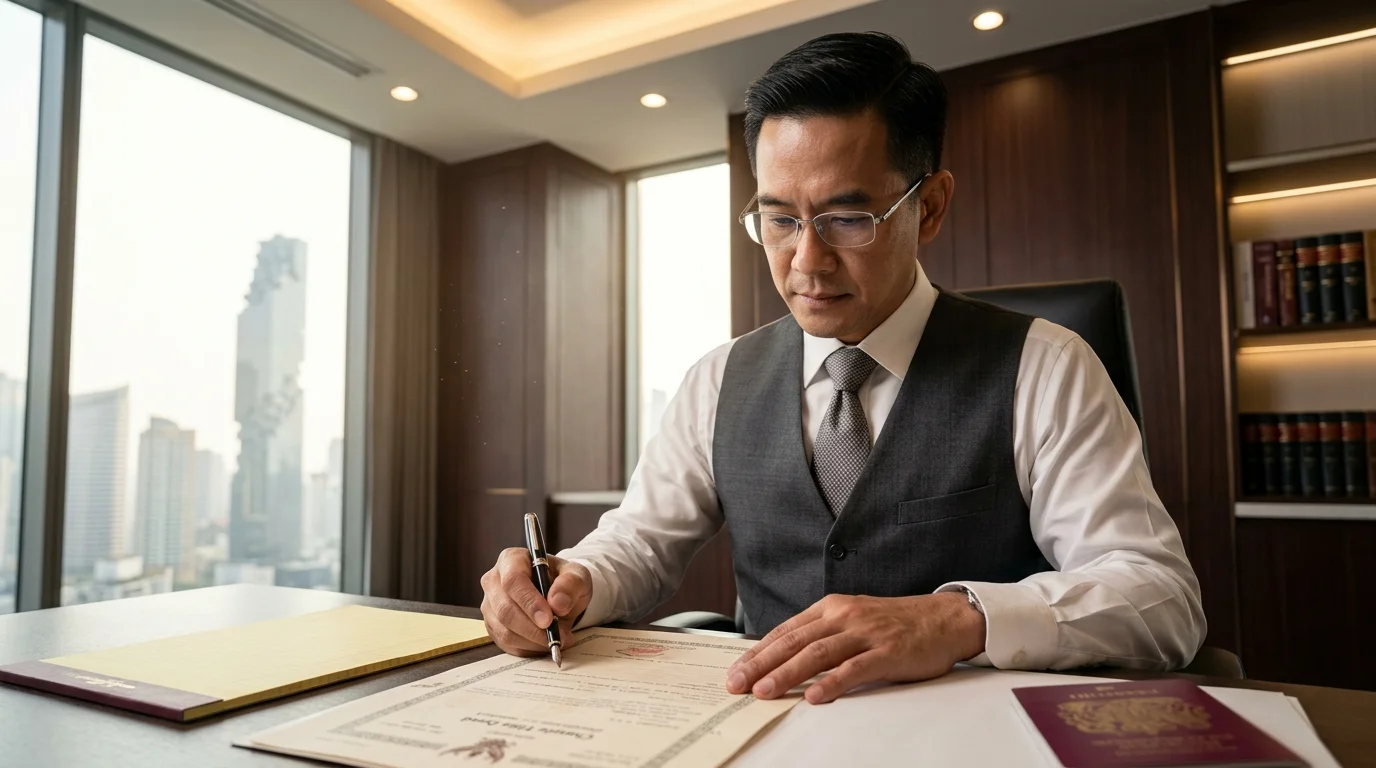
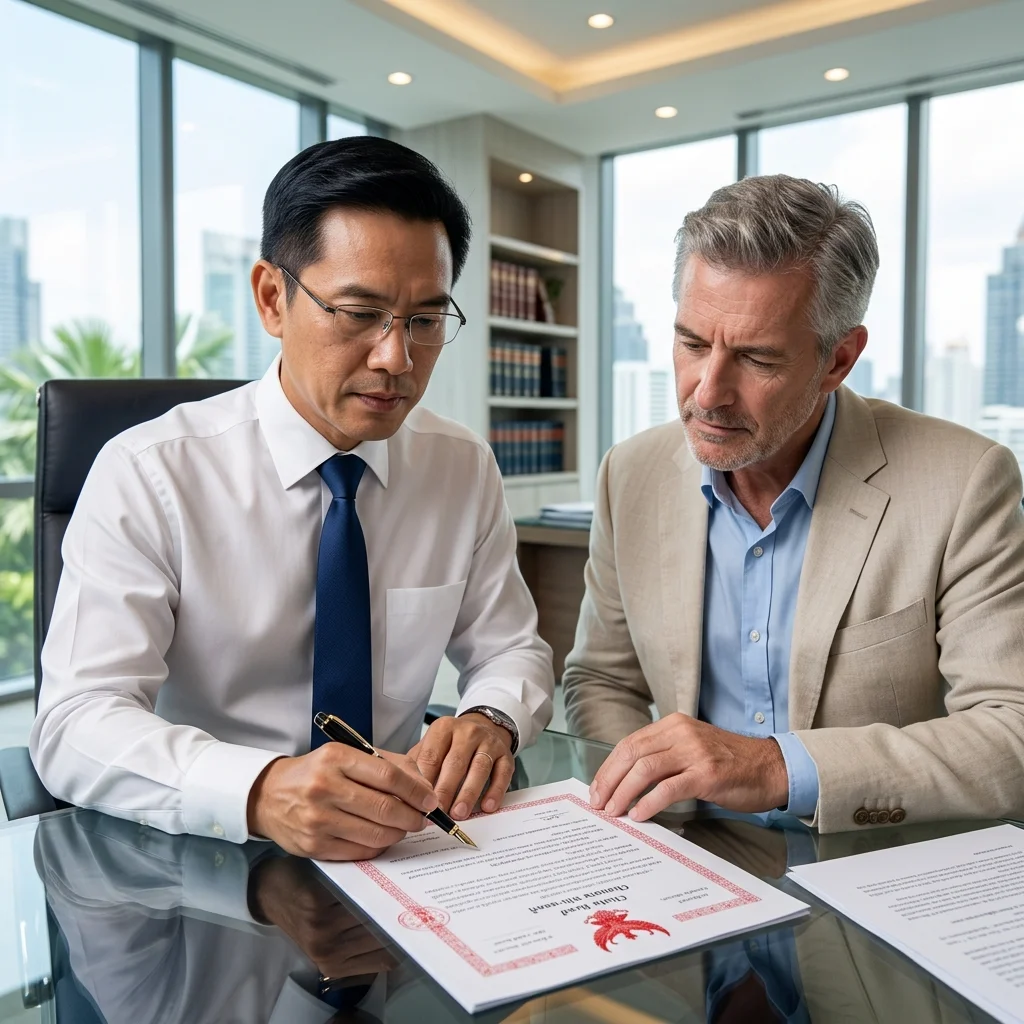
Foreigners can only hold freehold title to an apartment if 51% of the building's total floor area remains owned by Thai nationals. The Bangkok apartment market is the most secure and legally protected route to property ownership for UK buyers in Thailand. When you buy within the 49% foreign quota, you receive a Chanote title deed registered at the Land Department with your name printed on the back as the absolute owner. This grants you full control, meaning you can sell, lease, or bequeath the property without needing to set up a complex Thai company structure. If a building's foreign quota is full, developers will often push a 30-year leasehold contract instead. A leasehold is a depreciating asset that offers zero capital growth potential and severe restrictions on resale, as you only own the right to use the space for a fixed time. You must verify the quota status directly with the juristic person managing the building before signing a reservation agreement. Transferring funds correctly is also a strict legal requirement. The money must originate from outside Thailand in a foreign currency, typically GBP, and be converted to THB by the receiving Thai bank to generate a Foreign Exchange Transaction Form. Always insist on buying freehold if your goal is long-term investment or capital preservation.
Discover how to find long-term rental properties in Thailand. Compare property portals, understand local agents, and learn how to secure the best lease terms.
| Ownership Route | Legal Title | Resale Potential | Notes |
|---|---|---|---|
| Foreign Freehold | Chanote (Title Deed) | High | Absolute ownership, inheritable, best for capital growth. |
| Leasehold | 30-Year Lease Contract | Low | Depreciating asset, requires landlord permission to sell. |
| Thai Company Freehold | Chanote (via Company) | Medium | Requires valid business purpose and Thai majority shareholders. |
| Nominee Ownership | Illegal Structure | Zero | Using Thai nominees to hold property is illegal and heavily prosecuted. |
District Analysis: Sukhumvit, Silom, and Sathorn
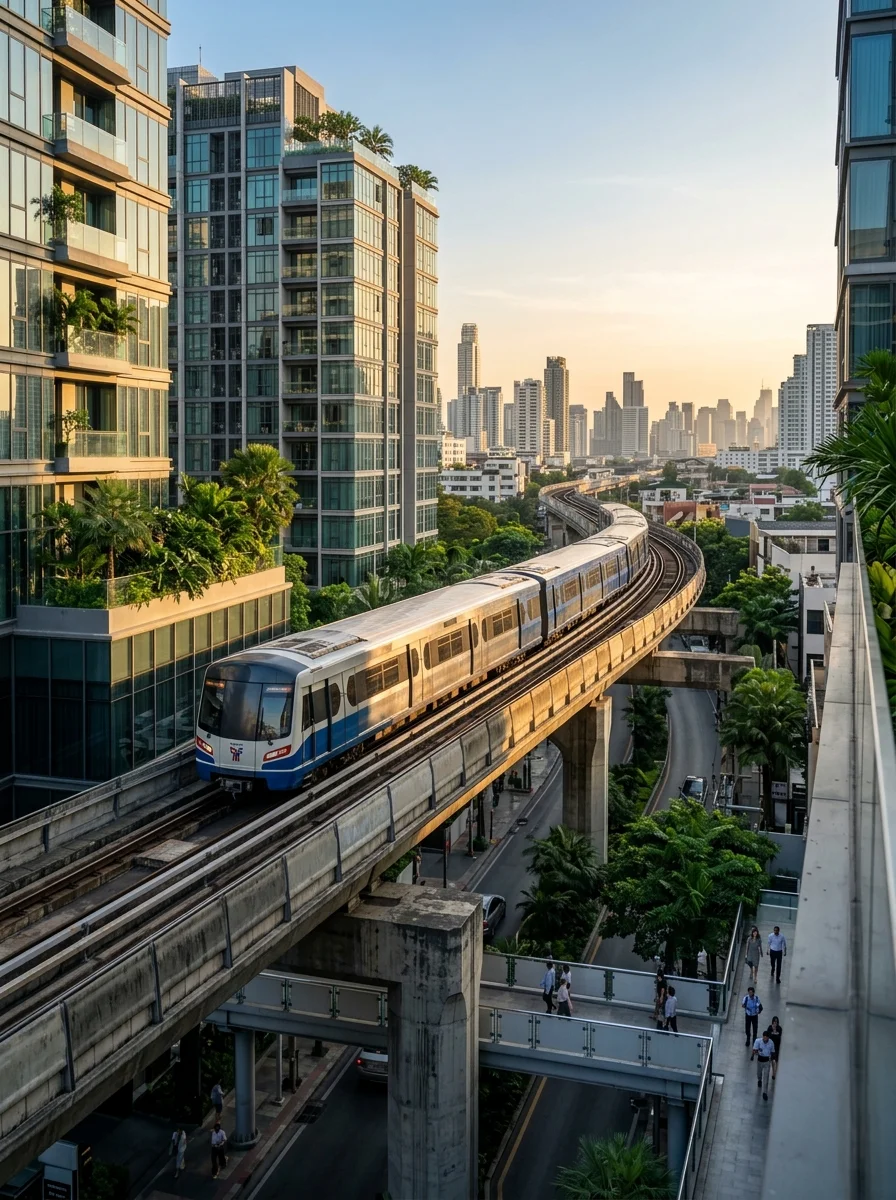
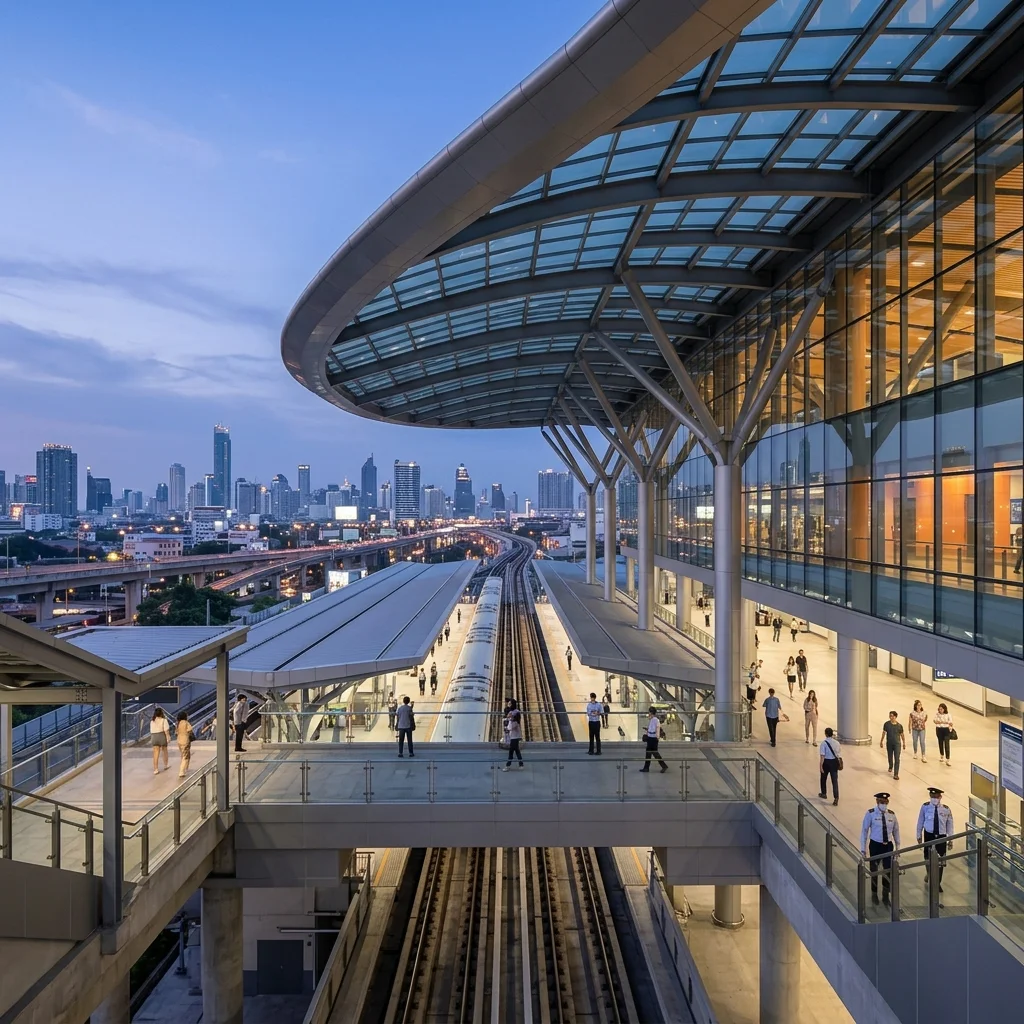
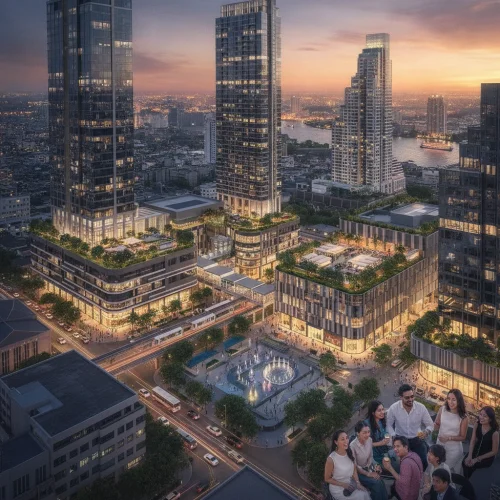
Property valuations and rental yields in central Bangkok are dictated almost entirely by proximity to mass transit stations. Sukhumvit remains the primary target for expatriate renters, particularly the stretch from Nana to Ekkamai BTS stations. Here, realistic purchase prices range from 150,000 THB (£3,330) to 250,000 THB (£5,550) per square metre. Rental demand is driven by corporate relocations, with yields averaging 4% to 5% annually for well-managed units. Silom and Sathorn serve as the traditional financial districts. These areas attract embassy staff and senior executives who prioritise shorter commutes over the retail amenities found on Sukhumvit. Apartment supply in Sathorn is tighter, keeping resale values resilient even during wider market downturns. Properties within 500 metres of a BTS or MRT station command a 15% to 20% premium, but they also experience significantly lower vacancy rates. When evaluating these prime zones, older buildings often provide much larger floor plans at a lower price per square metre than new off-plan launches, though they require higher maintenance budgets. Prioritise buildings within a ten-minute walk of a transit station to guarantee consistent tenant demand.
| District | Primary Tenant Demographic | Average Price Per Sqm | Typical Rental Yield |
|---|---|---|---|
| Lower Sukhumvit (Nana-Asoke) | Western Expatriates | 180,000 - 250,000 THB | 4.0% - 5.0% |
| Mid Sukhumvit (Phrom Phong-Ekkamai) | Japanese and Western Families | 160,000 - 220,000 THB | 4.5% - 5.5% |
| Silom and Sathorn | Executives and Diplomats | 170,000 - 240,000 THB | 3.5% - 4.5% |
| Outer Sukhumvit (On Nut-Bearing) | Young Professionals | 90,000 - 130,000 THB | 5.0% - 6.0% |
Emerging Corridors and The Oversupply Risk
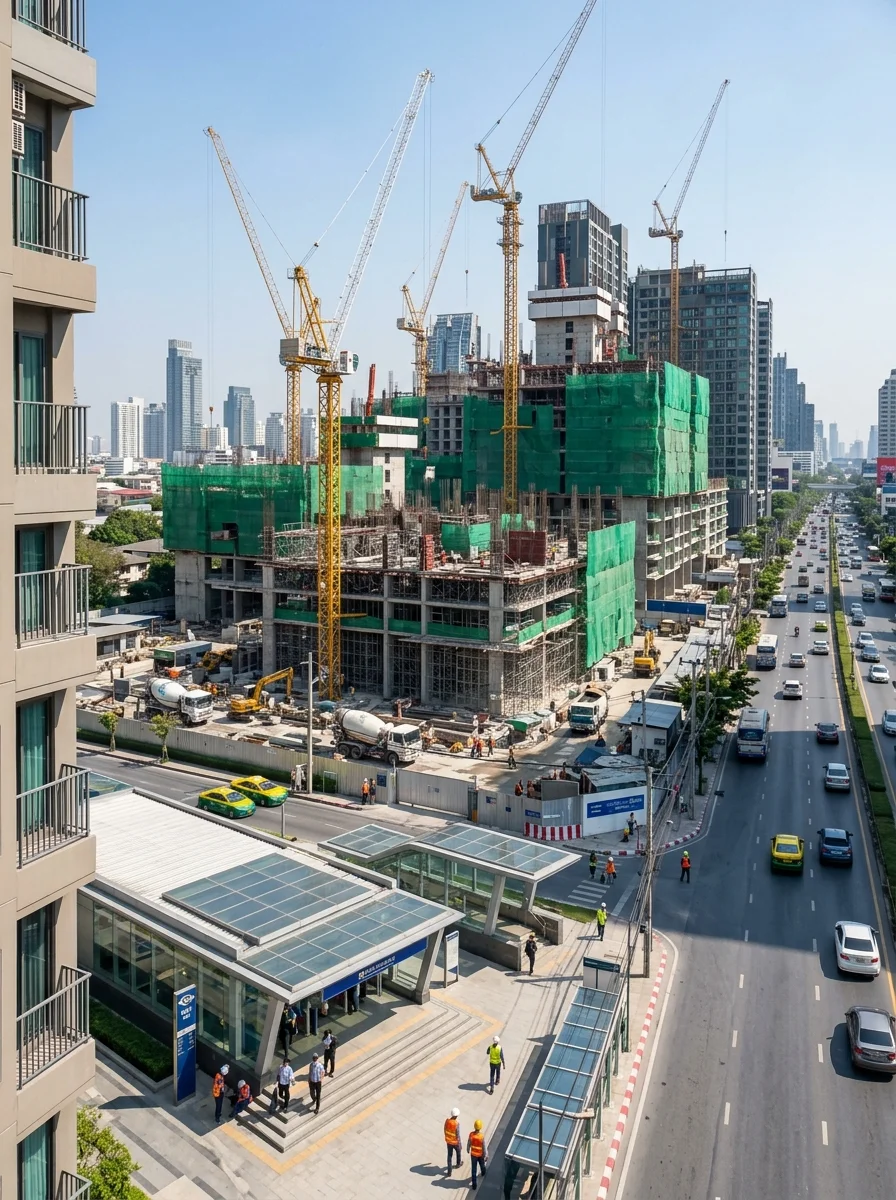
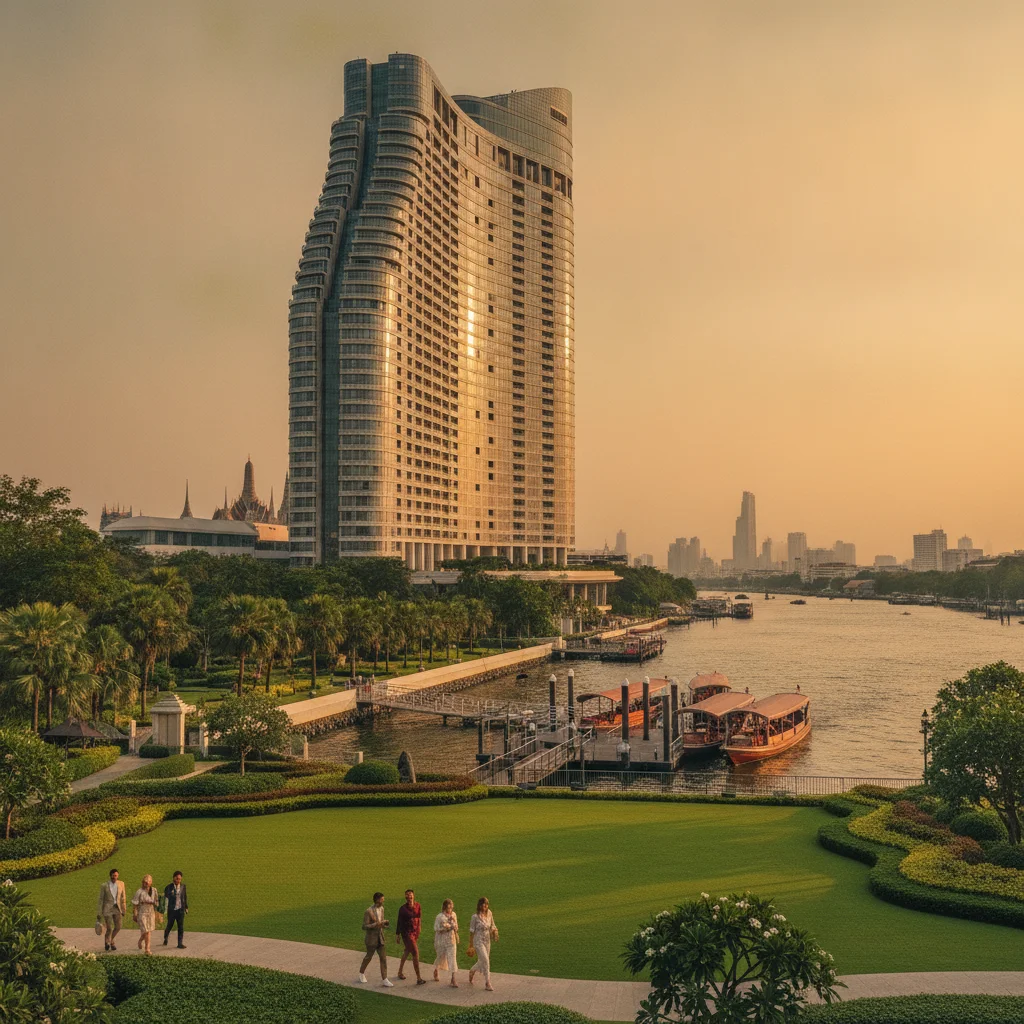
Developer marketing frequently exaggerates the rental potential of peripheral Bangkok districts, masking severe oversupply issues that suppress yields. Ratchada and Rama 9 have seen massive development aimed at foreign buyers over the last decade. While the MRT line provides connectivity, the sheer volume of identical 28-square-metre units has created a highly competitive rental market where landlords must continually slash prices to find tenants. Yields here frequently drop below 3% due to extended vacancy periods. The riverside presents a different dynamic, offering premium lifestyle appeal but limited mass transit access unless situated directly adjacent to the Saphan Taksin BTS station. Prices along the Chao Phraya River can exceed 300,000 THB (£6,660) per square metre, driven by the scarcity of waterfront land rather than pure rental economics. Buying into mega-projects with over 1,000 units means you will constantly compete against hundreds of other landlords offering the exact same floor plan and furniture package. Focus on boutique buildings in established neighbourhoods to protect your resale value and ensure consistent occupancy.
Budget, Mid-Range, and Luxury Market Tiers
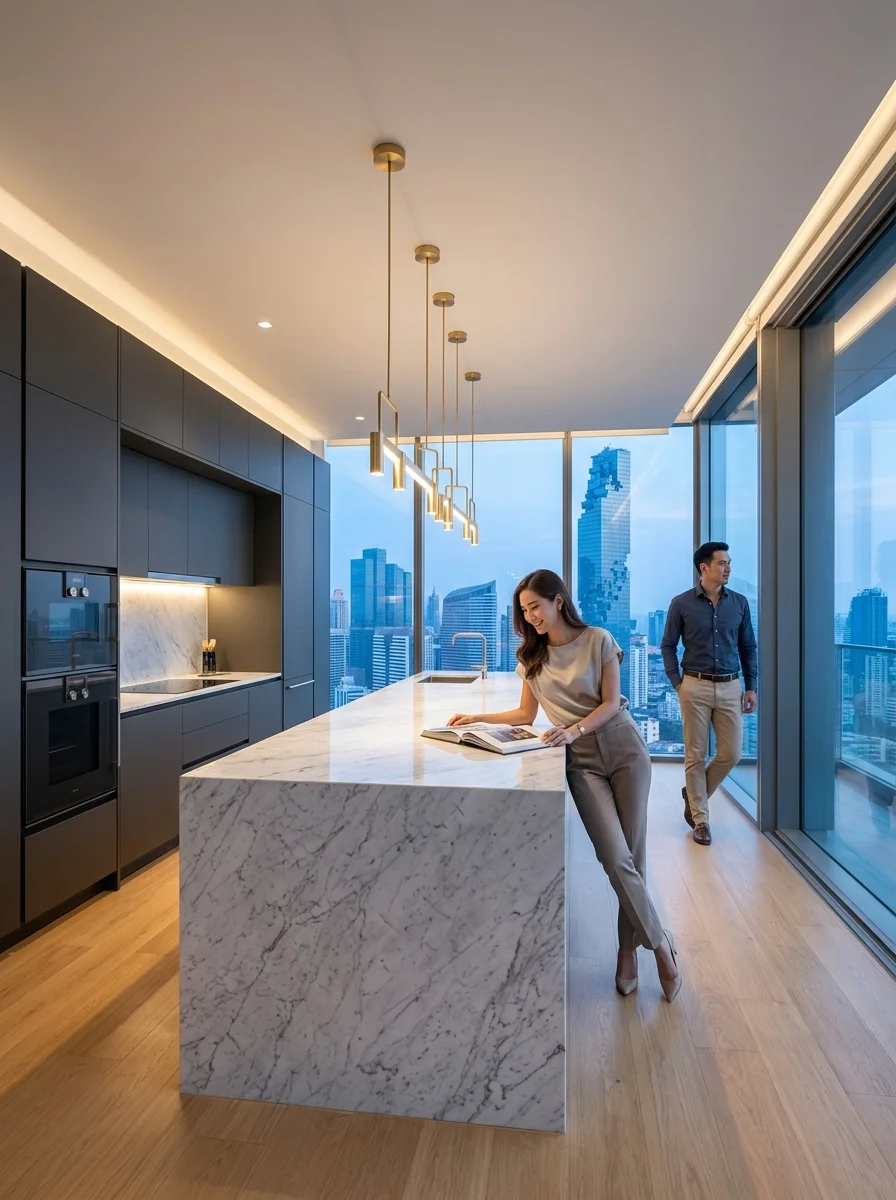
The build quality and facility management of a Bangkok apartment dictate its long-term viability far more than the initial purchase price. Budget tier properties, priced below 100,000 THB (£2,220) per square metre, dominate the outer suburbs. These buildings often suffer from poor sound insulation, rapid facade deterioration, and underfunded sinking funds that leave gyms and pools unmaintained within five years. Mid-range apartments, sitting between 120,000 THB (£2,660) and 180,000 THB (£4,000) per square metre, form the core of the expatriate rental market. Buyers at this level should expect solid construction, functional layouts, and active juristic management teams that rigorously enforce building rules. The luxury tier, starting from 250,000 THB (£5,550) per square metre, features branded residences and prime central plots. These properties offer premium imported materials, private lift access, and dedicated concierge services. For a UK investor, the mid-range tier typically represents the best balance of capital outlay and reliable yield. Always inspect the communal areas of a developer's previously completed projects to assess how well their buildings age before committing to an off-plan purchase.
| Market Tier | Price Range Per Sqm | Build Quality | Long-Term Rental Appeal |
|---|---|---|---|
| Budget | Under 100,000 THB | Basic materials, minimal soundproofing | Low to Medium, high tenant turnover |
| Mid-Range | 120,000 - 180,000 THB | Solid construction, good facilities | High, attracts corporate renters |
| Luxury | 250,000 THB+ | Premium imports, low-density | Medium, niche market but loyal tenants |
| Ultra-Luxury | 350,000 THB+ | Branded residences, private lifts | Low yield, high capital preservation |
Securing the Purchase and Transferring Funds
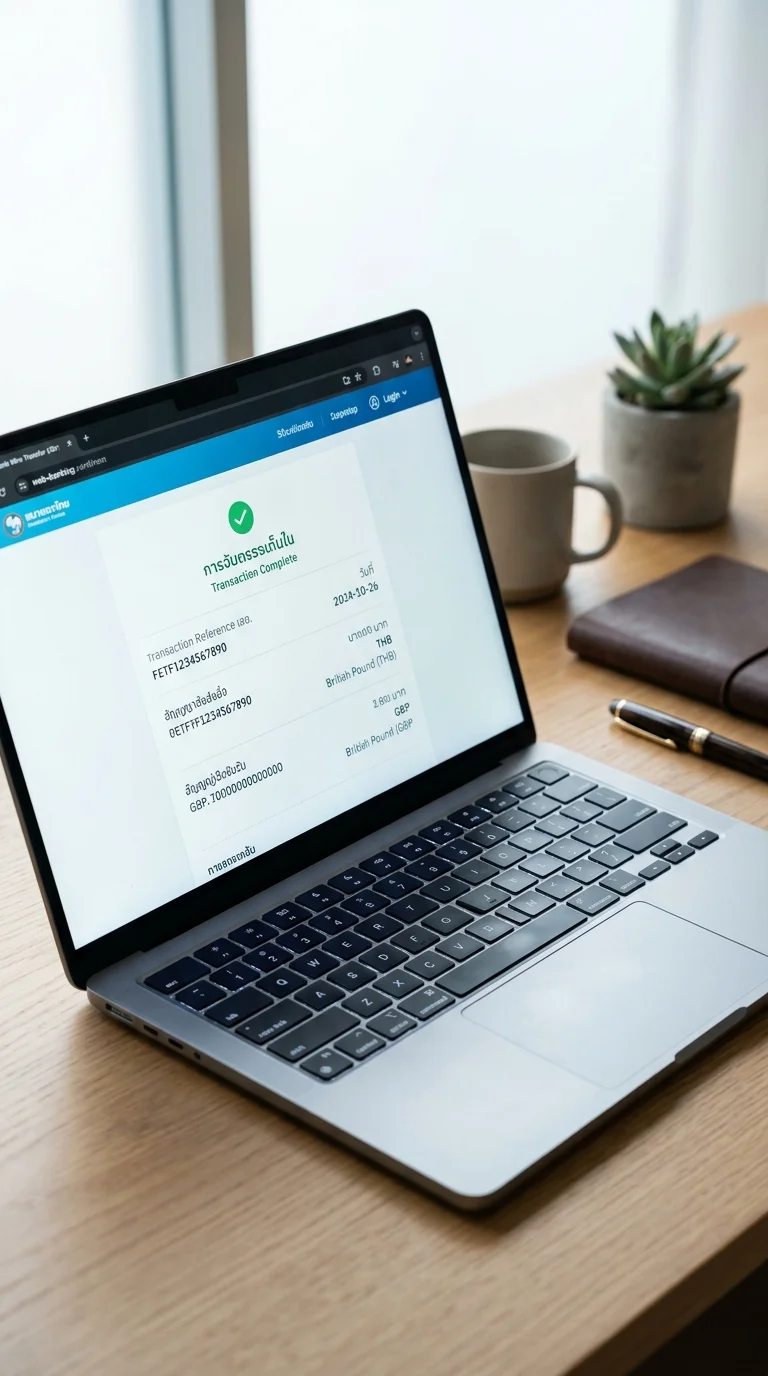
Failing to document your inbound international transfer correctly will legally block the Land Department from registering the apartment in your name. Once you sign a reservation agreement, you typically pay a non-refundable deposit of 50,000 THB (£1,110) to 100,000 THB (£2,220). The remaining balance must be transferred into Thailand from a UK or international account. You cannot pay for a foreign quota apartment using Baht earned and held within Thailand. Your transfer instructions must explicitly state the purpose of the funds, such as "Purchase of Apartment Unit 45 at Sukhumvit Residence". When the receiving Thai bank clears the transfer, they will issue a Foreign Exchange Transaction Form (FETF) for any amount over 50,000 USD (approximately £39,000). If your purchase price is lower, you must request a credit advice receipt containing the exact same information. The Land Department requires these original bank documents on the day of transfer to prove the funds originated overseas. Always use a dedicated currency broker or bank transfer rather than carrying cash or using unverified third-party remittance apps to ensure full legal compliance.
Comparing Bangkok to Other Thai Property Hubs
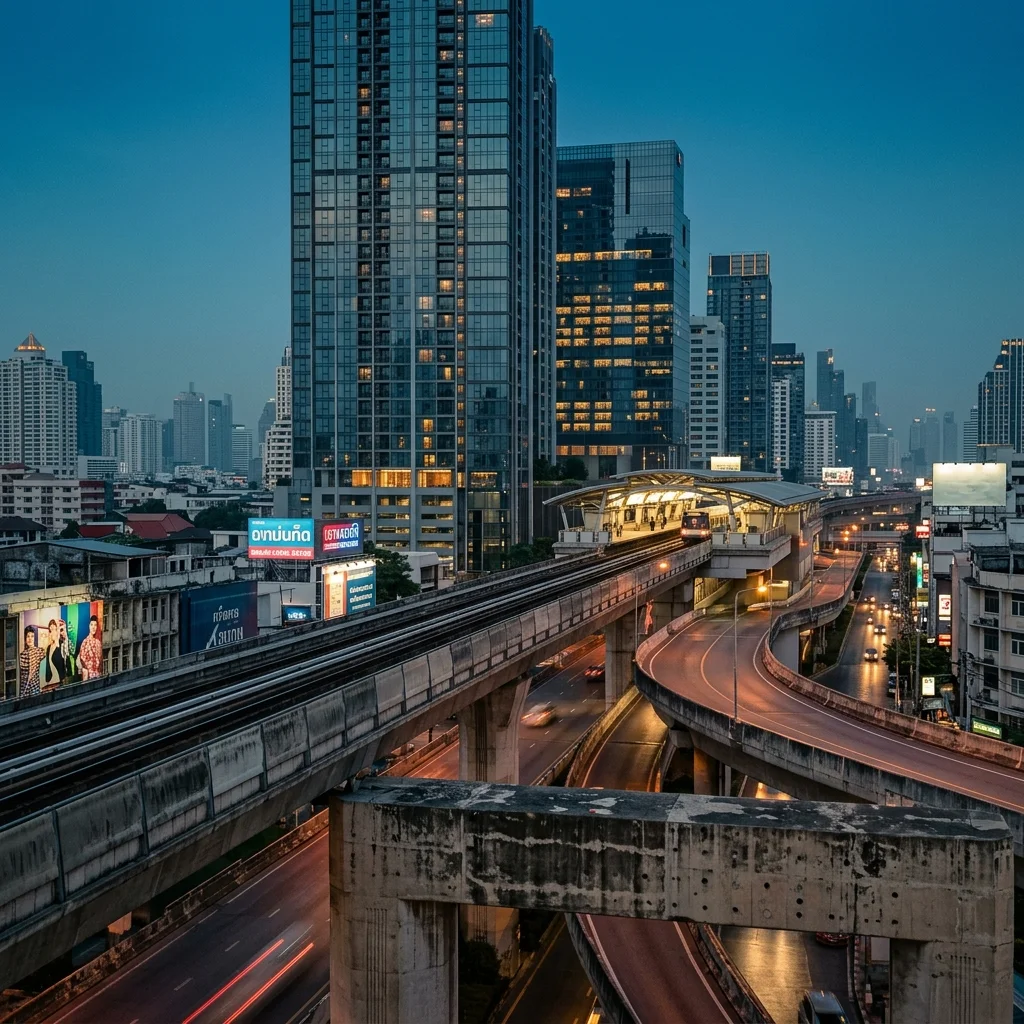
When comparing Bangkok to other major Thai investment locations, the capital offers lower gross yields but significantly higher capital preservation and year-round tenant demand. Markets like Phuket and Pattaya are heavily reliant on seasonal tourism. A property in Phuket might generate a 7% to 8% yield during the high season, but sit completely empty from May to October. Bangkok, by contrast, is driven by long-term corporate contracts, embassy staff, and domestic professionals. This creates a stable 12-month rental cycle where leases are typically signed for a minimum of one year. Furthermore, the resale market in Bangkok is far more liquid. If you need to exit your investment, a well-priced unit near a central BTS station will attract buyers regardless of the global tourism climate. Regional markets also suffer from a severe lack of secondary infrastructure, making properties highly vulnerable to local shifts in popularity. Invest in Bangkok if your priority is consistent, predictable income rather than chasing seasonal, high-risk holiday rental returns.
Costs and Fees
Transaction costs at the Land Department depend entirely on how long the seller has owned the property and what you negotiate in the sale contract. The standard transfer fee is 2% of the government-appraised value, usually split equally between buyer and seller. If the seller has owned the apartment for less than five years, a Specific Business Tax of 3.3% applies; otherwise, a 0.5% Stamp Duty is charged. The seller is legally responsible for these taxes and the withholding tax, but developers often try to push these costs onto buyers in off-plan contracts. Legal fees for a UK buyer hiring a Thai property lawyer range from 30,000 THB (£660) to 60,000 THB (£1,330) for due diligence and contract review. Property brokers charge a 3% commission, which is strictly paid by the seller. Ongoing costs include an annual common area fee calculated per square metre, typically 50 THB (£1.10) to 100 THB (£2.20) per month, and a one-off sinking fund contribution for new builds.
| Cost Item | Rate or Amount | Paid By | Notes |
|---|---|---|---|
| Transfer Fee | 2% of appraised value | Split 50/50 | Standard practice, but negotiable in resale contracts. |
| Specific Business Tax | 3.3% of sale price | Seller | Applies if the property is sold within 5 years of purchase. |
| Stamp Duty | 0.5% of sale price | Seller | Applies if owned for over 5 years. Replaces Specific Business Tax. |
| Legal Fees | 30,000 - 60,000 THB | Buyer | Covers due diligence, contract review, and transfer assistance. |
| Sinking Fund | 500 - 800 THB per sqm | Buyer | One-off payment for new builds to cover major future repairs. |
| Maintenance Fee | 50 - 100 THB per sqm/month | Buyer | Paid annually in advance to the juristic person. |
Common Mistakes and How to Avoid Them
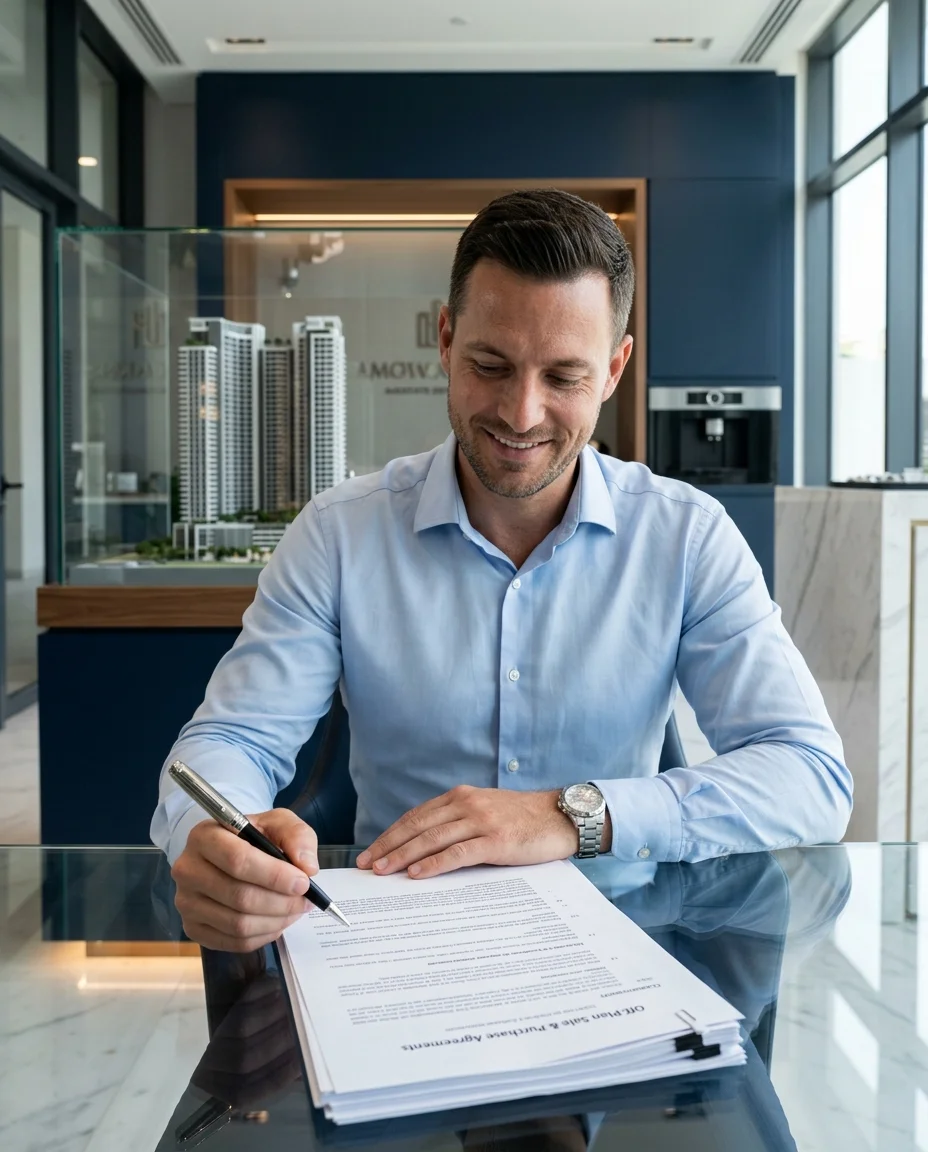
Signing a reservation agreement before conducting due diligence on the building's foreign ownership quota is a frequent error. If the 49% quota is already full, you will be forced into a 30-year leasehold agreement, destroying your asset's long-term resale value. You must hire a Thai property lawyer to verify the quota status with the juristic person before handing over any deposit.
Transferring purchase funds in Thai Baht from a UK bank account is a critical financial mistake. Doing so prevents the Thai receiving bank from issuing a Foreign Exchange Transaction Form, making it illegal for the Land Department to register the freehold in your name. Always send funds in GBP and instruct the Thai bank to perform the currency conversion upon arrival.
Buying off-plan apartments without checking the developer's Environmental Impact Assessment (EIA) approval leads to severe delays. If the EIA is rejected, construction halts indefinitely and your deposited funds are tied up in litigation. Request physical proof of EIA approval from the developer before signing the main sales contract.
Assuming property brokers represent the buyer's interests often results in paying inflated prices in oversupplied areas. Brokers are paid entirely by the seller or developer via commission, meaning their primary goal is closing the highest-value sale. Conduct your own comparative market analysis on recent sold prices in the specific building, rather than relying on asking prices.
Practical Tips for UK Buyers
Open a non-resident Thai bank account to handle your property transaction and future utility payments. This ensures your international transfers generate the necessary legal documentation directly linked to your name for the Land Department.
Inspect the juristic person's financial records before buying a resale apartment. A severely depleted sinking fund indicates that upcoming major repairs, like lift replacements or roof maintenance, will require a sudden, massive cash injection from all co-owners.
Demand that your lawyer includes a 'subject to clear title' exit clause in the reservation agreement. This legally obligates the seller to refund your deposit if the title deed reveals undisclosed mortgages or building code violations.
Visit the exact unit at different times of day to assess the impact of the tropical sun. West-facing apartments absorb severe afternoon heat, drastically increasing your monthly air-conditioning costs and deterring potential long-term tenants.
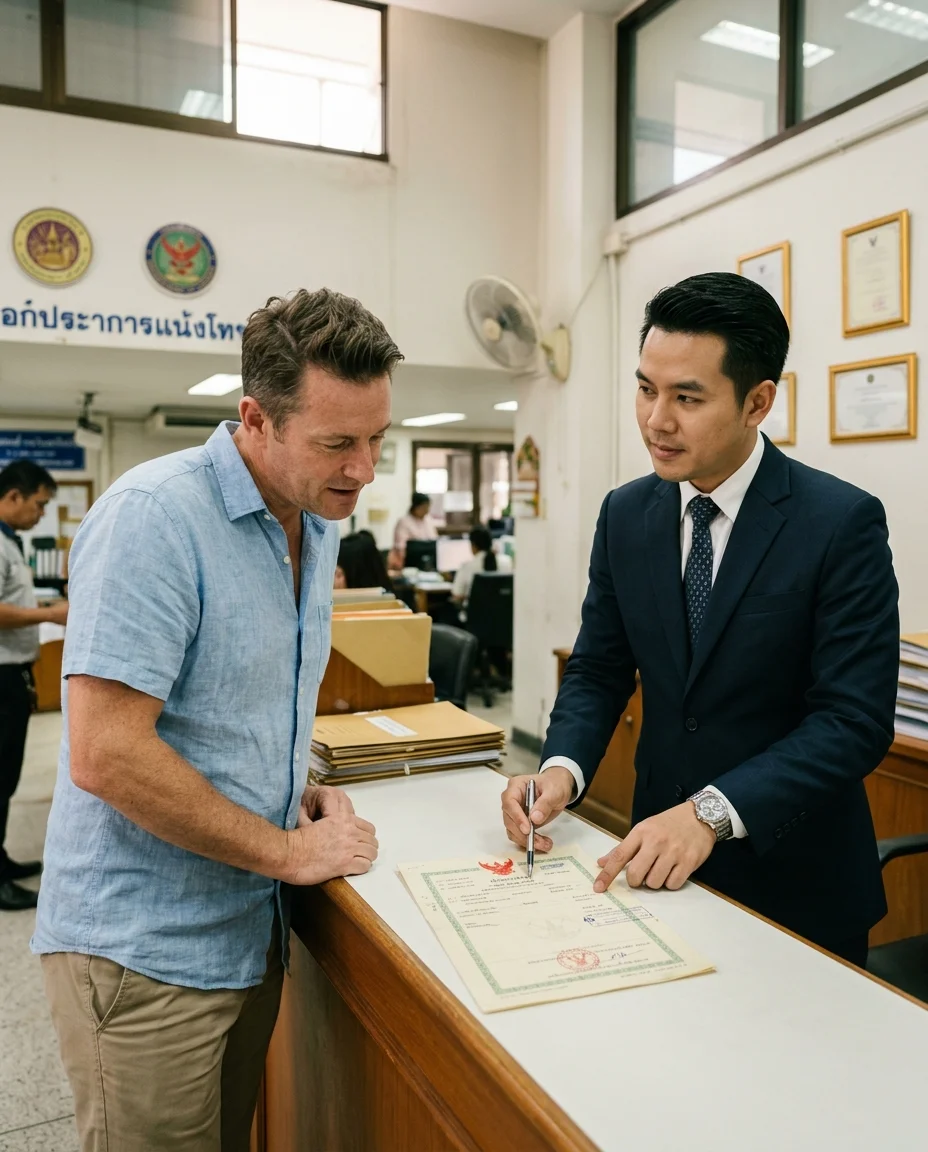
Verify the exact square metre measurement listed on the back of the Chanote title deed against the developer's marketing materials. Thai law dictates that the final purchase price must be adjusted up or down based on the official Land Department measurement, not the architectural plans.
Factor in the cost of a comprehensive snagging inspection before accepting handover of a newly built apartment. Fixing poor silicone seals, uneven tiling, and faulty plumbing becomes entirely your financial responsibility once you sign the acceptance document.
Check the building's specific rules regarding short-term rentals and pets before targeting a specific tenant demographic. Renting out an apartment for less than 30 days without a hotel licence is illegal under Thai law, and buildings strictly enforce this via biometric access systems.
Quick Reference: Bangkok Apartment Purchases
| Item | Detail | Notes |
|---|---|---|
| Ownership Route | Foreign Freehold | Most secure ownership method for UK nationals. |
| Maximum Foreign Quota | 49% of building floor area | Must be verified prior to paying a reservation deposit. |
| Legal Title | Chanote (Nor Sor 4 Jor) | The only title deed granting full ownership rights. |
| Transfer Requirement | Foreign Exchange Transaction Form | Funds must enter Thailand in a foreign currency. |
| Typical Transfer Fee | 2% | Usually split 50/50 between buyer and seller. |
| Legal Representation | Highly Recommended | Required to draft contracts and perform due diligence. |
| Typical Timescale | 30 to 60 days | For completed resale properties. Off-plan takes years. |