Phuket City - Phuket
Phuket City is the administrative and commercial centre of Phuket Province, on the south-eastern side of Phuket Island. Its compact Old Town preserves rows of colourful shophouses, Chinese shrines, former civic buildings and mansions shaped by the island's tin-trading era. The city also has markets, museums, local restaurants and transport links that make it a practical base away from the west-coast resorts.
The names Phuket City and Phuket Town are both widely used. Phuket City covers a much larger urban area than the historic quarter, while Old Phuket Town is concentrated around Thalang, Dibuk, Phang Nga, Yaowarat, Krabi and Phuket roads. Most heritage sights can be explored on foot, but places such as Khao Rang, Saphan Hin, Bus Terminal 2 and Rassada Pier require local transport.

Character and Architectural Heritage

Tin mining and trade drew Chinese migrants and merchants from around the region to Phuket during the nineteenth and early twentieth centuries. Their influence remains visible in the Old Town's shophouses, private mansions, shrines and food traditions. The architecture is commonly described as Sino-Portuguese, although individual buildings combine Chinese domestic features with European-inspired arches, columns, plasterwork and decorative façades.
Thalang Road is the best-known street, with restored shophouses, cafés and small shops behind narrow frontages. Dibuk, Phang Nga, Yaowarat, Krabi and Phuket roads broaden the picture, connecting the commercial terraces with shrines, museums and larger residences. Soi Romanee, between Thalang and Dibuk roads, is a short lane of brightly restored façades and one of the busiest photography stops.
Many shophouses have a covered passage at street level. Known locally as an ngo kha khi, this five-foot way creates shade and shelter, although steps, parked vehicles and changes in floor level can interrupt the route. The heritage core is compact enough for a self-guided walk, but pavements are uneven and traffic still uses most streets. Early morning and late afternoon are more comfortable than the middle of the day.
Key Landmarks and Historical Sites
Phuket Thai Hua Museum occupies a former Chinese-language school on Krabi Road. Its displays cover Chinese migration, education, family life, local customs and the tin industry. Current visitor information lists admission at 200 THB (approximately £4.50) for an adult; confirm the opening day, photography charge and admission price directly before visiting.
Near the junction of Phuket and Phang Nga roads, Museum Phuket uses two historic buildings to introduce the city's development and Peranakan heritage. The former bank building and the clock-tower building opposite are useful starting points for understanding how commerce reshaped the town. The small Shrine of the Serene Light, reached from Phang Nga Road, has a richly decorated interior and remains an active place of worship.
Jui Tui Shrine and the adjoining Put Cho Shrine stand near Ranong Road. They are closely connected with Phuket's Chinese community and become major centres of activity during the annual Phuket Vegetarian Festival. Visitors may enter respectfully when ceremonies permit: dress modestly, keep clear of worshippers and follow any temporary restrictions on photography or access.
Wat Mongkol Nimit, just north of Dibuk Road, adds a Thai Buddhist landmark to an Old Town walk. Farther from the heritage grid, Khao Rang provides elevated views over the city, while Saphan Hin is a large waterfront recreation area with a monument recalling Phuket's tin-dredging history. Both are easier to reach by bus, taxi or ride-hailing service than on foot from Thalang Road.
Plan a stay on Phuket Island with clear guidance on beaches, nearby islands, accommodation areas, food, transport, costs and sea safety.
The Baba and Peranakan Food Heritage

Phuket joined the UNESCO Creative Cities Network as a City of Gastronomy in 2015. The designation recognises a wider island food culture, but Phuket City is one of the easiest places to explore it. Markets and long-established shophouses serve dishes shaped by southern Thai, Hokkien Chinese, Malay and Peranakan traditions.
Local specialities include mee Hokkien, yellow noodles fried or served in broth with seafood or pork; mee sua, fine wheat noodles often eaten at family celebrations; o-aew, a cooling jelly dessert; and a-pong, thin coconut pancakes cooked until crisp at the edge. Other dishes use fresh turmeric, tamarind, chilli, seafood and shrimp paste. Recipes and spellings vary between families and vendors, so a food walk is more useful as an introduction than as a checklist of fixed versions.
Ranong Road and the municipal market area are good places to look for breakfast dishes, prepared curries, fruit and snacks. The Old Town also has cafés and more formal restaurants in restored buildings. Street-food purchases are often cash-only, while larger restaurants usually accept cards. Prices vary by portion and ingredients, but a simple noodle dish or rice meal commonly costs about 60–120 THB (approximately £1.35–£2.70); confirm menus and prices before ordering.
Where to Stay in Phuket City

Staying within or immediately beside the Old Town places the main heritage streets, Sunday market, museums and restaurants within walking distance. This is the most convenient area for a short cultural visit, although rooms facing Thalang Road and other central streets can receive traffic or market noise. The Memory at On On Hotel on Phang Nga Road is a well-known restored heritage property, while other choices range from guesthouses and hostels to contemporary boutique hotels.
Talat Yai, east of the Old Town, is useful for Bus Terminal 1, larger city hotels and access towards Rassada Pier. Talat Nuea, to the south and west, has local neighbourhood accommodation within walking or short driving distance of the historic streets. Travellers with a car should check parking arrangements because many older properties have little or no on-site space.
Sample searches for stays in and around the Old Town show dormitory beds from roughly 350–700 THB (approximately £8–£16), simple private rooms from about 800–1,600 THB (approximately £18–£36), and boutique or full-service hotels commonly from around 1,500–4,000 THB (approximately £34–£90) per night. Rates rise for larger rooms, peak dates and flexible bookings, and taxes or breakfast may be additional. Compare the final total for your dates before booking.
The Sunday Walking Street and Markets
Lard Yai, also called Phuket Walking Street, takes over Thalang Road every Sunday from 16:00 to 22:00. The traffic-free market brings together cooked food, local snacks, crafts, clothing and performances against the Old Town façades. It is one of the city's busiest weekly events, so visitors who prefer more space should arrive near opening time. Road closures also affect taxi pick-up points and access to hotels on or beside Thalang Road.
Ranong Road market is part of the everyday trading centre of Phuket City. Activity begins early, with fresh produce, seafood, meat, herbs and prepared food supplying households and restaurants. It is most interesting in the morning and remains a useful transport landmark because local bus services use stops in this area.
Naka Weekend Market, southwest of the centre near Wat Naka, is a separate Saturday-and-Sunday market with food, clothing and general goods. It is too far from the Old Town for a comfortable walk in the heat, so use local transport. Opening arrangements can change around public holidays and major events; confirm current times before making a special journey.
| Accommodation Type | Typical Nightly Price | Practical Notes |
|---|---|---|
| Hostel dormitory | 350–700 THB (approximately £8–£16) | Lowest prices usually mean a shared room and bathroom |
| Simple private room | 800–1,600 THB (approximately £18–£36) | Check window, bathroom, lift and parking details |
| Boutique or heritage hotel | 1,500–4,000 THB (approximately £34–£90) | Central character and location; room sizes vary in old buildings |
| Full-service city hotel | 2,000–5,000 THB (approximately £45–£112) | More likely to include a pool, restaurant, lift and parking |
Access and Local Transport

Phuket International Airport is about 32 kilometres by road from the Old Town. Airport Bus Phuket route 8411 runs between the airport and Bus Terminal 1 in Phuket City for 100 THB (approximately £2.25) for the full journey. The scheduled trip normally takes about 60–90 minutes, depending on traffic and stops. Check the operator's current timetable before travel, particularly for an early flight or late arrival.
Bus Terminal 1 is on Phang Nga Road, roughly a ten-minute walk east of the main Old Town streets. It handles the airport bus and a selection of local or shorter-distance services. Bus Terminal 2, north of the centre, is the principal arrival and departure point for many interprovincial coaches. It is not within the heritage quarter; allow time for a city bus, taxi or ride-hailing connection.
Phuket's current public-transport network includes modern EV buses operated on city routes, with published fares of 15–40 THB (approximately £0.35–£0.90) depending on distance. Services connect markets, residential areas, shopping centres, piers and parts of Phuket City. Phuket Smart Bus also operates island routes, including services involving Phuket Old Town, Patong, Rawai and the airport. Check Phuket OneMap and the relevant operator for current routes, stopping points and payment methods.
The historic core is best covered on foot. For Khao Rang, Saphan Hin, Rassada Pier, Bus Terminal 2 or cross-island journeys, use a public bus where its route is convenient or compare a metered taxi, app-based ride or pre-booked transfer. Blue songthaews also link the Ranong Road area with several beaches during daytime hours, but they are slower and less useful for evening returns.
Daily Costs in Phuket City
Daily spending depends heavily on room choice and on how often you travel to beaches or other parts of the island. The compact Old Town keeps local transport costs low for sightseeing days, while taxis and private transfers can quickly become the largest expense.
A hostel-based visit with market meals and public buses may cost about 900–1,700 THB (approximately £20–£38) per person per day. A private room, a mixture of local and café meals, museum admission and occasional app-based rides may bring a mid-range day to roughly 2,000–4,000 THB (approximately £45–£90). These are planning ranges rather than fixed budgets and exclude flights, long-distance transfers, alcohol and major tours. Confirm current prices before travel or payment.
| Item | Typical Price | Basis |
|---|---|---|
| Hostel dormitory bed | 350–700 THB (approximately £8–£16) | Per person, per night |
| Simple private room | 800–1,600 THB (approximately £18–£36) | Per room, per night; inclusions vary |
| Local noodle or rice dish | 60–120 THB (approximately £1.35–£2.70) | One simple meal |
| Café or casual restaurant meal | 150–400 THB (approximately £3.35–£9) | Per person, excluding alcohol |
| Thai Hua Museum | 200 THB (approximately £4.50) | Adult admission; check photography charges |
| Airport Bus Phuket | 100 THB (approximately £2.25) | Full airport–Phuket City journey |
| City EV bus | 15–40 THB (approximately £0.35–£0.90) | Per journey, distance-based |
Planning a Phuket City Stay
One full day is enough for the central heritage streets, a museum, one or two shrines and local food. Two nights allow a slower visit, an early market morning and the Sunday Walking Street if the dates align. The city also works as a transport stop before a ferry or interprovincial bus, but check transfer times carefully because Rassada Pier and Bus Terminal 2 are outside the walkable Old Town core.
Phuket City is a useful base for architecture, food, museums and urban life. Travellers whose priority is daily swimming should normally combine it with accommodation on the coast, as the recognised west- and south-coast beaches require a bus or road transfer. Traffic can make cross-island journeys slow, especially around commuting hours, rainstorms and major events.
Festivals, Weather and Local Conditions

The Phuket Vegetarian Festival is the city's most important annual religious event. Chinese shrines organise ceremonies and processions, while vegetarian food stalls appear across the city. In 2026, the Tourism Authority of Thailand lists the festival from 10 to 18 October. Some rituals involve firecrackers, smoke, piercing and graphic acts of devotion. Follow barriers and steward instructions, protect your hearing and do not obstruct processions or worship.
Festival dates follow the lunar calendar and change each year. Streets near participating shrines may close temporarily, traffic becomes heavier and centrally located rooms can sell quickly. Check the official programme and book accommodation early if attending specifically for the event.
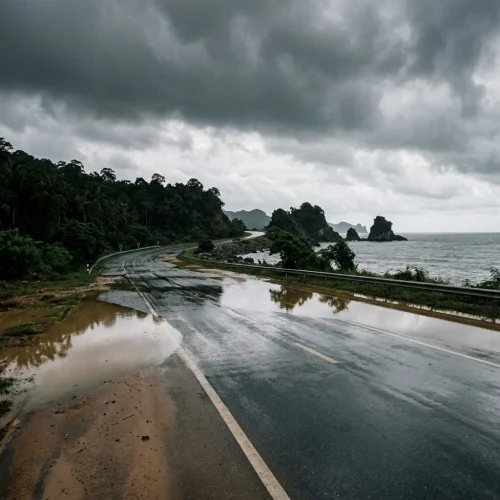
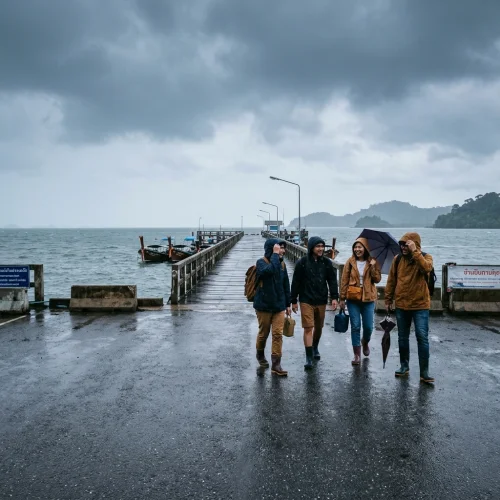
Phuket's wetter south-west monsoon period generally runs from May into October, although rain is possible at any time. Heavy downpours can slow road travel and leave standing water on low sections of street. Carry rain protection and allow extra transfer time rather than assuming a normal journey duration. The drier months are popular, but the Old Town remains hot and humid throughout the year.
Practical Advice for Your Visit

Check Current Bus Routes
Phuket's bus network is changing as EV and Smart Bus services expand. Use current operator timetables and live-tracking information, and confirm the final departure before relying on a bus for a flight or ferry.
Walk the Heritage Grid
Thalang Road, Soi Romanee, Dibuk Road, Yaowarat Road, Krabi Road and Phang Nga Road form a practical walking circuit. Allow extra time for museum visits and for crossing roads, as pavements are not continuous everywhere.
Carry Some Cash
Small food stalls, market traders and local buses may require cash. Keep smaller Thai-baht notes available, while storing the rest of your money securely.
Respect Active Shrines
Wear clothing that covers shoulders and knees, speak quietly and ask before photographing ceremonies. During the Vegetarian Festival, access and photography rules may be stricter.
Plan Around Sunday Road Closures
Thalang Road closes for Lard Yai on Sunday afternoon and evening. If your hotel is within the market area, ask where a driver can collect or drop you and move luggage before the closure where possible.
Allow Time for Island Journeys
Old Town sightseeing is compact, but the airport, beaches, piers and Bus Terminal 2 are spread across the island or outer city. Build a traffic margin into every onward connection.
Compare the Final Room Price
Accommodation rates vary by date, room type, cancellation policy and taxes. Check whether breakfast, service charges and local taxes are included before comparing options.
Phuket City At-A-Glance
| Item | Detail | Notes |
|---|---|---|
| Location Name | Phuket City | Phuket Town remains common in travel and transport information |
| Historic Area | Old Phuket Town | Centred on Thalang, Dibuk, Phang Nga, Yaowarat, Krabi and Phuket roads |
| Province | Phuket | On the south-eastern side of Phuket Island |
| Region | Southern Thailand | Phuket lies on Thailand's Andaman coast |
| Nearest Airport | Phuket International Airport (HKT) | About 32 kilometres by road from the Old Town |
| Airport Public Transport | Airport Bus Phuket route 8411 | 100 THB (approximately £2.25) to Bus Terminal 1 |
| Main Long-Distance Bus Station | Phuket Bus Terminal 2 | North of the city centre; local transfer required |
| Typical Visit Duration | 1–2 full days | Longer if using the city as a regional transport base |
| Main Ways Around | Walking, EV bus, Smart Bus, songthaew, taxi and ride-hailing | Check current routes and final services |
| Weekly Market | Lard Yai Sunday Walking Street | Thalang Road, Sunday 16:00–22:00 |
| Major Annual Event | Phuket Vegetarian Festival | Lunar-calendar dates change each year |
| Notable Sites | Phuket Thai Hua Museum, Museum Phuket, Jui Tui Shrine, Wat Mongkol Nimit | Opening arrangements can change |
FAQ: Phuket City
What is the difference between Phuket City and Phuket Town?
What makes Phuket City a good place to visit?
What is an ngo kha khi in Phuket City?
What is the best time of day to walk around Phuket City's Old Town?
How should visitors behave when entering shrines in Phuket City?
What are some local food specialities to try in Phuket City?
What payment methods are commonly accepted for food in Phuket City?
What is the most convenient area to stay in Phuket City for a cultural visit?
When is the Lard Yai Sunday Walking Street market in Phuket City?
How can visitors travel from Phuket International Airport to Phuket City?
Reviewed by the Thailand Guide Editorial Team • Last reviewed: 21 August 2026
This page is provided for general information only. While we aim for accuracy, details can change — please verify anything important independently before relying on it.