Khao Lak Diving
Submerging at Richelieu Rock, you are immediately enveloped by an immense cloud of yellow snapper so dense it obscures the morning sun. This remote limestone pinnacle, rising from the Andaman Sea floor, forms the epicentre of Thailand's most dramatic underwater encounters.
This guide covers everything you need to plan a diving trip from Khao Lak, the primary gateway to the Similan and Surin Islands. We will help you choose between multi-day liveaboard safaris and local wreck day-trips, select a reputable operator, and budget for certifications. You will find practical advice on seasonal marine park closures, equipment hire, and selecting the right itinerary to match your experience level before booking.

Khao Lak as Thailand's Premier Liveaboard Hub
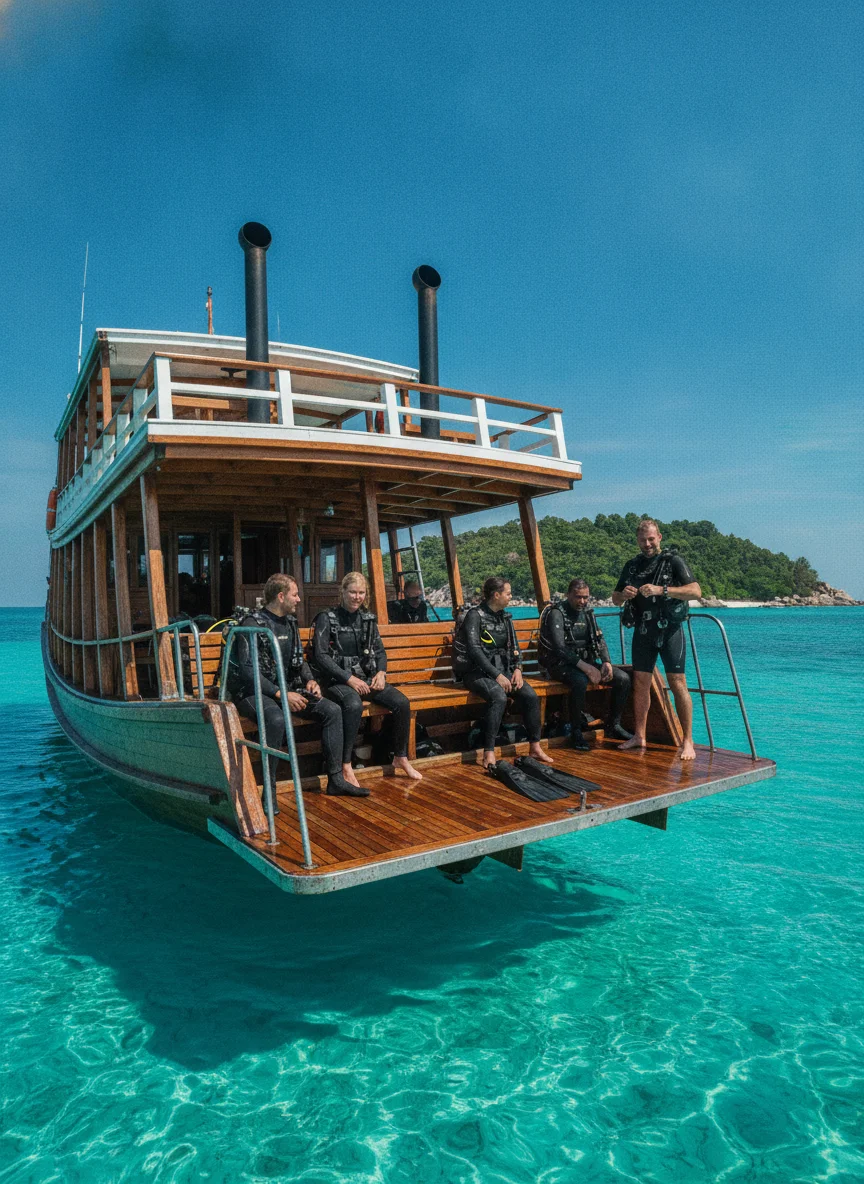
Unlike southern Thai islands where diving is mostly treated as a secondary day-trip activity, Khao Lak serves as the primary mainland launch point for multi-day liveaboard safaris. These marine itineraries travel 60 kilometres offshore to the protected Similan and Surin Islands National Parks, where deep oceanic currents deliver nutrient-rich waters to the reefs. This geographic position makes a liveaboard the most practical way to dive, as the top sites require several hours of travel each way from the mainland. Living on a custom-designed vessel allows you to complete up to four dives daily, including night dives, while avoiding the exhausting daily transit. Most liveaboard vessels depart from Thap Lamu Pier, situated 15 minutes south of Khao Lak town, where port authority officials clear all passengers before departure. While day trips to the Similans do operate via high-speed rib, they restrict your bottom time and place you on the shallower reefs during the most crowded peak mid-day hours. Choosing a liveaboard guarantees you are already moored at prime deep-water sites like Christmas Point or Elephant Head Rock before the day-boats arrive from Phuket. This approach turns a standard holiday into a highly focused diving expedition.
Discover the best Krabi food, from fiery southern yellow curry at Chao Fah Night Market to hidden seafood kitchens on Koh Klang. Skip the tourist traps.
Signature Sites and Wreck Diving Alternatives
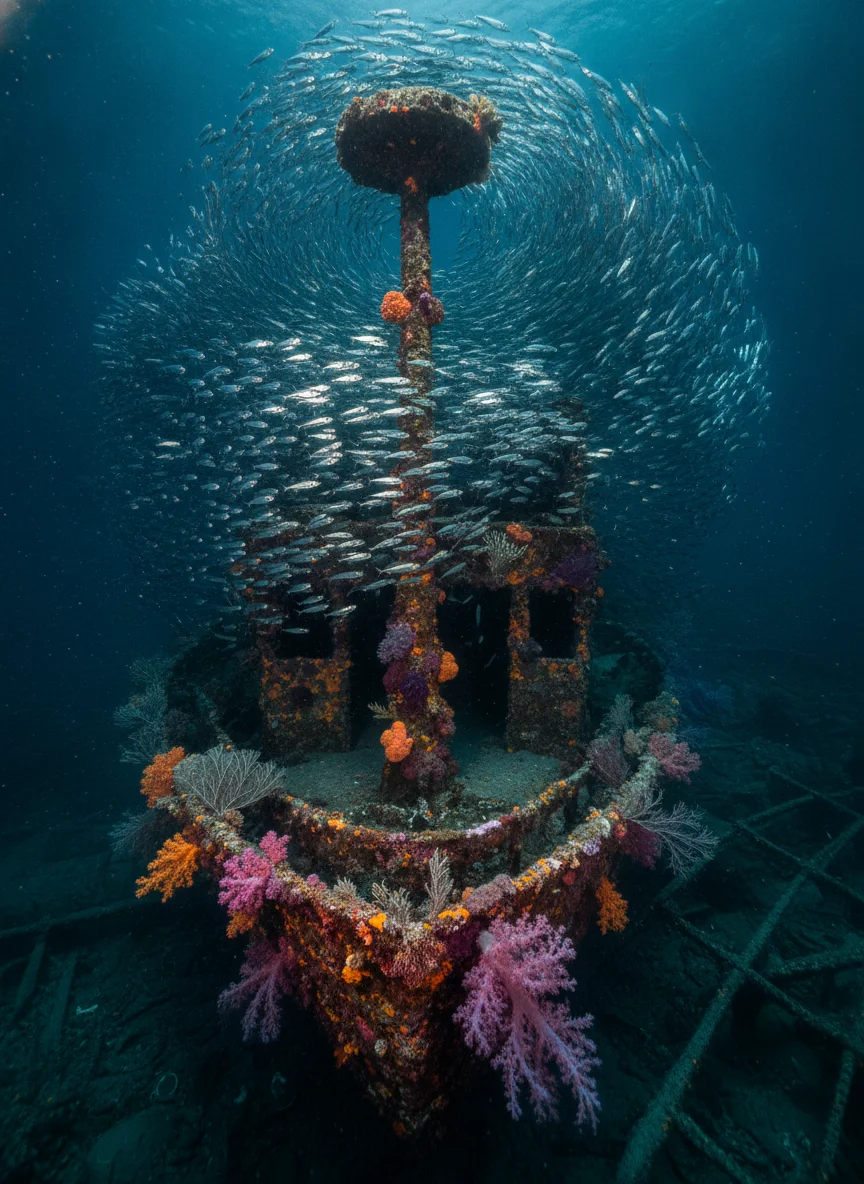
The undisputed signature destination of this region is Richelieu Rock, a horseshoe-shaped limestone pinnacle covered in purple soft corals that regularly attracts whale sharks and manta rays. Situated 80 kilometres northwest of Khao Lak, this isolated site sits in open water where strong, unpredictable currents require experienced drift-diving skills. If you have less experience or want shorter trips, Khao Lak’s coastal waters offer several highly productive wreck dives. The Boonsung Wreck, an old tin dredger that sank in 18 metres of water in 1984, lies just 12 kilometres offshore and acts as a massive artificial reef teeming with honeycomb moray eels and schooling snapper. Nearby, the Premchai Wreck, a steel-hulled dredger resting at 22 metres, provides an excellent training site for advanced courses without the heavy swell of the outer islands. These local wrecks can be easily dived on half-day trips, costing around 3,200 THB (£73) for a two-dive package, making them highly accessible for family travellers. For those seeking pristine corals, the Surin Islands offer sheltered bays filled with healthy hard coral gardens.
| Site Name | Depth Range (Metres) | Certification Required | Key Marine Life to Spot |
|---|---|---|---|
| Richelieu Rock | 10m - 35m | Advanced Open Water | Whale sharks, ghost pipefish, seahorses |
| Boonsung Wreck | 12m - 20m | Open Water | Honeycomb morays, porcupinefish, nudibranchs |
| Koh Bon | 10m - 40m | Open Water / Advanced | Manta rays, reef sharks, Napoleon wrasse |
| Premchai Wreck | 15m - 22m | Open Water | Scorpionfish, pipefish, yellow snapper schools |
Khao Lak's Top Dive Operators
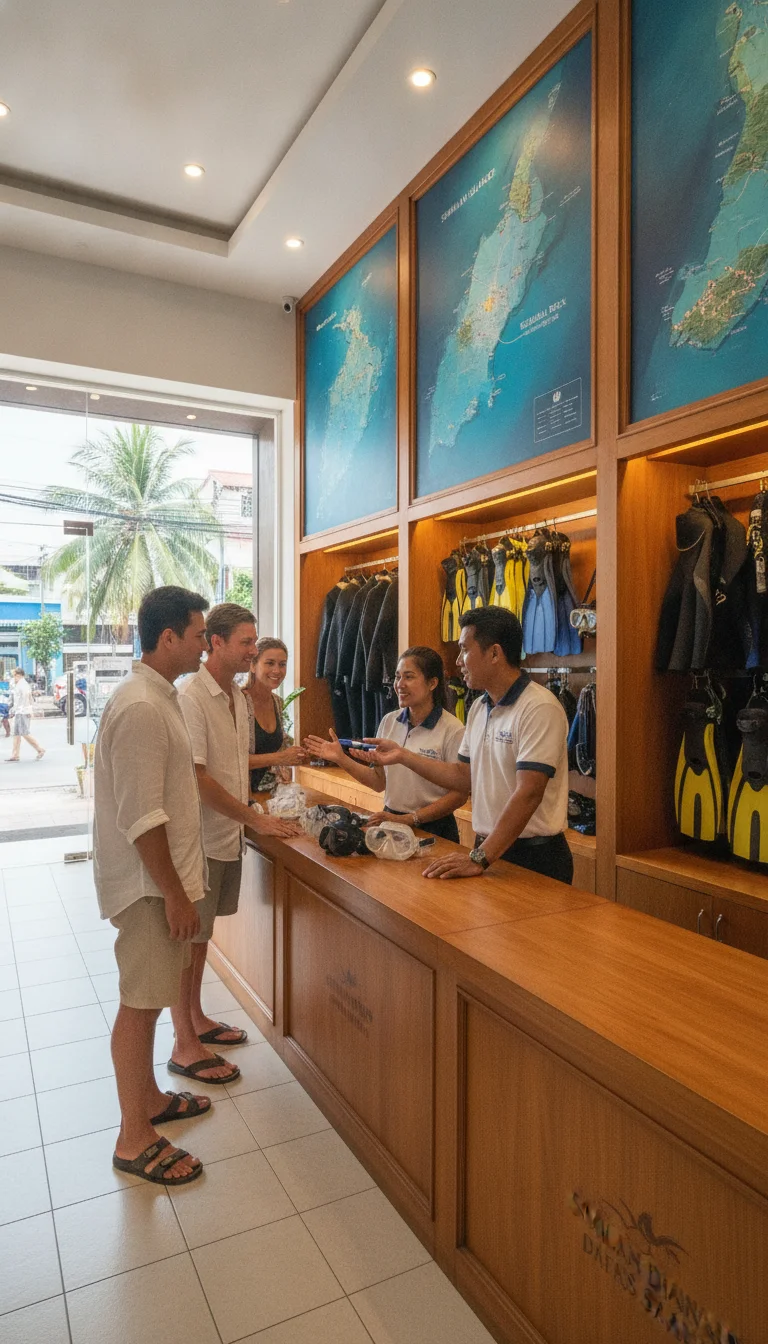
Selecting an established operator with deep local expertise is essential for navigating the challenging conditions of the Andaman Sea safely. Sea Dragon Dive Center, operating since 1993, holds the distinction of being the first dive school in Khao Lak to run Similan liveaboards. They stand out by offering budget-friendly, highly structured trips on their own custom-built wooden vessels, making them popular with independent British travellers. Across the road, Similan Diving Safaris is a highly respected PADI 5-Star Dive Center with over 25 years of experience in these waters. Their main differentiator is their purpose-built steel-hull vessel, M/V Dolphin Queen, which offers superior stability in rougher seas during the early and late parts of the season. Both operators employ highly trained western and Thai instructors who understand local thermoclines and changing tide tables intimately. Booking with these pioneers ensures your safety gear, compressor maintenance, and emergency protocols meet strict international standards. These operators also handle all mandatory national park permissions and entry fees on your behalf.
Dive Courses and Certification Costs
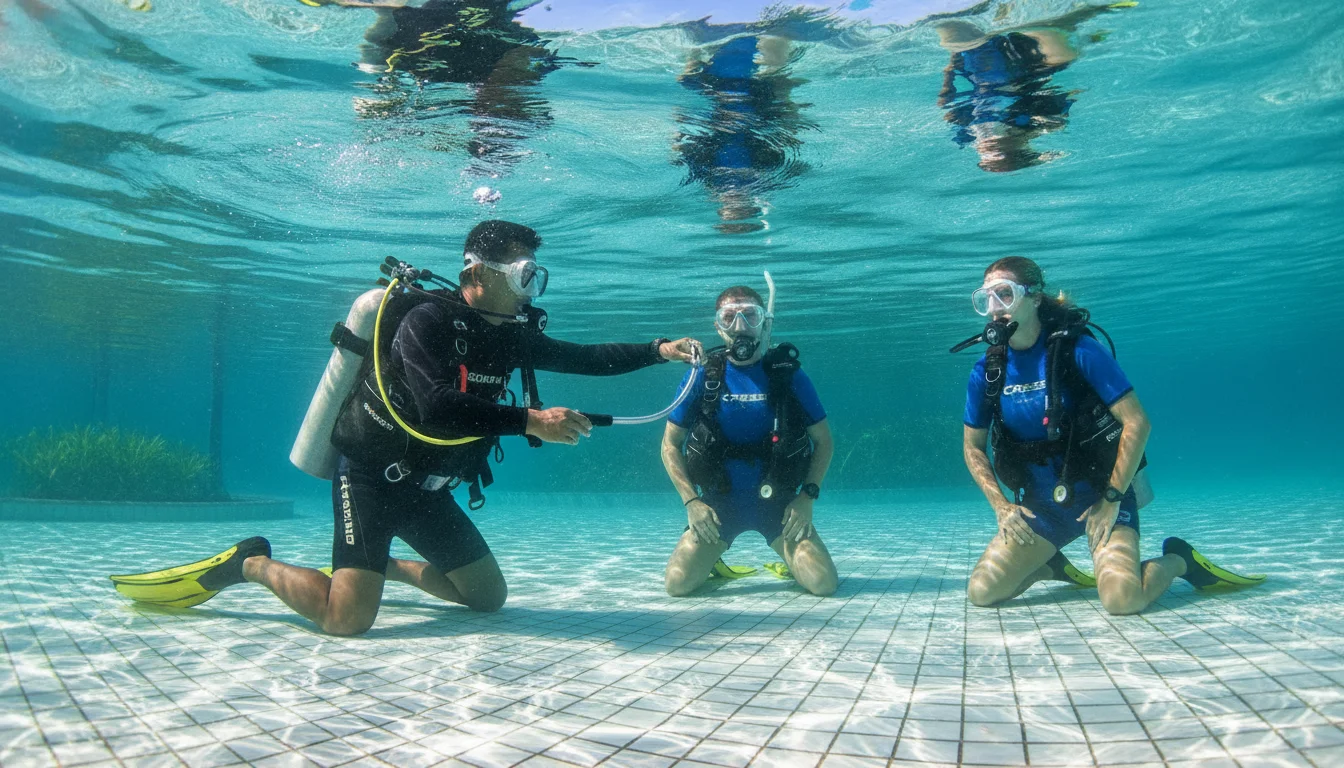
Khao Lak is a superb location to advance your diving education, offering warm waters and professional multi-lingual instruction from international academies. Complete beginners can book a PADI or SSI Open Water course, which typically takes three days and costs around 14,500 THB (£330). This qualification permits you to dive down to 18 metres globally, opening up the simpler Similan shallow sites for exploration. To dive iconic deeper sites like Richelieu Rock safely, you should complete your Advanced Open Water certification, which takes two days and costs roughly 12,000 THB (£273). For those short on time, a one-day Discover Scuba Diving experience costs 4,800 THB (£110) and takes you to the local wrecks under direct instructor supervision. Upgrading your skills here is highly rewarding because you complete your open-water training dives on actual fish-laden wrecks rather than empty sandy training patches. Getting certified in Khao Lak ensures you gain experience handling mild tropical currents under professional guidance while practicing navigation in conditions that mirror real-world diving environments.
| Course Type | Duration | Cost (THB / GBP) | Minimum Age & Pre-requisites |
|---|---|---|---|
| Discover Scuba Diving | 1 Day | 4,800 THB (£110) | Age 10+, basic swimming comfort, no medical flags |
| Open Water Diver | 3 Days | 14,500 THB (£330) | Age 10+, swim 200m, float for 10 minutes |
| Advanced Open Water | 2 Days | 12,000 THB (£273) | Age 12+, Open Water certification required |
| Nitrox / Enriched Air | 1 Day | 4,500 THB (£102) | Age 12+, Open Water certification required |
Choosing Your Experience Liveaboard vs Day Trips
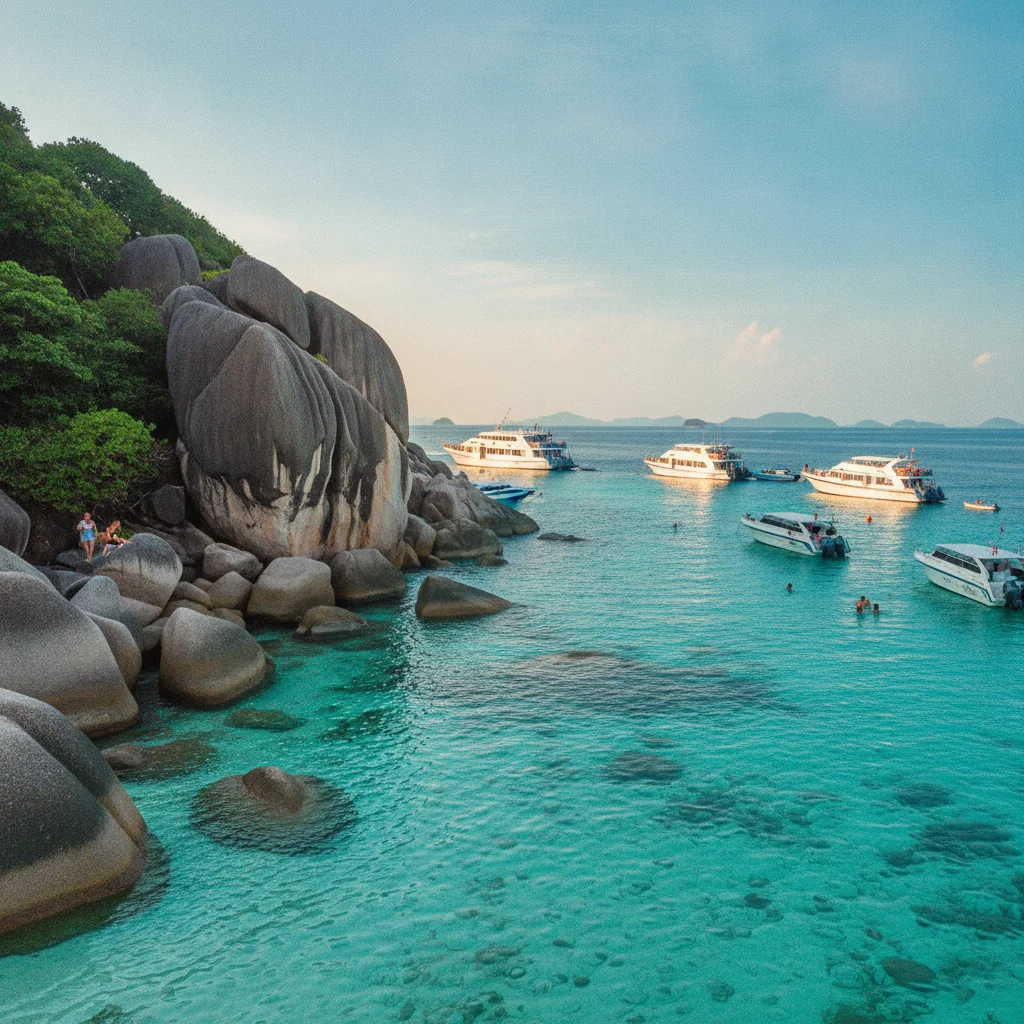
Deciding between a liveaboard and a day-trip package depends on your budget, schedule, and comfort in open ocean water. Liveaboard trips range from 3 to 7 days, costing between 22,000 THB (£502) and 60,000 THB (£1,370) including food, accommodation, and up to 15 dives. These longer journeys are highly recommended because they allow you to reach remote sites like Koh Tachai or the Surin Islands without rushing. Day trips, by contrast, rely on high-speed speedboats to cross the 60-kilometre channel, which can be physically punishing in choppy seas. A typical day trip costs 5,500 THB (£125) for two dives, but you spend up to four hours of your day in transit. If you are prone to seasickness or travelling with non-diving family members, a day trip to the local coastal wrecks is a much more sensible compromise. The social aspect of communal dining on board also allows you to share tips with like-minded divers from around the world. However, serious divers will find that the cost-per-dive ratio of a liveaboard is far superior to booking individual day trips over a week.
| Feature | Multi-Day Liveaboard (4D/4N) | Speedboat Day Trip | Coastal Wreck Day Trip |
|---|---|---|---|
| Approximate Cost | 28,000 THB (£638) | 5,500 THB (£125) | 3,200 THB (£73) |
| Number of Dives | 14 to 16 dives | 2 dives | 2 dives |
| Travel Time | Overnight sleeping transit | 1.5 to 2 hours each way | 30 to 45 minutes each way |
| Best Suited For | Dedicated divers, night dive fans | Time-limited travellers | Beginners, wreck enthusiasts |
Marine Life and Environmental Conservation
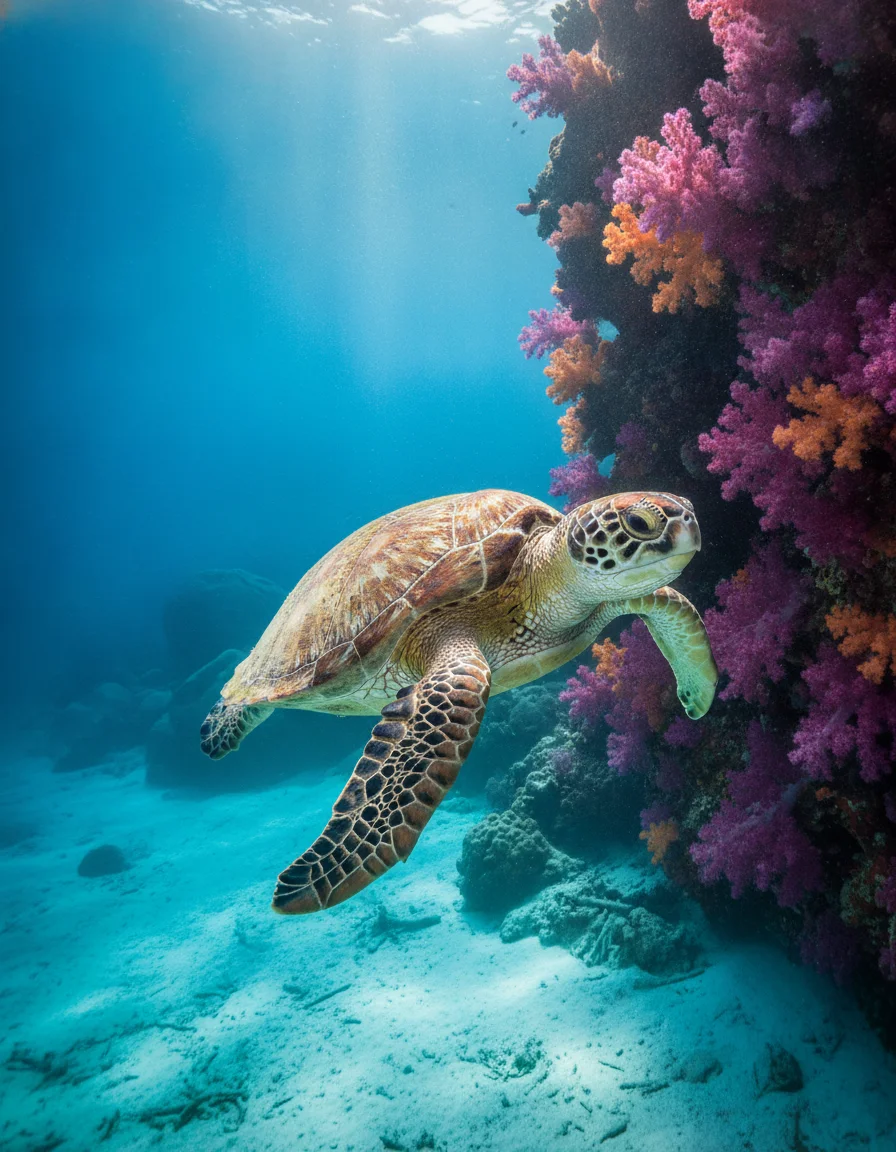
The marine ecosystems surrounding Khao Lak are protected by strict environmental laws designed to preserve the delicate coral reefs. You will encounter an incredible variety of marine species, from tiny ornate ghost pipefish to majestic manta rays with five-metre wingspans. To maintain these populations, the Thai Department of National Parks limits the total number of divers allowed into the Similans daily. Operators must register every guest's passport details in advance to secure a daily entry permit. Divers are strictly forbidden from touching any marine life, wearing gloves, or collecting shells from the seafloor. Many local dive shops actively participate in regular reef clean-ups and ghost net removal programmes to protect the fragile ecosystems. By choosing an eco-conscious operator, you directly contribute to the preservation of these delicate underwater habitats for future generations. Supporting these conservation efforts ensures Khao Lak remains a top destination for underwater enthusiasts.
Where to Find Dive Operations in Khao Lak
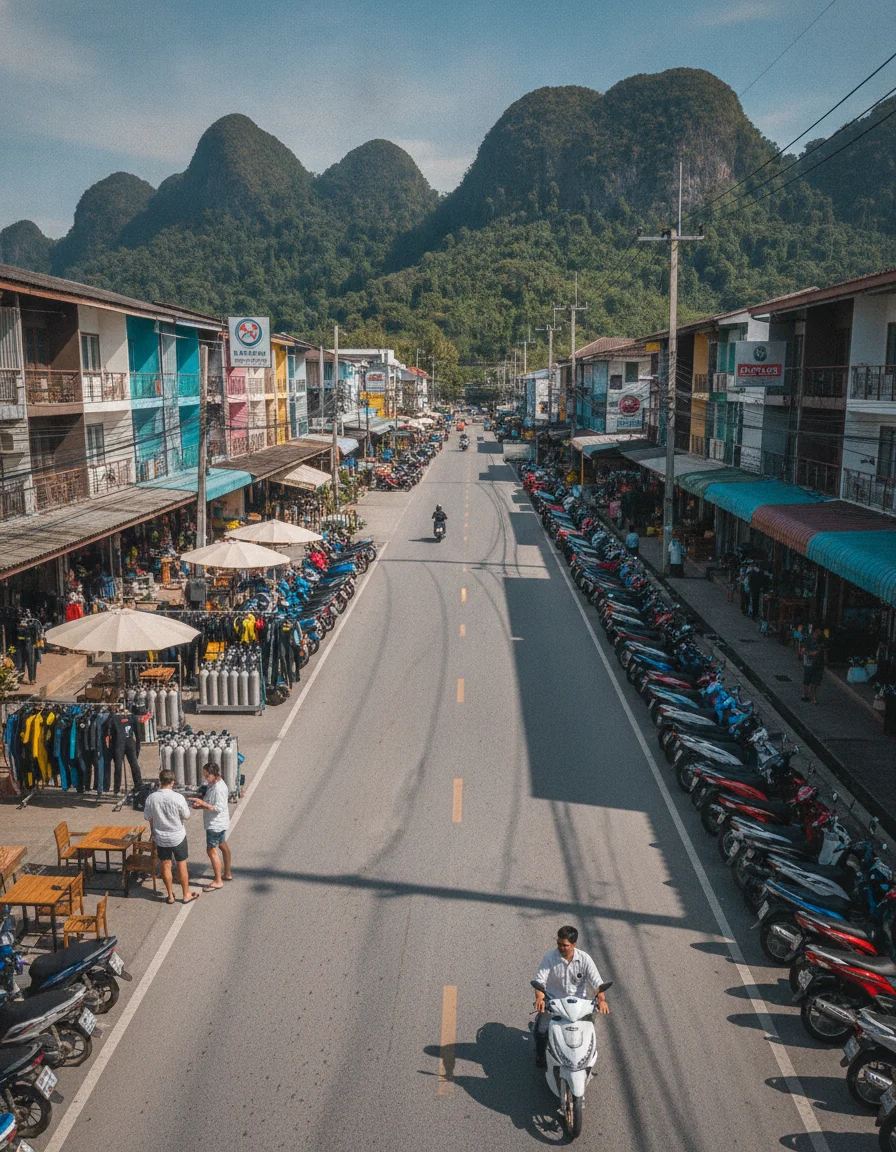
Most dive operations are concentrated along Phetkasem Road, the main highway running through the Nang Thong and Bang Niang areas of Khao Lak. This makes comparing operators simple, as you can easily walk between professional centres like Sea Dragon and Similan Diving Safaris to inspect their rental gear. For high-end, personalized instruction, IQ Dive near the Bang Niang market is highly regarded for its small group ratios and premium rental equipment. If you prefer staying closer to the boat departure point, several boutique operations are based near Thap Lamu Pier, where the liveaboard vessels are moored. This southern port area is less commercial but saves you the 30-minute hotel transfer on your departure morning. Many of these shops also offer comfortable on-site bungalows for divers who want to stay close to the action. First-time visitors should start their search in central Nang Thong, where the highest concentration of licensed PADI and SSI centres offer walk-in advice and free equipment fittings.
Costs and Budgeting for Your Khao Lak Dive Trip
Diving in Khao Lak accommodates various budgets, but national park fees and equipment rental are fixed expenses you must factor in. Budget divers can expect to pay around 3,200 THB (£73) for a local wreck day trip using basic rental gear. Mid-range divers typically spend about 28,000 THB (£638) on a four-day liveaboard, which covers all meals and cabin accommodation. Premium divers can book luxury steel-hulled liveaboards with private en-suite cabins starting at 55,000 THB (£1,255) for a five-day itinerary. Daily marine park fees are 500 THB (£11.50) entry plus 200 THB (£4.50) dive fee per day, which operators usually collect in cash before departure.
| Option | Cost (THB) | Cost (GBP approx) | Notes |
|---|---|---|---|
| Local Wreck Day Trip (2 Dives) | 3,200 THB | £73 | Includes tanks, weights, and boat lunch |
| Similan Day Trip via Speedboat | 5,500 THB | £125 | Excludes marine park entry fees |
| Budget Liveaboard (4D/4N) | 24,000 THB | £547 | Fan cabin, shared bathroom, all meals |
| Premium Liveaboard (4D/4N) | 48,000 THB | £1,095 | En-suite AC cabin, smaller dive groups |
| Marine Park Daily Fee | 700 THB | £16 | Paid in cash directly to the operator |
What to Know Before You Go
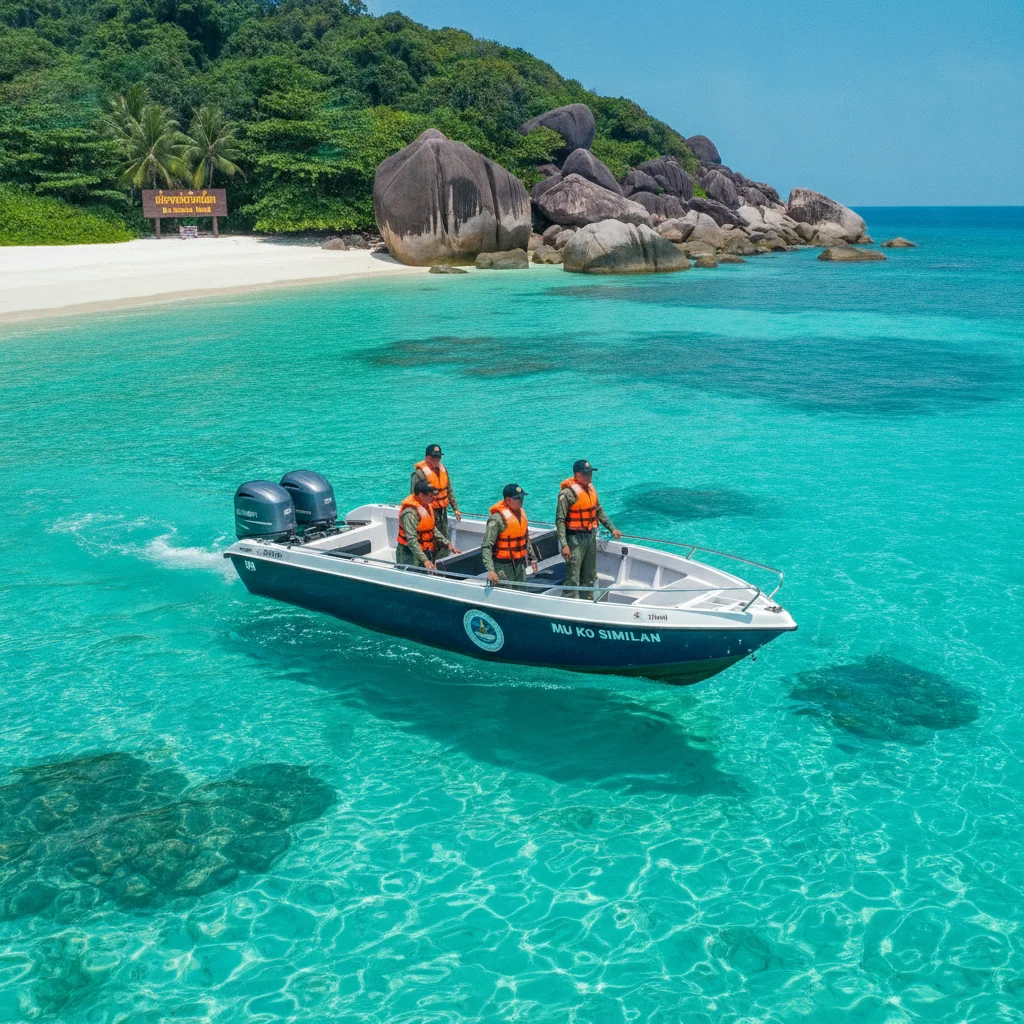
The Similan and Surin Islands National Parks enforce a strict seasonal closure from approximately mid-May to mid-October due to the heavy monsoon rains and rough sea conditions. Trying to book a trip during these months is impossible as boat access is legally prohibited by the Thai government. You must bring physical cash to pay for your marine park fees, as electronic payments are not accepted at the port or on the boats. Most liveaboard operators require you to have at least an Advanced Open Water certification or a minimum of 20 logged dives to access deep sites like Richelieu Rock. If you do not meet these criteria, you will be required to dive with a private guide or complete an adventure deep dive on board, which incurs an extra fee.
Practical Tips for Diving in Khao Lak
Book your liveaboard space at least six months in advance if you plan to travel during the peak December to February window. Cabins on popular steel-hulled vessels like M/V Dolphin Queen sell out quickly due to limited seasonal capacity.
Purchase comprehensive travel insurance that explicitly covers deep-water scuba diving up to 40 metres. Standard policies often cap cover at 18 metres, leaving you financially vulnerable in an emergency.
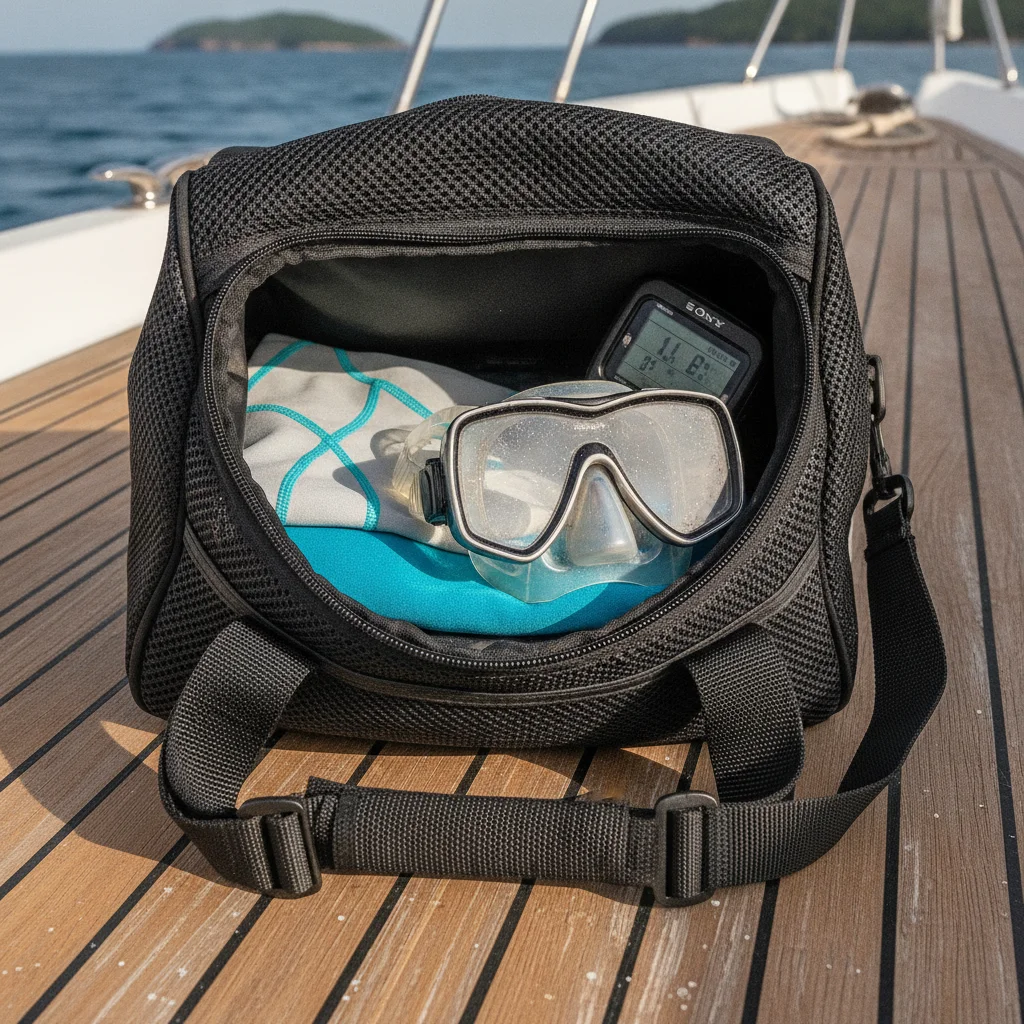
Rent a dive computer from your operator if you do not own one. Multi-day diving dramatically increases your nitrogen load, making real-time depth tracking essential for preventing decompression sickness.
Pack a lightweight thermal rash guard or a 3mm shorty wetsuit for the water. Although water temperatures hover around 29 degrees Celsius, deep cold thermoclines can drop temperatures instantly by several degrees.
Bring sea-sickness medication containing dimenhydrinate even if you believe you have strong sea legs. The crossing from Thap Lamu Pier to the Similan Islands takes several hours and can be extremely bumpy during shoulder months.
Avoid flying within 24 hours of your final dive of the trip. This safety interval is critical to allow residual nitrogen to safely escape your bloodstream before cabin pressure changes.
Check if your dive operator includes marine park fees in their advertised price before booking. Many operators list these fees separately, which can lead to unexpected cash expenses on arrival.
Bring a dry bag to protect your phone and camera gear during speedboat transfers. Choppy seas and sea spray can easily waterlog your electronics on the way to the dive sites.
Secure your spot on a top-rated vessel to explore Thailand's premier marine parks before they reach capacity.
Quick Reference Table
| Item | Detail | Notes |
|---|---|---|
| Peak Season | November to April | Best visibility and calmest sea conditions |
| Hard Park Closure | 16th May to 14th October | Government-enforced closure of marine parks |
| Gateway Pier | Thap Lamu Pier | Located 15 minutes south of Khao Lak town |
| Signature Site | Richelieu Rock | Best reached via multi-day liveaboard |
| Nearest Chamber | Phuket hyperbaric chamber | Approximately 1.5 to 2 hours by road |
| Water Temperature | 27°C to 30°C | Occasional cold thermoclines at depth |
| Common Currency | Thai Baht (THB) | Essential for tipping guides and park fees |
| Recommended Licence | Advanced Open Water | Unlocks deep pinnacles and drift dives |