Krung Thep Aphiwat Central Terminal
Covering more than 274,000 square metres with 26 platforms across four levels, Krung Thep Aphiwat Central Terminal in Chatuchak, northern Bangkok, is Southeast Asia's largest railway station. Operated by the State Railway of Thailand (SRT) and formerly known as Bang Sue Grand Station, it took over from Bangkok's historic Hua Lamphong station in January 2023 as the primary terminus for long-distance passenger services across Thailand.
The multi-level complex consolidates Thailand's Northern, Northeastern, and Southern intercity trunk lines under one roof alongside suburban commuter routes and urban rapid transit. Its elevated track layout eliminates street-level rail crossings, channelling passengers through air-conditioned concourses, automated ticket barriers, and airport-style waiting lounges before boarding. The terminal provides a direct underground link to Bang Sue MRT Blue Line station, connects to Don Mueang International Airport via the SRT Dark Red Line, and includes dedicated upper platforms built for future high-speed rail corridors. It functions as the principal gateway for long-distance rail journeys throughout the kingdom and an interchange for regional transit.

Terminal Architecture and Station Layout

Krung Thep Aphiwat Central Terminal spans four levels, covering more than 274,000 square metres of usable floor space. Designed as an enclosed, multi-tier steel-and-concrete transport interchange, the facility separates different railway networks across dedicated vertical layers.
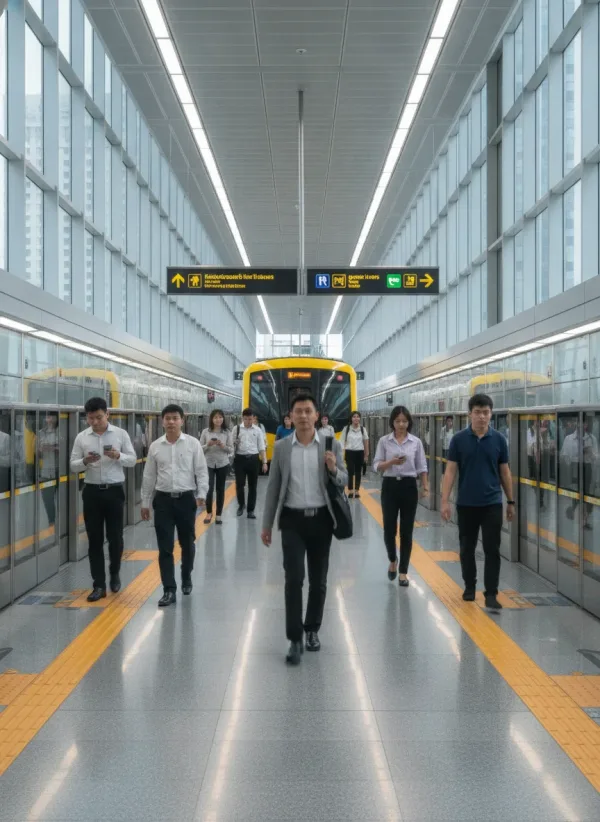
At the base, an underground level connects directly with Bang Sue station on the MRT Blue Line and provides an extensive passenger car park. Moving up, the ground floor contains the central concourse. This air-conditioned hall accommodates ticket offices, self-service ticketing kiosks, seating areas, passenger amenities, and automated ticket barriers leading to boarding gates.
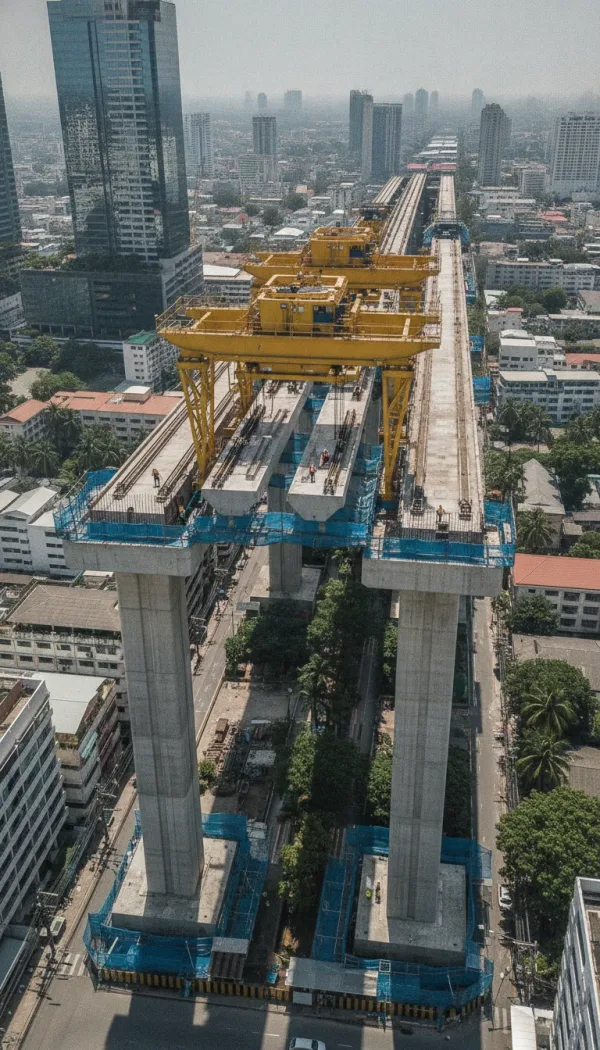
The upper levels house the elevated railway platforms. The second floor features 12 tracks: four for the SRT Dark Red and Light Red suburban commuter lines, and eight for long-distance State Railway of Thailand services heading north, northeast, and south. Above this, the third floor contains 10 tracks reserved for future high-speed rail corridors and the planned three-airport link connecting Don Mueang, Suvarnabhumi, and U-Tapao.
Passengers move between levels using high-capacity escalators, broad staircases, and lifts sized for travellers with heavy luggage. Wayfinding throughout the terminal is clearly signposted in Thai and English, supported by electronic departure boards across the concourse. This vertical arrangement keeps local commuters, mainline rail passengers, and future high-speed travellers moving through separate routes within the station complex.
Long-Distance Rail Services and Regional Route Network
Krung Thep Aphiwat Central Terminal serves as the primary origin and terminus for long-distance Special Express, Express, and Rapid rail services connecting Bangkok to northern, northeastern, and southern Thailand. Mainline operations run across three main trunks: the Northern Line to Chiang Mai, the Northeastern Line branching towards Nong Khai and Ubon Ratchathani, and the Southern Line extending towards destinations including Padang Besar and Su-ngai Kolok near the Malaysian border.
The transition from Bangkok's legacy Hua Lamphong station shifted 52 long-distance passenger services to this terminal. By routing departing and arriving trains over elevated tracks rather than congested street-level crossings through inner Bangkok, the station reduced transit times on major routes. Diesel locomotives are subject to strict idling rules beneath the covered elevated platforms to preserve air quality across the enclosed station structure.
Passengers select from several distinct service tiers operated by the State Railway of Thailand. The flagship Special Express routes utilise modern Chinese-built CNR air-conditioned sleeper carriages, featuring private first-class compartments and open-plan second-class sleeping berths. Standard Express trains offer a combination of air-conditioned and fan-cooled berths or seats, while Rapid services provide economical travel with basic reserved seating. Long-distance platform access follows a managed procedure: travellers wait in dedicated ground-floor lounge areas until ticket barriers open roughly 20 minutes before departure. Reserving sleeper berths well in advance is advisable for high-demand journeys, particularly on overnight routes towards Chiang Mai and southern provinces.
| Train Tier | Primary Destinations | Common Carriage Classes | Key Onboard Amenities |
|---|---|---|---|
| Special Express (CNR Carriages) | Chiang Mai, Nong Khai, Hat Yai | 1st Class AC Sleeper, 2nd Class AC Sleeper | Power outlets, personal screens (1st class), vacuum toilets, dining car access |
| Special Express (Standard) | Ubon Ratchathani, Surat Thani | 2nd Class AC Reclining Seat, 2nd Class AC Sleeper | Air conditioning, recline seating, onboard catering service |
| Express Trains | Chiang Mai, Trang, Padang Besar | 2nd Class Fan/AC Sleeper, 3rd Class Reclining | Air conditioning or fan cooling, converting berth seats, washroom facilities |
| Rapid Trains | Northern & Northeastern Trunk Lines | 2nd Class Seats, 3rd Class Bench Seats | Open windows or fans, basic seated accommodation, local food vendors |
Plan your Bangkok trip with practical advice for UK travellers, covering top neighbourhoods, BTS and MRT transit, realistic daily costs, and street food.
Suburban Transit and Urban Transport Integration

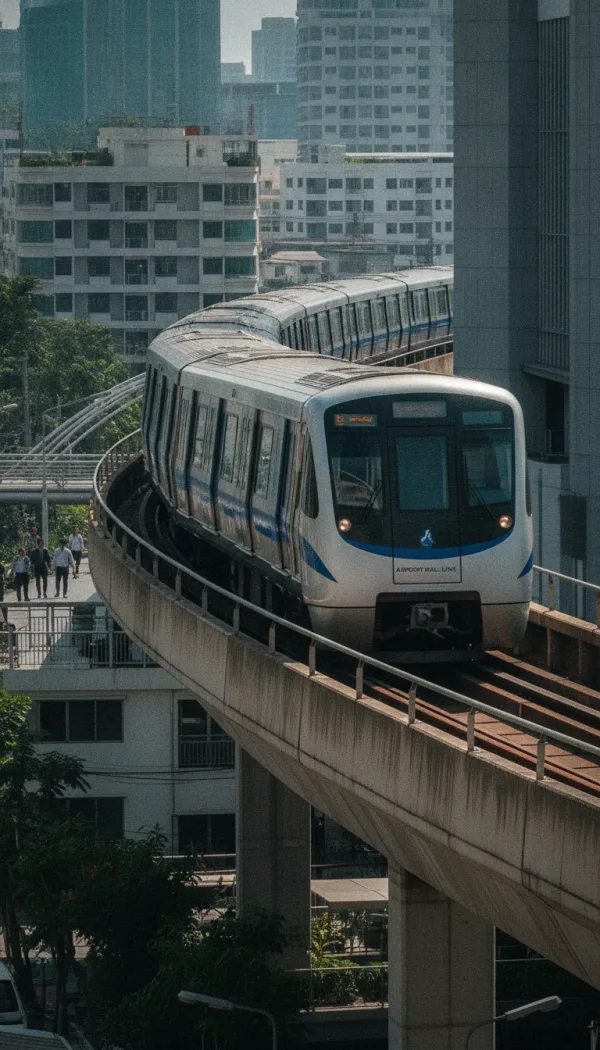
Krung Thep Aphiwat functions as Bangkok's primary northern interchange, bringing suburban commuter routes, the underground metro, and intercity rail onto interconnected tiers. Two elevated State Railway of Thailand (SRT) Red Lines depart from the second level. The Dark Red Line runs north towards Rangsit, stopping directly at Don Mueang International Airport in roughly seventeen to twenty minutes. The Light Red Line runs west across the Chao Phraya River to Taling Chan.
Underneath the main concourse, an underground pedestrian tunnel connects directly to Bang Sue MRT Station on the MRT Blue Line loop. This metro connection provides uninterrupted transfers into central business and shopping districts, including Sukhumvit, Silom, and the historic Rattanakosin Old City around Sanam Chai Station. Because the SRT and the MRT use separate ticketing systems, passengers must pass through exit barriers to switch lines.
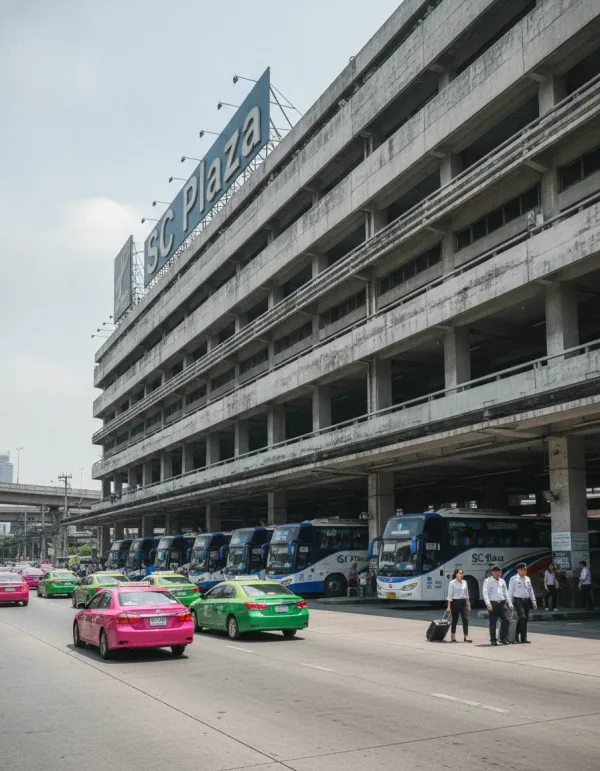
At street level, dedicated taxi ranks and ride-hailing pick-up and drop-off points operate alongside the station flanks. Local BMTA feeder buses and shuttle services depart regularly from the ground gates, linking passengers with the nearby Mochit Bus Terminal (Bangkok Bus Terminal Chatuchak) for onward regional coach services across northern and northeastern Thailand. This layered network allows arrivals to transfer smoothly between suburban trains, regional coaches, and inner-city metro lines without leaving the immediate station complex.
Passenger Facilities, Concourse Amenities, and Ticketing

The vast ground-floor concourse at Krung Thep Aphiwat Central Terminal houses the station's passenger amenities within an air-conditioned layout. Staffed ticket counters handle mainline State Railway of Thailand (SRT) departures and SRT Red Line commuter journeys, supported by touch-screen ticket vending machines with English-language menus. Long-distance rail tickets can be booked in advance through the official D-Ticket online system or purchased at station counters with a passport or national identity card.
For travellers in transit or spending time in Bangkok before an evening sleeper departure, automated self-service luggage lockers situated in the concourse provide short-term and daily storage. Ground-floor facilities also include clean public restrooms, accessible toilets, mobile device charging points, and dedicated waiting lounges for first-class ticket holders.
Dining inside the terminal is currently concentrated in casual food courts—such as Food Station near Gate 4—with affordable Thai dishes, alongside beverage kiosks, snack counters, and vending machines. While commercial retail development across the station continues, passengers seeking full-service sit-down dining or extensive travel supplies usually purchase these before arrival. Reserving long-distance journeys in advance online secures preferred berths and bypasses station counter queues during busy departure windows.
Location and Getting There

Krung Thep Aphiwat Central Terminal is situated in Bangkok's northern Chatuchak district, roughly 8 kilometres north of Siam Square and 12 kilometres from the historic Rattanakosin area. The transport hub connects directly to Bangkok’s urban rail network, making it straightforward to reach from both international airports and the city centre.
From Don Mueang International Airport (DMK), travellers can board the SRT Dark Red Line directly via the Terminal 2 skybridge. Trains run straight to Krung Thep Aphiwat in approximately 17 minutes, with single-journey tickets costing THB 33 (about £0.75).
From Suvarnabhumi Airport (BKK), passengers can take the Airport Rail Link to Makkasan Station (THB 35 / £0.80), transfer via the covered walkway to Phetchaburi MRT Station, and take the MRT Blue Line directly to Bang Sue MRT Station (THB 38 / £0.85), which links into the terminal via an underground passage. The journey takes around 65 minutes.
For road travel, metered taxis from central Bangkok districts typically cost between THB 120 and THB 200 (£2.70 to £4.50), depending on traffic and expressway tolls.
Costs and Booking
Fares at Krung Thep Aphiwat Central Terminal depend on the distance travelled, service type, and carriage class. Local urban transit links offer straightforward, budget-friendly fares. Suburban SRT Red Line journeys run from THB 12 (£0.27) to THB 42 (£0.95), while the underground MRT Blue Line operates on a distance-based structure costing between THB 17 (£0.38) and THB 45 (£1.00).
Long-distance mainline fares vary according to train speed and seating tier. Second-class air-conditioned sleeper berths to destinations such as Chiang Mai or Southern Thailand typically cost between THB 800 (£18.00) and THB 1,100 (£24.50), with lower berths priced slightly higher than upper berths. First-class air-conditioned private sleeper compartments on modern Special Express trains run from THB 1,450 (£32.50) to THB 1,650 (£37.00) per passenger. Daytime express services with air-conditioned reclining seats provide an economical alternative, costing around THB 600 (£13.50) to THB 750 (£16.80) to southern transit hubs like Surat Thani.
Tickets for long-distance trains can be purchased online via the official State Railway of Thailand (SRT) D-Ticket platform or at terminal ticket windows. Advance booking for long-haul journeys covering at least 60 per cent of a train route opens up to 90 days before departure. During the high season from November to April and over major holiday periods, popular overnight sleeper berths frequently sell out weeks beforehand, making early reservation advisable as soon as the booking window opens.
| Travel Option / Route | Cost (THB) | Cost (GBP approx) | Notes |
|---|---|---|---|
| SRT Red Line (Commuter) | THB 12 – 42 | £0.27 – £0.95 | Single journey fare depending on number of stations |
| MRT Blue Line Connection | THB 17 – 45 | £0.38 – £1.00 | Underground urban link across central Bangkok |
| 2nd Class AC Sleeper (Chiang Mai) | THB 940 – 1,040 | £21.00 – £23.20 | Standard CNR express berth; overnight travel |
| 1st Class AC Sleeper (Chiang Mai) | THB 1,450 – 1,650 | £32.50 – £37.00 | Private twin or single lockable cabin with sink |
| 2nd Class AC Reclining Seat (Surat Thani) | THB 600 – 750 | £13.50 – £16.80 | Daytime Special Express seating to ferry connections |
Who the Terminal Suits
Krung Thep Aphiwat Central Terminal suits long-distance rail passengers heading to northern, northeastern, or southern Thailand, as all express, rapid, and special express services depart from here rather than Hua Lamphong. Travellers connecting to or from Don Mueang International Airport will also benefit from the direct SRT Dark Red Line commuter link, which reaches the airport concourse in under twenty minutes. The terminal's modern design, complete with step-free lifts, escalators, and wide corridors, accommodates wheelchair users and passengers handling heavy luggage far more comfortably than older stations.
Conversely, the terminal is unnecessary for short-stay visitors exploring central Bangkok shopping hubs like Sukhumvit or Siam, where urban MRT and BTS lines provide direct access. Sightseers seeking historic temples and riverside heritage will find the station out of the way, as those landmarks sit closer to old town transit points and legacy stations.
What to Know Before You Book

Four practical booking and operational factors shape travel through Krung Thep Aphiwat Central Terminal.
First, platform access operates under a closed-gate system. Ticket barriers to elevated platforms open roughly 20 minutes before departure, meaning passengers wait in the ground-floor concourse rather than on platforms.
Second, not every train in Bangkok leaves from this terminal. While long-distance Special Express, Express, and Rapid services operate here, legacy ordinary trains and specific commuter services still depart from Bangkok Station (Hua Lamphong). Check the station name and origin code on your ticket carefully before travelling.
Third, passport details are linked to reservations made online or at ticket counters. Conductors perform onboard inspections, so foreign travellers must carry their physical passport during the journey.
Fourth, State Railway of Thailand (SRT) booking rules permit advance reservations up to 90 days before departure on long-distance routes. Popular first- and second-class air-conditioned sleeper berths to Chiang Mai and southern destinations sell out rapidly upon release, especially around peak holiday periods such as Songkran and the New Year.
Practical Tips

Plan to arrive at the station around 45 minutes before departure. The terminal is substantial, and walking distances between entry doors, ground-floor waiting lounges, and upper-level platform escalators take noticeably longer than at traditional Thai rail stations. Boarding calls generally occur 20 minutes before train departure, at which point staff open the access gates to the elevated platforms.
Keep digital train tickets downloaded directly onto your phone before entering the concourse. State Railway of Thailand staff and ticket barriers scan QR codes directly from the official D-Ticket app or mobile PDF files, removing any need to locate a printer beforehand.
Use the direct subterranean walkway from Bang Sue MRT station when arriving by metro. This climate-controlled corridor provides step-free lift access to the main ground concourse, helping travellers with heavy suitcases avoid Bangkok traffic and outdoor heat.
Pick up snacks and bottled drinks on the ground floor before heading up to the platforms. While the terminal concourse offers food stalls, convenience shops, and a central food court, amenities on the platform level are minimal once you clear ticket checkpoints.
Automated luggage lockers operate on the ground concourse, giving passengers somewhere to store heavy bags during daytime stopovers or side trips to nearby shopping areas.
If connecting to domestic flights, take the SRT Dark Red Line directly from the terminal to Don Mueang International Airport. The train provides a reliable transit time that avoids tollway congestion on the city's northern corridors.
Quick Reference Table
| Item | Detail | Notes |
|---|---|---|
| Location | Chatuchak, northern Bangkok | Roughly 8 km north of Siam Square and 12 km from Rattanakosin Old City |
| Former Name | Bang Sue Grand Station | Operational handover from Hua Lamphong took effect in January 2023 |
| Facility Scale | Over 274,000 sq m across 4 levels | 26 platforms total; elevated track layout separates transit tiers |
| Operating Authority | State Railway of Thailand (SRT) | Consolidates Northern, Northeastern, and Southern intercity trunk lines |
| Urban Transit Link | Bang Sue MRT Station (Blue Line) | Direct climate-controlled underground pedestrian tunnel from station concourse |
| Don Mueang Airport (DMK) Transit | 17–20 minutes via SRT Dark Red Line | Costs THB 33 (about £0.75) each way via Terminal 2 skybridge |
| Central Bangkok Taxi Fare | THB 120 – 200 (£2.70 – £4.50) | Metered fare depending on traffic and expressway tolls |
| SRT Red Line Commuter Fares | THB 12 – 42 (£0.27 – £0.95) | Distance-based single journey pricing |
| MRT Blue Line Fares | THB 17 – 45 (£0.38 – £1.00) | Distance-based single journey pricing to central Bangkok districts |
| 2nd Class AC Sleeper (Chiang Mai) | THB 940 – 1,040 (£21.00 – £23.20) | Lower berths priced slightly higher than upper berths |
| 1st Class AC Sleeper (Chiang Mai) | THB 1,450 – 1,650 (£32.50 – £37.00) | Private lockable single or twin compartment with wash basin |
| 2nd Class AC Seat (Surat Thani) | THB 600 – 750 (£13.50 – £16.80) | Daytime Special Express service connecting to southern ferry ports |
| Advance Booking Window | Up to 90 days before departure | Bookable online via SRT D-Ticket platform or at terminal ticket counters |
| ID Requirements | Physical passport required | Details linked to booking and inspected by conductors onboard |
| Boarding & Arrival Timing | Arrive 45 minutes before departure | Access gates to elevated platforms open roughly 20 minutes before departure |
FAQ: Krung Thep Aphiwat Central Terminal
What is the main purpose of Krung Thep Aphiwat Central Terminal?
How do passengers connect between the SRT and MRT lines at Krung Thep Aphiwat Central Terminal?
What is a common mistake travellers make regarding train departures from Bangkok?
What identification is required for foreign travellers on long-distance train journeys from Krung Thep Aphiwat Central Terminal?
How far in advance can train tickets be booked for long-distance routes from Krung Thep Aphiwat Central Terminal?
How early should passengers arrive at Krung Thep Aphiwat Central Terminal before their train departs?
What is the recommended way to handle digital train tickets at Krung Thep Aphiwat Central Terminal?
What are the dining options available at Krung Thep Aphiwat Central Terminal?
How can travellers connect from Suvarnabhumi Airport (BKK) to Krung Thep Aphiwat Central Terminal?
Are there luggage storage facilities available at Krung Thep Aphiwat Central Terminal?
Reviewed by the Thailand Guide Editorial Team • Last reviewed: 29 August 2026
This page provides general information only and is not financial, legal, or immigration advice. Always verify current rules with official Thai government sources or a qualified professional before making decisions.