State Railway of Thailand
The State Railway of Thailand (SRT) is the national state-owned railway operator, managing more than 4,000 kilometres of metre-gauge track across Thailand. Radiating from Bangkok, the network operates four main intercity trunk lines heading to the northern, northeastern, eastern, and southern regions, with connections extending to the borders of Malaysia, Laos, and Cambodia. The official website is railway.co.th.
Positioned between domestic airlines and long-distance coach services, the rail network provides an accessible overland transit option for budget travellers and slow-travel enthusiasts who value space and scenery over speed. Rolling stock ranges from modern Chinese-built CNR air-conditioned sleeper trains on overnight trunk services to classic fan-cooled carriages on regional routes. Rail travel remains an economical way to navigate the kingdom, linking the capital directly with northern highlands, northeastern plains, and southern coastal corridors.

National Network Coverage and Key Routes
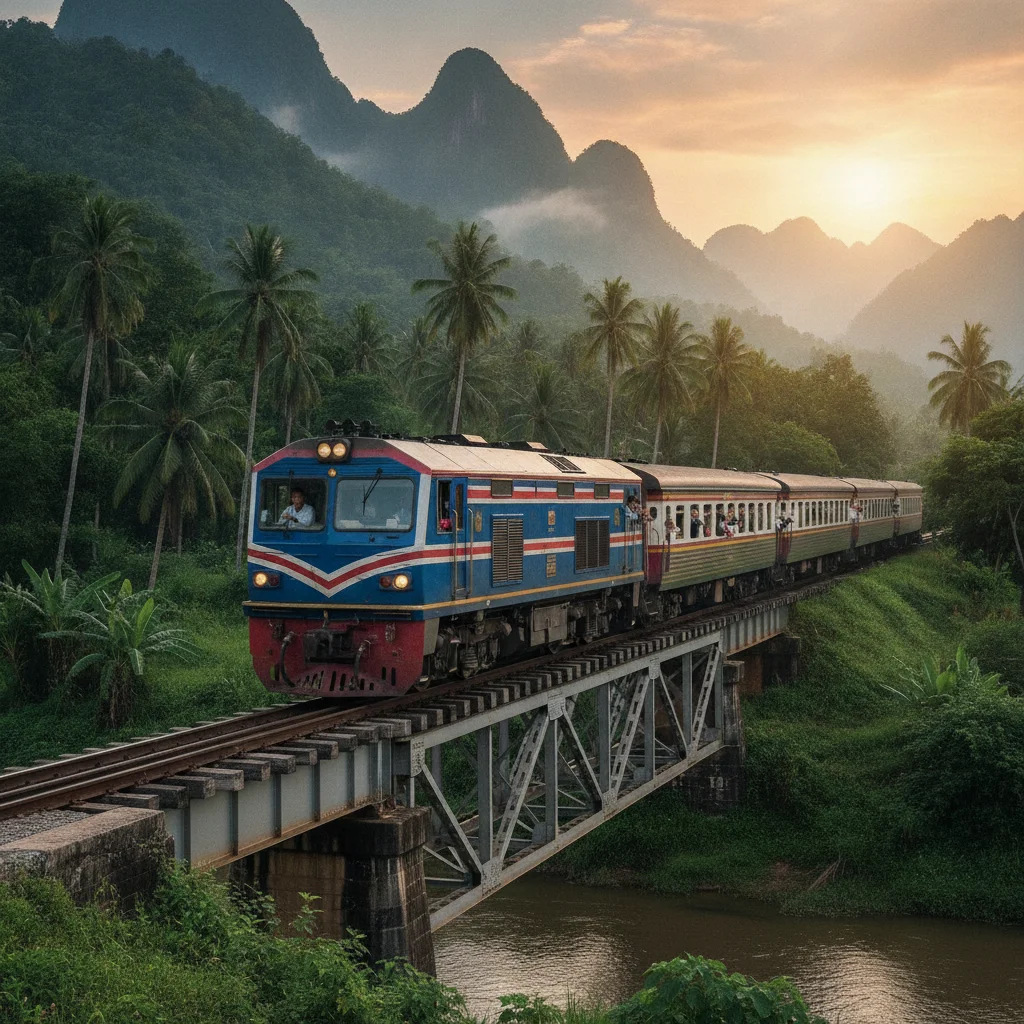
The State Railway of Thailand operates an intercity rail network spanning over 4,000 kilometres across 47 provinces, organised into four primary trunk lines radiating from Bangkok.
The Northern Line runs 751 kilometres from Bangkok to Chiang Mai, tracking through central plains cities such as Ayutthaya and Phitsanulok before climbing past the Khun Tan mountain range. Special express and express trains complete this journey in roughly 10 to 13 hours, while slower regional stopping services take longer.
Heading south, the Southern Line extends over 1,140 kilometres along the Malay Peninsula towards the Malaysian border crossings at Padang Besar and Sungai Kolok. This route provides key passenger links to Hua Hin, Surat Thani (the primary rail transfer point for ferries to Koh Samui and Koh Phangan), and the southern transit hub of Hat Yai.
To the east and northeast, the railway divides into further regional corridors. The Northeastern Line splits at Thanon Chira Junction, sending one branch north to Nong Khai on the Lao border and another east towards Ubon Ratchathani. The Eastern Line links the capital with Aranyaprathet and the border checkpoint into Cambodia.
The majority of the network runs on metre-gauge track, with extensive multi-phase double-tracking projects actively modernising major corridors to increase speeds and reduce passing delays. Travelling by rail provides a relaxed overland alternative to short-haul domestic flights, giving direct access to provincial city centres without airport luggage restrictions.
Bangkok Transit Hub: Krung Thep Aphiwat Central Terminal
Krung Thep Aphiwat Central Terminal operates as the central railway hub for long-distance intercity trains departing Bangkok. Opened to mainline services in January 2023, the facility replaced Bangkok Railway Station (Hua Lamphong) for all Special Express, Express, and Rapid trains on the Northern, Northeastern, and Southern lines. Eastern Line trains and selected ordinary commuter services still run from Hua Lamphong.
Located in Chatuchak, the terminal spans four levels, including an underground direct connection to Bang Sue MRT Station on the Blue Line. The ground floor houses ticket counters, digital departure boards, left luggage facilities, food stalls, and large air-conditioned waiting lounges. Because the elevated platforms on the second floor remain closed until boarding, passengers wait on the ground concourse until ticket gates open roughly 20 to 30 minutes before departure. Platforms 1 and 2 handle outgoing Northern and Northeastern services, while Platforms 7 and 8 manage Southern departures. Arriving 40 to 45 minutes before scheduled departure provides sufficient time to locate the correct gate and clear ticket checks.
Plan a journey along Thailand’s Andaman coast, with practical guidance on island gateways, marine parks, diving, ferries and monsoon travel.
Ticket Classes and Onboard Experience
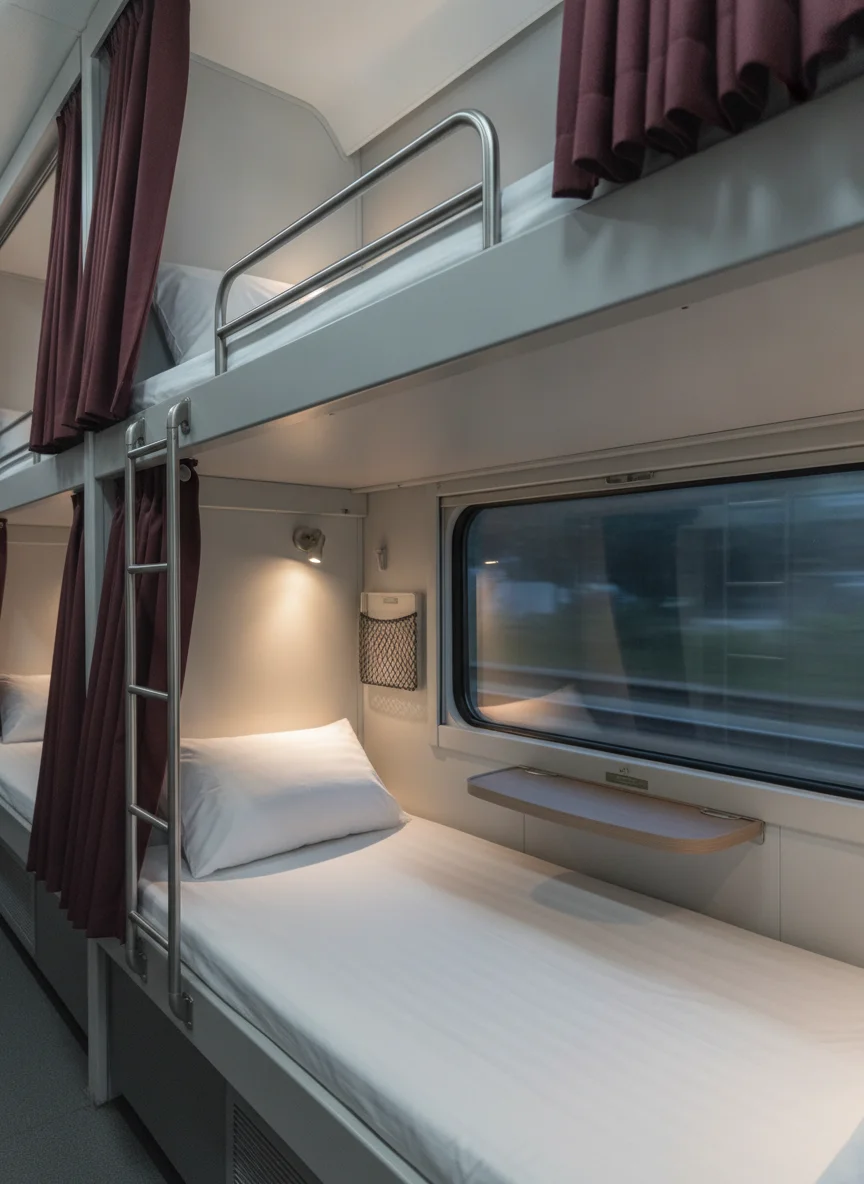
The State Railway of Thailand operates three passenger classes across its network, catering to different journey lengths and budgets.
First Class is available on long-distance Special Express routes, most notably modern CNR train sets. Accommodation consists of private, air-conditioned two-berth compartments featuring lockable doors, personal washbasins, electrical sockets, and fold-down tables. By night, attendants convert the facing seats into upper and lower sleeping berths. Solo travellers wishing to avoid sharing can book sole occupancy for an additional charge.
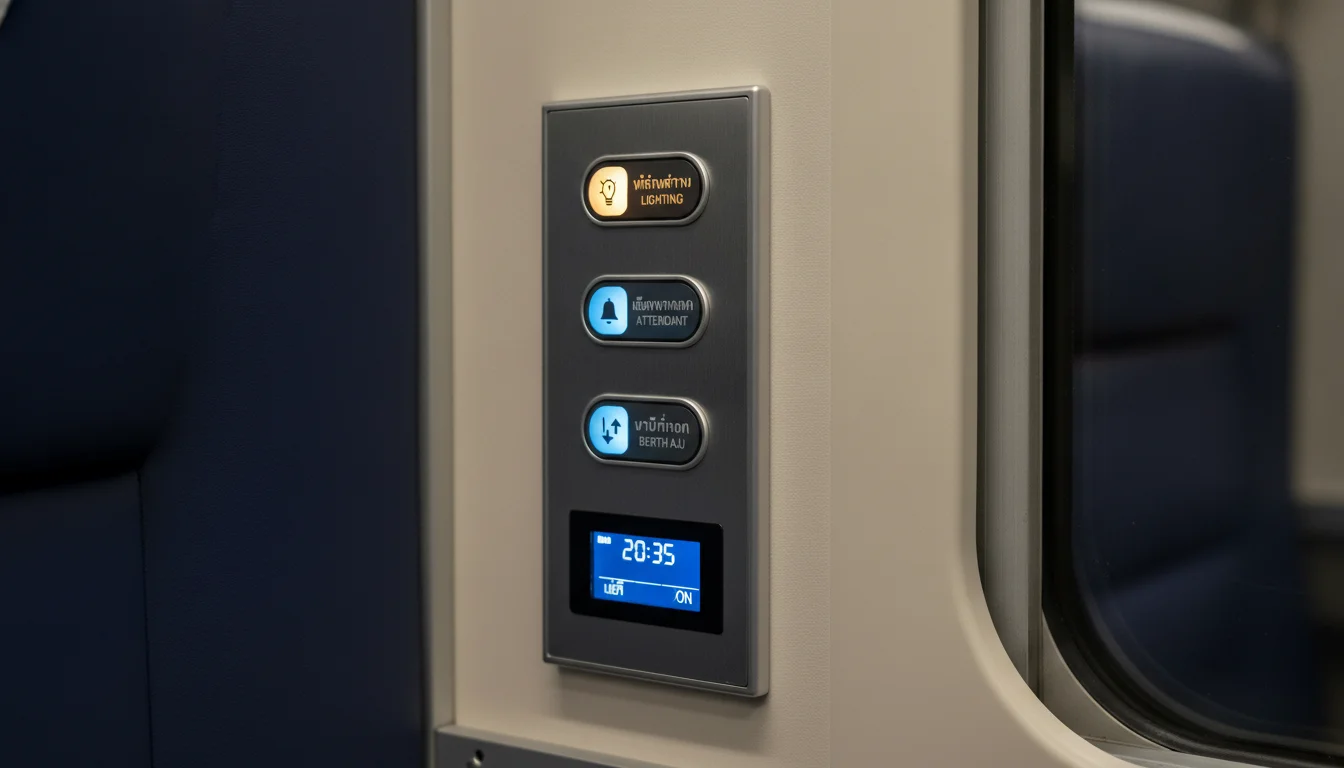
Second Class is the standard choice for overnight intercity travel. Carriages come in air-conditioned sleeper, fan sleeper, and seated configurations. In sleeper cars, pairs of facing seats fold into lower bunks while upper bunks pull down from the carriage walls. Each bunk has a privacy curtain, clean bedding, and a reading light. Lower berths provide extra headroom and a dedicated window, making them more spacious than upper berths.
Third Class comprises open-plan carriages with overhead ceiling fans, openable windows, and fixed wooden or lightly padded bench seating. These carriages operate primarily on daytime commuter, local, and short regional runs.
Modern express services also include accessible toilets, luggage racks, and a dedicated dining carriage providing hot set meals, light snacks, and soft drinks.
How to Book: D-Ticket Portal and Station Counters
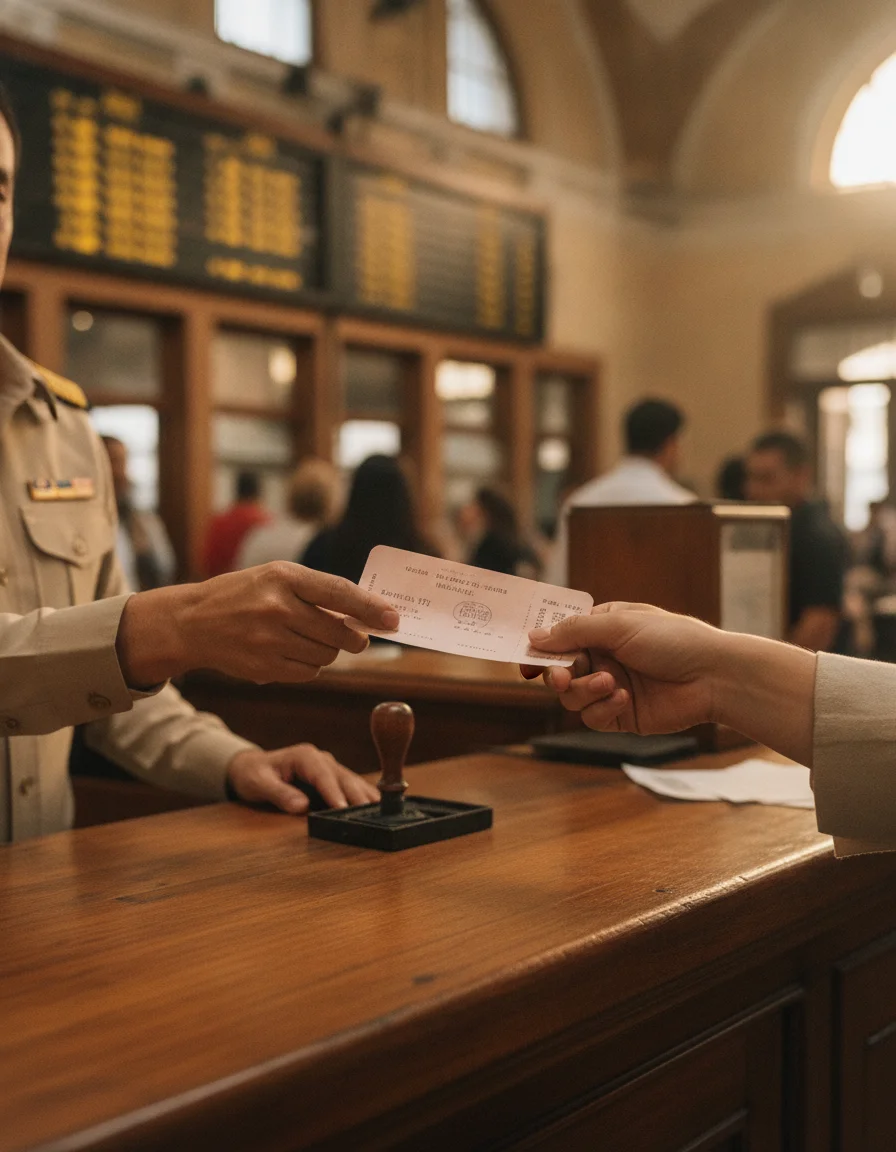
Tickets for the State Railway of Thailand can be purchased online via the official D-Ticket portal (dticket.railway.co.th) or in person at railway station counters nationwide. For long-distance express and sleeper services, advance reservations open up to 90 days prior to departure, whilst shorter journeys operate on shorter reservation windows of 30 days or less. Foreign travellers must supply valid passport details during the booking process, as passenger names are printed directly onto each ticket.
The D-Ticket website and mobile app operate in Thai and English, allowing passengers to inspect carriage layouts in real time, choose specific seat or berth numbers, and pay using Visa or Mastercard debit or credit cards. Once confirmed, the system issues an electronic ticket with a QR code that conductors can scan directly from a smartphone screen or a printed page. Physical ticket counters accept cash in Thai Baht alongside payment cards for qualifying transactions.
Official booking windows open daily at 08:30 Thai time. Popular long-distance night services, particularly Train 9 to Chiang Mai and services to the southern border, often sell out their first-class compartments and lower sleeper berths shortly after opening. Third-party travel agencies also accept pre-orders months ahead of time, lodging requests manually the moment official booking begins to help secure preferred sleeping allocations.
Comparing Rail Travel, VIP Buses, and Domestic Flights
Evaluating rail travel against domestic flights and long-distance buses reveals distinct trade-offs in journey time, total cost, and physical comfort across Thailand.
Domestic budget airlines fly between Bangkok and provincial hubs like Chiang Mai or Surat Thani in 60 to 90 minutes. However, travelling to out-of-town airports, clearing security, and paying extra for checked baggage erode much of that time and cost advantage. Long-distance VIP buses provide an extensive, budget-friendly road network and often reach destinations faster than the railway. Even so, fixed recline angles, limited legroom, and overnight motorway traffic can make sleeping on a coach tiring.
State Railway of Thailand sleeper trains offer full lie-flat berths, generous inclusive luggage allowances of 40kg to 50kg, and freedom of movement across carriages. An overnight rail journey also doubles as accommodation, eliminating the expense of a hotel night while delivering you directly into central urban stations rather than distant flight terminals. For travellers working within compressed schedules, flying remains the quickest option. For relaxed itineraries, sleeper trains provide greater physical comfort, lower carbon emissions, and uninterrupted daytime hours for sightseeing.
Station Access and Terminal Links
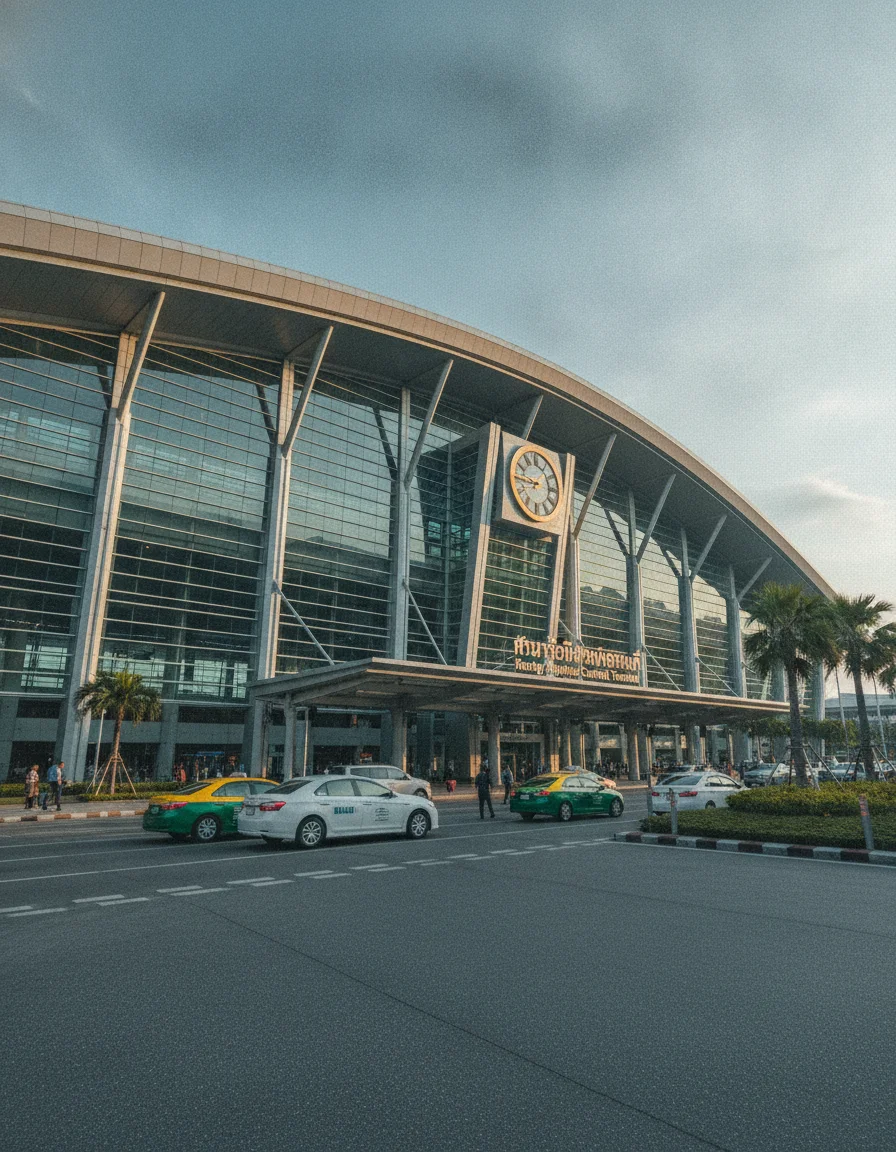
Krung Thep Aphiwat Central Terminal sits in Bangkok's northern Chatuchak district, roughly 8 kilometres north of the main Sukhumvit hotel belt. Passengers arriving at Suvarnabhumi Airport (BKK) can reach the station entirely by mass transit. Take the Airport Rail Link from the airport basement to Makkasan Station (35 THB), cross via the covered walkway to Phetchaburi MRT Station, and ride the MRT Blue Line directly to Bang Sue Station (40 to 43 THB). An underground pedestrian walkway links Bang Sue MRT station directly into the terminal concourse. The entire rail journey takes around 50 to 60 minutes and costs approximately 75 to 80 THB (£1.70 to £1.80).
Alternatively, metered taxis or ride-hailing services from Suvarnabhumi Airport cost approximately 350 to 450 THB (£7.80 to £10.00), excluding the 50 THB airport surcharge and expressway toll fees, with journey times taking between 45 and 75 minutes depending on traffic conditions. Travellers landing at Don Mueang International Airport (DMK) have a direct link: the SRT Dark Red Line commuter train connects DMK's Terminal 2 directly to Krung Thep Aphiwat in roughly 17 to 20 minutes, with single fares currently capped at 20 THB (£0.45).
Fares and Booking Breakdown
Fares on the State Railway of Thailand remain regulated by the national government, providing economical intercity and regional travel across the country. Ticket pricing is determined by distance, train classification (such as Ordinary, Rapid, Express, or Special Express), and carriage category.
Short journeys in standard third-class fan carriages typically cost between 30 THB and 100 THB (£0.65 to £2.20), rising to roughly 250 THB to 300 THB (£5.50 to £6.70) on long-distance routes. Daytime second-class air-conditioned reclining seats on express services generally range from 350 THB to 600 THB (£7.80 to £13.30).
For overnight journeys, second-class air-conditioned sleeper berths usually cost between 750 THB and 1,100 THB (£16.60 to £24.40) each way. Lower berths cost slightly more than upper berths because they provide a wider mattress and a window view at track level. Premium first-class private compartments—available on flagship Special Express services—cost between 1,400 THB and 1,650 THB (£31.10 to £36.70) for a single berth in a shared two-person cabin, or roughly 2,300 THB to 2,450 THB (£51.10 to £54.40) to reserve the entire room for sole occupancy.
Ticket prices include standard taxes and seat reservations when booked directly at railway stations or through the official State Railway of Thailand online ticketing system. Third-party booking agencies charge independent processing fees, typically adding 100 THB to 200 THB (£2.20 to £4.40) per ticket.
| Service Class | Typical Fare (THB) | Approximate Fare (GBP) | Accommodation Details |
|---|---|---|---|
| Third Class Seat (Local / Express) | 30 - 250 THB | £0.65 - £5.50 | Non-air-conditioned, fan-cooled, unreserved or reserved bench seating. |
| Second Class AC Seat | 350 - 550 THB | £7.80 - £12.20 | Reclining seats, air conditioning, daytime intercity routes. |
| Second Class AC Sleeper (Lower Berth) | 850 - 1,100 THB | £18.80 - £24.40 | Convertible lower bunk, privacy curtain, fresh bedding included. |
| First Class AC Sleeper (Private Cabin) | 1,450 - 2,400 THB | £32.20 - £53.30 | Lockable two-berth compartment, washbasin, sole or shared occupancy. |
Who It Suits
State Railway of Thailand services suit travellers on flexible itineraries, budget backpackers, and those who favour overnight sleeper journeys over domestic airport queues. Sleeper services combine transport and accommodation costs, making them practical for long journeys to regional hubs like Chiang Mai or Surat Thani while providing countryside views at dawn.
Conversely, rail travel rarely suits visitors on short, week-long holidays needing rapid transfers to southern islands. Thailand's intercity rail network operates partly on single-track lines where crossing holds and maintenance can introduce delays, meaning trains cannot promise strict arrival times. Travellers with tight connecting flights or urgent schedules should choose domestic aviation instead.
What to Know Before You Book
Booking windows on State Railway of Thailand services open up to 90 days in advance for long-distance journeys, with shorter journeys opening 30 days ahead. Reserving as soon as tickets release is advisable for first-class private compartments and travel during peak holiday periods such as Songkran in April and Western New Year in December.
When booking second-class sleepers, lower berths routinely sell out first. They offer wider sleeping platforms, dedicated window access, and step-free entry, easily justifying the modest fare premium over upper bunks, which sit directly beneath interior carriage lighting and air-conditioning vents.
Air-conditioned sleeper carriages are maintained at very cold temperatures throughout the night. Keep a fleece or warm layer in your cabin luggage rather than packing it inside stowed bags.
Alcohol consumption and sales are strictly prohibited across all State Railway of Thailand trains and station platforms. The restriction is actively enforced by transport authorities, and violations incur substantial fines.
Practical Travel Tips
Download your PDF e-ticket to your smartphone before heading to the departure platform. While conductors accept digital tickets displayed on mobile screens, mobile coverage frequently drops along rural stretches of track, making an offline copy or printed backup advisable for ticket inspections.
Pack toilet paper, wet wipes, and hand sanitiser in your carry-on luggage. Carriages are cleaned during the journey, but onboard washroom supplies often run low on long-distance overnight services.
Carry a charged power bank to keep devices running throughout the trip. While newer Special Express CNR trains feature dedicated charging sockets at individual berths, older diesel railcars and fan-cooled carriages have limited or non-existent shared wall outlets.
Buy meals, snacks, and bottled water at station food courts before boarding. Air-conditioned restaurant cars and roving meal vendors operate on select long-distance routes, but station concourses provide significantly broader food choices at standard local prices.
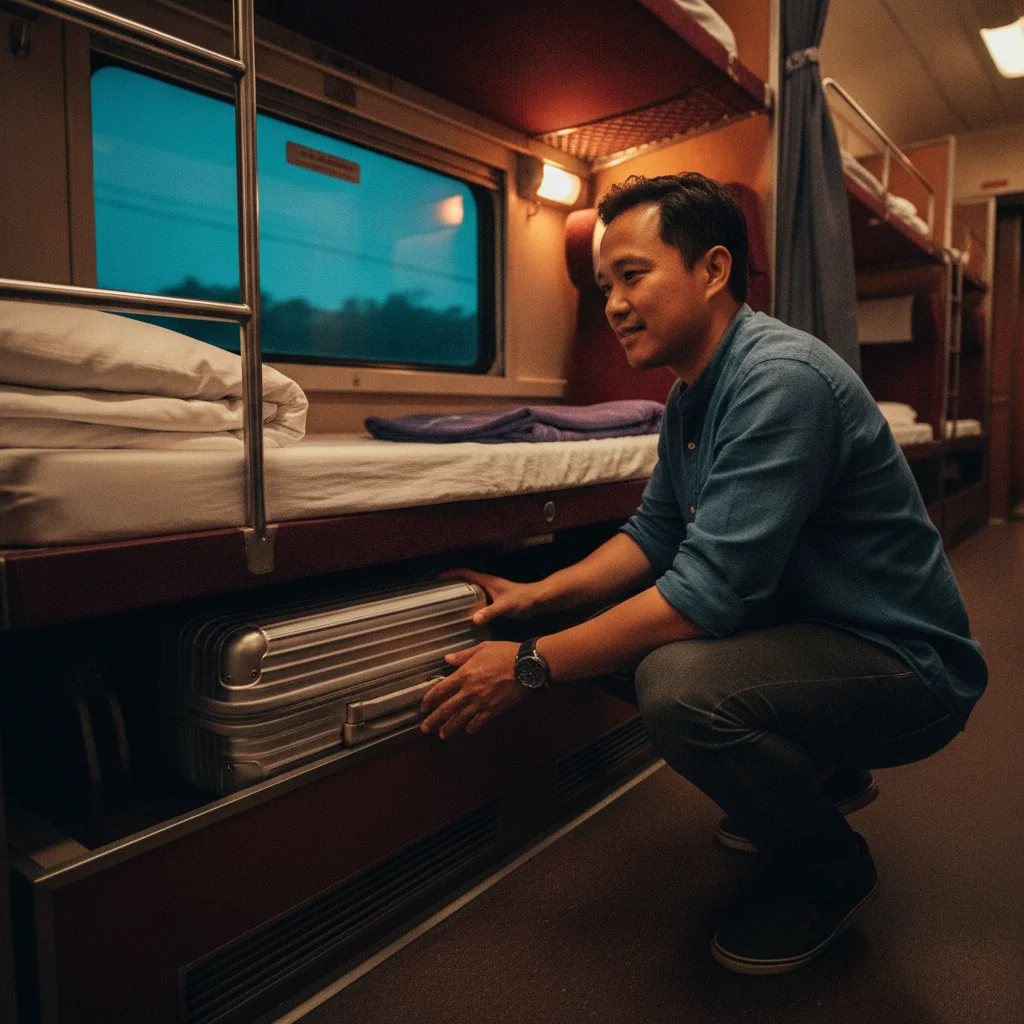
Keep your passport, payment cards, and electronics inside a compact daypack placed beside your pillow or beneath your personal bedding overnight. Stash larger suitcases on the designated luggage racks or beneath the lower seats, and secure zip fastenings with small luggage padlocks while you sleep.
For official timetable updates and digital ticket retrieval, visit the State Railway of Thailand portal at dticket.railway.co.th or telephone the customer service hotline on 1690.
Quick Reference Table
| Item | Detail | Notes |
|---|---|---|
| Main Bangkok Terminal | Krung Thep Aphiwat Central Terminal | Replaced Hua Lamphong for long-distance services in January 2023 |
| Network Scope | 4,000+ km across 47 provinces | Metre-gauge track spanning Northern, Southern, Northeastern, and Eastern lines |
| Advance Booking Window | Up to 90 days in advance | 90 days for long-distance/sleeper trains; 30 days or less for shorter routes |
| Booking Opening Time | 08:30 Thai time | Daily release for online and station reservations |
| Third Class Fares | 30 - 300 THB (£0.65 - £6.70) | Non-AC, fan-cooled carriages with bench seating |
| Second Class AC Seat Fares | 350 - 600 THB (£7.80 - £13.30) | Daytime reclining seats on intercity routes |
| Second Class AC Sleeper Fares | 750 - 1,100 THB (£16.60 - £24.40) | Convertible bunks with privacy curtains; lower berths carry small premium |
| First Class AC Sleeper Fares | 1,400 - 2,450 THB (£31.10 - £54.40) | Private 2-berth cabin (£31.10–£36.70 shared, £51.10–£54.40 sole occupancy) |
| Inclusive Luggage Allowance | 40 kg - 50 kg | Generous baggage allowance on sleeper trains with no strict airline limits |
| Don Mueang (DMK) Rail Link | 17 - 20 minutes | Direct via SRT Dark Red Line to Krung Thep Aphiwat; fare capped at 20 THB (£0.45) |
| Suvarnabhumi (BKK) Rail Link | 50 - 60 minutes | Airport Rail Link to Makkasan, then MRT Blue Line to Bang Sue (~75–80 THB / £1.70–£1.80) |
| Alcohol Regulations | Prohibited | Strictly banned across all trains and station platforms |
| Official Website | railway.co.th | National railway operator portal |
| Online Booking Portal | dticket.railway.co.th | Official D-Ticket system for seat selection and e-tickets |
| Customer Service Hotline | 1690 | 24-hour national telephone support |
FAQ: State Railway of Thailand
Which Bangkok train station handles long-distance intercity trains?
How early should passengers arrive at Krung Thep Aphiwat Central Terminal before departure?
How can I book tickets for the State Railway of Thailand?
How far in advance can I book State Railway of Thailand tickets?
When should I book State Railway of Thailand tickets, especially for popular routes?
Should I choose a lower or upper berth in a second-class sleeper on State Railway of Thailand trains?
Is alcohol allowed on State Railway of Thailand trains or at stations?
What essential items should I pack for washrooms on State Railway of Thailand trains?
How should I secure my valuables and luggage on State Railway of Thailand sleeper trains?
Who is rail travel with the State Railway of Thailand best suited for?
Reviewed by the Thailand Guide Editorial Team • Last reviewed: 26 September 2026
This page provides general information only and is not financial, legal, or immigration advice. Always verify current rules with official Thai government sources or a qualified professional before making decisions.