Andaman Sea - Thailand
Thailand’s Andaman Sea coast extends through Ranong, Phang Nga, Phuket, Krabi, Trang and Satun. It combines large resort centres, working coastal towns, mangrove estuaries, limestone bays and offshore island groups, but it is not one destination that can be covered from a single base.
Phuket and Krabi provide the broadest choice of flights, accommodation and organised excursions. Khao Lak is the principal mainland base for trips towards the Similan and Surin islands, while Trang and Satun lead to southern islands including Koh Muk, Koh Kradan, Koh Ngai, Koh Lipe and the wider Tarutao archipelago. Ranong serves its own quieter northern coast and islands. Seasonal sea conditions and park closures strongly affect how these areas connect, so an Andaman itinerary should be built around specific gateways rather than a continuous journey along the water.

Thailand’s Andaman Coast and Marine Geography

The Andaman Sea is a marginal sea of the north-eastern Indian Ocean, bounded more widely by Myanmar, Thailand, Malaysia and the Andaman and Nicobar island chain. For travellers in Thailand, the useful scope is the country’s west-facing coastline and its offshore islands.
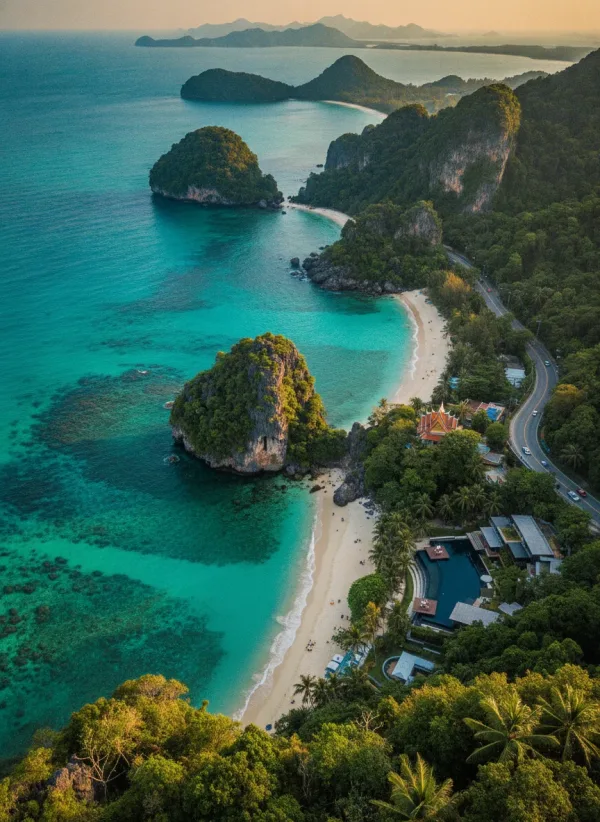
The scenery changes considerably from north to south. Ranong has estuaries, mangroves and forested islands close to the Myanmar border. The Similan group consists mainly of granite islands and underwater boulder formations west of Phang Nga, while the protected waters of Phang Nga Bay are characterised by limestone towers, caves and sheltered channels. Similar limestone scenery continues around Krabi and the Phi Phi islands. Trang and Satun add low-lying islands, reefs, seagrass habitat and the larger forested islands of the Tarutao archipelago.
There is no single coastal ferry serving all six provinces throughout the year. Boat routes are organised around local piers and island groups, and direct links between northern and southern destinations may require road transfers. In the drier part of the year, additional through-services connect some of the better-known islands. During the south-west monsoon, routes can be reduced, suspended or cancelled at short notice.
Choosing an Andaman Base
The best gateway depends on which section of the coast you intend to explore. Avoid choosing a resort first and assuming every island will be within practical day-trip range.
| Area | Best Used For | Important Limitation |
|---|---|---|
| Ranong | Northern islands, mangroves and the Ranong coast | Separate from the main Phuket–Krabi island circuit |
| Khao Lak and Thap Lamu | Similan and Surin excursions and liveaboards | Mainland resort strip; not an inter-island hub |
| Phuket | International access, beaches, Phang Nga Bay, Phi Phi routes and a wide choice of boats | Long road journeys across the island can affect transfer times |
| Krabi and Ao Nang | Railay, nearby limestone islands, Phi Phi and connections towards Koh Lanta | Krabi Town, Ao Nang and the piers are distinct locations |
| Trang coast | Koh Muk, Koh Kradan, Koh Ngai and Koh Libong | Most airport and railway arrivals need a road transfer to a pier |
| Pak Bara, Satun | Koh Lipe and Mu Koh Tarutao National Park | Long sea links northwards are strongly seasonal |
Plan a Northern Thailand trip covering Chiang Mai, Chiang Rai, Sukhothai, mountain routes, Lanna food, transport, seasons and air quality.
Key Marine Parks and Island Groups
Several of the coast’s best-known islands lie within national parks. Park entry is separate from the boat fare unless a tour explicitly includes it, and some parks or individual visitor sites close seasonally. Rules, fees and open areas can change, so check with the Department of National Parks or the operator before paying.
Mu Koh Similan and Mu Koh Surin national parks protect offshore island groups in Phang Nga province. Both normally close to tourism during the south-west monsoon; the announced 2025 closure ran from 16 May to 14 October as part of an annual conservation and weather-safety measure. Do not apply those exact dates automatically to every Andaman marine park. Closures differ between parks and can also be extended because of sea conditions.
Further south, Hat Noppharat Thara–Mu Koh Phi Phi National Park includes mainland coast and islands around Phi Phi. Mu Koh Lanta National Park covers areas around southern Koh Lanta and offshore sites including Koh Rok and Hin Daeng–Hin Muang. Hat Chao Mai National Park protects part of the Trang coast and nearby islands, while Mu Koh Tarutao National Park covers a large Satun archipelago close to Malaysia. Koh Lipe lies within the Tarutao park area but has extensive private accommodation; neighbouring Koh Adang offers a markedly different national-park setting.
| Park / Island Group | Province | Main Reasons to Visit | Listed Foreign Adult Entry Fee |
|---|---|---|---|
| Mu Koh Similan | Phang Nga | Granite islands, snorkelling and offshore diving | 500 THB (approximately £11) |
| Mu Koh Surin | Phang Nga | Shallow reefs, beaches and access towards Richelieu Rock | 500 THB (approximately £11) |
| Mu Koh Tarutao | Satun | Forested islands, beaches and the Adang–Rawi group | 200 THB (approximately £4.50) |
These are current listed adult foreign-visitor fees and may not include diving surcharges, transport, local landing charges or other park services. Confirm the total price and whether entry is included in a tour before travel or payment.
Southern Food Along the Coast

Food on the Andaman coast is broader than resort seafood menus. Southern Thai cooking commonly uses fresh turmeric, chillies, tamarind, coconut milk, shrimp paste and strongly seasoned curry pastes. Gaeng som, a sour and spicy curry often made with fish and vegetables, is widely associated with southern cooking. Turmeric-fried fish, crab curries, grilled squid and shellfish appear in coastal markets and restaurants, with the catch and price varying by place and season.
Phuket Town is particularly useful for exploring Peranakan-influenced local food alongside Thai-Chinese dishes and southern curries. Trang is known for its morning food culture and roast pork, while Muslim communities across parts of Krabi, Trang and Satun contribute roti, grilled meats, rice dishes and curries. On smaller islands, limited freight capacity usually means fewer choices and higher prices than in provincial towns.
For seafood sold by weight, ask the price per kilogram before ordering and check whether cooking is charged separately. Market displays do not guarantee that every species is local or sustainably caught. Choose established vendors, avoid buying protected wildlife products and follow any local restrictions on collecting shells or marine life.
Diving and Snorkelling Areas

Thailand’s Andaman coast supports very different kinds of diving. The northern offshore circuit generally combines the Similan Islands, Koh Bon, Koh Tachai and Richelieu Rock, with liveaboards and some day boats departing through Khao Lak or Phuket. Granite boulders, channels, pinnacles and deeper sites distinguish this area from the limestone islands closer to shore.
Around Phuket, operators use Chalong as a major departure point for sites such as Racha Yai, Racha Noi and the King Cruiser area. Krabi and the Phi Phi islands offer reef and wall diving closer to established holiday centres. From Koh Lanta, seasonal boats reach Koh Haa and the more exposed Hin Daeng and Hin Muang sites. Koh Lipe provides access to reefs and channels in the southern Tarutao area.
Wildlife sightings are never guaranteed. Whale sharks and manta rays occur in the Andaman Sea, but their presence varies with season, currents and food availability. Visibility also changes by site and from day to day. Exposed offshore sites can have strong currents and may require advanced certification or recent experience.
Before booking, compare the exact route, number of dives, maximum group size, equipment condition, guide qualifications, insurance requirements, park fees and cancellation arrangements. Divers who have been inactive should discuss a refresher with the operator. Snorkellers should use a properly fitted buoyancy aid when required, keep clear of boat traffic and avoid standing on coral.
Getting to the Andaman Coast

Phuket International Airport and Krabi International Airport are the principal air gateways for the central Andaman coast. Trang Airport is useful for Trang’s islands, while Hat Yai Airport is often used for road transfers to Pak Bara and Koh Lipe services. Ranong Airport serves the northern end when flights are operating on suitable dates.
Thailand’s main railway does not run through Phuket, Phang Nga or Krabi. Trang has its own station, and travellers for Krabi or Phuket can combine a train to Surat Thani with an onward bus or private transfer. Long-distance buses connect Bangkok with provincial centres and resort areas, but a ticket to a province does not necessarily end at the pier required for an island boat.
Pak Bara is the main mainland pier for Koh Lipe. Pak Meng, Kuan Tung Ku and Hat Yao serve different Trang island routes. Klong Jilad, Nopparat Thara and nearby piers handle services around Krabi, while Rassada is a major Phuket passenger pier. Thap Lamu is associated with Similan departures, although tour transfers may collect passengers from a wider Khao Lak area.
Check the named departure pier on the ticket rather than relying on the destination name alone. Allow time between an incoming flight and the final boat, particularly when separate tickets are involved. The last useful sailing may leave well before evening, and an overnight stay near the gateway can be more reliable than a tight same-day connection.
Ferries, Speedboats and Longtail Boats
Ferries and speedboats operate differently across the region. Larger ferries may provide a steadier ride and more luggage space, while speedboats are faster but can feel harsher in choppy water. Traditional longtail boats are common for short transfers, beach landings and local island trips; boarding may involve steps, floating pontoons or wading through shallow water.
Direct high-season links can connect Phuket, Phi Phi, Koh Lanta, some Trang islands and Koh Lipe, but not every service calls at every island. Some advertised journeys are through-tickets involving a boat change or road transfer. During the monsoon, mainland routes may continue while exposed inter-island services stop.
Confirm baggage allowances, check-in time, exact landing point and whether hotel transfer is included. Travellers with limited mobility should ask about the boat, pier and boarding method before booking. Keep essential medication, electronics and travel documents in a waterproof bag, and follow crew instructions about lifejackets and seating.
Planning Costs Across the Region
Costs vary too widely across the Andaman coast for a single daily budget to be meaningful. Phuket’s international resorts, simple rooms in a provincial town, park accommodation and a small-island beachfront property do not form one comparable market. Boat-heavy itineraries also cost more than staying in one mainland base.
Build a budget from four separate elements: accommodation on the exact dates, land transfers to the correct pier, each boat sector and the activities or park fees you intend to pay. On small islands, consider cash needs and the higher cost of goods brought by boat. On Phuket, allow for road transport between the airport, beaches and departure piers rather than assuming they are close together.
For accommodation, compare the final amount after taxes, breakfast, cancellation terms and transfers. A cheaper island room may not reduce the total if it requires a private transfer or an extra overnight stop. Diving packages should be compared on inclusions rather than headline price, particularly where equipment, nitrox, park charges or the final night on board are treated differently.
Weather, Sea Conditions and Seasonal Access

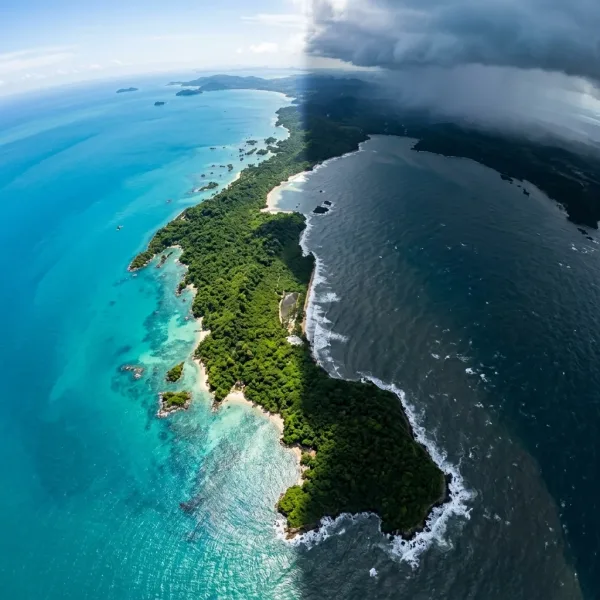
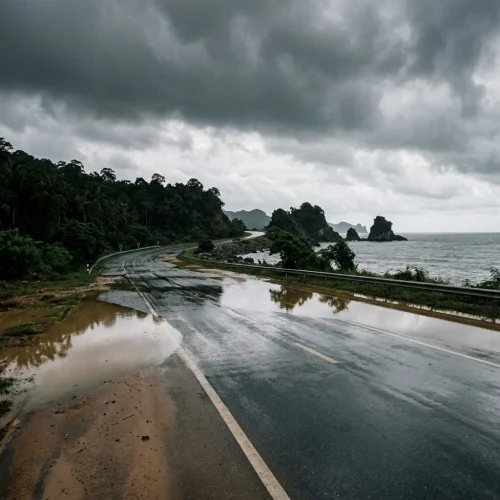
The south-west monsoon generally brings wetter weather and rougher periods to Thailand’s Andaman coast from around May into October. November to April is the main visitor season for many islands and offshore activities, but neither period guarantees particular conditions. Rain, wind and swell can occur during the drier months, while the wetter season can include calm intervals.
Northern offshore parks such as Similan and Surin follow annual seasonal closures. Other parks, bays and offshore dive sites use different closure periods, and inhabited islands such as Phuket, Koh Lanta and Koh Lipe do not simply close for the whole monsoon. They continue to receive visitors, although fewer boats, closed seasonal businesses and less predictable sea travel may affect a trip.
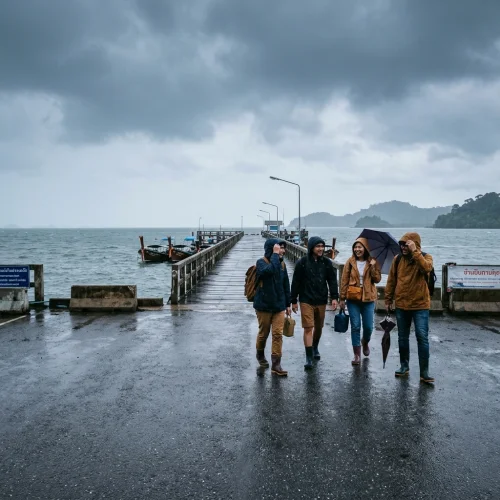
Use the Thai Meteorological Department’s marine forecasts close to travel. Boat operators and park officials can suspend departures when conditions are unsuitable even if a timetable shows a service. Never pressure a captain to leave in unsafe conditions, and do not treat a prepaid booking as proof that a crossing will operate.
Marine Parks, Wildlife and Visitor Conduct
National-park rules apply both on land and in the water. Do not remove coral, shells, sand or wildlife, and do not feed fish or touch marine animals. Anchoring, fishing and access to particular beaches or reefs may be restricted within protected zones. Follow signs and ranger instructions, even when a site appears accessible from an excursion boat.
Thailand’s national parks prohibit several kinds of single-use plastic and foam packaging, and sunscreens containing specified chemicals harmful to coral are banned in national parks. Choose a compliant product, cover exposed skin with suitable clothing and avoid applying sunscreen immediately before entering the water where possible.
The Moken communities associated with the Surin area are living communities, not an attraction staged for visitors. Use tours that respect local access rules, photography preferences and community privacy. Across the coast, mangroves, seagrass beds and reefs support fisheries and wildlife as well as tourism; responsible boat speed, waste disposal and wildlife distance matter beyond designated snorkelling sites.
Practical Advice for Boat Travel

Keep passports, phones, medication and charging equipment in a proper dry bag. Soft luggage is often easier to handle on small boats than a large rigid case, but check baggage rules with the operator.
Wear footwear that can cope with wet pontoons and beach landings. Coral can be damaged by contact, so water shoes are not a reason to walk across a reef.
Carry some Thai baht for small piers, local transport and islands where card acceptance or cash machines are limited. Park entry for organised trips may now be handled through advance or electronic systems, so ask the operator what identification and payment are required rather than assuming cash will be collected on arrival.
Check the weather and return service before leaving for a remote island. Mobile coverage should not be relied upon offshore, and a day trip may return later than planned if conditions change.
Use a licensed operator, wear the supplied lifejacket and keep it fastened when instructed. If you are prone to motion sickness, seek appropriate medical advice before travel and choose the most suitable vessel and route available.
Andaman Coast At-A-Glance
| Item | Detail | Notes |
|---|---|---|
| Thai coastal region | Ranong, Phang Nga, Phuket, Krabi, Trang and Satun | Six west-coast provinces with distinct gateways |
| Main air gateways | Phuket, Krabi, Trang, Hat Yai and Ranong | Choice depends on the island group and onward pier |
| Northern offshore season | Mainly mid-October to mid-May | Similan and Surin normally close during the south-west monsoon |
| Broad high season | November to April | More island links usually operate, but weather still varies |
| Main transport | Road transfers, ferries, speedboats and longtail boats | No single year-round coastal ferry corridor |
| Park entry | Charged separately unless explicitly included | Fees and open areas differ by park |
| Payment | Thai baht; cards common in larger centres | Carry cash for small islands and local transfers |
| Suggested planning approach | One or two regional gateways | Avoid combining distant island groups too tightly |
FAQ: Andaman Sea - Thailand
How should I plan an itinerary for Thailand's Andaman Sea?
Is there a single ferry service connecting all provinces along Thailand's Andaman coast?
What is a common mistake when choosing a base for exploring Thailand's Andaman coast?
What should visitors know about national park entry fees in Thailand's Andaman Sea?
Do all marine parks in Thailand's Andaman Sea close during the monsoon season?
What should I consider when ordering seafood by weight in Thailand's Andaman coast?
What should I check before booking a diving or snorkeling trip in Thailand's Andaman Sea?
What is important to know when connecting from a flight to a boat in Thailand's Andaman Sea?
How should I budget for a trip to Thailand's Andaman coast?
Are there restrictions on plastics and sunscreens in Thailand's national parks?
Reviewed by the Thailand Guide Editorial Team • Last reviewed: 21 August 2026
This page is provided for general information only. While we aim for accuracy, details can change — please verify anything important independently before relying on it.