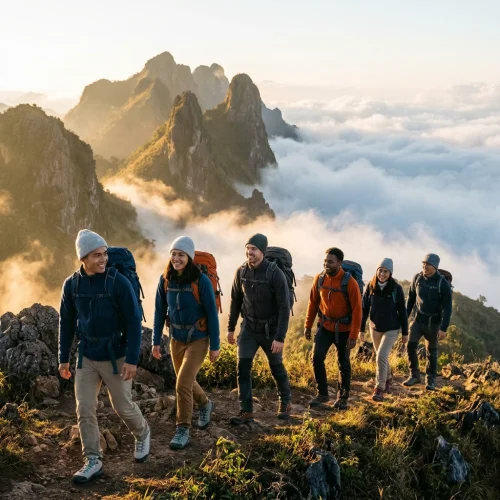
Online reservations for trekking permits and overnight stays at Doi Luang Chiang Dao will open at 8:00 am on 26 October.
The booking window closes at 4:00 pm on 30 October. All applications must be submitted through the official portal of Chiang Dao Wildlife Sanctuary. The designated nature trail will open to visitors between 16 November 2026 and 12 February 2027. For British citizens residing in Thailand, securing an official permit in advance is mandatory before arranging travel to the protected area in northern Chiang Mai province.
Reservation Dates and Access Rules
Access to the mountain is restricted by a strict quota system designed to manage footfall. The sanctuary authority does not permit walk-in entries. Unregistered visitors will be turned away at entry checkpoints.
Places are allocated through the sanctuary website on a first-come basis. British residents planning a visit should prepare their personal details, including passport numbers and contact information, before the registration system goes live. Weekend dates fill rapidly. Those with flexible schedules during weekdays stand a better chance of obtaining their preferred dates.
Conservation Measures and Daily Limits
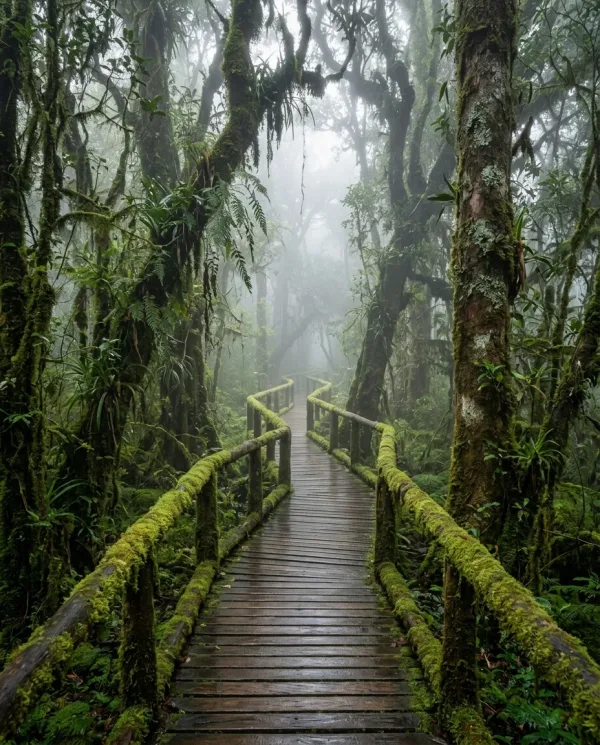
Doi Luang Chiang Dao is Thailand’s third-highest peak, standing at 2,225 metres above sea level. It features a sensitive subalpine ecosystem and limestone terrain containing rare plant species found nowhere else in the country.
Krairoek Rueankham, head of the sanctuary, stated that visitor limits are essential to prevent habitat destruction, reduce litter, and protect resident wildlife. All confirmed visitors must attend a compulsory briefing prior to their hike. This session outlines the park regulations and explains Leave No Trace principles. Trekkers are legally required to carry all non-biodegradable waste back down to the base station for inspection upon departure.
Logistics for UK Nationals Living in Thailand
The reserve is located approximately 70 kilometres north of Chiang Mai city centre. Expatriates based in urban flats or houses across the country must plan their transport links carefully.
Direct domestic flights operate daily from Bangkok, Phuket, and other regional hubs to Chiang Mai International Airport. From the airport, travellers can hire a car or take local public buses to Chiang Dao district, followed by local transport to the sanctuary headquarters. The mountain does not offer commercial hotel facilities. Trekkers must sleep in tents at designated camping areas.
Temperatures on the upper ridges drop significantly during the winter months. Overnight figures often fall below five degrees Celsius between December and January. British residents accustomed to tropical lowland weather should pack appropriate cold-weather clothing, thermal sleeping mats, and reliable water filtration equipment.
Permit Requirements and Local Employment
Sanctuary rules mandate that every group of visitors must hire an accredited local guide and arrange registered porters through the official community scheme. This policy supports the local economy while ensuring safety along the steep mountain routes.
Applicants must complete fee payments within the deadline specified on the registration portal. Failure to settle park fees on time results in the automatic cancellation of the allocated slot. Expatriates should verify their personal accident insurance policies before departure to ensure cover extends to remote upland trekking. Official announcements, fee schedules, and updated park rules are published directly on the Department of National Parks, Wildlife and Plant Conservation website.
Source: nationthailand.com
Reviewed by the Thailand Guide Editorial Team • Last reviewed: 25 October 2026
This page is provided for general information only. While we aim for accuracy, details can change — please verify anything important independently before relying on it.