Chiang Mai City
Chiang Mai's historic 1.6-kilometre square moat and brick walls contain over 30 ancient temples, yet this 700-year-old fortress is now the most densely populated digital nomad hub in Southeast Asia. Here, you can eat a Michelin-rated bowl of curry noodles for less than £1.50.
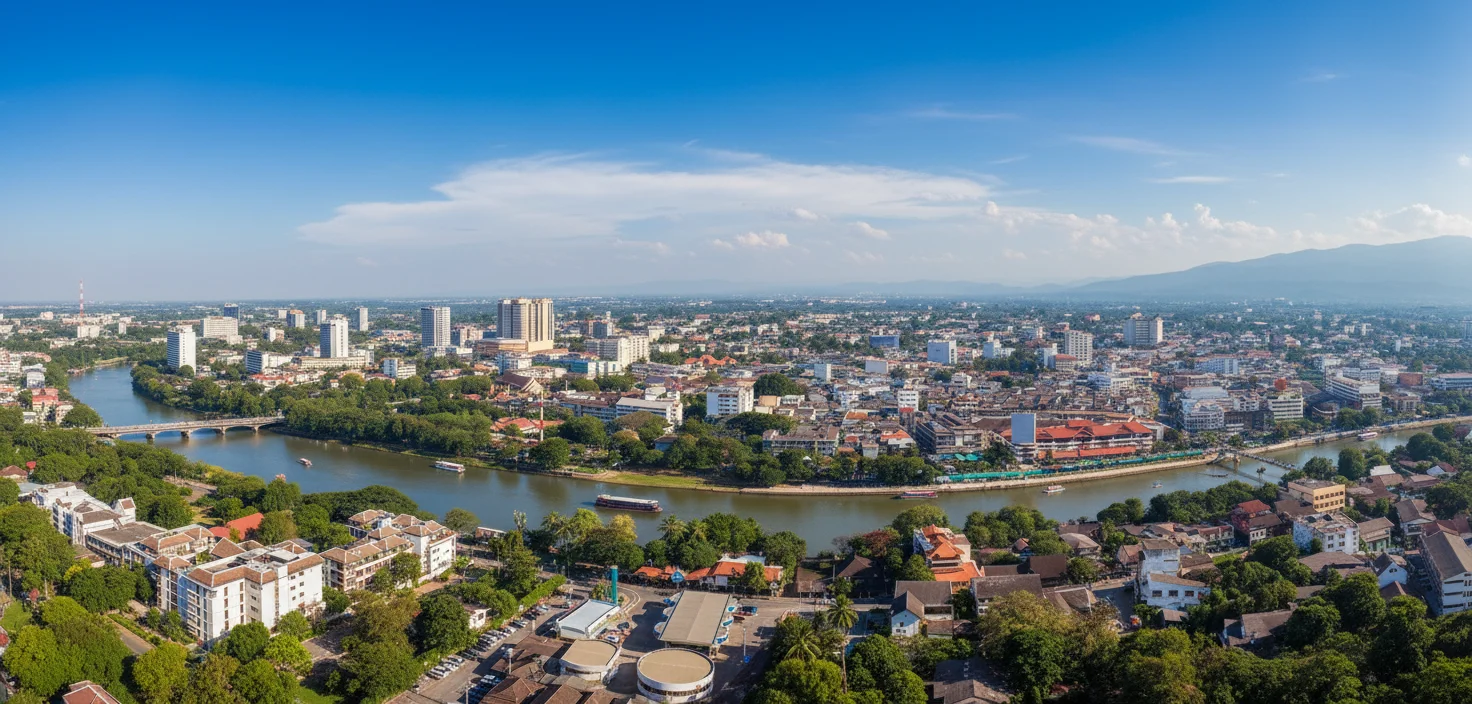
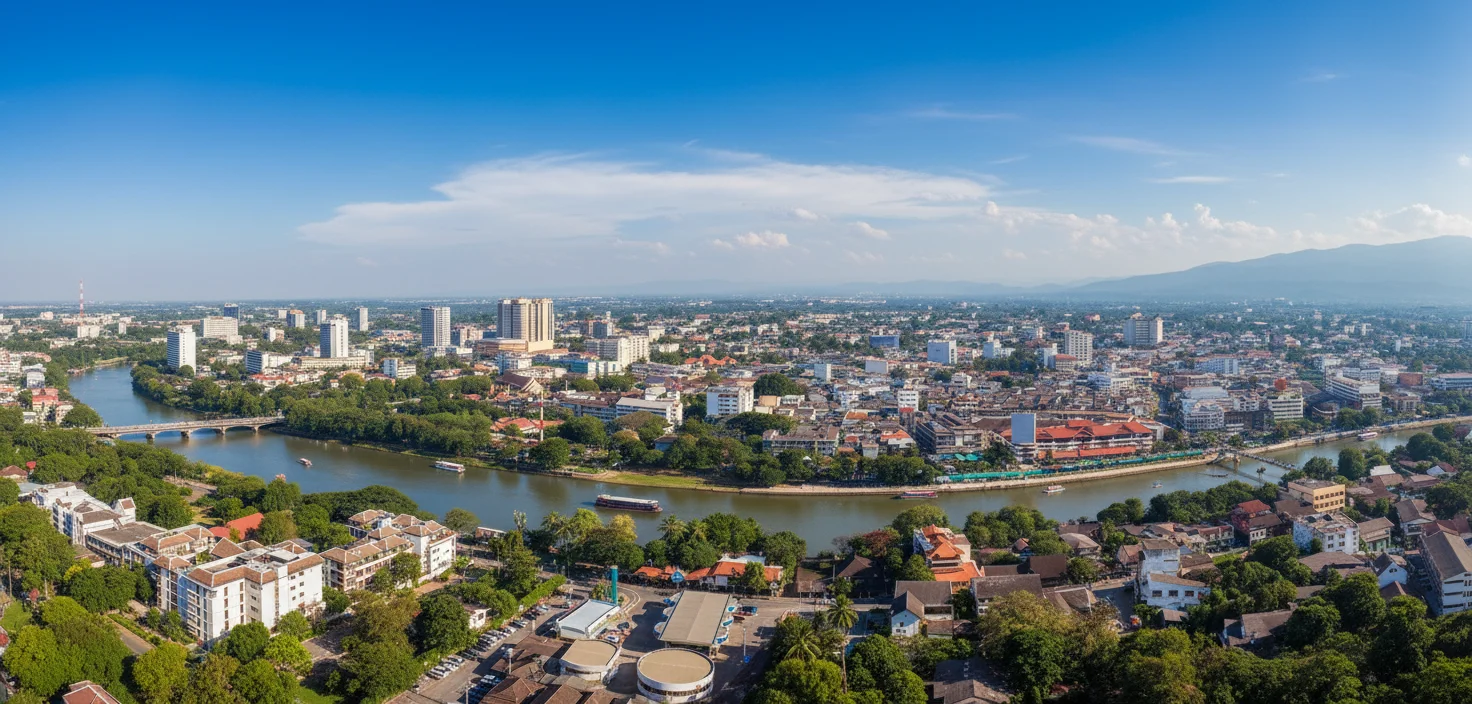
Chiang Mai City sits in a flat alluvial basin 310 metres above sea level, surrounded by the granite peaks of the Thanon Thong Chai Range in Northern Thailand. The Ping River runs along its eastern flank, while the square, moat-encircled Old City acts as the historical core. Visitors are drawn here by the temperate winter climate, the vast concentration of sacred Lanna-style temples, and a highly developed infrastructure that supports long-term stays. It represents a highly accessible destination that perfectly suits cultural travellers, active retirees, and remote professionals seeking an affordable northern base.
The Character and Layout of the Rose of the North
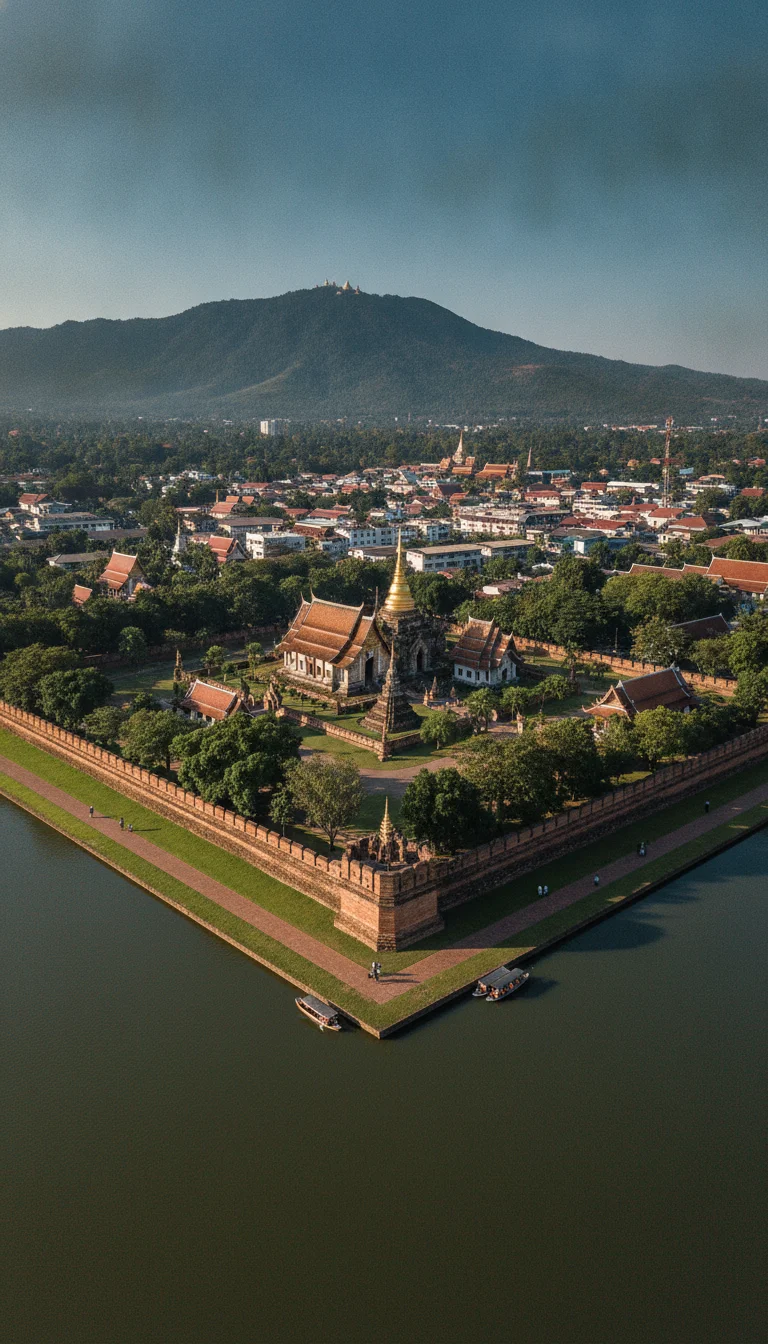
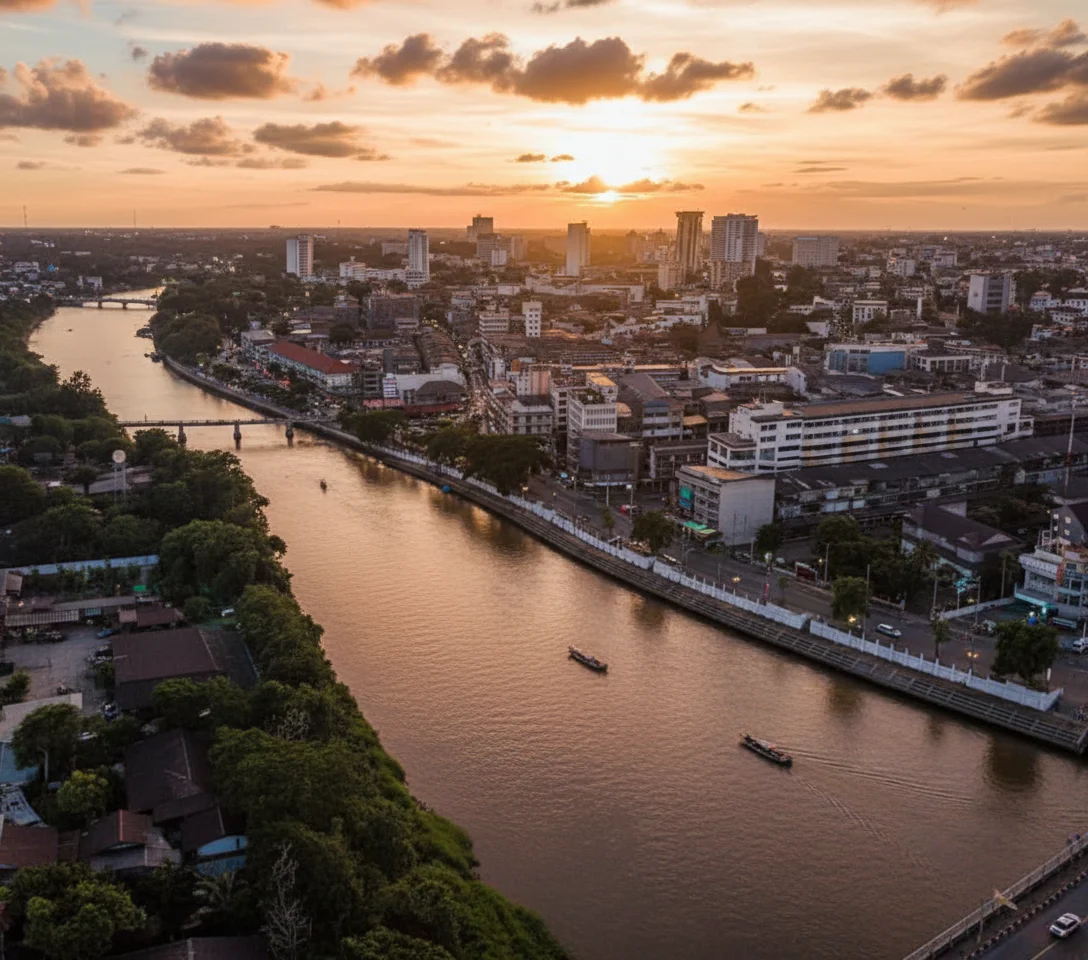
The physical layout of Chiang Mai City revolves around a strict grid system dictated by its medieval founders. Established in 1296 as the capital of the Lanna Kingdom, the historic core remains a near-perfect two-kilometre square bounded by a wide, water-filled moat and defensive red-brick bastions. The Ping River runs parallel to the east of this ancient boundary, acting as a natural trading channel. Inside the walls, narrow residential alleys known as sois run past traditional wooden houses, small family workshops, and serene monastic gardens. Outside the walls, the urban landscape expands in distinct phases. To the west, Huay Kaew Road leads to Nimmanhemin, a modern neighbourhood dominated by design-led boutiques, air-conditioned shopping malls like Maya Lifestyle Shopping Centre, and multiple coworking hubs. To the east, the historic trade districts of Chang Moi and Chang Klan lead to the riverside, where wholesale flower markets and riverside dining venues are located. Directly south-east of the old town walls, the Chang Klan district contains the Night Bazaar, a sprawling trade zone that comes alive after dark with handicraft stalls and open-air food courts. Navigating the layout is straightforward because the square moat serves as a constant point of reference, with traffic circulating in a continuous one-way loop around its banks. You can traverse the entire length of the Old City on foot in under half an hour. The outer ring roads connect to sprawling suburban developments and the foothills of the western mountains.
Master the terrain of northern Thailand. Our Chiang Mai geography guide covers the 2,565-metre peak of Doi Inthanon, local topography, and monsoon forests.
Familiarise yourself with the five cardinal gates—Tha Phae to the east, Chang Phuak to the north, Chiang Mai and Saen Pung to the south, and Suan Dok to the west—to quickly orient your path.
Ancient Temples and Sacred Monuments
Sacred Buddhist architecture defines the visual profile of Chiang Mai, with over 300 active monasteries situated within the urban boundaries. These sacred complexes, known as wats, display characteristic Lanna craftsmanship featuring multi-tiered timber roofs, gilded stuccowork, and guardian dragon sculptures lining their entrance stairs. In the centre of the Old City, Wat Chedi Luang contains a massive 14th-century stone obelisk that was partially damaged by an earthquake in 1545 but remains an imposing spiritual monument. Nearby, Wat Phra Singh acts as a key centre of monastic learning, housing the revered Phra Singh Buddha image inside its assembly hall. On the northern edge, Wat Chiang Man stands as the oldest temple in the city, established by King Mengrai in 1296 and featuring an elephant-shaped stone foundation. For a different environment, Wat Umong lies in the forest southwest of the city, featuring a series of underground brick tunnels and ancient Buddhist murals. Most temples are active community spaces where orange-robed monks conduct morning chants and maintain quiet gardens. While minor temples do not charge admission, major historic sites require a small entry fee of 40 THB to 100 THB (£0.90 to £2.20) from international visitors. These fees directly fund the ongoing restoration of these centuries-old structural relics.
Remember to remove your shoes before stepping inside any temple sanctuary, and never point your feet directly at a Buddha statue or a monk.
The Northern Culinary Scene and Market Culture
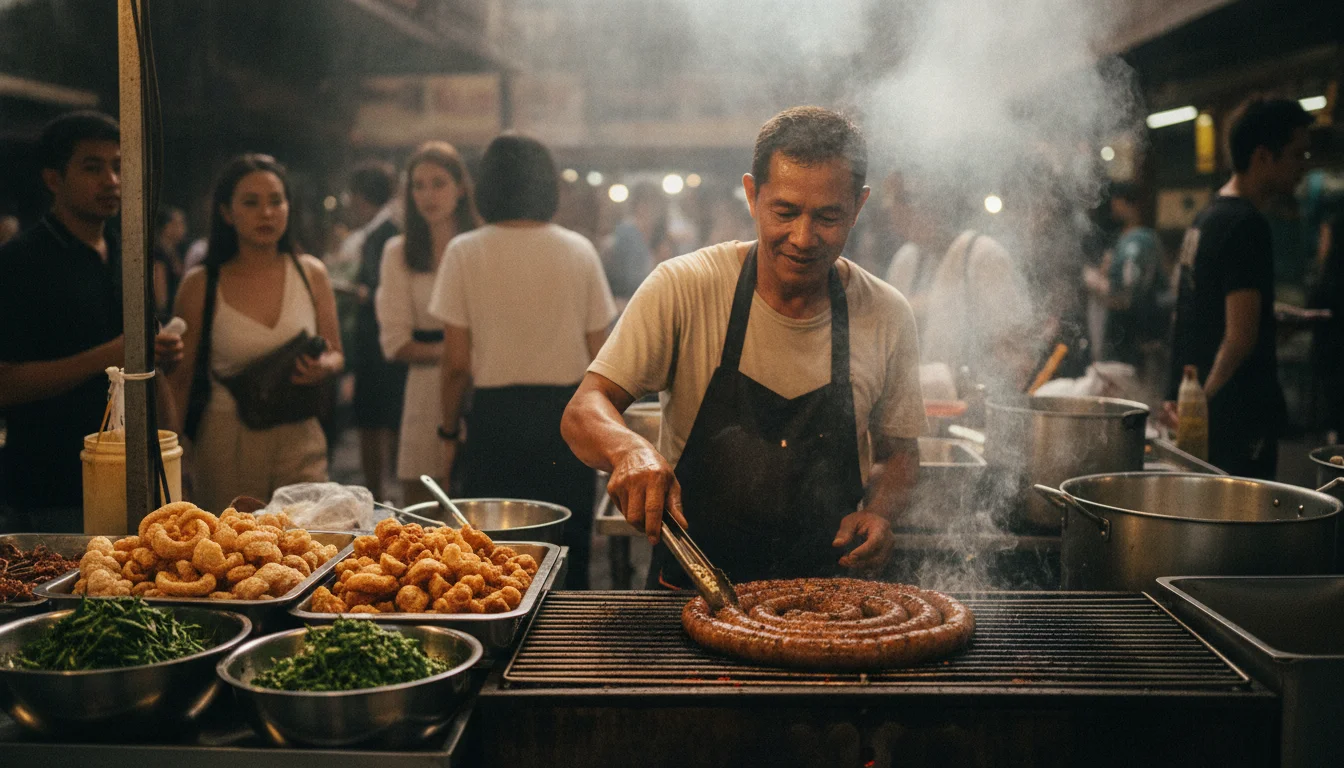
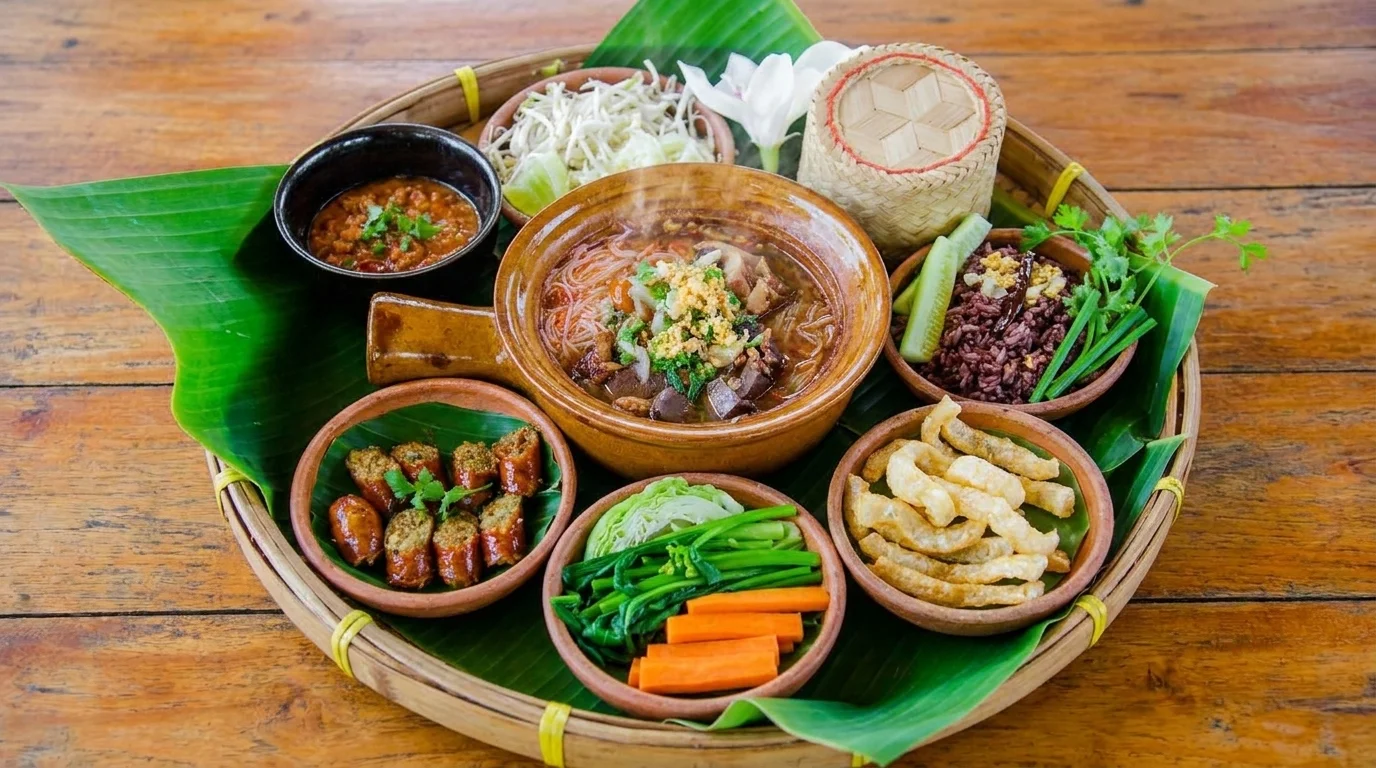
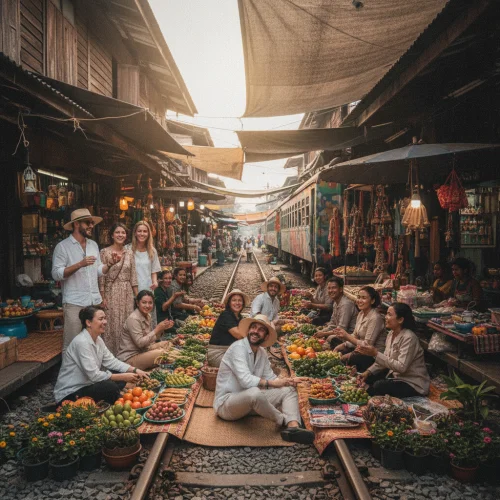
Northern Thai cuisine is distinct from the sweeter culinary profiles found in Bangkok, relying instead on bitter mountain herbs, earthy broths, and hot dips. The cornerstone of the local culinary experience is khao soi, a rich yellow coconut curry broth served with soft egg noodles, tender chicken legs, and a topping of crispy noodles. Khao Soi Khun Yai, an unpretentious open-air stall near Chang Phuak Gate, serves legendary bowls for 50 THB (£1.10) but operates only between 10:00 and 14:00. At the covered Siri-wattana Market, you will find vendors selling loops of hot sai oua, a pork sausage heavily spiced with lemongrass, galangal, and kaffir lime leaves, priced at roughly 400 THB (£8.90) per kilogram. For evening dining, the street food market at Chang Phuak Gate features the famous Cowboy Hat Lady, who serves tender braised pork leg with rice for 60 THB (£1.33). Local meals are traditionally rounded out with nam prik noom, a fiery green chilli dip eaten alongside crunchy fried pork cracklings and steamed vegetables. Along the riverfront, Warorot Market—locally called Kad Luang—serves as the oldest wholesale market, where locals buy dried spices, tea leaves, and traditional Lanna clothing. The Sunday Walking Street on Ratchadamnoen Road transforms into a massive food market where you can try smaller snacks like quail eggs, sweet potato balls, and northern pork skewers starting from 20 THB (£0.45) per portion. Exploring these markets offers a raw look at local food preparation techniques.
Arrive at popular daytime food stalls before noon, as many famous vendors close their doors once their daily broth supply is fully depleted.
Accommodation from Heritage Boutique to Modern Luxury
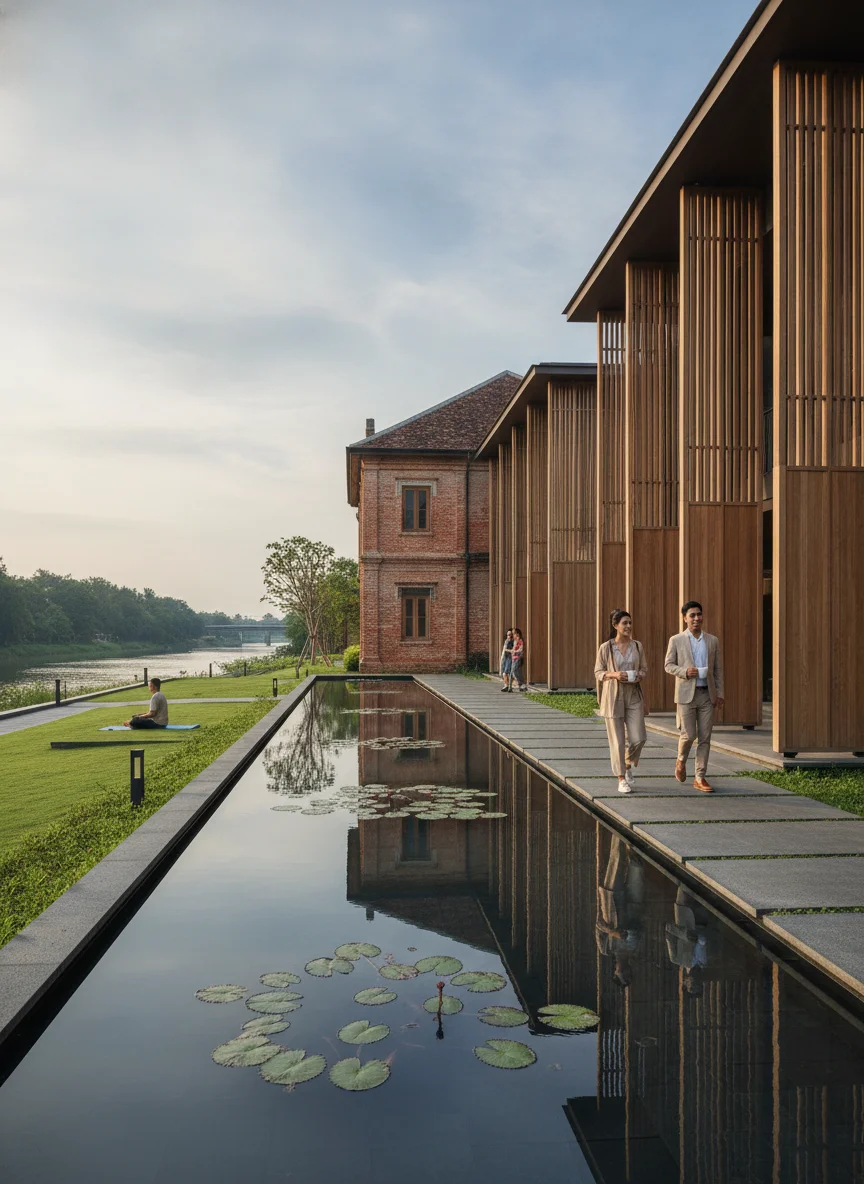
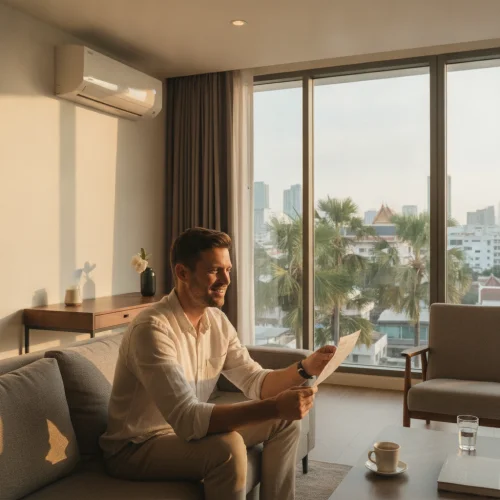
The city offers a highly diverse lodging landscape that allows you to choose between historic wooden guesthouses and high-rise luxury developments. Choosing where to base yourself depends heavily on the pace of travel you prefer. The Old City is the primary district for budget travellers, containing numerous family-run guesthouses and social hostels where a clean double room costs between 600 THB and 1,000 THB (£13.30 to £22.20) per night. East of the moat, near the banks of the Ping River, the accommodation shifts toward luxury properties like the Anantara Chiang Mai Resort, which provides five-star service and peaceful riverside pools from 12,000 THB (£265) per night. If you prefer a modern urban environment, the Nimmanhemin district features sleek design hotels and serviced apartments that cater to business travellers and long-term guests for an average of 1,800 THB (£40) per night. For an authentic residential experience, the Chang Moi area offers a selection of restored Chinese-Thai shophouses converted into artistic boutique hotels. Boutique properties like Tamarind Village weave around ancient trees within the Old City, preserving the historical spatial layouts while providing modern comforts. Air conditioning and high-speed internet are standard features across all tiers, which is crucial during the hotter months. Booking your accommodation several months in advance is highly recommended if your trip coincides with the Loy Krathong festival in November.
Book a room inside the Old City if you prefer to explore historical sites on foot, or select a Nimmanhemin studio if you require reliable working desks and gym facilities.
The Expat Community and Digital Nomad Infrastructure
A highly organised infrastructure has turned Chiang Mai into a leading global hub for long-term international expatriates and remote digital workers. An estimated population of 30,000 to 40,000 foreign residents live permanently in the valley, creating a supportive network of social clubs, language schools, and international organisations. Coworking spaces like Punspace and Yellow Coworking offer professional workspaces with backup generators, meeting rooms, and ergonomic furniture, with day passes averaging 300 THB (£6.65). The city hosts regular weekly networking events, technology meetups, and language exchanges at various cafes around Nimmanhemin and Santitham, helping newcomers establish friendships quickly. Daily life is supported by high-quality private healthcare providers like Chiang Mai Ram Hospital and Sriphat Medical Center, which offer English-speaking specialists at a fraction of Western costs. For grocery shopping, supermarkets like Rimping stock a wide selection of British and European import items, easing the transition for long-term travellers. Visa agencies clustered near the Promenada immigration offices assist with long-term retirement, education, or business visas, making the administrative process straightforward. Social life extends to fitness complexes like Harris Fitness and local golf clubs, which serve as common meeting grounds for the active retiree demographic. This established international presence means you will find English widely spoken across most service businesses, cafes, and medical institutions.
Join active local online forums and social media groups to find verified apartment listings, visa news, and community recommendations before you arrive.
Nature and Mountain Day Trips from the City
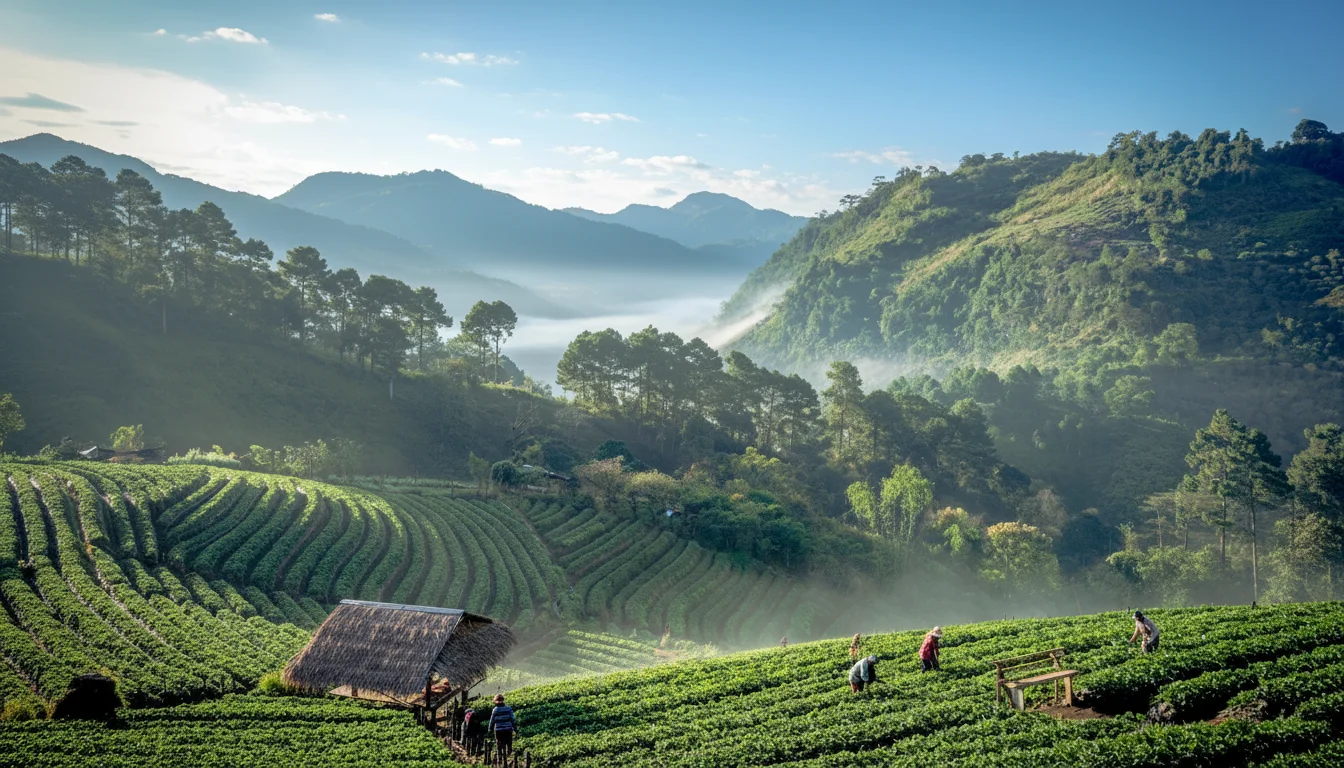
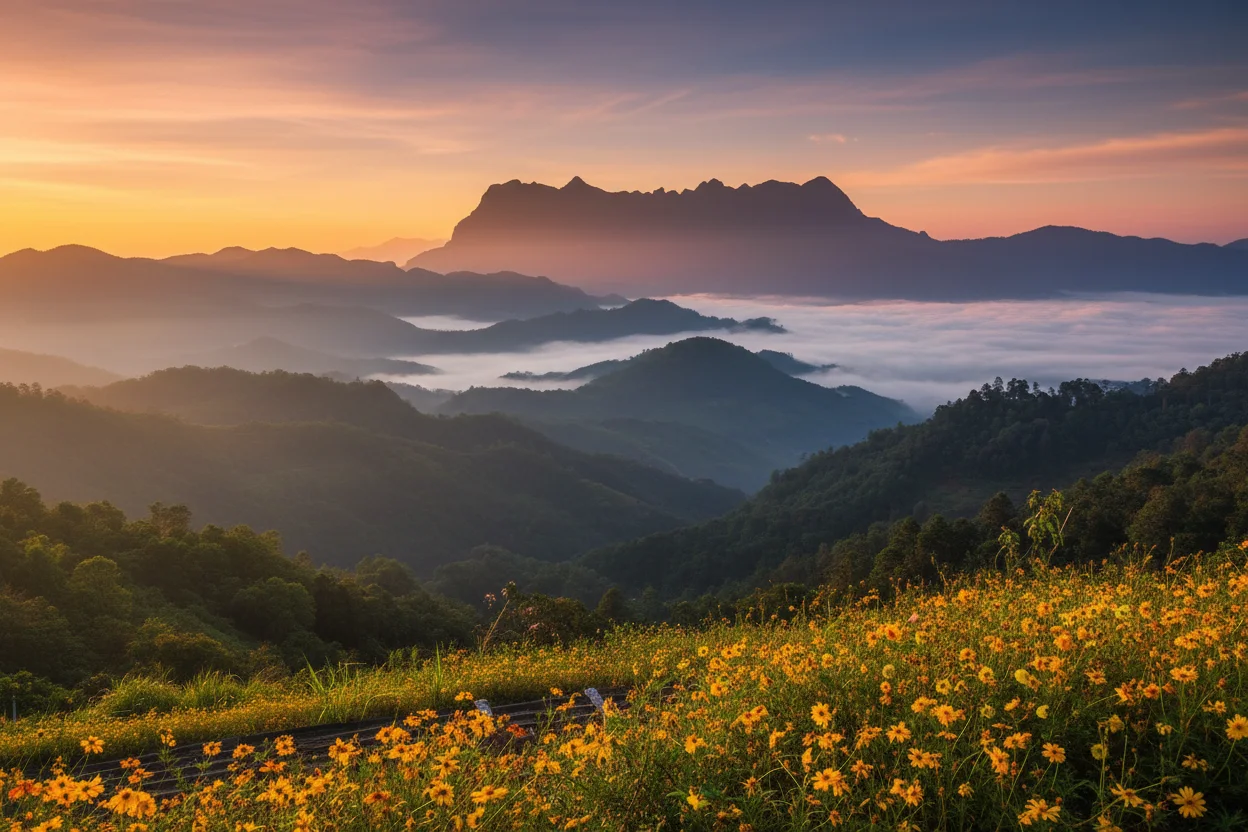
The city's valley geography provides rapid access to national parks, forested mountains, and roaring waterfalls within a short drive. Rising directly behind the city, the granite slopes of Doi Suthep-Pui National Park offer an immediate escape from urban heat and traffic. A scenic 16-kilometre winding road leads from Huay Kaew Road up to Wat Phra That Doi Suthep, which offers panoramic views of the entire valley from its mountaintop viewing deck. From this high vantage point, the golden spire of the central chedi glows under the sun, acting as a beacon that can be seen from almost anywhere in the valley below. Beyond the temple, the road continues to the Bhubing Palace gardens and the Hmong tribal village of Doi Pui, where visitors can learn about traditional highland hill-tribe agriculture. To the north, the Mae Sa Valley in Mae Rim district offers botanical gardens, zipline parks, and elephant sanctuaries, located roughly 45 minutes from the city centre. Further south, Doi Inthanon National Park features the highest peak in Thailand at 2,565 metres, where you can walk through mossy cloud forests and view the Wachirathan Waterfall for an entry fee of 300 THB (£6.65). East of the city, the forested village of Mae Kampong offers a glimpse of traditional tea-growing communities operating in a humid mountain valley climate. Local tour operators in the Old City offer shared minivan day trips to these destinations, with prices ranging from 1,000 THB to 1,500 THB (£22.20 to £33.30) including transport and entry fees.
Start your mountain excursions before 08:00 to avoid the midday cloud cover that frequently blocks the views from the high-altitude lookouts.
Getting There and Getting Around
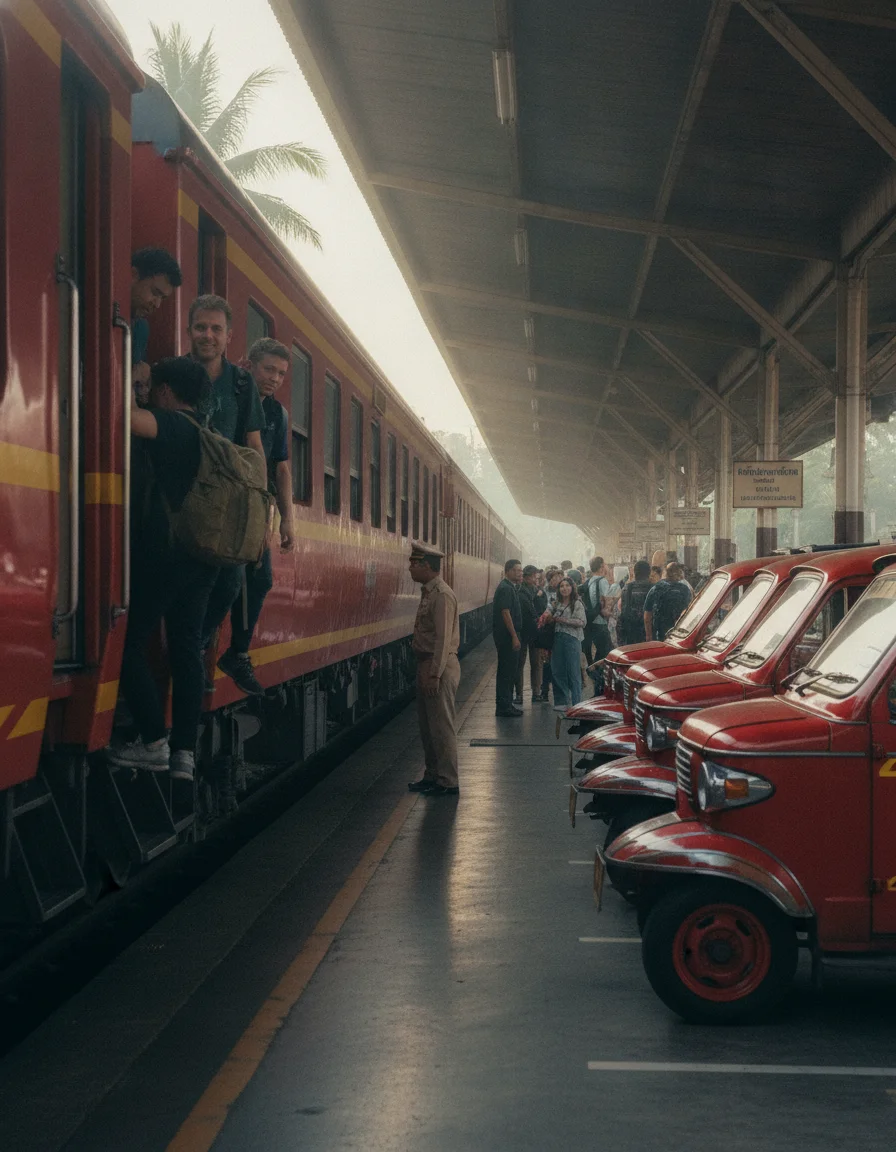
Reaching Chiang Mai from Bangkok is straightforward and affordable. Domestic flights depart frequently from both Suvarnabhumi (BKK) and Don Mueang (DMK) airports, landing at Chiang Mai International Airport (CNX) in approximately 70 minutes with tickets starting around 1,200 THB (£27). Alternatively, the overnight sleeper train from Bangkok’s Krung Thep Aphiwat Central Terminal to Chiang Mai Railway Station costs roughly 1,000 THB (£22) for a second-class air-conditioned berth, offering a scenic 13-hour journey. Once in the city, transport is dominated by songthaews—red converted pickup trucks operating as shared taxis. You wave one down, state your destination, and pay a flat rate of 30 THB (£0.65) if you stay within the city limits. Tuk-tuks are readily available for private trips but require bargaining, typically costing 100 THB to 150 THB (£2.20 to £3.30). Ride-hailing apps like Grab and Bolt operate efficiently across the city, providing upfront pricing and eliminating the need for negotiations. Renting a bicycle is also a practical option for navigating the quiet flat lanes of the Old City.
Costs and Budgeting
Chiang Mai remains one of the most cost-effective cities in Thailand, offering significantly better value than coastal resorts like Phuket or Koh Samui. A budget traveller can comfortably survive on 1,000 THB (£22) per day by staying in hostel dormitories, eating exclusively at local street food stalls, and using shared red songthaews for transport. Mid-range visitors should budget between 2,200 THB and 3,500 THB (£49 to £78) daily. This tier covers private air-conditioned hotel rooms, sit-down meals in casual cafes, occasional taxi rides, and entrance fees for museums or historic temples. A comfortable luxury budget starts around 6,000 THB (£133) per day, allowing for premium five-star accommodation, fine dining at riverside restaurants, private driver hires, and guided excursions. Alcohol and western import goods carry a heavy tax, so sticking to local products will stretch your funds considerably further. This makes shopping at local fresh markets highly advantageous.
| Item | Budget (THB) | Mid-Range (THB) | Notes |
|---|---|---|---|
| Private Room (Nightly) | 450 - 700 THB | 1,200 - 2,500 THB | Budget uses fans; mid-range includes AC and pool |
| Daily Meals | 150 - 250 THB | 400 - 800 THB | Budget focuses on street markets; mid-range includes sit-down cafes |
| Transport (per ride) | 30 THB | 120 - 200 THB | Budget uses shared songthaews; mid-range uses Grab or private tuk-tuks |
| Temple Entrance Fees | Free - 40 THB | 50 - 100 THB | Major temples charge small fees for foreigners; many minor ones are free |
| Coworking Day Pass | N/A | 250 - 350 THB | Weekly and monthly packages offer significant discounts |
Who It Suits
Chiang Mai is an ideal destination for slow travellers, cultural enthusiasts, and remote workers who value history, coffee culture, and mountain landscapes over beach-centric activities. It is highly suited to digital nomads and retirees seeking a low cost of living without sacrificing modern healthcare or high-speed internet. However, this landlocked city is not suitable for travellers chasing white-sand beaches, active marine life, or wild, all-night coastal parties. Families seeking a quiet, pedestrian-friendly environment may also struggle with the heavy motorcycle traffic and occasional air quality issues in spring, making timing crucial.
What to Know Before You Go
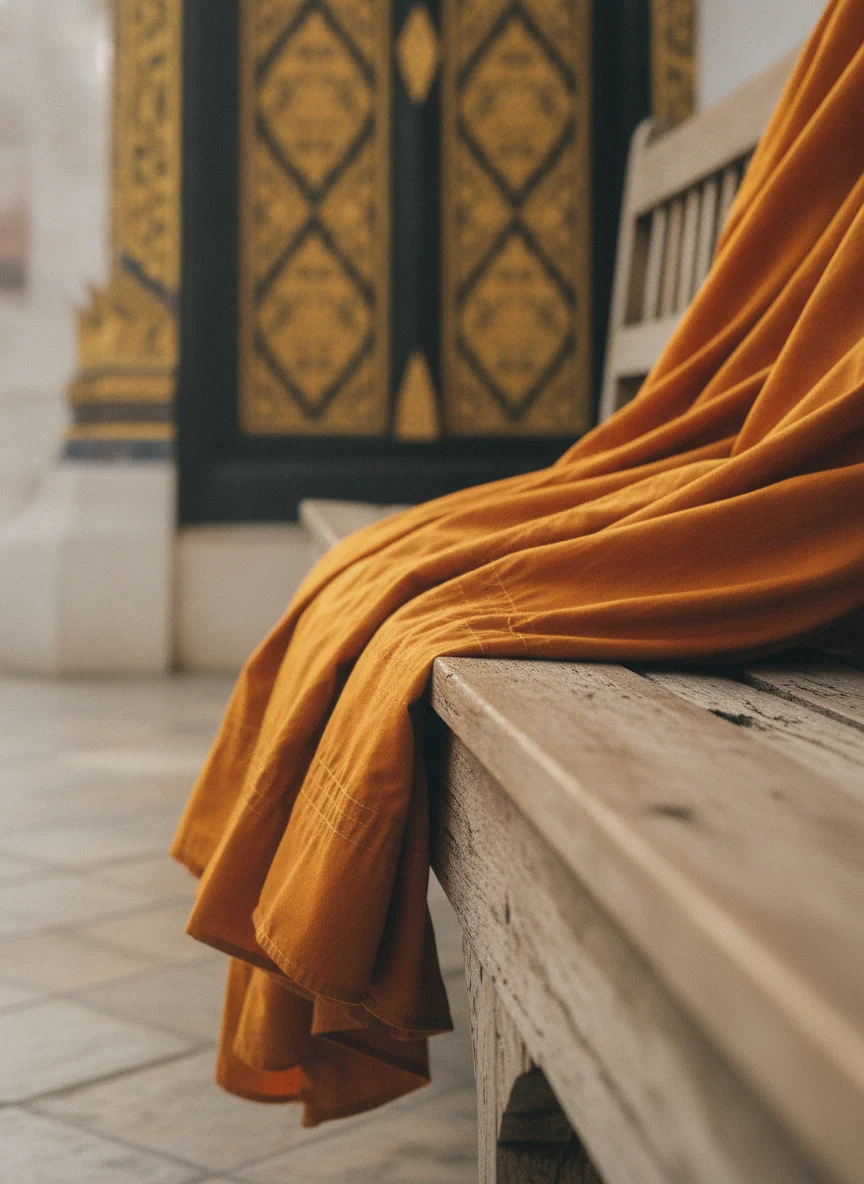
First, you must prepare for the annual "burning season" between February and April. Agricultural fires in surrounding regions trap smoke in the mountain valley, leading to high air pollution levels that make outdoor activities unpleasant. Second, you should carry cash at all times when visiting local markets. Small vendors and songthaew drivers rarely accept international credit cards, making physical coins and bank notes essential. Third, be aware of the "monk chat" programmes hosted at various temples like Wat Chedi Luang. These formal sessions allow you to converse with young novices, helping them practice English while you learn about Buddhist monastic life. Fourth, you should always carry a light jacket if visiting between November and January. Temperatures in the mountain heights drop below 10 degrees Celsius at night, catching unprepared travellers off guard. Checking the daily weather index is highly recommended before heading into high-altitude areas.
Practical Tips
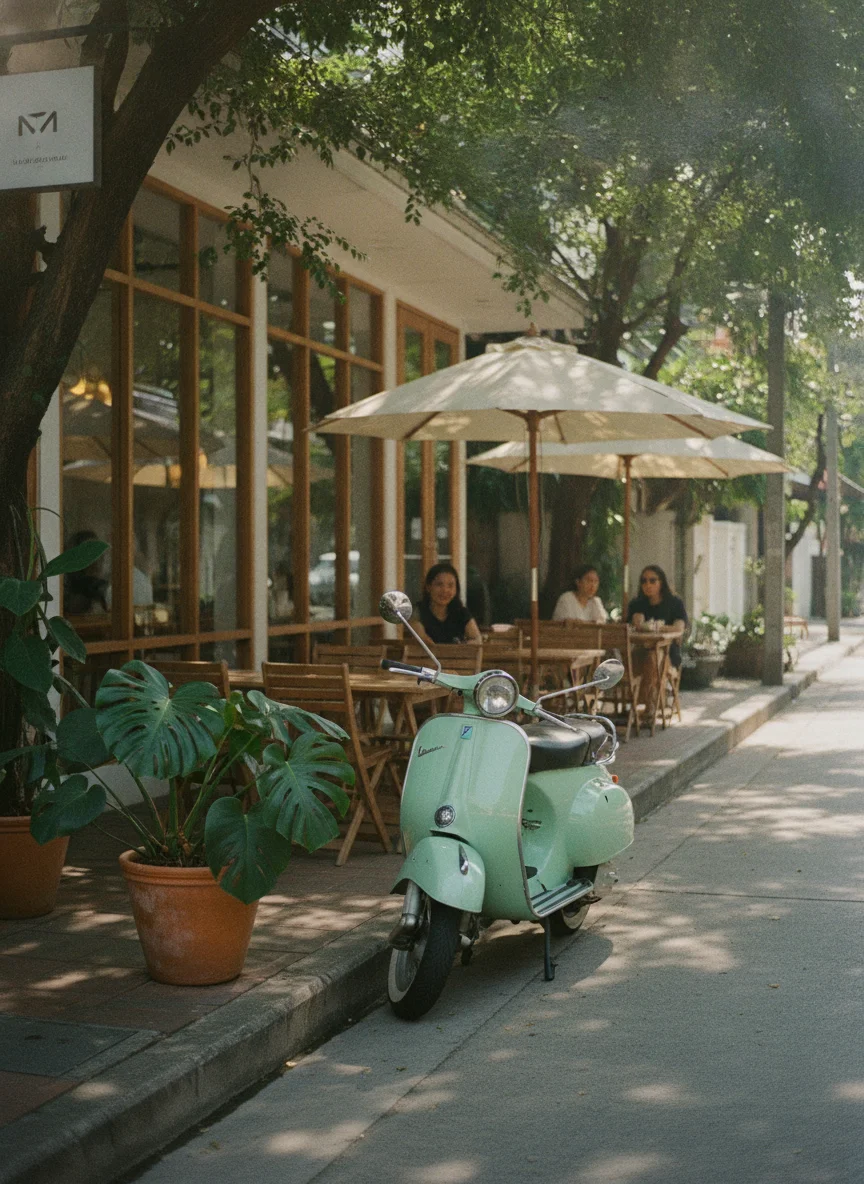
Rent a scooter only if you possess an International Driving Permit and a valid motorcycle licence. Local police regularly establish checkpoints along the moat roads to inspect foreign drivers and issue instant fines of 500 THB (£11.10).
Download the Grab or Bolt applications onto your smartphone before you need to travel across the city. This provides you with an accurate baseline fare for taxi journeys, giving you a strong position when bargaining with independent tuk-tuk drivers.
Plan your visit to the Sunday Walking Street to begin exactly when the market opens at 17:00. The central avenues become exceptionally congested after 19:00, making it difficult to browse the stalls or navigate the pathways comfortably.
Purchase a local prepaid SIM card from the arrival hall at Chiang Mai International Airport. Having reliable mobile data is essential for navigating the maze of narrow residential alleys inside the Old City using GPS maps.
Utilise the automated water purification machines positioned on the streets outside local convenience stores. These dispensers charge only one Baht per litre, which helps you save money and significantly reduces your usage of single-use plastic bottles.
Keep your physical passport safe in your hotel room but carry a high-quality digital photo of the photo page on your phone. You will need this identification for random police checks and when checking into new accommodation options.
Visit the highly popular temples like Wat Phra Singh early in the morning before 08:30. This timing allows you to experience the monastic grounds in relative peace before tour buses and midday heat arrive.
Carry a small pack of tissues and a bottle of hand sanitiser with you at all times. Many public toilets in local markets do not provide toilet paper or soap, making personal supplies highly useful.
Quick Reference Guide
| Item | Detail | Notes |
|---|---|---|
| Location Name | Chiang Mai City | Historic capital of the Lanna Kingdom |
| Province | Chiang Mai | Located in Northern Thailand |
| Region | Northern Thailand | Landlocked mountainous region |
| Nearest Major City | Chiang Mai City | Main urban hub of the north |
| Nearest Airport | Chiang Mai International Airport (CNX) | Located 10 minutes from the city centre |
| Distance from Bangkok | Approximately 700 kilometres | 1 hour 10 minutes by air, 13 hours by train |
| Typical Visit Duration | 3 to 5 days | Ideal for exploring the temples and food scene |
| Best Time to Visit | November to February | Cooler temperatures and dry weather |
| Average Daily Budget | 2,200 THB (£49) | Mid-range estimate including private room and food |
| Currency Accepted | Thai Baht (THB) | Cash is highly preferred for daily transactions |
| Primary Transport | Red Songthaews and Grab | Flat-rate shared trucks or mobile ride-hailing |
| Notable Landmarks | Wat Phra That Doi Suthep, Wat Chedi Luang | Key historic and religious sites |