Northern Thailand
Northern Thailand is a region of forested mountain ranges, river valleys and historic towns bordering Myanmar and Laos. Chiang Mai and Chiang Rai are its best-known gateways, but the wider north also includes quieter provinces, national parks and the UNESCO-listed historic centres of Sukhothai, Si Satchanalai and Kamphaeng Phet.
The boundary changes according to context. The Lanna heartland usually means Chiang Mai, Chiang Rai, Lamphun, Lampang, Mae Hong Son, Phayao, Phrae and Nan, with Uttaradit often included in upper-northern groupings. Broader government and tourism definitions extend south through provinces such as Sukhothai, Tak, Phitsanulok, Kamphaeng Phet and Nakhon Sawan. For travellers, it is more useful to think in terms of connected areas than a fixed province count: Chiang Mai and the western mountains, Chiang Rai and the Mekong borderlands, the eastern highlands around Nan and Phrae, and the lower-northern plains and heritage towns.

Geography and Regional Areas

Much of the upper north consists of parallel mountain ranges divided by the Ping, Wang, Yom and Nan river systems. Doi Inthanon, in Chiang Mai province, reaches 2,565 metres and is Thailand's highest mountain. Elevation has a strong effect on local journeys and weather: a route that looks short on a map may cross steep passes, while high viewpoints can be considerably cooler than nearby towns.
Chiang Mai occupies a broad basin and provides the largest concentration of transport, accommodation and visitor services. West of the city, the road towards Mae Hong Son passes through forested mountains and towns including Pai and Mae Sariang. Chiang Rai lies farther north, with routes leading to Mae Sai, Chiang Saen and the Mekong-side Golden Triangle area. The eastern provinces of Phayao, Phrae and Nan have fewer direct connections and reward slower itineraries based around provincial towns and national parks.
The lower north forms a transition between the northern mountains and Thailand's central plain. Sukhothai is the principal heritage destination, while Phitsanulok is an important rail and road junction. Distances between these areas are substantial. Chiang Mai works well as a base for nearby excursions, but it is not practical for day trips to every northern province.
History, Lanna Culture and Heritage
The Kingdom of Lan Na developed around Chiang Mai from the late 13th century and shaped the language, religious art, temple architecture and food of much of the upper north. Its territory and political influence changed over time, and today's northern region also contains communities with distinct Tai, Karen, Hmong, Lahu, Akha, Lisu and other identities. These are living cultures rather than a single uniform tradition.
In Chiang Mai, the old city's moats and surviving gates provide the framework for exploring temples such as Wat Chedi Luang and Wat Phra Singh. Wat Phra That Doi Suthep stands on the mountain west of the city and remains an important religious site as well as a major viewpoint. Visitors should dress respectfully, remove shoes where required and avoid interrupting worship or ceremonies.
Farther south, the Historic Town of Sukhothai and Associated Historic Towns became a UNESCO World Heritage property in 1991. It comprises Sukhothai, Si Satchanalai and Kamphaeng Phet, three related centres whose monuments show the development of what is now known as the Sukhothai architectural style. Sukhothai Historical Park is large enough to explore by bicycle or tram, while Si Satchanalai is considerably farther north and needs separate travel time.
Other heritage centres include Lamphun, associated with the earlier Hariphunchai kingdom; Lampang, known for historic teak buildings and temples; and Chiang Saen, where archaeological remains overlook the Mekong. A regional itinerary becomes more coherent when it links a small number of these places rather than collecting isolated landmarks across several provinces.
Plan a Gulf of Thailand trip with clear guidance on island groups, ferries, weather, marine parks, accommodation costs and mainland gateways.
Mountains, Parks and Outdoor Travel
Doi Inthanon National Park combines high-elevation forest, waterfalls, viewpoints and walking routes, but conditions vary sharply between the summit and the lowlands. Doi Suthep-Pui National Park is much closer to Chiang Mai and includes mountain roads, forest and viewpoints above the city. Around Chiang Rai, Phu Chi Fa is known for its ridge-top outlook towards Laos, while Nan province has protected mountain landscapes including Doi Phu Kha National Park.
National-park access is seasonal. Individual trails, waterfalls, campsites or entire parks may close during periods of heavy rain, fire risk or ecological recovery, and opening dates can change with local conditions. Check the Department of National Parks' current notices before setting out, especially for remote hikes or overnight stays.
Mountain roads demand more time than their distance suggests. Highway 1095 between Chiang Mai and Pai has repeated bends and steep sections, while routes in Mae Hong Son and Nan may have limited services between towns. Anyone driving should use an appropriately licensed vehicle, allow for rain and mist, and avoid planning long unfamiliar mountain sections after dark.
Northern Food and Lanna Dining

Sticky rice is central to many northern meals, accompanied by shared dishes, grilled meat, vegetables and chilli dips. Nam phrik ong combines minced pork and tomato, while nam phrik num is a green chilli dip commonly served with vegetables and pork crackling. Sai ua is a fragrant northern sausage seasoned with herbs and spices, and gaeng hung lay is a rich pork curry with Burmese influences.
Khao soi is the region's best-known noodle dish: wheat noodles in a curry broth, usually finished with crisp noodles and served with lime, shallots and pickled mustard greens. Recipes vary by cook and province, and versions made with chicken or beef are common. Markets and simple local restaurants are often the most useful places to try several northern dishes without committing to a formal set meal.
A khantoke meal presents shared dishes on a low pedestal tray. Some Chiang Mai venues combine it with staged music and dance, while the word itself refers to the dining arrangement rather than one fixed menu. Vegetarian travellers should ask about fish sauce, shrimp paste and meat stock, which may be present even where the main ingredients appear vegetable-based.
Where to Stay

Chiang Mai has the widest accommodation choice, from hostel beds and simple guesthouses to serviced apartments, heritage hotels and luxury resorts. The old city is convenient for temples and walking, the Night Bazaar area suits travellers wanting evening activity and easy transport, and the Nimman area has cafés, restaurants and modern apartment-style stays. Riverside and rural resorts usually provide more space but may require taxis or a private vehicle.
Chiang Rai has a smaller but broad hotel market, with central stays near the clock tower and bus terminal as well as riverside and countryside resorts. Pai concentrates guesthouses and small resorts around the town and surrounding valley. Mae Hong Son, Nan, Phrae, Lampang and Sukhothai have fewer rooms overall, so booking ahead is sensible during festivals, long weekends and the cooler months.
Current online listings commonly place hostel beds and very simple rooms at about 300–700 THB (approximately £7–£16) per night, straightforward private rooms around 800–2,000 THB (approximately £18–£45), and established boutique accommodation from roughly 3,000 THB (approximately £67). Luxury resorts can cost far more. As a named current reference, Tamarind Village in Chiang Mai has advertised selected stays from 4,861 THB++ (approximately £109 before service charge and tax) per night. Compare the final price, room basis and cancellation terms for your dates.
Accommodation Guide for Northern Thailand
| Category | Typical Price Range | What to Expect |
|---|---|---|
| Hostel bed or very simple room | 300–700 THB (approximately £7–£16) | Dormitory bed or basic local room; bathrooms and air conditioning vary |
| Standard private room | 800–2,000 THB (approximately £18–£45) | Guesthouse or mid-range hotel room, sometimes with breakfast |
| Boutique or upper mid-range hotel | 3,000–7,000 THB (approximately £67–£157) | Design-led, heritage or resort accommodation; inclusions vary |
| Luxury resort | From about 12,000 THB (approximately £269) | Larger rooms, extensive facilities or packaged experiences; taxes may be extra |
Getting to Northern Thailand

Chiang Mai International Airport and Mae Fah Luang-Chiang Rai International Airport are the main air gateways. Smaller airports serve Lampang, Nan, Mae Hong Son, Phrae, Phitsanulok and Sukhothai, although routes and frequencies vary. Check the operating airline's schedule rather than assuming that every provincial airport has a daily direct connection from Bangkok.
State Railway of Thailand's Northern Line runs from Krung Thep Aphiwat Central Terminal in Bangkok through the lower north and Lampang to Chiang Mai. Several daytime and overnight services operate, with journey times and carriage types differing by train. A current SRT example lists a 558 THB (approximately £12.50) fare on one Krung Thep Aphiwat–Chiang Mai service; sleeper berths and first-class accommodation cost more. Reserve popular overnight trains early and confirm the timetable and fare for the exact service.
Long-distance coaches connect Bangkok with most provincial capitals. Chiang Mai's Arcade bus terminals are the principal interchange for Chiang Rai, Pai, Mae Hong Son and other northern destinations, although operators may use different buildings. Minivans serve some shorter routes but offer less luggage space and can feel uncomfortable on winding roads.
Getting Around the Region
Red songthaews, app-based cars, taxis and tuk-tuks cover different parts of Chiang Mai. Chiang Rai and smaller provincial towns have more limited networks, and rural attractions may have no practical public transport. Agree a tuk-tuk or songthaew fare before departure when there is no fixed route or meter.
Hiring a car can make multi-stop itineraries easier, particularly in Nan, Mae Hong Son and the countryside around Chiang Rai. A motorbike may suit experienced, properly licensed riders, but it is a poor place to learn: mountain bends, wet surfaces, roadside debris and changing visibility add risk. Check that travel insurance covers the vehicle class and that the licence requirements are met.
For a first regional journey, combine places along one transport corridor. Chiang Mai and Chiang Rai pair easily by coach; Chiang Mai, Lampang and Lamphun work well together; and Sukhothai can be combined with Phitsanulok. Mae Hong Son and Nan deserve separate time rather than being added as rushed day trips.
Seasons, Weather and Air Quality

November to February generally brings cooler and drier conditions, although daytime temperatures can still be warm in the valleys. Nights and early mornings become much colder at altitude, and summit temperatures may fall below 10°C. Pack a warm layer for sunrise viewpoints and unheated mountain accommodation.
The hot season builds from roughly March into May. Smoke and fine-particle pollution from wildfires, agricultural burning and other sources can affect the north during the dry months, but the timing and severity vary each year. Serious PM2.5 episodes have continued into April, so anyone with respiratory or cardiovascular concerns should check current official health guidance and daily air-quality readings before and during a trip. A fixed annual end date cannot be relied upon.
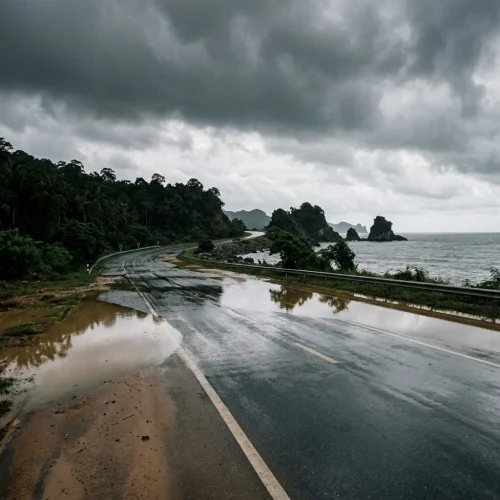
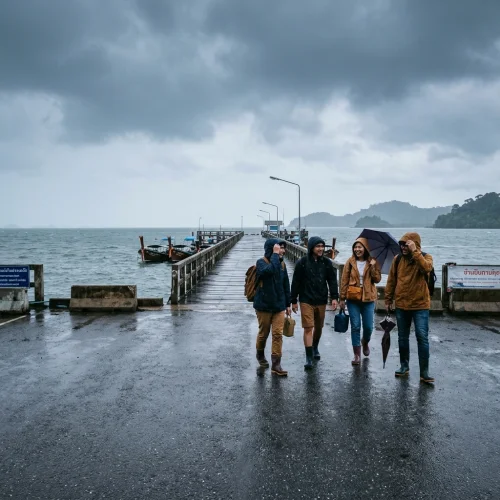
The rainy season usually brings greener landscapes and intermittent heavy downpours. It can also cause landslides, flooding, road disruption and temporary park closures. Rain is not constant throughout the region, but travellers planning mountain drives or treks should keep itineraries flexible and check local notices.
Costs and Payments
Costs vary greatly between Chiang Mai, remote provincial towns and high-end resorts. A simple local meal may cost about 50–100 THB (approximately £1.10–£2.25), while cafés, hotel restaurants and specialist dining cost more. A traveller using simple private rooms, local food and shared transport might spend around 1,200–2,500 THB (approximately £27–£56) per day before major tours. Comfortable hotels, private transfers and organised activities can raise the daily total to 3,000–6,000 THB (approximately £67–£135) or more.
These are planning ranges rather than fixed budgets. Festival dates, cool-season weekends, vehicle hire and remote excursions can change the total substantially. Check current room rates, transport fares and attraction charges before payment.
Cards are accepted at many hotels, shopping centres and larger restaurants, but cash remains useful for markets, small food shops, rural transport and local entrance charges. Carry smaller notes; vendors and drivers may not be able to change 1,000 THB notes. ATMs are widespread in cities and provincial towns but less dependable in remote areas.
Practical Tips for Visitors

Allow More Time Than the Map Suggests
Mountain routes can be slow, tiring and vulnerable to weather disruption. Avoid building an itinerary around several long transfers on consecutive days.
Check Park Notices Before Travelling
Trail, campsite and waterfall closures differ by park and season. Confirm access through the Department of National Parks or the relevant park before making a remote journey.
Carry Layers for High Ground
Valley temperatures do not indicate conditions at Doi Inthanon, Phu Chi Fa or other elevated viewpoints. A light waterproof and warm outer layer are useful even when the city is hot.
Monitor Air Quality in the Dry Season
Check PM2.5 readings for the particular province, not a regional average. Conditions can differ between adjacent valleys and may change during the day.
Download Offline Maps
Mobile coverage can weaken on remote roads and inside national parks. Save maps and accommodation details before leaving the main towns.
Dress Respectfully at Temples
Cover shoulders and knees, remove shoes where indicated and keep voices low around worshippers. Some temples provide wraps, but carrying suitable clothing is more dependable.
Use Ethical Judgement Around Wildlife and Communities
Avoid attractions that rely on animal performances, forced contact or riding. Ask permission before photographing people, particularly during ceremonies or in villages, and follow local guidance for community visits.
Quick Reference Guide
| Item | Detail | Notes |
|---|---|---|
| Location Name | Northern Thailand | A broad travel region rather than one administrative unit |
| Main Areas | Lanna heartland, western mountains, Mekong borderlands, eastern highlands and lower north | Province groupings vary by official and cultural context |
| Primary Gateway | Chiang Mai | Main air, rail, coach and visitor-services hub |
| Other Useful Gateways | Chiang Rai and Phitsanulok | Chiang Rai for the far north; Phitsanulok for the lower north |
| Main Airports | Chiang Mai (CNX) and Chiang Rai (CEI) | Smaller regional airports have more limited schedules |
| Rail Access | Bangkok to Chiang Mai via the Northern Line | Also serves several lower-northern and Lampang stations |
| Suggested Duration | 7–14 days | Choose one or two corridors rather than trying to cover the entire region |
| Cooler Period | Generally November–February | Cold mornings are possible at altitude |
| Haze Risk | Dry-season timing varies, often most significant from February into April | Check current PM2.5 readings and official advice |
| Main Transport | Trains, coaches, minivans, songthaews and hired vehicles | Rural sights often require arranged transport |
| Key Heritage Area | Sukhothai, Si Satchanalai and Kamphaeng Phet | Together form one UNESCO World Heritage property |
| Currency | Thai Baht (THB) | Keep cash and small notes for rural journeys and markets |
FAQ: Northern Thailand
What is Thailand's highest mountain?
Is Chiang Mai a good base for day trips to all of Northern Thailand?
What should travellers know about national park access in Northern Thailand?
What should drivers be aware of when navigating mountain roads in Northern Thailand?
What should vegetarian travellers be aware of when dining in Northern Thailand?
What are the best areas to stay in Chiang Mai?
When is it advisable to book accommodation in smaller Northern Thailand towns?
How should travellers plan a first regional journey in Northern Thailand?
What should travellers know about air quality during Northern Thailand's dry season?
What is the appropriate dress code for visiting temples in Northern Thailand?
Reviewed by the Thailand Guide Editorial Team • Last reviewed: 21 August 2026
This page is provided for general information only. While we aim for accuracy, details can change — please verify anything important independently before relying on it.