Surin Islands - Phang Nga
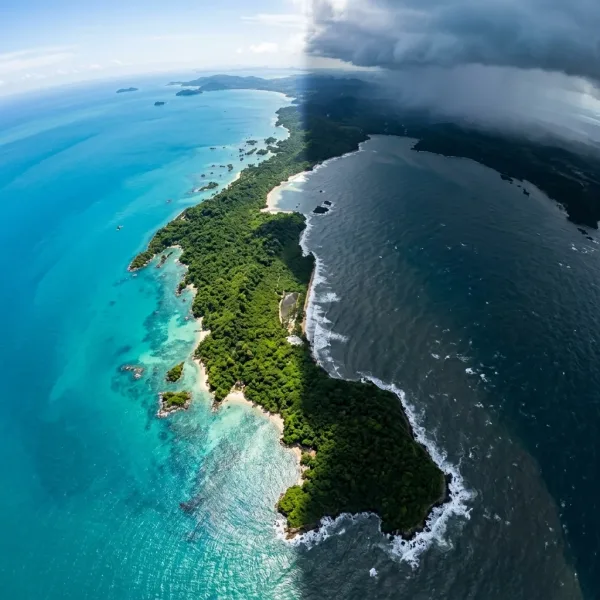
The Surin Islands are a five-island group in the Andaman Sea, around 60 kilometres west of Thailand’s Phang Nga coast. Together with their surrounding reefs and waters, they form Mu Koh Surin National Park. The two largest islands, Koh Surin Nuea and Koh Surin Tai, sit close together, while Koh Ri, Koh Khai and Koh Klang complete the archipelago.
Most visits revolve around snorkelling, beaches and marine life. The national park headquarters, visitor facilities, campsite and bungalows are on Koh Surin Nuea, while a Moken community lives on Koh Surin Tai. Khura Buri is the principal mainland departure point. Day trips are straightforward during the open season, but an overnight package gives more time for longtail-boat snorkelling and for the beaches after day visitors have left.

The Islands, Bays and Reefs

Koh Surin Nuea and Koh Surin Tai account for most of the archipelago’s land. The narrow channel between them is one of the defining features of the islands, with sheltered bays and shallow reef areas around the eastern sides. The smaller islands and offshore rocks add further snorkelling and diving sites, although the site chosen on any particular trip depends on sea conditions, tides and the operator’s programme.
Ao Chong Khad, also written Chong Khat or Chong Khard, is associated with the park headquarters and bungalows. Ao Mai Ngam, on the western side of Koh Surin Nuea, has the current camping area and another group of bungalows. A nature trail connects the two areas; the route crosses forested ground and requires suitable footwear rather than beach sandals.
The park covers 135 square kilometres, most of it sea. Forest extends across the larger islands, while broad fringing reefs make parts of the archipelago accessible to snorkellers without the depth and current demands of an offshore dive. Conditions can still change quickly, and guides may substitute bays when wind, swell or visibility makes the planned site unsuitable.
Snorkelling and Richelieu Rock
Snorkelling trips commonly combine several sites rather than spending the whole day at one beach. The published programmes for the 2026/27 season mention Ao Bon, Ao Sapharot and the channel at Chong Khad among the possible day-trip stops. Overnight itineraries add longtail-boat sessions at sites around the main islands, with the exact route selected for the day’s weather and tides.
Shallow coral areas and sheltered bays are the main reason many visitors choose the Surin Islands. Expect a boat-based activity day: even when a reef lies close to shore, organised trips normally move between sites to find suitable water conditions. A life jacket and snorkelling equipment are included in the current packages published by the supplied operator. Anyone with limited swimming confidence should tell the guide before entering the water and keep the flotation aid on.
Richelieu Rock is the archipelago’s best-known scuba-diving site. It is an offshore pinnacle within Mu Koh Surin National Park and is normally visited on dedicated dive boats or liveaboards, not as part of a standard island snorkelling day. Marine encounters vary, so whale sharks, manta rays and other large species should be treated as possibilities rather than expected sightings. Currents and depth make operator choice, certification limits and an honest assessment of recent diving experience important.
Plan water sports in Thailand with expert UK advice on kitesurfing, sea kayaking, cable wakeboarding, rafting seasons, rental costs, and safety.
The Moken Community on Koh Surin Tai

The Moken are an Indigenous maritime people whose traditional territory extends through the islands and coasts of the Mergui Archipelago in Thailand and Myanmar. Moken knowledge encompasses the sea, forest, weather, navigation, fishing and boat building. On the Surin Islands, the community has become more settled, but the islands remain an important centre of Moken identity and cultural knowledge.
Many organised day and overnight programmes include a stop at the Moken village on Koh Surin Tai. This is a living community, not an open-air attraction. Follow the guide’s instructions, ask before photographing people or homes and avoid treating residents as subjects for staged pictures. Small handicrafts may be available to buy, and carrying Thai-baht notes is useful if you wish to make a purchase.
Traditional kabang boats, pandanus craft and knowledge of coastal resources form part of a much larger culture shaped by generations of movement through the Andaman Sea. A short tour can offer an introduction, but it cannot represent the community’s full history or its present-day circumstances. Listen to information provided by Moken residents and locally involved guides rather than relying on romantic descriptions of a permanently nomadic way of life.
Food and Visitor Facilities

Visitor facilities are concentrated around the park accommodation areas on Koh Surin Nuea. The national park restaurant provides meals for overnight guests, and current organised packages include the meals specified in their itineraries. Published programmes describe simple breakfasts and shared Thai meals, with vegetarian and vegan food available when requested in advance. Travellers with allergies should notify the operator before booking and repeat the information to the guide.
Choice is limited compared with a mainland resort, so bring any essential personal snacks or specialist food from Khura Buri. Use sealed containers and follow the park’s waste rules. Drinking water is normally included on organised boat trips, but confirm what is provided across the full stay and carry a refillable bottle.
Small purchases on the islands may require cash. Bring enough Thai baht for drinks, snacks, souvenirs and personal extras, preferably in small denominations. Do not rely on an ATM or card terminal after leaving the mainland.
Camping, Bungalows and Overnight Packages
Overnight stays use national park camping or bungalows on Koh Surin Nuea. For the 2026/27 season, the supplied operator sells camping as part of its two-day and three-day packages. The package includes a two-person tent, camping mat, sleeping bag and pillow, as well as boat transfers, meals and guided snorkelling. Shared washrooms and simple island facilities are part of the experience, so pack a torch, an extra towel and only the luggage you need.
Bungalows at Ao Mai Ngam and Ao Chong Khad are offered as upgrades to those packages. Current published rates vary by building, capacity, season and demand. Ao Chong Khad places guests near the headquarters and restaurant, while Ao Mai Ngam is associated with the beach and camping area. Availability is limited, especially around Christmas, New Year and other busy dates.
| Current 2026/27 Option | Published Price | Basis |
|---|---|---|
| Two-day, one-night camping package | 6,700 THB (approximately £149) adult; 4,700 THB (approximately £104) child | Includes the 500 THB adult or 300 THB child park fee, tent, meals, shared speedboat, snorkelling and Khura Buri transfers |
| Three-day, two-night camping package | 8,200 THB (approximately £182) adult; 5,600 THB (approximately £124) child | Includes the park fee, two nights’ camping, meals, shared speedboat, snorkelling and Khura Buri transfers |
| Sinsamut bungalow upgrade | 2,500–3,000 THB (approximately £56–£67) per night | Two or three people; Ao Chong Khad; rate varies with season and demand |
| Mae Ngam bungalow upgrade | 3,000–3,500 THB (approximately £67–£78) per night | Three or four people; limited supply at Ao Mai Ngam |
| Rakamwhan bungalow upgrade | 3,500–4,000 THB (approximately £78–£89) per night | Four or five people; Ao Chong Khad |
These are the operator’s published rates for trips running from October 2026 into May 2027. Confirm the current price, availability, sleeping arrangements, bathroom type, electricity provision, cancellation terms and all inclusions before payment. Travellers booking through another company should compare the complete package rather than assuming the same accommodation or services are included.
Getting to the Surin Islands

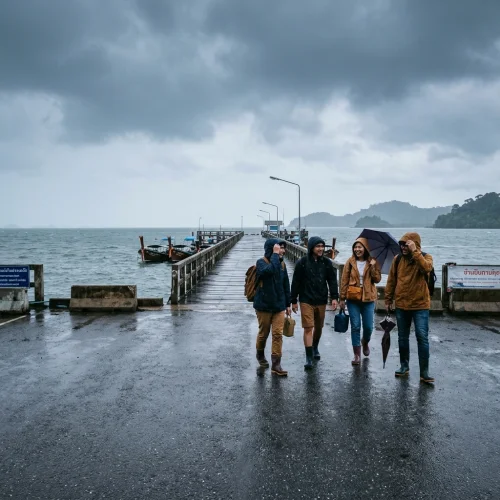
Khura Buri in northern Phang Nga is the principal gateway. The supplied operator’s shared speedboats leave Khura Buri Pier at about 09:15 and take a little over an hour in suitable conditions, returning to the mainland in the late afternoon. Crossing time is weather-dependent, and the journey is exposed enough for spray and movement even on an operational day.
Current day trips include transfers between accommodation in Khura Buri and the pier. The operator’s overnight packages also include this local connection, while shared transfers from Khao Lak cost 300 THB (approximately £7) each way. Khao Lak collections begin early because the resort area extends for many kilometres along the coast. Confirm that your particular hotel is within the collection zone.
Khura Buri can be reached by road from Phuket, Khao Lak, Khao Sok and Ranong. Public transport schedules change, and an arrival on the morning of the boat leaves little protection against a delayed bus or minivan. Spending the previous night in Khura Buri is the more resilient arrangement for a fixed morning departure. If travelling by private taxi, agree the complete fare and pickup point in advance.
Day visitors return to Khura Buri with their tour. Overnight guests transfer between the speedboat and the accommodation area as arranged in their package, often using a longtail boat for the final section. There are no roads linking the visitor areas, so movement on the islands is on foot or by boat.
Planning Costs
The most useful budget is the complete trip price plus the cost of reaching Khura Buri or the relevant pickup area. A current day trip from the supplied operator costs 3,700 THB (approximately £82) per adult and 2,600 THB (approximately £58) per child aged four to eleven, including the national park fee, shared speedboat, snorkelling equipment, lunch and Khura Buri transfers. Infants aged up to three are listed without charge.
The foreign visitor park fee included in these packages is 500 THB (approximately £11) per adult and 300 THB (approximately £7) per child. Other operators may display the fee separately, so check whether it is already inside the advertised total. Scuba-diving trips have different inclusions and may involve additional park diving charges.
Carry a reserve of Thai baht for personal costs and unexpected mainland transport. Sea conditions can alter programmes, so read the operator’s cancellation, postponement and refund terms before committing to onward travel immediately after the boat is due back.
Open Season, Closures and Park Rules

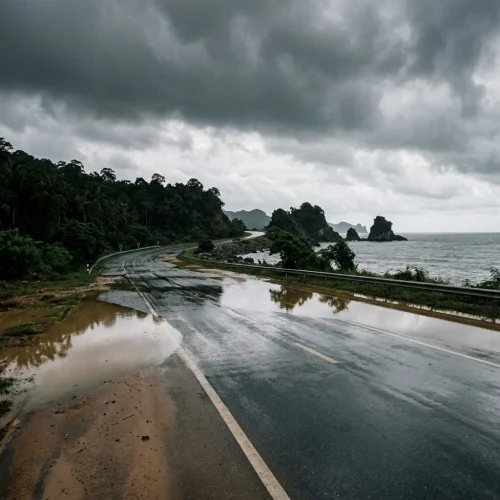
Mu Koh Surin National Park closes seasonally during the southwest monsoon. For 2026, the announced closure to tourism and overnight stays runs from 15 May to 15 October. Dates should be checked for the intended year because the park authority can adjust access in response to weather, sea conditions or conservation needs. The supplied operator currently advertises its 2026/27 programme from 15 October 2026 to 10 May 2027.
Park status and a tour operator’s commercial season are related but separate. A park opening date does not guarantee that every boat, campsite, bungalow or dive itinerary operates immediately. Confirm both the park status and the booked service before travelling to Khura Buri.
Coral, shells and marine animals must remain where they are. Do not stand on reefs, chase turtles or fish, feed wildlife or leave rubbish behind. Use the briefing before each snorkelling session to understand entry and exit points, currents and the recall signal. Single-use plastics are restricted in Thailand’s national parks, so minimise disposable packaging and carry reusable containers.
Mobile coverage, charging opportunities and other utilities can be limited. Download tickets and essential information before departure, keep electronics in a dry bag and carry a charged power bank. Overnight guests should also bring a torch for moving around after dark.
Practical Preparation

Book the boat before arranging a tightly timed mainland connection. Capacity, bungalow supply and transfer zones differ among operators, and popular dates can fill well ahead of travel.
Pack light clothing, swimwear, a rash vest or T-shirt for sun protection, a hat, an extra towel and secure footwear for the forest trail. A dry bag is valuable on both speedboat and longtail transfers. Use sunscreen carefully and avoid applying it immediately before entering the water; covering skin with suitable clothing reduces the amount needed.
If you are prone to seasickness, seek appropriate advice before travel and follow the product instructions. Sit where the crew directs, keep hold of handrails and tell staff promptly if you feel unwell. Boat access may be awkward for travellers with reduced mobility, particularly when transferring to a longtail boat or stepping onto a beach.
Bring prescribed medication and basic personal supplies from the mainland. The islands are remote, and medical help may require a boat evacuation. Check that travel insurance covers the activities you intend to undertake, including scuba diving at the planned depth if applicable.
Treat wildlife sightings as incidental. The reefs support varied marine life, but visibility, currents and animal movements cannot be scheduled. Following the guide and maintaining distance gives both wildlife and other snorkellers more space.
Surin Islands Key Information
| Item | Detail | Notes |
|---|---|---|
| Location | Andaman Sea, Phang Nga Province | Around 60 km west of the mainland coast |
| Protected area | Mu Koh Surin National Park | Five islands and surrounding marine habitat |
| Main islands | Koh Surin Nuea and Koh Surin Tai | Smaller islands are Koh Ri, Koh Khai and Koh Klang |
| Mainland gateway | Khura Buri | Main departure point for shared speedboats |
| 2026 park closure | 15 May to 15 October | Recheck official status for the intended travel year |
| Main activities | Snorkelling, beaches, nature trail and scuba diving | Richelieu Rock requires a dedicated dive itinerary |
| Overnight options | Camping and park bungalows | Usually sold within organised packages for 2026/27 |
| Current foreign park fee | 500 THB adult; 300 THB child | Included in the cited operator’s published package totals |
| Island transport | Walking and boat transfers | No road network between visitor areas |
| Payment planning | Bring Thai baht in small notes | Card and cash access is limited after leaving the mainland |
FAQ: Surin Islands - Phang Nga
What are the main activities on the Surin Islands?
Where are the Surin Islands located?
What is the main departure point for the Surin Islands?
What kind of footwear is recommended for the nature trail on Koh Surin Nuea?
What should visitors with limited swimming confidence do when snorkelling?
What are the guidelines for visiting the Moken village on Koh Surin Tai?
What should visitors know about food and payment options on the Surin Islands?
Is it recommended to stay in Khura Buri the night before a Surin Islands trip?
When does Mu Koh Surin National Park close seasonally?
What are the key rules for visitors in Mu Koh Surin National Park?
Reviewed by the Thailand Guide Editorial Team • Last reviewed: 21 August 2026
This page is provided for general information only. While we aim for accuracy, details can change — please verify anything important independently before relying on it.