U-Tapao International Airport
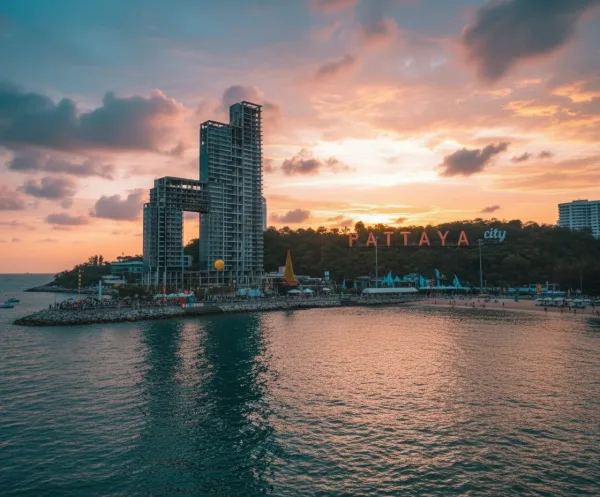
U-Tapao–Rayong–Pattaya International Airport (UTP) is the commercial air gateway for Thailand’s Eastern Economic Corridor (EEC) and the eastern seaboard, situated in Ban Chang District within Rayong Province. Located roughly 40 kilometres south of central Pattaya, the facility operates as a dual-use civil-military airfield run by the Royal Thai Navy, alongside its role handling regular domestic and international passenger services.
With a current passenger handling capacity of approximately three million travellers per year across its two passenger terminals, U-Tapao provides direct regional air access to the resort areas of Pattaya, Jomtien, and Rayong, as well as the surrounding industrial estates. The airport significantly cuts road transit times for visitors heading to the eastern coast who wish to bypass Bangkok’s congested hubs at Suvarnabhumi and Don Mueang.

Airport Facilities and Services
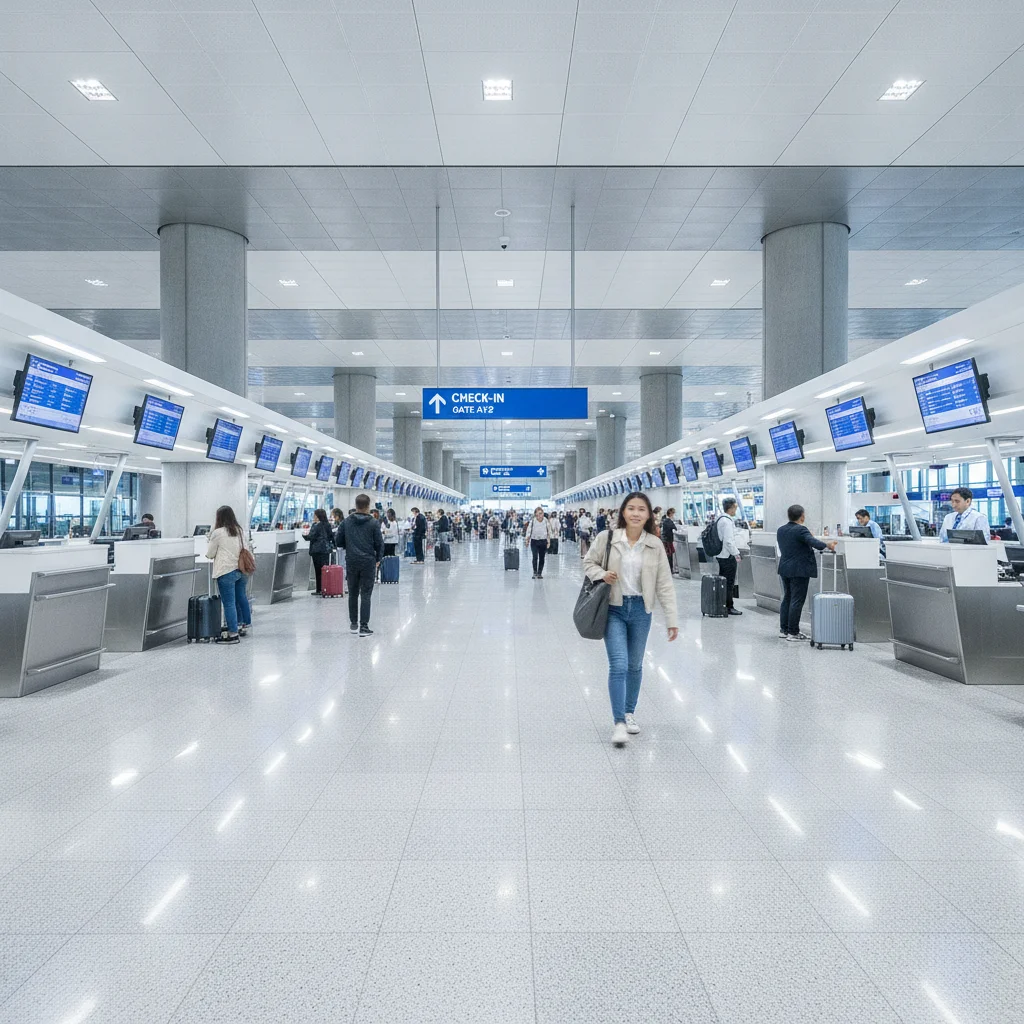
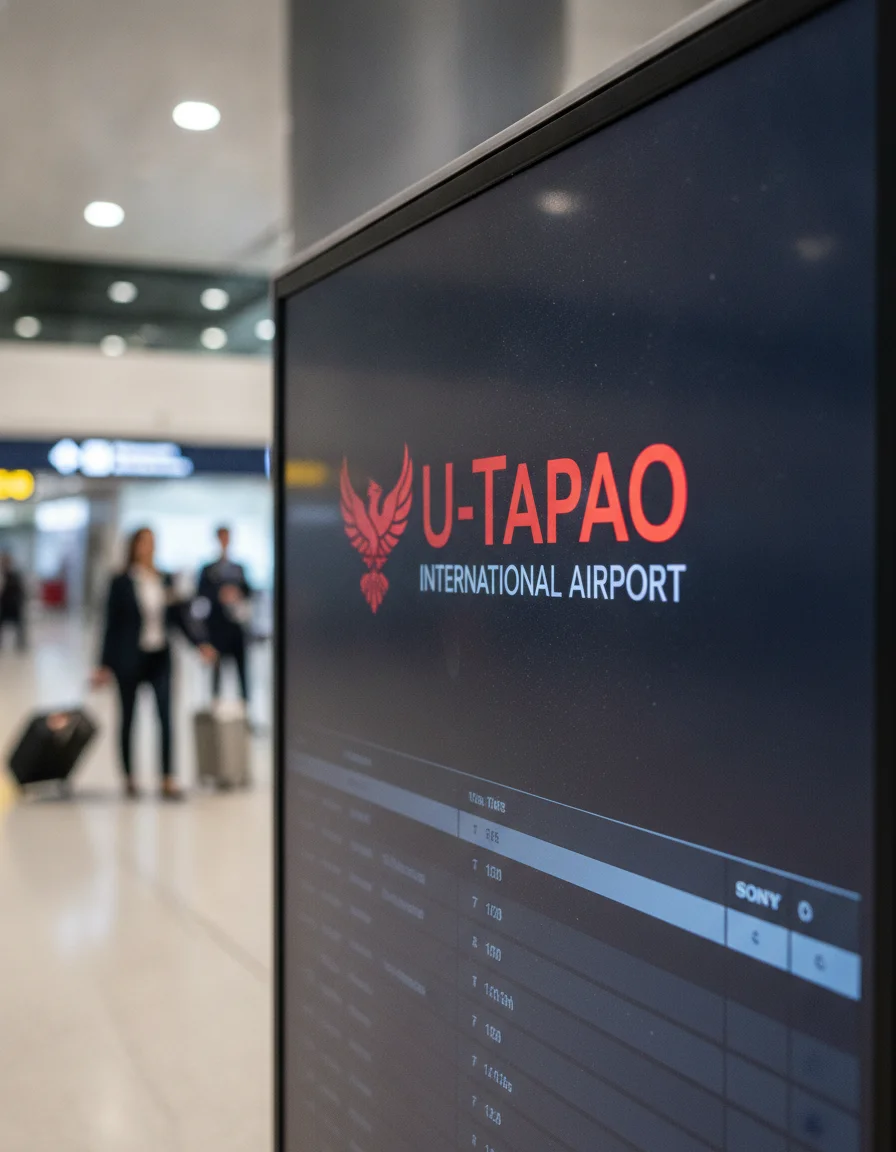
Civilian passenger operations at U-Tapao International Airport centre on its 20,000-square-metre passenger terminal, which accommodates domestic and international commercial flights. Designed with an open, modern layout, the facility houses full border and passenger processing infrastructure under a single roof, including check-in rows, security screening checkpoints, immigration counters, customs clearance, and baggage reclaim carousels.
For pre-flight refreshments and dining, the terminal provides a practical range of food and beverage options. Passengers can choose from established Thai coffee chains and bakeries to casual restaurants serving quick-service Western fare and regional Thai dishes. Retail concessions cover convenience shops stocked with travel supplies, mobile SIM card counters, local handicraft and souvenir boutiques, and duty-free retail outlets for eligible departing international passengers.
Practical travel amenities are distributed across the landside concourse and airside departure lounges. Passengers can connect to complimentary airport Wi-Fi throughout the terminal, while financial services include licensed currency exchange counters and multiple ATMs compatible with foreign debit and credit cards. Further on-site provisions include an information desk, luggage wrapping services, dedicated prayer rooms, baby-care facilities, and a medical first-aid point. The terminal is fully step-free, incorporating accessible washrooms and pre-bookable airline wheelchair assistance for travellers with reduced mobility.
Whether landing to explore the eastern coast or waiting for a scheduled departure, passengers will find straightforward facilities that keep travel manageable before proceeding to their flight or onward arrangements.
Airlines and Destinations
U-Tapao Rayong–Pattaya International Airport runs a modest domestic network alongside a genuinely international schedule weighted heavily towards mainland China. Domestic services connect the Eastern Seaboard to popular Thai regional centres without the need to travel through Bangkok's congested airports, while international routes serve destinations across China, Malaysia, and Russia.
Two airlines currently operate scheduled services at U-Tapao. Bangkok Airways flies daily to the southern holiday islands of Phuket and Koh Samui, while Thai Lion Air serves Chiang Mai and Udon Thani on set weekly schedules rather than daily. Contrary to frequent misconceptions, there are no commercial scheduled passenger flights connecting U-Tapao directly to Bangkok (neither Suvarnabhumi nor Don Mueang), as the two cities sit roughly 140 kilometres apart and rely on road transport.
International scheduled connectivity centres heavily on China, alongside a direct Southeast Asian link and a small number of Russian routes. AirAsia operates the widest international network from U-Tapao, with flights to Chengdu, Nanning, Yichang, Macao, and Haikou, alongside a Kuala Lumpur service running four times weekly. Several other carriers, including Thai Lion Air, Donghai Airlines, Kunming Airlines, Hainan Airlines, and Zhejiang Loong Airlines, add further scheduled routes into mainland China on varying weekly or dated schedules.
Russian carriers AZUR Air and Royal Flight operate scheduled routes to Rostov, Barnaul, Vladivostok, and Irkutsk. There are currently no scheduled flights connecting U-Tapao with the United Kingdom, Europe, or any hub offering a same-day UK connection. Because frequencies and specific weekly days vary by route and season, passengers should confirm the current international timetable directly with U-Tapao or the relevant airline before booking.
Soi Buakhao offers rum cocktails like Malibu and Coke for 100 to 150 baht. Pattaya transforms nightly, presenting diverse entertainment and unique markets for visitors.
Cargo and Business Operations
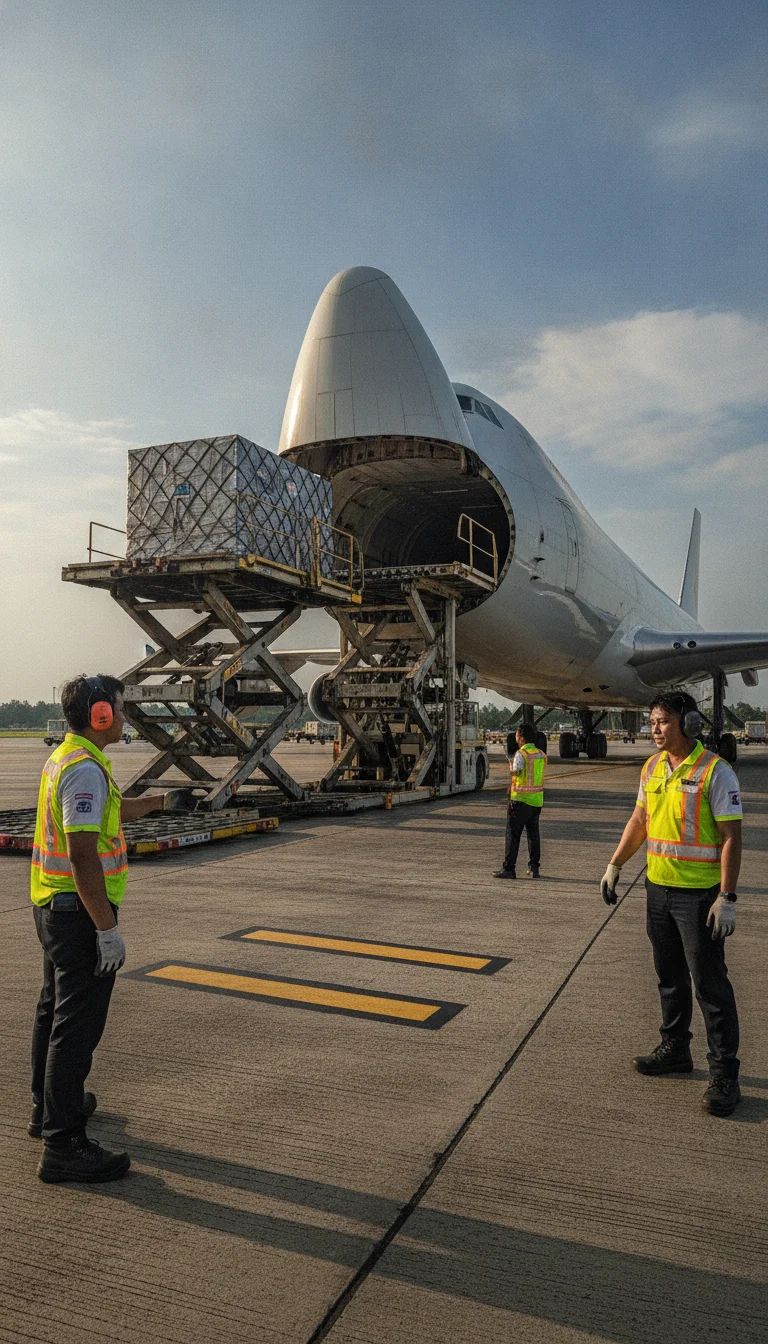
Beyond scheduled commercial passenger services, U-Tapao International Airport functions as a dedicated logistics hub and private aviation gateway for Thailand's Eastern Economic Corridor (EEC). Its position in Rayong province places it within immediate striking distance of the industrial estates of Map Ta Phut, Chonburi, and Laem Chabang, making it a critical conduit for corporate executives and time-critical industrial air freight.
For business and general aviation, U-Tapao offers an uncongested alternative to Bangkok’s busy Suvarnabhumi and Don Mueang airports. Private jet operators, corporate flight departments, and charter services benefit from dedicated ground handling, apron parking, Jet A-1 refuelling, and expedited customs and immigration clearance away from main passenger concourses. Because the airfield operates around the clock with a full-length 3,500-metre runway, it accommodates the entire spectrum of executive aircraft, from regional turboprops to ultra-long-range heavy business jets. Private charter operators flying into U-Tapao generally need to coordinate landing permits and slot clearances with ground handlers 24 to 72 hours in advance.
On the commercial logistics side, the airport processes general air cargo, express consignments, and time-sensitive freight supporting automotive, electronics, and manufacturing supply chains across the eastern seaboard. Customs-bonded processing and direct road links to the Route 7 motorway network enable onward dispatch to regional factories without having to route freight through Bangkok.
Future Development and Expansion
U-Tapao International Airport is the focal point of a major long-term infrastructure overhaul under Thailand’s Eastern Economic Corridor (EEC) scheme. Known as the Eastern Airport City project, this multi-phase development aims to establish the airport as Greater Bangkok's third main aviation gateway alongside Suvarnabhumi and Don Mueang.
The master plan is structured across multiple phases, targeting an eventual capacity of up to 60 million passengers annually. Key infrastructure additions include a second 3,500-metre runway, a major new passenger terminal, and expanded air cargo and aircraft maintenance facilities. Initial phases aim to boost annual handling capacity beyond 12 million passengers.
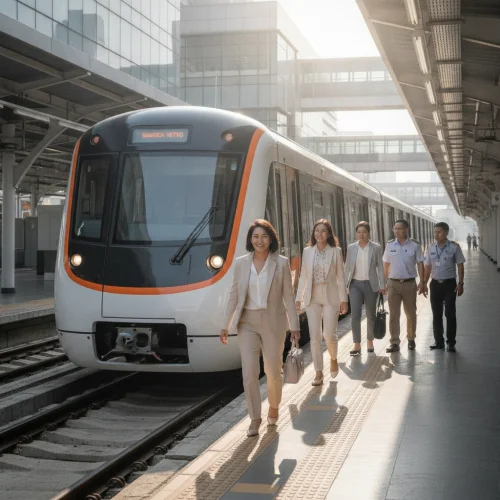
Ground connectivity forms a central element of the expansion. A high-speed rail network is planned to link U-Tapao directly with Suvarnabhumi and Don Mueang airports, cutting transfer times between the eastern seaboard and central Bangkok. Until these phases become operational, commercial flights and passenger services continue out of the airport's existing terminal facilities.
Location and Getting There
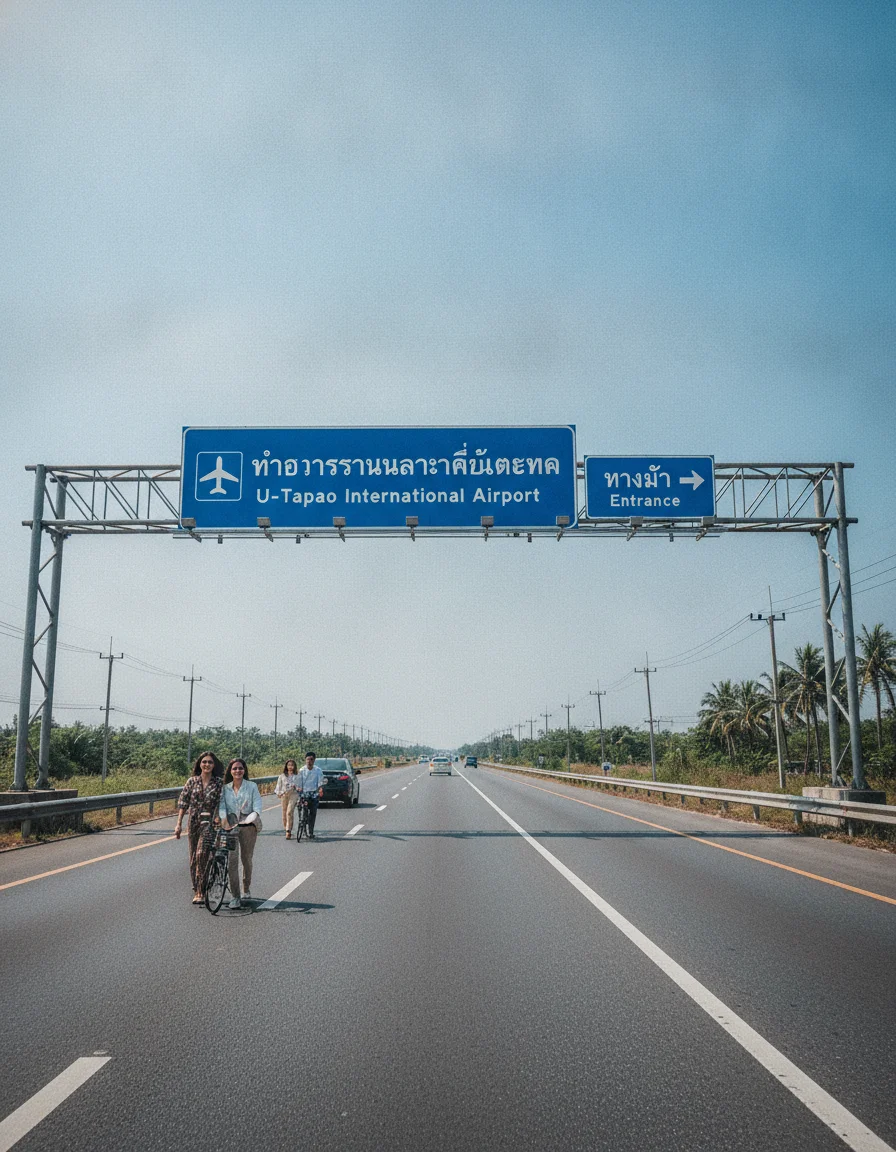
U-Tapao Rayong-Pattaya International Airport sits in Phla subdistrict within the Ban Chang district of Rayong province, bordering Sattahip in Chonburi. The airfield lies approximately 40 kilometres south of central Pattaya and roughly 145 kilometres south-east of Bangkok. Road connectivity centres on Route 3 (Sukhumvit Road) and the Motorway 7 extension, which links the airport corridor directly to the expressway network heading north towards Pattaya, Chonburi, and the capital.
Reaching central Pattaya or Jomtien by road typically takes between 40 and 50 minutes, depending on traffic along the coastal corridor. In the arrivals hall, dedicated transport desks arrange official airport taxis, private hire cars, and shared passenger minivans. Fares for a private taxi or car transfer to central Pattaya generally range from 800 to 1,200 THB, while shared vans running to designated drop-off points in town cost around 150 to 250 THB per person. Several rental car firms also operate counters inside the terminal for drivers heading independently into Rayong or Chonburi.
Connecting between Suvarnabhumi Airport (BKK) and U-Tapao takes roughly two hours by direct road transfer along Motorway 7. No direct scheduled bus links the two airports; transit passengers relying on public transport must travel via Pattaya’s bus terminals and change vehicles, extending the total journey to between three and four hours.
Costs and Booking
As an operational aerodrome rather than a resort, expenditure at U-Tapao International Airport centres on airfares, statutory airport charges, vehicle parking, and onward ground transport. With no non-stop commercial flights connecting the United Kingdom to U-Tapao, travel requires booking multi-leg itineraries or self-transfer connections via regional hubs such as Bangkok, Singapore, Kuala Lumpur, or Dubai. Airfare pricing follows typical Thai seasonal patterns: high-season demand between November and February commands the steepest ticket prices, whereas the low season from May to October regularly offers discounted rates.
Statutory aviation passenger duties are included directly within commercial airline tickets. The official passenger service charge published by the airport authority is 400 THB for international departures and 50 THB for domestic flights, so travellers do not pay separate departure taxes at check-in counters. For visitors driving to the terminal, official car parking provides the first 20 minutes free of charge for quick drop-offs, followed by 20 THB per hour up to six hours, or a flat daily rate of 140 THB for overnight stays.
| Service | Cost (THB per person/trip) | Cost (GBP approx) | Notes |
|---|---|---|---|
| Taxi to Pattaya | 800 - 1,200 | £18 - £27 | Metered or pre-booked, direct to hotel |
| Airport Shuttle Bus | 150 - 250 | £3.50 - £5.70 | Shared service, scheduled departures |
| Ride-Sharing Apps | 700 - 1,000 | £16 - £23 | Variable pricing based on demand |
| Flight Ticket (UK-UTP) | Varies Widely | Varies Widely | Multi-leg route; check current fares |
Ground transfers to central Pattaya form the main arriving expense. Private taxis arranged at terminal arrival desks or booked in advance cost 800 THB to 1,200 THB (£18–£27), while ride-hailing applications typically range between 700 THB and 1,000 THB (£16–£23). Shared minivans provide an economical transfer option for solo travellers at 150 THB to 250 THB (£3.50–£5.70) per seat. When booking regional flight connections, check baggage allowances and seat selection fees carefully, as unbundled luggage charges on low-cost carriers can quickly increase overall travel costs.
Who It Suits
U-Tapao International Airport suits travellers heading directly to the eastern seaboard of Thailand, avoiding the congestion and longer ground transfers associated with Bangkok's main air hubs.
It is particularly convenient for holidaymakers travelling to Pattaya, Jomtien, or Sattahip, providing direct access to local beaches, family attractions, and coastal resorts. Visitors planning to explore Rayong province or connect to offshore islands such as Koh Samet also benefit from the airport's proximity to regional ferry piers.
For business travellers, U-Tapao provides rapid access to the major industrial estates and commercial hubs across the Eastern Economic Corridor, including Map Ta Phut. Arriving near these commercial developments cuts road transit time compared to travelling down from Suvarnabhumi or Don Mueang.
Conversely, the airport is less practical for passengers whose primary destination is central Bangkok. The location requires a substantially longer highway journey, making Suvarnabhumi or Don Mueang more sensible arrival options for stays in the capital.
What to Know Before You Book
No direct non-stop flights operate between the UK and U-Tapao International Airport. Travellers flying from London, Manchester, or other UK departures must book connecting itineraries via major international hubs in the Middle East or East Asia, or take a domestic connection within Thailand. When comparing airfares, account for total journey times and transfer layovers, as indirect schedules can vary considerably in duration.
U-Tapao is undergoing major expansion under Thailand's Eastern Economic Corridor development scheme, with construction active on new terminal infrastructure and airside facilities. While operational areas continue serving daily passenger traffic, ongoing works mean ground layouts and passenger amenities may alter or experience temporary site adjustments.
Onward ground transport options from U-Tapao to regional coastal destinations are straightforward, but scheduled public transit is far less frequent than at Suvarnabhumi or Don Mueang. Arranging a pre-booked private transfer or pre-organising a shuttle service prior to departure ensures a prompt departure from the arrivals hall and avoids local taxi negotiation on landing.
Location is another critical booking consideration. U-Tapao sits roughly 1.5 to 2 hours' drive from central Bangkok via the highway corridor. Passengers planning an itinerary centred on the Thai capital will find flying directly into Suvarnabhumi (BKK) or Don Mueang (DMK) far more efficient, whereas U-Tapao is well suited to travellers heading straight to Rayong, Pattaya, or the eastern seaboard islands.
Practical Tips
Arranging onward transport before landing at U-Tapao avoids delays, as walk-up taxi options are less abundant here than at Bangkok’s main hubs. Providing your flight number to private transfer companies allows drivers to track schedule changes and adjust pick-up times accordingly. If travelling with heavy luggage, pre-booked private cars or taxis offer a more direct route to coastal accommodation than regional shuttle buses.
Have passports, entry visas, and arrival documentation ready before entering the immigration hall. While processing times at U-Tapao are typically swift compared to larger international airports, keeping travel paperwork accessible ensures a straightforward transition through immigration and customs.
When departing from U-Tapao, plan to reach the terminal at least two hours before domestic flights and three hours prior to international departures. This allows ample time for check-in, bag drops, and security screening, particularly during morning and evening rush hours when road traffic between Pattaya and Rayong is heaviest.
Before leaving the arrivals area, collecting a small amount of Thai Baht from terminal ATMs or currency counters provides cash for tolls or local tipping. Terminal Wi-Fi also enables travellers to message transfer drivers or double-check hotel booking details before stepping outside.
Quick Reference Table
| Item | Detail | Notes |
|---|---|---|
| Passenger Capacity | ~3 million per year | Master plan targets up to 60 million annually |
| Terminal Area | 20,000 sq m | Houses domestic and international operations |
| Distance to Pattaya | ~40 km | 40–50 minutes by road along coastal corridor |
| Distance to Bangkok | ~145 km | 1.5–2 hours drive via Motorway 7 |
| BKK Airport Transfer | ~2 hours by road | 3–4 hours by public bus connecting in Pattaya |
| Runway Length | 3,500 metres | Full-length 24/7 runway; second runway planned |
| Taxi to Pattaya | 800 - 1,200 THB (£18 - £27) | Metered or pre-booked direct transfer to hotel |
| Shared Minivan | 150 - 250 THB (£3.50 - £5.70) | Per seat to designated central Pattaya drop-offs |
| Ride-Sharing App | 700 - 1,000 THB (£16 - £23) | Variable fare based on demand |
| Terminal Parking | 140 THB/day | First 20 mins free; 20 THB/hr up to 6 hours |
| Passenger Service Charge | 400 THB int. / 50 THB dom. | Included directly within commercial flight ticket |
| Website | https://www.utapao.com | Official airport portal |
FAQ: U-Tapao International Airport
Where is U-Tapao International Airport located?
What amenities are available at U-Tapao International Airport?
Are there direct flights from U-Tapao International Airport to Bangkok?
What are the future development plans for U-Tapao International Airport?
How long does it take to travel from U-Tapao International Airport to Pattaya?
How much does a taxi or shared van cost from U-Tapao Airport to Pattaya?
Who is U-Tapao International Airport best suited for?
Is U-Tapao International Airport suitable for travellers visiting central Bangkok?
Is it advisable to pre-book ground transport from U-Tapao International Airport?
How early should travellers arrive at U-Tapao International Airport for departures?
Reviewed by the Thailand Guide Editorial Team • Last reviewed: 22 September 2026
This page provides general information only and is not financial, legal, or immigration advice. Always verify current rules with official Thai government sources or a qualified professional before making decisions.