Jomtien Beach Culture
Retired European sun-seekers and multi-generational Thai families have quietly co-created a distinct, laid-back coastal rhythm along this stretch of Chonburi sand.
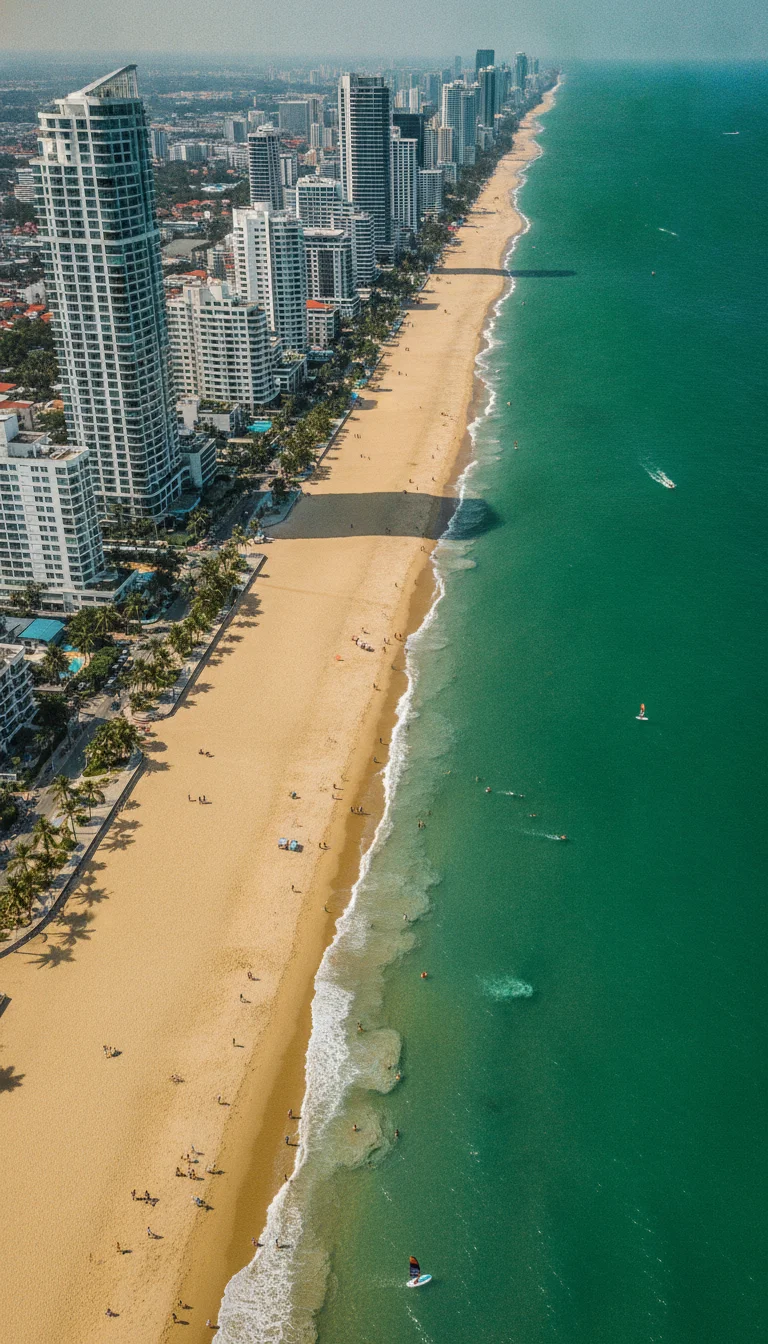
Most mainstream guides lazily write the area off as a mere quieter overflow of Pattaya's nightlife, missing the self-contained community that actually lives here. It is a place where early morning fishing boats land their daily catch directly onto the sand alongside rows of rental deckchairs, presenting a daily negotiation between traditional maritime life and modern leisure.

Sea Breezes and Saffron Robes Everyday Devotion Along the Coast
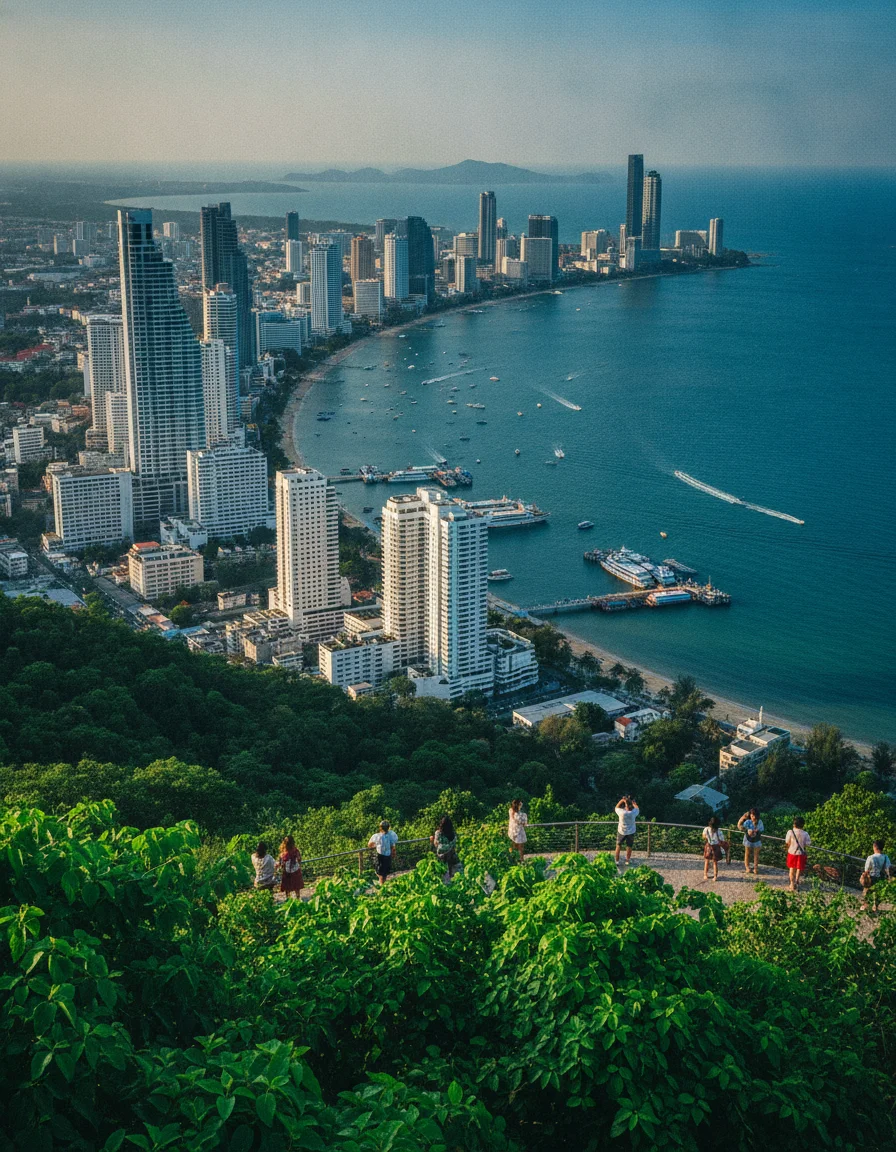
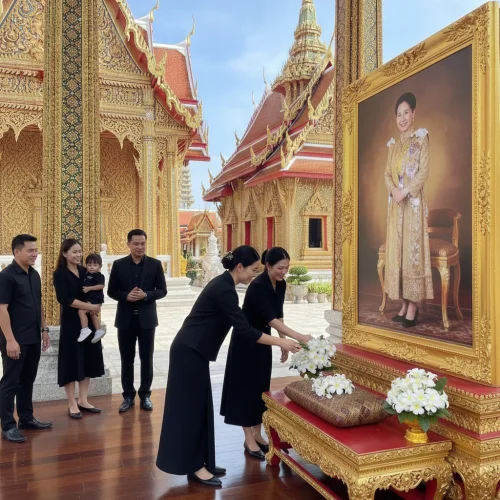
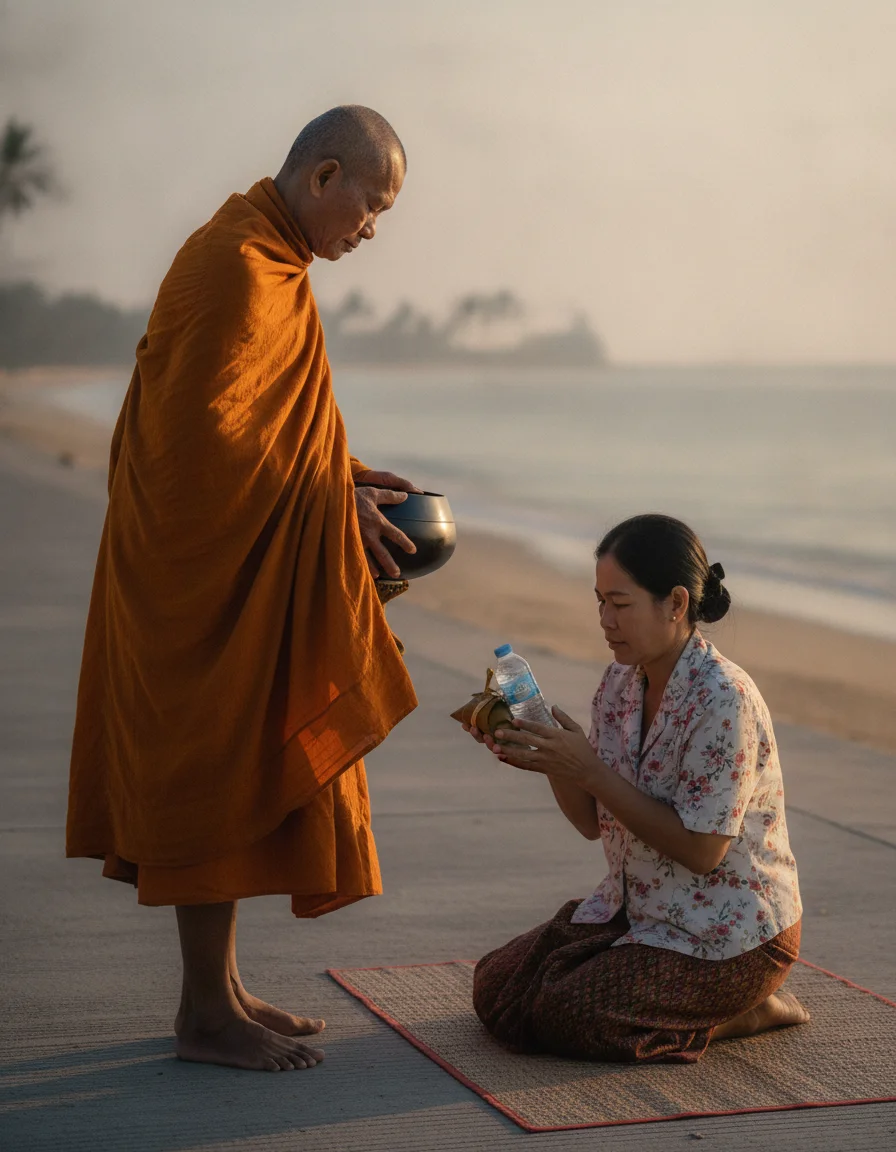
The spiritual heart of the community beats just behind the high-rise condominiums. Every morning, before the beach chairs are even unlocked, saffron-robed monks from Wat Mai Hat Krathingthong walk the coastline. Expats and local vendors alike line up to offer alms, a quiet ritual that cuts through the resort-town noise. Many visitors assume coastal Buddhism is purely decorative, but the beach vendors themselves maintain small, highly active spirit houses tucked behind their sunbed rentals, decorated with daily offerings of red sweet drinks and fresh jasmine. If you head slightly inland to Wat Khao Phra Bat on the hill, you will find locals praying for safe sea journeys alongside tourists taking photos. This temple offers panoramic views of the bay and entry is free, though a small donation of 50 THB, which is about £1.10, is polite. What surprises many is how smoothly religious duty blends with commercial life; a jet-ski operator will casually bow to a passing monk, receive a blessing, and immediately turn back to negotiate a rental, showing how faith is integrated into survival rather than kept as a separate, solemn Sunday-style event.
Water Wars and Sand Castles - Jomtien’s Festive Rhythm
The festive calendar here is shaped by water and the sea. While Songkran is celebrated nationwide in mid-April, the Chonburi region hosts the Wan Lai festival. This extended celebration peaks on April 19th, days after the rest of Thailand has dried off. On the ground, the main beach road turns into a massive, water-splashing arena, but with a coastal twist: locals build incredibly detailed sand stupas on the beach, decorating them with shells and flags to make merit. Most travel guides fail to mention that this delayed celebration means traffic along the coast completely gridlocks for forty-eight hours; if you need to catch a flight from Bangkok on these days, you must plan to leave a full day early. Later in the year, around November, Loy Krathong sees thousands gather on the shoreline rather than rivers. Locals launch floats made of banana leaves and flowers directly into the ocean waves. The practical tip here is to watch where you step; the tide often washes these floats back onto the sand, creating a beautiful but slippery obstacle course for late-night beach walkers.
Decorum on the Sand - The Unwritten Codes of Jomtien
The area operates on a delicate social compromise. Because it hosts a large population of long-term European retirees alongside conservative local families, the rules of public decorum are strictly observed, even if they are unwritten. Swimwear belongs strictly on the sand. Walking across the road into a convenience store or restaurant shirtless or in a bikini is met with quiet but deep disapproval from locals. While other nearby coastal areas have a reputation for wild nights, this stretch of sand values a gentler, more family-friendly atmosphere. A common mistake Western visitors make is assuming the casual beach vibe means standard hierarchies are suspended. Always greet beach vendors with a polite bow of the head and a smile; they are not mere service staff but established members of the local community who often control the best spots of shade. When renting a beach chair, which usually costs around 50 to 100 THB for the day, treat the space like someone’s living room.
Sea Glass and Silk: The Creative Edge of the Coast
This coastal strip has developed an arts scene centered on marine reclamation and modern craft. Local artisans collect driftwood and sea glass from the quieter southern stretches of the beach, transforming them into wind chimes, jewelry, and coastal home decor. You can find these authentic creations at local weekend markets or small independent shops tucked away in the side alleys for anywhere between 200 THB to 1,500 THB. Beware of mass-produced plastic trinkets sold by roaming beach vendors; these are almost always imported and have no local artistic value. Genuine local crafts carry a rustic, slightly weathered look that mirrors the maritime lifestyle of the Gulf of Thailand, offering a tangible connection to the community’s creative survival.
Communal Feasts on the Seawall: How Jomtien Eats
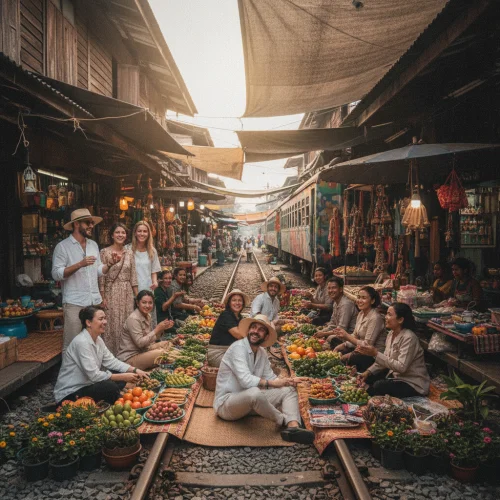
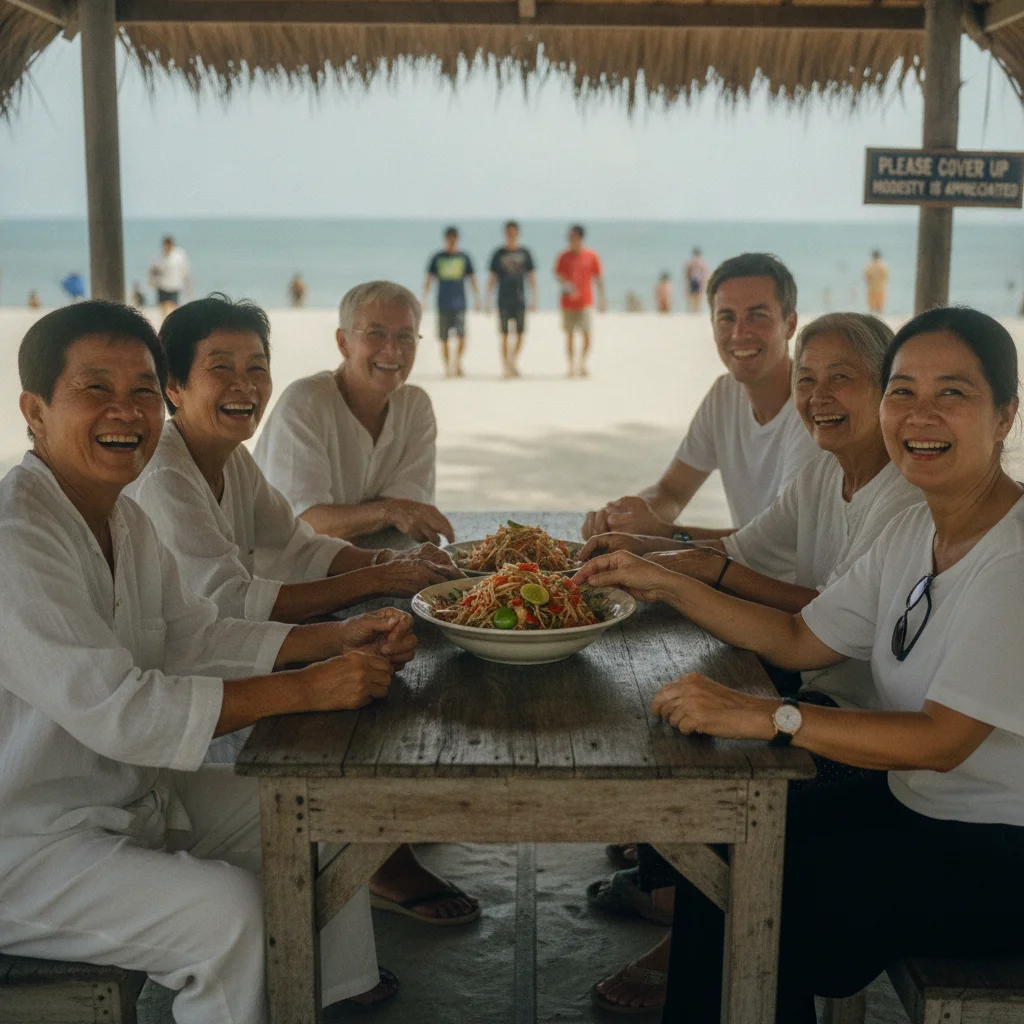
Food is not merely sustenance; it is a shared social contract. As afternoon transitions into evening, the wide pavements of the beach road transform into a communal dining room. Local families bring woven mats, lay them directly on the concrete wall or the sand, and unpack arrays of spicy papaya salad, grilled fish encrusted in salt, and sticky rice. This practice, known locally as eating for pleasure, is deeply collaborative. Everyone contributes a dish, and eating is done slowly over several hours, accompanied by quiet conversation and the sound of the surf. To eat alone here is seen as slightly eccentric and lonely. Participating in this beachside dining culture, perhaps by ordering from the passing food carts, is the fastest way to understand the communal warmth that underpins this coastal community.
Coastal Conversational Nuances: Speaking the Jomtien Way
Navigating the area requires a blend of standard Thai and a relaxed coastal cadence. Because of the heavy expat presence, English is widely understood, but attempting a few local phrases changes your status from tourist to respected guest. Saying "Ao pet nit noi" which means you want your food only slightly spicy, will save your palate while showing you understand the fiery nature of Chonburi cuisine. To really warm the hearts of local beach vendors, use the polite particle "khrap" if you are male or "kha" if you are female abundantly. A basic Thai language lesson at a local school typically costs around 300 THB per hour and is highly recommended.
Respectful Coastal Living: A Practical Guide for the Cultured Traveler
Living or traveling here requires a practical understanding of local sensitivities to ensure you leave a positive impression. Do cover up when leaving the immediate beach area; throwing a light sarong or t-shirt on goes a long way. Do not point your feet at anyone or at any religious images when lounging on the low beach chairs; in Thai culture, the feet are considered the lowest and dirtiest part of the body. Do participate in the morning alms-giving if you are early enough, but remember to remove your shoes before stepping onto the monk's mat. Do not bargain aggressively with the beach vendors; their prices are usually fixed and very reasonable, and pushing too hard causes them to lose face. Finally, when swimming, do respect the designated safety zones marked by buoys, as local speedboats navigate the outer waters and ignoring these boundaries causes genuine anxiety for the local lifeguards who watch over the shore.
Discover the best local seafood, night markets, and street food in Jomtien Beach. Learn where to feast on salt-crusted grilled fish and escape the traps.