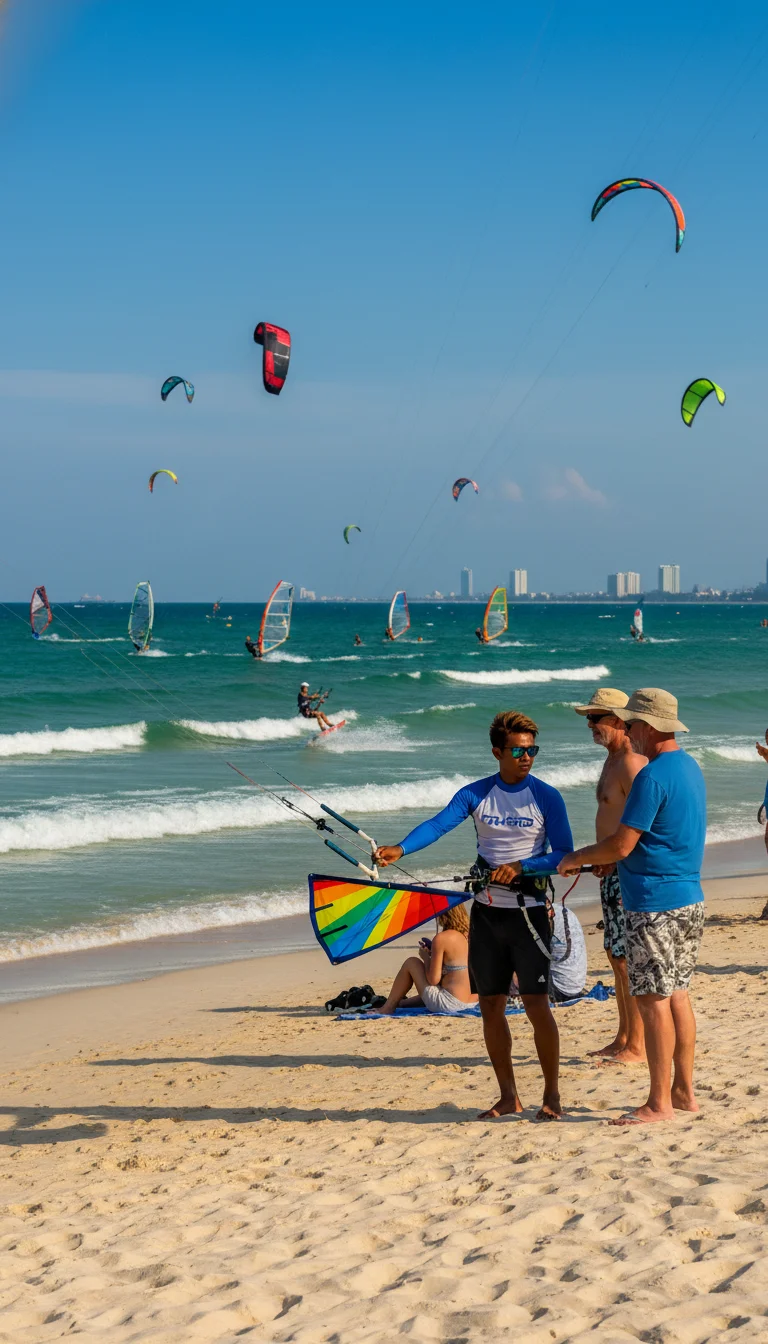
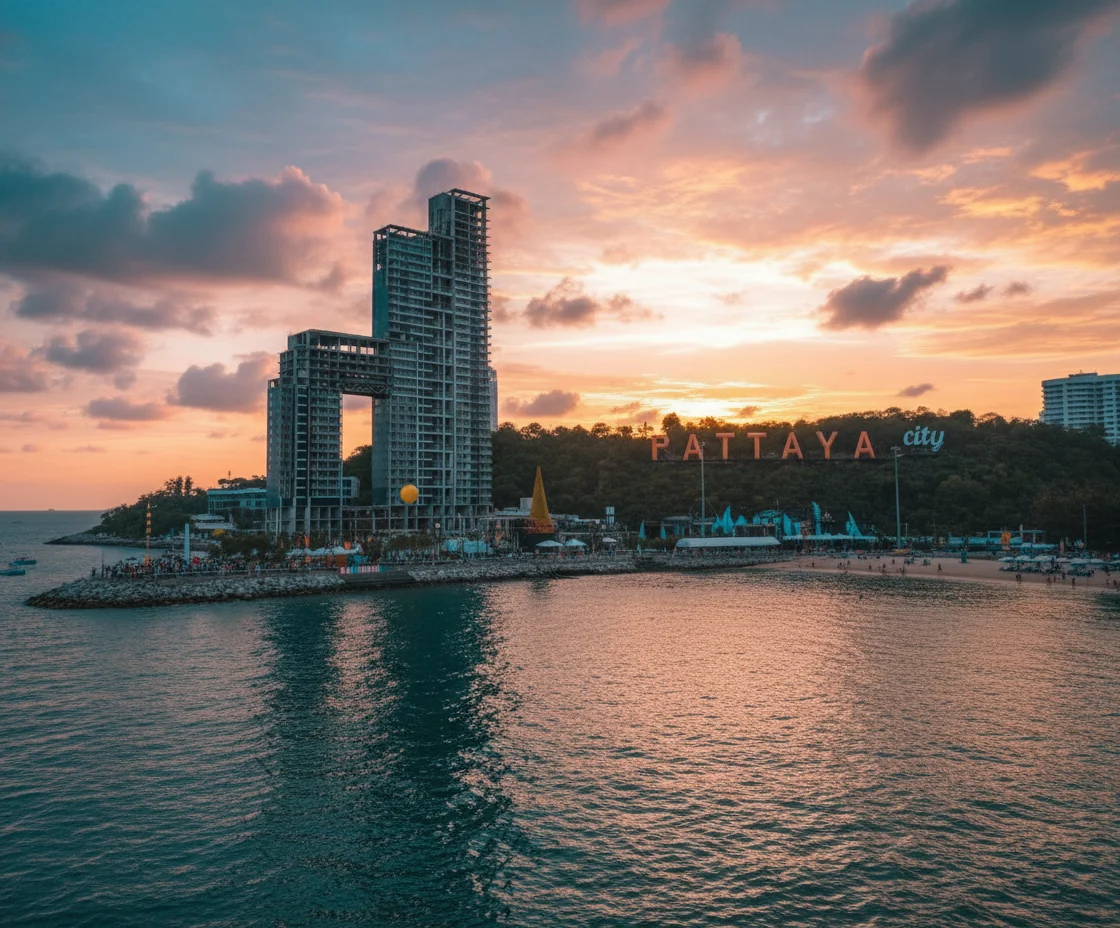
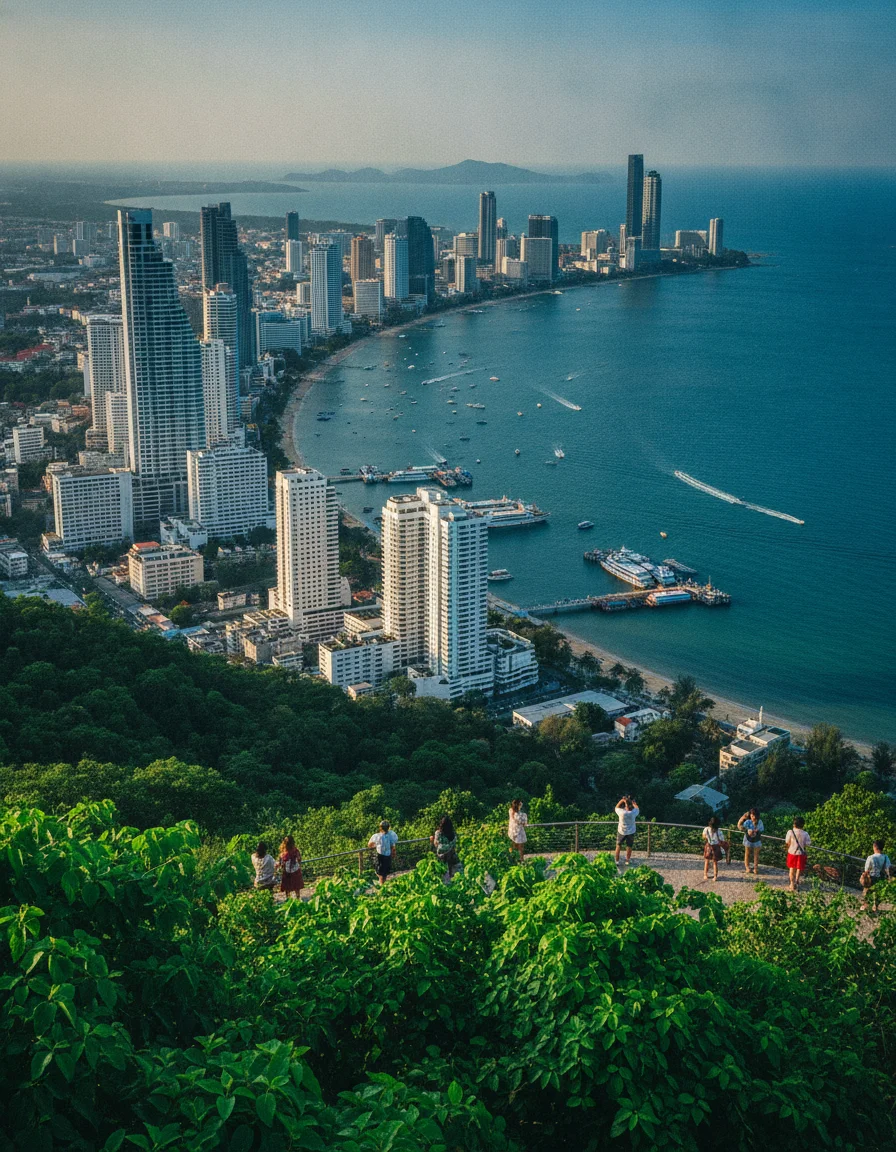
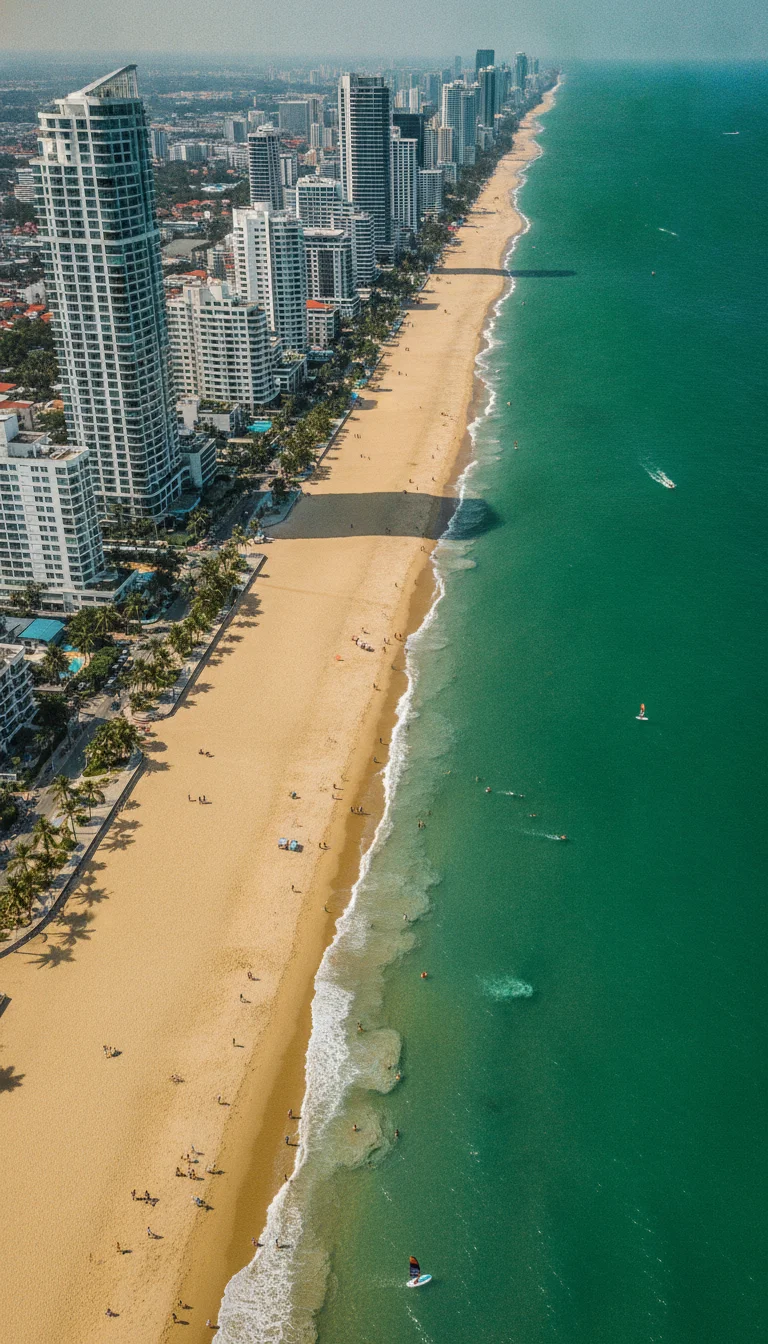
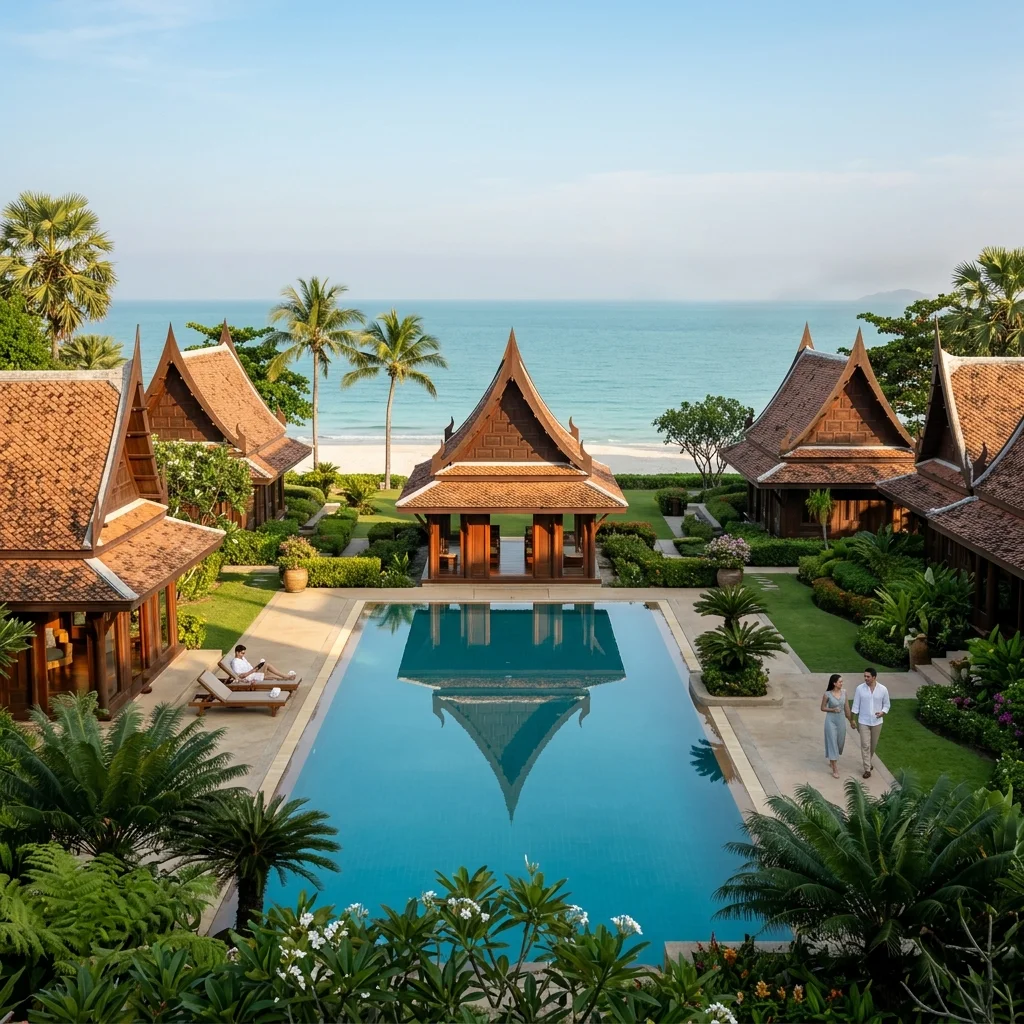
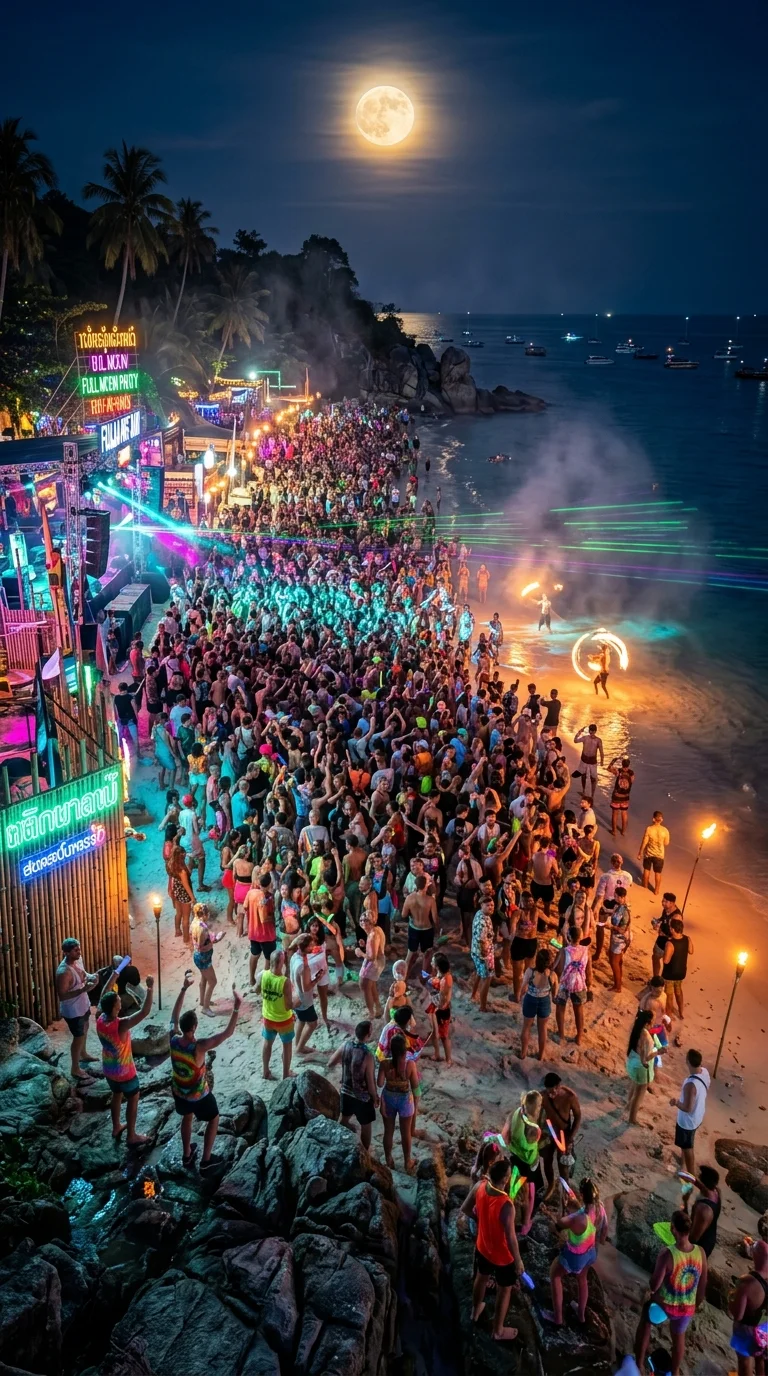
Jomtien Beach offers a relaxed coastal experience, a gentle shift from Pattaya's energy. Direct airport buses from Suvarnabhumi transport visitors for just 143 THB.
Jomtien Beach Travel
Escaping the frantic energy of central Pattaya while keeping the ocean on your doorstep requires a shift to this slightly slower coastal stretch.
You will quickly find that the local transport relies heavily on a single, continuous loop of converted pickup trucks, meaning you must master the art of the hop-on-hop-off commute rather than relying on standard city cabs. The reward is a six-kilometre sweep of sand that offers spectacular sunset views and a far more relaxed, community-focused beach lifestyle than its noisy northern neighbour.
GETTING THERE
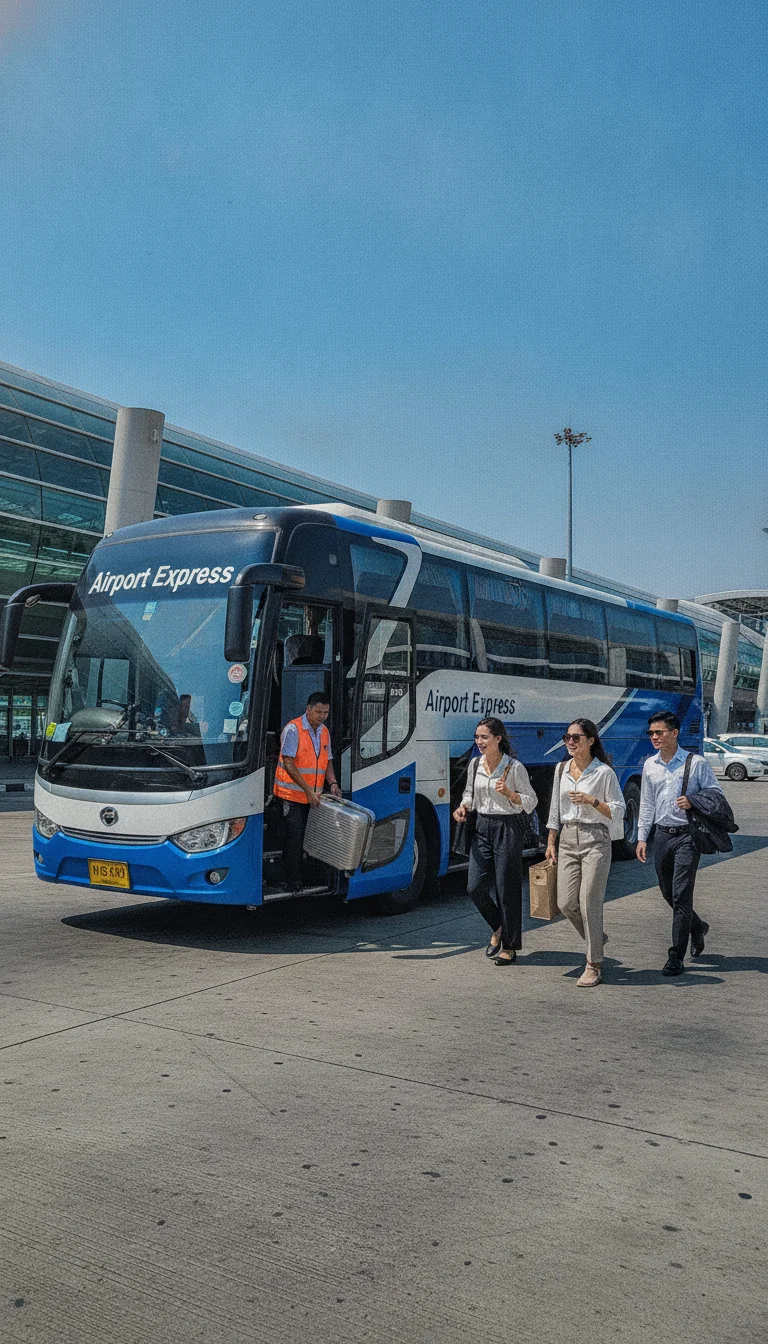
Touching down at Suvarnabhumi Airport puts you in the perfect position for a direct run down to the coast. The most straightforward option is the official airport bus operated by Roong Reuang Coach, departing from Level 1, Gate 8 of the terminal building. This service drops you directly at the Foodmart supermarket on Thappraya Road, right at the northern edge of the beach area, costing a very reasonable 143 THB, which is roughly £3.30. It takes around two hours depending on the traffic leaving Bangkok. If you prefer a private transfer, a pre-booked taxi or a ride hailed via the Bolt app will set you back about 1200 THB to 1500 THB, which translates to roughly £28 to £35, exclusive of highway toll fees which add another 120 THB or £2.80 to the final bill. Beware of unofficial drivers hanging around the arrivals hall offering flat rates; always head to the official public taxi queue outside or use your phone to secure an app-based driver. For those arriving at Don Mueang Airport, expect a longer three-hour journey and taxi prices closer to 2000 THB or £46.
GETTING AROUND
The undisputed backbone of local transit is the songthaew, locally known as the baht bus. These are converted pickup trucks with two benches in the back that cruise along a fixed route down Jomtien Beach Road, turning up Chaiyapruk Road or heading north towards Pattaya. You simply flag one down, hop in the back, and press the buzzer on the ceiling when you want to get off, then walk to the driver cabin to pay a flat rate of 10 THB, about £0.23, or 20 THB, approximately £0.46, for longer rides. Avoid asking the driver the price before you get in; doing so signals you are a tourist and they may instantly quote you a private charter price of 200 THB or £4.60. For door-to-door trips, download the Bolt or Grab apps. Bolt is highly popular here and generally offers the lowest rates, with a short ride down the beach road costing around 60 THB or £1.40. Motorbike taxis are available on almost every corner, marked by riders in orange vests, but you must agree on a price before climbing on. A typical short hop should cost 40 THB, around £0.90, but they will happily ask for double if you do not negotiate first.
THE BAHT BUS NETWORK
Navigating the local songthaew system is an art form that requires a basic understanding of their loop. The vehicles run a constant one-way system up the beach road, heading north towards the major intersection at South Pattaya Road, and returning south along Second Road. If you need to head north to the major shopping complexes or the nightlife areas, simply stand on the beach side of the road and wave your hand down at waist level. To return, cross the road and catch one heading south. Never board an empty songthaew parked at the side of the road unless you want to pay for a private taxi ride; wait for one that is already moving and has passengers inside. If a driver pulls over and asks where you are going, just give a general direction or politely decline, as they are trying to convert their cheap shared service into a private charter that will cost you at least 150 THB or £3.50 instead of the standard 10 THB fare.
Planning a trip to Jomtien Beach? Discover the best time to visit, rainy season survival tips, local temperature ranges, and how to pack like a local.
GETTING OUT
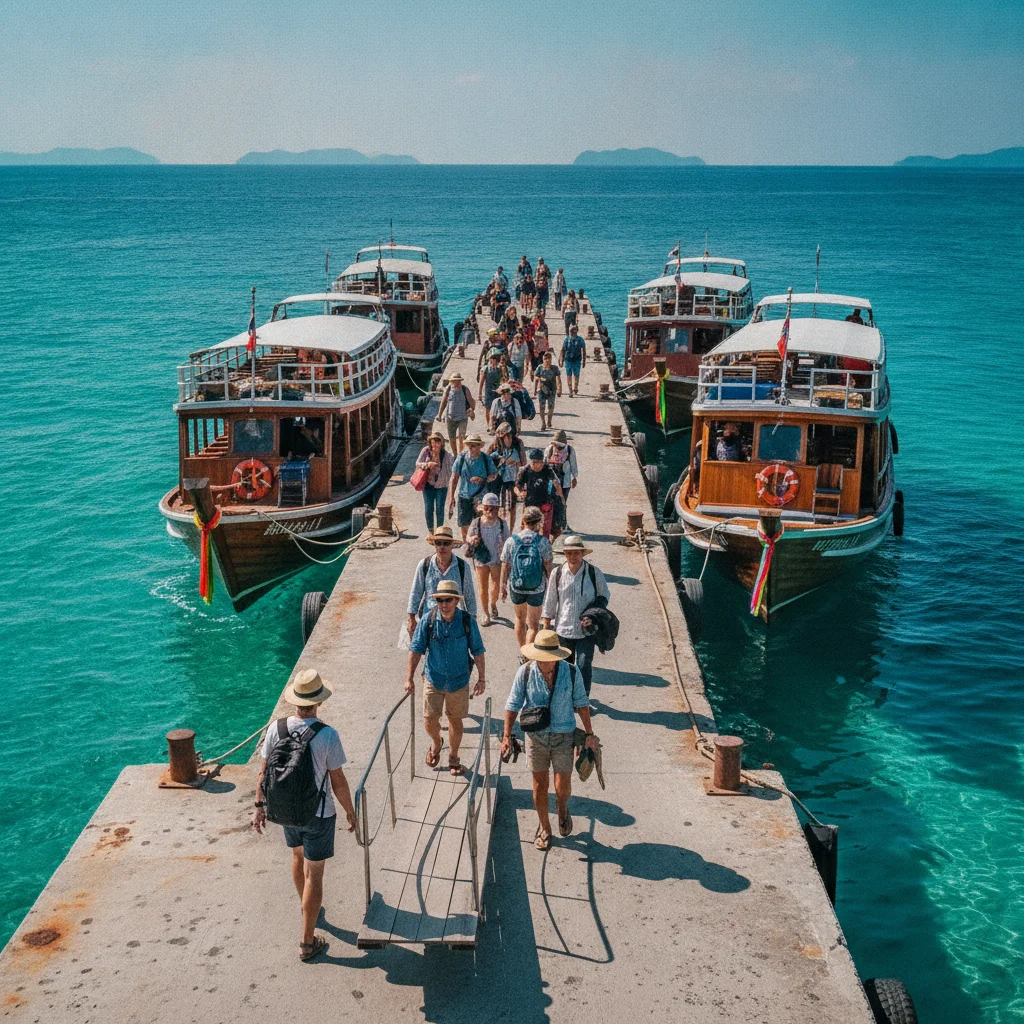
Escaping the coastal strip for a day trip is remarkably simple. Bali Hai Pier sits just a fifteen-minute ride north and serves as the gateway to Koh Larn, a nearby island with white sand beaches. The slow public ferry departs regularly, taking about forty-five minutes and costing a mere 30 THB, which is about £0.70 each way, while a shared speedboat will whisk you there in fifteen minutes for 200 THB or £4.60. If you fancy a quieter, more traditional coastal vibe, a taxi ride twenty-five minutes south to the fishing village of Bang Saray will cost around 300 THB or £7.00. Alternatively, a trip to the massive Nong Nooch Tropical Garden takes thirty minutes by car and costs about 400 THB or £9.20 for the ride.
AIRPORTS & TERMINALS
Most international arrivals land at Suvarnabhumi Airport, the primary hub used by major carriers like Thai Airways and British Airways. A practical tip for departing travellers is to book your return bus ticket to the airport at least two days in advance at the Thappraya Road bus station, especially during peak season, as these seats sell out quickly. If you are using U-Tapao Airport, located forty-five minutes south and primarily hosting domestic flights by Thai Lion Air or flydubai connections, note that public transport options are scarce. A pre-arranged private transfer costing 800 THB or £18.50 is your best bet to avoid expensive terminal-front taxi monopolies.
MONEY & COSTS
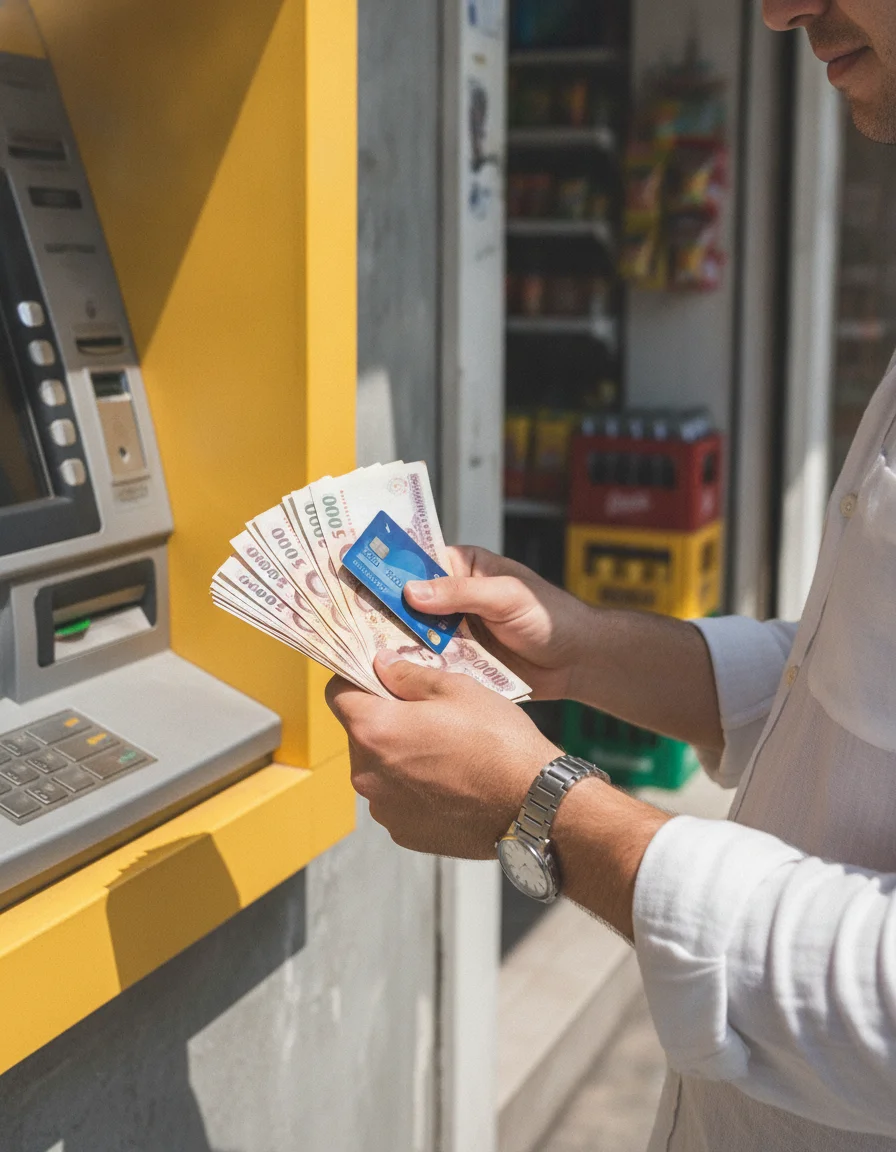
Living or holidaying along this stretch of coast can be as cheap or as premium as you desire. A daily budget of £25 is perfectly doable for a budget traveller, covering a couple of simple street meals at 60 THB or £1.40 each, a few baht bus rides, and a cheap guesthouse. A mid-range budget of £60 per day buys you air-conditioned dining, a comfortable mid-tier hotel, and evening drinks. For luxury seekers, £150 per day covers high-end beachfront dining, private transfers, and a five-star resort stay. ATMs are plentiful along the beach road, but they all charge a standard fee of 220 THB, roughly £5.00, per withdrawal for foreign cards. To minimise these fees, carry a fee-free travel card like Wise and withdraw the maximum limit of 20,000 THB or £460 in one go.
CONNECTIVITY
Staying connected is straightforward, with excellent 5G coverage throughout the area. The three main providers are AIS, TrueMove H, and DTAC, with TrueMove H offering the strongest and most consistent signal along the beach itself. You can purchase a tourist SIM card at the airport, but you will get much better rates by visiting a branded shop in a local shopping mall, where a 30-day unlimited data package costs around 350 THB, approximately £8.00. Accommodation wifi is generally excellent, often averaging speeds over 100 Mbps. However, be aware that during heavy tropical downpours, brief power fluctuations can occasionally knock out local routers for a few minutes. Do not panic if the signal drops during a storm; simply switch to your phone's hotspot for ten minutes while the local router reboots.
ESSENTIAL PRACTICALITIES
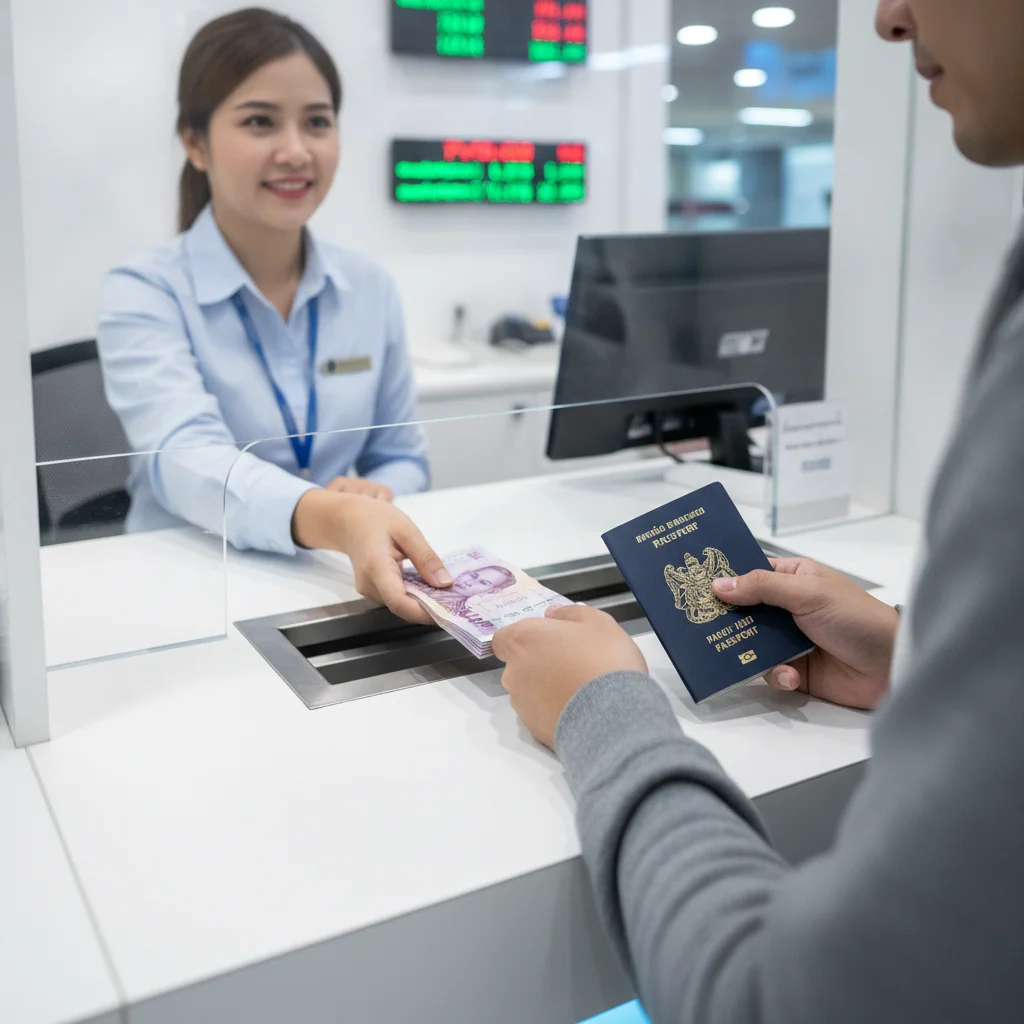
British passport holders currently receive a 60-day visa exemption on arrival, which can be extended for a further 30 days at the local Chonburi Immigration Office located on Soi 5 in Jomtien for a fee of 1900 THB, or about £44.00. Tipping is not mandatory but highly appreciated; leaving a 20 THB to 50 THB note, which is about £0.46 to £1.15, for good service in a local restaurant or for your hotel housekeeper is standard practice. Thailand uses Type A, B, and C plugs at 220V, so a universal adapter is essential. In an emergency, dial 1155 for the Tourist Police, who speak excellent English. An overlooked tip is to avoid walking under the low-hanging overhead utility cables along the side streets, especially after rain, to stay safe from occasional drips or snags.