Jomtien Beach Weather: Best Time to Visit and Climate Guide
An explorer's guide published on 25 June 2026
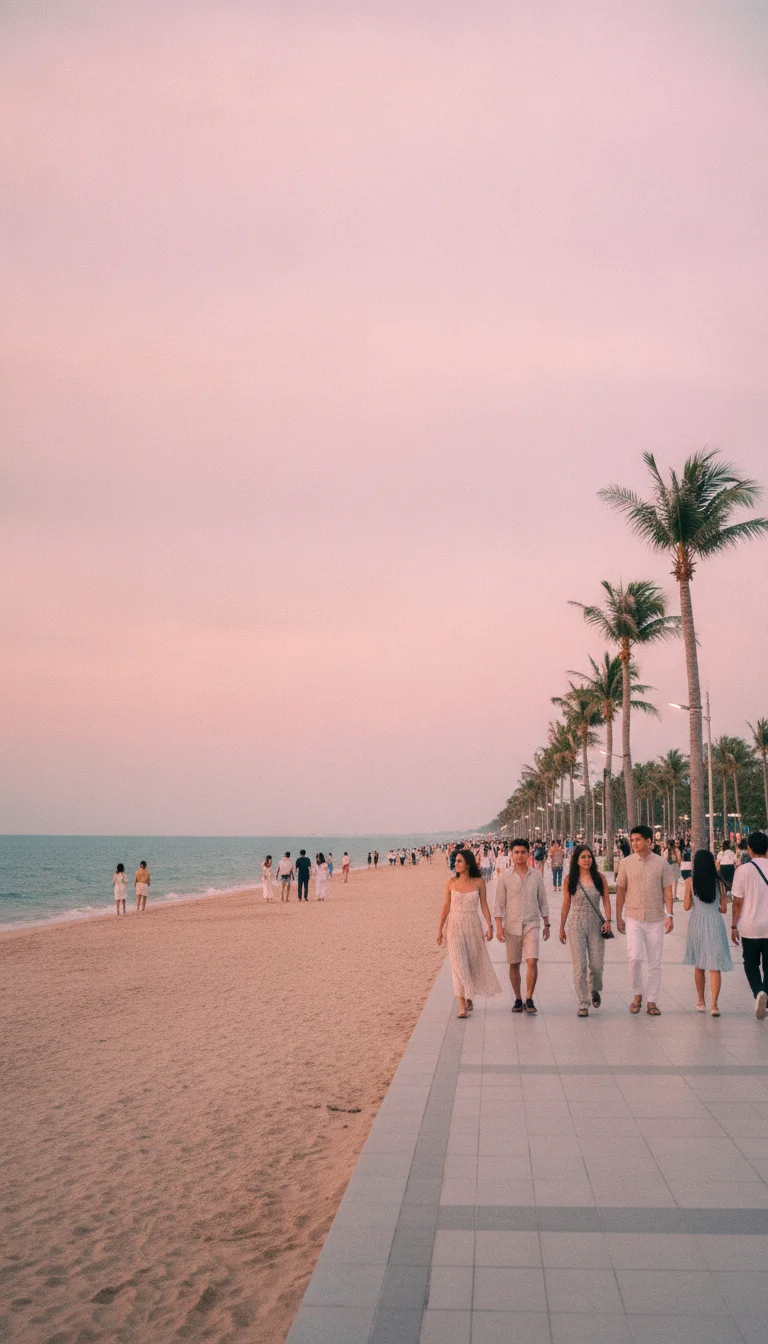
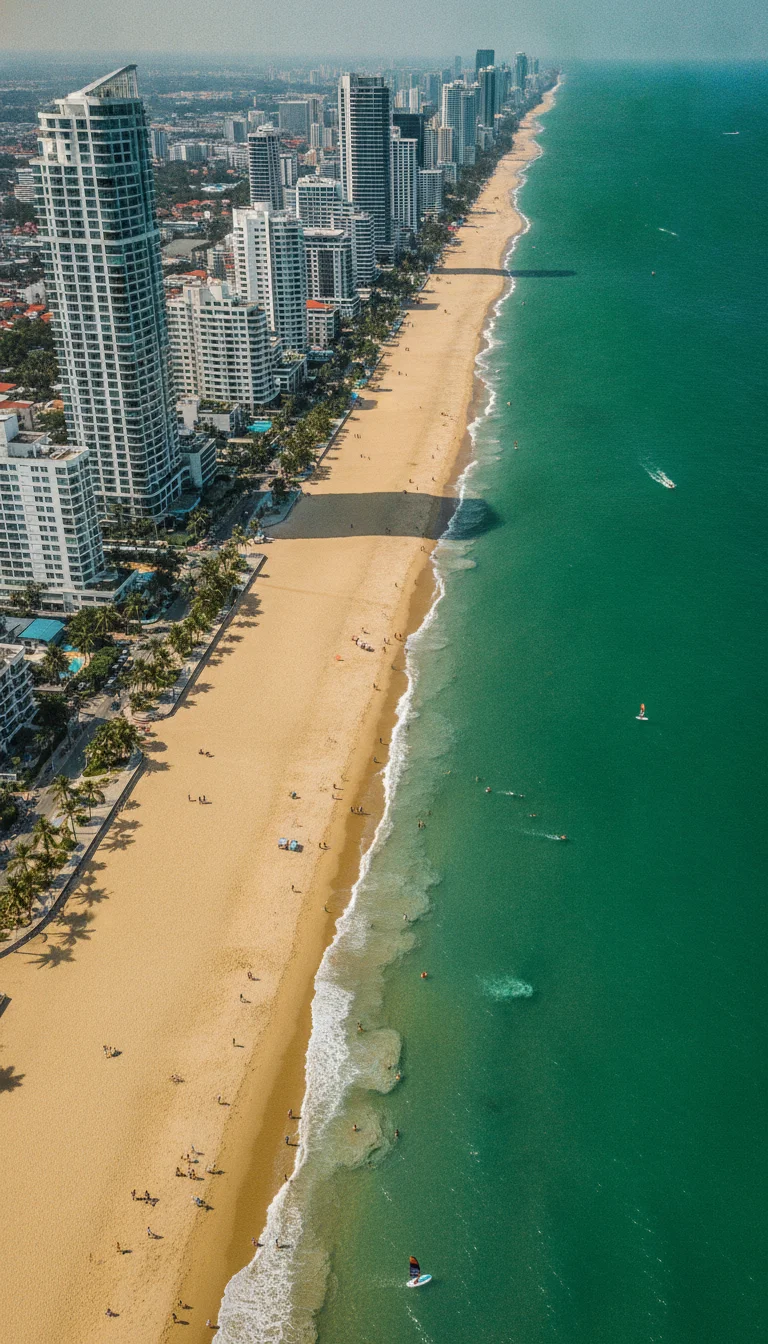
Jomtien Beach offers optimal conditions between late November and late January. This period brings low humidity, clear blue skies, and comfortable evening temperatures for visitors.
Jomtien Beach Weather
This stretch of the eastern Gulf coast escapes the ferocious, prolonged monsoon battering that plagues the Andaman sea, offering a slightly drier sanctuary for sun-seekers.
However, the onshore breeze here can easily trick you into ignoring a punishing UV index that will blister unprotected British skin by lunchtime. Understanding these coastal shifts is the difference between enjoying a golden beach getaway and spending your holiday shivering in a hotel room with sunstroke.
THE SEASONAL BREAKDOWN
The calendar here splits into three distinct phases. To a newcomer, it might just feel like hot, hotter, and wet. The cool season runs from November to February, bringing the most comfortable weather of the year. Daytime temperatures usually hover around 30 degrees Celsius, accompanied by a dry, welcome breeze blowing off the Gulf that keeps evenings remarkably pleasant. It is the peak of the tourist rush for a reason, as the humidity drops to its lowest annual levels. Come March, the heat begins to build, ushering in the hot season which peaks in April and May. This is a heavy, thick heat where temperatures frequently climb towards 35 degrees Celsius and the air feels like a warm, damp blanket. You will find yourself planning your day around air-conditioned shopping malls or shady beach umbrellas. By late May, the southwest monsoon arrives, initiating the rainy season which lasts until October. This period is highly unpredictable. You might get a week of glorious sunshine broken only by afternoon downpours, or a run of grey, humid days where the sky threatens to open at any moment. Temperatures remain warm, rarely dropping below 25 degrees even at night, meaning the rain offers little physical relief.
THE MONSOON
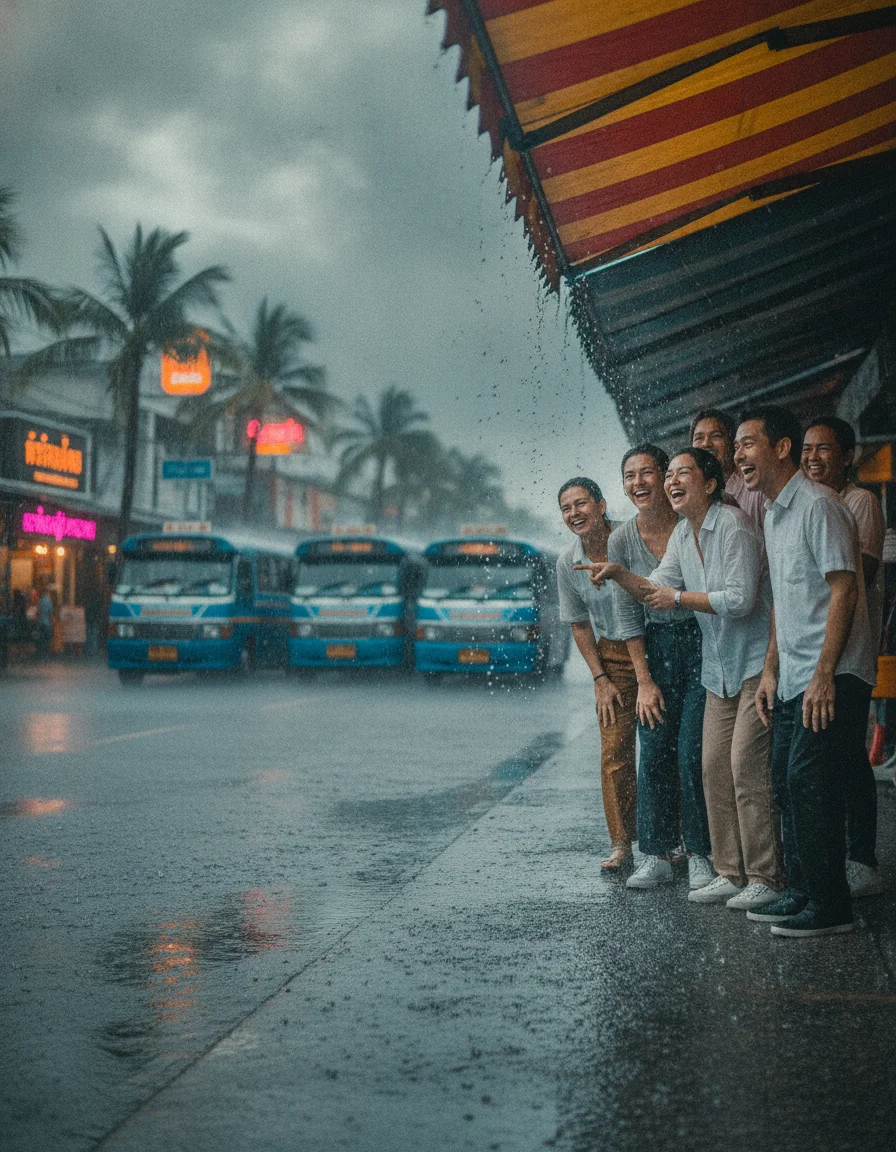
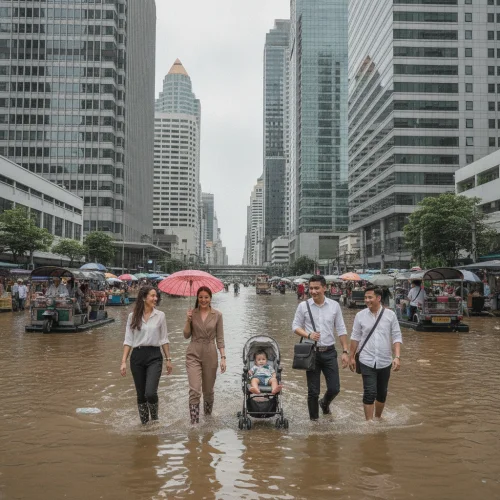
Rain in this part of the Gulf rarely settles into the relentless, days-long drizzle familiar to anyone who has endured a wet weekend in Cornwall. Instead, the monsoon here usually manifests as brief, dramatic spectacles. You can watch massive, dark clouds roll in over the Gulf before the heavens open for an intense hour of torrential downpour, usually in the late afternoon. Within ninety minutes, the blue skies often return, drying the streets rapidly. September and October are the wettest months, bringing the highest risk of localized flooding on Beach Road and Second Road where drainage struggles to cope. Transport does not grind to a halt, but the open-air baht buses become crowded struggles for dry seats, and boat crossings to nearby Koh Larn can face delays due to choppy swells. Investing in a cheap, forty-baht plastic poncho from a local corner shop is far more practical than carrying an umbrella, which will simply buckle under the coastal gusts. It keeps you dry enough to dart between beachside cafes while you wait for the storm to pass.
THE AIR QUALITY REALITY
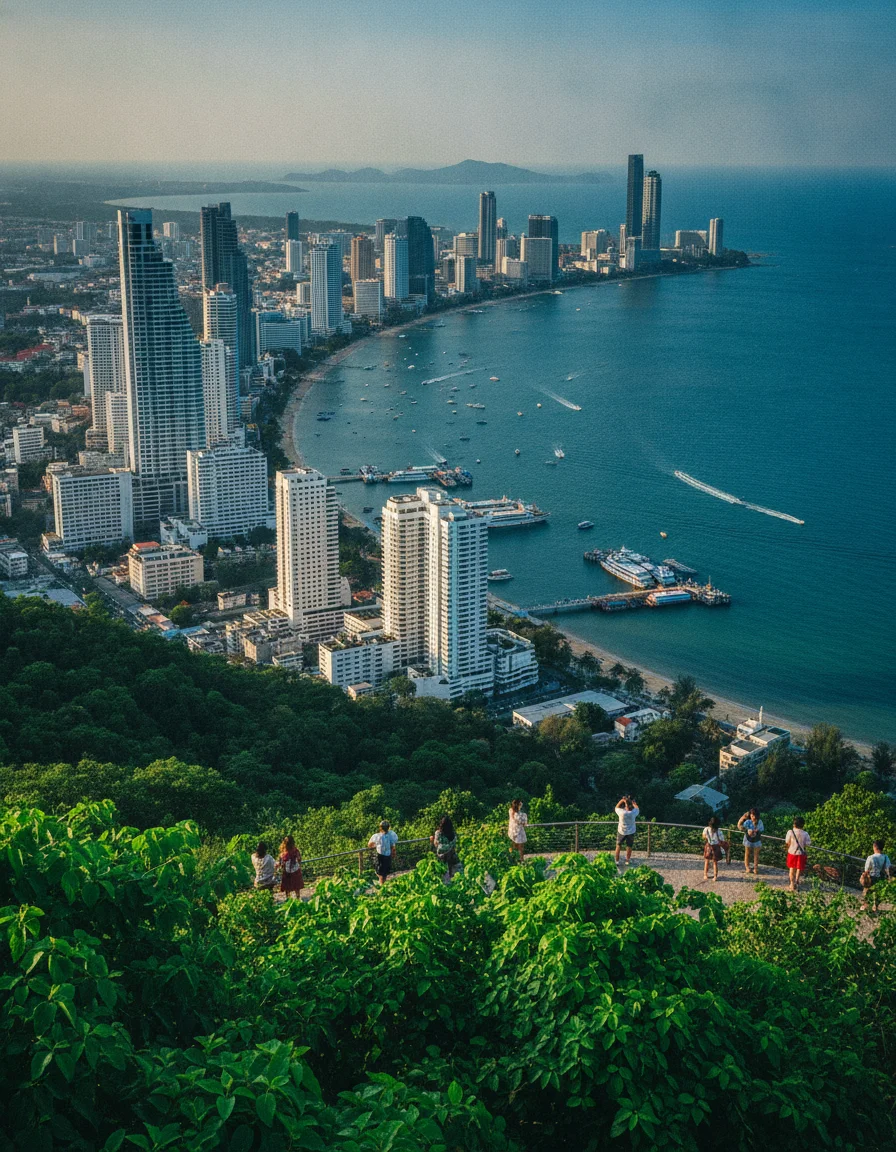
While this coastal strip enjoys better ventilation than the landlocked north, it is not entirely immune to seasonal haze. Between January and March, agricultural burning across central Thailand and neighboring countries can drift over the Gulf, creating a noticeable sky-blue deficit. On these hazy days, visibility across the water drops, and the far end of the bay can look fuzzy. A high-quality N95 mask is easily bought at any local pharmacy for around eighty baht if you are sensitive to dust. Fortunately, the ocean breeze usually keeps the air moving. If the haze does settle, the smartest escape strategy is to catch a ferry to the outer islands or head south towards the windward side of the Sattahip headland.
Master Jomtien Beach like a local. Discover transport routes, direct airport transfers from 143 THB, and budgeting tips in our expert UK guide.
THE PACKING LIST
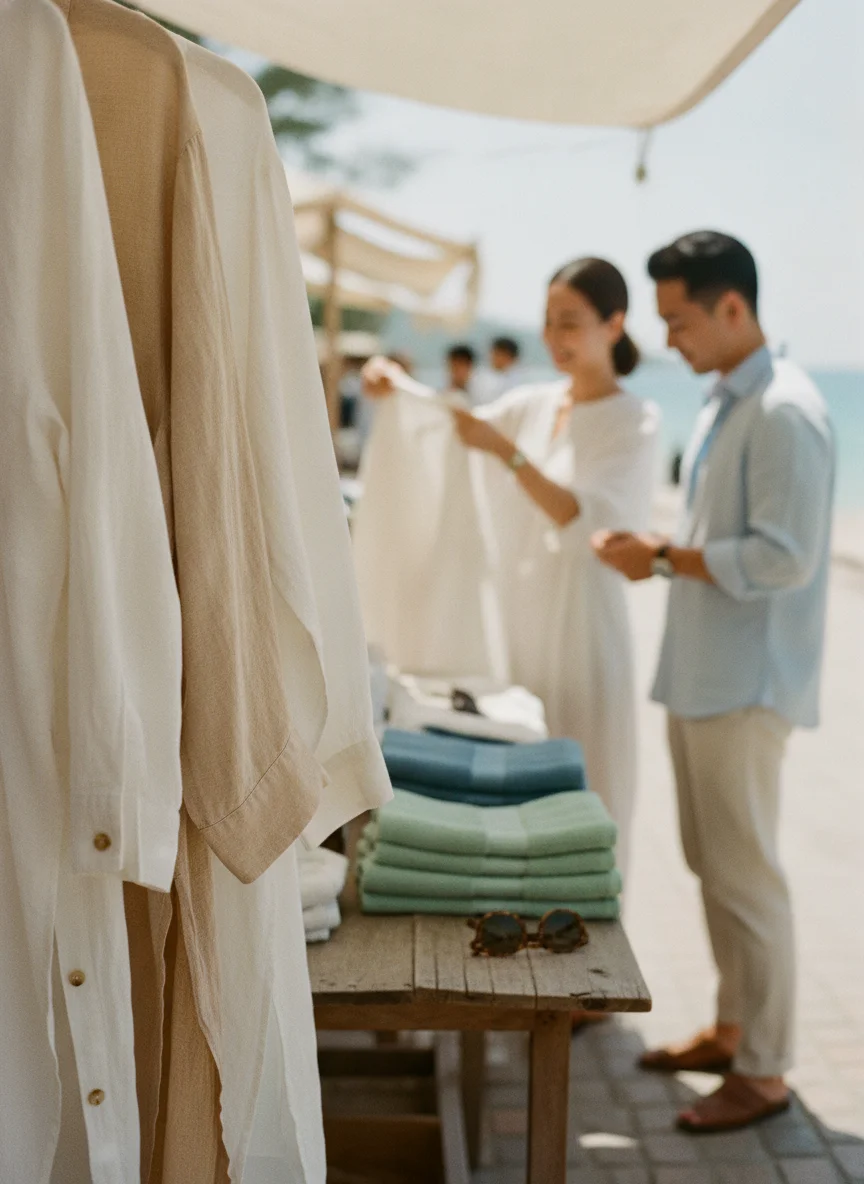
Packing for this climate requires prioritizing breathability over everything else. Heavily synthetic fabrics are a recipe for discomfort here as they trap sweat against your skin in the high humidity. Stick to lightweight linen, loose cotton, and moisture-wicking athletic wear. Do not pack heavy jeans; they will feel like wet cardboard within minutes of walking outside. Sunscreen is a non-negotiable item, and buying it locally can be surprisingly expensive, with imported high-SPF brands often costing twice what you would pay on a high street in the UK. Bring plenty of your favorite brand from home. For visiting local temples in the stifling heat, do not suffer in thick trousers. Instead, pack a lightweight sarong or a pair of thin elephant pants that you can easily slip over your shorts before stepping onto temple grounds, allowing you to remain respectful without melting. Waterproof dry-bags are also highly recommended for protecting your electronics during sudden coastal downpours.
HEALTH AND HYDRATION
Adapting to the local climate requires a deliberate shift in your daily rhythm. The combination of intense heat and thick humidity drains your energy far quicker than a warm summer day back home. To avoid heatstroke, treat the hours between noon and three in the afternoon as a time for resting in the shade or enjoying an air-conditioned lunch. Local pharmacies and shops sell electrolyte powder packets for about five baht each; mixing these into your water bottle is an excellent way to restore minerals lost to heavy sweating. Keep in mind that coastal breezes can mask the humidity, making you forget to drink. Mosquitoes are a constant presence, particularly around dusk along the tree-lined promenade, so applying a local repellent containing DEET is essential.
BEST TIME TO VISIT
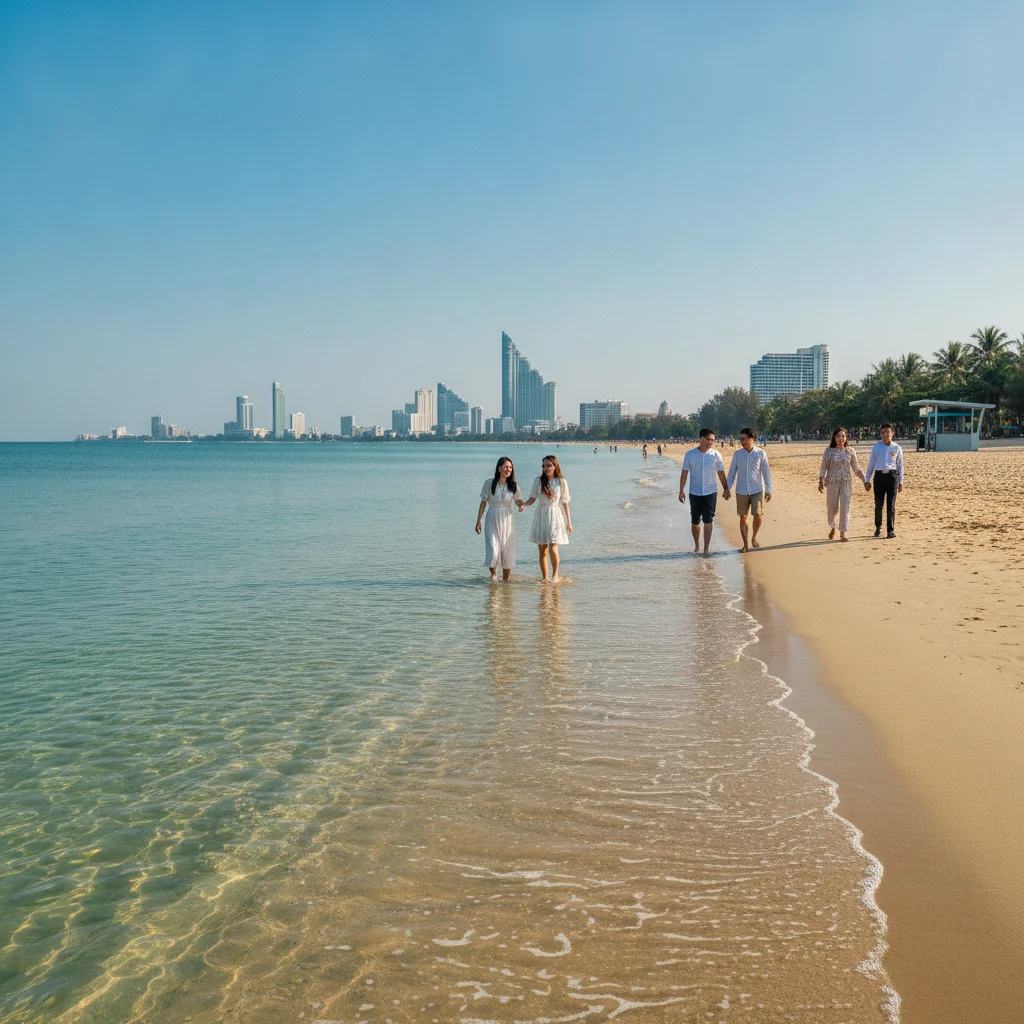
The sweet spot for visiting Jomtien Beach lies between late November and late January. During this window, you get the absolute best of the weather, with low humidity, clear blue skies, and very comfortable evening temperatures. However, if you want to avoid the peak winter crowds while still enjoying fantastic beach conditions, late February is highly rated by residents. The worst of the winter peak season rush has cleared, the seas are calm and clear, and the intense heat of April has not yet fully settled in, making it the perfect compromise for a peaceful, sunny getaway.
THE GULF MICROCLIMATE AND SEA CONDITIONS
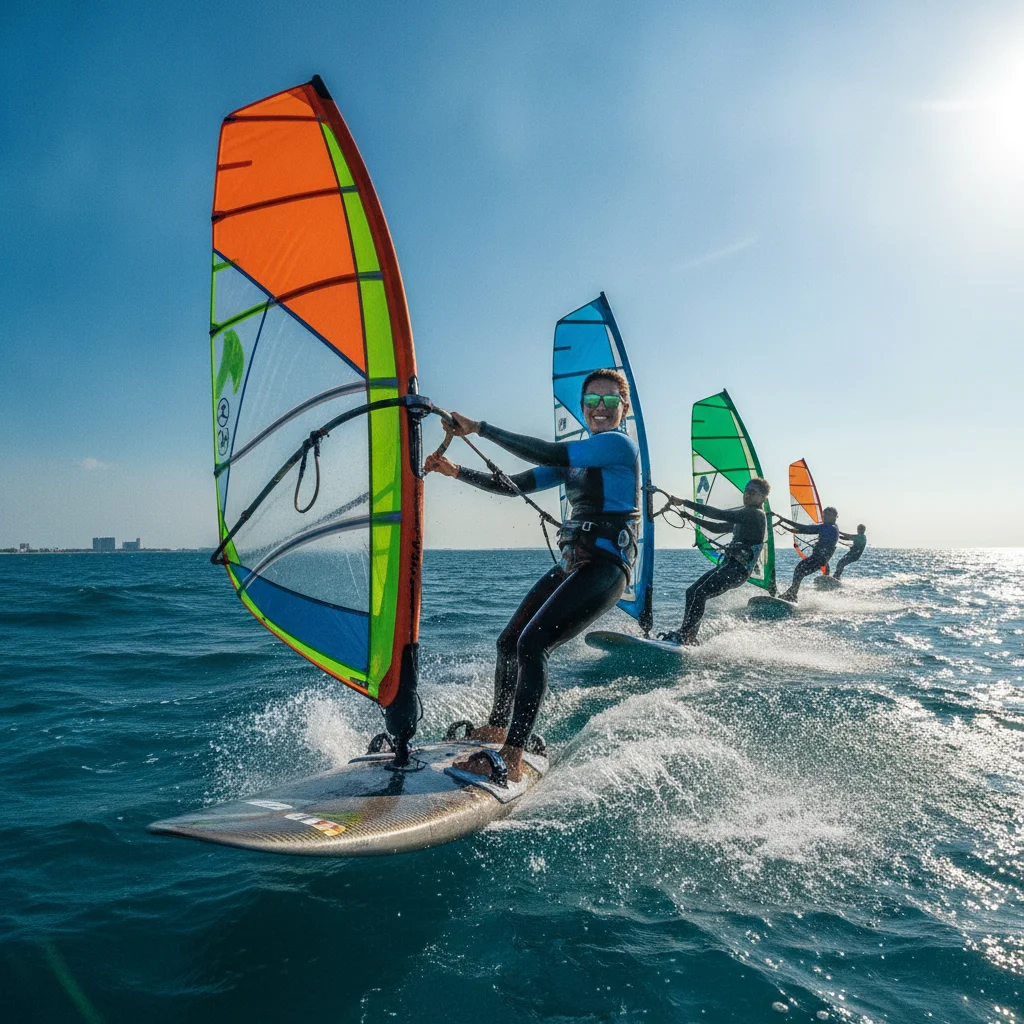
Jomtien Beach benefits from a distinct microclimate that sets it apart from neighbouring Pattaya Bay. Because the beach faces southwest and is not sheltered by a crescent headland, it receives much stronger onshore winds. This makes it a hub for water sports like windsurfing and kitesurfing, but it also means the sea can develop a moderate chop that is absent in more sheltered bays. These winds are a blessing on hot afternoons, acting as natural air conditioning. However, swimmers should be aware of seasonal jellyfish arrivals, usually occurring during the transition between seasons in May and October when currents shift. Paying attention to local warning flags on the beach is a simple way to ensure a safe, pleasant swim.