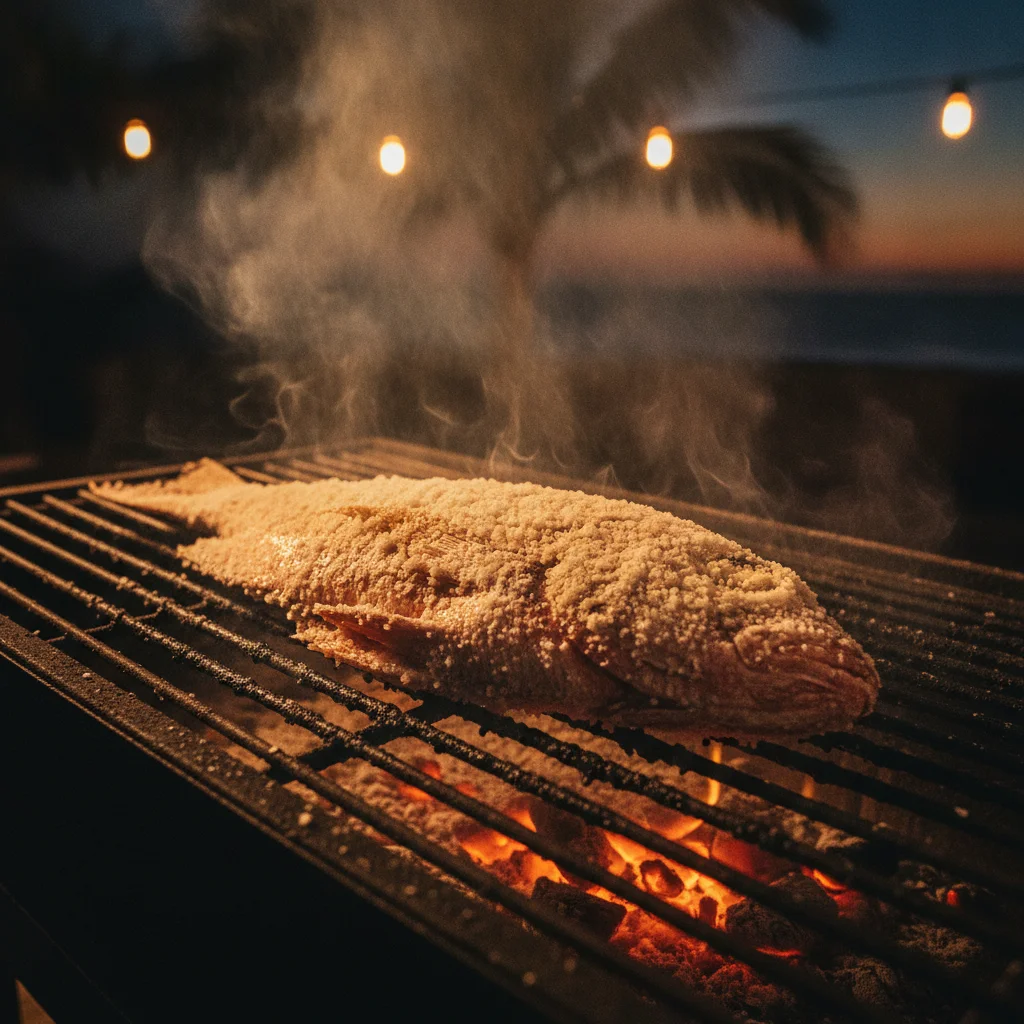
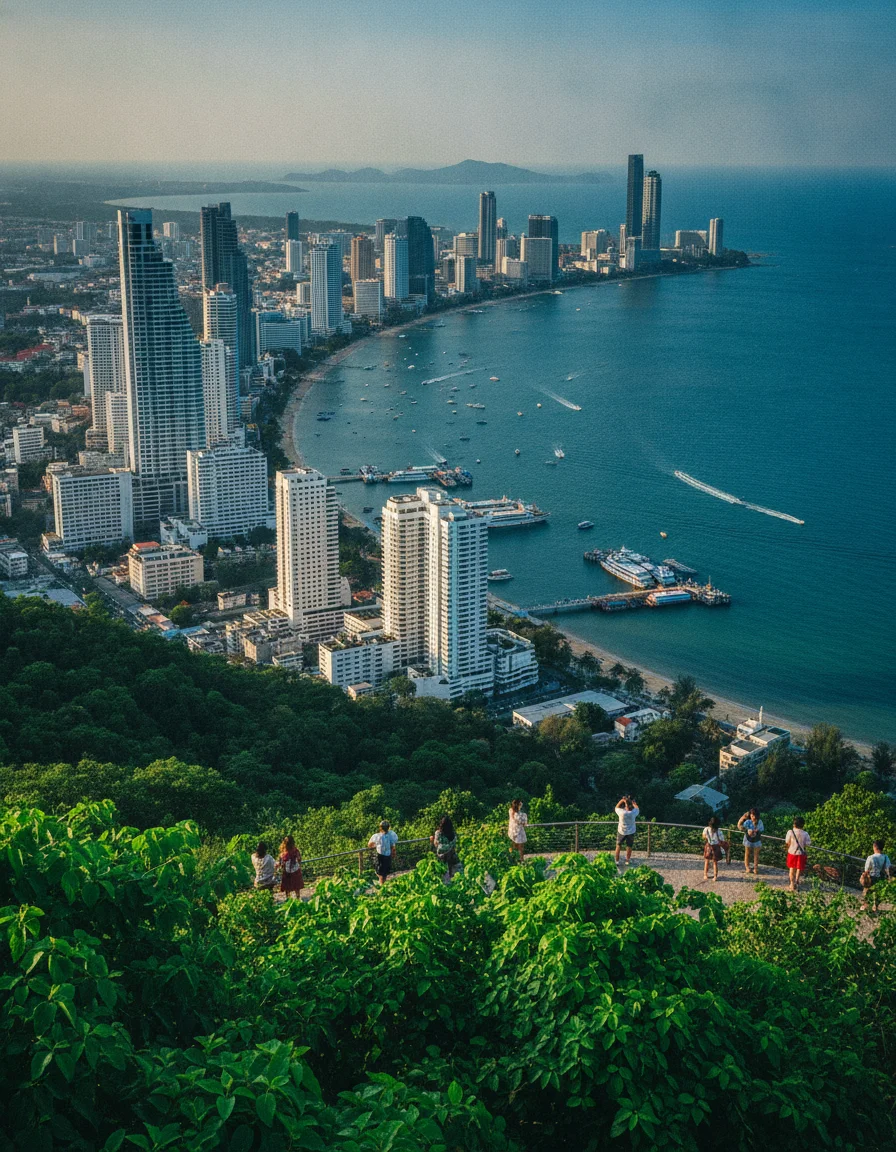
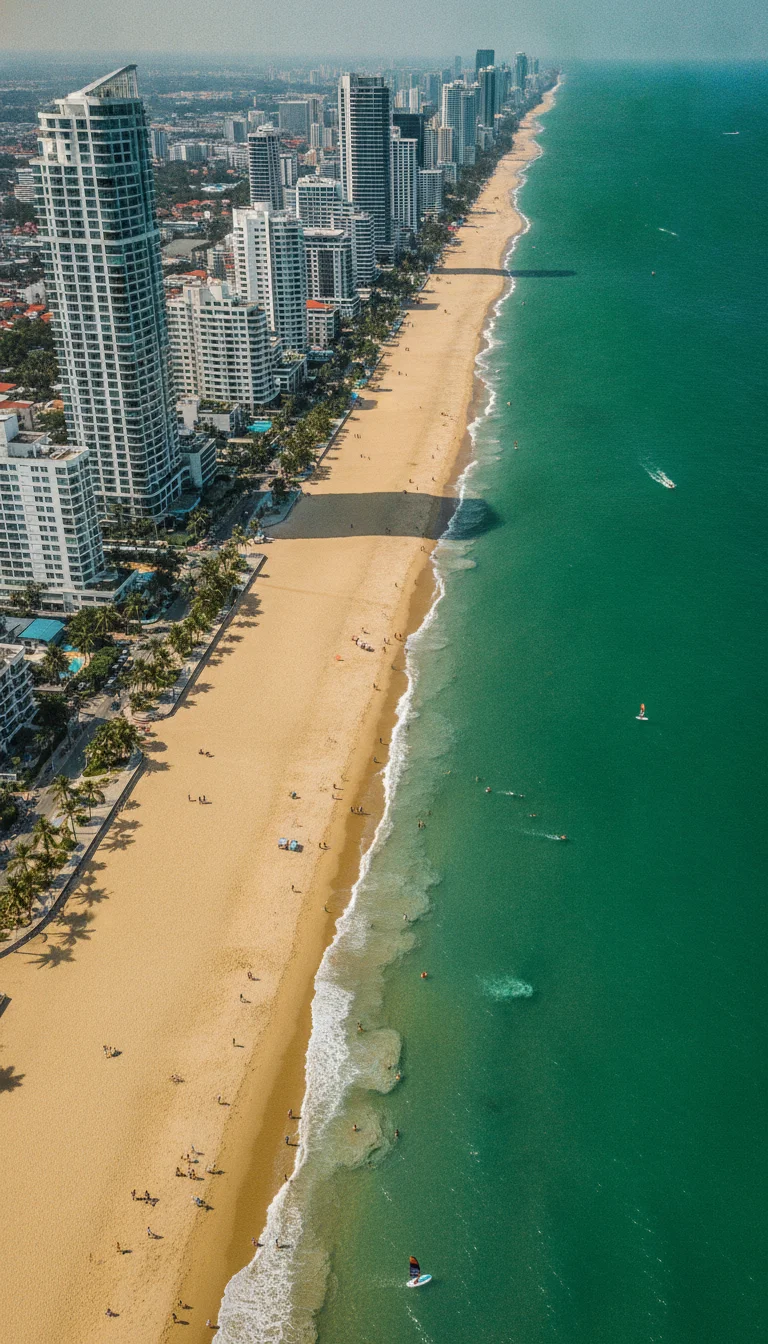
Jomtien’s coastal dining blends local seafood with unexpected expat flavours. A salt-crusted fish at Rompho Market costs 200 THB, offering a taste of this unique culinary mix.
Jomtien Beach - Food Guide
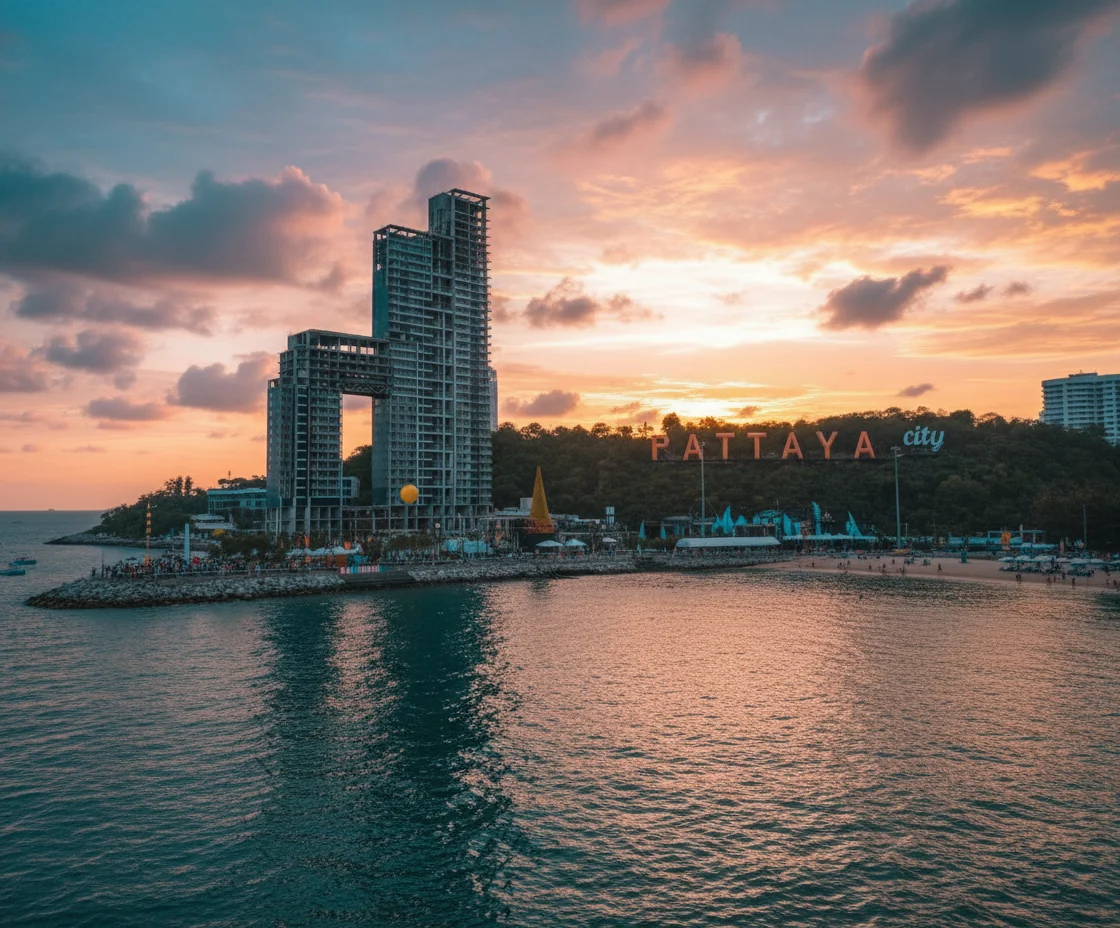
Swept by Gulf breezes just a headland away from Pattaya's neon chaos, this coastal stretch swaps frantic nightlife for a sprawling, sand-dusted dining scene where premium local seafood shares pavement space with Eastern European comfort food.
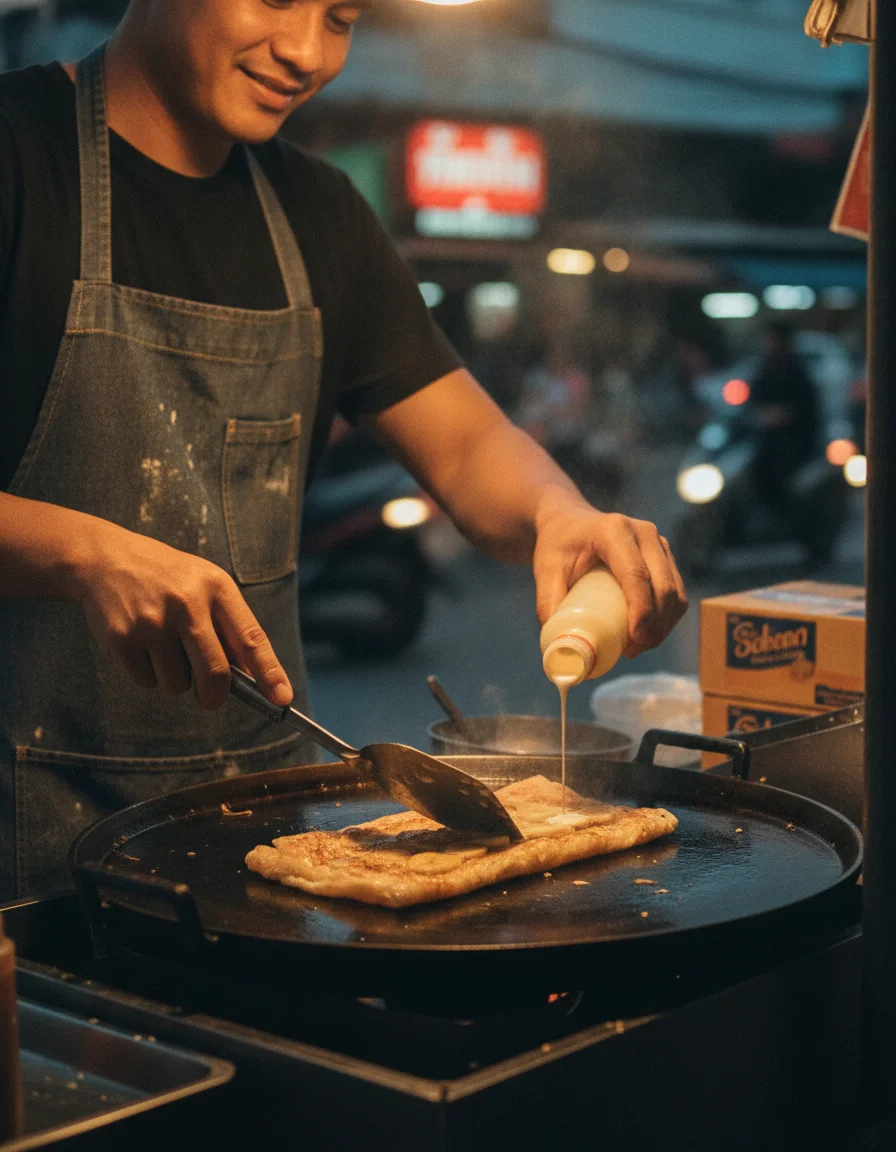
You might pull up a plastic chair for salt-crusted seabream only to find your neighbour tucking into a plate of Siberian pelmeni, a surreal culinary coexistence shaped by decades of loyal expat migration. It is a place where eating with your fingers is actively encouraged, whether you are peeling giant river prawns at a roadside table or tearing into hot roti by the tide.
ESSENTIAL DISHES
Salt-crusted grilled fish, known locally as pla pao, dominates the evening air along the coastal strip. It tastes remarkably clean and moist, the heavy salt crust sealing in the juices of the lemongrass-stuffed red snapper or tilapia while the charcoal imparts a deep, smoky edge. You will find these smoking grills parked outside the bustling Rompho Market on Second Road, where a large fish costs around 200 to 300 THB, roughly five to seven pounds, served with rice noodles and sweet chilli dipping sauces. Then there is the fiery green papaya salad, som tum, but here it is often served beachside with pickled mud crabs, offering an intensely sharp, salty, and sour kick that cuts through the afternoon heat for about 60 THB or one pound forty. For something distinctly local to the expat demographic, seek out Siberian pelmeni. These boiled meat dumplings, served with a dollop of sour cream, are savory, peppery, and provide a comforting break from chilli-induced sweat at small cafes around Soi Welcome for 150 THB. Do not overlook deep-fried shrimp cakes, or thod mun goong, which offer a sweet, bouncy prawn filling encased in a golden, shard-like breadcrumb crust. These are best eaten at the casual open-air pavilions near the quieter south end of the beach, costing around 180 THB. Finally, try the local squid stir-fried with salted egg yolk, a rich, velvety dish that balances savory seafood with a creamy, rich sauce, readily available at beach road eateries for 220 THB.
WHERE TO EAT
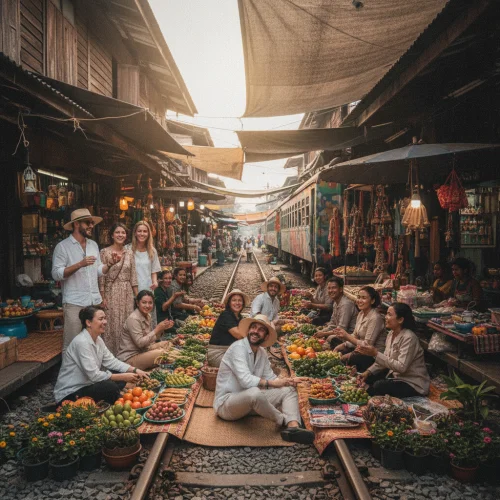
Budget dining thrives at the Jomtien Night Market, located right on Beach Road near Soi 9, where wooden tables sit directly on the pavement. Here, a full meal of pad Thai, spring rolls, and fresh fruit shake will set you back no more than 150 THB, which is less than four pounds. For a more expansive local atmosphere, head back to Rompho Market on Jomtien Second Road. It is a sprawling hub of food stalls flanked by beer bars where you can grab excellent massaman curry or grilled pork skewers for pocket change. For the ultimate mid-range seafood experience, make the trip south to the Na Jomtien area, home to legendary beachfront establishments like Pupen Seafood. It is massive, chaotic, and brilliant, with plates of stir-fried crab in yellow curry powder costing around 350 THB. For a secret escape that tourists rarely spot, wander down Soi Wat Boon Kanchana during lunchtime. Tucked away from the breeze, small family-run shacks serve rich, dark boat noodles with tender pork for just 50 THB, catering to resident expats and motorcycle taxi drivers.
STREET FOOD GUIDE
Look out for the mobile motorcycle sidecar carts, known as saleng, parked along the promenade from mid-afternoon onwards. They sell freshly sliced green mango with sweet-salty dipping sauce and charcoal-grilled meatballs. Avoid buying seafood from vendors walking the sand with baskets under the midday sun; instead, wait until dusk when the high-turnover stalls fire up their grills. Go around seven in the evening when the food is freshest and the queues ensure nothing has been sitting around. For an insider etiquette tip that makes a difference, always use the metal spoons provided in the communal condiment caddies rather than your personal chopsticks to scoop out ground chilli or sugar. It keeps the jars hygienic, and the vendors will quietly appreciate your good manners.
Master the local customs of Jomtien Beach with our insider cultural guide. Learn the unwritten social rules, festivals, and traditions of Chonburi.
DRINKS
Cold lager is the default beverage here, with bottles of Singha and Chang dominating every table. A large bottle at a beachside stall costs around 80 to 100 THB, about two pounds twenty. If you want something stronger, do as the locals do and order a flask of SangSom, a sugarcane rum, mixed with soda water and plenty of ice over a long sunset. For a non-alcoholic refresher, look for vendors machete-chopping fresh young coconuts right on the sand for 50 THB. They are wonderfully cold, slightly salty, and far more hydrating than any modern sports drink.
WHAT TO AVOID
Steer clear of the highly westernised beachfront cafes that promise international menus of pizza, burgers, and pad Thai all in one place. These spots usually deliver mediocre versions of both at double the price, often charging up to 400 THB for basic dishes. Instead, walk just one block back to Second Road where the kitchens specialise in one style of cooking and charge half the rate. Also, skip the pre-packaged, pre-sliced fruit platters sold by roaming beach vendors late in the day. Walk over to the market stalls where you can watch them slice a fresh pineapple right in front of you.
COOKING CLASSES & FOOD EXPERIENCES
You can find excellent, small-group cooking classes hosted in residential garden kitchens just off the main beach roads. These typically run for about three to four hours, starting with a guided morning walk through a local fresh market to select ingredients before preparing four classic dishes. A typical class costs around 1200 to 1500 THB, roughly twenty-eight to thirty-five pounds, with groups capped at six people. It is highly worth doing here because Jomtien markets have a fantastic variety of fresh seafood that you rarely get to work with in cooking schools located in northern provinces.
SEAFOOD DINING AT THE WATER'S EDGE
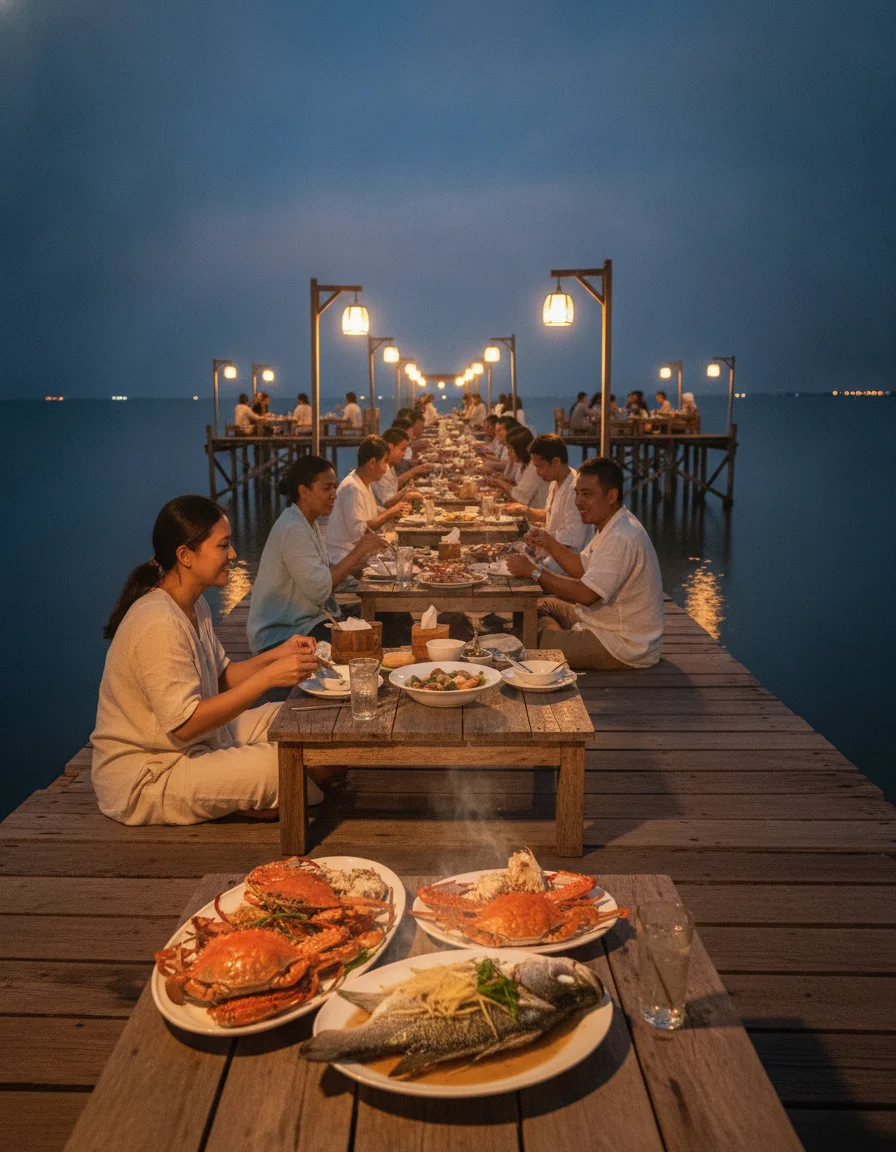
The southern boundary where Jomtien blends into Na Jomtien represents the culinary heart of the local seafood scene. Here, massive open-air restaurants stretch right out over the water, built on sturdy wooden pilings that creak gently with the tide. This is not fine dining; it is a loud, joyous, hands-on affair where families gather around vast tables laden with steamed blue swimmer crabs, spicy sour Tom Yum soup bubbling in aluminium hot pots, and deep-fried sea bass with fish sauce. Ordering is done by weight, and a feast for four people, including drinks, usually totals around 1500 to 2000 THB, which is about thirty-five to forty-six pounds. It is an essential rite of passage for anyone staying in the area, offering a glimpse into the weekend dining rituals of Bangkok residents who drive down specifically for these oceanfront tables.