Thailand has halved its mangrove deforestation rate following the enforcement of stricter conservation laws and community-led tourism initiatives. For British expatriates residing in the country, these environmental policies are reshaping regional travel options. Koh Lanta serves as a primary example. Between 1961 and 1996, the nation lost more than half of its mangrove forests to commercial logging and coastal development. Recent legislative changes have reversed this trend.
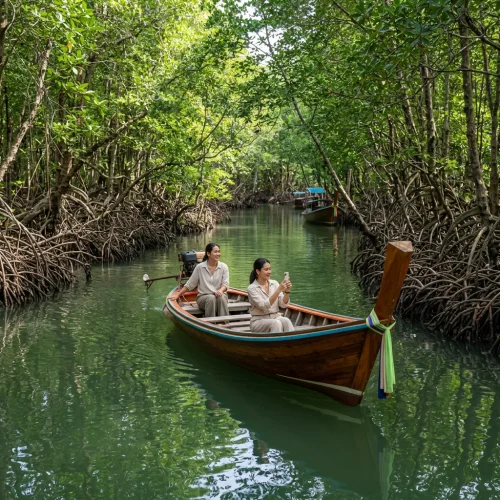
Community Tourism on Koh Lanta
In Tung Yee Peng village, residents transitioned from the charcoal industry to ecological management. Logging operations were banned in 1989. Consequently, the community established a tourism enterprise to generate income while protecting a 775-acre coastal forest. Expats visiting the area can observe this restored aquatic ecosystem via traditional Pok Chun paddle boats. These wooden vessels originally transported timber. Today, they provide low-impact transport. This quiet approach allows passengers to observe resident wildlife, including macaques, monitor lizards, and kingfishers, without causing ecological disturbance.
Environmental and Economic Impact
Mangroves sequester significant volumes of carbon and provide essential coastal defence against tidal erosion. The Tung Yee Peng project demonstrates how ecological conservation directly supports local employment. The cooperative fund currently supports 150 families. Revenue from guided tours sustains rural jobs in hospitality and maritime transport. This financial stability prevents rural depopulation. It allows younger generations to remain in their home province rather than seeking city work.
Practical Details for Residents
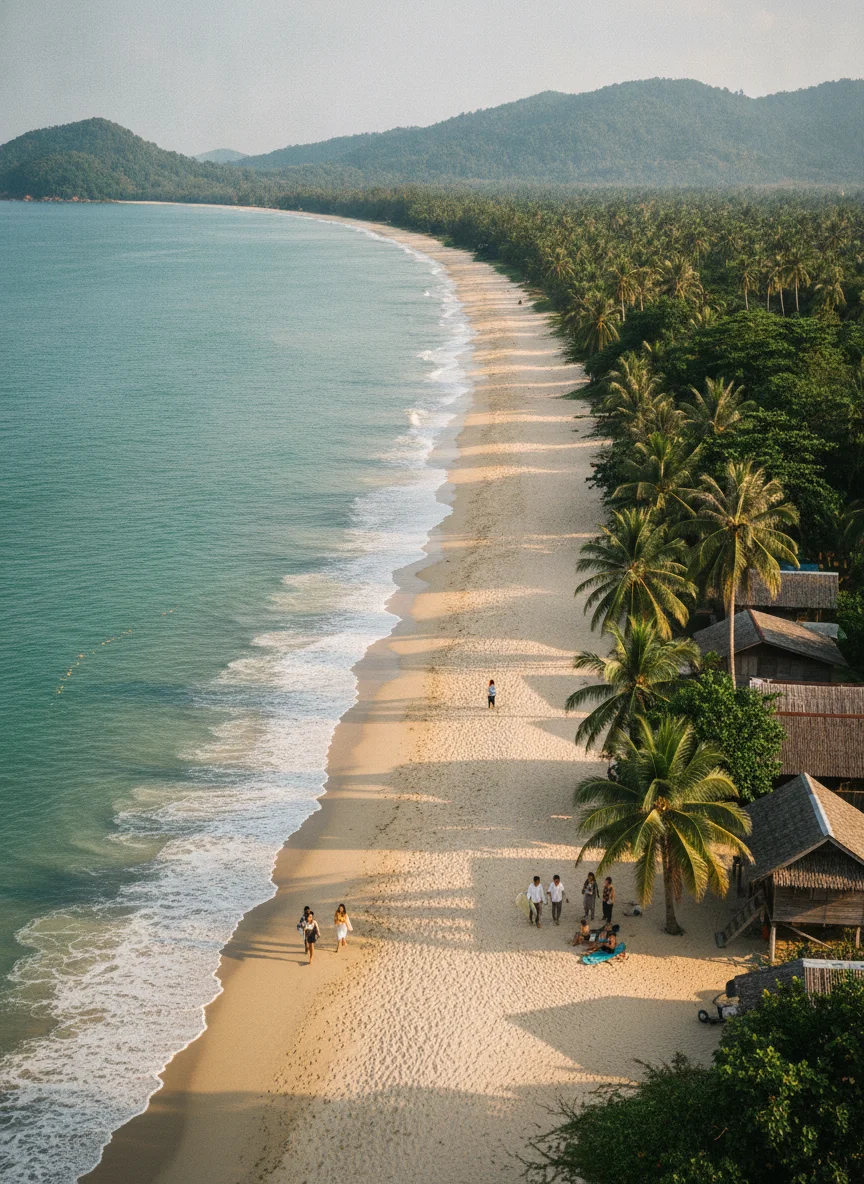
The Koh Lanta region offers accessible weekend travel options for British nationals based in Thailand. Sunrise and sunset gondola tours operate daily. Prices start at THB 1,400. This standard rate covers your local guide and return vehicle transfers. Visitors can easily arrange these boat trips directly through the community enterprise or via nearby accommodation providers. Large hotels process these reservations without commission fees. This ensures all tourism revenue remains strictly local.