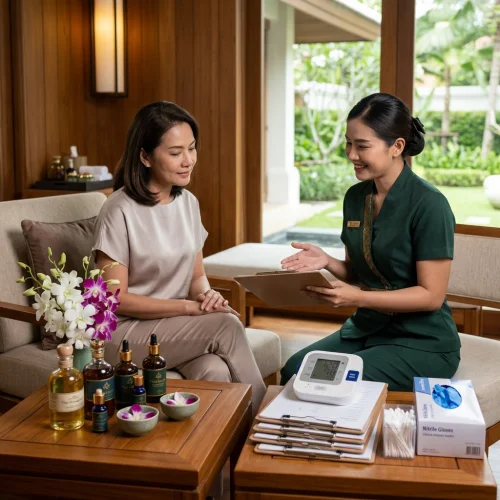
The Thai government has instructed wellness operators to back their treatments with clinical data to justify charging higher prices. Medical evidence must now replace customer satisfaction. This policy shift will directly affect British expatriates who rely on local health, rehabilitation, and therapeutic services across the country. Treatment costs will inevitably rise. Ministers want to transition the national industry away from low-margin relaxation services toward premium, scientifically validated therapies. Traditional practices face new scrutiny. Herbal remedies and movement arts are being prepared for clinical trials to treat conditions such as elderly mobility issues. Expats seeking basic relaxation may find fewer budget options. Clinics that invest in peer-reviewed research will pass these development costs directly to the consumer.
Impact on Expat Businesses
The directive alters the landscape for UK nationals running wellness or health technology enterprises in Thailand. State funding models are changing. The National Innovation Agency will now allocate financial support based strictly on measurable health outcomes rather than basic business proposals. Entrepreneurs must prove their methods work. Whether developing automated meditation devices or nutritional plans, foreign business owners must secure laboratory analysis to remain competitive. Those lacking hard data will face a permanent ceiling on their pricing structures. Small operators need not compete with major hospitals. Instead, businesses that successfully validate their treatments can sell licences to multinational healthcare corporations operating within the region. This provides a clear route to profitability.
New Testing Regulations
To facilitate clinical testing, a new regulatory framework launches on 29 May. This initiative connects private enterprises directly with the Food and Drug Administration alongside numerous state hospitals. Testing protocols will be rigorous. British innovators can use these state resources to trial new technologies before taking them to the international market. An innovation expo in Bangkok this June will connect local startups with foreign investors. The message from officials is absolute. Hospitality alone is no longer enough to sustain business growth in the modern Thai wellness sector.