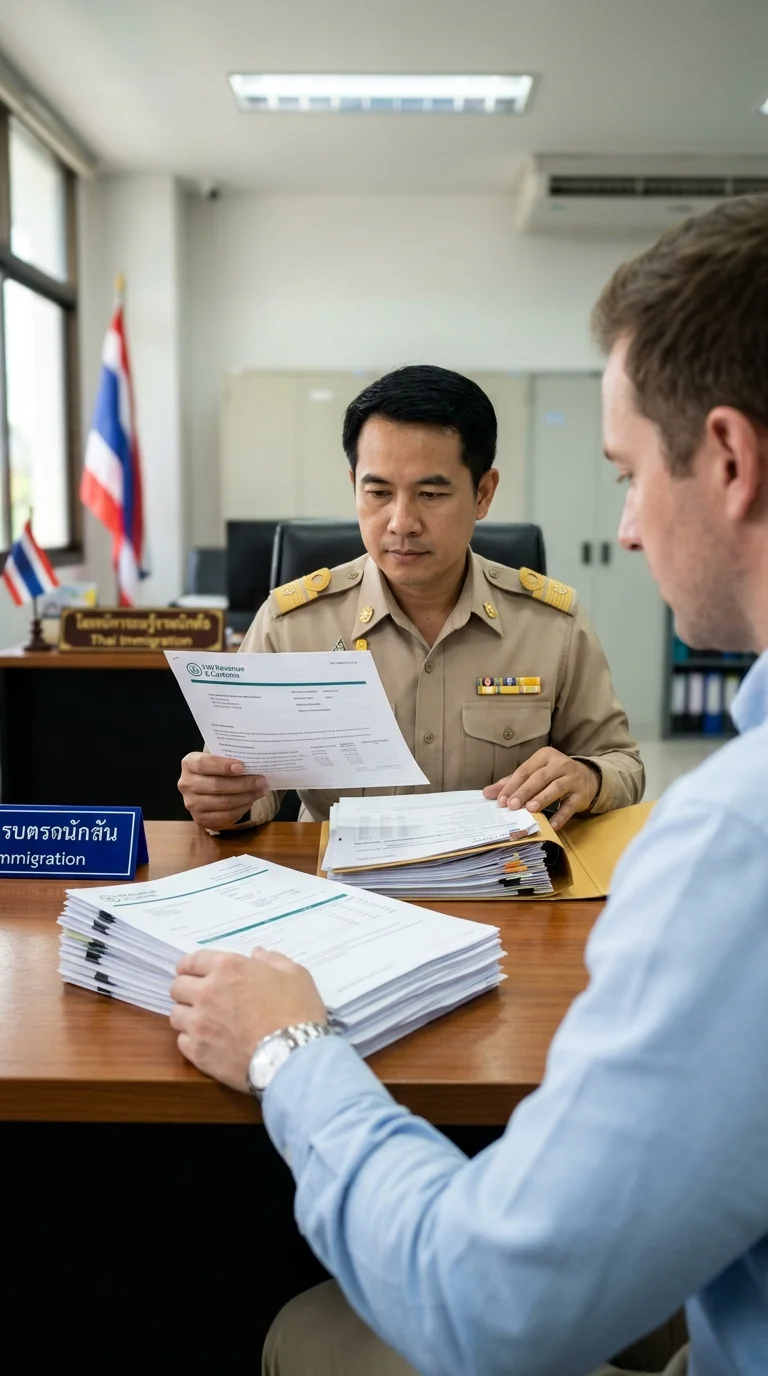
The Thai government will prosecute employers who submit forged medical certificates to register migrant workers. British expatriates employing foreign nationals as domestic staff, nannies, or private contractors are legally liable under this strict directive. Authorities recently discovered that several unlicensed clinics are operating illegally across the country, issuing fraudulent health documents to bypass the official registration process. Ignorance of a document's origin is not an accepted legal defence in Thailand. Consequently, expatriate employers who rely on third-party visa agencies or independent brokers to handle their staff's paperwork must verify the source of all medical clearances to avoid criminal charges.

Mandatory Health Screening
Thai employment law requires all migrant workers to undergo specific disease screenings before they can legally work. These medical examinations must occur at state hospitals or approved private facilities. Currently, only 63 private clinics hold the necessary government authorisation and connect directly to the state's online verification system. Any certificate obtained outside this verified network is automatically invalid. Government officials have established a dedicated complaints centre and are conducting targeted, nationwide inspections of suspected illegal clinics to halt the distribution of forged paperwork.
Verifying Clinic Authorisation
Expatriate employers are fully responsible for ensuring their workers' documents are legitimate. To confirm clinic authorisation, British nationals should consult their local provincial employment office. Alternatively, the Office of Foreign Workers Administration maintains an accessible public registry detailing all compliant medical facilities across the country. Employers must check this registry before booking any medical tests. Using an unverified clinic wastes money and places the employer in direct violation of Thai labour regulations. A criminal conviction for submitting false documents could result in heavy financial penalties, a permanent ban on hiring foreign staff, or the immediate revocation of the expatriate employer's own residency visa.