Weekend domestic tourism shapes the rhythm of life on this stretch of the Gulf.
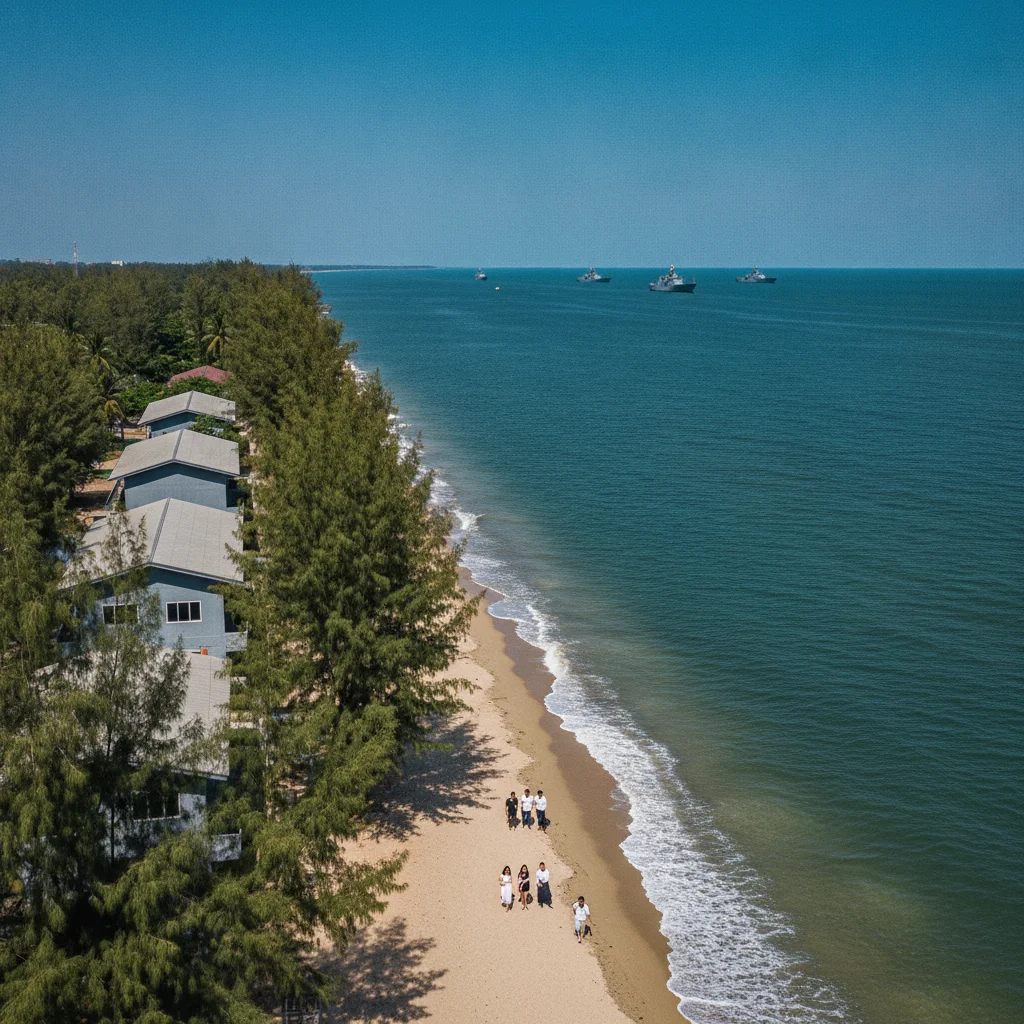
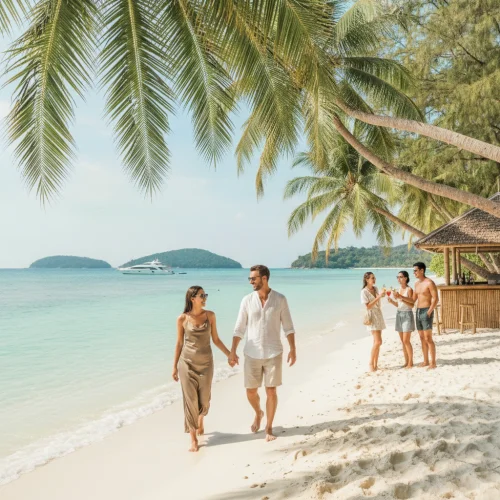
It is a coastal town catering almost entirely to Thai families escaping Bangkok rather than sunburned backpackers. While travel brochures push images of solitary palm-fringed shores, the real charm here lies in the joyful, chaotic art of the Sunday beach picnic under the casuarina trees.
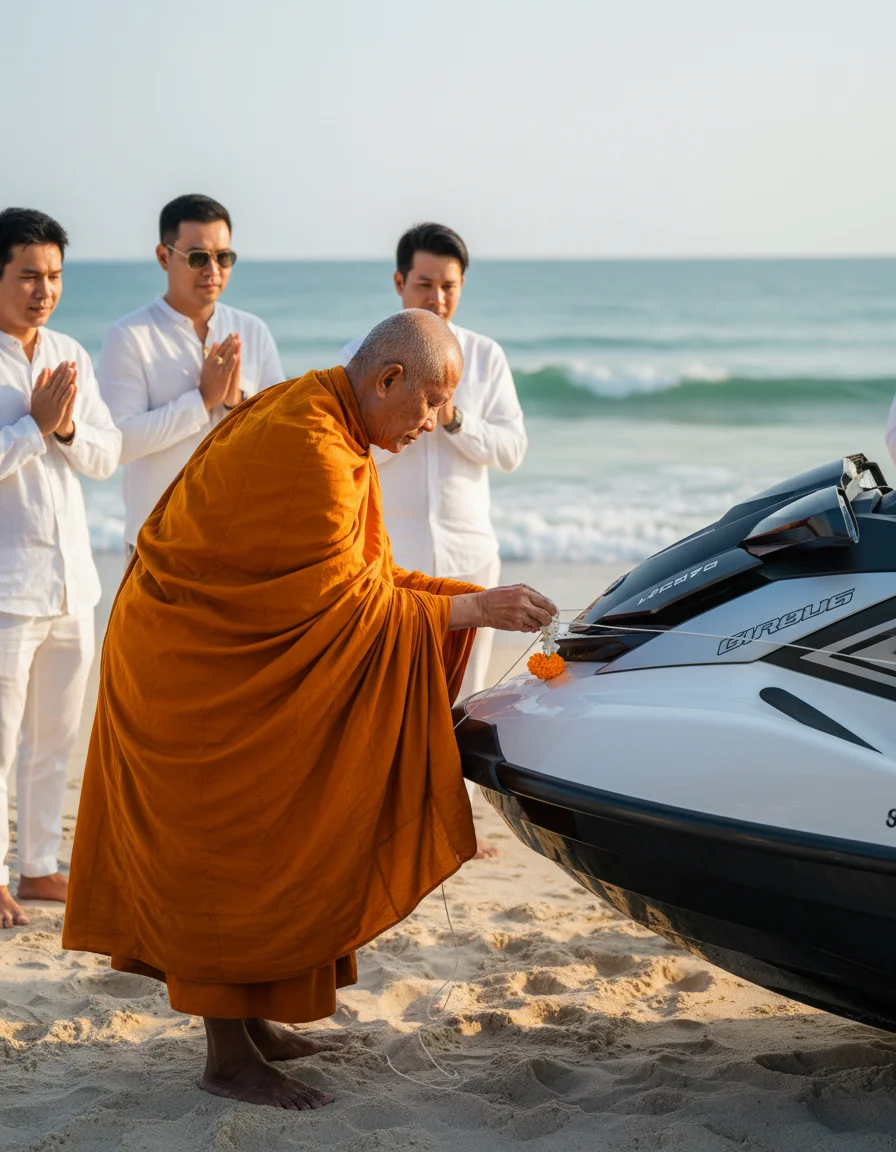
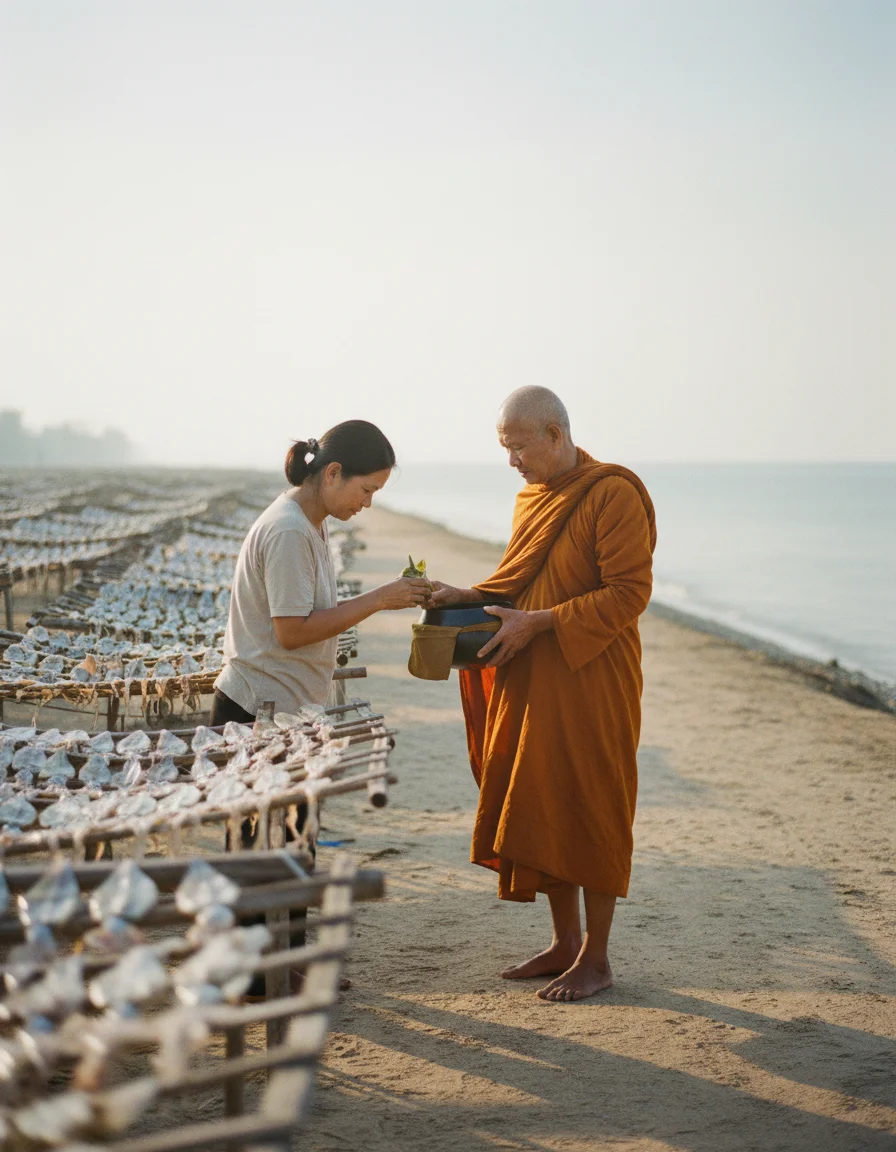
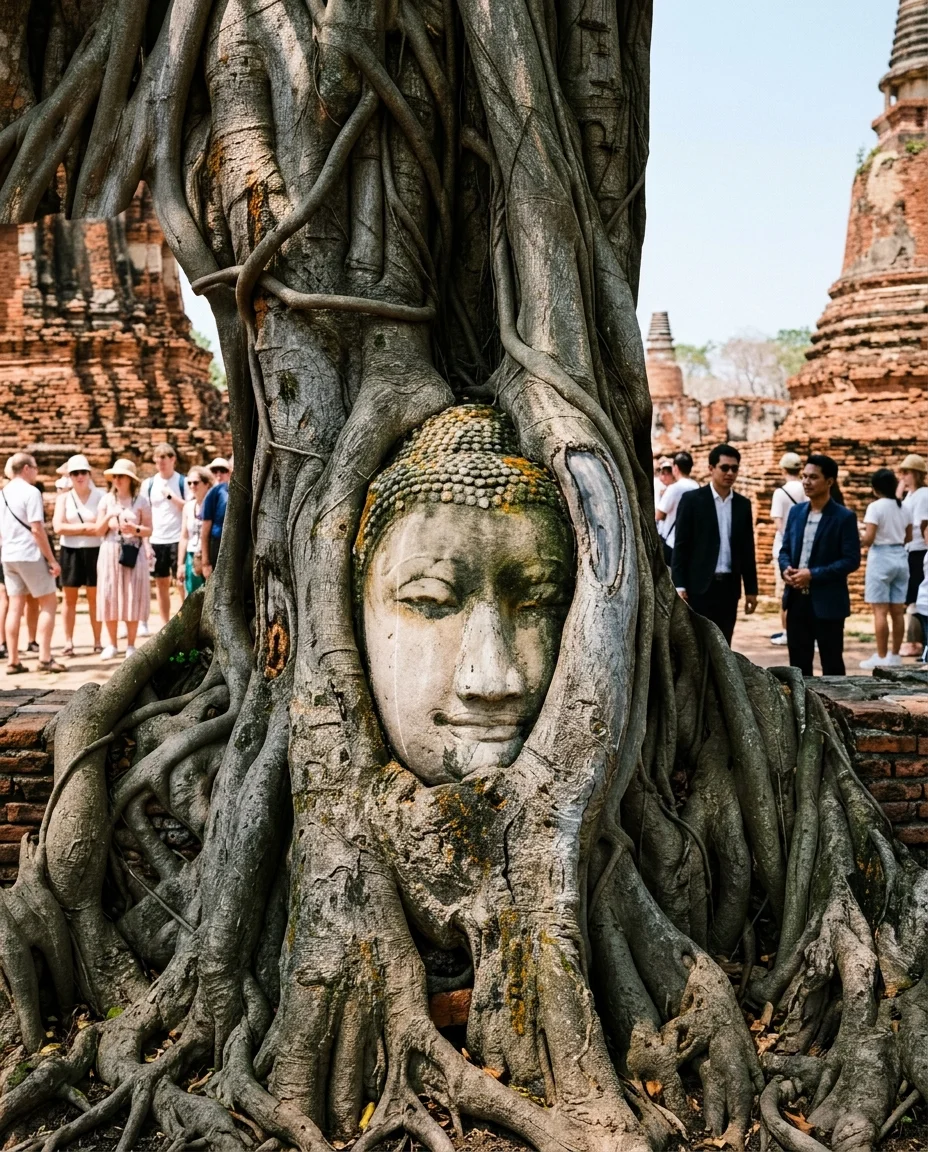
Faith on this coastline is inextricably tied to the tides. Before the fishing fleets head out into the dark Gulf waters, crews light incense and press gold leaf onto the prows of their wooden vessels to appease Mae Yanang, the goddess of journeys. It is a maritime ritual many visitors completely overlook. Inland, monks in saffron robes collect morning alms past seafood drying racks instead of city pavements. Visit Wat Neranchararama, completely free to enter though a 50 THB (about 1.15 GBP) donation is polite, to see the striking white six-armed Buddha. Wat Cha-am features a cave shrine reached by a steep staircase, requiring a 20 THB (0.45 GBP) contribution. A quirk catching foreigners off guard is the blessing of newly purchased jet skis. Monks solemnly anoint the fiberglass hulls with sacred thread to ensure safe riding.
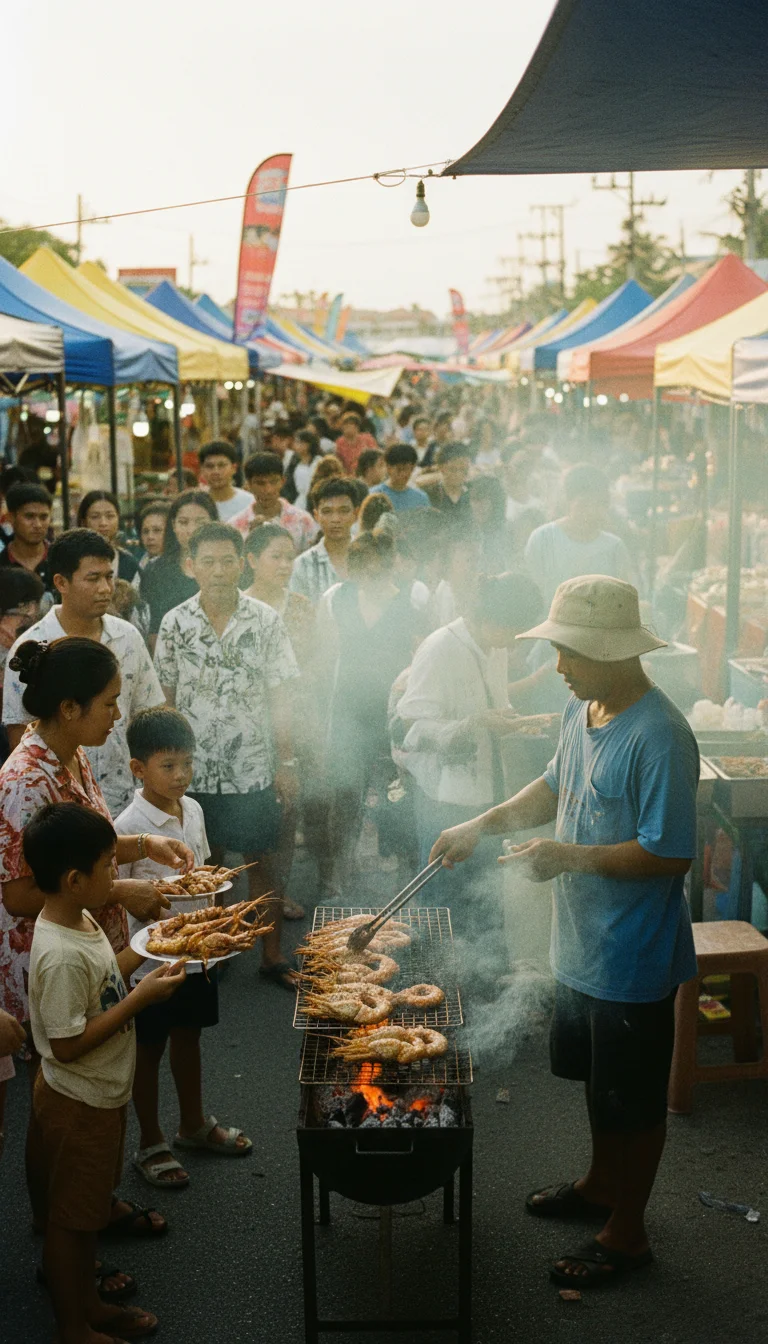
The changing winds of March bring the International Kite Festival to the beaches. Unlike the polite displays you might expect, this is a fiercely competitive aerial battlefield where locals fly enormous traditional kites designed to snag their rivals. The sheer noise of the wind whipping through the tensioned strings is something documentaries never capture. September shifts the focus to the eating-centric Seafood Festival. Expect the main beach road to become entirely impassable as hundreds of vendors set up charcoal grills directly on the pavement. If visiting during this week, abandon any plans of driving and simply walk. Songkran in April takes on a distinctly family-oriented flavour here compared to the hedonism of nearby resort towns. The water throwing is enthusiastic but polite, largely consisting of Bangkok teenagers in pickup trucks asking permission before dousing you with ice water. The practical impact is absolute gridlock on Phetkasem Road. You should plan to stay put and join the roadside splashing rather than attempting intercity travel.
TRADITIONS & CUSTOMS
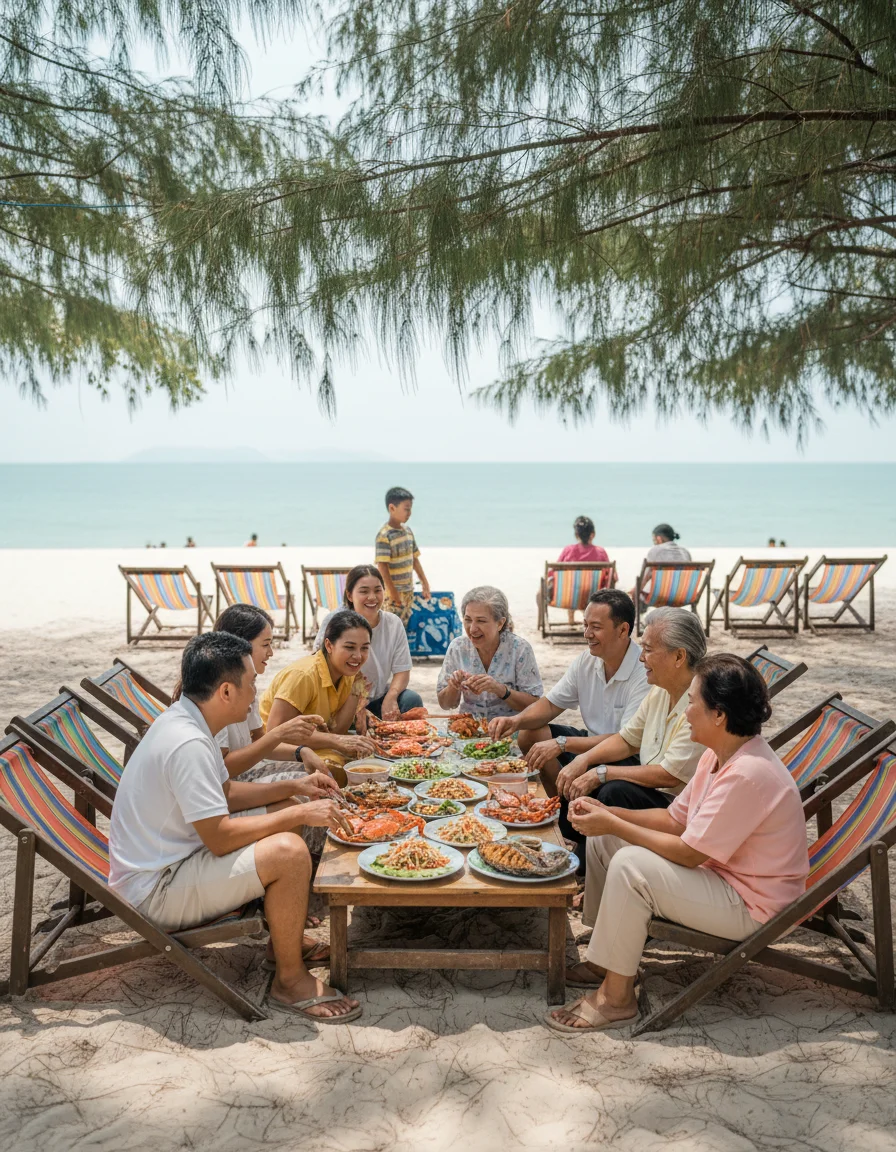
Beach life operates on a strictly Thai set of social codes. The great local custom is the elaborate multi-generational picnic, where families rent clusters of canvas deckchairs and spend the day eating and chatting under the pine trees. Swimming is almost an afterthought. When locals do enter the water, they typically wear shorts and t-shirts to maintain modesty. The most common mistake Westerners make is treating the beach like a Mediterranean resort, stripping down to skimpy swimwear and baking in the midday heat, which locals view with polite bewilderment. When eating at the seafood stalls, it is perfectly acceptable to bring your own bottle of imported whisky. You simply purchase your ice and soda water from the vendor. Social hierarchy dictates that the youngest at the table pours the drinks, keeping everyone's glass topped up.
The artisanal heritage of this coastal stretch revolves around the sea, specifically the intricate working of discarded shells and the weaving of durable bamboo fish traps. You can find authentic, hand-carved shell mobiles and heavy-duty woven baskets at the Wednesday night market near the railway station. Expect to pay around 300 THB (7 GBP) for a genuine local piece. Be cautious when browsing the permanent souvenir shops along the beachfront promenade. Many of the perfectly uniform shell lamps and polished coral ornaments are factory-made imports from China rather than local handiwork. Look for slight irregularities to guarantee authenticity when spending your money.
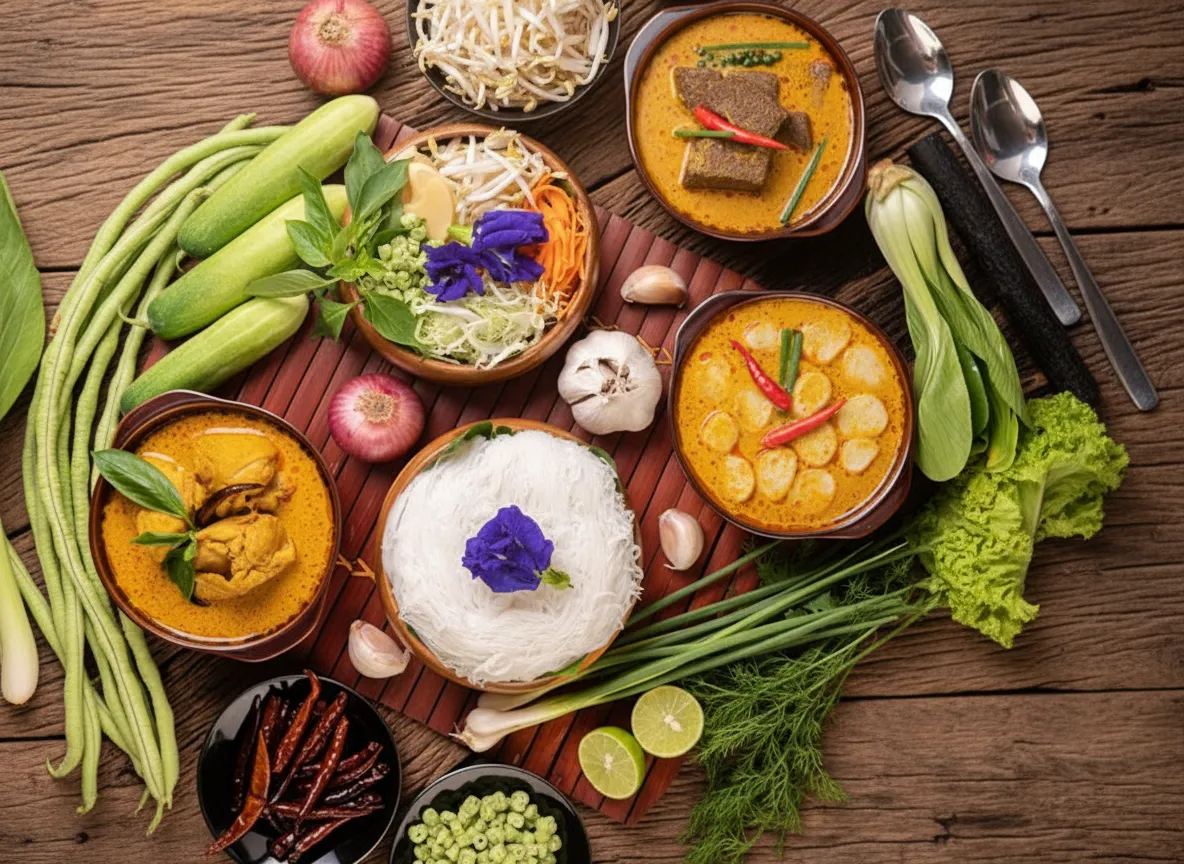
Cracking open blue swimmer crabs is the ultimate communal bonding exercise. Dining here is never a solitary pursuit. Families gather around low wooden tables on the sand, sharing massive platters of steamed crab, whole fried seabass, and fiery green papaya salad. The act of patiently extracting the sweet meat from the shells slows down the meal, forcing conversation and laughter over sticky fingers. To eat alone is considered genuinely sad by the local vendors. Food is the absolute focal point of any gathering, serving as the social glue that bridges generational divides during long weekend retreats from the city.
LANGUAGE & COMMUNICATION
Mastering a few words elevates you from tourist to welcome guest. Skip the standard greetings and learn to ask "Kin khao ruyang?" which translates to "Have you eaten yet?" This is the true local way of asking how you are. Locals here tend to speak with a slightly slower, more drawn-out intonation than frantic Bangkokians. A basic introductory Thai language course at a local tutoring centre costs around 4,000 THB (90 GBP) for ten hours.
Always return a wai greeting if offered by someone of similar or younger age, but simply smile and nod to children. Never step over food or dining mats laid out on the sand, as feet are considered the lowest part of the body and pointing them at someone's lunch causes immediate offence. Do not drag your sandy beach towel into local cafes. Unlike islands further south, this is a working Thai town where beach attire belongs strictly on the sand. Always ensure your shoulders are covered when walking from the beach to your hotel lobby.