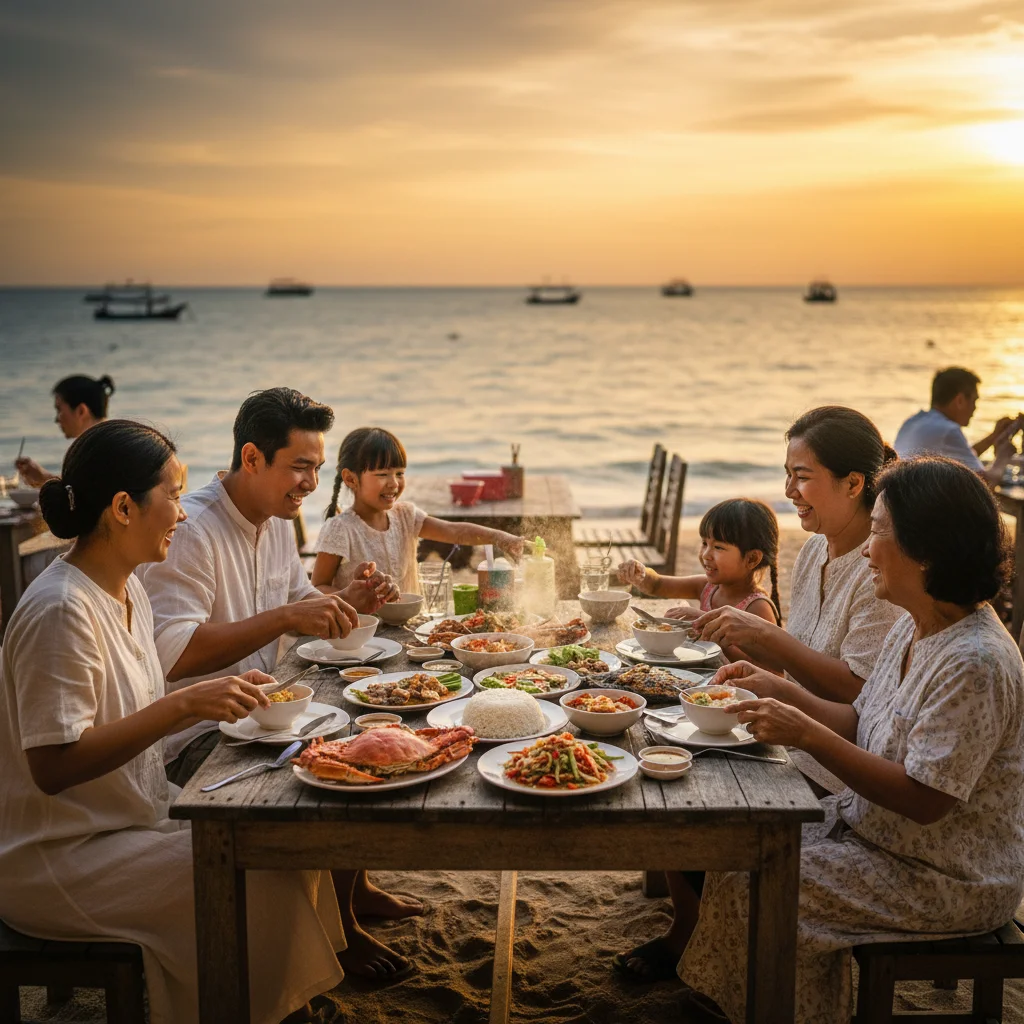
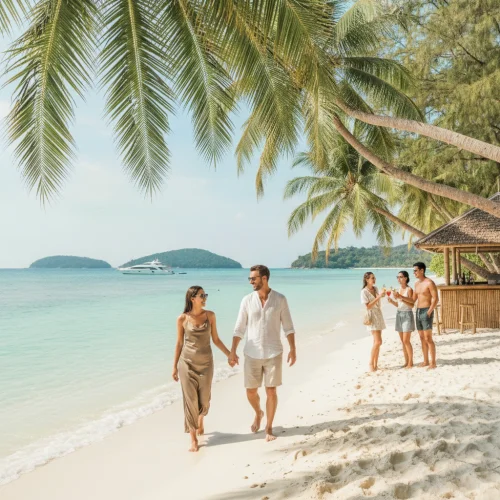
Finding a beach destination within a three-hour drive of Bangkok that hasn't surrendered completely to international mass tourism is rare, but this coastal retreat remains a firm favourite for Thai weekenders seeking phenomenal crab feasts for under 400 THB (£8.80).
The logistical reality most guides skip is that you will need to rely heavily on the local minivan network rather than large tourist coaches to get here, which actually makes the journey far more authentic. It is the perfect antidote to the chaotic party islands down south.
Flying from the UK means landing at Bangkok Suvarnabhumi, usually a direct 11-hour flight with British Airways or Thai Airways costing around 31,800 THB (£700) depending on the season. From there, you have three distinct choices to reach the coast. The cheapest route is the Roong Reuang Coach departing directly from the airport, taking about three and a half hours and costing roughly 300 THB (£6.60). Just be aware that these buses drop you on the main Phetkasem Road, not at the beach, meaning you need a secondary ride. Alternatively, taking a minivan from Bangkok's Southern Bus Terminal takes under three hours for 160 THB (£3.50), though legroom is virtually non-existent. If you want comfort, booking a private taxi through a service like Hua Hin Cab takes two and a half hours and costs 2,000 THB (£44). Always pre-book the private car, as hailing a meter taxi at the airport for this distance will result in a heavy surcharge.
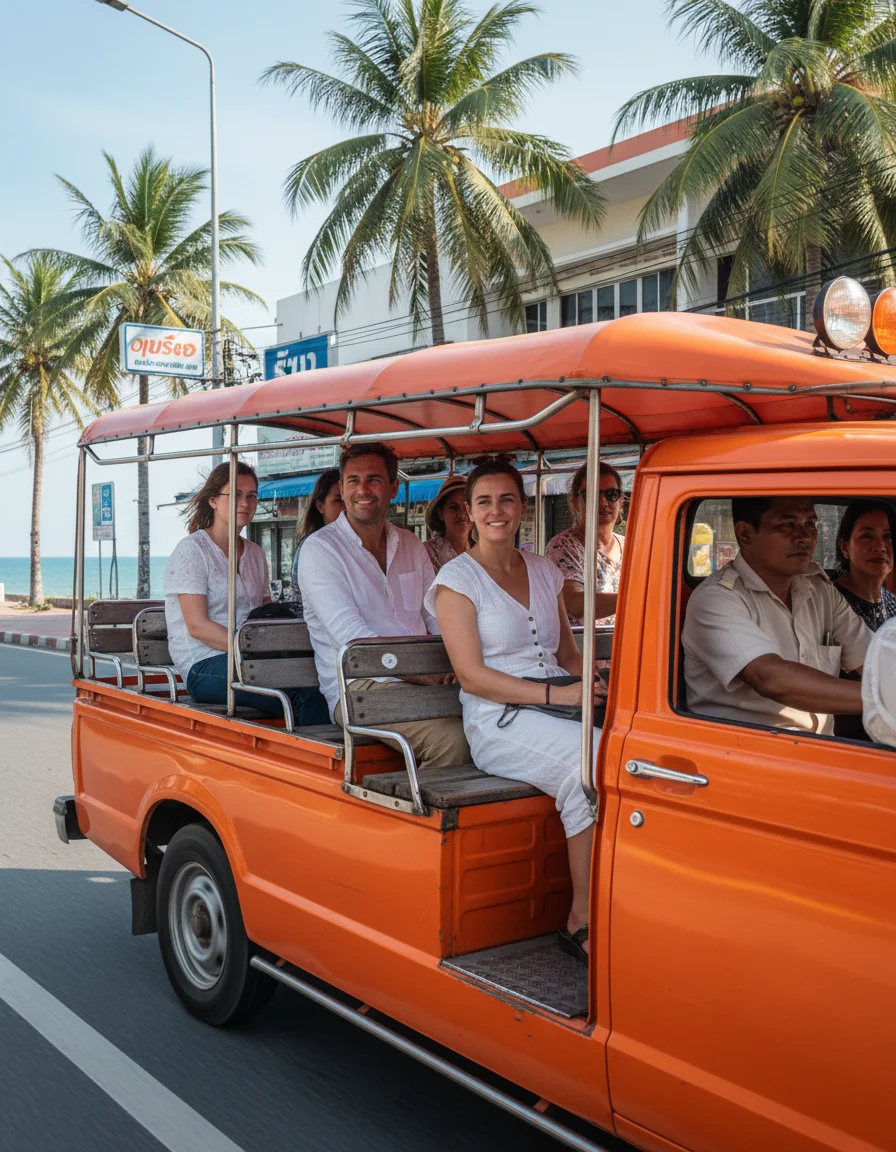
Moving around locally requires a slight mindset shift from places like Phuket. There are no traditional metered taxis patrolling the beachfront. Instead, you will rely on the ubiquitous orange motorcycle taxis clustered at road intersections, which charge a flat 40 THB (£0.90) for short hops around the central beach area. They are brilliant for quick trips but terrible if you have luggage. For longer journeys, songthaews—modified pickup trucks with bench seating—run up and down the main beach road. You simply flag them down and pay 30 THB (£0.65) when you jump off. Apps like Grab and Bolt do function here, but driver availability drops off a cliff after 9 PM. A typical ten-minute Grab ride from the beach to the railway station costs about 120 THB (£2.65). The main overcharge trap to watch for involves the unmarked tuk-tuks waiting near the large resort hotels. They will often quote 250 THB (£5.50) for a journey that should cost a fraction of that. Always counter-offer half their initial price with a smile, or simply open your Bolt app to show them the going rate. Renting a scooter costs 250 THB (£5.50) per day from shops along Narathip Road, which is arguably the best way to explore if you possess an International Driving Permit and proper insurance.
GETTING OUT
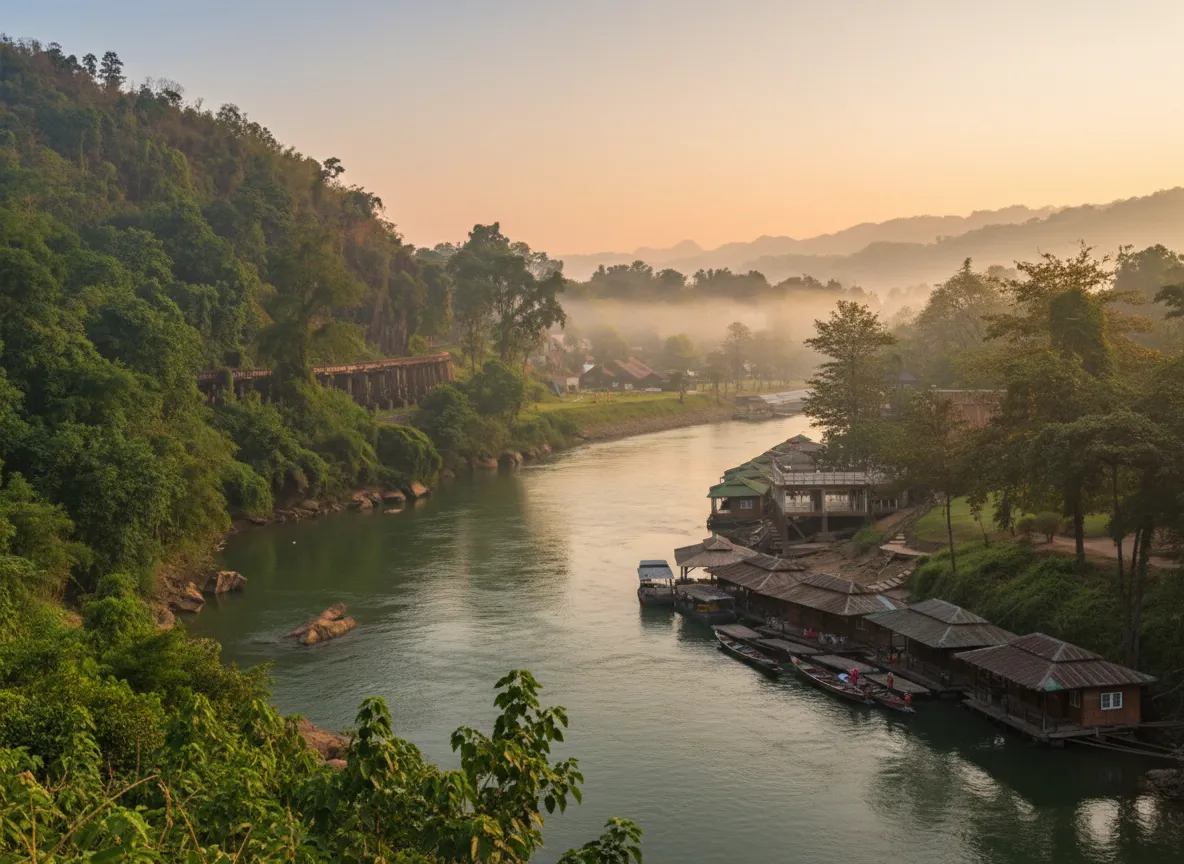
The obvious onward journey is to Hua Hin, located just thirty minutes south. You can catch the orange local bus that trundles along Phetkasem Road every thirty minutes for an absolute bargain 30 THB (£0.65), though it lacks air conditioning. For a brilliant day trip, head inland to Kaeng Krachan National Park. Since public transport there is virtually non-existent, you will need to hire a private driver for the day. This typically costs around 1,500 THB (£33) for a six-hour excursion. The hour-long drive takes you into dense jungle territory, offering a brilliant contrast to the coastal flats.
You will arrive via Bangkok Suvarnabhumi Airport (BKK) or Don Mueang International Airport (DMK). Suvarnabhumi handles the major international carriers like Eva Air and Thai Airways. To save money, ignore the airport taxi touts at arrivals entirely. Instead, walk straight to the Roong Reuang Coach counter near Gate 8 on Level 1 to buy your 300 THB (£6.60) bus ticket south, easily saving you a 45-minute wait in the public taxi queue.
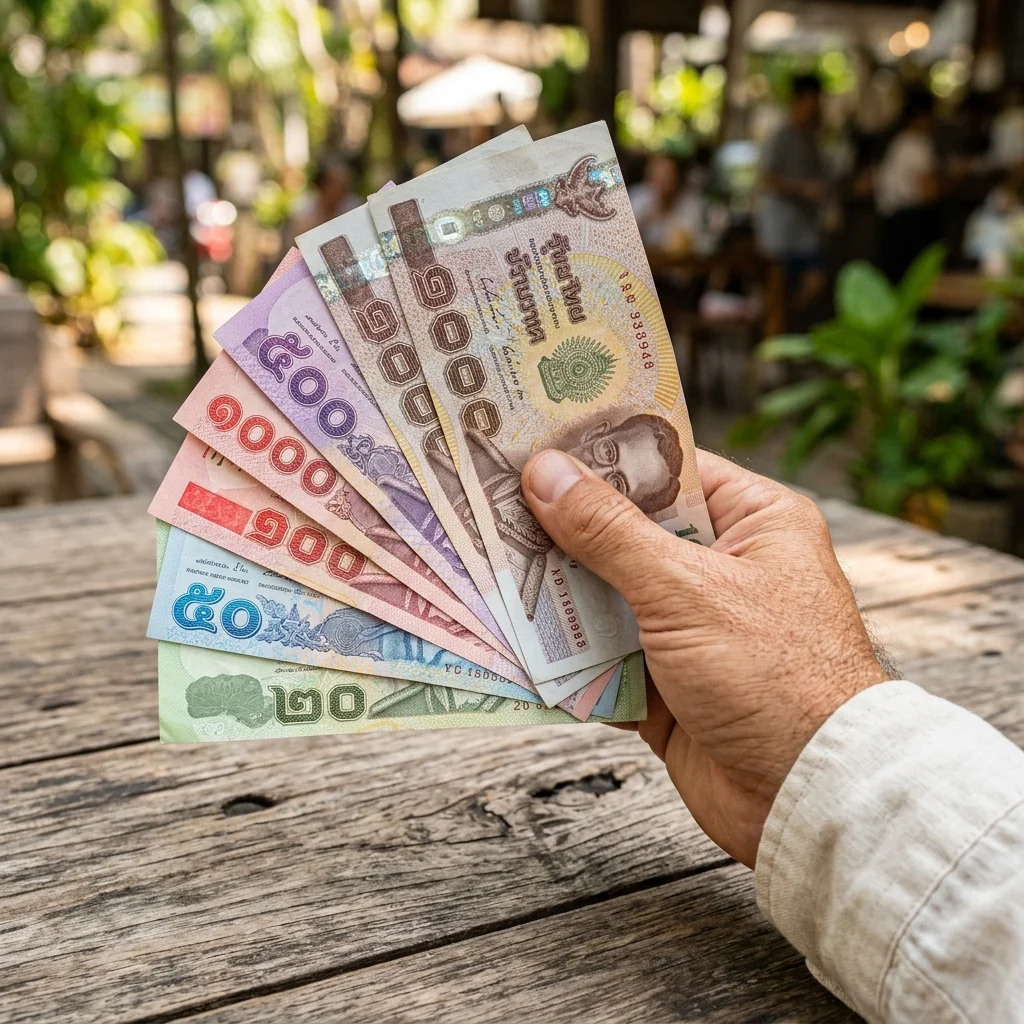
Your daily budget stretches remarkably far here compared to the southern islands. A backpacker can easily survive on 1,135 THB (£25) a day, a mid-range traveller will live incredibly well for 2,950 THB (£65), while 6,800 THB (£150) unlocks top-tier luxury resorts and endless seafood feasts. ATMs are scattered thickly along the beach road, usually charging a standard 220 THB (£4.85) withdrawal fee. Card acceptance is limited to large hotels and supermarkets; local crab shacks operate strictly in cash. To dodge the hefty ATM fees, bring crisp Bank of England notes and exchange them at the Superrich booth in Bangkok before heading south.
CONNECTIVITY
Staying connected is cheap, with a 30-day unlimited data TrueMove SIM card costing roughly 899 THB (£19.80). TrueMove offers the most reliable 5G coverage along this specific stretch of coastline. Accommodation wifi is generally excellent, pulling speeds fast enough for video calls. The only hyper-local connectivity issue occurs when you venture onto the long, straight stretches of the bypass road heading inland, where the signal frequently drops out completely for ten-minute intervals.
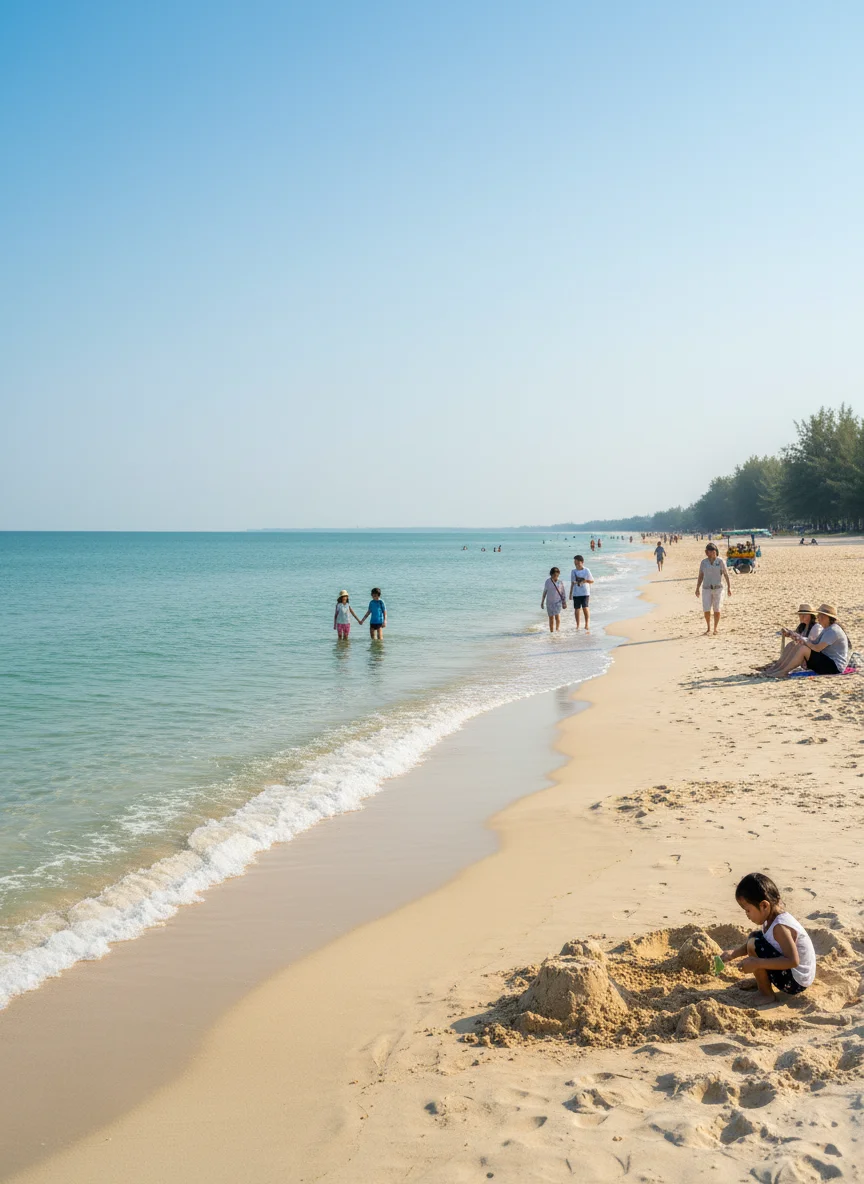
UK passport holders receive a 60-day visa exemption upon arrival at the airport, entirely free of charge. Tipping is not mandatory, but leaving a 50 THB (£1.10) note on the table after a good seafood dinner is highly appreciated by local staff. Plugs are a chaotic mix of flat two-pin and round two-pin sockets delivering 220V, so a universal adapter is essential. In an emergency, dial 1155 for the Tourist Police. One crucial overlooked detail is that the beach here is strictly divided into zones; Wednesday is a designated cleaning day, meaning all sunbeds are removed entirely.