Kui Buri - Prachuap Khiri Khan
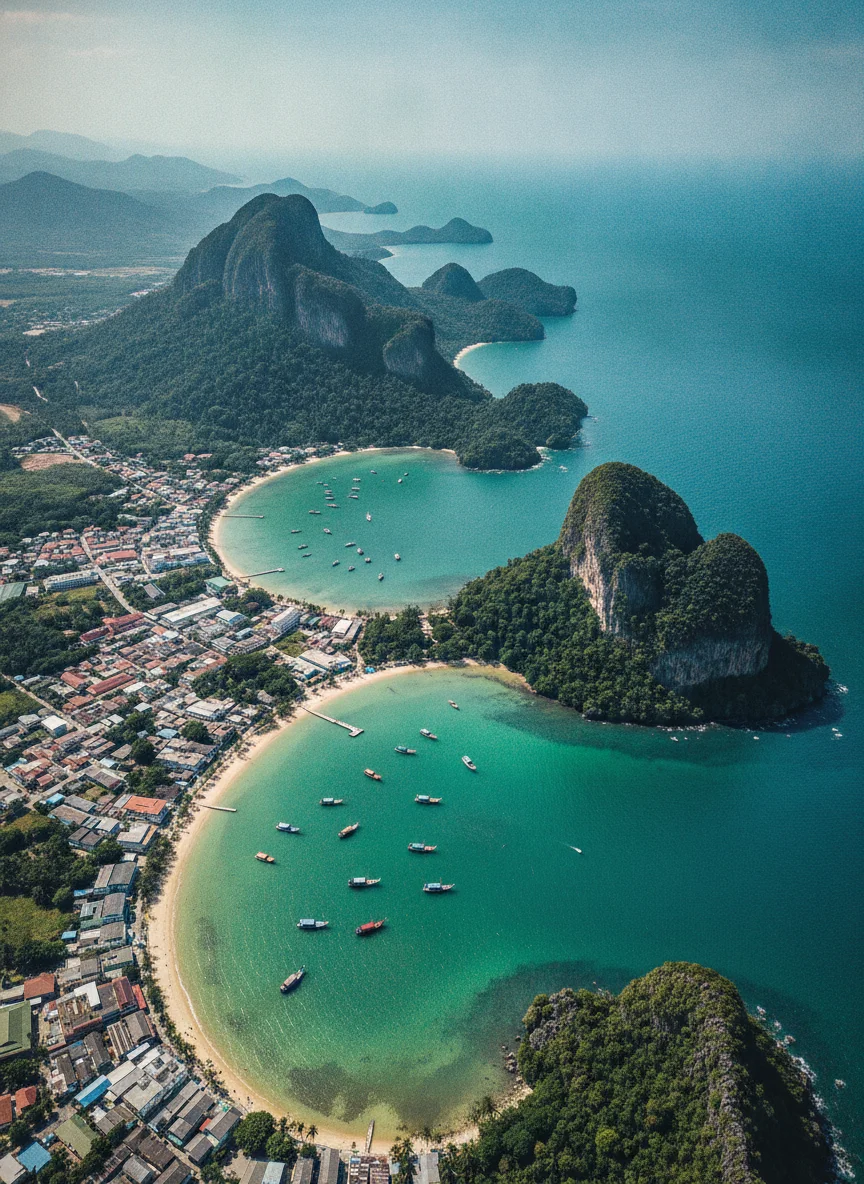
Kui Buri produces more than one hundred thousand tonnes of pineapples annually, making it one of Thailand's premier agricultural powerhouses where sweet fruit plantations meet quiet fishing shores. The dramatic limestone peaks of the Tenasserim Hills rise directly behind these farming fields, creating a striking natural border with Myanmar just kilometres away.
Kui Buri is a quiet agricultural district situated in the narrowest strip of Prachuap Khiri Khan Province, positioned between the rugged Tenasserim Hills and the calm waters of the Gulf of Thailand. This low-key destination attracts visitors who wish to experience authentic rural Thai life, undeveloped coastlines, and remarkable wildlife conservation efforts away from the tourist crowds of Hua Hin. It is exceptionally well-suited for independent nature lovers, slow-travel enthusiasts, and road-trippers who enjoy exploring working agricultural landscapes, deserted beaches, and local markets without the distractions of commercialised resort towns.

GEOGRAPHIC SETTING AND AGRICULTURAL CHARACTER
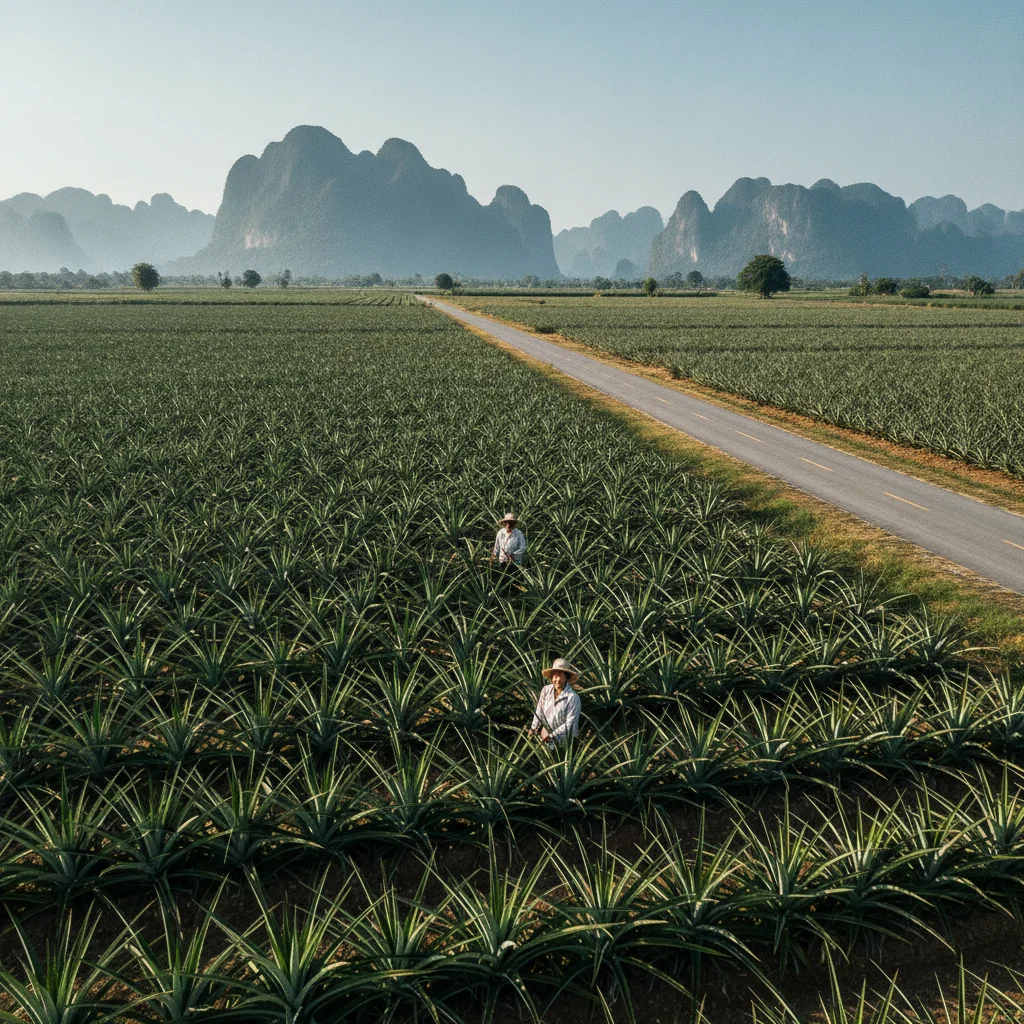
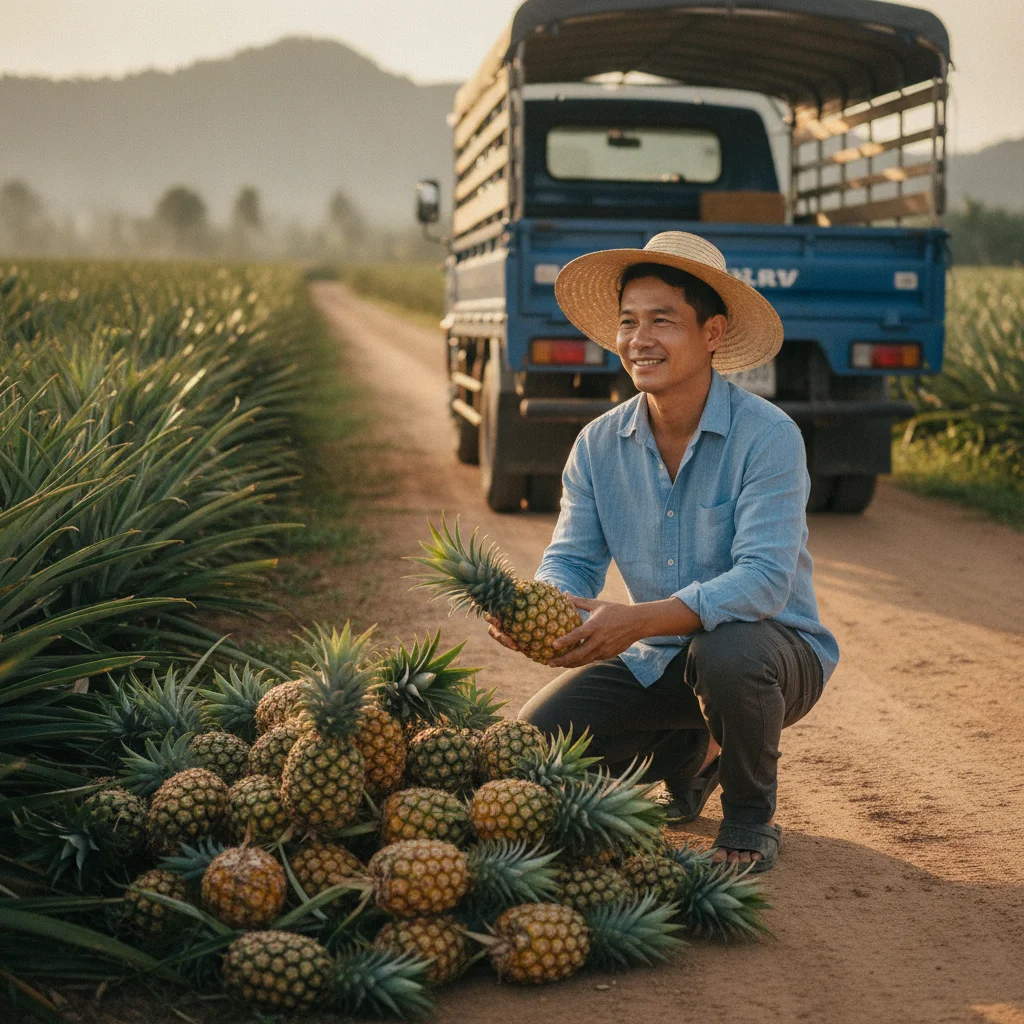
The physical geography of Kui Buri is defined by a narrow corridor of fertile land bounded by mountain peaks and coastal waters. This thin strip of Prachuap Khiri Khan Province measures just over thirty kilometres from the Myanmar border to the Gulf of Thailand, making it one of the narrowest points in the entire country. Farming dominates local life. Endless rows of pineapple crops, rubber plantations, and coconut groves blanket the flat plains here. The local economy revolves around harvesting these sweet crops and processing them in local factories, rather than catering to international tourist crowds. You will find that life here moves at a slow, deliberate pace dictated by agricultural seasons and daily fishing schedules. Travelling along the quiet backroads, you will encounter local farmers driving modified pickup trucks loaded with freshly cut pineapples destined for nearby processing plants. It is a working landscape where the air smells of rich earth and sweet fermenting fruit. This agricultural productivity shapes the daily routine of the local population, who remain deeply connected to the land.
Plan your trip to Pran Buri, Thailand. Explore Pak Nam Pran beach, royal mangrove forests, and Khao Kalok with our detailed UK travel guide.
Practical takeaway: Renting a scooter is the most practical way to explore these vast agricultural backroads at your own pace.
COASTAL ESCAPES AND QUIET BEACHES
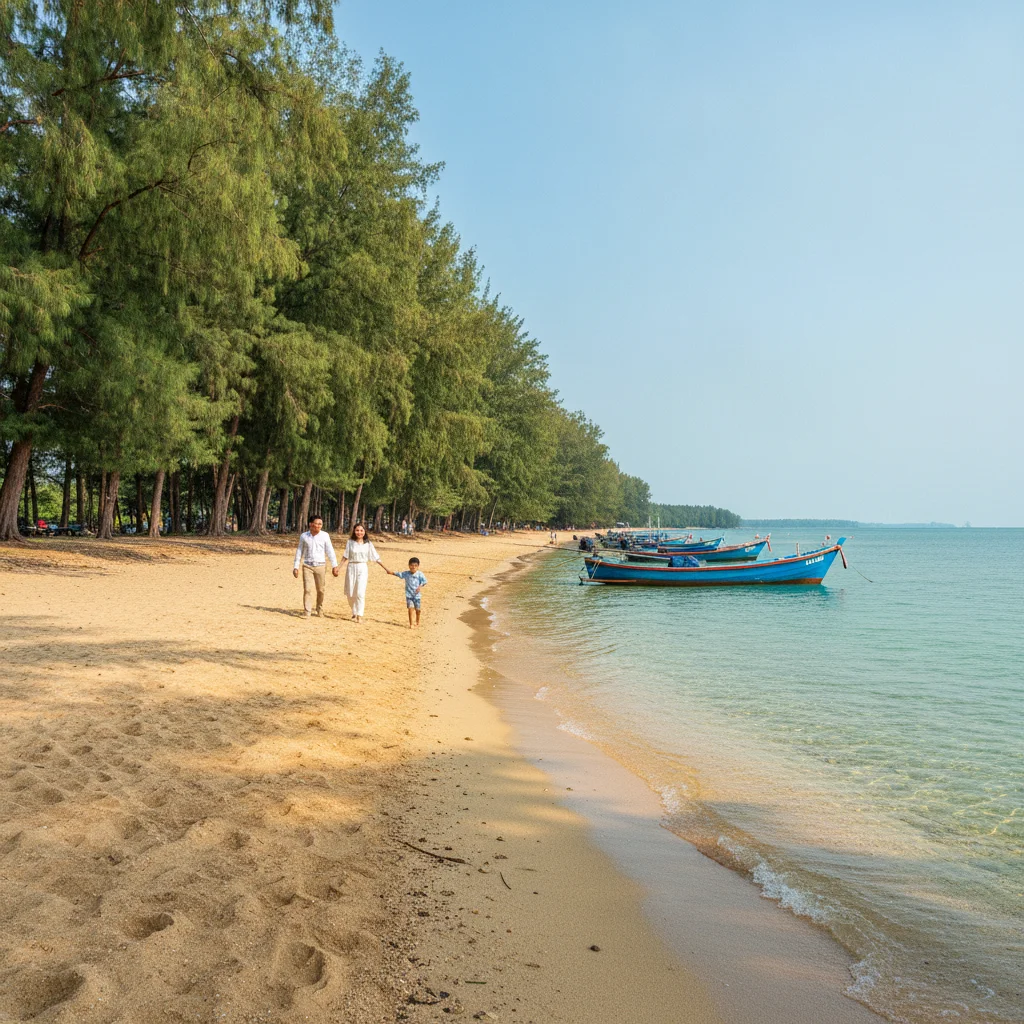
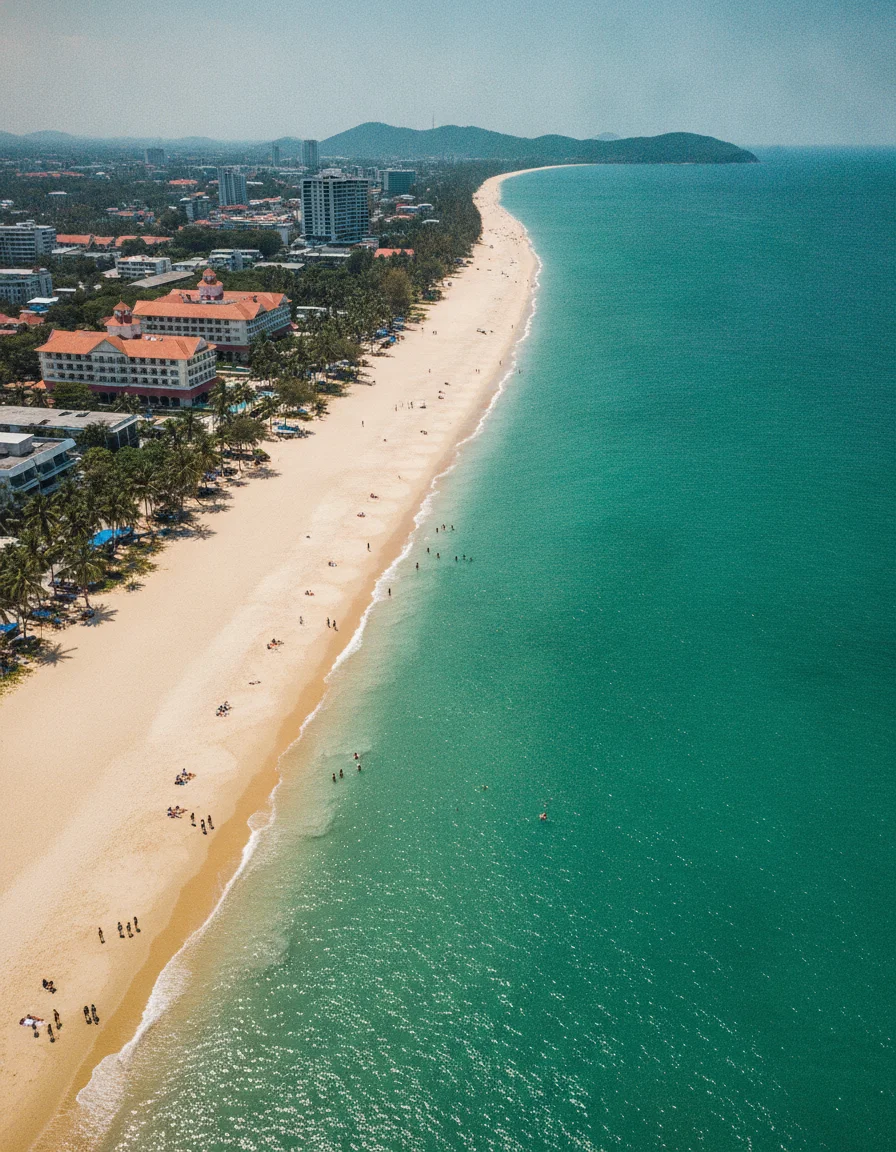
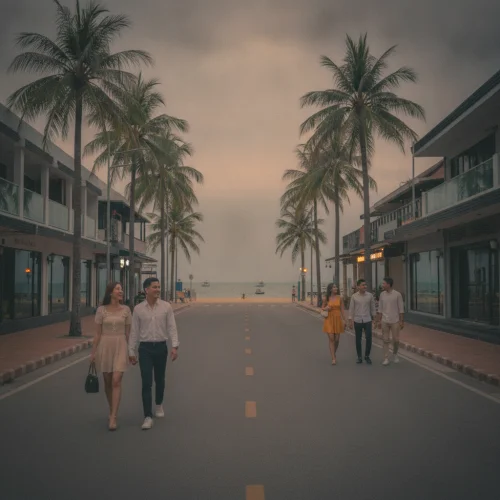
The coastal fringe of Kui Buri remains blissfully undeveloped, offering kilometres of empty sand lined with coconut palms and small fishing piers. Unlike the crowded resort sands of Hua Hin, which sit further north, Bo Nok Beach and Kuiburi Beach offer absolute solitude. There are no jet skis or noisy beach clubs here. Instead, you will share the coastline with local fishermen mending their nets and small sand crabs scurrying across the tide lines. A single-lane coastal road runs parallel to the shore, passing through tiny fishing hamlets where squid dries on elevated wire racks in the sun. The water is generally calm and shallow, though it lacks the turquoise clarity of the southern islands due to the alluvial runoff from nearby rivers. It is perfect for long, quiet walks. You can sit under the shade of Casuarina trees and read a book without being approached by beach vendors.
Practical takeaway: Bring your own beach towel and refreshments, as these empty beaches lack tourist amenities and commercial kiosks.
KEY LANDMARKS AND NATURAL VIEWPOINTS
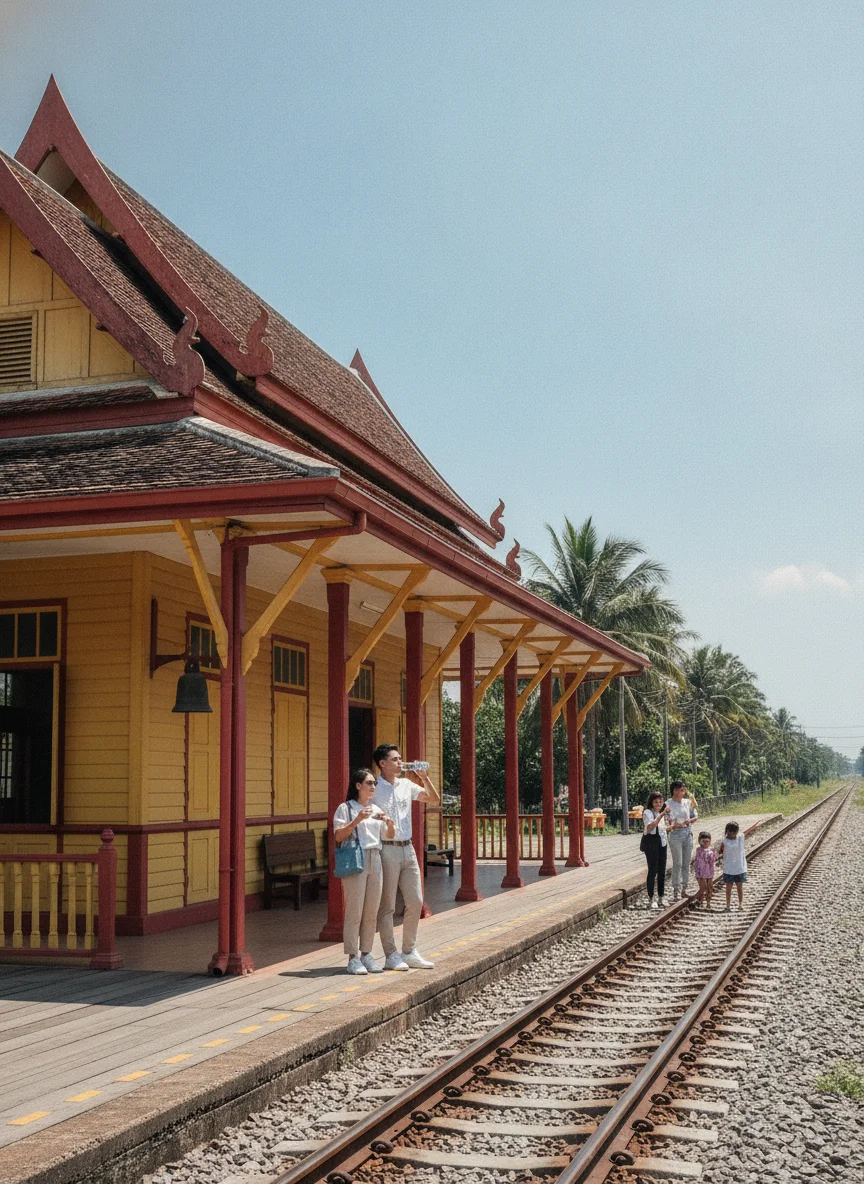
The scenic beauty of the district is best appreciated from elevated vantage points that reveal the dramatic topography of the region. Climbing the steep stone steps of Khao Daeng Viewpoint, located just inside the northern boundary of the district, rewards you with a panoramic perspective of winding canals, red clay shrimp farms, and towering limestone monoliths. This peak rises one hundred and fifty-seven metres above the surrounding plains, providing a clear view of the Gulf of Thailand to the east and the mountains to the west. Back in the town centre, Wat Kui Buri stands as the focal point of local Buddhist devotion, housing a highly revered wax statue of Luang Por Koon, a prominent historical monk. The temple grounds feature intricate multi-tiered roofs and golden spires that catch the afternoon sun. Another notable landmark is the historic Kui Buri Railway Station, a simple wooden structure painted in traditional state railway colours of red and cream. This station serves as a quiet link to the southern rail network, where only a few trains rumble through each day.
Practical takeaway: Start your climb to Khao Daeng before eight in the morning to avoid the intense midday heat and capture the best lighting.
LOCAL CULINARY DELIGHTS AND PINEAPPLE HERITAGE
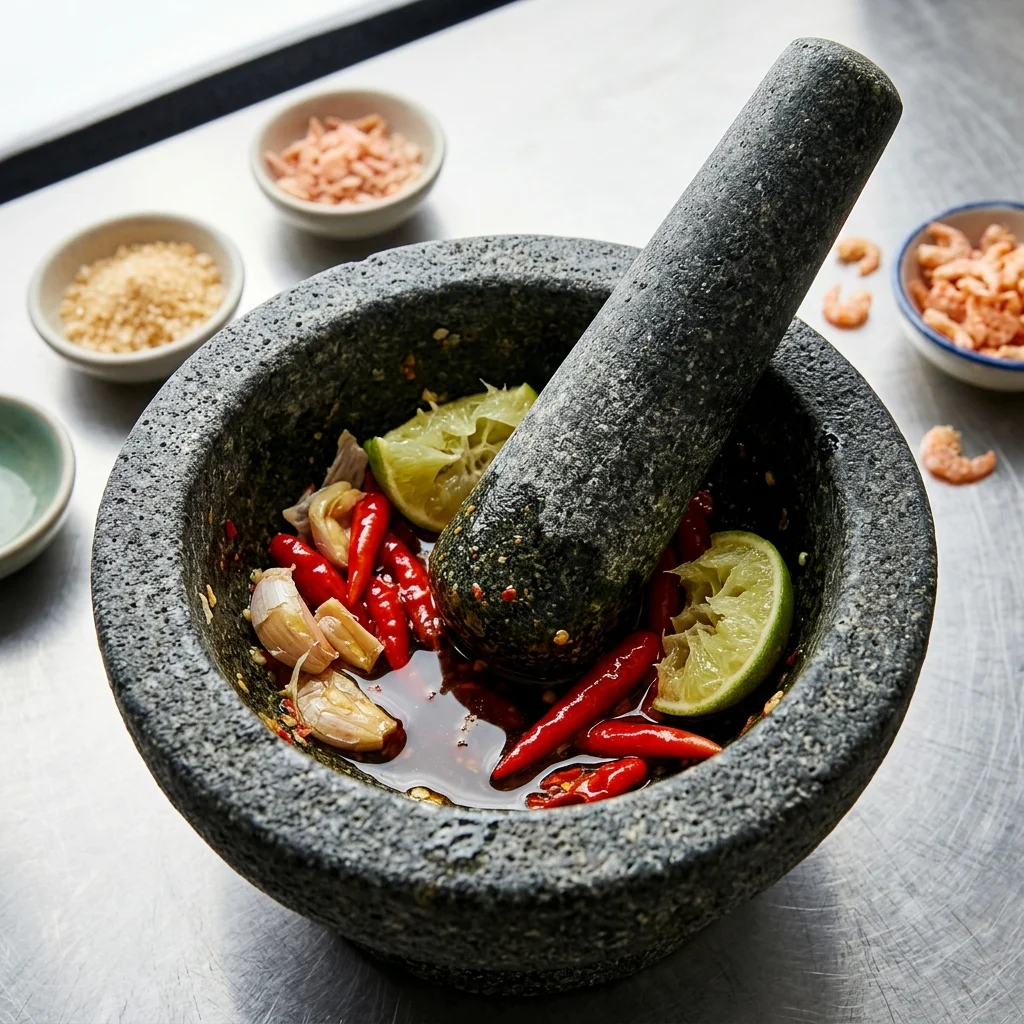
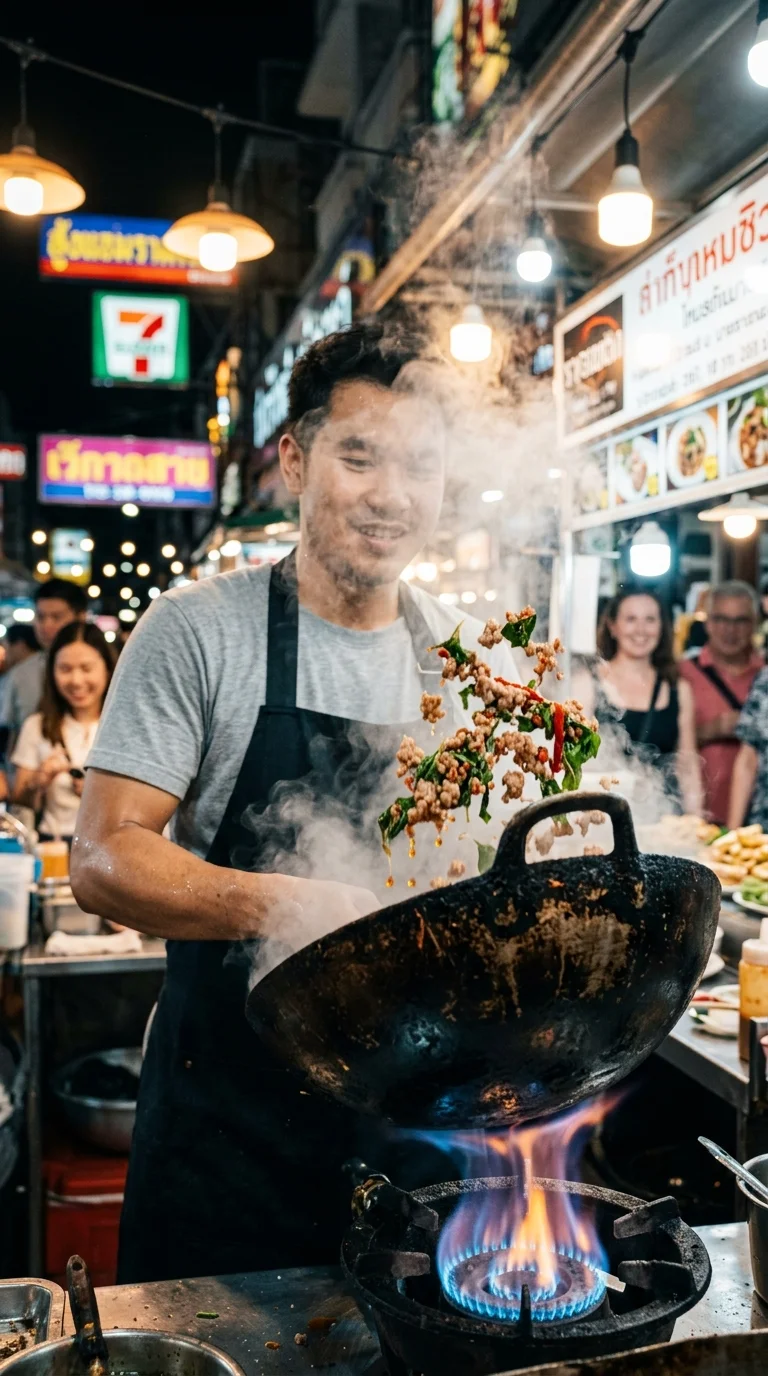
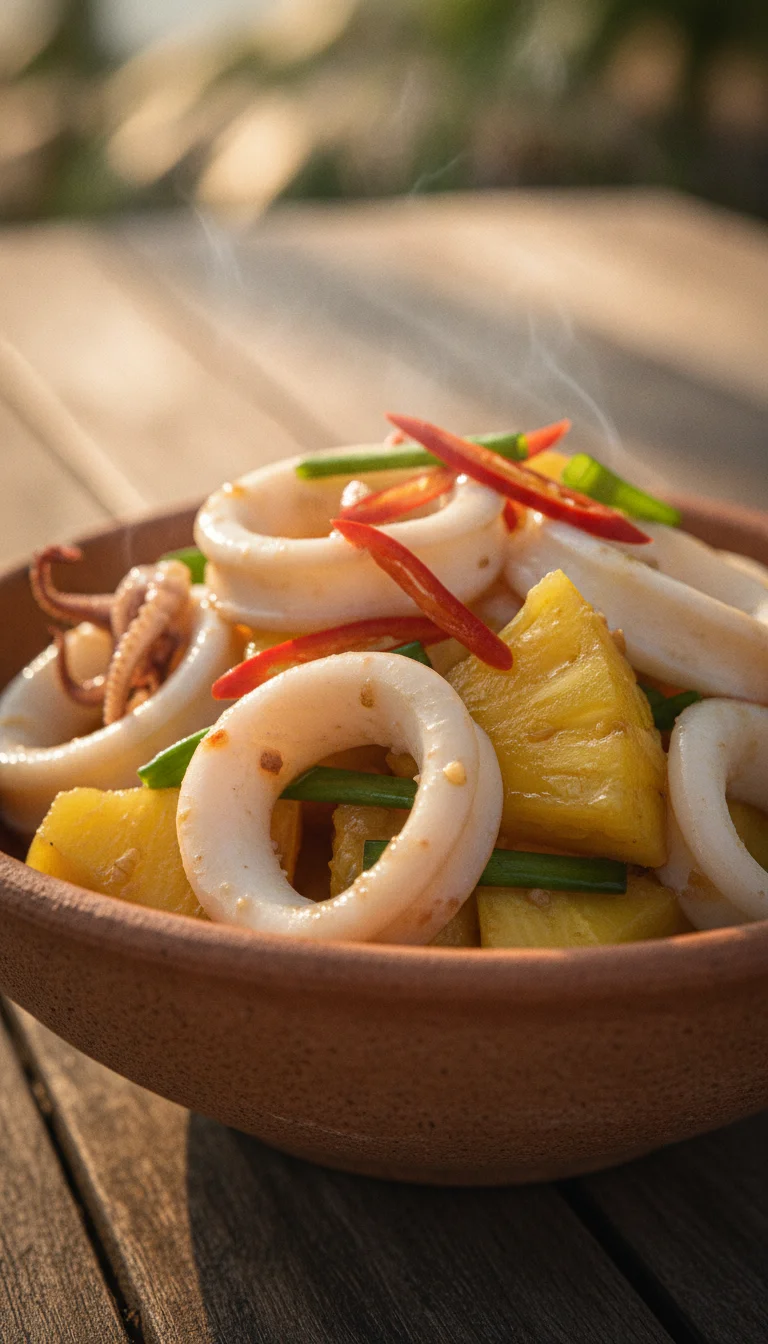
The regional food scene is deeply influenced by the abundance of local agricultural products and fresh seafood from the Gulf. Pineapple finds its way into numerous savoury dishes here, most notably in gaeng khua sapparot, a rich, red curry made with local mussels and sweet fruit chunks. This dish perfectly balances the sour-sweet acidity of the pineapple with the salty richness of the seafood and coconut milk. Coastal eateries near Kuiburi Beach serve exceptionally fresh crab, prawns, and squid at prices far below those found in resort towns, with a plate of garlic squid costing around 120 THB (£2.60). You should visit the Kui Buri Fresh Market near the railway station in the late afternoon to experience local food commerce. Here, vendors sell ready-to-eat snacks, roasted meats, and traditional sweets like coconut pancakes for 20 THB (£0.45) per portion. It is a genuine local market where English is rarely spoken, so pointing and smiling are your best communication tools. The flavours are bold, spicy, and authentic, tailored to local tastes rather than western palates.
Practical takeaway: Try the local pineapple juices sold from roadside carts, which are incredibly sweet and cost just 30 THB (£0.65) per bottle.
ACCOMMODATION OPTIONS FROM TOWN TO COAST
Lodging in the district is split between basic, functional guesthouses in the town centre and low-key boutique resorts along the quiet coastline. In the town, you will find simple concrete hotels that primarily cater to Thai business travellers and passing motorists, offering clean rooms with air conditioning for approximately 500 THB (£11.10) per night. Moving to the coast reveals a different style of accommodation, including small beachfront bungalows and artistic boutique properties. Vartika Resovilla, located on the quiet shores of Bo Nok Beach, offers individually designed villas and a peaceful saltwater pool facing the sea. These coastal properties provide a tranquil retreat where you can wake up to the sound of waves and watch the sunrise over the Gulf of Thailand. Most accommodation options here are small-scale, locally owned operations, which means you will receive personal, hospitable service. There are no massive international chain hotels in the area, ensuring that the quiet, rural character of the district remains undisturbed. It is highly recommended to book beachfront rooms in advance during the cool season.
Practical takeaway: Choose a coastal resort if you want a relaxing holiday, but stay in town if you plan to use Kui Buri as a base for regional exploration.
| Accommodation Type | Average Price (THB) | Average Price (GBP) | Key Features |
|---|---|---|---|
| Town Guesthouse | 400 - 600 THB | £8.90 - £13.30 | Air-con, free Wi-Fi, near railway station, basic amenities |
| Beachfront Bungalow | 1,200 - 1,800 THB | £26.70 - £40.00 | Sea views, private balcony, direct sand access, quiet setting |
| Boutique Coastal Resort | 2,500 - 4,500 THB | £55.60 - £100.00 | Saltwater pool, themed rooms, on-site dining, beachside |
| Rural Eco-Lodge | 1,000 - 1,500 THB | £22.20 - £33.30 | Close to nature, garden settings, local food, basic comforts |
LOCAL WILDLIFE AND SAFARI EXPERIENCE
The proximity to Kui Buri National Park allows visitors to experience one of the most successful conservation initiatives in Southeast Asia. While this guide focuses on the town and coast, a visit to the park borders remains a highlight for nature enthusiasts. Open-vehicle safaris are organised by local conservation officers to spot wild Asian elephants and herds of gaur, the largest wild cattle species in the world. These excursions take place in the late afternoon when the animals gather at designated watering holes and salt licks. The agricultural community plays a key role in protecting these animals, having transitioned from human-elephant conflict to cooperative wildlife tourism. You can hire a local guide and vehicle at the park entrance for approximately 850 THB (£18.90), which directly supports the local farming community. Seeing these massive creatures grazing freely against the backdrop of the Tenasserim Hills is a profound experience. It demonstrates how agriculture and wildlife conservation can coexist successfully.
Practical takeaway: Arrive at the park headquarters by two in the afternoon to secure your safari vehicle and guide before the peak viewing hours begin.
GETTING THERE AND GETTING AROUND

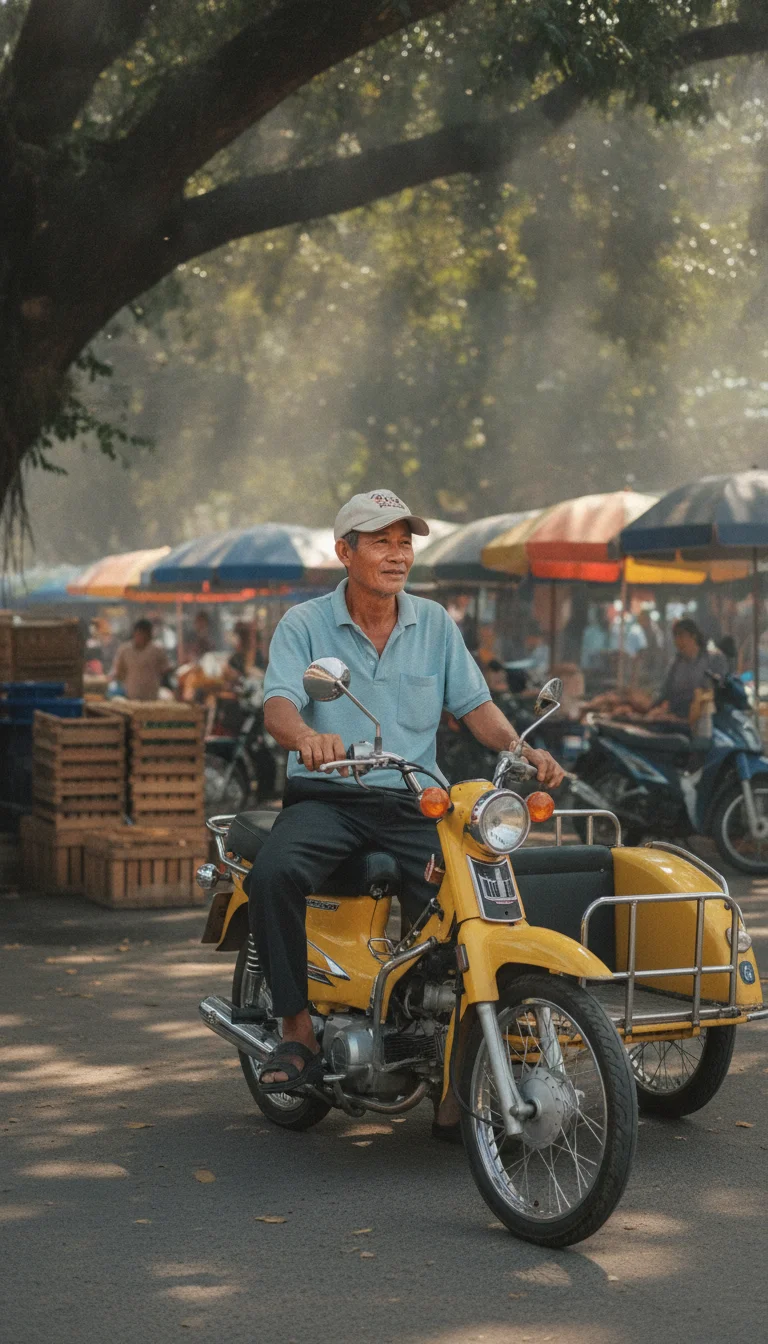
Reaching Kui Buri from Bangkok is a straightforward journey that highlights the transitioning landscapes of central and southern Thailand. The most scenic option is taking a Southern Line train from Krung Thep Aphiwat Central Terminal directly to Kui Buri Station, which takes around four to five hours and costs between 200 THB (£4.40) and 250 THB (£5.50) for a comfortable third-class fan or second-class seat. Alternatively, regular coaches depart from the Bangkok Southern Bus Terminal (Sai Tai Mai) towards Prachuap Khiri Khan, stopping along the main Phetkasem Road in Kui Buri. Once you arrive, public transport within the district is limited. There are no major taxi networks or Grab cars operating here. You will need to rely on local saleng (motorbike sidecars) for short trips around the town centre, which usually cost between 40 THB (£0.90) and 80 THB (£1.80). For complete freedom, renting a scooter from Hua Hin or Prachuap Khiri Khan town and riding down is highly recommended.
COSTS AND BUDGETING
Visiting this agricultural district is highly economical compared to Thailand's mainstream tourist hotspots. A budget traveller can easily manage on 800 THB (£17.80) per day, which covers a basic town guesthouse, local market meals, and scooter fuel. Mid-range travellers spending around 2,000 THB (£44.40) per day can enjoy a comfortable beachfront bungalow, dine on fresh seafood at coastal restaurants, and participate in local activities. Those seeking a more comfortable stay can budget 4,000 THB (£88.90) per day to enjoy boutique resorts like Vartika Resovilla and private transport. Because the area does not target mass tourism, you will find that food, transport, and lodging prices remain stable throughout the year. There are no inflated double-pricing schemes in the local markets. Your money goes significantly further here than in nearby Hua Hin or Pranburi.
| Item | Budget (THB) | Mid-Range (THB) | Notes |
|---|---|---|---|
| Daily Accommodation | 400 - 600 THB | 1,200 - 1,800 THB | Town guesthouse vs. beachfront bungalow |
| Three Meals | 150 - 250 THB | 450 - 800 THB | Local food stalls vs. coastal seafood dining |
| Scooter Rental (Daily) | 250 - 300 THB | 300 - 350 THB | Manual vs. automatic models from nearby hubs |
| Local Transport (Saleng) | 40 - 80 THB | 100 - 200 THB | Short town trips vs. multiple daily rides |
| Average Activity Cost | Free - 100 THB | 500 - 850 THB | Exploring beaches vs. guided wildlife safaris |
WHO IT SUITS
This rural destination is perfect for independent nature lovers, slow-travel enthusiasts, and road-trippers who want to experience authentic Thai agricultural life. It suits those who appreciate quiet beaches, local food markets, and empty coastal roads. However, it is not suitable for travellers seeking a vibrant nightlife, shopping malls, or structured resort entertainment. Families who require western amenities, English-speaking kids' clubs, and organized beach activities will find the lack of tourist infrastructure challenging. If you enjoy navigating destinations independently and do not mind a language barrier, this quiet district will reward your curiosity.
WHAT TO KNOW BEFORE YOU GO
English is rarely spoken outside of the larger coastal resorts in this district. You should download an offline translation application and keep key addresses written in Thai characters to ease daily communication. Cash is the absolute rule for almost all transactions in town. You will need to withdraw sufficient funds in advance, as ATMs are scarce outside the central market area near the railway station. Public transport options within the district are exceptionally sparse. Renting your own transport from a larger hub like Hua Hin is essential if you want to explore the beaches and agricultural valleys. Pineapple harvesting occurs year-round, but the peak seasons are from April to June and November to February. This means you will see a significant increase in agricultural truck traffic on local roads during these months.
PRACTICAL TIPS
Carry Cash at All Times
Most local shops and food stalls do not accept credit cards or international mobile payments. Having small-denomination Thai Baht notes will make transactions smooth and prevent issues with change.
Rent a Scooter in Advance
There are no scooter rental shops in Kui Buri town itself. You should rent your vehicle in Hua Hin or Prachuap Khiri Khan and ride it into the district.
Watch for Agricultural Vehicles
The local two-lane roads are frequently used by slow-moving pineapple trucks. Always maintain a safe following distance and be cautious when overtaking on rural bends.
Visit the Market After Four
The fresh market near the railway station comes alive in the late afternoon. This is the best time to purchase cheap, authentic Thai snacks and fresh tropical fruits.
Pack Quality Insect Repellent
The surrounding agricultural fields and coastal wetlands attract a high volume of mosquitoes at sunset. Applying repellent early will protect you from uncomfortable bites during outdoor dining.
Respect Local Temple Dress Codes
When visiting Wat Kui Buri, ensure your shoulders and knees are fully covered. Keeping a light sarong in your bag is a practical way to prepare for spontaneous temple stops.
Learn Basic Thai Phrases
Knowing how to say hello and thank you in Thai will be highly appreciated by the local farmers and vendors. It instantly builds rapport and shows respect for their quiet, non-touristy community.
QUICK REFERENCE TABLE
| Item | Detail | Notes |
|---|---|---|
| Location Name | Kui Buri | Located in the southern part of Central Thailand |
| Province | Prachuap Khiri Khan | Bordering Myanmar to the west and the Gulf of Thailand to the east |
| Region | Western Thailand / Upper South | Actively transitioning into the southern peninsula |
| Nearest Major City | Prachuap Khiri Khan Town | Located approximately 30 kilometres south |
| Nearest Airport | Hua Hin Airport (HHQ) | Limited commercial flights; Bangkok Suvarnabhumi is the main hub |
| Distance from Bangkok | 260 kilometres | Approximately a 3.5 to 4-hour drive down Phetkasem Road |
| Typical Visit Duration | 2 to 3 days | Ideal for exploring the agricultural valley, beaches, and viewpoints |
| Best Time to Visit | November to February | The cool, dry season offers comfortable temperatures and clear skies |
| Average Daily Budget | 1,200 - 2,000 THB (£26.70 - £44.40) | Highly affordable with excellent value on accommodation and dining |
| Currency Accepted | Thai Baht (THB) | Cash is essential; card acceptance is rare outside major resorts |
| Primary Language | Thai | English is extremely limited in rural areas and local markets |
| Primary Transport | Private Scooter or Car | No local taxi network exists; private transport is highly recommended |
| Notable Landmarks | Khao Daeng Viewpoint, Wat Kui Buri | Famous for scenic coastal views and historic local temples |