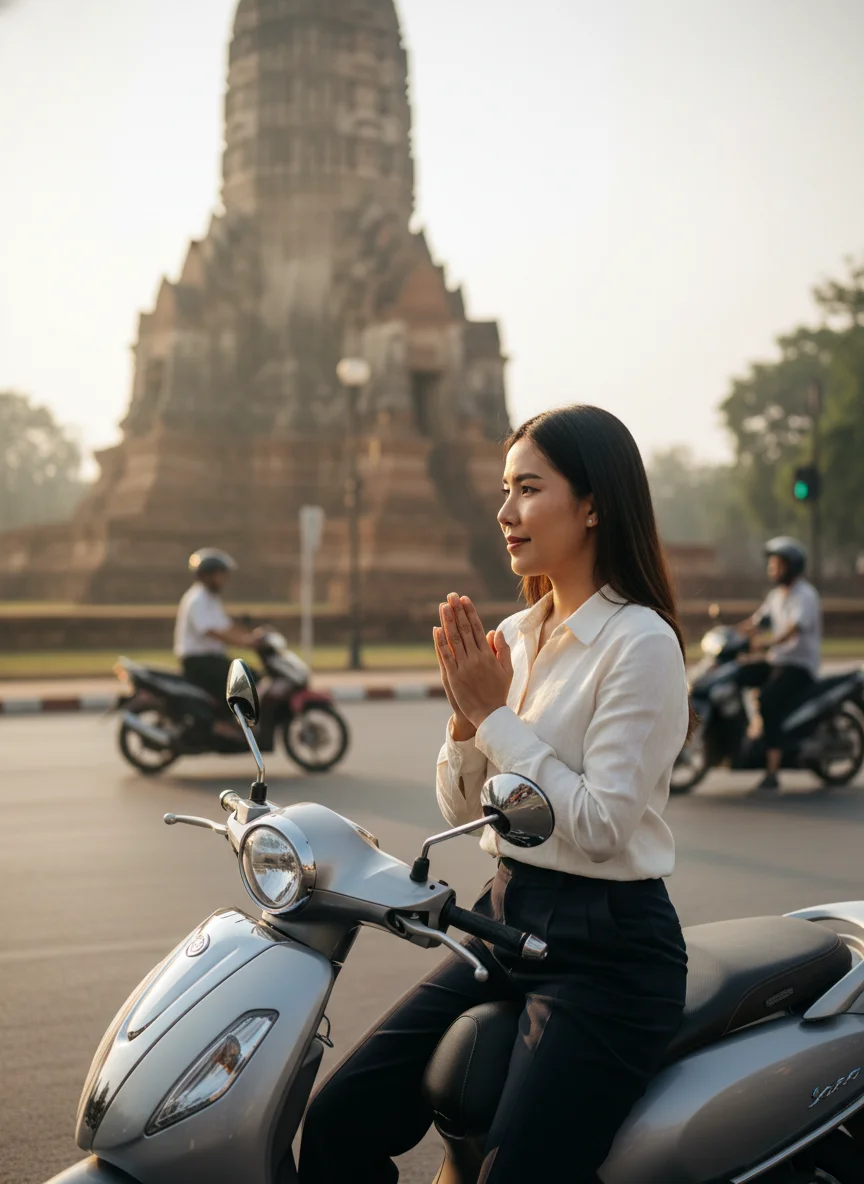
Walking past a 14th-century brick stupa to reach a modern convenience store perfectly sums up the daily rhythm of this former royal capital.
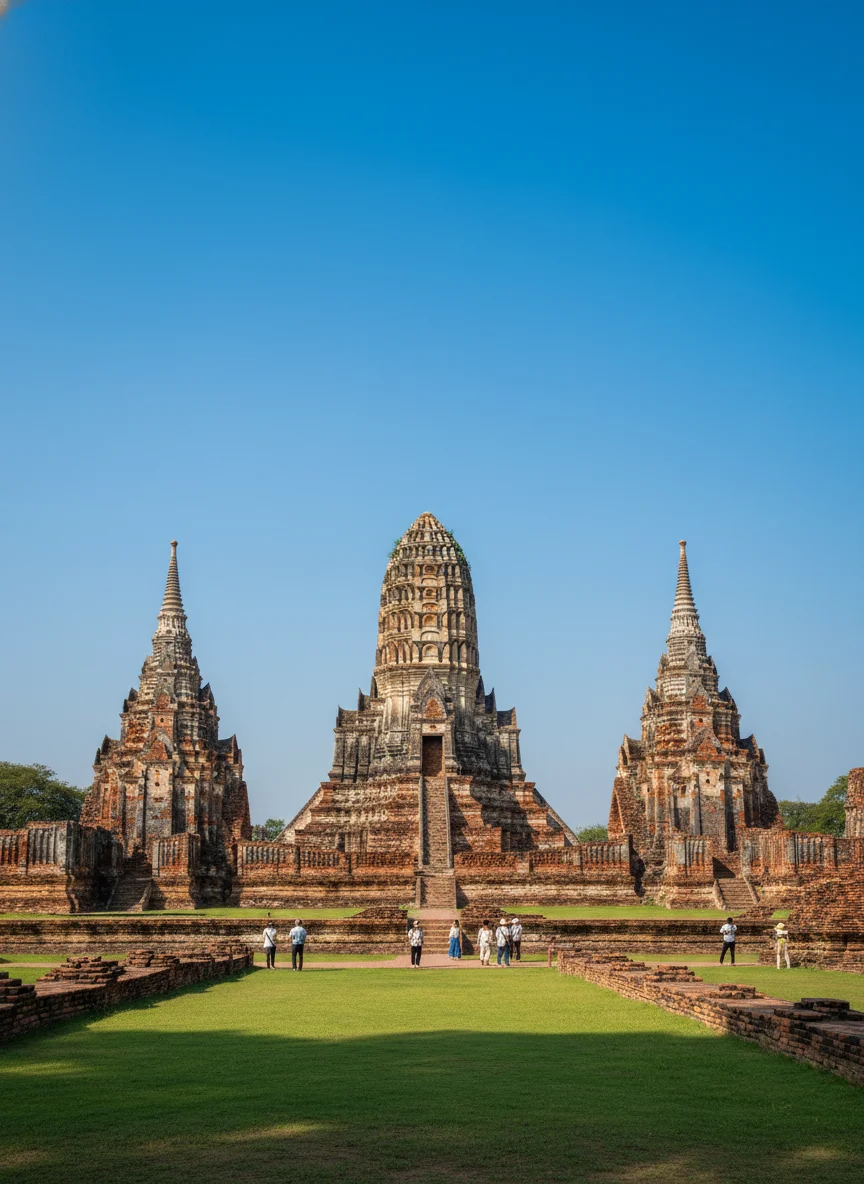
Travel brochures love to paint the city as a frozen-in-time archaeological park, but it is actually a fiercely proud, working-class commuter town wrapped around a fallen empire. You simply cannot mistake that specific silhouette of crumbling bell-shaped prangs rising right out of the rush-hour traffic anywhere else in the country.
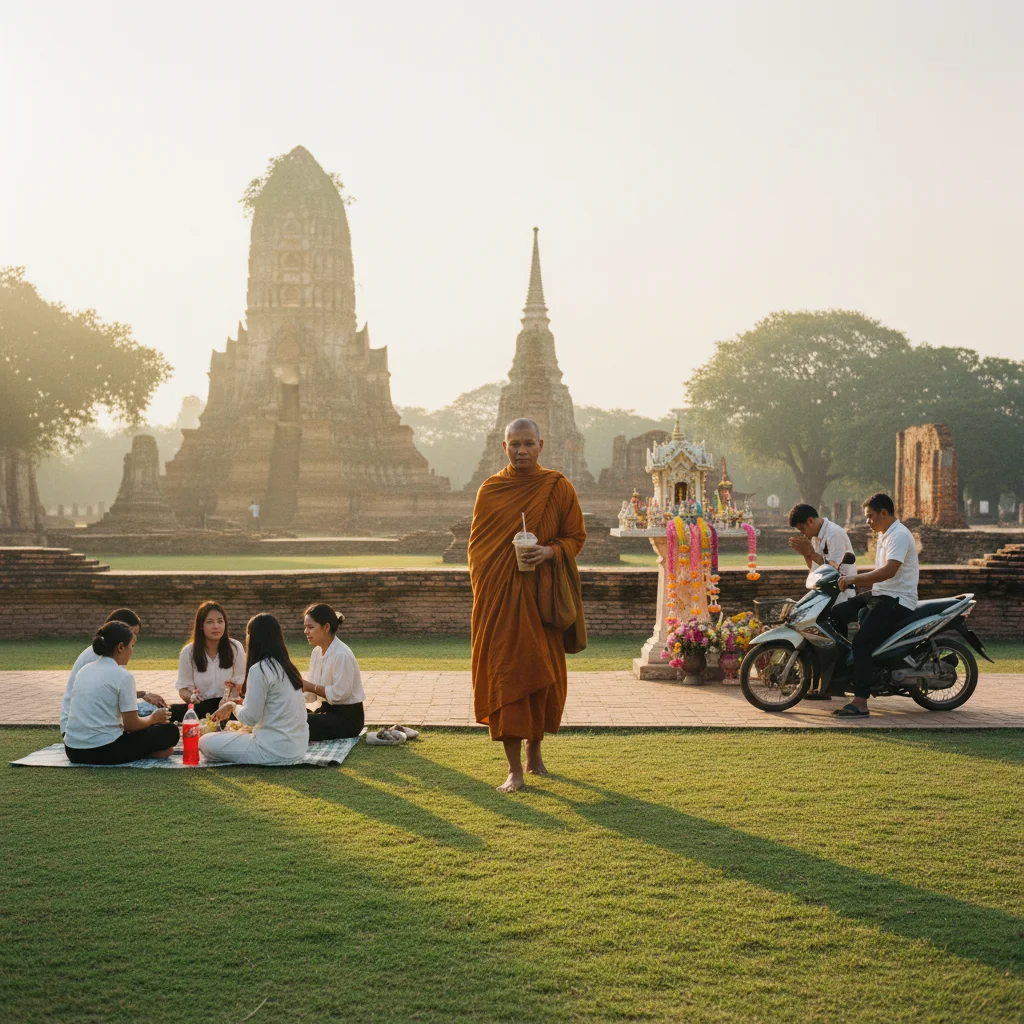
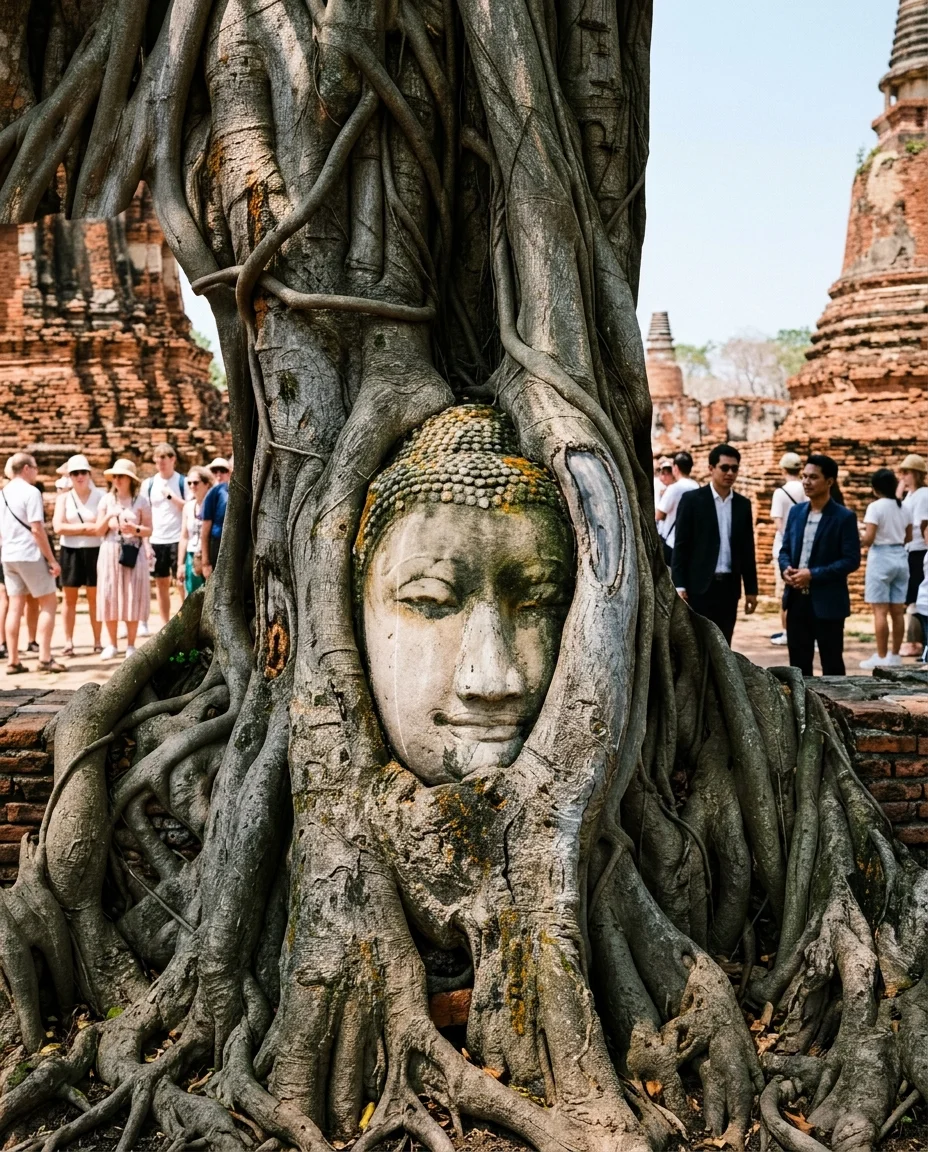
Faith here feels heavily weighted by history. While textbook Buddhism emphasises letting go of the past, the locals live shoulder-to-shoulder with the ghosts of their ancestors. You will see monks collecting morning alms along streets paved over ruined palaces, their saffron robes sharp against the blackened brickwork. Visitors naturally flock to Wat Mahathat to see the famous Buddha head entwined in tree roots, paying 50 THB (£1.10) for the privilege. However, Wat Na Phra Men, which costs 20 THB (£0.45) to enter, is where residents actually go to pray. It survived the 1767 Burmese invasion intact, giving it immense spiritual clout. The most surprising custom you will spot is the sheer volume of opened strawberry Fanta bottles left at roadside shrines. This red liquid is a modern substitute for animal blood, offered specifically to the warrior spirits who died defending the old capital.
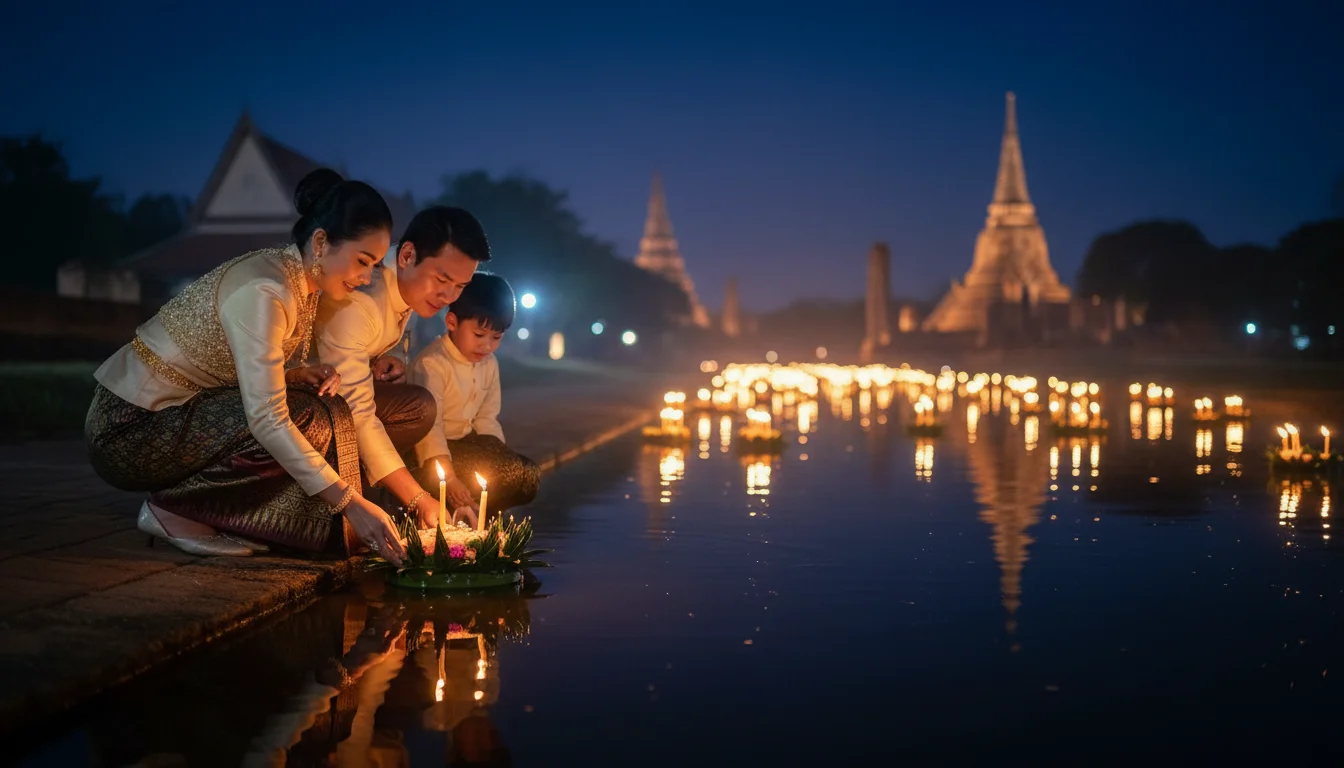
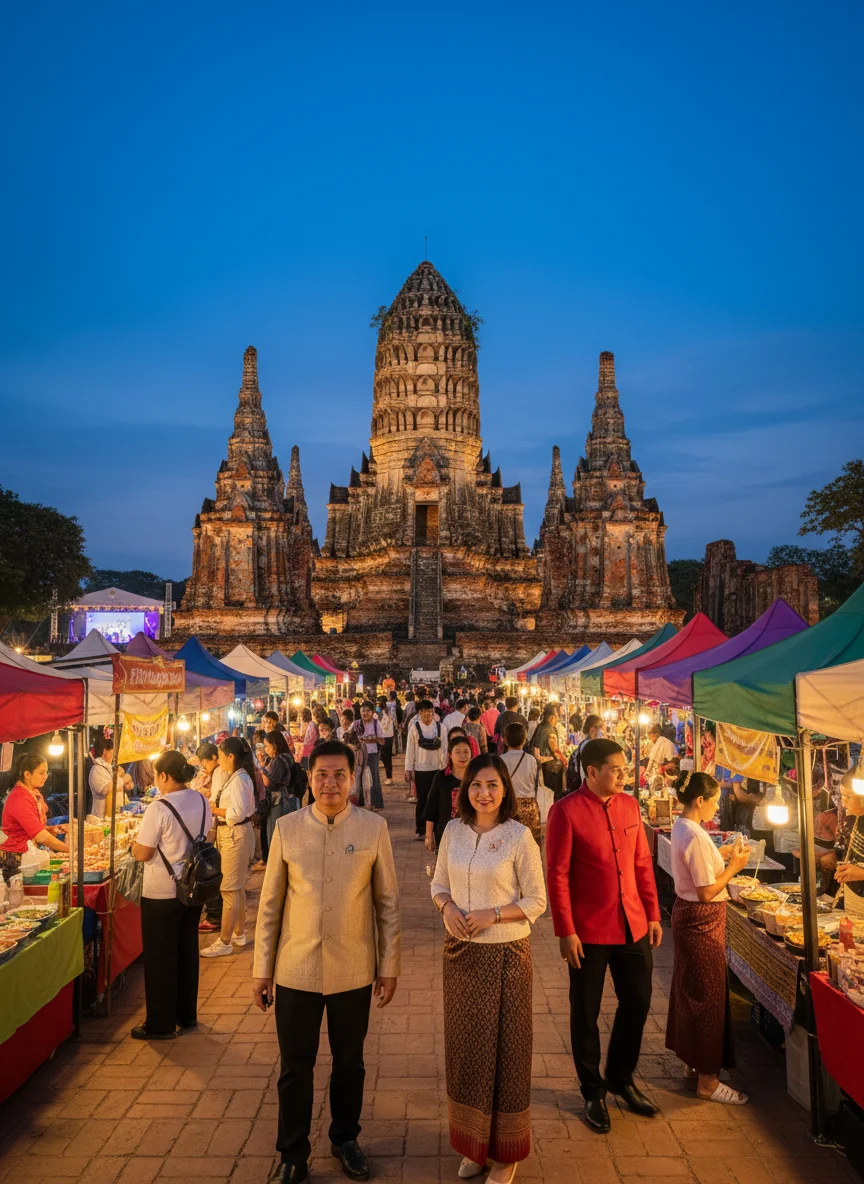
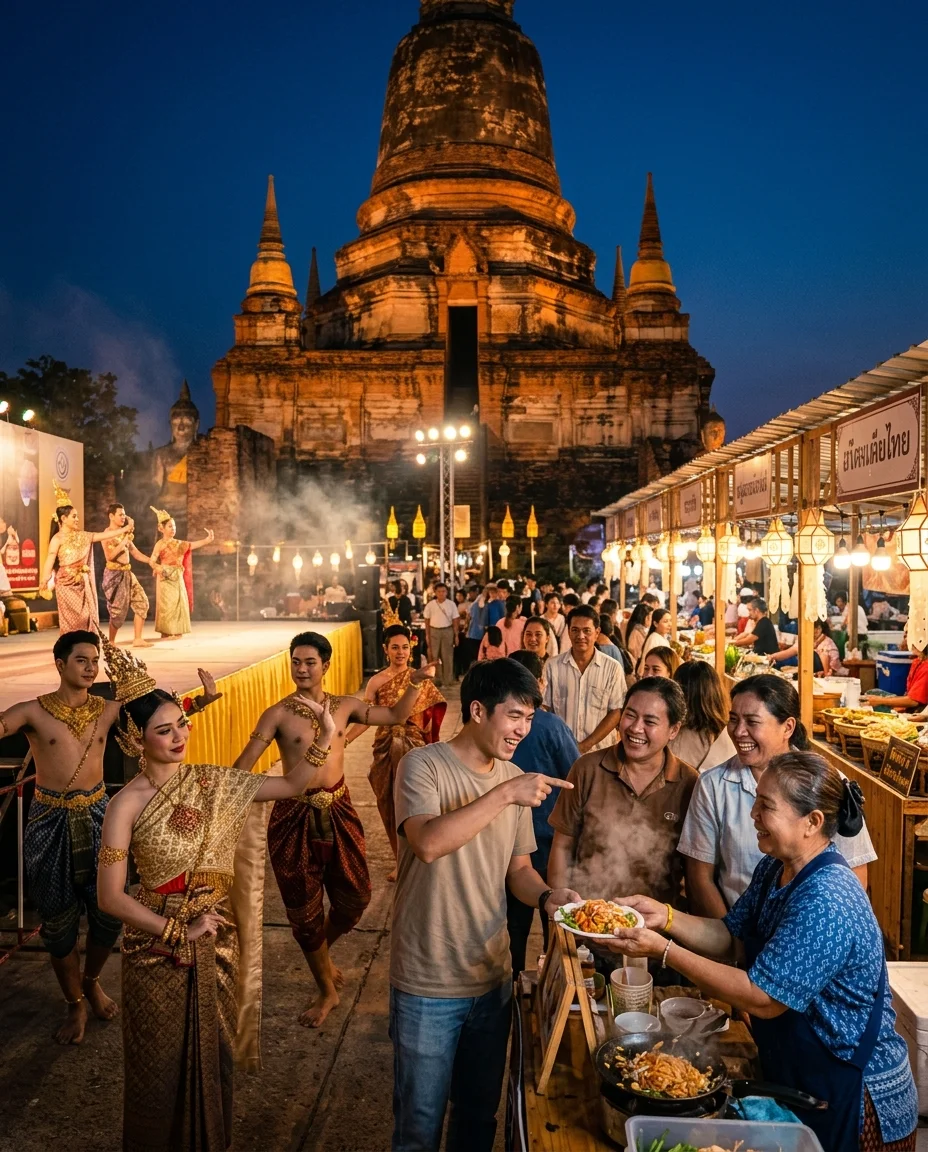
April brings Songkran, the Thai New Year, which takes on a slightly chaotic, historically themed flavour here. Elephants painted in chalk spray water at passing traffic near the historical park. It looks brilliant, but the reality on the ground is a joyous, completely gridlocked mess of pickup trucks and booming sound systems. Most guides skip over the fact that the local Mon communities hold their own quiet, deeply traditional merit-making ceremonies in the outer districts during this time, far from the water fights. December sees the Ayutthaya World Heritage Fair. Nominally a celebration of the city's UNESCO status, it rapidly devolves into a massive, sprawling night market smelling of grilled pork and cheap beer, set to incredibly loud luk thung country music. Light-and-sound shows project battle scenes onto the ruins. The practical impact of this winter fair is immense. Sudden road closures around the main archaeological sites turn a simple ten-minute tuk-tuk ride into an hour-long detour, so you must plan your temple viewing for the early morning before the scaffolding and food stalls block the pavements entirely.
TRADITIONS & CUSTOMS
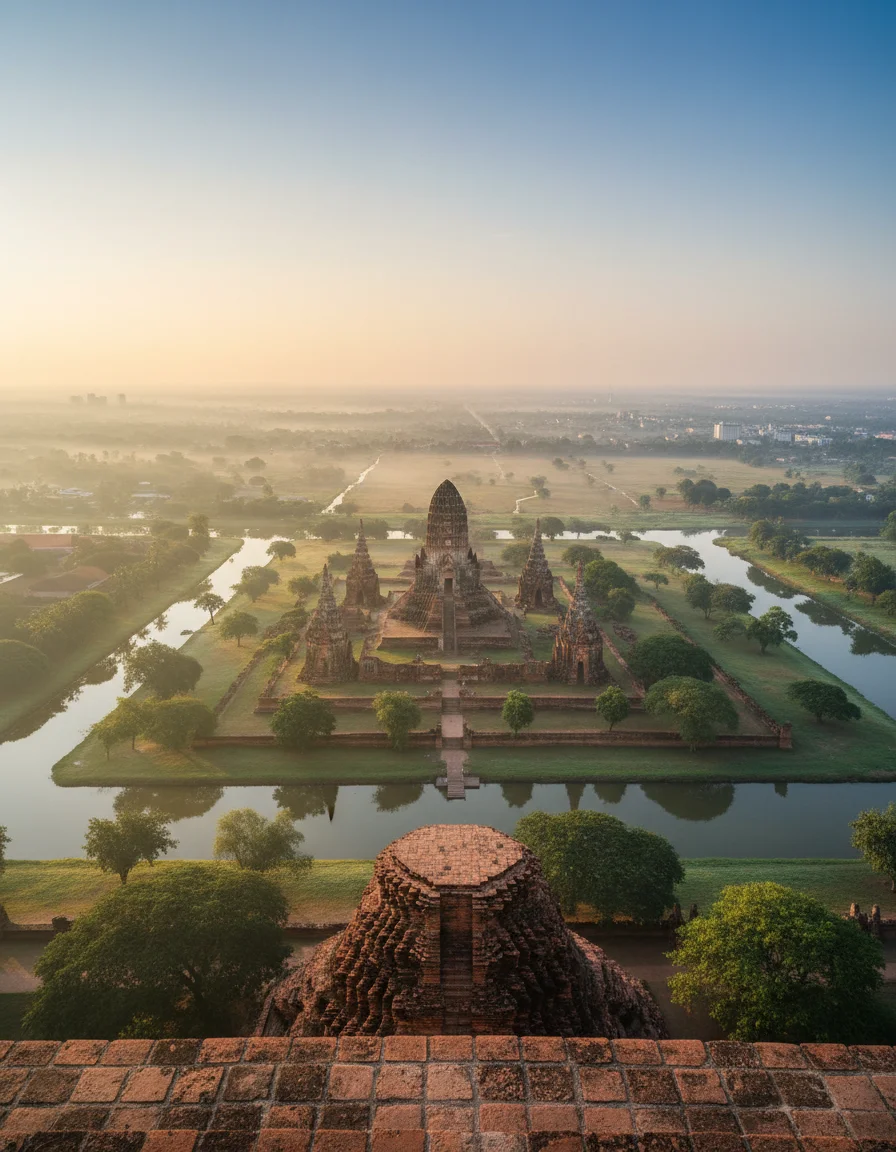
The entire central island is still viewed by older residents as sacred ground, not just a public park. This creates an unwritten rule regarding how you carry yourself. While you might know to cover your shoulders and knees inside an active temple, stepping onto the ruined brick foundations of a collapsed stupa in hotpants deeply offends locals. The most common mistake Westerners make is climbing on these ancient walls to get a better camera angle. It is considered a massive insult to the old kings. History is not a joke here. Casual sarcasm about the ancient Burmese wars or Thai royalty lands incredibly poorly compared to the more cynical capital down the river. You are expected to show deference. When eating out, observe the hierarchy. The oldest person at the table generally orders for the group and pays the bill, a custom that holds true whether you are in a high-end restaurant or sitting on plastic stools by the water.
Expert Insight
Ayutthaya Travel Guide →
Discover the best temples, riverside hotels, and giant river prawns in this Ayutthaya travel guide. Plan your perfect overnight stay away from the crowds.
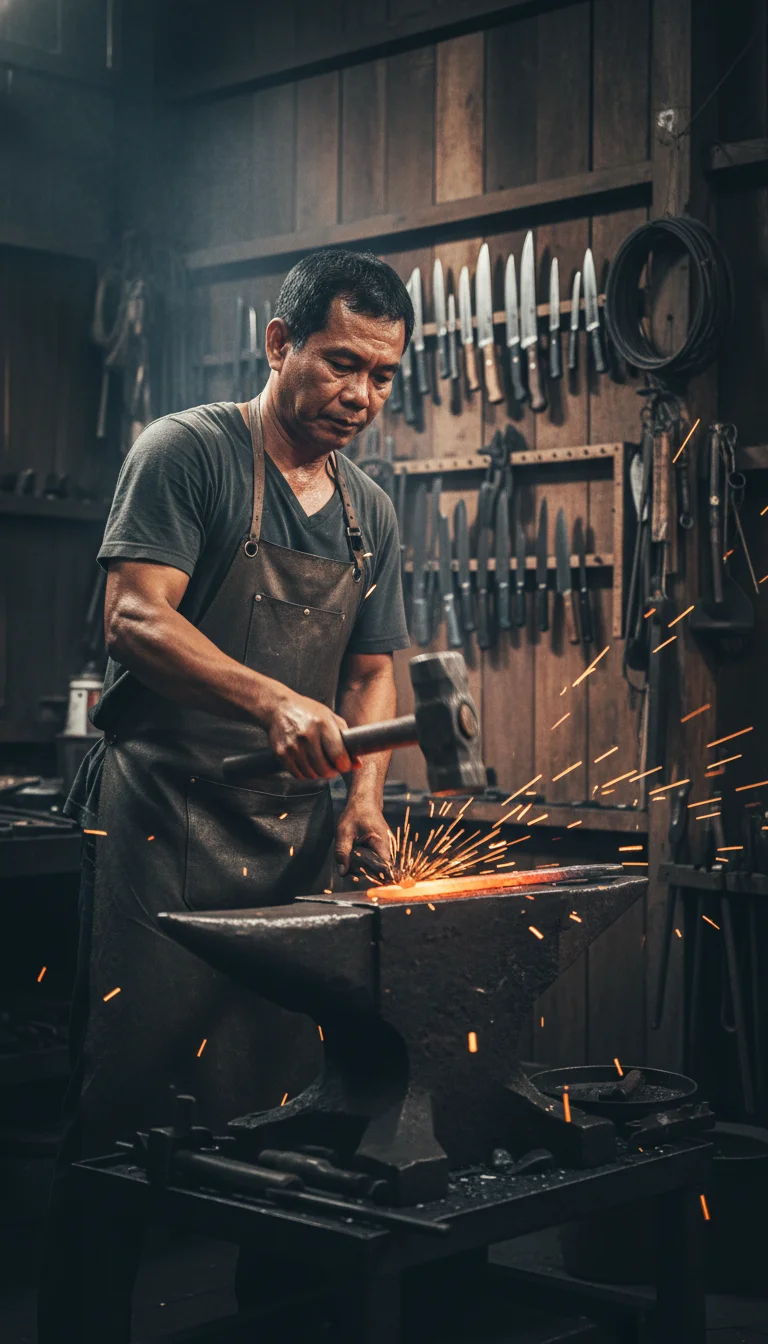
The city is renowned for producing Pla Tapian, delicate fish mobiles woven from dried palm leaves. Originally created by local Thai-Muslim communities to soothe crying babies, they are now symbols of prosperity. You can buy authentic ones near Wat Phanan Choeng for around 50 to 200 THB (£1.10 to £4.50). Skip the antique shops lining the roads near the historical park. The heavily weathered bronze Buddha heads they sell are almost entirely mass-produced in suburban factories and artificially aged using chemical acids. Seek out the small family workshops down the quiet side streets instead.
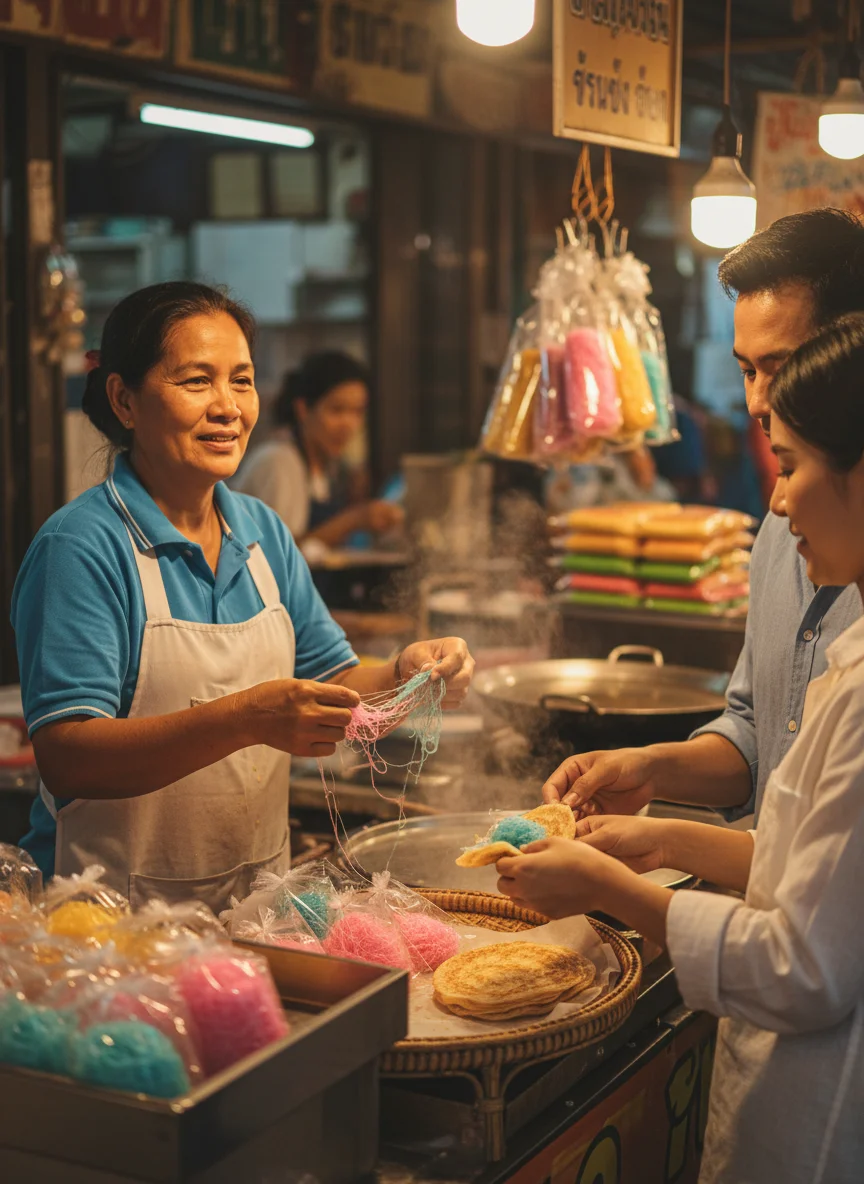
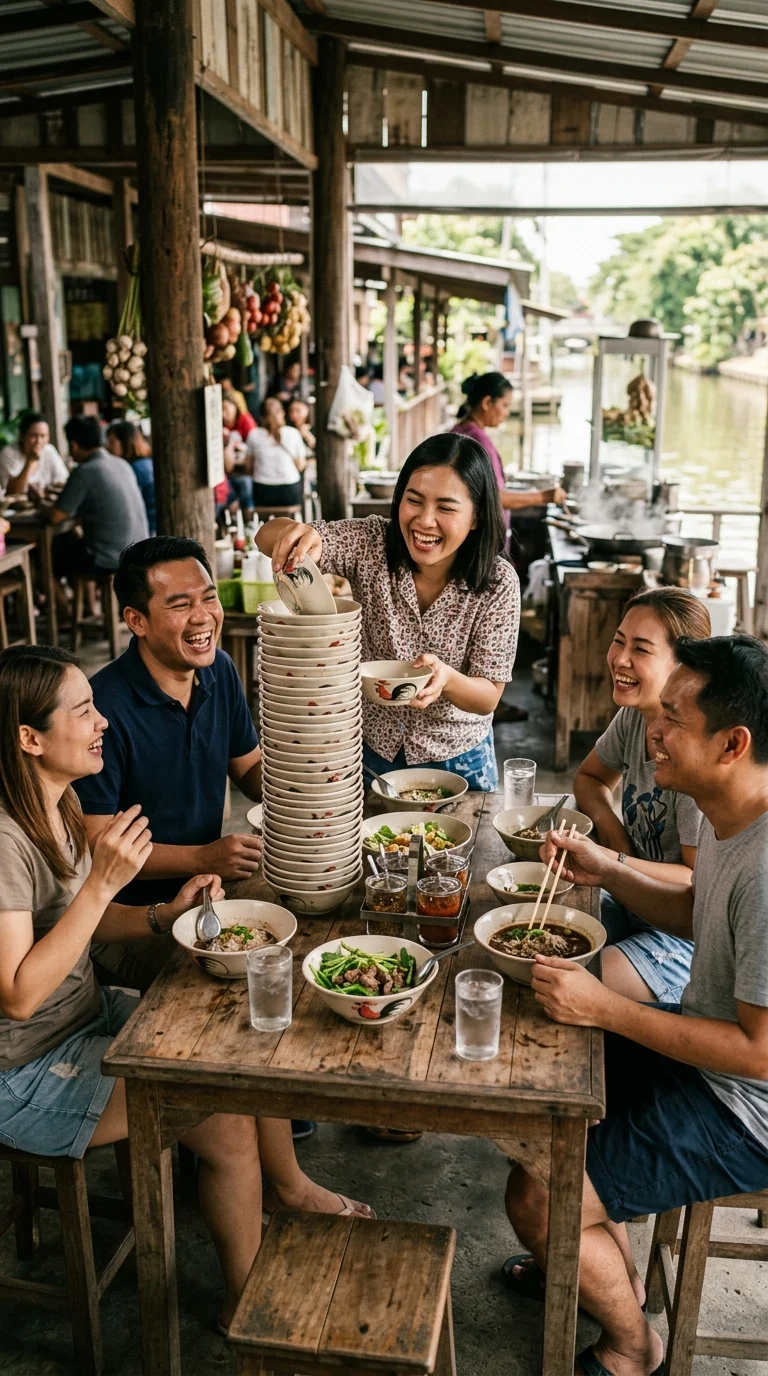
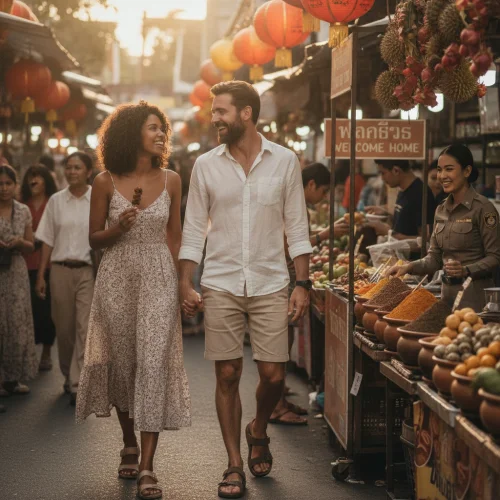
Eating boat noodles, or kuay teow reua, is a competitive social sport rather than just a quick lunch. Served in tiny, heavily spiced portions meant to replicate the bowls once handed up from canal boats, the cultural ritual involves stacking your empty bowls as high as possible in the centre of the table. Sharing roti sai mai, a sweet treat of candy floss wrapped in paper-thin crepes, reflects the city's deep Islamic heritage. Queuing at the stalls opposite the hospital to buy it in bulk is a communal weekend activity for local families.
LANGUAGE & COMMUNICATION
The local accent features a slower, more drawn-out drawl than you will hear in Bangkok. Establishing social hierarchy is crucial, so learning to use Phi for someone older and Nong for someone younger is vital. Telling a vendor that their roti sai mai aroi mak, meaning the candy floss roti is very delicious, will instantly break the ice and make them warm to you. A basic Thai language class locally costs around 400 THB (£9) per hour.
Treat every pile of old bricks with the exact same respect you would a golden Buddha statue. Never turn your back to the famous Buddha head in the tree roots at Wat Mahathat when taking a photograph, as crouching below the level of the image is strictly enforced by guards. Do carry a handful of ten-baht coins to drop into the brass merit-making bowls lining the temple cloisters. Be respectful of the hundreds of stray dogs sleeping among the ruins. Locals view feeding them as an act of spiritual merit, so shooing them away aggressively is frowned upon.