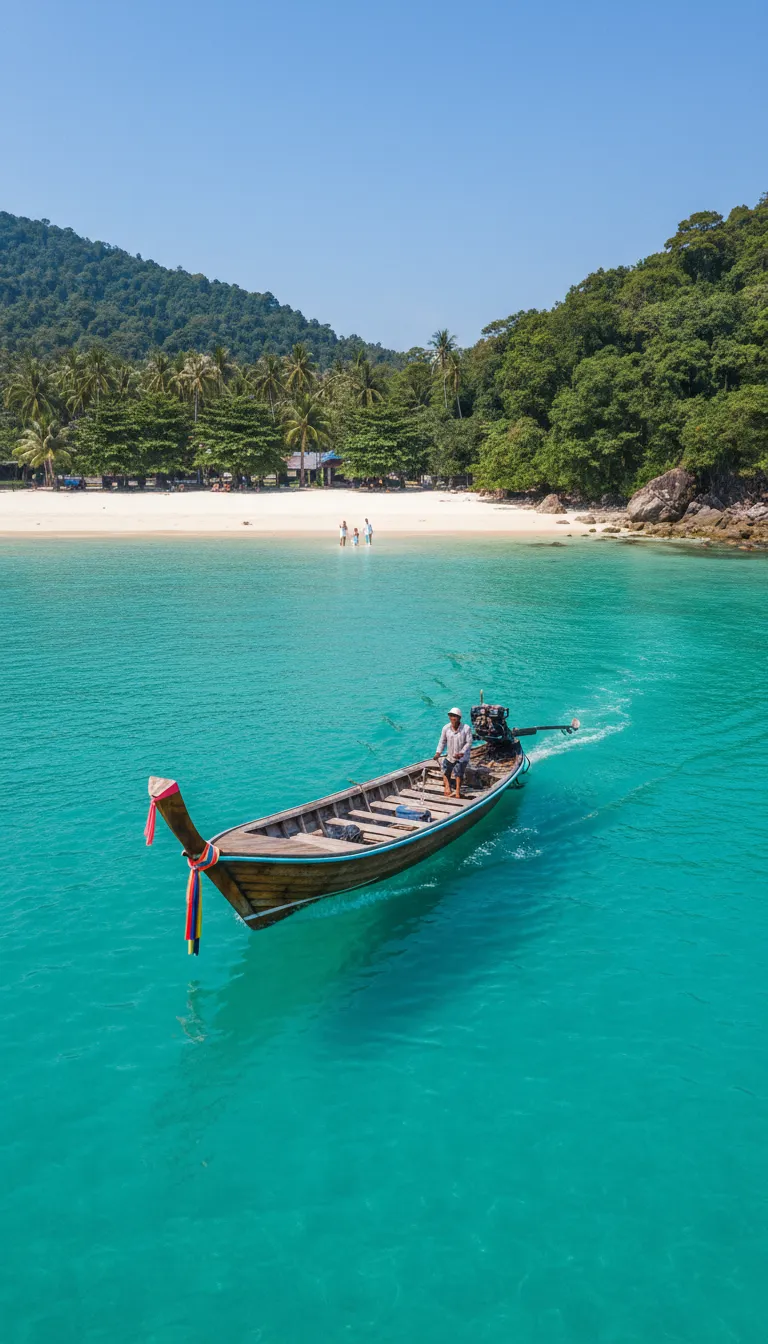
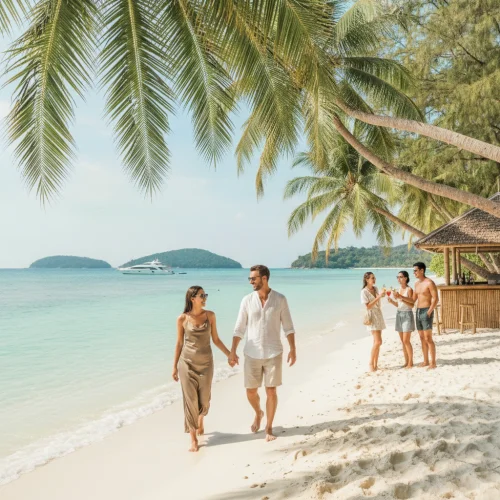
Koh Lanta’s geography gives it a distinct microclimate; because it lacks the massive, shielding limestone karsts of neighbouring Krabi, the Andaman Sea breezes hit the western beaches with zero filter.
This means you get a glorious, cooling airflow from December to February, but it also translates to a relentless, sand-whipping onshore wind during the monsoon that glossy brochures conveniently ignore.
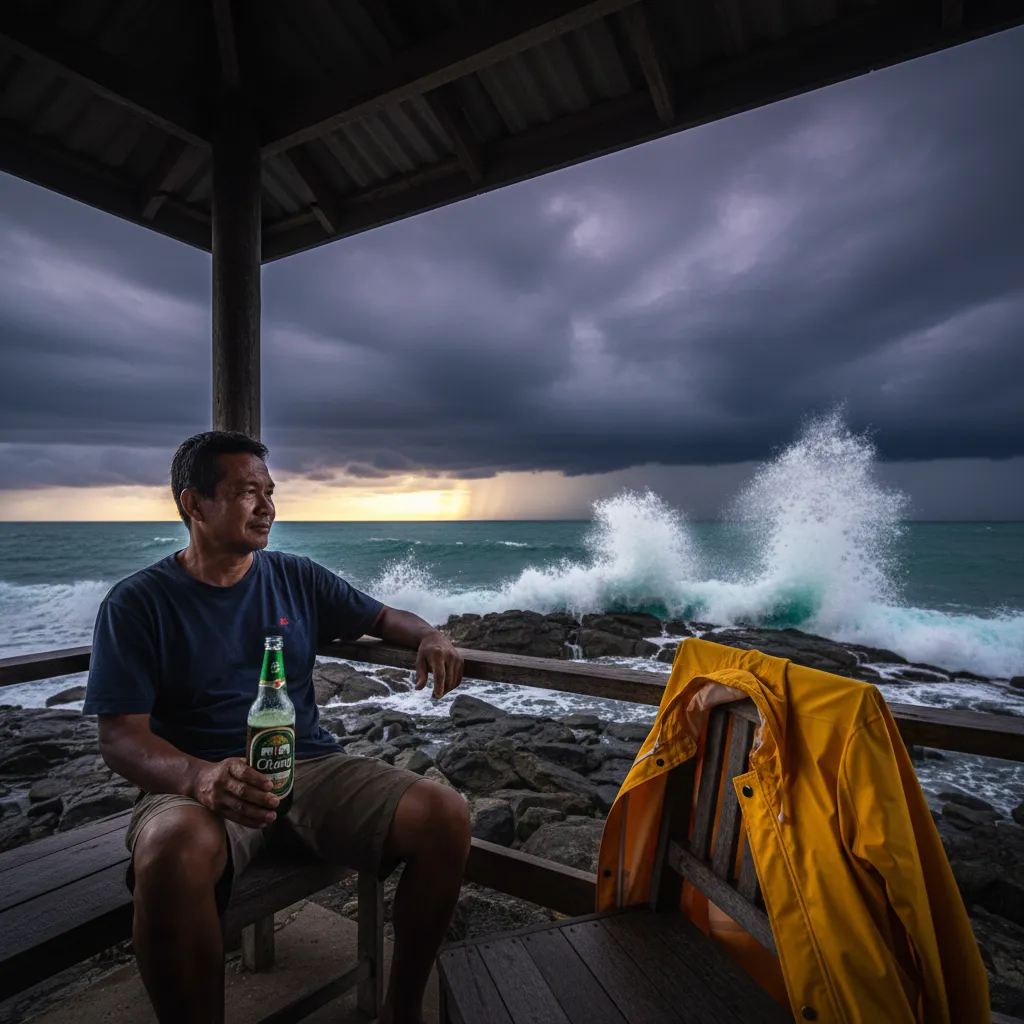
The "Cool" season runs from late November through February, though cool is a highly relative term when daytime temperatures hover reliably between 28°C and 32°C. Nights dip to a sleepable 24°C, accompanied by a steady, low-humidity ocean breeze that makes evening beach beers an absolute joy. Then comes the Hot season from March to early May. The mercury climbs to an aggressive 35°C to 38°C, and the nighttime relief vanishes as temperatures refuse to drop below 28°C. The April heat isn't just hot; it's a physical weight that turns a ten-minute walk for a pad thai into an endurance event. You will sweat in places you didn't know you had pores. The Rainy season sweeps in from late May and dominates until October. September is the peak intensity period, where temperatures sit around 29°C but the humidity skyrockets to 85 percent or more. While the skies are often bruised and grey, the island takes on a lush, Jurassic green that feels deeply restorative after the scorching dry months.
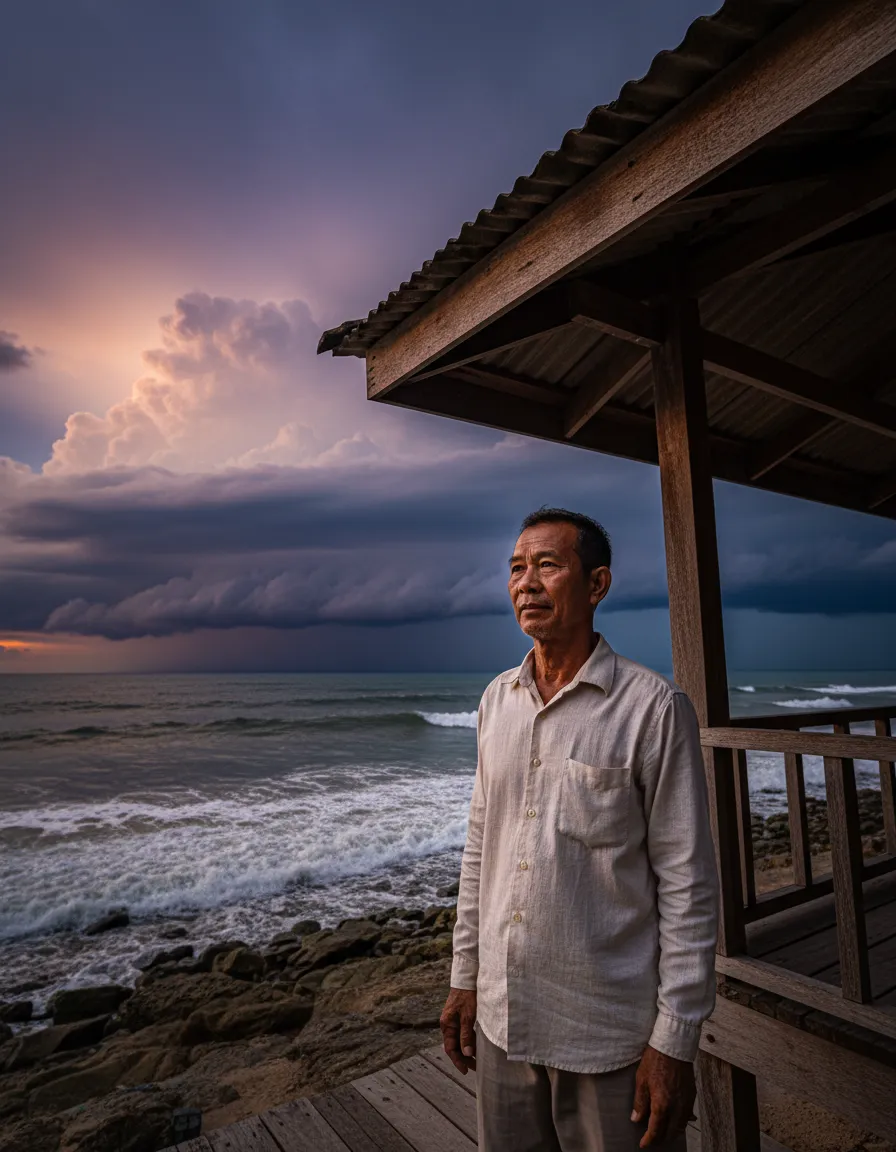
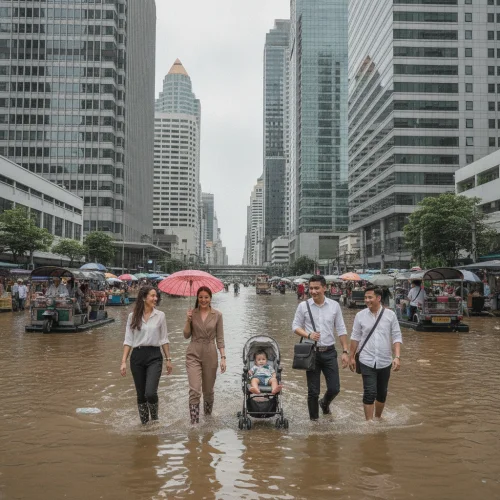
On Koh Lanta, the monsoon rarely deals in the polite, one-hour afternoon showers you get in Bangkok. Instead, the Andaman Sea throws massive, sprawling storm systems at the island, particularly in September and October, bringing 250mm to 300mm of monthly rainfall that can settle into a three-day grey drizzle. The sea swells during these months are genuinely fierce. The passenger ferries from Phuket or Krabi frequently cancel sailings due to two-metre waves, meaning you will need to rely on the car ferry and minivan route via the mainland bridge, adding two hours to your journey. The coastal road near Klong Nin beach often floods with 15cm of standing water after a heavy downpour. Do not waste money on a flimsy umbrella that the beach winds will instantly destroy. Buy a heavy-duty PVC poncho from a local hardware shop for 150 THB (GBP 3.45) instead of the thin 50 THB (GBP 1.15) 7-11 version, and embrace the puddles.
AIR QUALITY
Unlike the choking smog of the north, Koh Lanta largely escapes the brutal realities of Thailand's burning season. Between late February and early April, however, mainland agricultural fires can push the AQI up to the 100-150 range, casting a milky haze over the horizon and occasionally leaving a dry scratch in your throat. It is rarely day-ruining. If you are sensitive, pick up an N95 mask from a pharmacy in Saladan village for 80 THB (GBP 1.85). Should the haze settle heavily, your best escape strategy is to book a speedboat trip out to the Rok islands; the sea breeze twenty kilometres offshore blows the air completely clear.
Leave your denim cut-offs and polyester blend shirts in the UK. In 80 percent humidity, cotton and linen are your only friends; anything synthetic will cling to your skin like clingfilm and smell offensive by noon. The UV index on Lanta regularly hits an extreme 11 or 12 between 10 AM and 2 PM, baking the long western beaches. Bring your preferred high-SPF sunscreen from Boots at home. A decent bottle of Nivea Factor 50 here will cost you an eye-watering 550 THB (GBP 12.65) in a local pharmacy, assuming they haven't sold out. For temple visits or navigating the more conservative Muslim fishing villages in the south, you need to cover your shoulders and knees despite the 35°C heat. The easiest workaround is packing a lightweight, breathable sarong; keep it rolled in your daybag to quickly wrap around your waist or drape over your shoulders.
Tropical heat exhaustion creeps up on you silently, especially when you are distracted by cheap cocktails. Counteract the heavy sweating by buying Royal-D electrolyte sachets from any 7-11 for 10 THB (GBP 0.23) and mixing one into your water bottle daily. The midday humidity demands a slow pace, so follow the local schedule. Be active before 11 AM, retreat to the shade or a fan-cooled hammock until 3 PM, and emerge later. Koh Lanta's mangrove-heavy east coast and jungle-backed western beaches are prime mosquito territory. Apply a local DEET-based repellent immediately at 5:30 PM, just as the sun dips.
BEST TIME TO VISIT
The true Goldilocks window is late January to mid-February, offering flawless 30°C days, calm seas, and perfectly cool evenings. However, the secret month locals love is November. You risk an occasional 4 PM thunderstorm, but the island is freshly green from the monsoon, the waterfalls are actually flowing, and you can secure premium beachfront bungalows for half the January price.