The defining characteristic of this southern island is a quiet, pluralistic society where deep-rooted Islamic heritage seamlessly coexists with Buddhist and Chao Lay traditions.
Guides often paint the Sea Gypsies as isolated historical curiosities, but you will see them running modern dive shops and drinking iced coffee at the local shops alongside hijab-wearing teenagers. This tri-cultural harmony dictates the gentle rhythm of the entire community.
Religion here is a quiet, pragmatic affair shaped by the island's Muslim majority, meaning you are just as likely to wake up to the call to prayer as you are to see monks collecting alms. Buddhism still holds a strong presence, particularly in the northern villages, but it feels distinctly less performative than in the northern provinces. You will notice locals offering small cups of red Fanta to spirit houses outside halal restaurants, a beautiful blend of animism and daily commerce that surprises most Westerners expecting strict religious boundaries. When you visit Wat Koh Lanta in the Old Town, a modest temple charging no formal entry fee but welcoming a 50 THB (£1.10) donation, do not expect grand golden stupas. Instead, you find a working community hub where stray dogs sleep under the fans and aunties gossip on the cool tile floors. It feels lived-in rather than sacred.
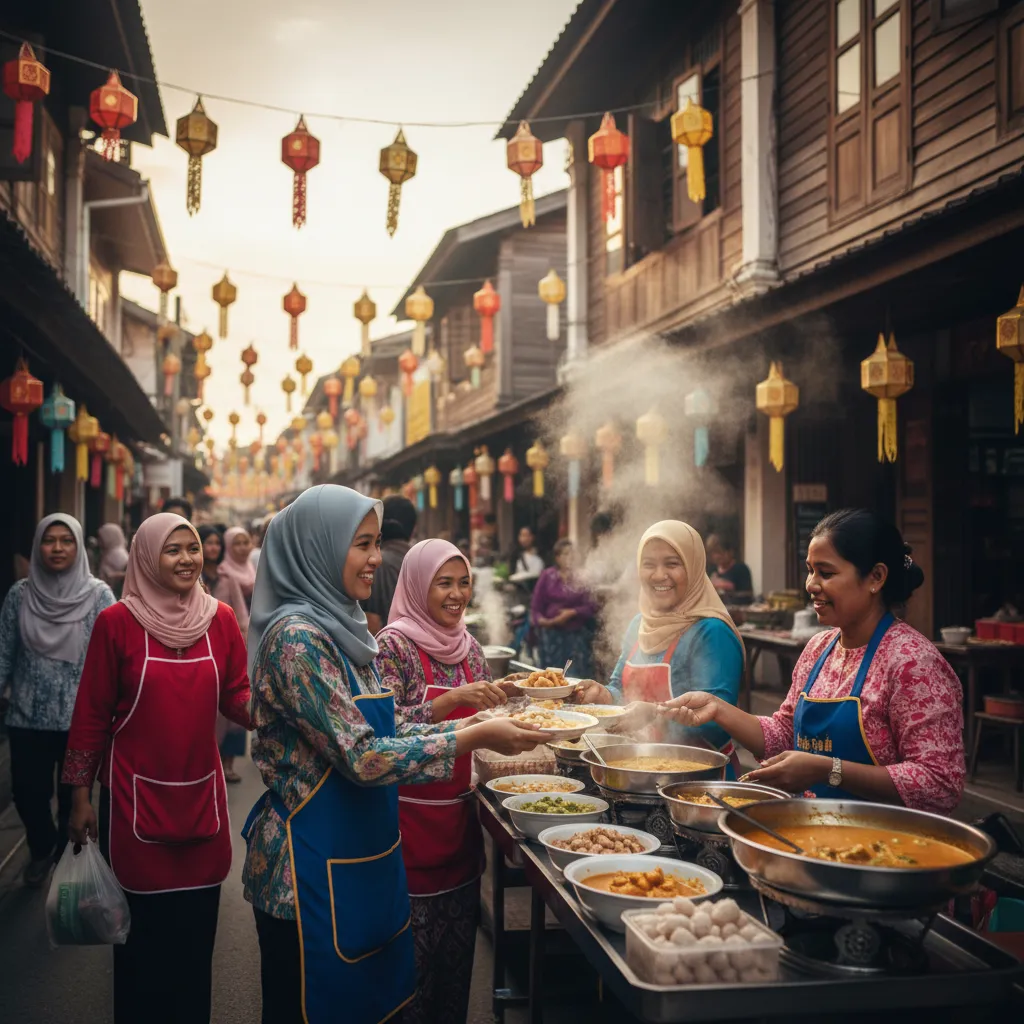
The Laanta Lanta Festival in March is the defining cultural event of the year, transforming the Old Town into a genuine celebration of the island’s tricultural identity. While most guides focus heavily on the main stage performances, the real draw is the sprawling street food encampment where you can eat traditional Sea Gypsy sweets alongside Muslim massaman curries. You will find the narrow streets packed with families from the mainland, making accommodation around the east coast incredibly scarce for those three days, so book well ahead. Down in the Chao Lay village of Sang Ga U, the bi-annual Loi Ruea festival in May and November is entirely specific to the Urak Lawoi people. They build elaborate wooden boats to float away bad luck, a deeply serious ritual that dictates the entire village's schedule. Visitors are welcome to watch, but remember this is a solemn spiritual cleansing, not a tourist spectacle. Expect the southern end of the island to be heavily congested with local traffic during these days, making scooter hire essential but requiring extra caution on the steep coastal roads.
TRADITIONS & CUSTOMS
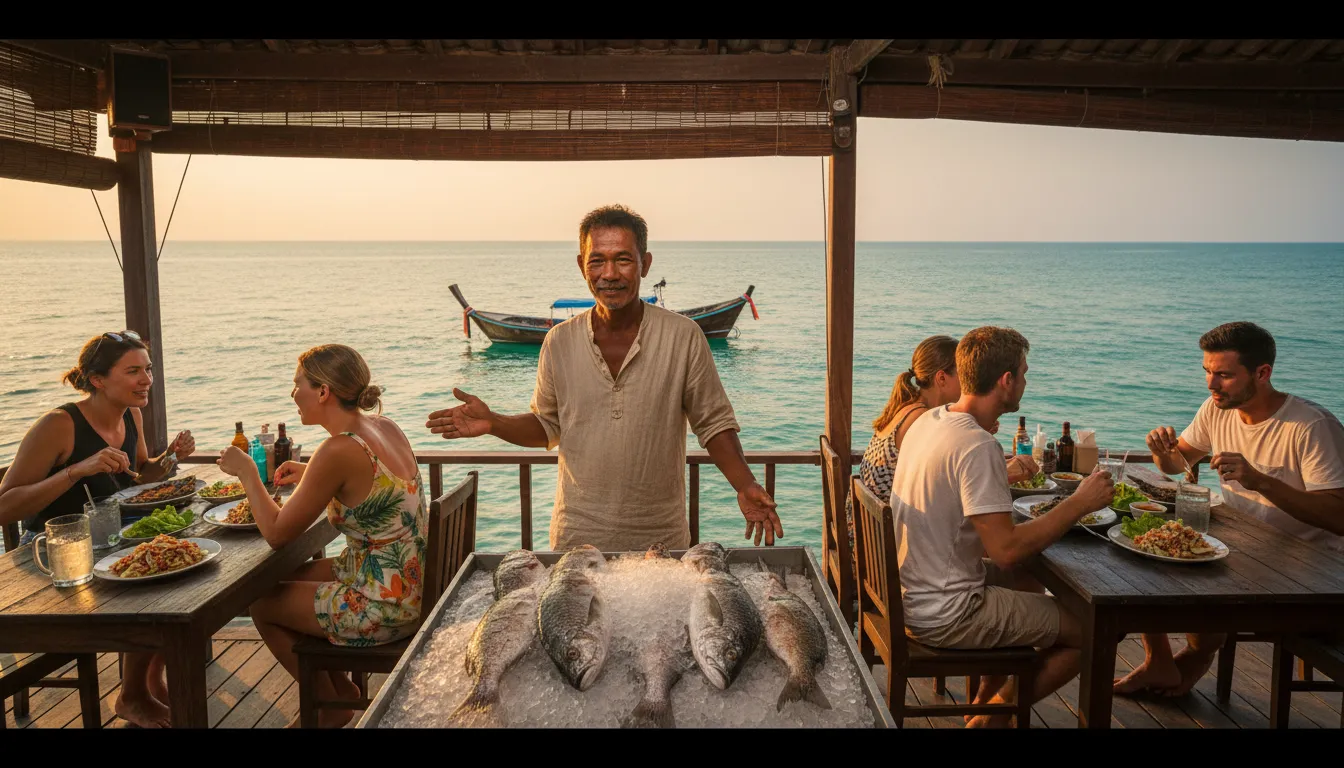
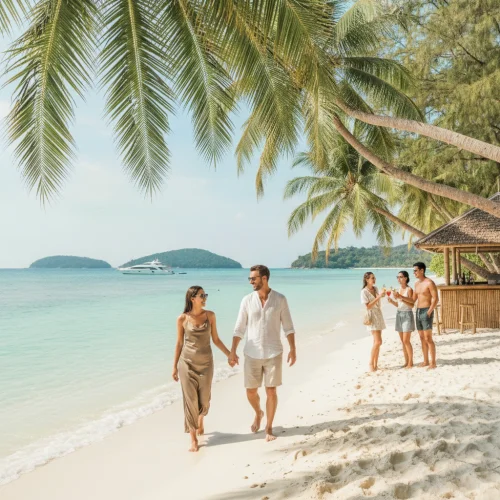
The social fabric here leans heavily conservative due to the Islamic influence, dictating a much more modest approach to daily life than you will find on neighbouring party islands. Walking through Saladan or the Old Town in just a bikini top or swimming trunks is the single most common, and deeply offensive, mistake Western visitors make. Throwing a t-shirt over your swimwear when leaving the beach is not just polite; it is an absolute expectation. A highly localised custom involves greetings. While the traditional Thai wai is common among the Buddhist population, a soft nod and a warm smile is often the preferred greeting when interacting with older Muslim locals, particularly across genders. Eating is inherently communal, but you will notice that alcohol is completely absent from many family-run restaurants. Bringing your own beer into a halal eatery, even if they sell seafood, is a severe social misstep that will quickly sour your reception.
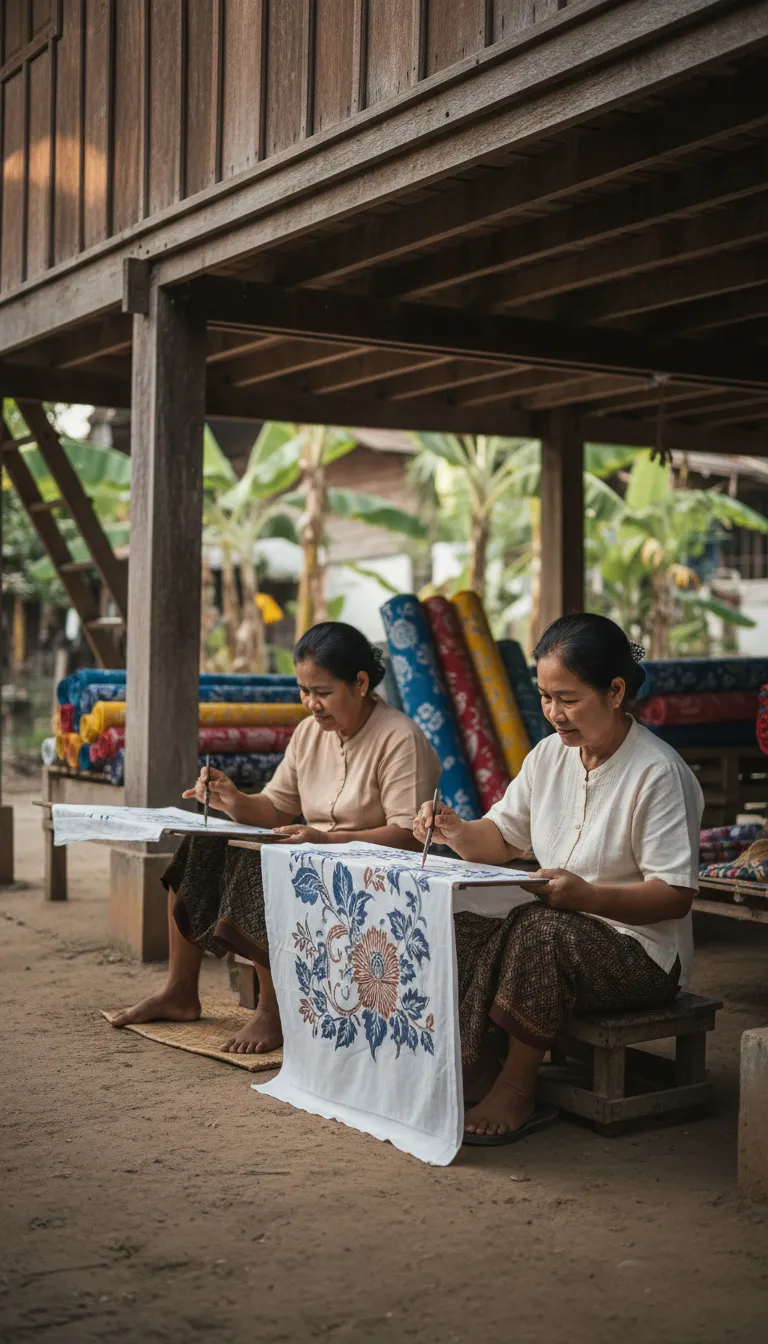
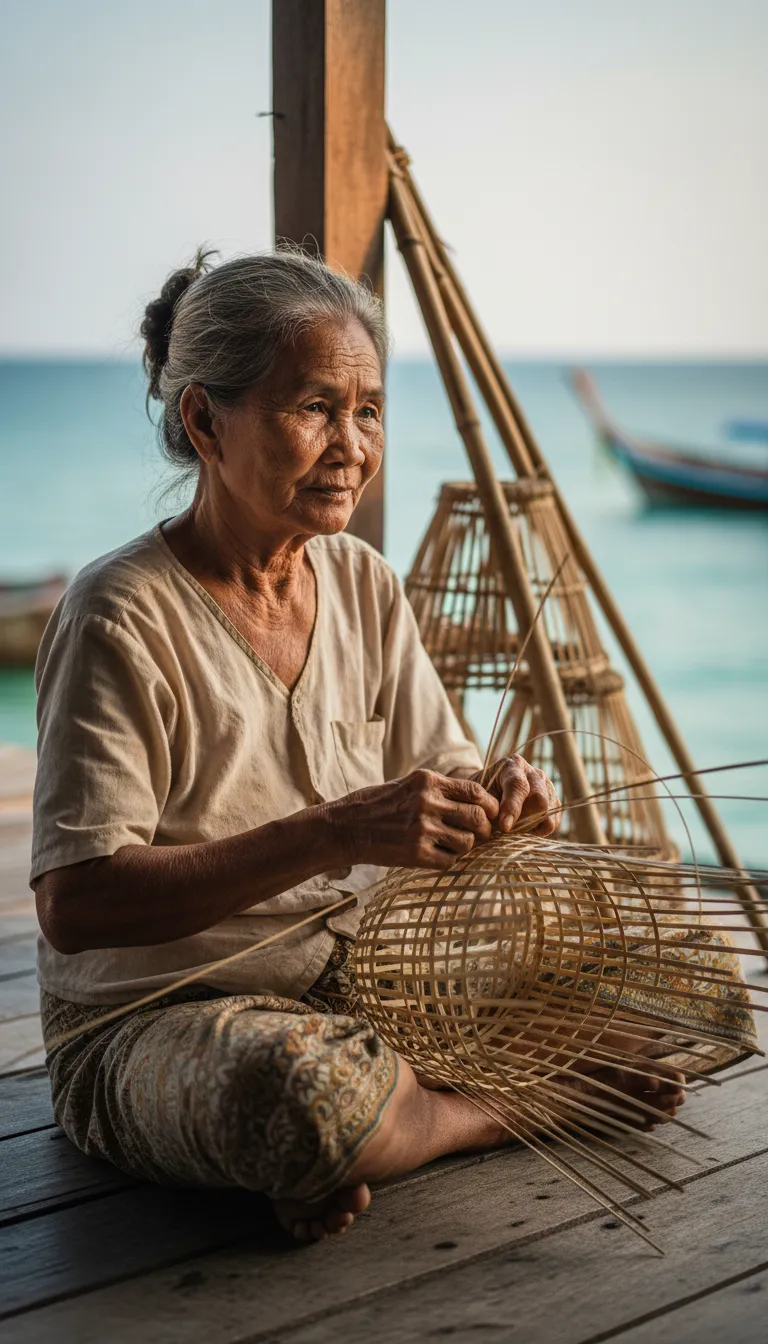
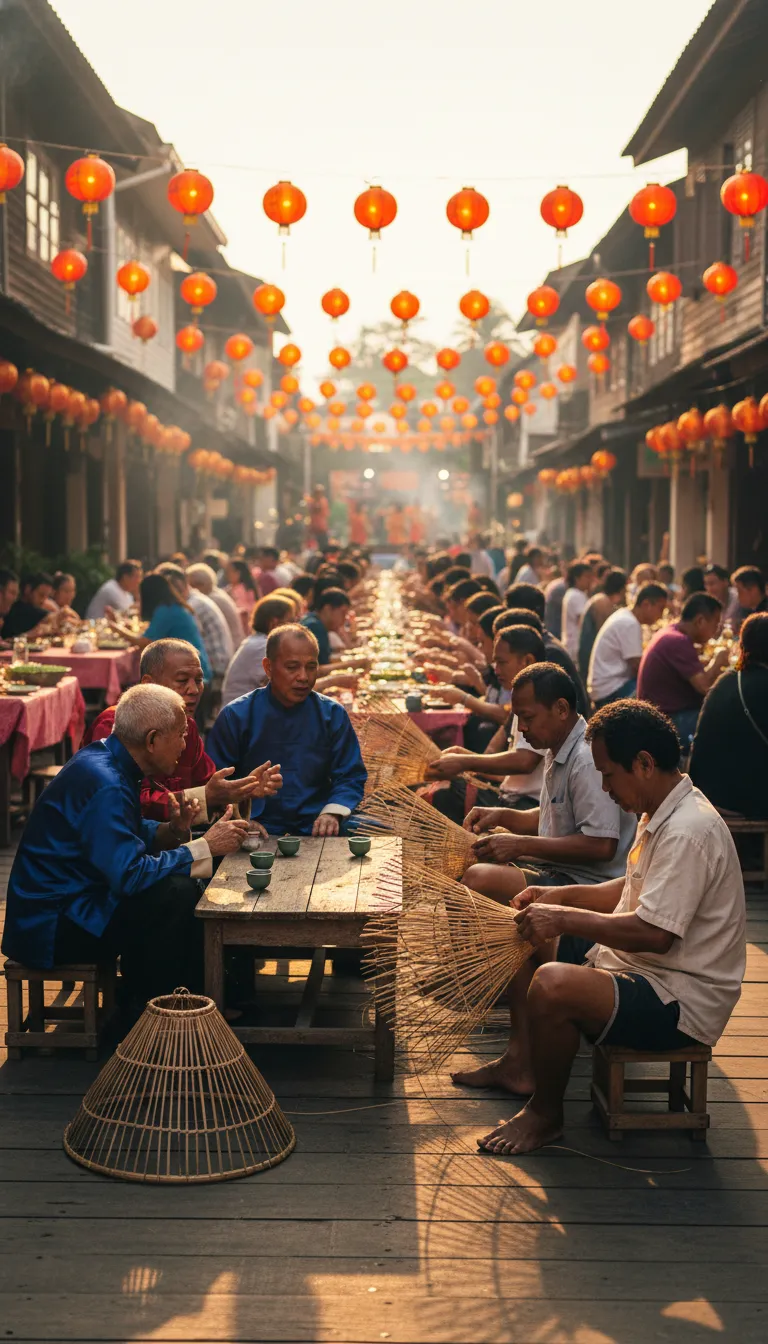
This community is quietly renowned for its traditional Urak Lawoi bamboo and rattan weaving, a practical skill passed down through generations of Sea Gypsies. You can find authentic fish traps and tightly woven baskets at the Old Town Sunday market, usually costing between 300 and 800 THB (£6.50 to £17.50) depending on the intricacy of the design. Be wary of the perfectly polished, mass-produced wooden elephants sold in the larger souvenir shops near the pier. These are shipped in from Chiang Mai factories and have absolutely no connection to the local artistic heritage. Genuine southern weaving feels rougher to the touch and smells faintly of sea salt.
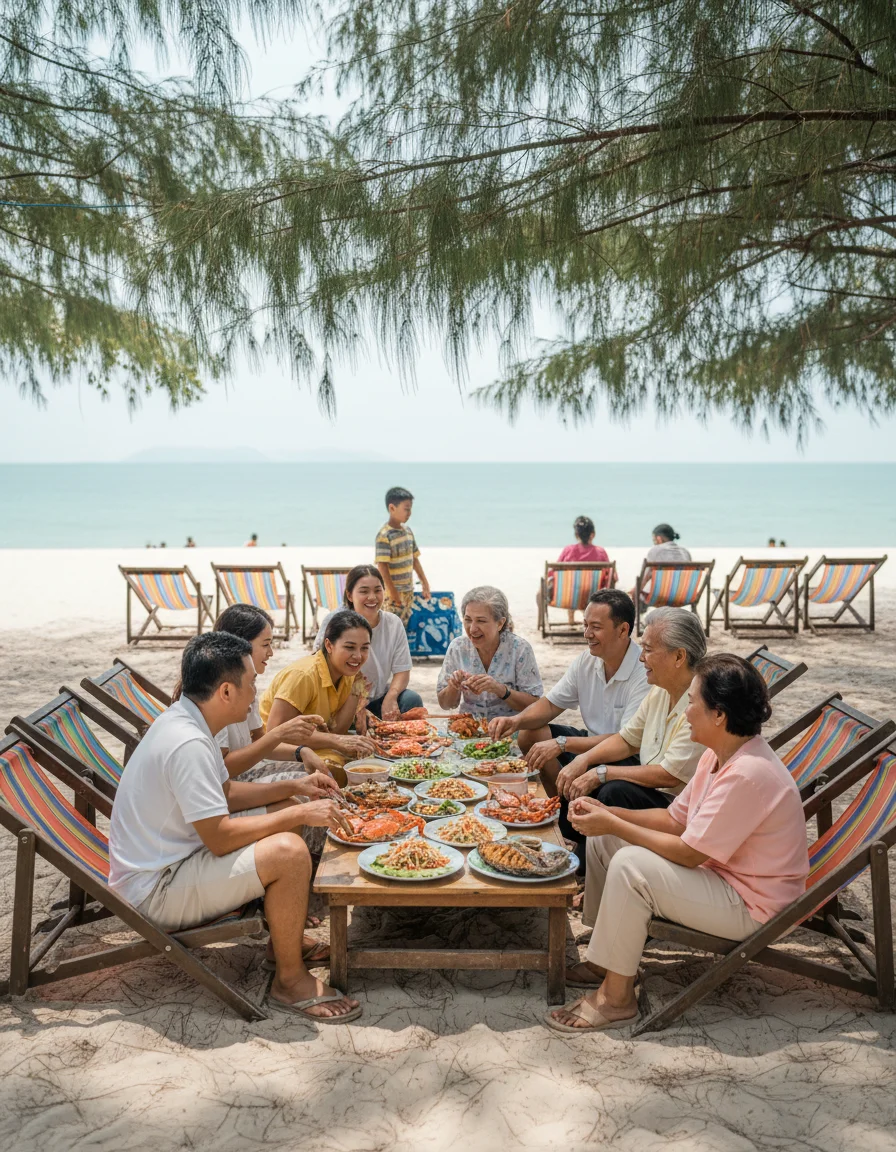
Roti is not just a late-night tourist snack here; it is the absolute cornerstone of morning social life. Between 6am and 9am, the local roti shops along the main road become de facto community halls where rubber tappers, dive instructors, and teachers gather over small glasses of intensely sweet Thai tea. Eating together in this context is about establishing neighborhood ties and catching up on local politics. Another profoundly cultural dish is genuinely spicy southern Kaeng Som, a sour yellow curry. Sharing a bowl of this fiery broth is a test of camaraderie and an invitation into the local fold.
LANGUAGE & COMMUNICATION
The southern dialect is notoriously fast and cuts off the ends of words, which can baffle anyone who has studied standard Thai. Simply dropping the formal greetings and using the southern phrase "Aroi jang hu" (incredibly delicious) after a meal will instantly win over any local chef. A basic, two-hour conversational Thai class at one of the local language schools costs roughly 500 THB (£11), an excellent investment for longer stays that shows you care about connecting.
Do remember to remove your shoes before entering any shop with a raised threshold, a rule strictly enforced across the island. Never point your feet at anyone, especially when sitting on woven mats at beachside restaurants. A rule entirely specific to this community involves the Sea Gypsy villages. Do not wander into their residential compounds uninvited to take portraits, as they value their privacy immensely despite their close proximity to tourist zones. Always use your right hand when passing money or food, as the left is traditionally considered unclean in Islamic culture, a nuance heavily observed here.