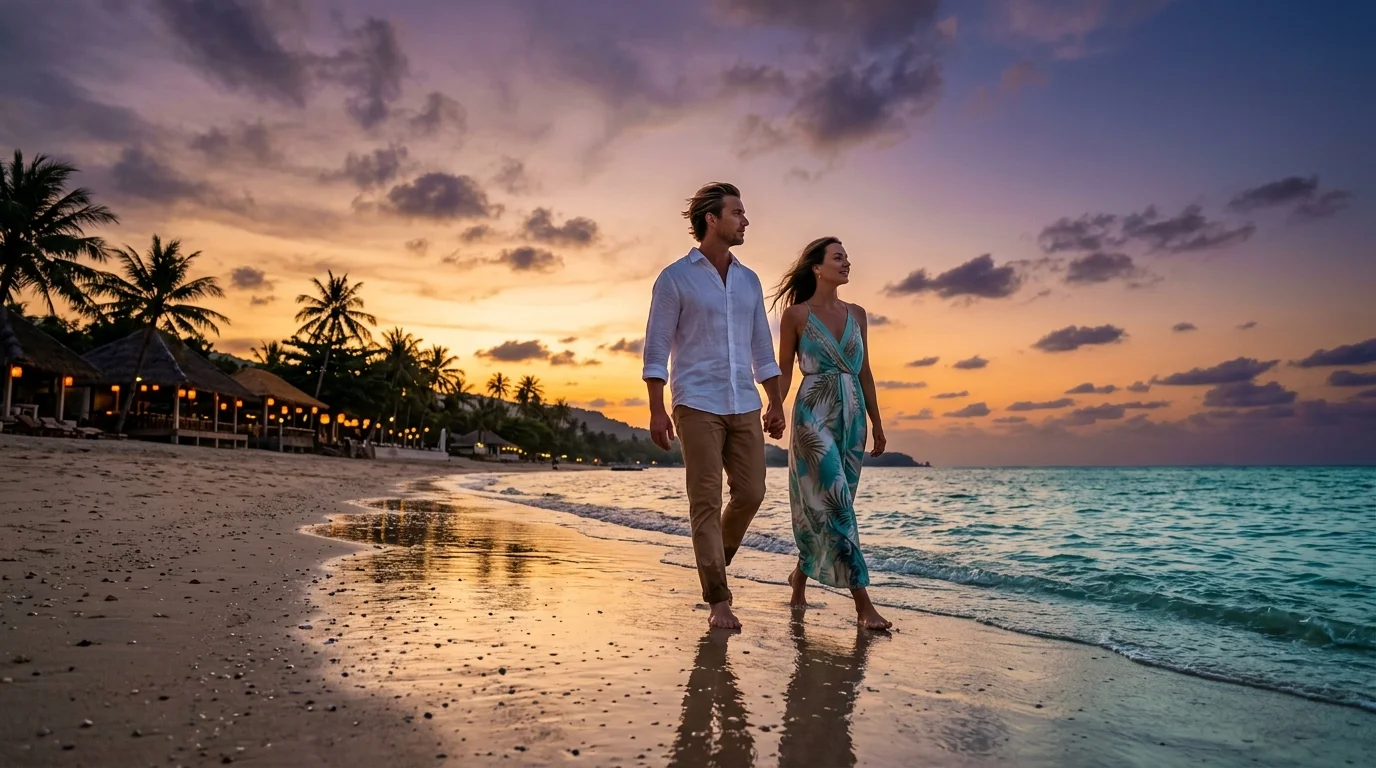
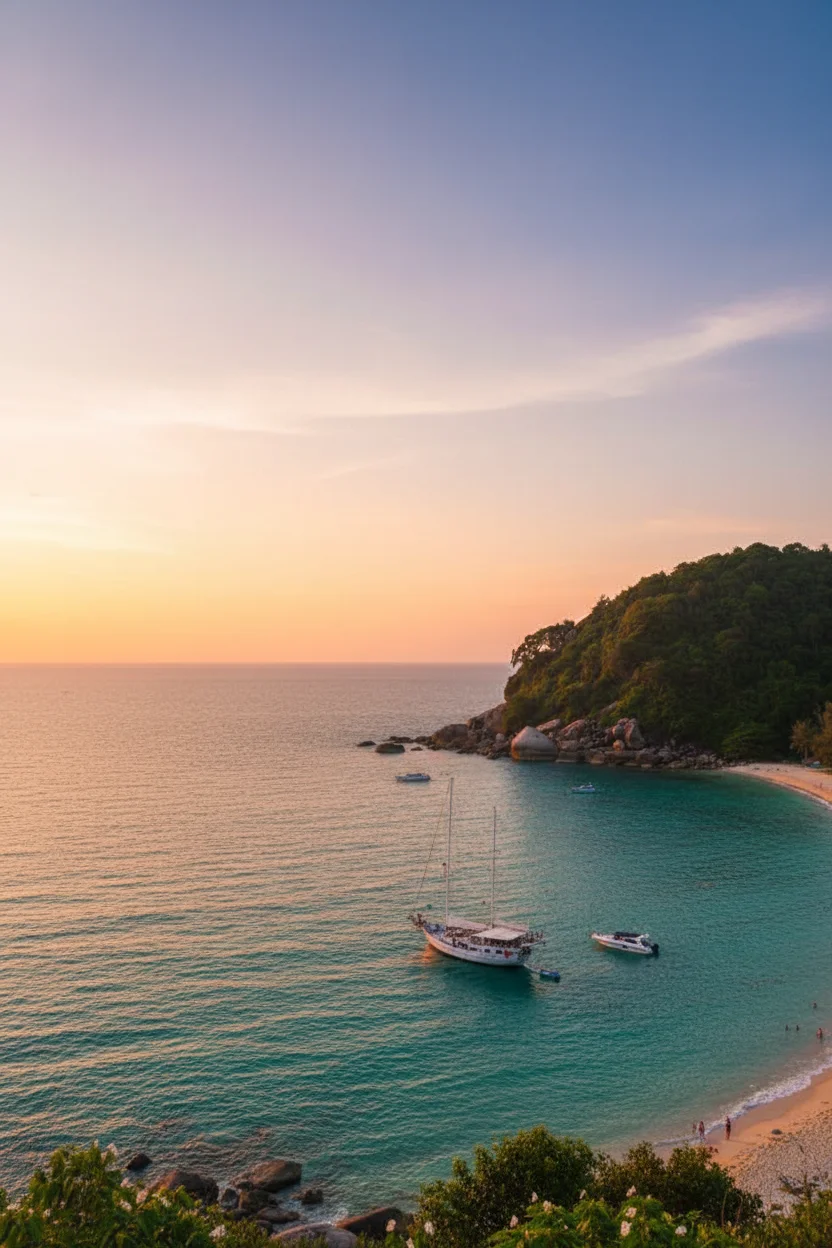
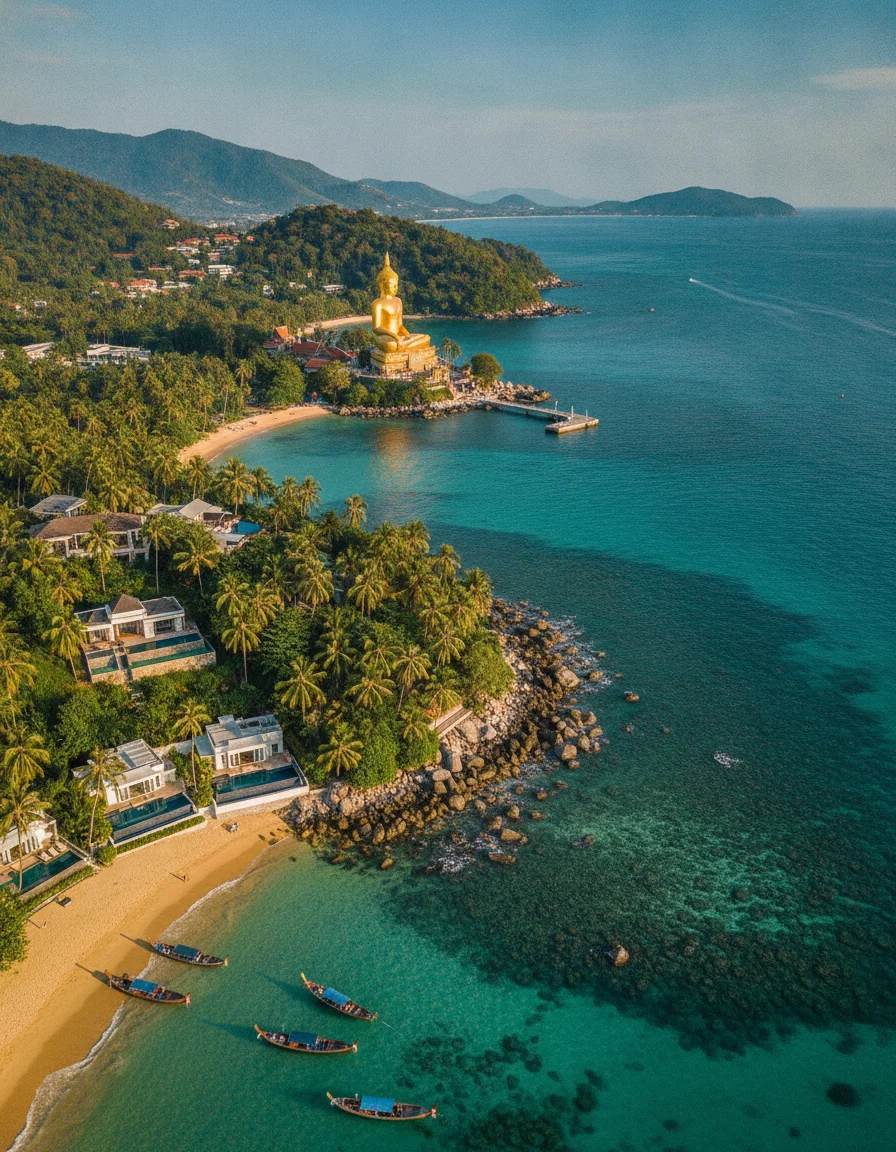
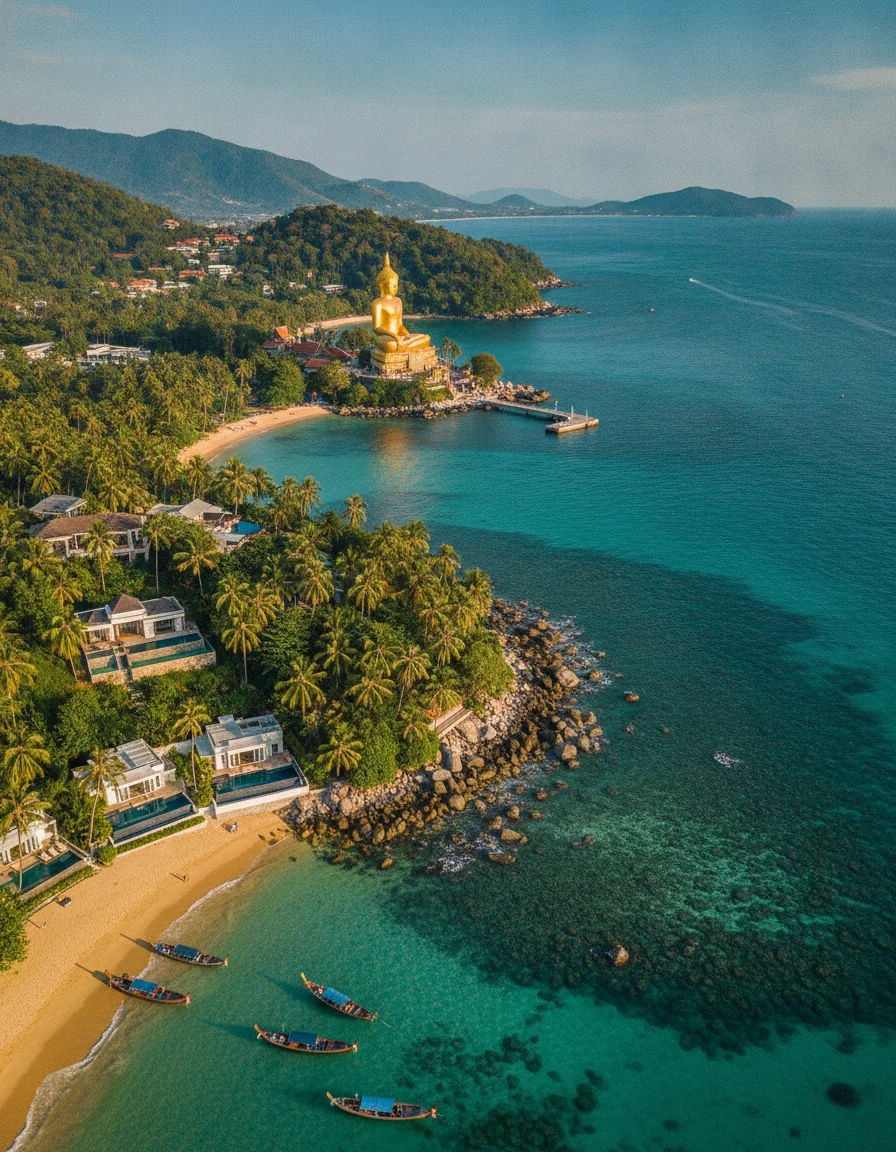
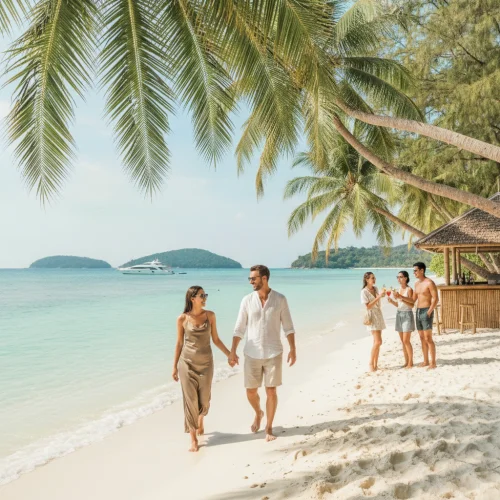
Unlike the rest of Thailand, this Gulf island operates on entirely its own meteorological calendar, meaning you can often bask in glorious sunshine here while the Andaman coast is underwater.
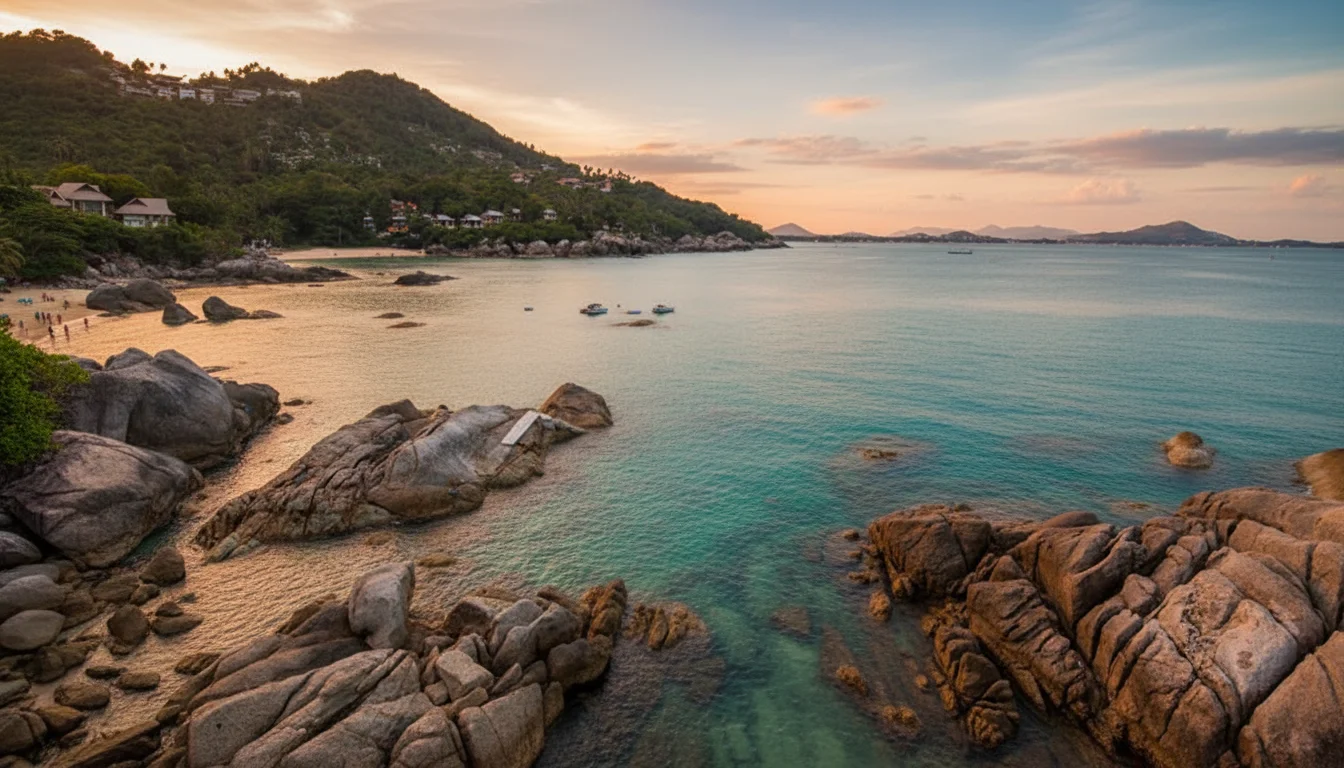
The prevailing easterly winds can whip up the sea rather ferociously on the Chaweng side from October to December, a detail the travel brochures routinely ignore. Still, time it right, and you get impossibly clear, bath-warm waters and long, languid evenings that make the long haul from Heathrow entirely worthwhile.
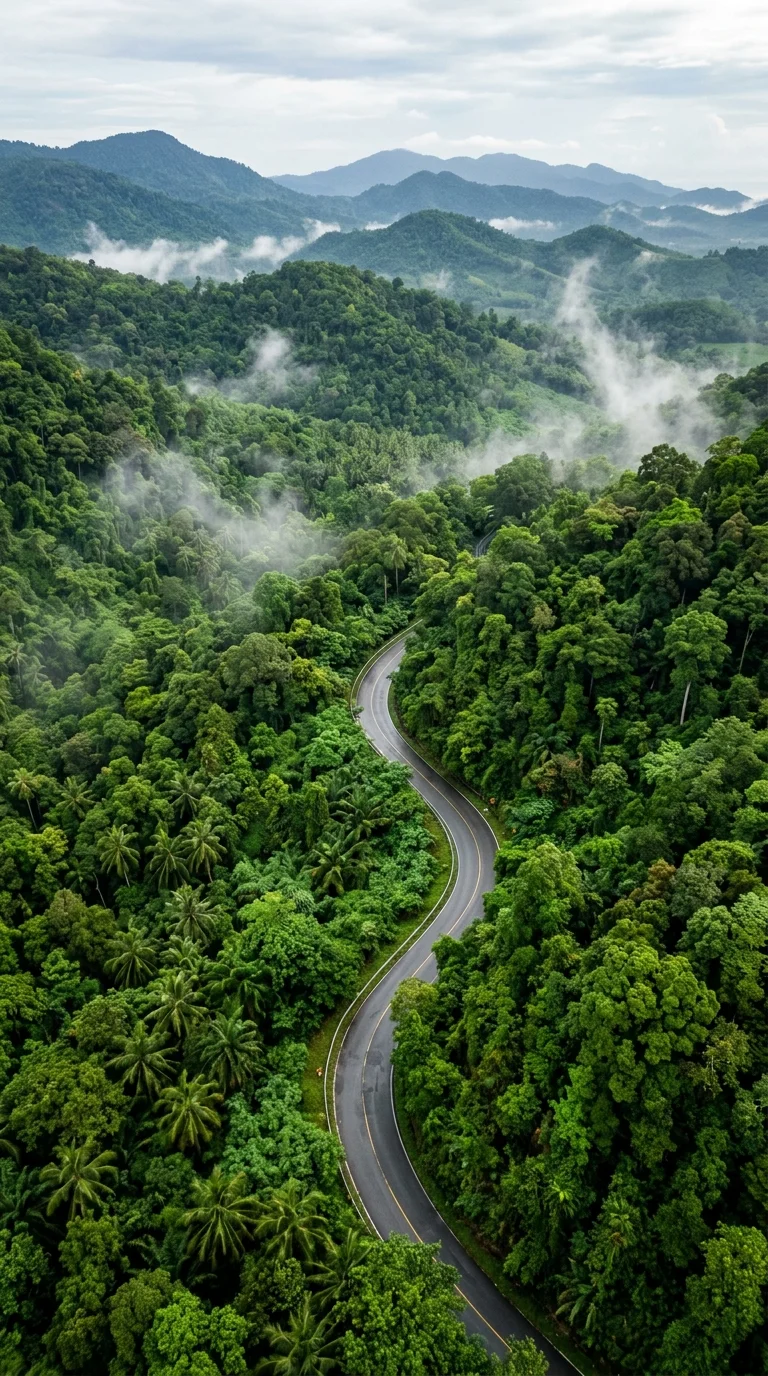
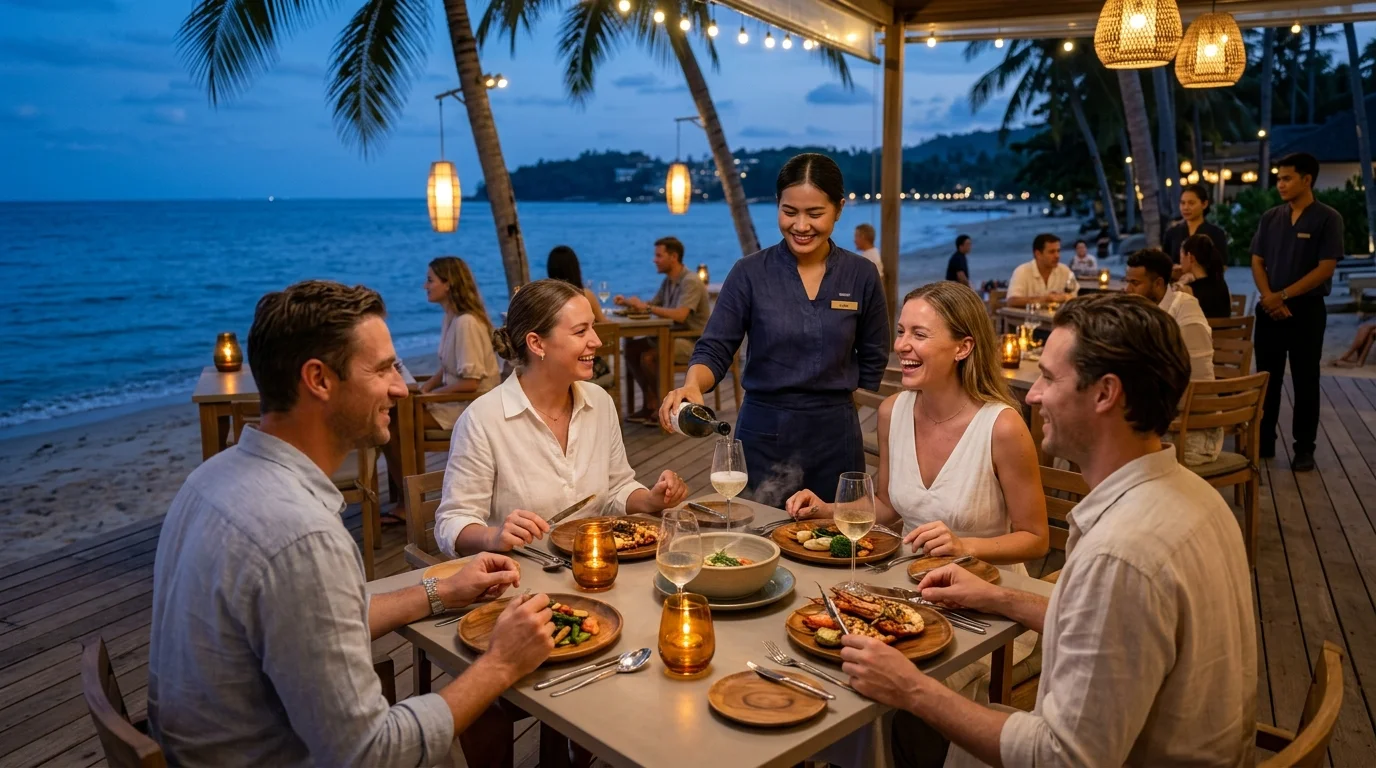
The island divides its year into three distinct phases, though the lines blur when the humidity kicks in. The 'Cool' season, running from mid-December through February, is an absolute joy. Daytime temperatures hover around a highly civilised 28°C to 30°C, dropping to 24°C at night, with a reliable sea breeze that makes dining outdoors a delight rather than a sweaty endurance test. Come March, the Hot season arrives with a vengeance and lingers until late August. By April, temperatures routinely hit 34°C, though the 80% humidity makes it feel like a suffocating 40°C. The April heat isn't just hot; it's a physical weight that demands you spend your afternoons submerged in a pool. Mercifully, you are never more than a ten-minute air-conditioned taxi ride from the ocean. Finally, the Rainy season sweeps in from September to early December. While September and October offer a mix of blazing sun and sharp thunderstorms, November is the undisputed peak of the deluge. Temperatures dip slightly to 29°C, but the trade-off is heavy, relentless cloud cover. Yet, even in the wettest weeks, the island's lush, jungle-clad interior turns a magnificent, glowing emerald.
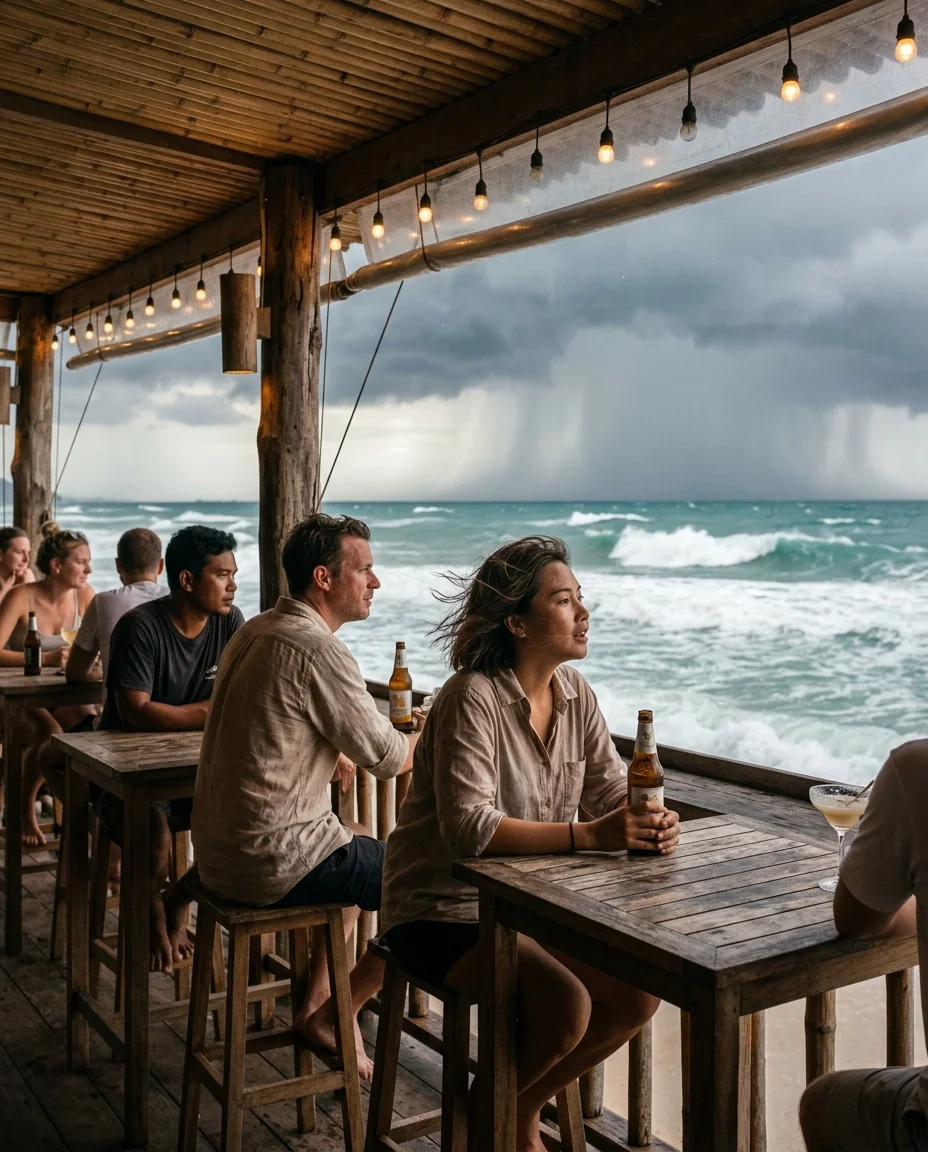
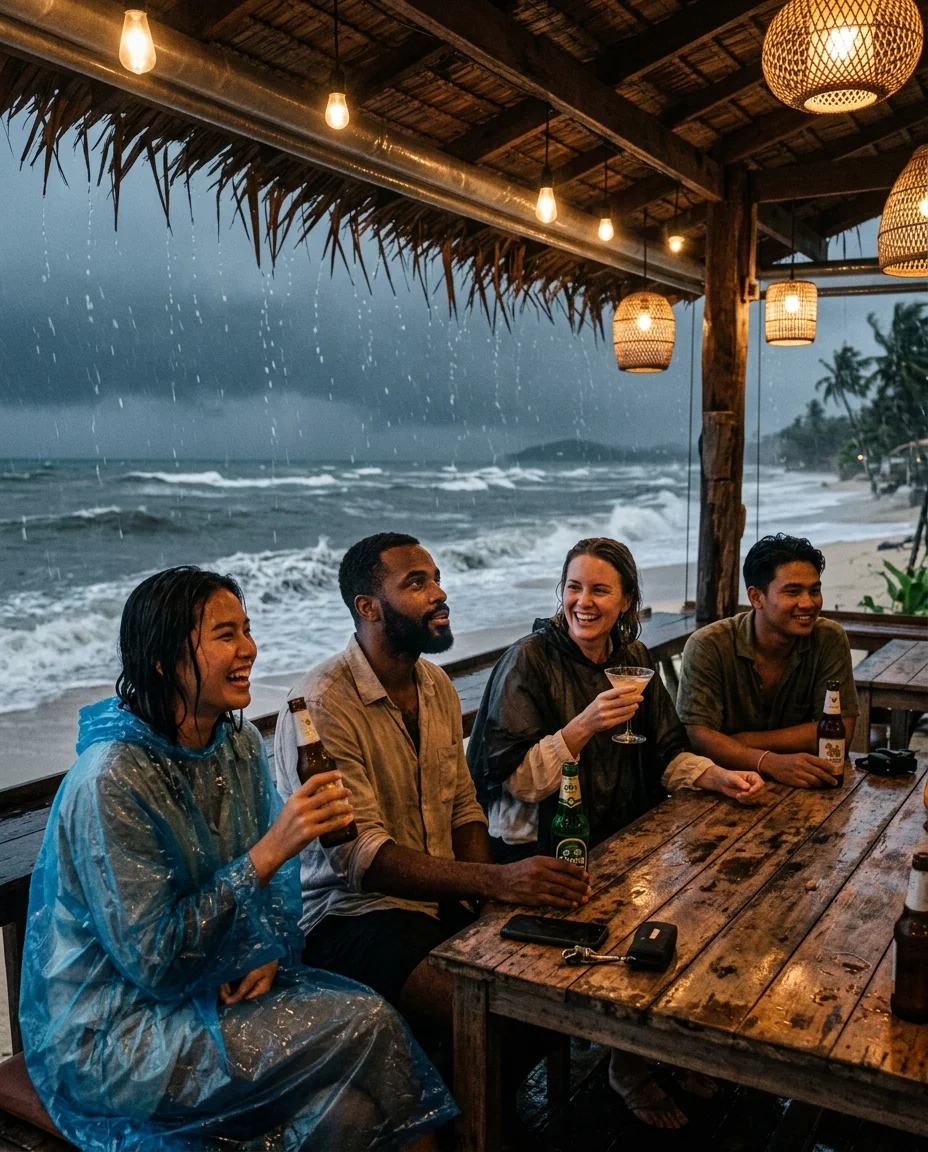
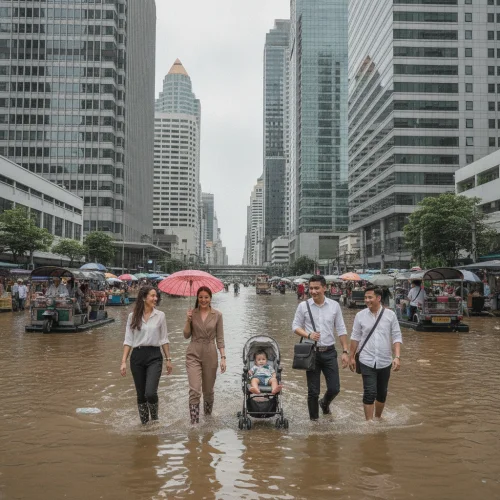
Forget the predictable 4 PM showers you might have experienced in Bangkok; the Gulf monsoon is an entirely different beast. When the weather turns in November, it rarely messes about with polite drizzle. Expect monumental, multi-day downpours that can turn the main ring road through Bophut into a temporary river. Sea swells during this period often reach two metres, meaning the high-speed Lomprayah catamarans from the mainland will test the stomach of even the hardiest sailor, and cancellations are a genuine possibility. Fortunately, the local infrastructure is built for this. When the skies darken, duck into the nearest 7-Eleven and grab a standard plastic poncho for 50 THB (GBP 1.15) rather than wasting 400 THB (GBP 9.20) on a tourist-trap umbrella that the coastal wind will immediately destroy. The rain here is warm, the beer is cold, and watching a tropical storm roll over the water from a sheltered beach bar is pure theatre.
AIR QUALITY
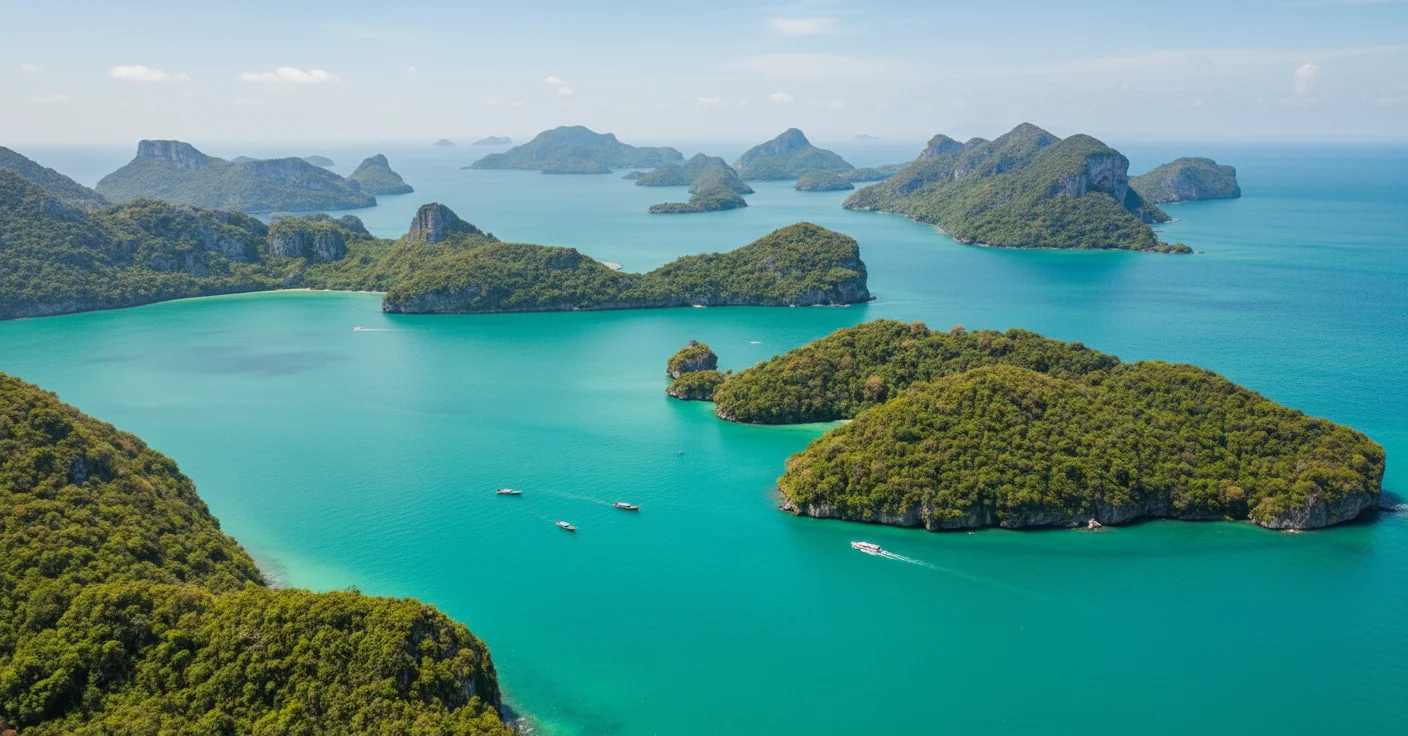
While northern Thailand vanishes under a blanket of agricultural smoke from February to April, the Gulf islands are largely spared the worst of the 'Burning Season'. Thanks to constant maritime winds, the AQI here rarely creeps above 60 (Moderate). You might encounter a few hazy days in late March when mainland smoke drifts across the water, slightly dulling the sunset, but your throat won't sting. On the off-chance a rogue weather pattern traps the haze, a reliable 3M N95 mask from a local pharmacy costs about 80 THB (GBP 1.85). Honestly? Your best escape strategy is simply booking a boat trip out to Ang Thong Marine Park, where the sea air remains perpetually crisp.
Leave your jeans at home. Wearing heavy denim or polyester in 85% humidity is a spectacular rookie error that will leave you chafed and miserable within an hour. Pack loose, breathable linen, lightweight cottons, and moisture-wicking fabrics that allow your skin to breathe. The equatorial UV index here frequently hits 11 (Extreme), meaning you will burn through cloud cover in twenty minutes flat. Do not rely on buying sun protection on arrival. A quality 50+ SPF waterproof sunscreen will set you back upwards of 600 THB (GBP 13.80) at a local Boots, so pack two large bottles in your checked luggage. For temple visits, the strict 'shoulders and knees covered' rule applies regardless of the 35°C heat. The smartest workaround is carrying a lightweight, opaque sarong in your daypack. Whip it out, wrap it around your waist or shoulders for the twenty-minute tour, and immediately strip back down to your shorts.
The tropical humidity will sap your energy far faster than you anticipate, making a midday nap a medical necessity rather than a luxury. Heatstroke is a genuine threat if you try to pack too much into your first 48 hours. Start your days at 7 AM, hide between noon and 4 PM, and emerge for the evening. Keep your electrolytes balanced by picking up Royal-D powder sachets from 7-Eleven for a mere 10 THB (GBP 0.23) each. The lush, mountainous topography means mosquitoes are a year-round reality, especially at dawn and dusk. Buy a local DEET-based repellent like Sketolene on day one; it works far better than the gentle, natural sprays brought from home.
BEST TIME TO VISIT
The ultimate Goldilocks window is late January through February. You get 29°C days, minimal rain, and crystalline waters, though you will share the beaches with half of Europe. For a brilliant compromise, aim for late June to August. This is the island's secret mini-dry season. While Phuket is being battered by storms, the Gulf stays beautifully sunny with only a 20% chance of passing evening showers.