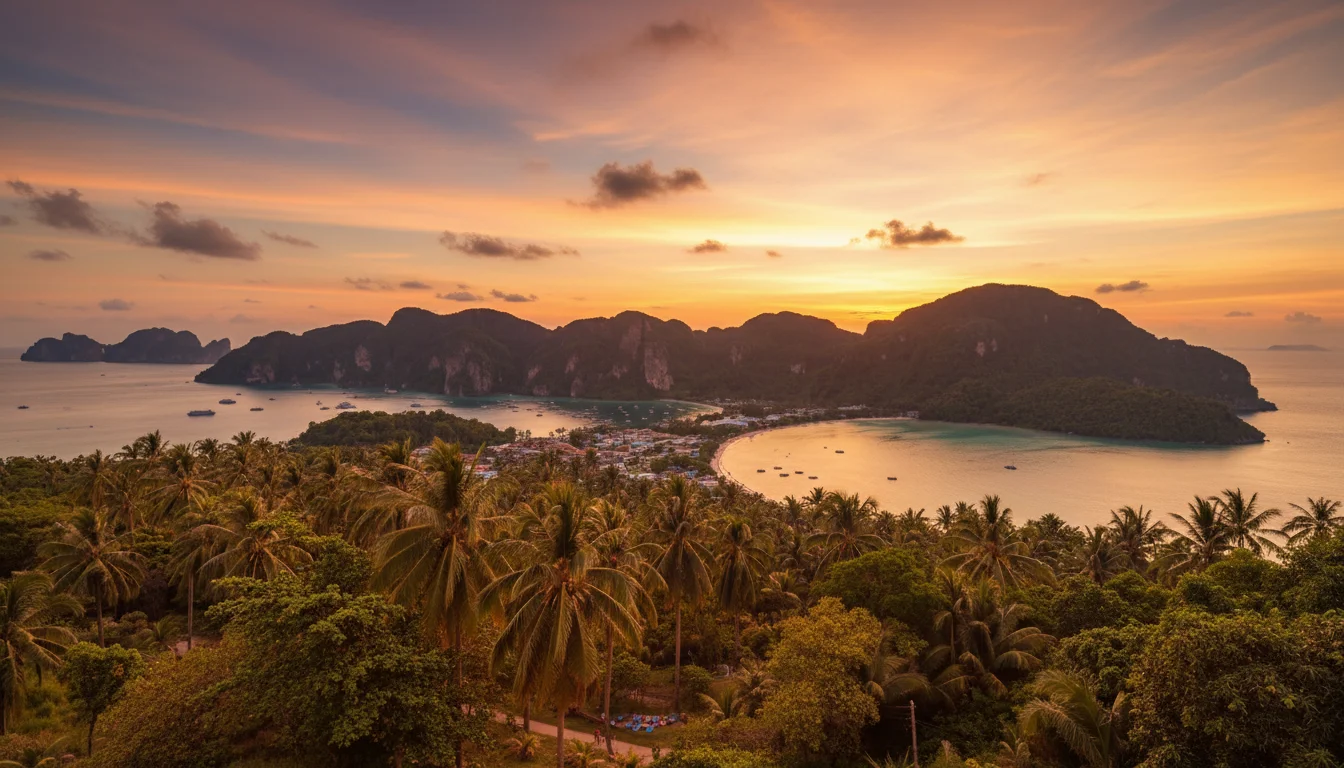
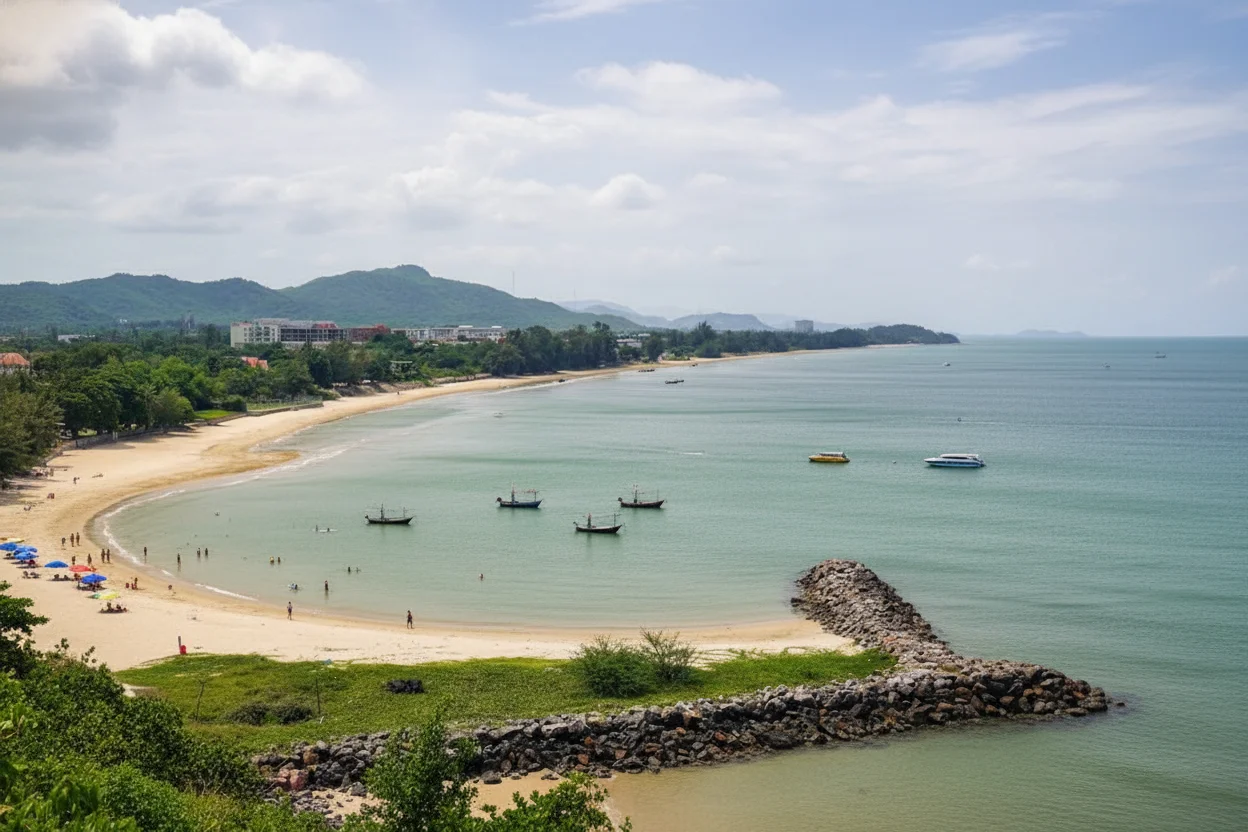
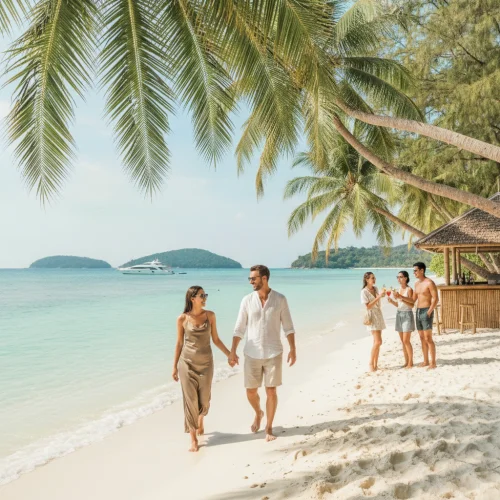
Limestone karsts rising straight out of the Andaman Sea frame a community that is equal parts transient backpacker haven and deeply rooted maritime settlement.
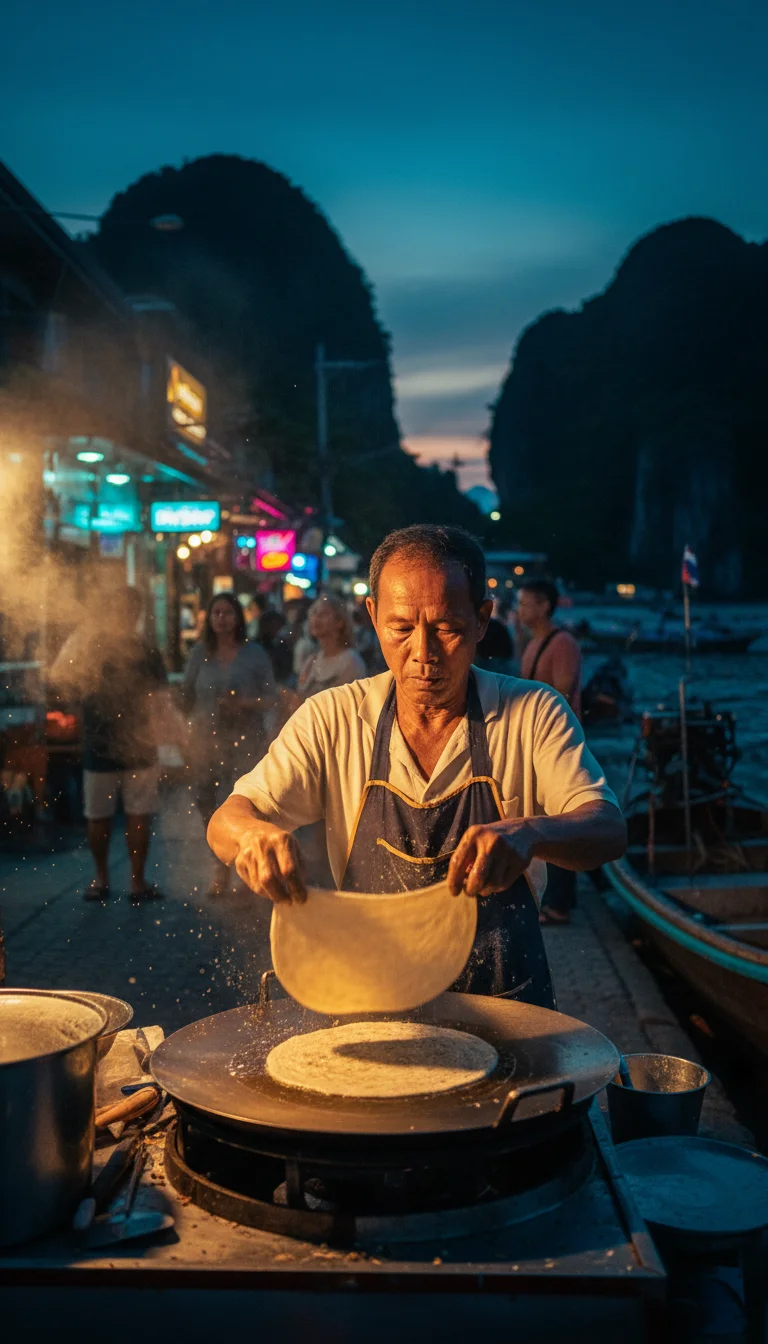
While glossy brochures focus entirely on the beaches, the real heartbeat of this archipelago is the quiet coexistence of Thai Muslim fishermen, Urak Lawoi sea nomads, and Buddhist islanders sharing a very small patch of sand. You will smell sweet roti grilling next to dive shops while the call to prayer drifts over the thumping bass of beach bars.
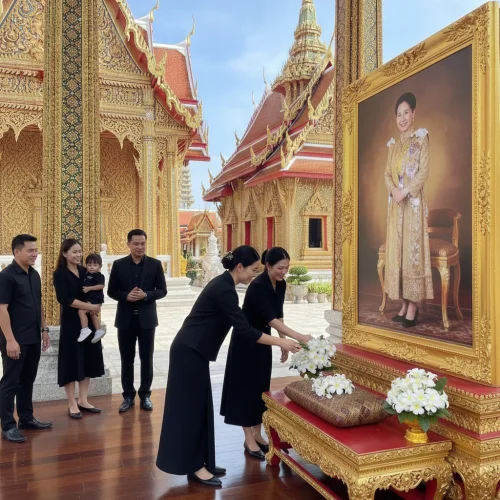
Faith on these islands is a pragmatic, deeply woven affair. Buddhism sits comfortably alongside Islam and ancient animism. You will not find sprawling, golden temple complexes here. Instead, look for quiet corners of devotion tucked behind the dive shops and guesthouses. The small monastic residence and shrine at the foot of the viewpoint trail serves as the primary Buddhist focal point. Entry is free. Leaving a 50 THB (£1.10) donation in the collection box is customary and highly appreciated. What surprises many Western visitors is how fluidly religious practices overlap in this maritime environment. It is entirely normal to see a Buddhist longtail boat captain offering a garland to Mae Yanang, the animist goddess of journeys. He might then stop to chat with his Muslim neighbour outside the central mosque in Tonsai Village. Faith is less about rigid doctrine. It is about maintaining harmony with the community and the unpredictable sea.
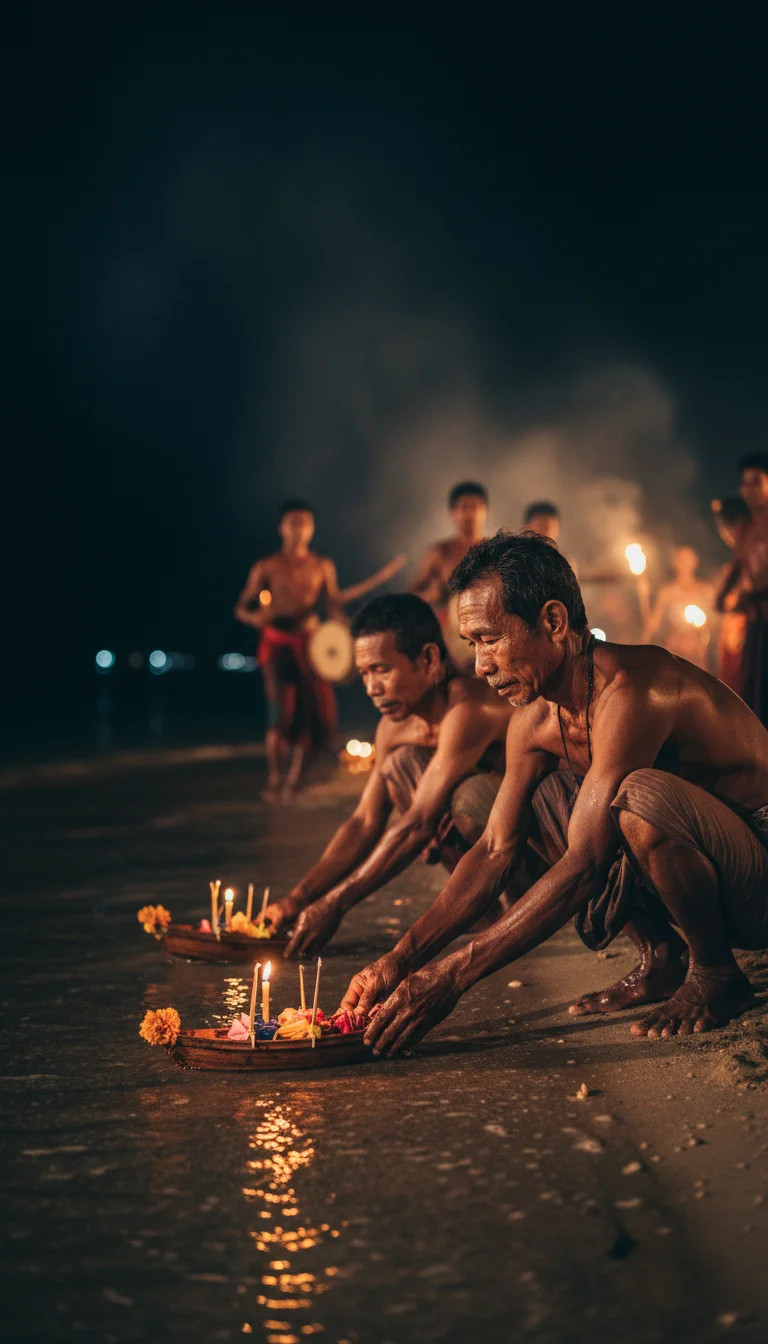
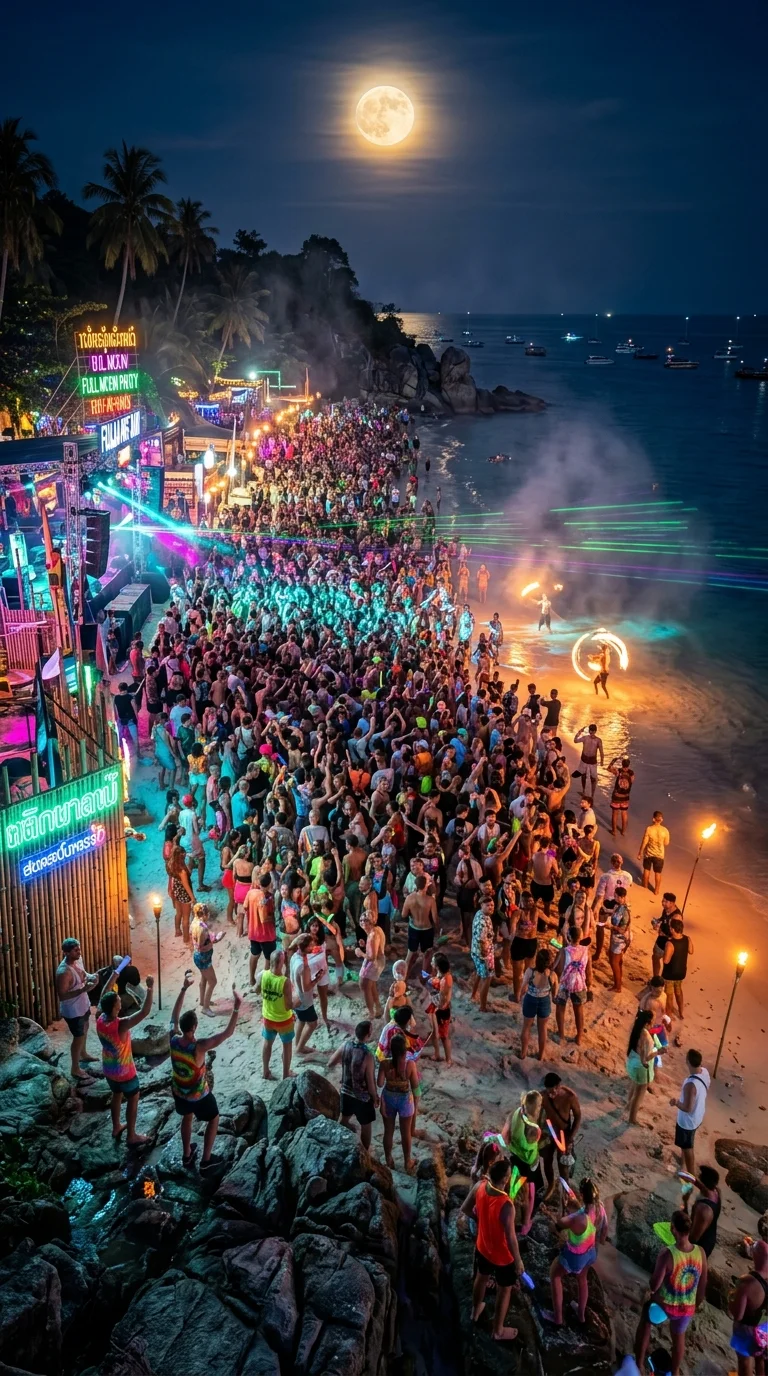
The festival calendar here shifts entirely with the rhythm of the tides and the phases of the moon. While Songkran brings the usual April water-throwing chaos to Tonsai Village, the truly defining celebration is the Loy Ruea festival. Held in May and October or November during the full moon, this Urak Lawoi sea gypsy tradition involves constructing elaborate wooden boats. These are filled with fingernail clippings, hair, and small wooden figures to float away the community's bad luck. On the ground, it is an intensely communal affair marked by hypnotic rong ngeng dancing and the relentless, rhythmic beating of rammana drums long into the night. Most guidebooks fail to mention that this is not a spectator sport put on for tourists. It is a deeply sacred cleansing ritual. For visitors, this means the eastern side of the island around Laem Tong becomes exceptionally busy with local families. You may find certain longtail boat services temporarily suspended as captains prioritise their community obligations over island-hopping tours. Later in November, Loy Krathong sees hundreds of banana-leaf floats illuminated by candlelight bobbing in the bays. It is a spectacular sight that briefly unites the diverse island population on the beaches.
TRADITIONS & CUSTOMS
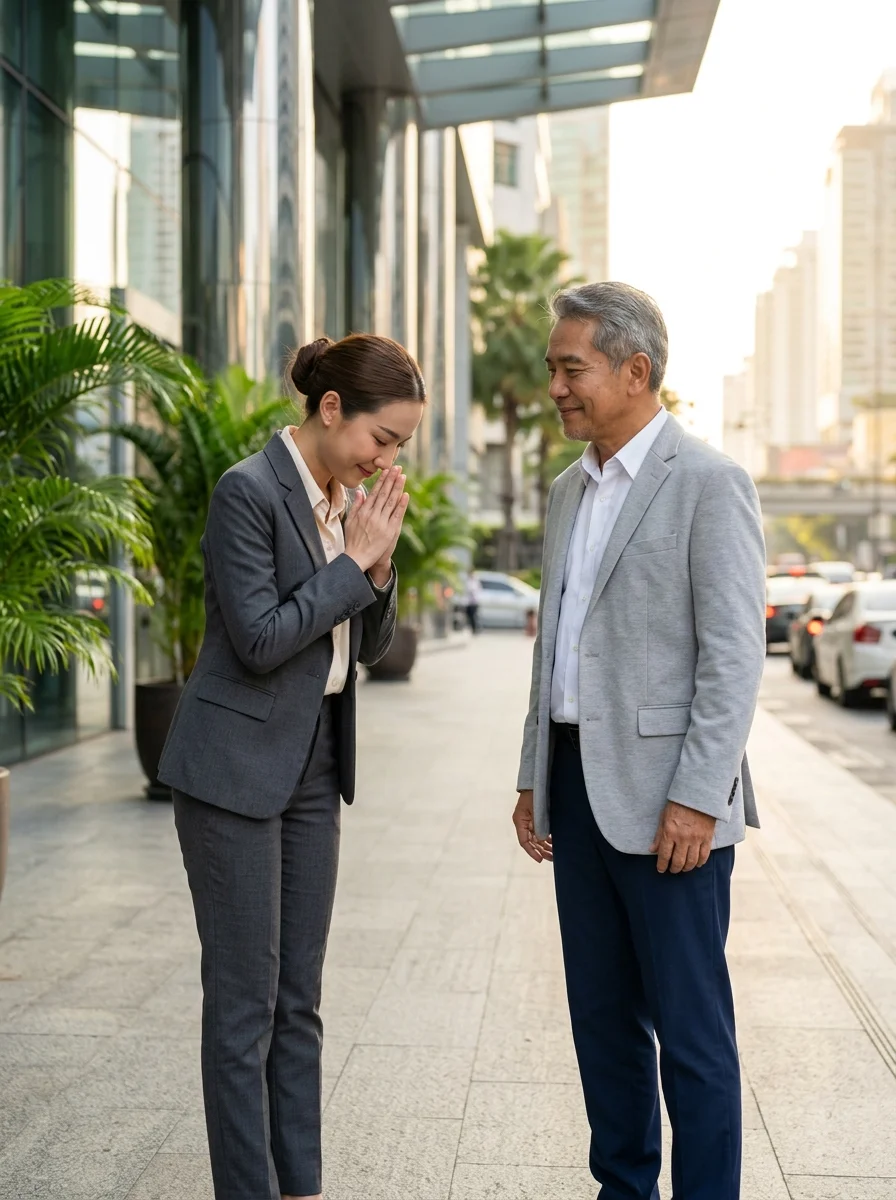
Life on a small island dictates intense familiarity. Acknowledging people as you pass is not just polite. It is expected. A slight bow of the head and a smile goes a long way when navigating the narrow, shoulder-to-shoulder alleys of the main village. The most common cultural mistake Westerners make is treating the entire island as an extension of the beach. Walking past the local school or mosque in just a bikini causes quiet but profound offence among the conservative Thai Muslim residents. Just pull on a t-shirt and shorts. A custom highly specific to this stretch of the Andaman coast involves longtail boats. The prow is the sacred dwelling place of the boat goddess. Stepping on it, sitting on it, or using it as a prop for an Instagram photograph is deeply disrespectful.
True local artisanship is tied directly to the ocean. It moves far beyond the ubiquitous elephant trousers found in every shop window. The Urak Lawoi community are master weavers of bamboo and rattan. They traditionally create intricate fish traps that are increasingly adapted into beautiful, robust lampshades and baskets. You can occasionally purchase these directly from the village near Laem Tong beach for around 800 THB (£17.50). Be highly sceptical of the gleaming seashell jewellery sold along the main walking street. The vast majority is mass-produced in mainland factories. Genuine island-crafted pearl and shell pieces will look decidedly less uniform.
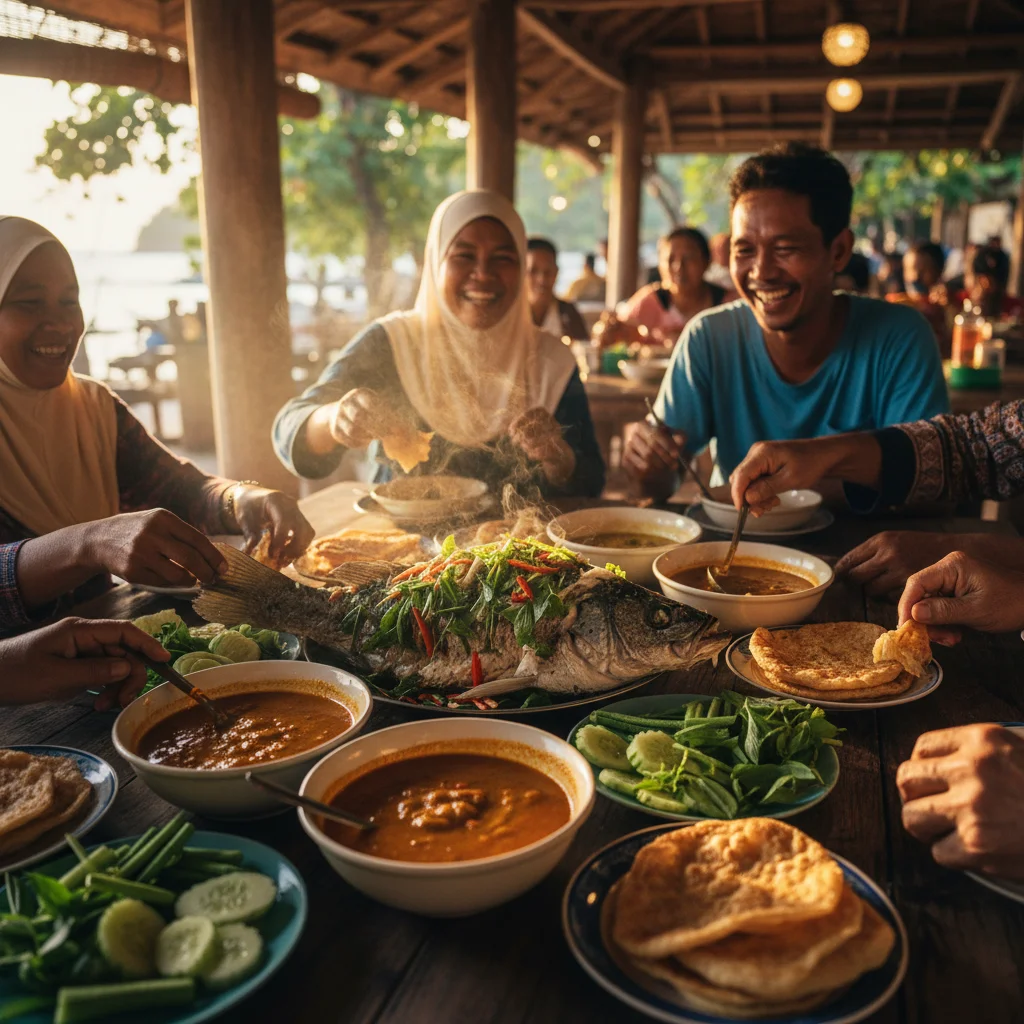
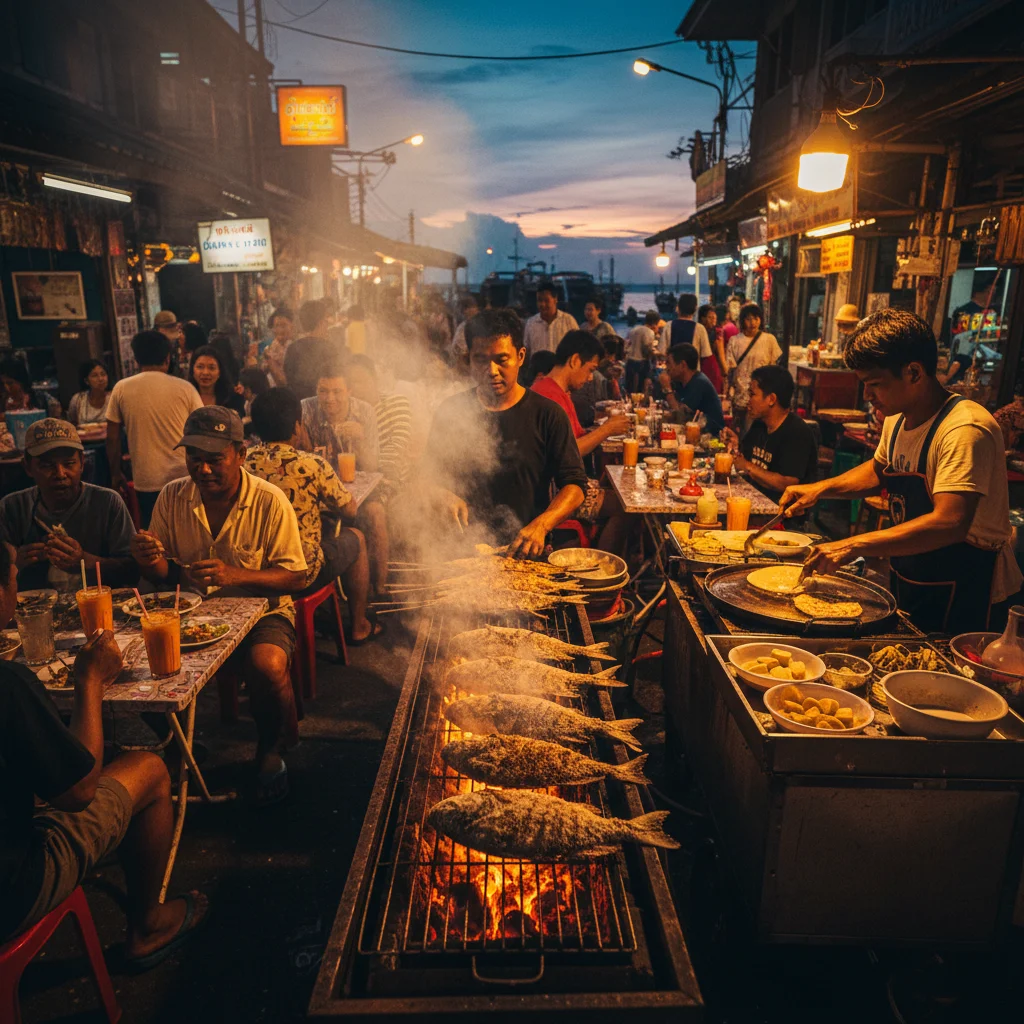
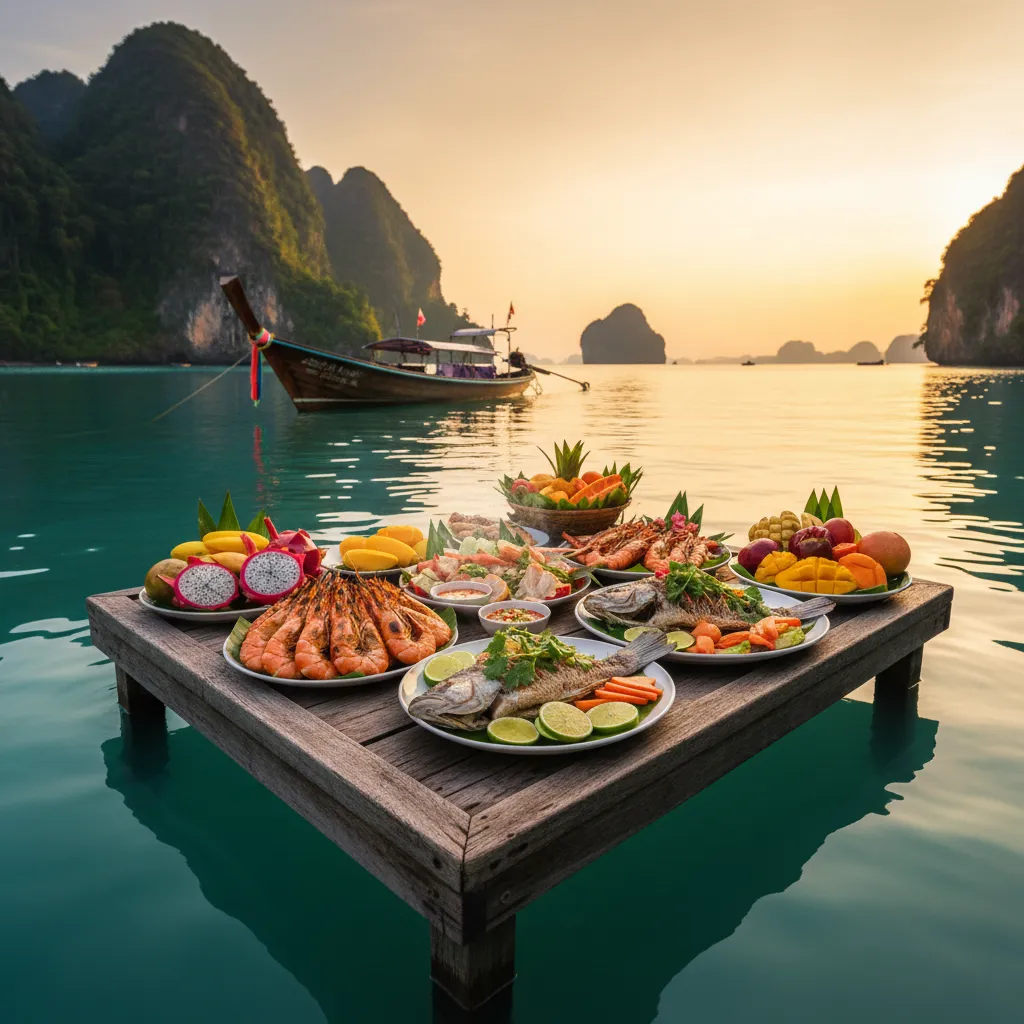
Dining here is an inherently noisy, communal exercise that bridges the island's varied demographics. Because of the strong Islamic influence, deeply fragrant southern Thai-Muslim dishes like massaman curry and freshly flipped roti are cultural staples rather than just menu items. Eating alone is viewed with mild pity. Meals are built around sharing a large, freshly steamed sea bass caught that morning, surrounded by smaller plates of fiery curries and raw vegetables. Sitting down to share this bounty is how locals process the day. It is how they resolve minor island disputes and reinforce the tight-knit bonds required to live on a tiny archipelago.
LANGUAGE & COMMUNICATION
The local dialect is Southern Thai. It is a clipped, rapid-fire way of speaking that often drops the ends of words entirely. Standard greetings work perfectly well. However, telling a vendor their food is aroy jang hu—southern for very delicious—will instantly break the ice. You will earn a beaming smile. If you want to dive deeper, you can arrange basic conversational Thai lessons at several local dive shops. Expect to pay roughly 400 THB (£8.80) an hour.
Always remove your shoes before stepping into any local shop or clinic, as tracking island sand indoors is highly frowned upon. Never point your feet at another person or step over someone sitting on the deck of a ferry. Feet are considered the lowest, dirtiest part of the body. Do not touch or interfere with the small wooden spirit houses perched outside businesses, no matter how curious you are about the offerings. Crucially for this archipelago, never argue with a longtail boat captain who refuses a trip due to incoming weather. Questioning their reading of the sea is deeply insulting to their maritime heritage.