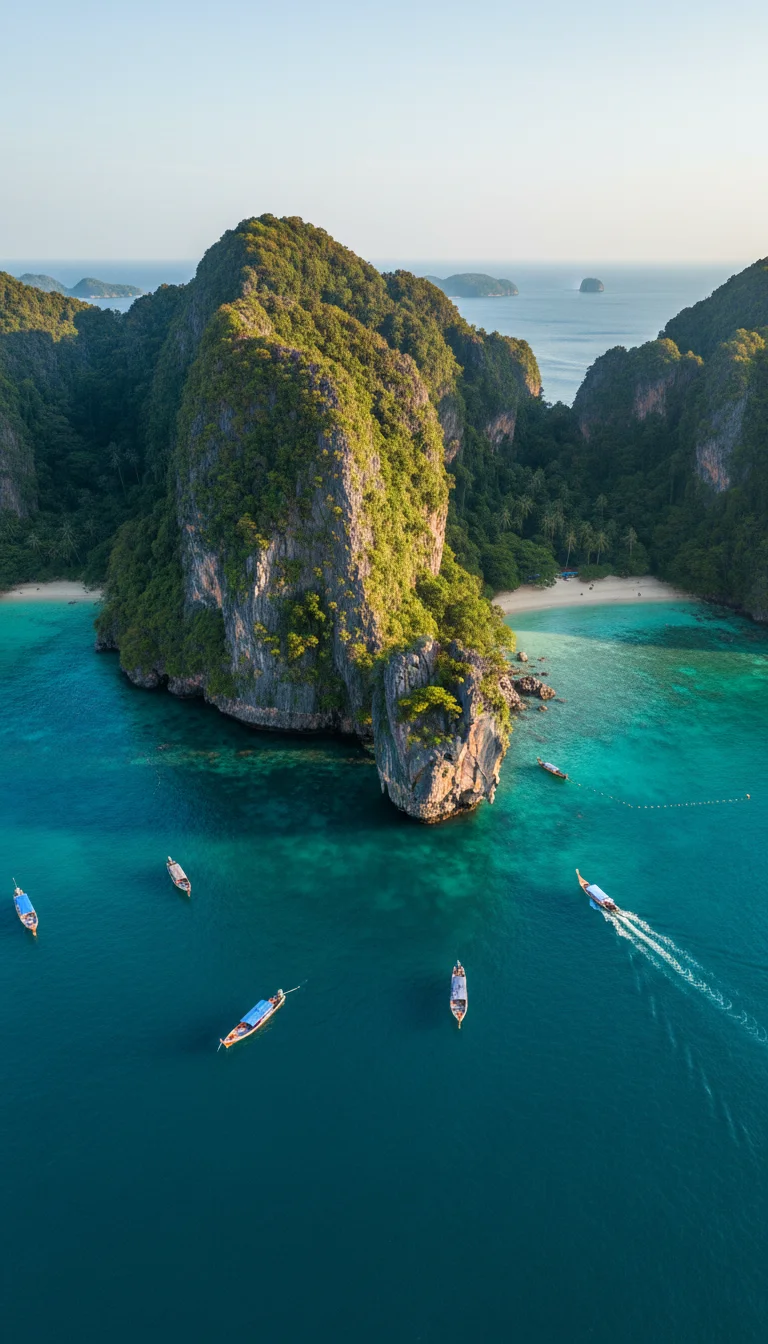
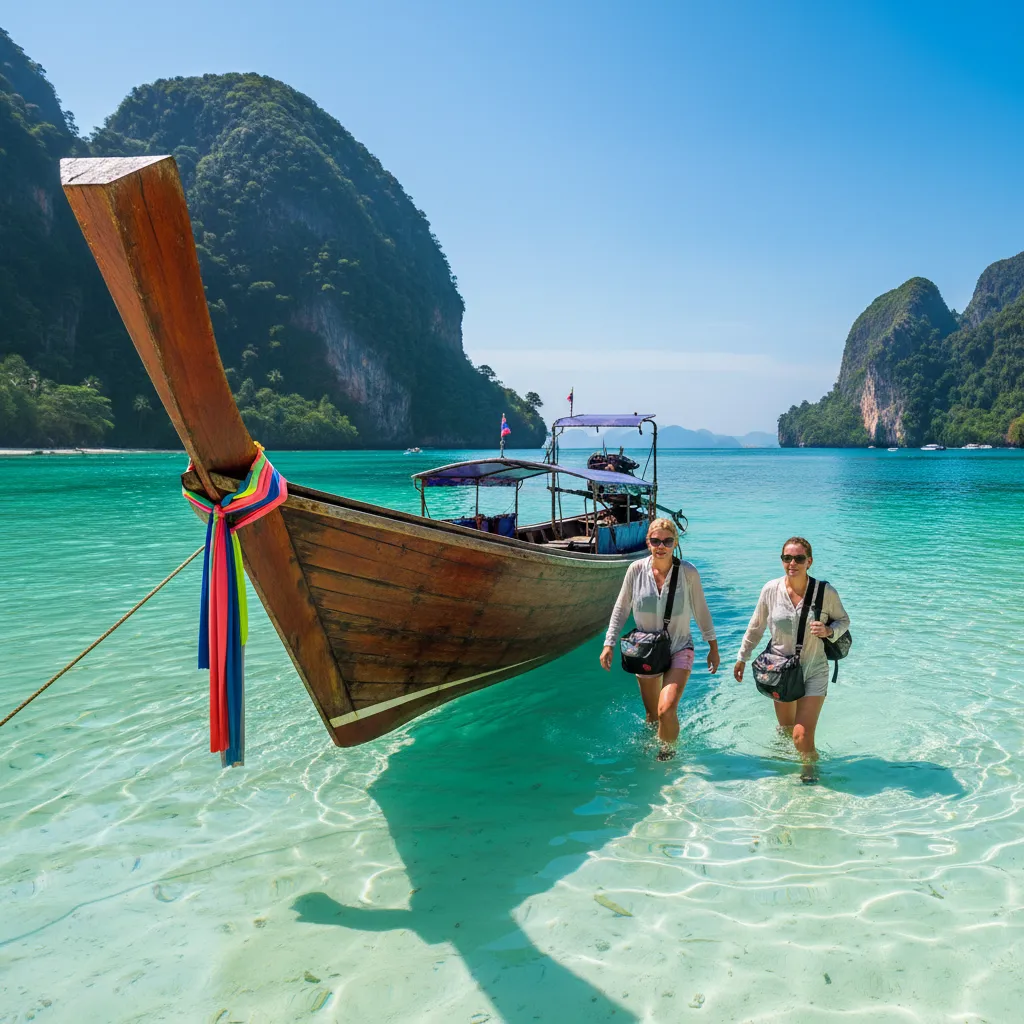
Phi Phi is essentially a cluster of sheer limestone cliffs jutting out of the Andaman Sea, meaning it catches every prevailing ocean breeze but also traps a thick, salty humidity at sea level.
Unlike mainland coastal towns, you are entirely at the mercy of the maritime weather here. It dictates everything from the chop of your ferry crossing to whether you can sleep through the night without the air-con rattling.
The so-called 'cool' season runs from December to February. You will still be sweating through your linen shirt by 9 AM. Daytime temperatures hover between 28°C and 32°C, dropping to a highly sleepable 24°C at night, offering the crispest blue skies and lowest humidity of the year. Then comes the hot season from March to May, pushing the mercury up to a blistering 36°C. Nighttime lows rarely dip below 27°C. The April heat isn't just hot; it's a physical weight that presses down on your shoulders the second you step out of the shade. You will spend these months moving exclusively between the ocean and air-conditioned cafes, which is precisely what island life is for. Finally, the rainy season claims June through November. Temperatures retreat slightly to a daily average of 29°C, but the humidity rockets past 85 percent. The air feels thick. The jungle turns a brilliant, electric green.
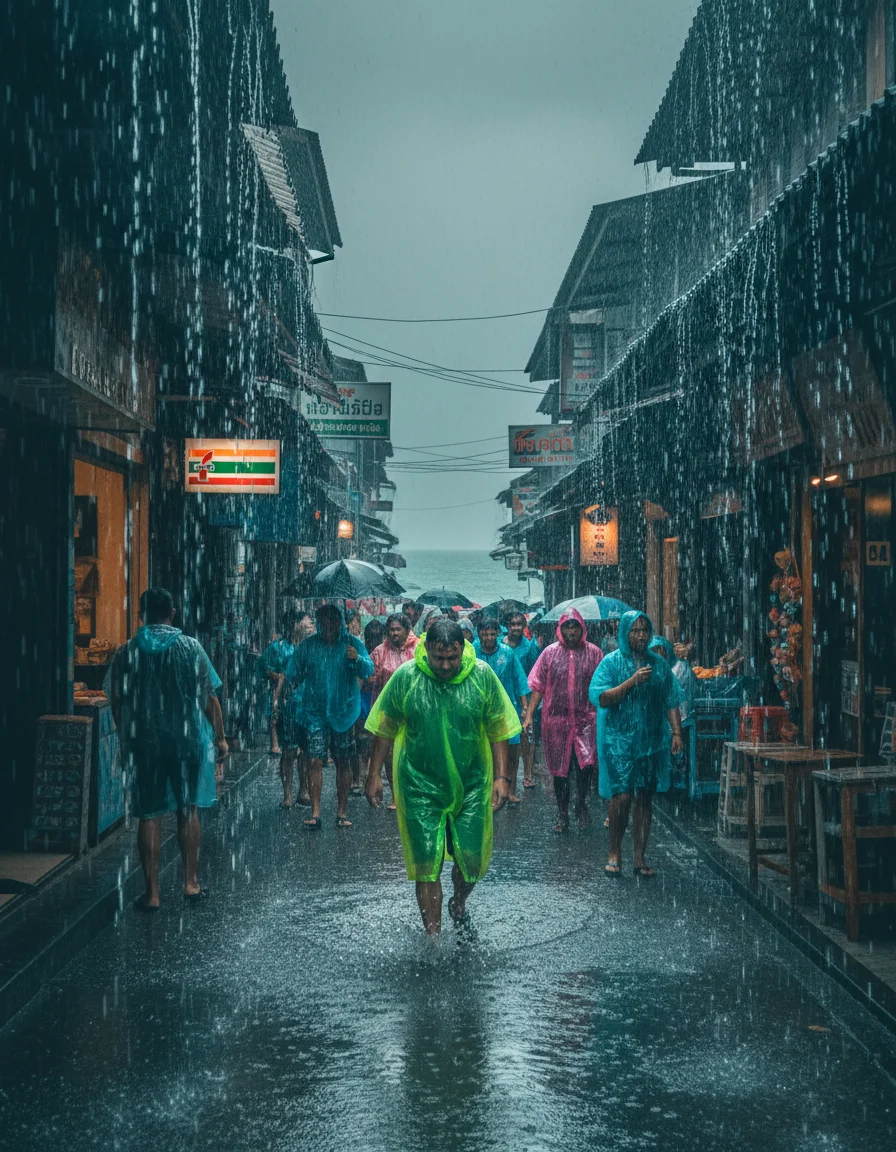
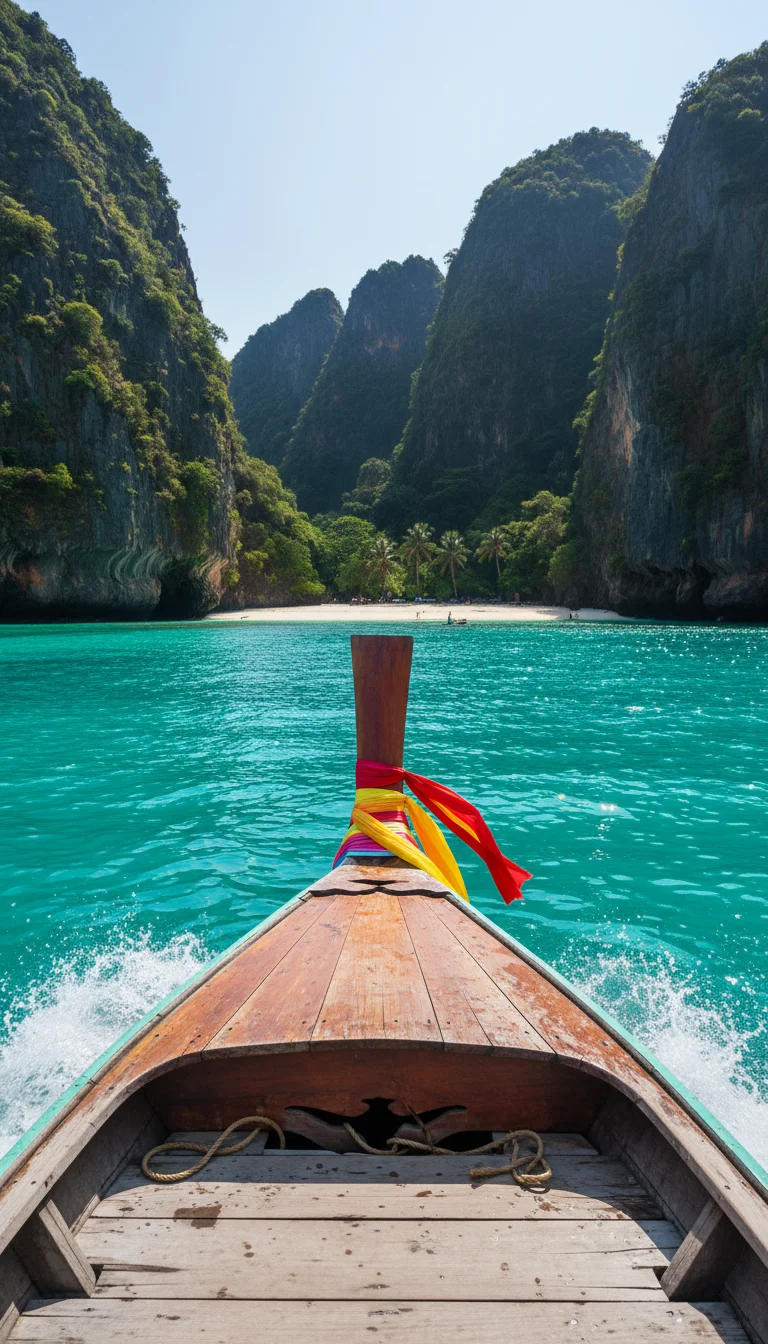
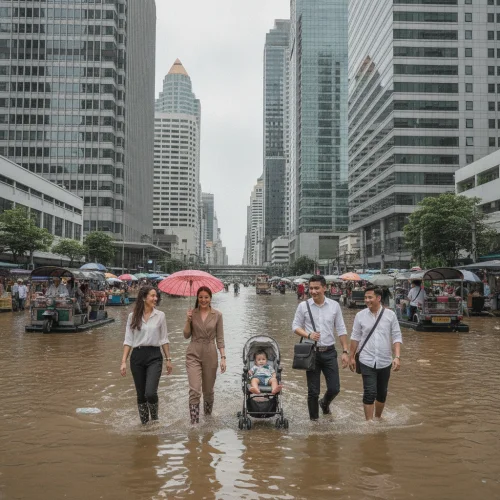
Rain on Phi Phi rarely follows a polite schedule. While June and July generally offer sharp, one-hour downpours at 4 PM followed by glorious golden-hour sunshine, September and October are a different beast. These peak monsoon months frequently deliver three-day stretches of unrelenting grey drizzle and heavy Andaman sea swells. This is when the ocean dictates your itinerary. Speedboats from Phuket or Krabi get violently choppy. Ferry cancellations are a genuine possibility if wave heights exceed three metres, so always leave a buffer day before flying out. Rather than fighting the weather, embrace the slower pace. Do not bother with an expensive brolly; the wind whistling through the narrow alleys of Tonsai Village will destroy a 350 THB (GBP 8.05) umbrella in seconds. Instead, grab a flimsy but entirely functional 7-11 plastic poncho for 50 THB (GBP 1.15) and carry on with your day.
AIR QUALITY
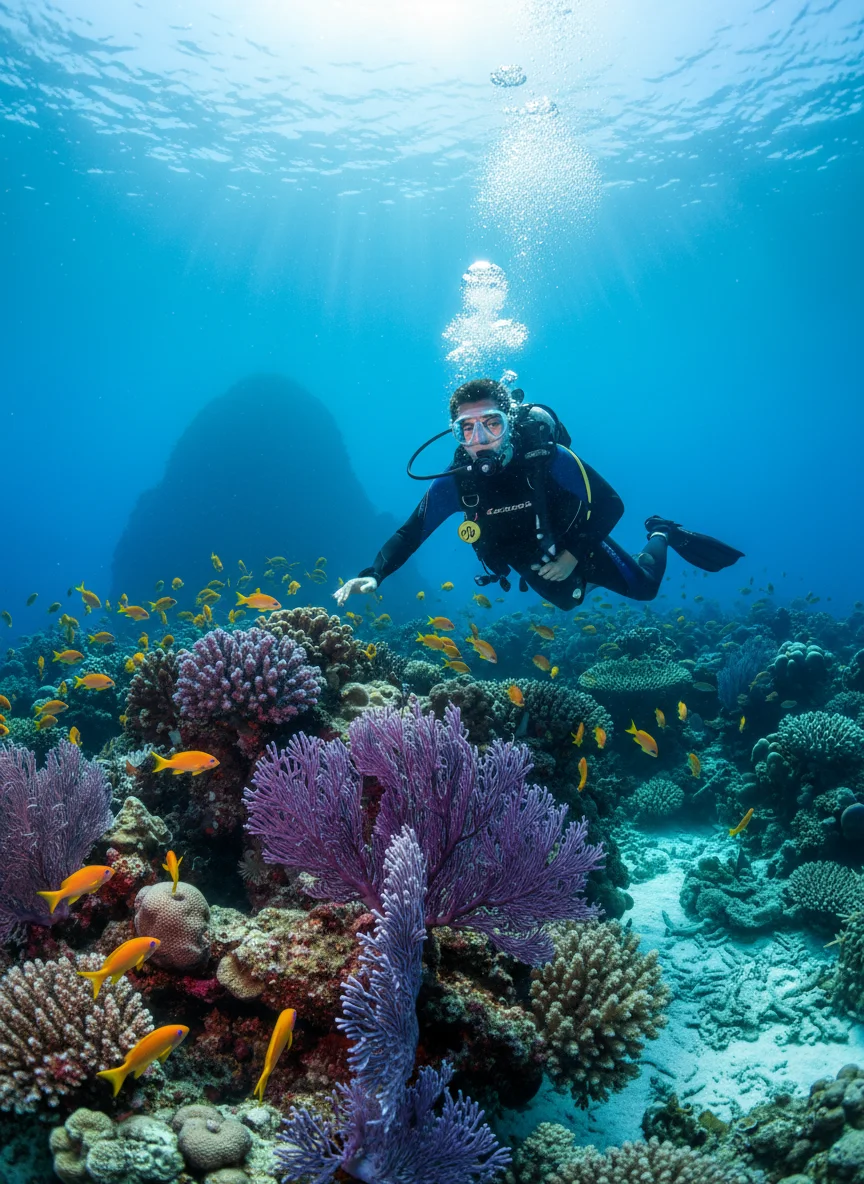
Here is a rare bit of unmitigated good news. Phi Phi largely escapes the brutal agricultural burning season that chokes northern Thailand. Thanks to constant maritime breezes, the Air Quality Index (AQI) rarely pushes past a highly breathable 40. Occasionally, between late February and March, shifting winds might drag a faint haze across from the mainland. This can temporarily blur the horizon and nudge the AQI toward 100. If the air does feel a little gritty, you can easily pick up a medical-grade N95 mask at the Tonsai pharmacy for 80 THB (GBP 1.85). Better yet, simply book a scuba diving trip. The air in your tank is triple-filtered, and the underwater visibility remains brilliant.
Packing for Phi Phi requires a ruthless edit of your wardrobe. The UV index regularly hits an extreme 11 by midday. The humidity turns heavy fabrics into personal saunas. Leave your denim shorts and polyester dresses in the UK; they will trap sweat instantly and chafe mercilessly. Pack loose, breathable linen, lightweight cotton, and moisture-wicking activewear instead. Sunscreen is your largest hidden expense here. A standard bottle of high-SPF, reef-safe sun cream will set you back a steep 550 THB (GBP 12.65) at the island pharmacies. Absolutely bring your favourite brand from Boots. While the island is heavily beach-focused, you still need modest clothing for mainland temples before your flight. A lightweight, wide-weave cotton sarong is the perfect workaround for the 35°C heat. Whip it out to cover your shoulders or knees, then roll it back into your daypack.
The tropical humidity here will drain your energy far faster than the raw temperature. Attempting a hike to the Phi Phi Viewpoint at noon is a guaranteed recipe for heatstroke. Schedule your energetic activities for 7 AM, retreat to the shade by midday, and emerge again at 4 PM. Plain water is not enough to replace what you sweat out. Buy a box of Royal-D electrolyte sachets from any 7-11 for 10 THB (GBP 0.23) each and drink one daily. The island’s steep, jungle-covered limestone topography is an absolute paradise for mosquitoes, particularly at dawn and dusk. Apply a local DEET-based repellent generously before your evening beer, and you will survive perfectly unbitten.
BEST TIME TO VISIT
The absolute Goldilocks window for Phi Phi is late January to mid-February. The skies are a piercing blue, the sea is glass-flat, and the humidity sits at a manageable 65 percent. However, the true insider secret is late November. The monsoon winds have usually died down, the jungle is lush, and you can enjoy 29°C sunshine without fighting peak-season crowds for a spot on Long Beach.