PADI Diving Koh Tao
Koh Tao certifies more scuba divers than any other single location on the planet, driven by highly competitive pricing and year-round dive conditions. Completing your PADI Open Water course here costs roughly half of what you would pay at a dive centre in the United Kingdom.
The PADI Open Water Diver certification is the globally recognised entry-level scuba qualification. It allows you to dive independently to a depth of 18 metres anywhere in the world. On Koh Tao, over 60 individual dive centres deliver this course, ranging from massive resort-style operations to small boutique schools. It occupies the absolute centre of Thailand’s budget adventure market. Backpackers, gap-year students, and career-breakers flock here annually. The island provides an intense, highly social learning environment tailored heavily toward first-time divers seeking a cost-effective route into the sport. You will find an ecosystem built entirely around scuba diving, from specialised medical clinics to the beachside bars.

The PADI Open Water Course Structure
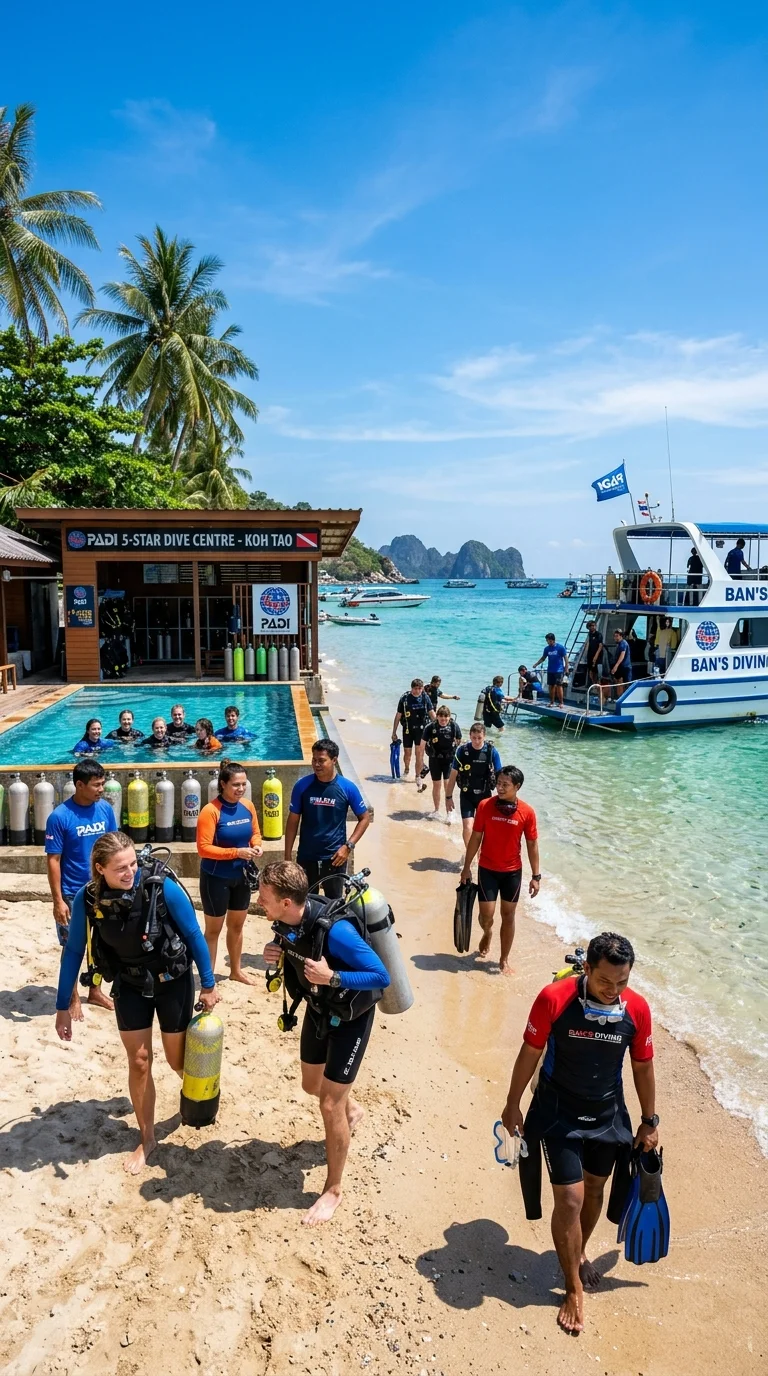
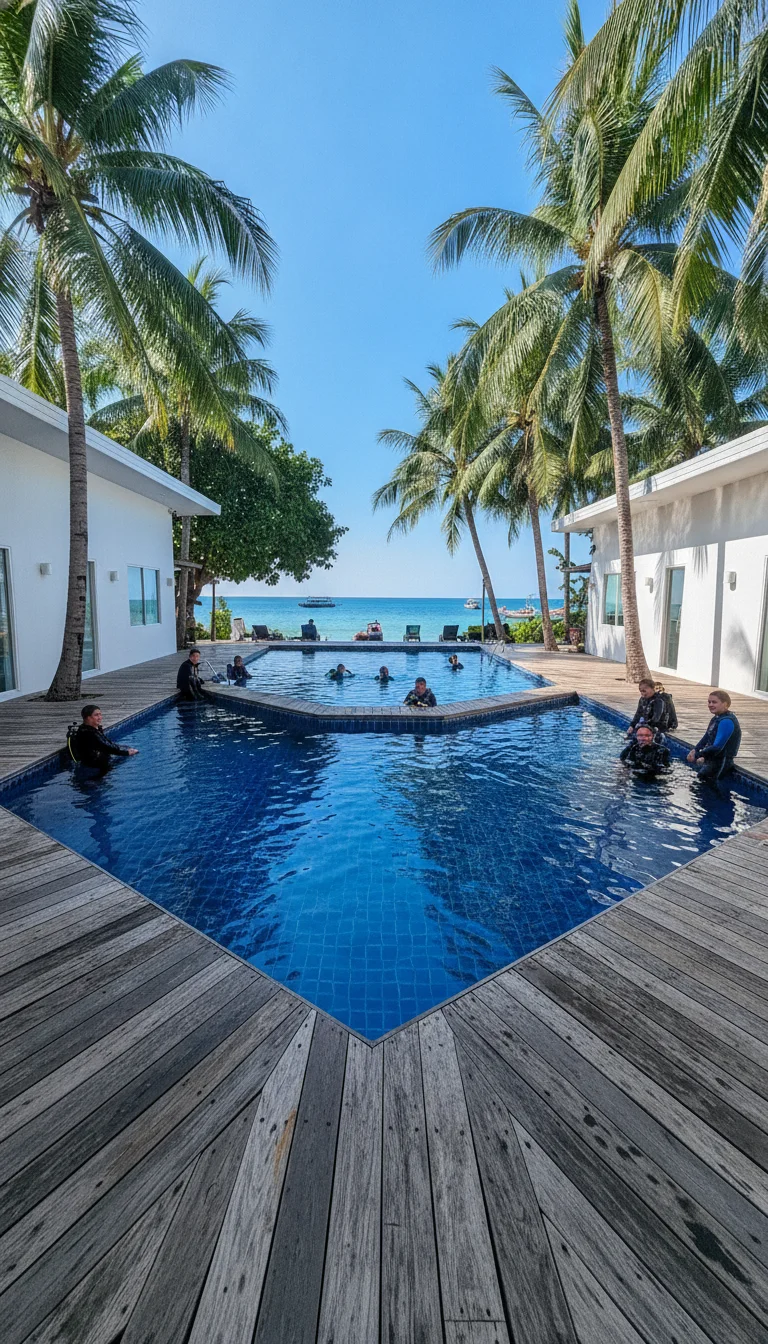
The standard certification programme requires three to four days of intense but highly structured learning. You begin with academic theory, which many schools now deliver via PADI eLearning before you arrive, though physical classroom sessions remain available for those who prefer face-to-face instruction. Next comes confined water training, where you learn essential survival and comfort skills like mask clearing, regulator recovery, and neutral buoyancy control. Larger schools use purpose-built, three-metre-deep training pools for this stage, while smaller outfits might use shallow, protected sandy patches in bays like Mango Bay or Aow Leuk. Finally, you complete four open water dives spread across two days. Dives one and two restrict you to a maximum depth of 12 metres. Dives three and four take you to your maximum certification depth of 18 metres. Instructors evaluate your competence continuously at every stage, requiring you to demonstrate emergency weight drops and alternate air source use in open water. Days typically start early. Boats depart the main piers at Mae Haad around 7:00 am, returning by lunchtime to avoid the afternoon winds. Always confirm whether your chosen school includes equipment rental, dive computer use, and learning materials in their headline rate. Opting for PADI eLearning before you fly saves you spending a full day of your tropical holiday sitting inside an air-conditioned classroom.
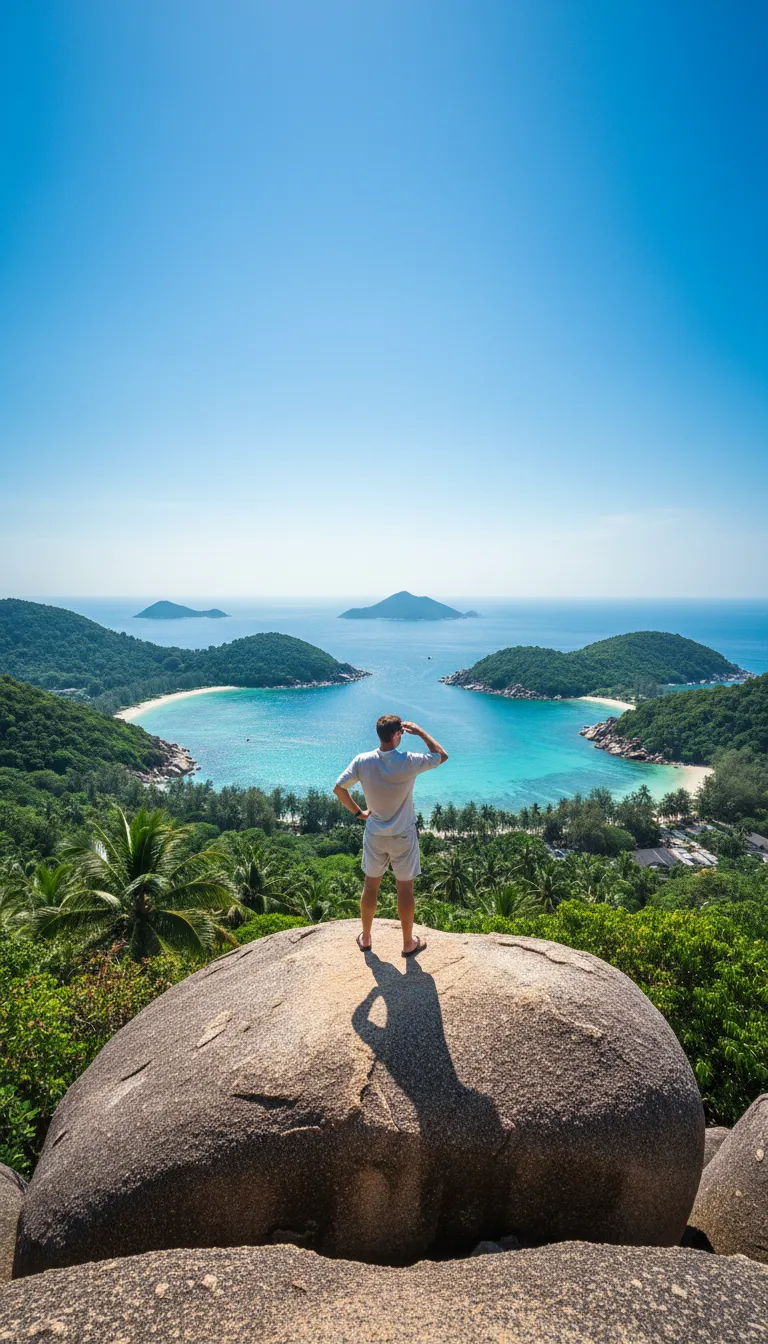
Discover the steep granite cliffs and shallow coral reefs of Koh Tao. Navigate the 21 square kilometre terrain with our practical topographical guide.
Leading Dive Schools and How to Choose
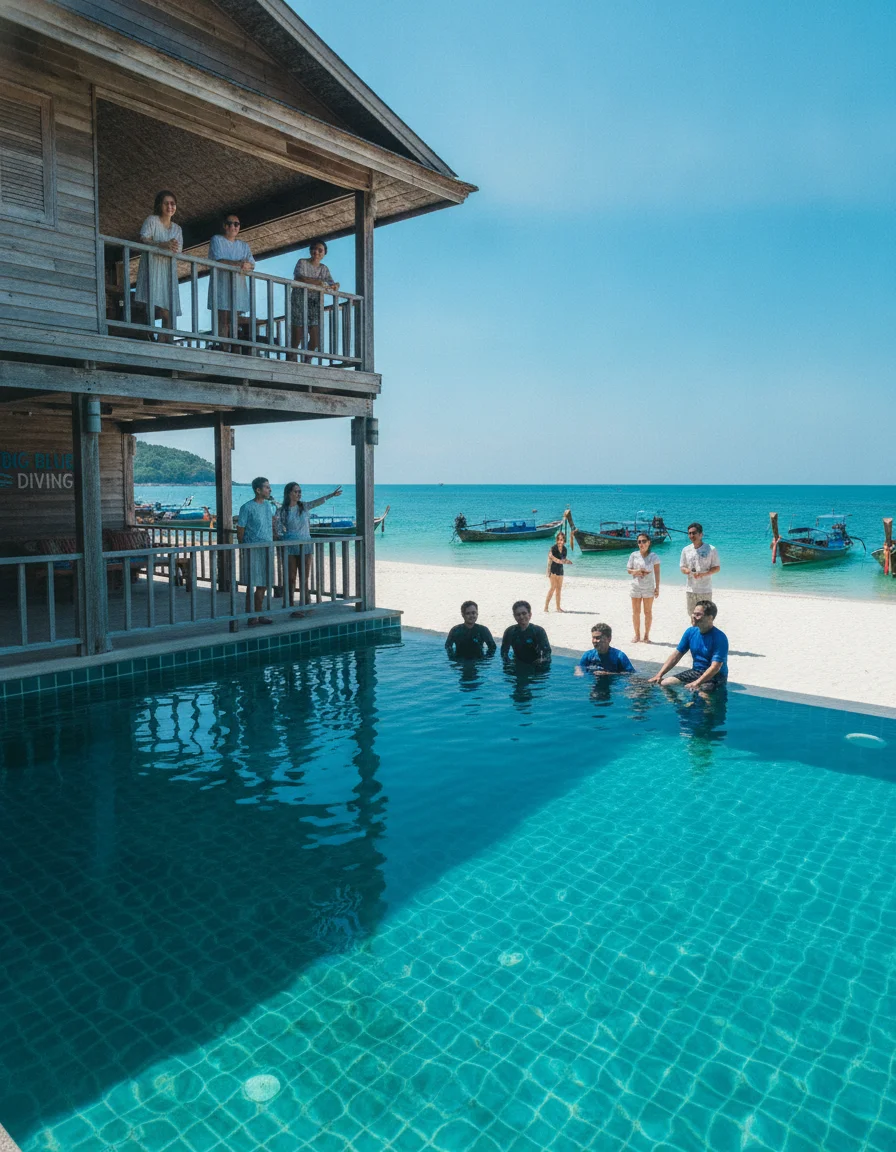
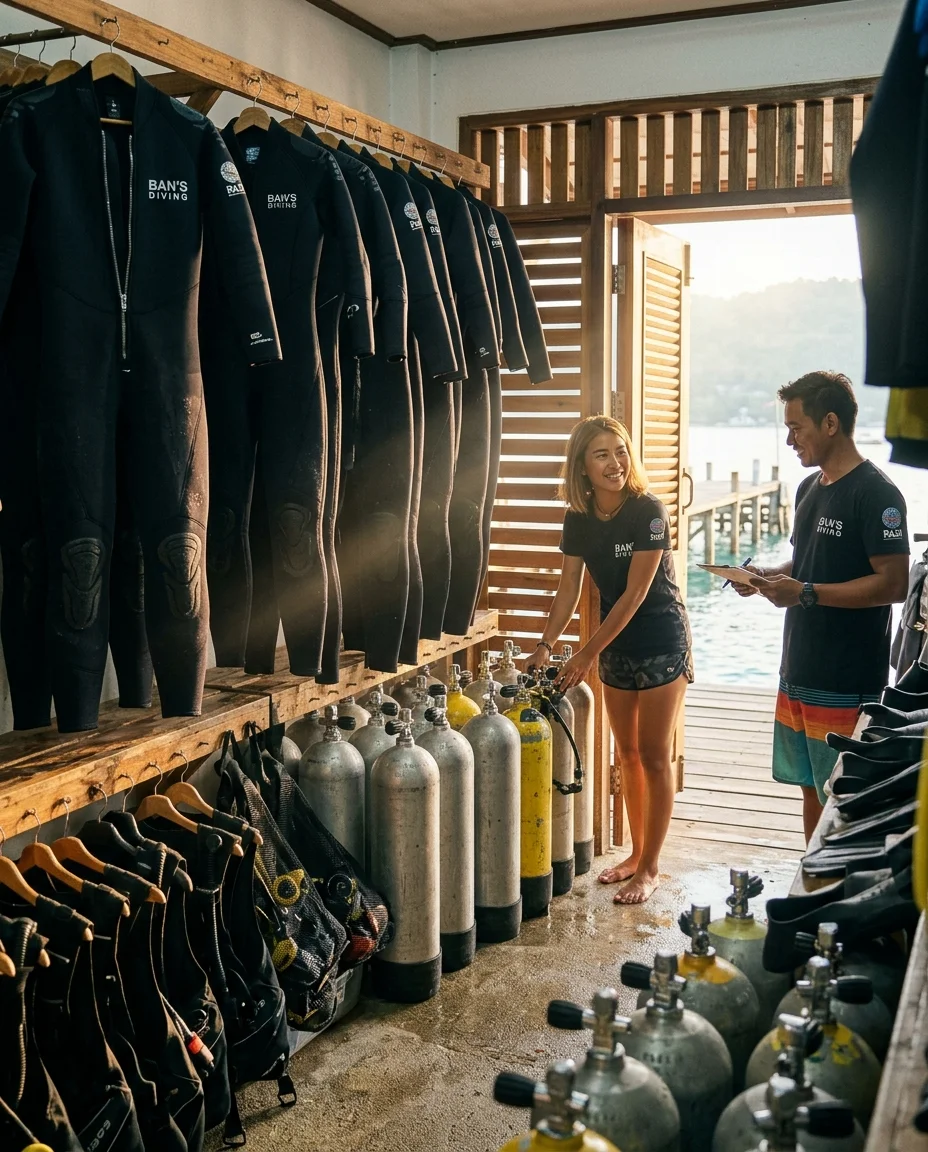
The island supports an enormous variety of operators, meaning your daily experience depends entirely on the school you select. Ban’s Diving Resort operates on an industrial scale, certifying thousands of students annually. They offer multiple dedicated training pools, vast equipment rooms, and an extremely social, party-oriented atmosphere at their Fishbowl Beach Bar. Crystal Dive Resort provides a similarly comprehensive setup but places a stronger emphasis on marine conservation. They actively integrate eco-awareness and reef preservation into their basic open water training. Big Blue Diving strikes an effective balance, providing excellent facilities right on Sairee Beach with a slightly more relaxed pacing than the absolute largest mega-schools. When selecting an operator, ignore the headline price. Most schools adhere strictly to an island-wide pricing agreement. Instead, interrogate them about maximum group sizes. A ratio of four students to one instructor is the legal PADI maximum, but smaller schools often guarantee two-to-one ratios. Check the condition of their BCDs and regulators. Ensure the school owns and operates its own dive boats rather than chartering space on larger, crowded public vessels. Smaller group sizes directly correlate with faster skill acquisition and a significantly less stressful underwater experience.
| Dive School | Atmosphere & Focus | Average Class Size | Notes |
|---|---|---|---|
| Ban's Diving Resort | Highly social, party-oriented | 4 students per instructor | Largest dive school globally, excellent facilities |
| Crystal Dive Resort | Conservation, eco-friendly | 4 students per instructor | In-house marine biologists, great for eco-conscious |
| Big Blue Diving | Balanced, relaxed resort vibe | 3-4 students per instructor | Prime beachfront location, dedicated tech diving wing |
| Roctopus Dive | Boutique, younger demographic | 2-3 students per instructor | Highly personalised, no large resort attached |
Underwater Conditions and Marine Life
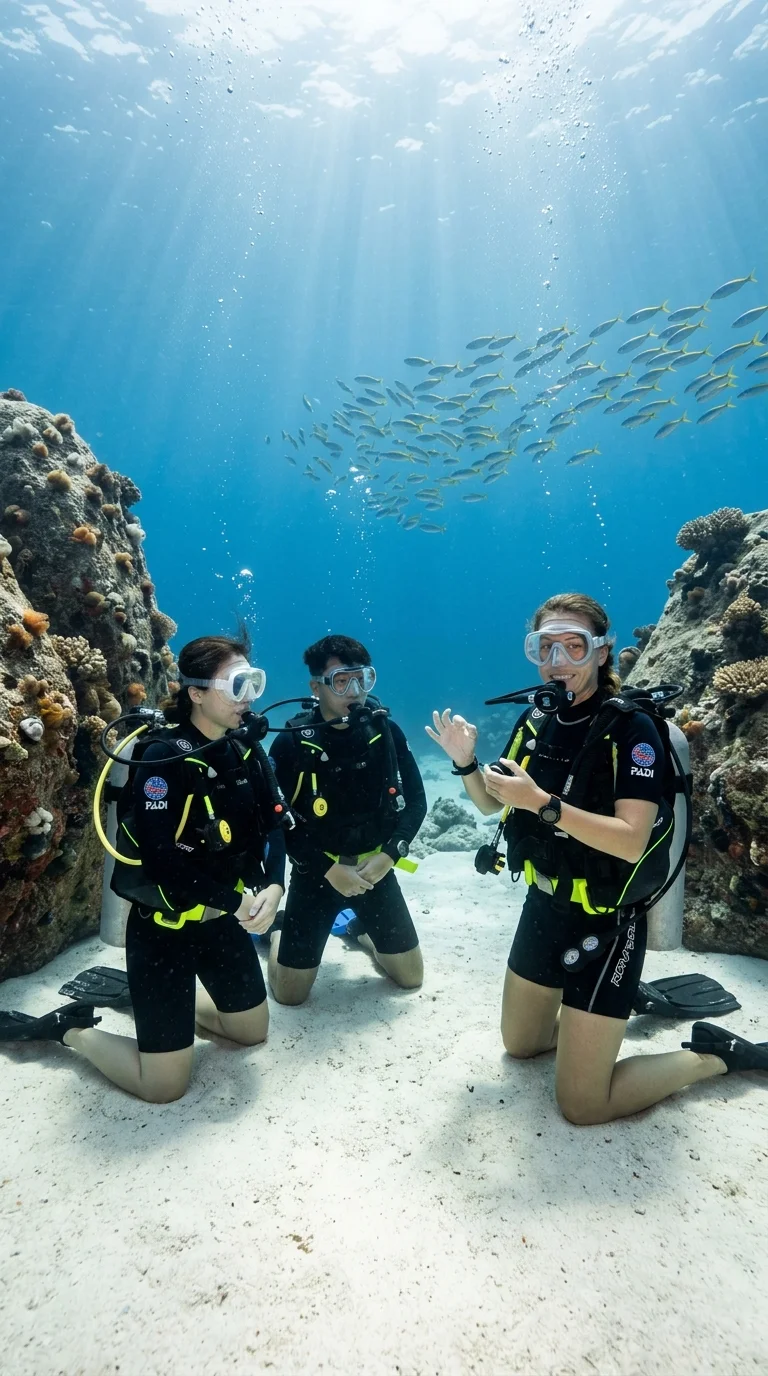
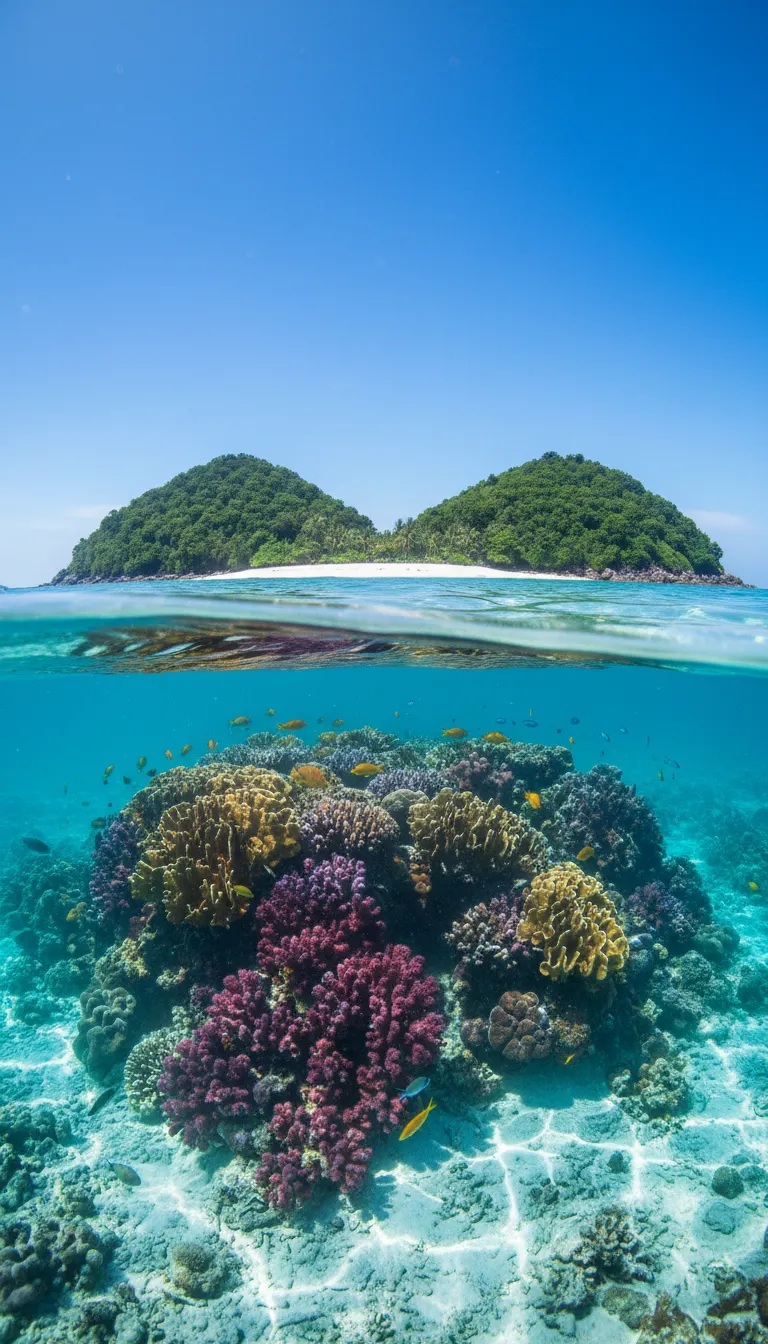
The Gulf of Thailand provides an exceptionally forgiving environment for novice divers taking their first breaths underwater. Water temperatures hover consistently between 28°C and 30°C year-round. This means you will only ever need a 3mm shorty wetsuit, rather than the restrictive 7mm suits or bulky drysuits required in British waters. Visibility averages 15 to 20 metres, occasionally stretching to 30 metres during the peak dry months of March and April. Currents are generally mild to non-existent at primary training sites like Twins, Japanese Gardens, and White Rock. These shallow coral reefs teem with highly accessible marine life. On your very first open water dives, you will regularly encounter blue-spotted ribbontail rays, titan triggerfish, longfin bannerfish, and massive schools of yellowtail fusiliers. Green sea turtles and hawksbill turtles are frequent visitors to the reefs around Shark Island and Hin Wong Pinnacle. While whale sharks do pass through the region, they are rarely seen at the shallow, sandy-bottomed sites used for entry-level training. The complete lack of strong currents and warm water temperatures remove the physical stressors that often complicate learning to dive in Europe.
Island Life Between Dive Sessions
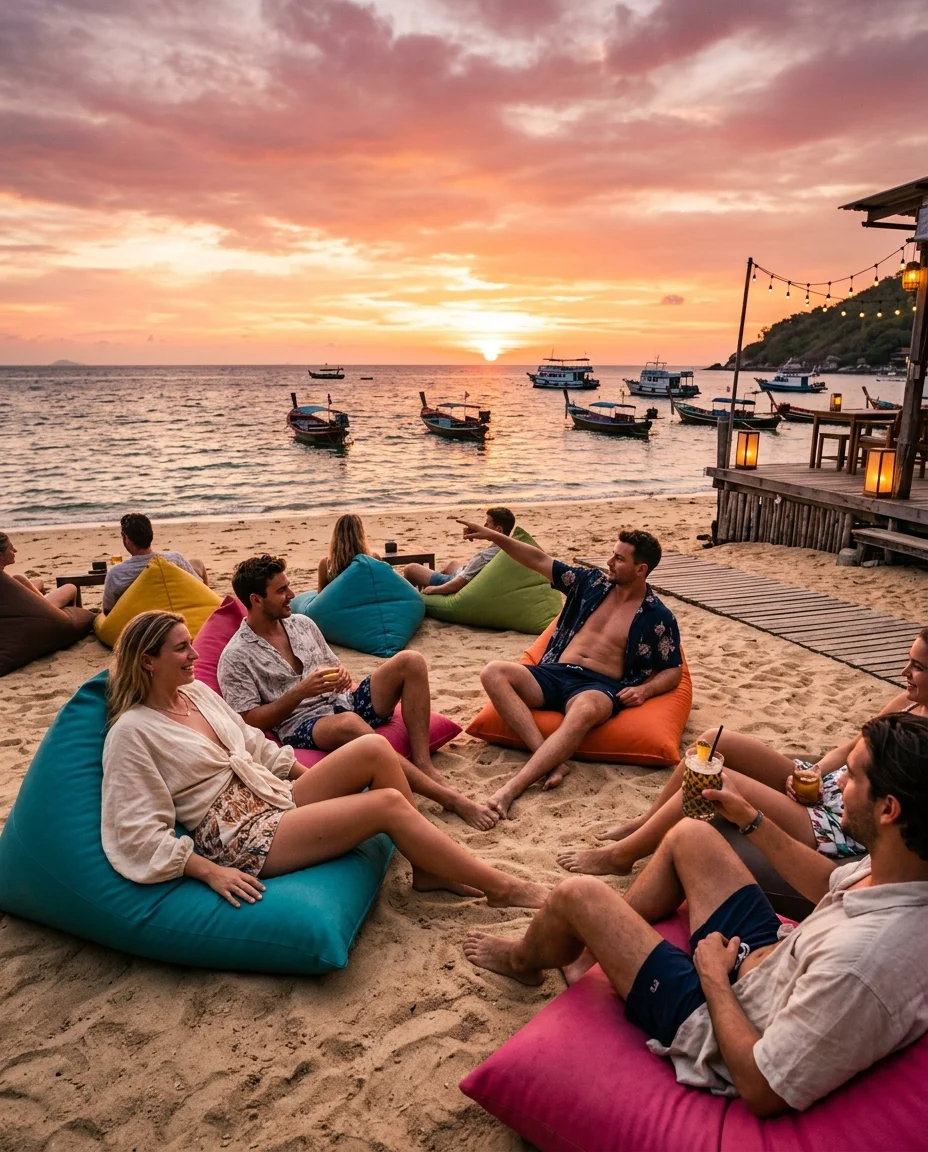
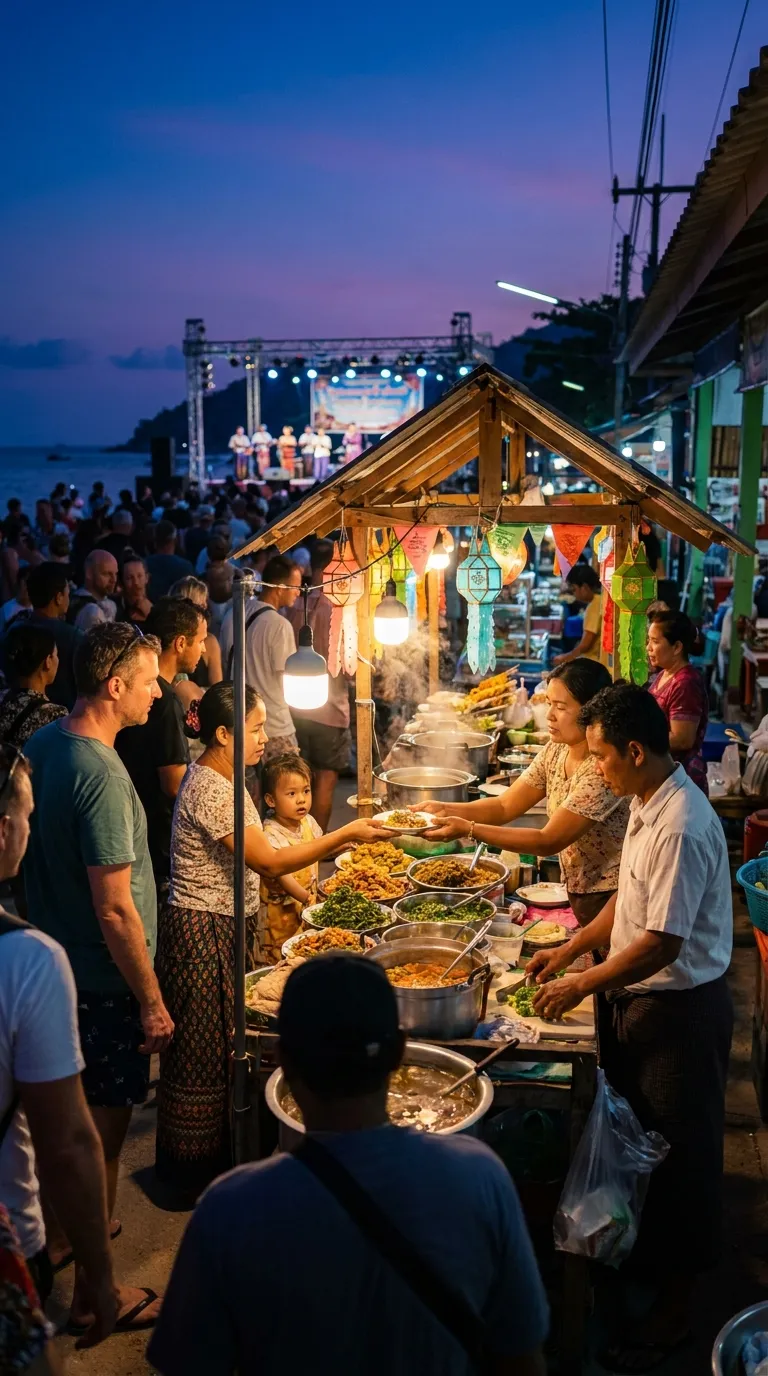
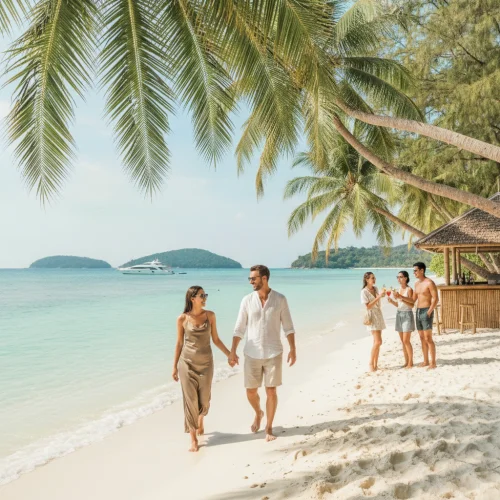
Earning your certification is physically demanding, making your downtime on land a crucial part of the overall experience. Most open water schedules give you either the morning or afternoon completely free. Sairee Beach serves as the primary hub for post-dive socialising. The sand is lined with beach bars, nightly fire shows, and restaurants serving the heavy, carbohydrate-loaded meals necessary for physical recovery. If you prefer a quieter environment, the southern bays of Chalok Baan Kao and Thian Og offer excellent snorkelling and a highly subdued evening atmosphere. Renting a scooter allows you to access remote viewpoints like John-Suwan or Mango Viewpoint. However, the steep, unpaved roads demand extreme caution and prior riding experience. Yoga studios are prolific across the island, providing excellent stretching routines that specifically target the back and shoulder tension common among new divers carrying heavy tanks. Ensure you stay aggressively hydrated throughout your stay. The combination of compressed breathing air, tropical heat, and post-dive beers leads rapidly to dehydration, which actively increases your risk of decompression sickness. Limit your alcohol consumption during your three-day training period, as hangovers significantly impair your ability to equalise ear pressure underwater.
Is Koh Tao Still Worth It?
High tourist volumes have undoubtedly altered the character of the island, yet it remains an exceptionally effective place to learn scuba diving. The sheer volume of students means that instructors here gain more teaching experience in a single season than many European instructors acquire in a decade. This results in highly polished, efficient, and exceptionally safe teaching methodologies. However, this immense popularity comes with undeniable congestion. Popular training sites like Twins can feel incredibly crowded during high season. Multiple boats moor simultaneously, and dozens of students end up sharing the exact same sandy patches for skill practice. The shallow coral in these high-traffic beginner zones has suffered noticeable degradation over the years. To mitigate this, many experienced dive centres now adjust their boat schedules to arrive at sites earlier or later than the main fleet. Despite the crowds, the infrastructure for a beginner is completely unparalleled. You have immediate access to hyperbaric chambers, specialised dive medics, and an endless supply of spare equipment. If you want pristine, untouched coral reefs you should look elsewhere, but if you want expert instruction in forgiving conditions, Koh Tao delivers.
Location and Getting There
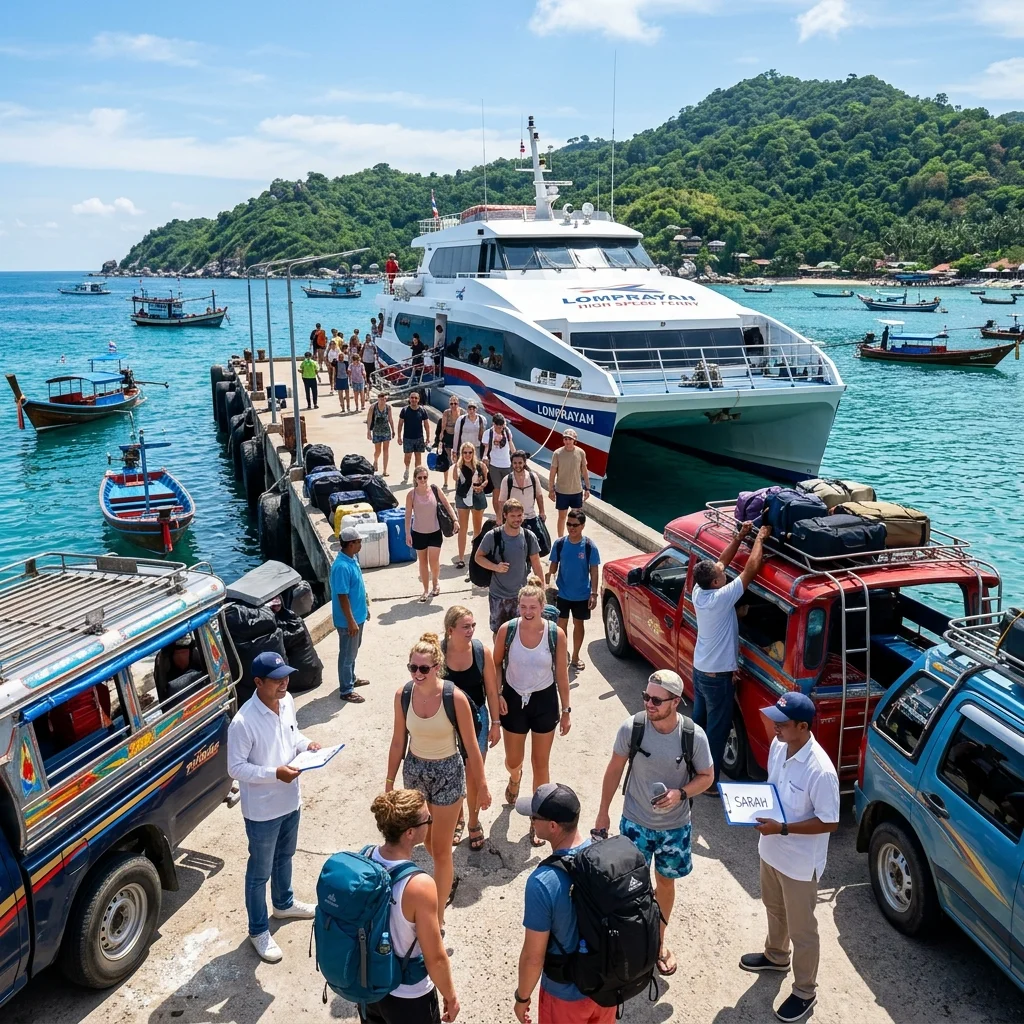
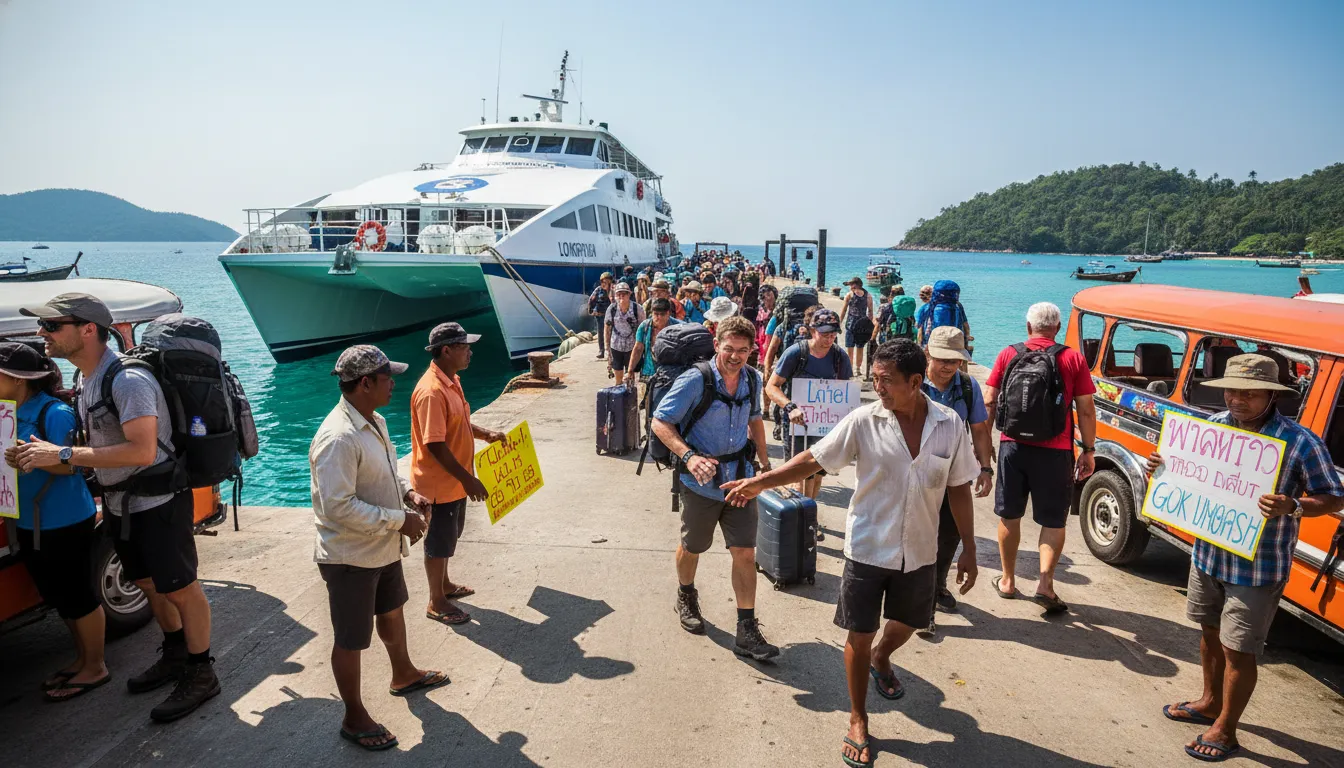
Koh Tao is a small, 21-square-kilometre island situated in the Gulf of Thailand, directly north of Koh Samui and Koh Phangan. It does not have an airport, meaning all visitors must arrive by passenger ferry. For UK travellers, the fastest and most reliable route involves flying into Bangkok Suvarnabhumi (BKK), transferring to a domestic flight to Koh Samui (USM) with Bangkok Airways, and then taking a high-speed catamaran with Lomprayah. The ferry journey from Koh Samui takes approximately 90 minutes and costs 700 THB (£15). Alternatively, a more budget-friendly route from Bangkok involves flying or taking an overnight sleeper train down to Surat Thani or Chumphon, followed by a longer ferry crossing. Chumphon is the closest mainland port, with ferries taking around two hours and costing 650 THB (£14). Ferries dock exclusively at Mae Haad Pier. Dive school representatives routinely wait here to collect arriving students in modified pickup trucks known as songthaews, ensuring a highly coordinated arrival process.
Costs and Booking
Dive certification pricing on Koh Tao is tightly regulated by a local dive operators' club. This prevents extreme undercutting and ensures baseline safety standards are maintained across the island. The standard PADI Open Water course costs roughly 11,000 THB (£240), a stark contrast to the £450 to £550 typically charged in the UK. This base rate usually covers your instruction, standard equipment rental, daily boat fees, and the physical PADI certification fee. Many larger schools offer combined accommodation packages. They often throw in basic fan-cooled dorm beds for free or heavily discount private air-conditioned rooms when you book the course. You must verify if PADI learning materials are included; some schools charge a mandatory supplement of 1,500 THB (£32) for manuals or eLearning access. High season runs from December to March and July to August. During these periods, accommodation prices peak and courses fill up rapidly, making advance booking essential.
| Option | Cost (THB per night) | Cost (GBP approx) | Notes |
|---|---|---|---|
| PADI Open Water Course Only | 11,000 THB (Total) | £240 | Standard island-wide rate, excludes accommodation |
| Course + Fan Dorm Bed | 0 THB | £0 | Often included free with course booking |
| Course + Private A/C Room | 800 - 1,200 THB | £17 - £26 | Discounted nightly rate for registered students |
| PADI eLearning Supplement | 1,500 THB (Total) | £32 | Mandatory at some schools if not included in base rate |
Who It Suits Best
This destination is perfectly suited for budget-conscious travellers, gap-year students, and career-breakers looking to gain a legitimate, globally recognised qualification without spending European prices. The highly social, energetic environment suits solo travellers wanting to meet people rapidly. It is not ideal for experienced divers seeking challenging topographies, nor is it right for those who absolutely detest crowds and busy boats. Older travellers or couples seeking a quiet, highly personalised introduction to diving should actively seek out the smaller, boutique dive schools rather than the massive resort operators.
What to Know Before You Book
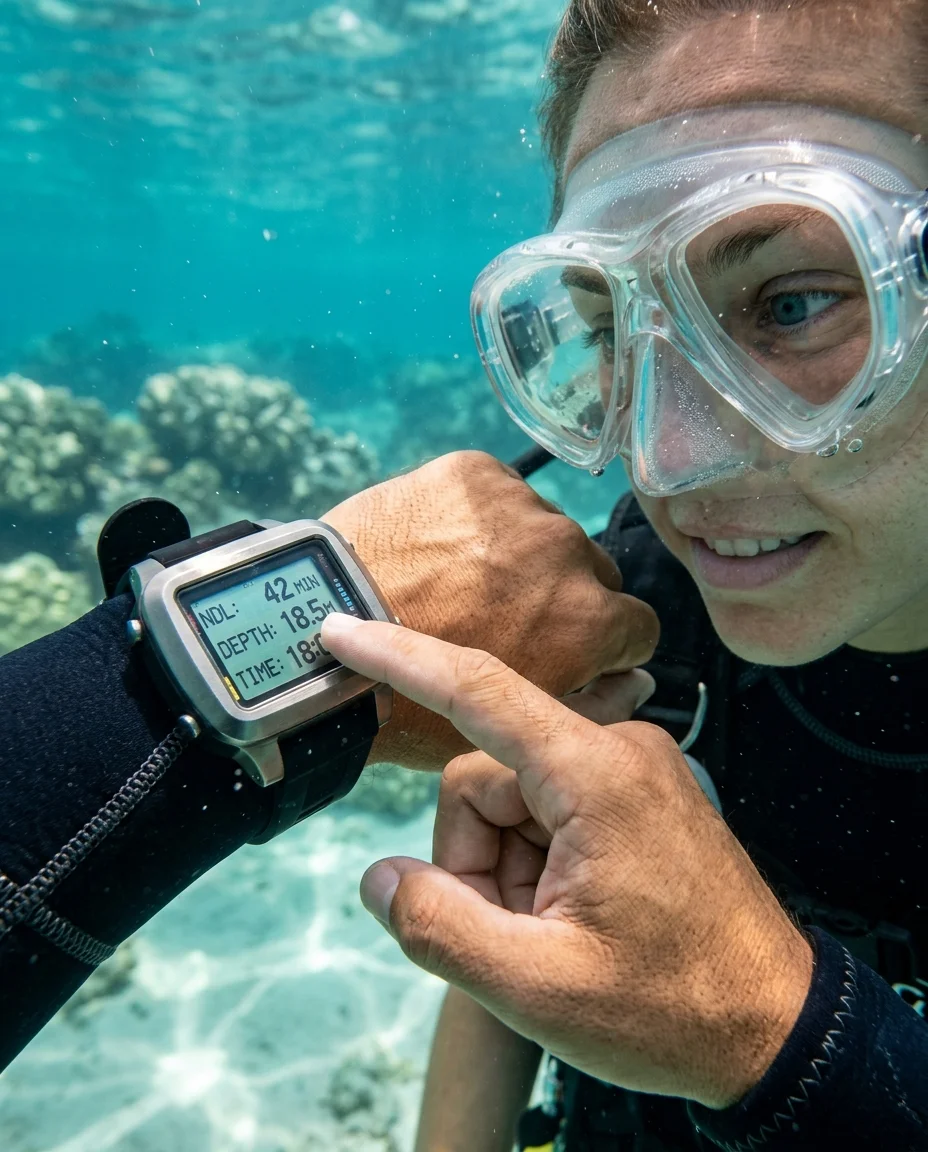
Medical clearance is an absolute prerequisite before you can put a regulator in your mouth. You must complete a PADI medical questionnaire; if you answer yes to any condition like asthma or ear issues, you need a doctor's sign-off before diving. Flying after diving carries strict rules due to nitrogen absorption in your bloodstream. You must wait an absolute minimum of 18 hours after your final certification dive before taking any commercial flight, including the short hop from Koh Samui. Course deposits are generally non-refundable if you simply decide you do not like being underwater. Scuba diving is not for everyone, and panicking during confined water sessions means you forfeit your course fee. Island-wide pricing means you should shop based on safety and vibe, not cost. Since almost all operators charge 11,000 THB, your decision should rest entirely on equipment quality and instructor experience.
Practical Tips
Buy your own dive mask before arriving on the island. Rental masks are heavily used and rarely fit perfectly, leading to constant leaks that cause severe anxiety for beginners.
Take seasickness medication thirty minutes before your boat departs if you are prone to motion sickness. The surface chop in the Gulf of Thailand can be rough, and vomiting on a dive boat is a miserable start to your day.
Apply reef-safe sunscreen generously but strictly avoid the forehead area above your mask. Sunscreen mixing with water will run into your eyes and cause intense stinging that you cannot clear underwater.
Bring a reusable water bottle to refill at your dive centre's water stations. Staying hydrated is critical for preventing decompression sickness, and single-use plastic is actively discouraged across the island.
Pack a windproof jacket or dry robe for the boat journey back to the pier. Even in tropical temperatures, the wind chill on wet skin while travelling at speed will make you shiver.
Request a dive computer from your school rather than relying solely on standard depth gauges. Learning to read your own nitrogen limits early on makes you a significantly safer independent diver.
Pay attention to the location of your dive school's accommodation relative to the pier. Lugging heavy bags across the sand at Sairee Beach is exhausting, so choose a place that offers pier transfers.
Comprehensive travel insurance that explicitly covers scuba diving up to 18 metres is essential.
Quick Reference Table
| Item | Detail | Notes |
|---|---|---|
| Property Name | PADI Open Water Diving Koh Tao | Island-wide certification |
| Location | Koh Tao, Surat Thani | Gulf of Thailand |
| Property Type | Dive Certification Destination | Over 60 schools available |
| Star Rating | 5-Star PADI IDC Centres | Look for IDC status for highest standards |
| Capacity | Varies by school | Ban's and Crystal are largest |
| Course Duration | 3 to 4 Days | Includes theory and 4 open water dives |
| Nearest Airport | Koh Samui (USM) | Requires 90-minute ferry transfer |
| Official Website | padi.com | Check individual dive school sites |
| Best Time to Visit | March to May | Best visibility and calmest waters |