Thailand is scheduled to host over 300 music events this year, bringing international acts to the country alongside significant infrastructure challenges. This surge offers British expatriates expanded entertainment options. However, the rapid expansion will severely test local transport networks and existing venue capacities.
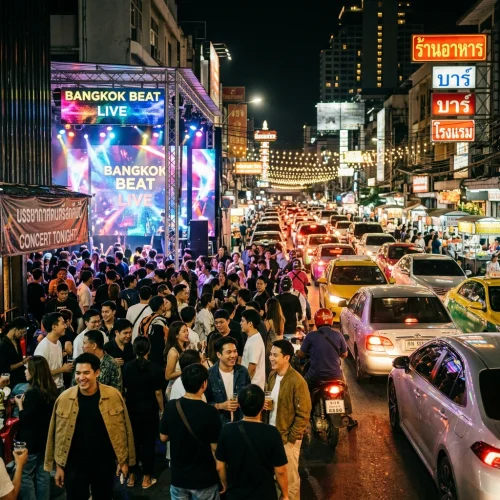
Major Acts and Local Disruption
The second half of 2026 features a dense schedule of international performers. Post Malone and The Weeknd will play Bangkok's Rajamangala National Stadium in September and October respectively. BTS will perform three stadium shows in December. The Tomorrowland electronic music festival will then make its national debut in Pattaya from December 11 to 13. These large-scale events routinely cause severe traffic congestion. British residents should anticipate transport delays during these periods, particularly around locations lacking mass transit connections.
Venue Infrastructure Deficits
Outdoor event spaces in Thai city centres remain scarce. Organisers frequently build temporary sites to accommodate crowds of up to 30,000 people, which increases operating costs and complexity. Purpose-built arenas may emerge within two years. Until then, expats attending festivals will navigate makeshift venues lacking permanent amenities.
Foreign Investment and Event Standards
Foreign capital is increasingly funding Thailand's concert economy. Chinese-backed organisers are entering the market, prompting scrutiny over ticket pricing and crowd management. This operational shift directly impacts expatriates who regularly purchase tickets for live music and expect standardised safety protocols. Furthermore, foreign event companies often import their own production teams rather than hiring locally. This practice bypasses domestic supply chains. British professionals working in Thailand’s hospitality, event production, or logistics sectors may find fewer opportunities to tender for these major contracts as a result. Without structural market changes, resident businesses will likely capture few of these economic benefits.