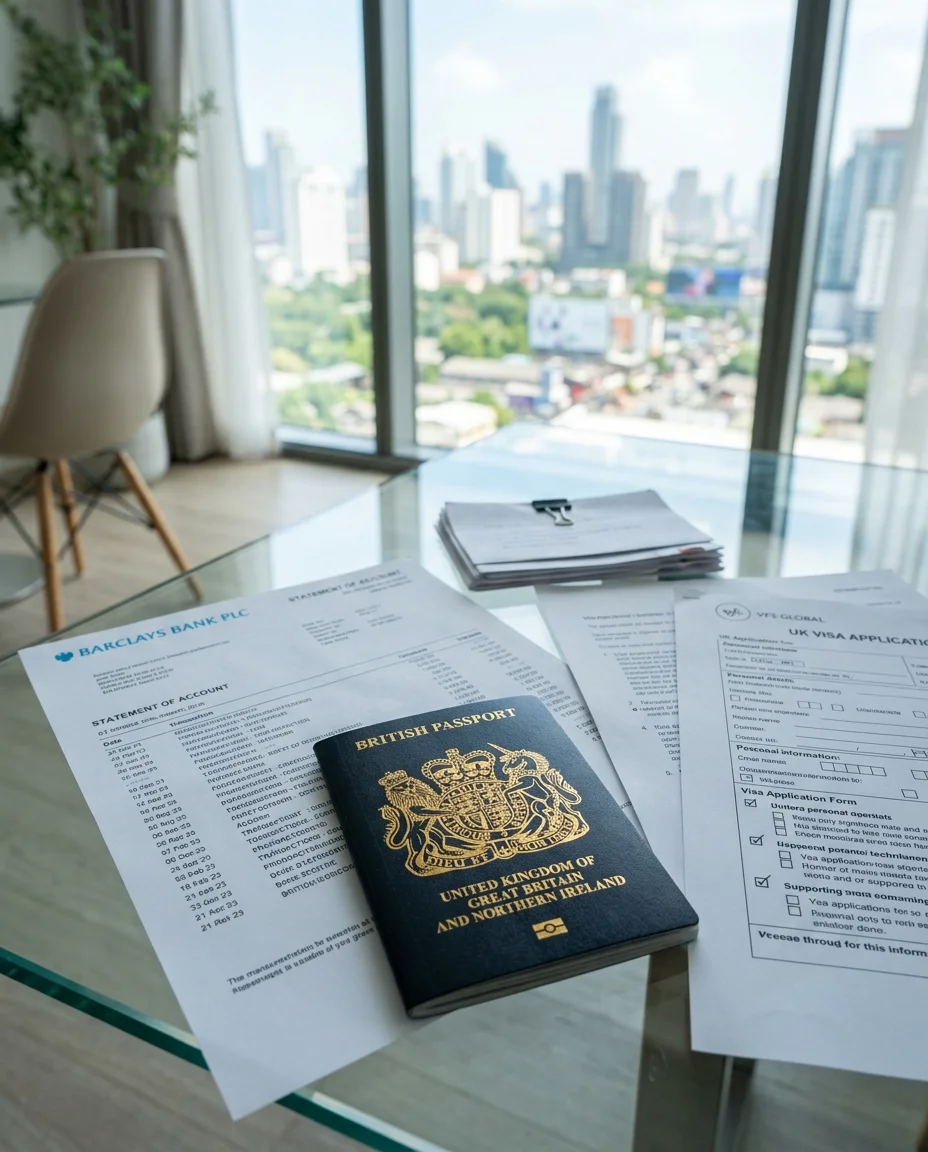
Thailand has reduced its visa-free entry allowance for British passport holders from 60 days to 30 days.
This decision scraps a 60-day exemption that applied to 93 countries, including the UK, the US, and European nations, fundamentally altering how British citizens must approach their initial entry. The policy reverses a 2024 initiative that temporarily doubled the entry period to stimulate post-pandemic tourism. Under the revised framework, UK nationals assessing relocation options or taking extended trips must now plan around a shorter initial entry period, as the automatic two-month stay has been abolished completely.
Stricter Extension Process
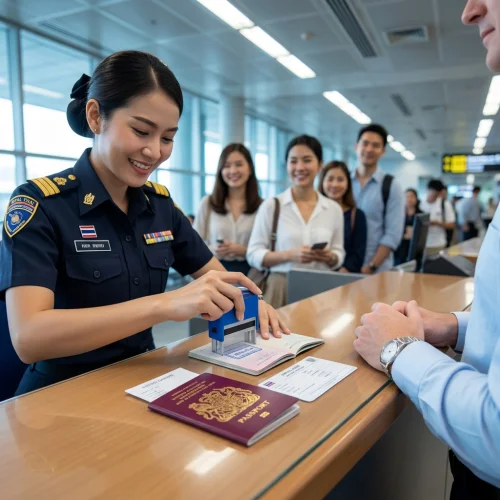
Visitors can still apply for a single visa extension by visiting a local immigration office in person. Securing this extension is no longer guaranteed. Immigration officers now hold discretionary power over approvals, meaning British expats and long-term visitors must explicitly justify their reasons for remaining in the country to the attending official. The government implemented this adjustment to address foreign nationals overstaying or operating illegal businesses. Authorities also cited concerns over transnational crime.
Economic and Travel Context
The overall number of territories eligible for the new 30-day exemption is falling from 57 to 54. Officials have not yet published the finalised list of approved nations. The foreign ministry confirmed these changes are not targeted at specific nationalities, but rather aimed at tightening border control broadly across all demographics. These stricter measures arrive during a challenging period for the Thai travel sector, which recently revised its annual arrival targets downward from 35 million to 32 million amid a broader economic slowdown. During the first four months of 2026, arrivals from the UK dropped by almost 23 per cent to just over 85,000 people. Rising airfares and international conflicts affecting fuel costs continue to disrupt overall travel patterns.