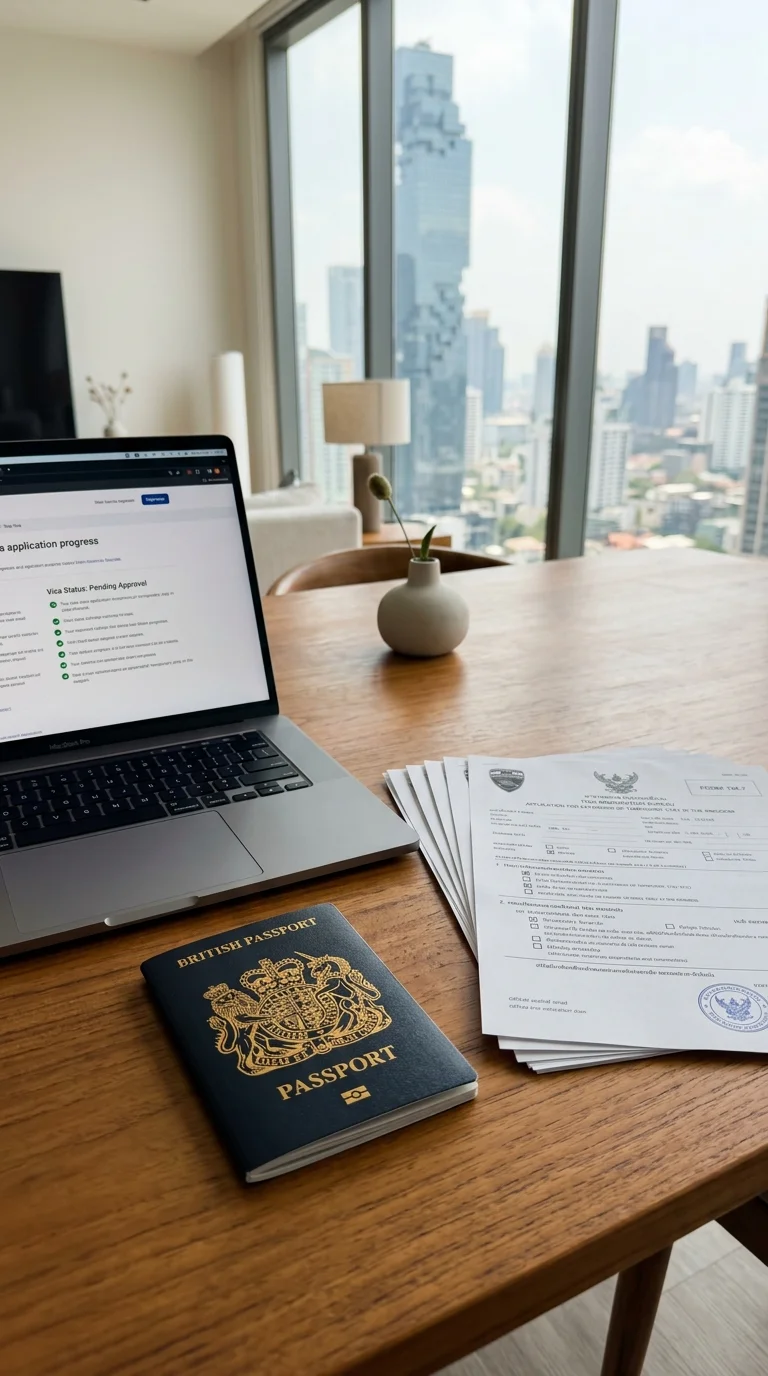
The Thai government has approved new immigration rules that reduce visa-exempt stays from 60 days to 30 days for citizens of 54 countries, including the United Kingdom. This policy takes effect 15 days after its publication in the Royal Gazette. Cabinet ministers authorised the sweeping changes on 19 May 2026. The overarching goal is to tighten border security and deter foreigners from working illegally on standard tourist entry stamps.

Impact on British Nationals
The halved exemption period immediately affects British citizens planning extended holidays or visiting expatriate family members. Frequent border runs will now face intense scrutiny. Immigration authorities plan to use the narrower 30-day window to identify digital nomads and other foreign nationals living in the country without appropriate documentation. Consequently, British winter-escape holidaymakers and medical tourists will need to secure formal visas prior to travelling. The broader reform also restricts Visa on Arrival privileges to just four nations and implements a stricter 15-day limit for specific island states.
Broader Economic Context
These tighter immigration controls arrive alongside a notable downturn in the national tourism sector. Data from the Ministry of Tourism and Sports indicates that foreign arrivals contracted by 2.8 per cent in the first five months of 2026. Visitor numbers from the Middle East and the ASEAN region have fallen sharply due to compounding global headwinds. Stubbornly high aviation fuel costs have kept airfares elevated. This forces consumers to rationalise their discretionary spending. Furthermore, geopolitical instability and renewed health vigilance regarding international virus outbreaks continue to suppress long-haul travel confidence. In response to these economic pressures, the Kasikorn Research Centre has downgraded its annual foreign arrival forecast from 33 million to 30 million. Authorities are now pivoting to attract high-spending alternative markets. They hope this strategy will sustain the domestic economy through a leaner year.