Pit Vipers in Thailand
Equipped with specialised loreal pits capable of registering temperature shifts as delicate as three-thousandths of a degree Celsius, pit vipers perceive the thermal signatures of warm-blooded prey in absolute darkness. While their striking facial architecture makes them formidable predators across Southeast Asia, their presence in Thailand represents an intricate balance between agricultural ecology and clinical risk.
Thailand accommodates more than two dozen species of pit vipers spanning terrestrial and arboreal ecosystems across its fifty-one million hectares. Belonging to the viperid subfamily Crotalinae, these solenoglyphous serpents command substantial medical attention because their haematotoxic bites constitute the vast majority of venomous snakebite admissions in the country. This guide provides a comprehensive exploration of Thailand's native pit vipers, examining their sensory adaptations, species profiles, venom pharmacology, encounter dynamics, and clinical safety protocols.
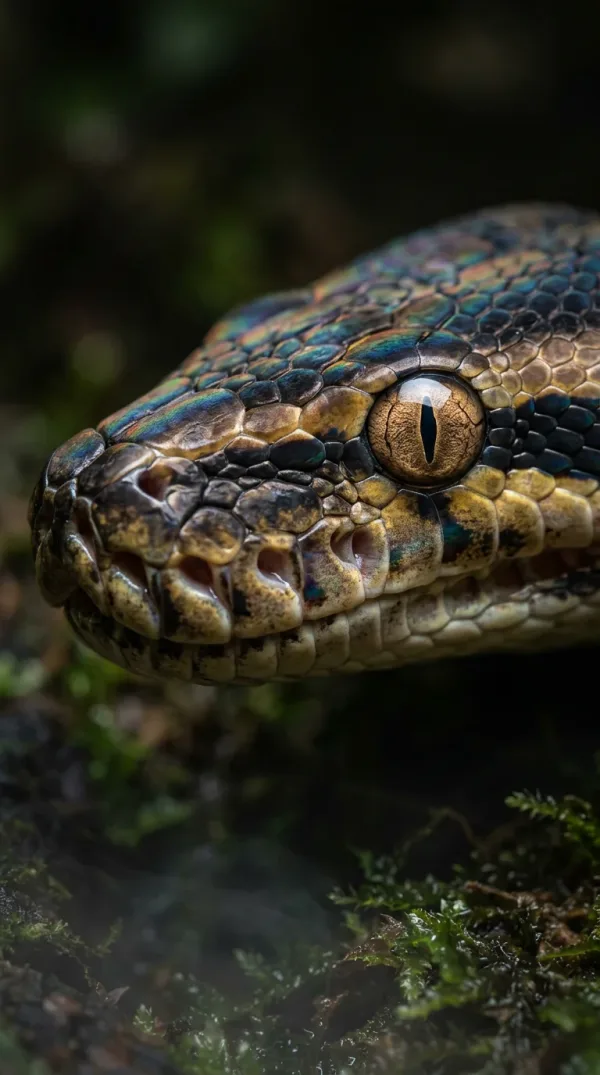
Deep bilateral cavities situated between the eye and the nostril define the evolutionary identity of every pit viper native to Thailand. Termed loreal pits, these apertures function not as olfactory organs or auditory receptors, but as passive infrared cameras. The internal architecture of each pit features an ultra-thin sensory membrane suspended across an air-filled chamber. Measuring roughly fifteen micrometres thick, this tissue contains approximately seven thousand free nerve endings derived from the ophthalmic and maxillary branches of the trigeminal cranial nerve.
Thermal radiation emitted by a passing mammal or bird enters the exterior opening and warms the membrane, primarily at infrared wavelengths between five and thirty micrometres. Suspending the membrane in an air chamber isolates it from the skull, preventing conductive heat loss and allowing minute thermal fluxes to register immediately. Specialised ion channels, specifically transient receptor potential ankyrin 1 (TRPA1) receptors, trigger action potentials within milliseconds of radiant heating. A dense capillary bed rapidly dissipates heat to reset the receptor for subsequent thermal cues. In the optic tectum of the brain, the serpent superimposes these thermal signals onto visual data from its vertical-pupil eyes, generating a stereoscopic thermal map that resolves warm prey against a cool nocturnal forest floor.
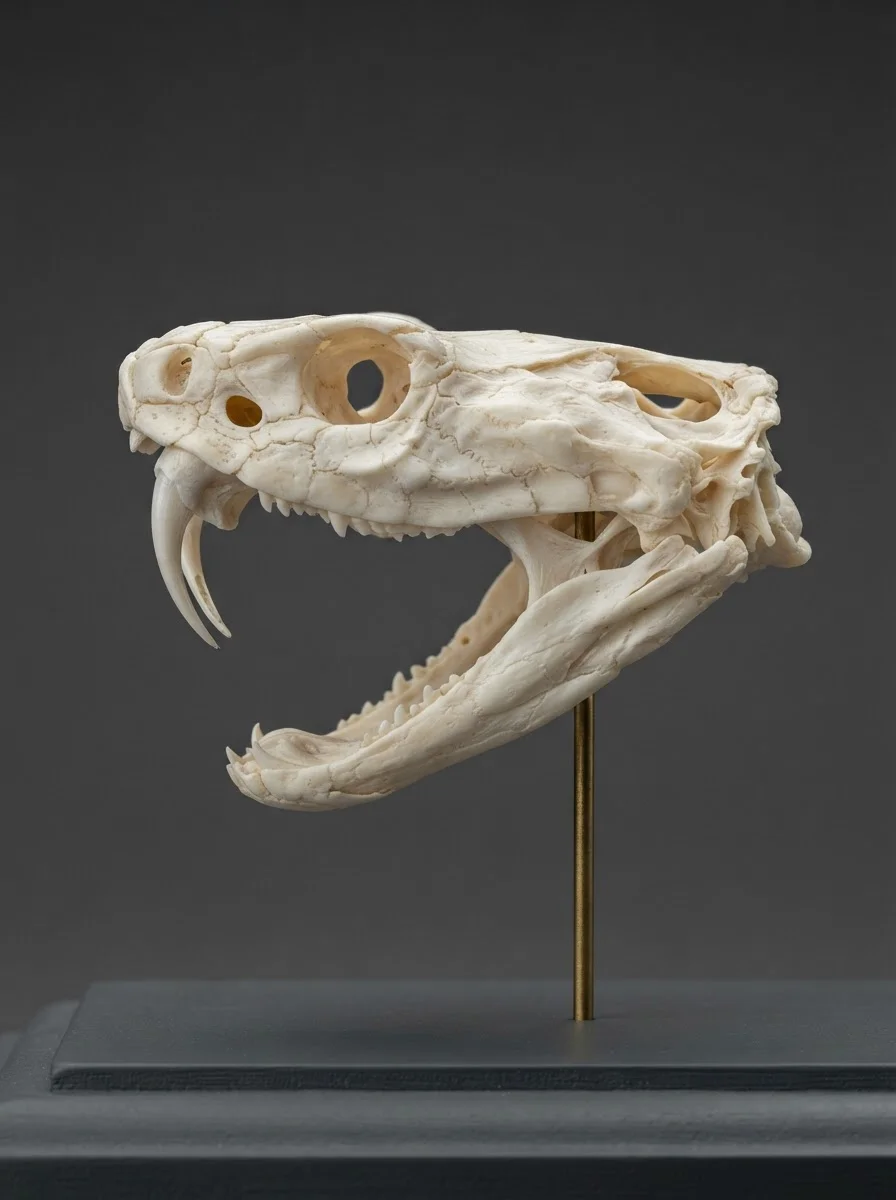
Beyond thermal guidance, crotaline morphology displays extreme specialisation in prey subjugation and kinetic skull movement. Unlike aglyphous non-venomous snakes or proteroglyphous elapids whose short fangs remain permanently erect, pit vipers possess solenoglyphous dentition. Their elongated fangs fold flush against the roof of the mouth when the jaws close.
The folding mechanism relies on a kinetic skull framework in which the maxilla is abbreviated and highly mobile. In non-viperid snakes, the maxilla serves as an elongated anchor for multiple solid teeth. In pit vipers, it has evolved into a compact rotating hinge supporting only a single primary hollow fang on each side, alongside reserve replacements. When the serpent strikes, contraction of the protractor pterygoidei muscles pushes the palatopterygoid bar and ectopterygoid forward. This kinetic chain swings the needle-sharp fangs forward through an arc of nearly ninety degrees. The fangs discharge venom under muscular compression before the snake releases its quarry. The entire penetration, injection, and withdrawal cycle frequently concludes in under one-tenth of a second, protecting the serpent from retaliatory bites by thrashing prey.

The Terrestrial Ambush Specialist: Malayan Pit Viper
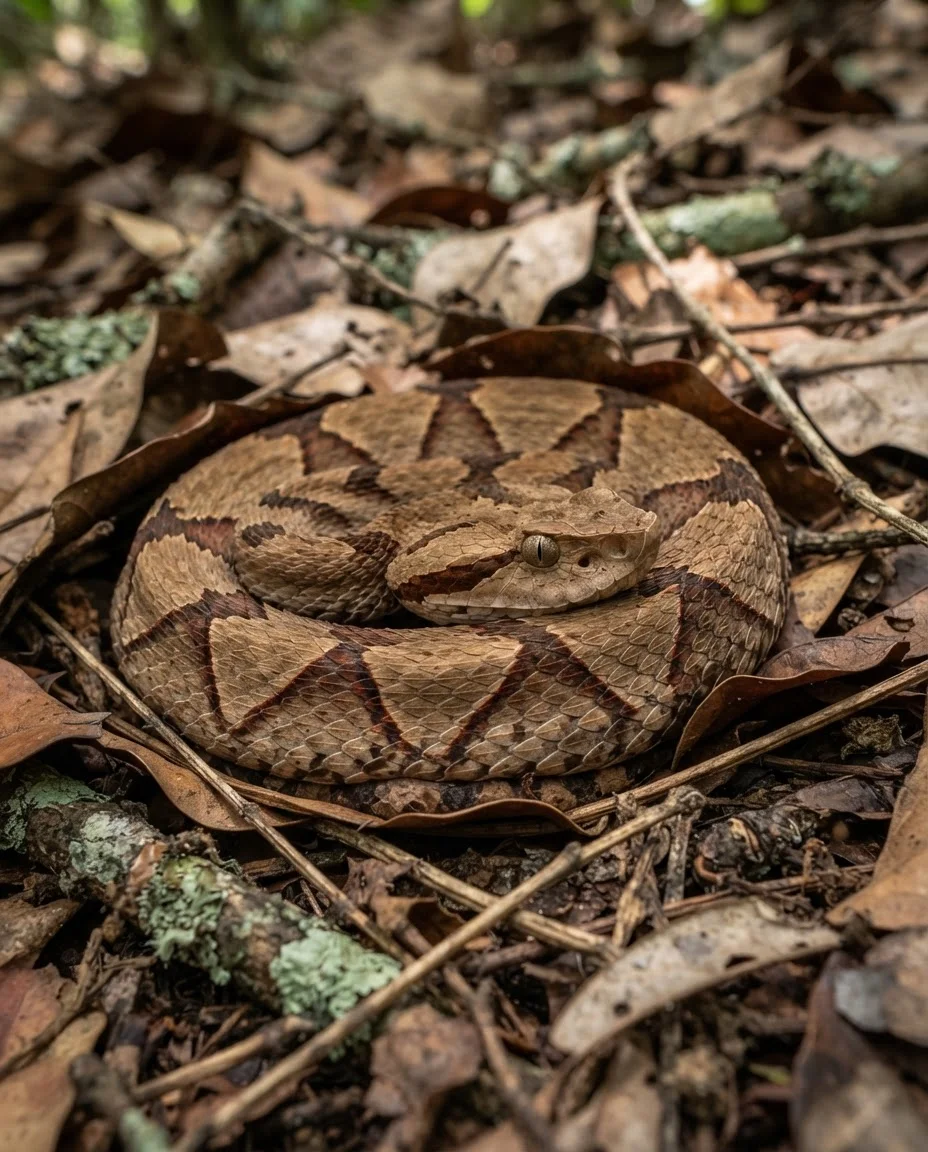
The Malayan pit viper (Calloselasma rhodostoma) accounts for more hospital admissions for venomous snakebite in Thailand than any other single reptile, representing approximately thirty-eight per cent of all treated snake envenomations nationwide. Unlike arboreal pit vipers that retreat through the forest canopy or active hunters that flee when humans approach, this heavy-bodied terrestrial viper relies entirely on cryptic colouration to remain undetected amongst fallen leaves, rubber plantation detritus, and orchard scrub. Because it remains motionless even when footsteps land nearby, agricultural workers and hikers frequently step within striking distance without spotting the animal, triggering an instantaneous defensive bite.
Adult specimens typically attain a length between seventy and ninety centimetres, though mature females can reach one metre. The body is stout and muscular with a short tail, yet it differs from nearly every other Asian pit viper by possessing smooth dorsal scales rather than keeled ones, arranged in twenty-one rows at midbody. Its broad, triangular head narrows sharply to an upturned, pointed snout and displays nine large, symmetrical crown shields. Ground colouration varies across shades of reddish-brown, russet, and pale greyish-tan, overlaid with two rows of distinctive dark brown triangular blotches pointing upwards along the vertebral line. Each blotch is outlined in fine cream or pale pink, while a broad dark stripe extends from behind the eye to the corner of the jaw.
As the sole member of the monotypic genus Calloselasma, this terrestrial specialist shows a strong affinity for human-modified landscapes across southern, eastern, and central Thailand. Rather than entering dense, closed-canopy primary rainforest, it prospers in secondary scrub, bamboo groves, and monoculture plantations—particularly rubber estates, palm plantations, and fruit orchards where agricultural waste encourages dense rodent populations. Lying in ambush, the snake coils into a flat disc, conceals its head beneath its body, and remains stationary for days. Peak activity occurs during dusk and early evening hours, roughly between six and nine o'clock. When warm-blooded prey walks within fifteen centimetres, the viper lunges in a fraction of a second, using elongated, mobile fangs to deliver deep intramuscular envenomation.
Unlike the majority of Asian pit vipers, which give birth to live young through ovoviviparity, the Malayan pit viper is oviparous. Gravid females deposit clutches of ten to thirty soft-shelled eggs in concealed depressions beneath rotting wood or thick leaf litter, typically between May and July. The female remains coiled around her eggs throughout an incubation period lasting roughly six to eight weeks, rarely leaving the nest. This maternal brooding provides vital protection against predators and prevents lethal water loss from the clutch. The brooding period coincides with the early rainy season and intensive agricultural clearing, substantially raising the risk of severe defensive strikes because guarding females refuse to abandon their nests when approached.
| Species | Habitat & Range | Key Physical Identifiers | Primary Venom Effects & Risk |
|---|---|---|---|
| Malayan Pit Viper (*Calloselasma rhodostoma*) | Lowland leaf litter, rubber and palm plantations across southern, eastern, and central Thailand | Triangular brown dorsal blotches, pointed upturned snout, robust terrestrial body | Severe consumption coagulopathy, extensive local tissue necrosis, compartment syndrome |
| White-lipped Pit Viper (*Trimeresurus albolabris*) | Lowland scrub, gardens, suburban fringes, and orchards throughout central and northern regions | Uniform leaf-green dorsum, white labial scales, distinct lateral stripe, rusty red tail | Moderate coagulopathy, pronounced swelling, blistering, local pain |
| Large-eyed Pit Viper (*Trimeresurus macrops*) | Forest edges, riparian vegetation, suburban Bangkok parks, lowlands of central and eastern Thailand | Vivid green, conspicuously large golden-bronze eyes, blunt snout, calm disposition | Localised oedema, pain, mild to moderate coagulation disturbances |
| Vogel's Pit Viper (*Trimeresurus vogeli*) | Hill evergreen forests, mountain stream corridors (200–1,200 m), Khao Yai, Chanthaburi | Dark green (males) with faint dorsal bars or pale green (females); white or blue flank stripe | Rapid localised swelling, defibrinogenation, moderate tissue destruction |
| Mangrove Pit Viper (*Trimeresurus purpureomaculatus*) | Coastal mangrove forests, tidal mudflats, estuaries of Andaman and Gulf coasts | Heavily keeled scales, dark purplish-brown, black, or olive ground colour; aggressive defence | Intense agony, extreme local oedema, potential tissue necrosis |
| Wagler's Pit Viper (*Tropidolaemus wagleri*) | Lowland primary and secondary rainforests, swamp forest of southern peninsular Thailand | Dramatic sexual dimorphism: females black with yellow-green crossbands; males slender emerald green | Moderate systemic haemotoxicity, profound local swelling, low human mortality |
The Arboreal Radiation: Green Pit Vipers and Cryptic Speciation
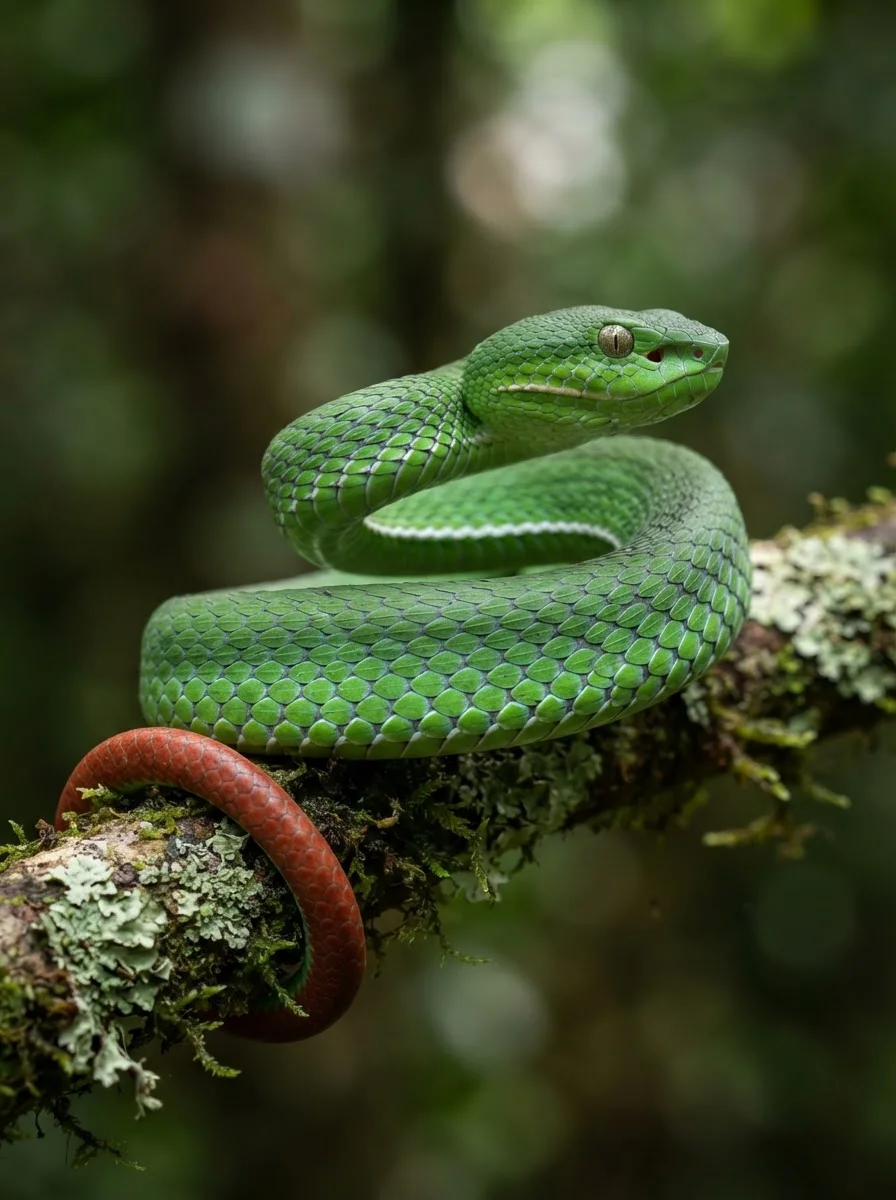
Arboreal green pit vipers of the genus Trimeresurus form the most species-rich group of venomous snakes in Thailand. For decades, researchers catalogued bright green tree vipers under broad umbrella complexes, notably Trimeresurus albolabris and Trimeresurus popeiorum. Snakes that looked virtually identical in foliage often concealed profound evolutionary divisions. Modern molecular phylogenetics, pairing mitochondrial DNA analysis with lepidosis—the detailed examination of scale counts and arrangements—has dismantled these historical groupings. Herpetologists now recognise nineteen distinct Trimeresurus species in Thailand, including five endemic to the country, shaped by fine-scale habitat partitioning.
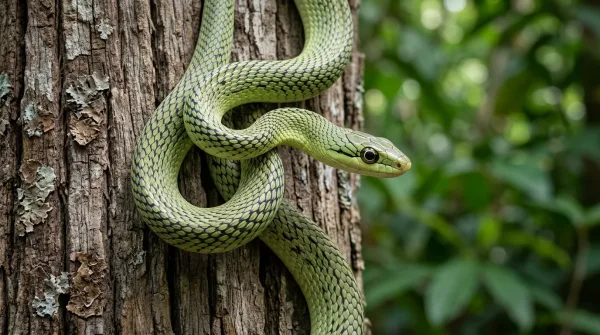
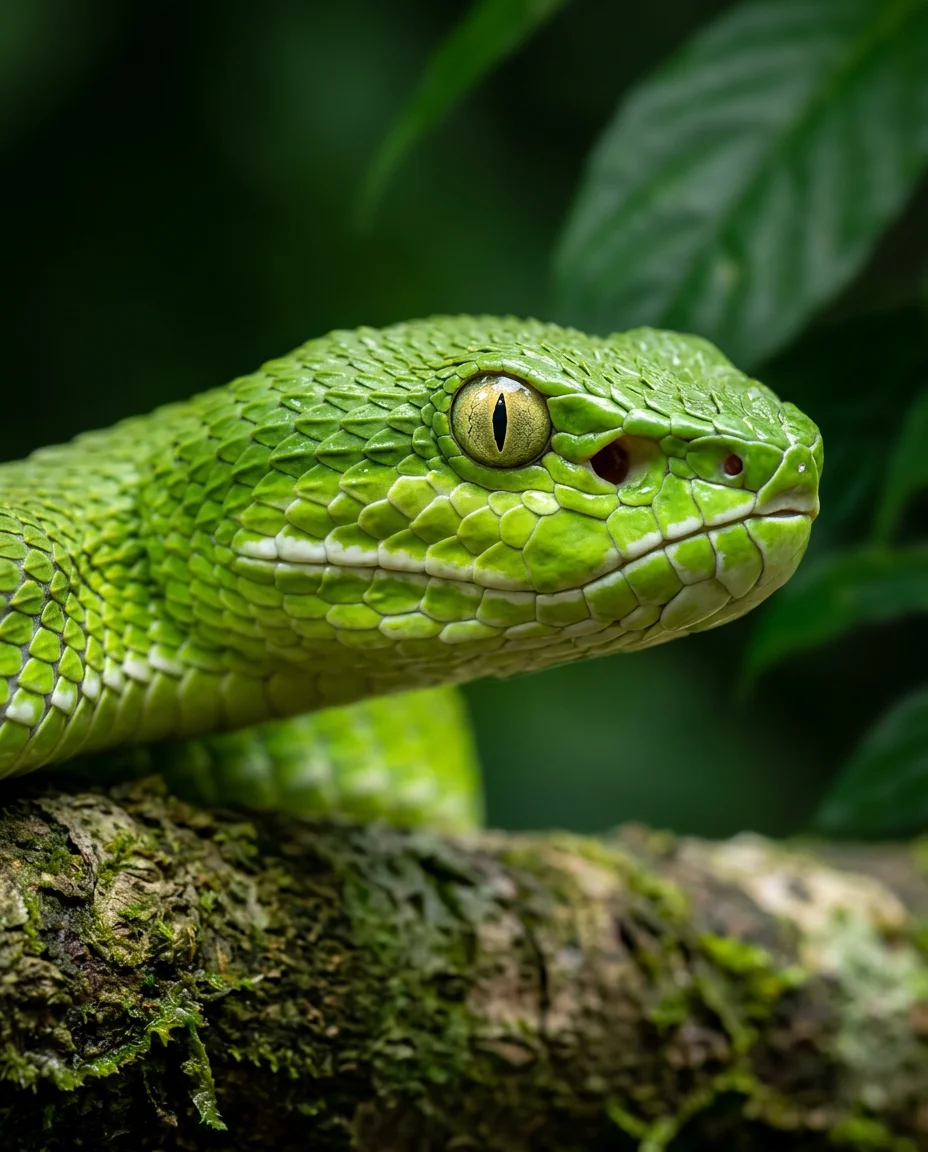
The white-lipped pit viper (Trimeresurus albolabris) remains the classic green pit viper of lowland Thailand. Ranging across central, northern, and eastern provinces, it adapts readily to agricultural margins, orchards, suburban gardens, and parks below 500 metres elevation. It possesses a slender body, keeled scales, and a prehensile tail for securing itself to vegetation. Its dorsal scales are bright leaf green, contrasting with pale yellow or white upper lips and a rusty-red tail tip. Adult males develop a distinct bicoloured ventrolateral stripe—white above, reddish-orange below—running down the lower flank. Females grow considerably larger, often exceeding 80 centimetres, and often display a faint yellowish flank line or lack one entirely.
The large-eyed pit viper (Trimeresurus macrops) shares much of this lowland range, living alongside T. albolabris in suburban Bangkok and central wetlands. While sharing the reddish tail, T. macrops features disproportionately large, bulbous eyes with golden-bronze irises, a blunter snout, and a velvety green body without clean white labial scales. It is exceptionally placid, often resting motionless for hours on low garden shrubs, relying on camouflage and striking when physically handled or compressed.
In montane forests and humid river valleys, lowland snakes give way to upland specialists. Vogel's pit viper (Trimeresurus vogeli) inhabits evergreen hill forests between 200 and 1,200 metres, particularly in the Dong Phayayen-Khao Yai Forest Complex. Adult males display dark transverse crossbands and pale vertebral spots against deep green skin, whereas females are substantially longer and uniform pale green. Further north, Gumprecht's green pit viper (Trimeresurus gumprechti) occupies high-altitude ridges across Loei, Phitsanulok, and Nan provinces. Reaching over 1.2 metres in females, males display a vivid postocular stripe behind red eyes and a dark, magenta-tinted tail.
Karst Endemics and Mangrove Specialists
Radiation within Trimeresurus extends well beyond uniform green foliage forms. In coastal estuaries and isolated limestone towers, lineages have evolved alternative colourations to exploit specialised niches.
The mangrove pit viper (Trimeresurus purpureomaculatus), or shore pit viper, inhabits tidal mudflats, prop roots, and coastal scrub along the Andaman Sea and southern Gulf coast. Heavily keeled scales give it a coarse texture that sheds brackish water. Its colouration varies widely: while some individuals are dull olive, most adults display mottled purplish-brown, slate-grey, or coal-black tones that mirror wet mangrove bark. Unlike calm garden species, it is alert and defensive, striking repeatedly if disturbed by fishermen or boat crews traversing tidal channels.
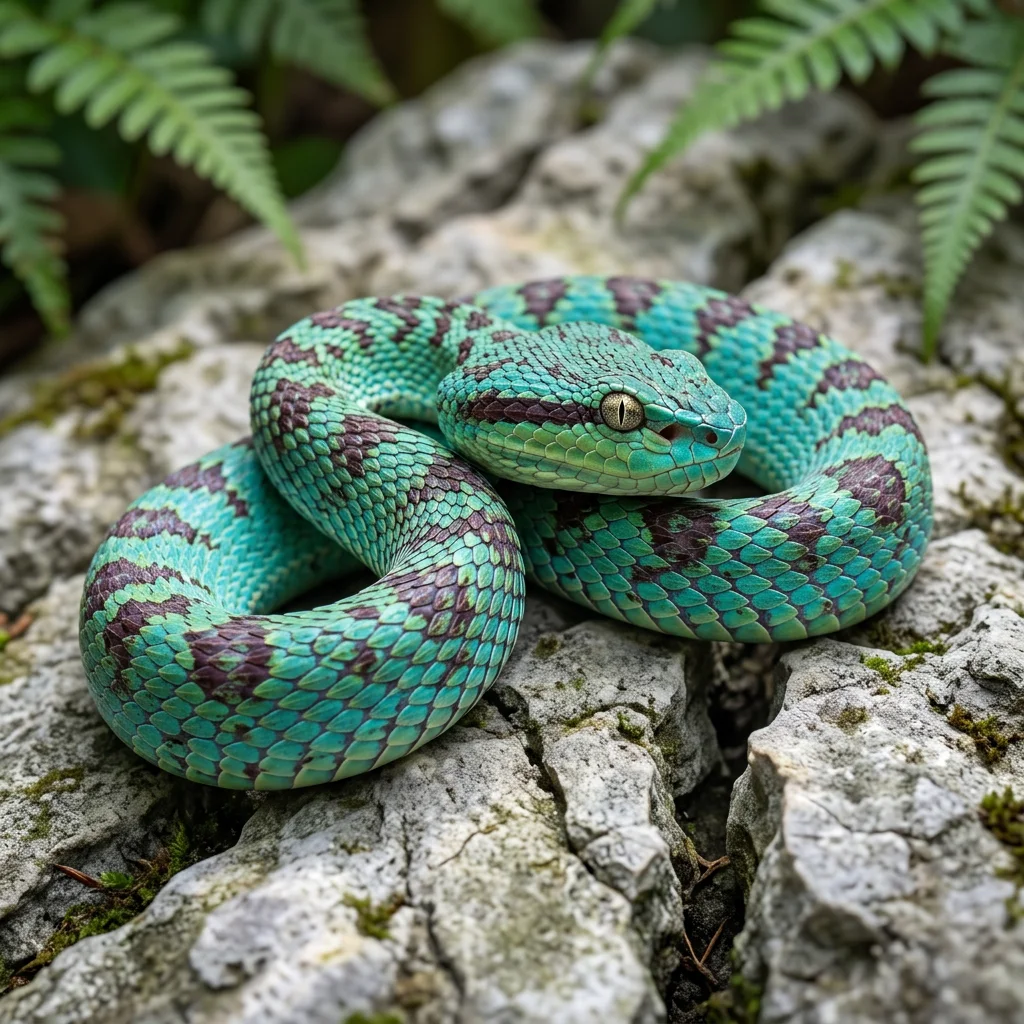
Across the limestone karst landscapes of southern and western Thailand, pit vipers adopt disruptive rock-matching patterns. The beautiful pit viper (Trimeresurus venustus), native to southern provinces such as Surat Thani, Krabi, and Phang Nga, features jagged reddish-brown and purplish dorsal blotches over a turquoise or jade body, blending against lichen-covered crags. In Kanchanaburi province, the Kanburi pit viper (Trimeresurus kanburiensis) uses an olive-khaki or slate body with muted dark saddles to hide among limestone fissures and bamboo groves. In 2025, herpetologists described Trimeresurus erythrochloris, the red-barred green pit viper, from isolated limestone massifs in Sa Kaeo Province near the Cambodian border, demonstrating that Thailand's fragmented karst ecosystems still harbour previously unrecognised viper diversity.
Plan a Northern Thailand trip covering Chiang Mai, Chiang Rai, Sukhothai, mountain routes, Lanna food, transport, seasons and air quality.
Southern Rainforests and Montane Enigmas: Wagler's and High-Altitude Vipers
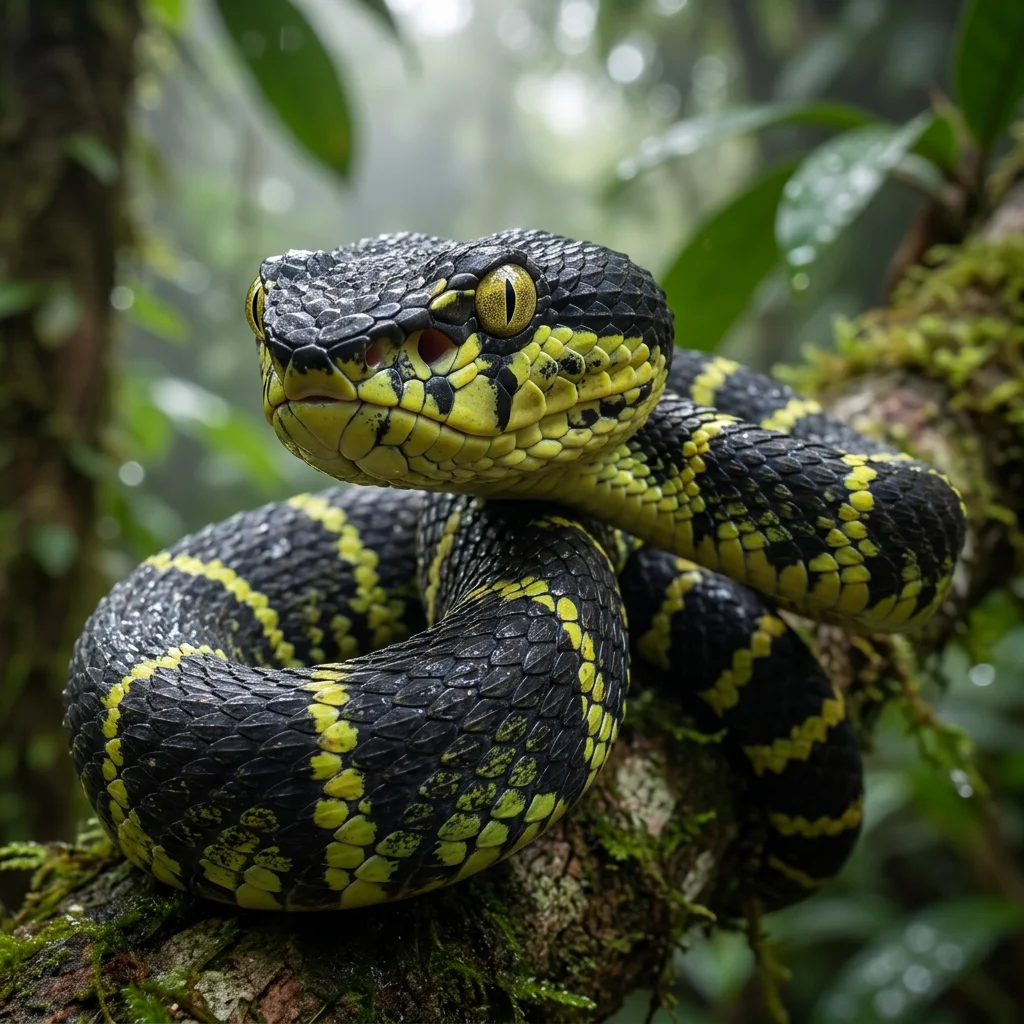
Peninsular Thailand marks a major biogeographical transition where continental Indochinese wildlife converges with equatorial Sundaic rainforest species. Across humid, multi-tiered dipterocarp forests and coastal mangroves, pit viper diversity shifts away from the widespread green arboreal forms towards highly specialised equatorial and montane species. Foremost among these southern dwellers is Wagler's pit viper (Tropidolaemus wagleri), known colloquially as the temple viper due to its historical abundance at the Snake Temple in Penang, Malaysia. In Thailand, it thrives within lowland evergreen jungle and mangrove fringes from Surat Thani province—notably around Khao Sok National Park—south to the Malaysian border.
Tropidolaemus wagleri exhibits extreme sexual dimorphism in size, body proportions, and colouration. Adult males remain slender and small, typically measuring between 50 and 75 centimetres in length, retaining a vivid lime-green ground colour decorated with paired white and reddish spots along their flanks. Adult females, in contrast, are heavy, thick-bodied serpents reaching up to one metre in length. As females mature, they undergo an ontogenetic colour transformation, trading green pigmentation for a glossy black or blue-black body patterned with irregular sulphur-yellow crossbars and pale greenish speckles. Their massive triangular heads feature heavily swollen temporal muscles and coarsely keeled scales, giving them an unmistakable spade-like silhouette. Despite their formidable appearance, Wagler's pit vipers are exceptionally sedentary ambush hunters. An individual female may linger upon a single mossy bough overhanging a stream for several consecutive weeks, shifting slightly to maintain a strike position over passing frogs, lizards, birds, and rodents.
High-altitude terrestrial specialists
At the opposite ecological extreme, the cool, mist-shrouded peaks of northern Thailand—such as Doi Inthanon, Doi Suthep, and Doi Pha Hom Pok—support terrestrial pit vipers adapted to submontane and montane forest floors. Rather than hunting through the canopy, these serpents occupy damp leaf litter, rotting logs, and mossy banks.
The genus Ovophis comprises heavy-bodied terrestrial ambush predators. The Himalayan mountain pit viper (Ovophis monticola) occurs across the northern highlands, while the closely related Indo-Malayan mountain pit viper (Ovophis convictus) inhabits upland evergreen forests further south along the peninsula. Both species are stout, short-tailed snakes cloaked in mottled shades of chocolate-brown, dull ochre, and charcoal, providing effective camouflage among fallen leaves. In these cooler mountain regimes, they thermoregulate by basking in fleeting sun flecks along forest trails or sheltering inside subterranean rodent burrows.
Sharing these upland ecosystems are the lance-headed pit vipers of the genus Protobothrops. Slender and far more agile than Ovophis, the brown-spotted pit viper (Protobothrops mucrosquamatus) reaches the southern limit of its continental range in the mountains of northern Thailand, where it was confirmed in Nan province. In 2020, herpetologists formally described a second species, the Omkoi lance-headed pit viper (Protobothrops kelomohy), from montane evergreen forests in Chiang Mai and Tak provinces. With distinct dark dorsal blotches, sharp lance-shaped heads, and prominent facial stripes, these elusive mountain pit vipers navigate rocky outcrops and low shrubs, representing some of the kingdom's most enigmatic crotaline snakes.
Biogeographical Distribution and Habitat Stratification
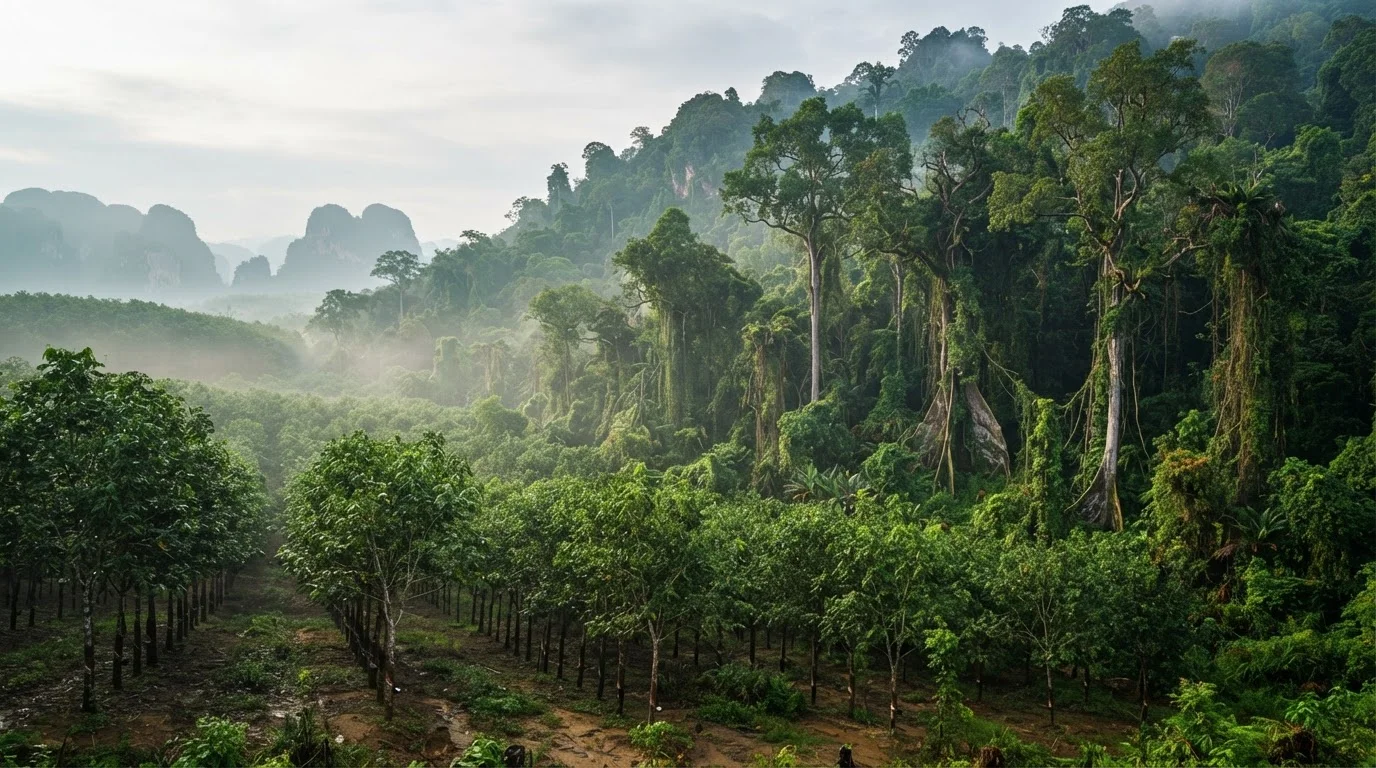
Pit viper presence across Thailand is governed by elevation, moisture gradients, and vertical forest architecture. Understanding these distribution patterns explains why agricultural workers, wilderness trekkers, and residential gardeners encounter distinctly different species in the field.
Vertical forest stratification
In a mature Thai evergreen forest, pit vipers divide their environment into three primary vertical tiers, separating high-climbing hunters from ground-dwelling ambush predators.
The canopy and sub-canopy, extending from roughly five to thirty metres above the ground, belong to slender green pit vipers with prehensile tails, such as the white-lipped pit viper (Trimeresurus albolabris) and Pope's pit viper (Trimeresurus popeiorum). These arboreal snakes navigate the high branches to hunt roosting birds and tree-dwelling geckos, anchoring their coils securely to twigs using muscular tail tips.
The shrub layer and understorey, between half a metre and three metres high, shelter adult and juvenile green vipers, including the large-eyed pit viper (Trimeresurus macrops), alongside resting Wagler's pit vipers (Tropidolaemus wagleri). Because this stratum coincides directly with human eye, hand, and torso level, it presents the primary hazard for agricultural workers picking fruit, gardeners trimming hedges, and hikers walking narrow forest trails.
At ground level, the forest floor and leaf litter are occupied by terrestrial vipers with disruptive, earthy camouflage patterns. The Malayan pit viper (Calloselasma rhodostoma) dominates lowlands and agricultural margins, while montane leaf litter conceals mountain pit vipers (Ovophis) and habus (Protobothrops). Concealed beneath fallen foliage, decaying logs, and surface roots, these heavy-bodied snakes lie in wait for rodents, skinks, and ground-nesting frogs.
Regional distribution zones
Geographically, Thailand divides into five major ecological zones, each supporting distinct viper assemblages adapted to local topography, forest cover, and rainfall.
In the northern mountain ranges, rugged highlands across Chiang Mai, Mae Hong Son, Chiang Rai, and Nan host cooler montane microclimates above 800 metres. Terrestrial specialists such as the brown-spotted pit viper (Protobothrops mucrosquamatus) and Indo-Malayan mountain pit viper (Ovophis convictus) conceal themselves in deep leaf mould and granite ravines, while arboreal species including Pope's pit viper (Trimeresurus popeiorum) and Gumprecht's green pit viper (Trimeresurus gumprechti) cling to streamside vegetation and bamboo stands.
Across the central floodplains and metropolitan Bangkok, the heavily modified Chao Phraya basin consists of residential sprawl, commercial agriculture, and canal networks. Forest specialists are absent, yet the white-lipped pit viper (Trimeresurus albolabris) and large-eyed pit viper (Trimeresurus macrops) thrive along canal banks, parklands, and suburban gardens, sustained by abundant house geckos and urban tree frogs.
On the northeastern Khorat Plateau, seasonal drought shapes dry dipterocarp woodlands and scrub. Calloselasma rhodostoma occurs across scrub borders and agricultural clearings. Along the forested escarpments of the Phetchabun and Dongrek ranges bordering Cambodia, moist evergreen pockets shelter Vogel's green pit viper (Trimeresurus vogeli) and Trimeresurus albolabris.
Along the western hills and the Tenasserim Range, extending from Kanchanaburi through Phetchaburi to Prachuap Khiri Khan, rugged limestone karst creates humid refuges in sinkholes and cave mouths. Highly localised endemics such as the Kanburi pit viper (Trimeresurus kanburiensis) inhabit these limestone formations, sharing the forest corridors with Calloselasma rhodostoma and upland populations of Trimeresurus popeiorum.
In southern peninsular Thailand, south of the Isthmus of Kra, an equatorial climate delivers year-round warmth and high rainfall. Vast commercial rubber and oil palm estates provide dense ground cover for large populations of Calloselasma rhodostoma, contributing substantially to regional envenomation figures. Primary rainforests preserve sedentary specialists including Tropidolaemus wagleri, the beautiful pit viper (Trimeresurus venustus), and Hagen's pit viper (Trimeresurus hageni), while coastal mangroves support the saline-tolerant mangrove pit viper (Trimeresurus purpureomaculatus).
Venom Pharmacology: Haemotoxins, Coagulopathy, and Tissue Destruction
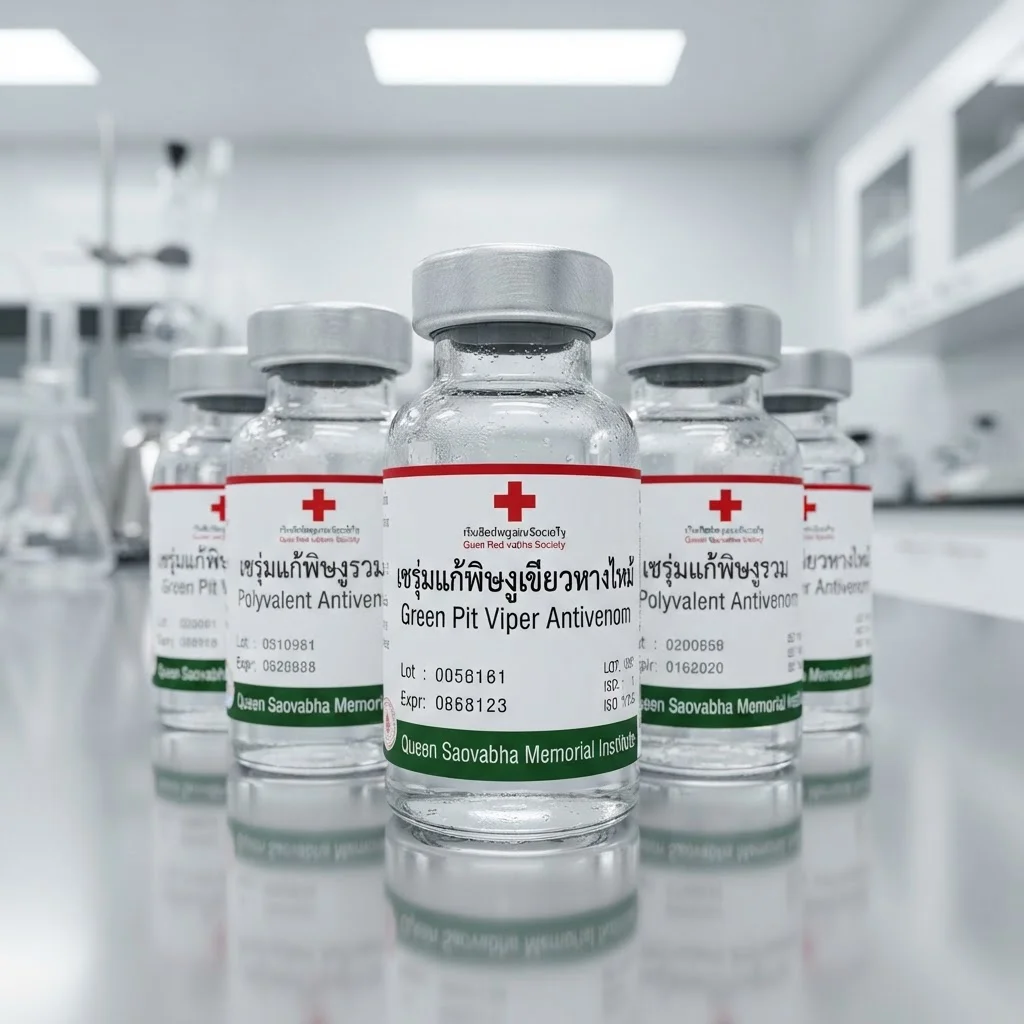
Envenomation from a pit viper produces a clinical pathology distinct from the neurotoxic paralysis caused by elapids such as cobras and kraits. While a krait bite produces minimal local swelling and painless systemic paralysis leading to respiratory arrest, a pit viper bite inflicts rapid local tissue damage and complex haematological disruption. Crotaline venom acts as an integrated biochemical weapon evolved to immobilise prey rapidly while initiating pre-digestive enzymatic breakdown of internal tissues.
The destructive capacity of pit viper venom stems from four major protein families working in concert:
Snake Venom Metalloproteinases
These zinc-dependent enzymes constitute between thirty and sixty per cent of the total venom protein in the Malayan pit viper (Calloselasma rhodostoma). Metalloproteinases digest critical components of the extracellular matrix, including type IV collagen, laminin, and fibronectin within capillary basement membranes. As microvascular structural integrity disintegrates, blood escapes directly into interstitial tissues. This produces extensive ecchymosis, blood-filled bullae, and progressive myonecrosis around the strike location.
Phospholipases A2
These hydrolytic enzymes destroy cell membranes by cleaving structural glycerophospholipids. Their activity causes direct cytotoxicity, lyses red blood cells, and prompts an acute release of pro-inflammatory autacoids. The resulting vascular permeability leads to massive, painful oedema that can expand across an entire bitten limb within hours.
Snake Venom Serine Proteases
Serine proteases disrupt normal coagulation by acting as thrombin-like enzymes. In the venom of Calloselasma rhodostoma, the primary serine protease is ancrod. Ancrod selectively cleaves the alpha chains of fibrinogen to generate atypical, friable fibrin monomers. Because these abnormal strands cannot cross-link effectively, they form unstable micro-clots that endogenous plasmin degrades immediately. Over several hours, continuous activation consumes circulating fibrinogen without creating lasting haemostasis. This systemic breakdown, termed venom-induced consumption coagulopathy, leaves the circulatory system depleted of clotting factors.
C-Type Lectin-Like Proteins
Snaclecs such as rhodocetin and rhodocytin target blood platelets by binding directly to surface receptors, including glycoprotein Ib and alpha-2-beta-1 integrin. Depending on the specific toxin, they either induce uncoordinated platelet aggregation or suppress platelet adhesion, precipitating profound thrombocytopenia where circulating platelet counts plunge below 50,000 per microlitre. When depleted platelets combine with missing fibrinogen and ruptured capillaries, the patient faces severe systemic haemorrhage, manifested as spontaneous gum bleeding, epistaxis, haematuria, and potentially fatal intracranial bleeding.
Antivenom Production and Treatment Thresholds
In Thailand, the Queen Saovabha Memorial Institute of the Thai Red Cross Society in Bangkok manufactures purified equine F(ab')2 antivenom preparations. Three specific formulations counter crotaline envenomation:
- Monovalent Green Pit Viper Antivenom: raised against Trimeresurus albolabris, providing cross-neutralisation against related arboreal pit vipers including Trimeresurus macrops, Trimeresurus vogeli, and Trimeresurus popeiorum.
- Monovalent Malayan Pit Viper Antivenom: formulated specifically to neutralise the venom of Calloselasma rhodostoma.
- Hemato Polyvalent Snake Antivenom: a combined preparation effective against Calloselasma rhodostoma, Trimeresurus albolabris, and the viperine Daboia siamensis (Siamese Russell's viper).
Because horse-derived immunoglobulins present risks of acute anaphylaxis and delayed serum sickness, Thai clinical guidelines restrict antivenom administration to confirmed haematological or severe local indications:
- Venous Clotting Time exceeding 20 minutes.
- 20-minute Whole Blood Clotting Time showing unclotted blood.
- Platelet count dropping below 50,000 per microlitre.
- International Normalised Ratio exceeding 1.2.
- Objective systemic bleeding, including epistaxis, haematuria, or gastrointestinal haemorrhage.
- Rapidly advancing limb oedema or signs of impending compartment syndrome.
When indicated, standard medical protocol calls for an initial intravenous infusion of three to five vials reconstituted and administered over thirty to sixty minutes. Antivenom binds circulating venom proteins, halting active consumption coagulopathy and allowing hepatic synthesis to restore normal clotting factors within six to twelve hours. However, antivenom cannot reverse necrosis or tissue loss established before treatment, making prompt hospital presentation critical.
Encounter Prevention, Field Safety, and Clinical First Aid

In Thailand, most pit viper bites occur during routine outdoor activities, such as agricultural labour, clearing garden clippings, or walking along unpaved paths after dusk. The terrestrial Malayan pit viper accounts for a major share of severe bites, with strikes concentrated on the feet and lower legs. Arboreal green pit vipers present a different hazard profile, routinely striking hands, wrists, and forearms when residents and fruit pickers reach into dense foliage or ornamental hedges. Understanding how these snakes behave allows travellers and residents to reduce encounter risks substantially.
Reducing Encounter Risks in the Field and Home
Sturdy footwear offers reliable protection against ground-dwelling vipers. Flip-flops, sandals, and thin canvas shoes provide no defence against long, hinged fangs. Thick leather walking boots worn with loose denim or canvas trousers create an effective barrier; striking fangs frequently glance off tough leather or discharge harmlessly into loose cloth folds. When pruning trees, weeding dense borders, or harvesting fruit, heavy leather work gloves shield the hands from camouflaged arboreal species.
Because pit vipers hunt primarily after dark, carrying a reliable torch or headlamp is critical. When walking through gardens, plantations, or forest trails at night, sweep the beam across the path directly ahead, inspecting leaf litter, fallen branches, and low-hanging vegetation at head height. Before stepping over logs or large stones, inspect the far side, as resting vipers often shelter against fallen timber. Probing dense ground cover with a walking stick disturbs hidden snakes before hands or feet enter striking range.
Around rural dwellings and residential compounds, habitat control reduces the chance of snakes lingering near homes. Property owners should clear timber piles, construction rubble, and dense leaf debris, keep lawn areas trimmed, and manage household waste to deter rodents, which are the primary prey drawing foraging vipers towards buildings.
Recommended Field First Aid Protocol
Clinical recovery depends on rapid hospital transport rather than complex field treatments. If a bite occurs, summon emergency medical transport immediately via Thailand's nationwide ambulance dispatch number (1669), or arrange direct vehicle transfer to a district or provincial hospital.
Keep the patient calm and physically still. Pit viper venom spreads through the lymphatic system, a process driven by muscular movement and elevated heart rates. Reassure the casualty and keep physical exertion to a minimum. Splint the bitten limb with a rigid support, such as a wooden lath, cardboard, or rolled newspaper, securing it loosely with cloth strips to limit joint movement. Keep the limb resting at or slightly below heart level. Elevating it above the heart risks accelerating venom drainage into central circulation, while letting it hang down exacerbates painful swelling.
Remove rings, bracelets, watches, tight cuffs, and footwear without delay. Crotaline venom causes sudden, severe local swelling. A ring left on an inflating finger acts as an unintended tourniquet, rapidly occluding arterial blood flow and inducing digital gangrene that can require surgical amputation. Clean the bite gently with clean water, mark the outer edge of swelling with a pen to help clinicians monitor its progression, and use paracetamol if pain relief is required; avoid aspirin or ibuprofen, which worsen venom-induced bleeding disorders. Do not attempt to catch or kill the snake. If possible from several metres away, take a clear digital photograph of its head and markings to aid medical diagnosis.
Harmful and Contraindicated Interventions
Traditional bushcraft remedies cause catastrophic harm when applied to hemotoxic and cytotoxic viper envenomations.
Tourniquets of any kind must not be used. Tying rope, wire, or rubber tubing tightly around a limb cuts off arterial blood supply, triggers severe tissue ischaemia, and traps necrotic enzymes entirely within the bite zone, dramatically increasing the risk of extensive tissue death and amputation.
The pressure immobilisation bandage technique developed in Australia for neurotoxic elapids is explicitly contraindicated for pit viper bites under World Health Organisation and Thai clinical guidelines. Applying tight elastic bandaging over a hemotoxic viper envenomation increases intracompartmental pressure, exacerbates local necrosis, and can trigger acute compartment syndrome.
Do not cut the bite or use mechanical suction. Incisions in venom-damaged tissue cause severe, persistent bleeding because crotaline venom impairs normal blood clotting. Suction devices extract virtually no venom and cause further bruising and tissue damage.
Do not apply ice, chemical washes, or herbal poultices to the wound. Ice induces severe vasospasm and cold injury in vulnerable tissue. Rubbing plant matter, ash, or dung into puncture wounds inoculates the tissue with environmental bacteria such as Clostridium and Aeromonas hydrophila, turning a manageable bite into limb-threatening necrotising fasciitis.
Ecological Dynamics and Conservation in Fragmented Landscapes
Pit vipers occupy an influential predatory tier within Thailand's terrestrial food webs. As ambush carnivores with low resting metabolic rates, they bridge the gap between primary consumers and apex predators, exerting sustained pressure on small vertebrate populations. In lowland agricultural mosaics—particularly wet-rice paddies, oil palm estates, and rubber plantations—murid rodents multiply rapidly. Species such as the ricefield rat (Rattus argentiventer) and greater bandicoot rat (Bandicota indica) cause severe crop destruction, deplete grain stores, and harbour zoonotic pathogens including leptospirosis, scrub typhus, and hantaviruses. Both the Malayan pit viper (Calloselasma rhodostoma) and lowland arboreal vipers such as the white-lipped pit viper (Trimeresurus albolabris) act as effective biological control agents. Concealed within leaf litter or along field bunds, an adult viper consumes dozens of rodents each year, providing a valuable pest-management service to rural farming communities.
Higher in the trophic web, pit vipers sustain diverse forest wildlife. Avian raptors, particularly the crested serpent eagle (Spilornis cheela), strike arboreal green vipers from canopy perches, relying on thick reticulate scales on their feet and lower legs to resist fang penetration. Mammalian predators, including wild boars, civets, and mongooses, systematically forage through leaf litter for resting terrestrial vipers. Specialised snake-eating serpents also depend on pit vipers as dietary staples. The king cobra (Ophiophagus hannah), monocled cobra (Naja kaouthia), and banded krait (Bungarus fasciatus) actively hunt pit vipers, possessing physiological resistance to crotaline hemotoxins that allows them to consume venomous prey without succumbing to coagulopathy.
While generalists like the Malayan pit viper and white-lipped pit viper remain common and are classified as Least Concern on the IUCN Red List, habitat specialists face severe environmental disruption. The sharpest conservation challenges involve micro-endemic species tied to Thailand's karst landscapes. Species such as the Kanburi pit viper (Trimeresurus kanburiensis), assessed as Endangered by the IUCN, the Vulnerable beautiful pit viper (Trimeresurus venustus), and the recently described Trimeresurus erythrochloris depend entirely on limestone massifs, caves, and humid rock fissures. Intensive quarrying for cement manufacture systematically destroys these isolated hills. Because karst towers function as ecological islands surrounded by agricultural lowlands, demolishing a single massif can eliminate an entire localised population that has no capacity to disperse elsewhere.
Targeted collection for the international exotic pet trade compounds these habitat pressures. The distinctive colour patterns of Trimeresurus venustus and the pronounced sexual dimorphism of Wagler's pit viper (Tropidolaemus wagleri) make them frequent targets for illegal poachers, depleting fragile wild populations. At higher elevations, climate change threatens montane specialists, including the mountain pit viper (Ovophis convictus) and the brown-spotted pit viper (Protobothrops mucrosquamatus). As average temperatures increase across northern Thailand, cloud forest zones retreat towards mountaintops. Species adapted to cool, humid ridgelines cannot ascend further once they reach peak elevations, resulting in compressed ranges and isolated gene pools. Protecting Thailand's pit vipers requires safeguarding limestone karst formations from mining concessions, enforcing wildlife protection legislation, and encouraging public appreciation of their role as vital biological regulators.
Quick Reference Table
| Item | Detail | Notes |
|---|---|---|
| Taxonomic classification | Subfamily Crotalinae (family Viperidae) | Solenoglyphous vipers equipped with hinged fangs and infrared-sensing loreal pits |
| Widespread green tree vipers | White-lipped (*T. albolabris*) and large-eyed (*T. macrops*) | Common across lowlands, agricultural scrub, and suburban Bangkok gardens; distinct rusty-red tail tips |
| Recommended field first aid | Splint bitten limb, keep still, remove jewellery and footwear | Maintain limb at or slightly below heart level; arrange urgent transfer to hospital; paracetamol permitted |
| Contraindicated treatments | Tourniquets, pressure bandages, cutting, suction, and ice | Pressure immobilisation bandaging exacerbates local tissue destruction; tourniquets cause gangrene and ischaemia |
| Antivenom production | Monovalent and hemato polyvalent equine F(ab')2 serums | Manufactured by Queen Saovabha Memorial Institute; administered intravenously for clotting anomalies or severe swelling |
| Emergency assistance | Dial 1669 (nationwide emergency medical dispatch) | Immediate hospital transfer required for monitoring, clotting tests, and antivenom evaluation |
| Official source | Queen Saovabha Memorial Institute | 1871 Rama IV Road, Pathum Wan, Bangkok 10330; Tel: +66 2 252 0161 |
FAQ: Pit Vipers in Thailand
Which pit viper causes the most snakebites in Thailand?
When is the Malayan pit viper most active?
When are Malayan pit vipers most dangerous?
What kind of footwear should I wear to protect against snakebites in Thailand?
How can I avoid pit viper encounters at night in Thailand?
What is the emergency number for snakebites in Thailand?
What is the first thing to do if someone is bitten by a pit viper?
Why should jewellery be removed after a pit viper bite?
Should a tourniquet be used for a pit viper bite?
Should ice or herbal remedies be applied to a pit viper bite?
Reviewed by the Thailand Guide Editorial Team • Last reviewed: 20 November 2026
This page is provided for general information only. While we aim for accuracy, details can change — please verify anything important independently before relying on it.