The Thai Meteorological Department has issued a seven-day weather outlook running from 14 November to 20 November 2026, warning of severe rainfall in the south alongside sharp temperature drops across the north.
The forecast indicates a significant shift in prevailing atmospheric systems during the period. Initial warming and isolated thundershowers early in the week will give way to cooler, gustier conditions across upper Thailand as a continental high-pressure system advances from China. Meanwhile, coastal and southern districts face a strengthened northeast monsoon. This system brings a heightened risk of surface flooding, mudslides and coastal disruption. For British nationals living in the country or planning moves between provinces, the conditions will require attention to transport links, local drainage and property safety.
Southern Flood and Landslide Warnings
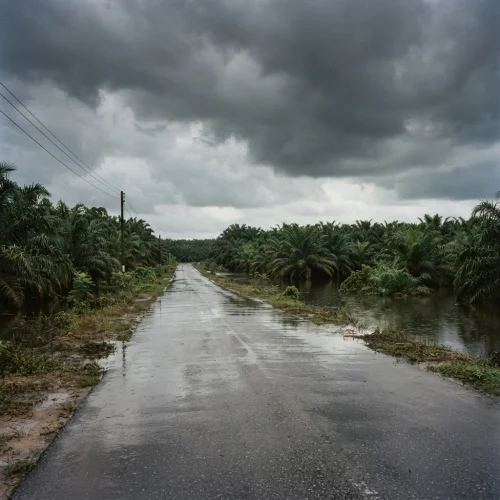
The southern provinces face the most acute operational disruption between 18 November and 20 November. A strengthening northeast monsoon across the Gulf of Thailand and the Andaman Sea will generate isolated heavy to very heavy downpours.
Rainfall will cover between 60 and 70 per cent of both the eastern and western southern coasts during this second phase. The Meteorological Department has explicitly advised residents on foothill slopes, near riverbanks and in low-lying basins to monitor runoff. Water accumulating on saturated ground can produce rapid flash floods and slope failures without substantial warning.
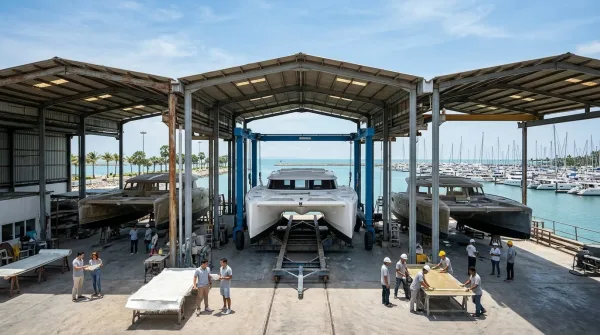
Marine transport will also face restrictions. Eastern coastal waters from Nakhon Si Thammarat southward will see sustained winds of up to 35 kilometres per hour, with waves averaging two metres and exceeding that height during thundershowers. From Surat Thani northwards, wave heights will sit between one and two metres, rising higher in squalls. Along the western Andaman coastline, covering Phuket and Krabi, offshore seas will reach two metres in stormy periods. Expatriates relying on vehicle ferries or passenger catamarans to and from islands such as Koh Samui, Koh Phangan or Koh Tao should anticipate delays. Small craft operators have been advised to remain in port during squalls.
Bangkok and the Central Region
Bangkok and its surrounding provinces will experience variable conditions, shifting from humid, stormy spells to a drier, cooler pattern by the weekend.
From 14 November to 16 November, southeasterly winds will draw moisture inland, generating morning mist and scattered showers over 10 to 30 per cent of the capital. Activity increases on 17 November and 18 November. During these two days, thundershowers will spread across 20 to 40 per cent of Greater Bangkok, accompanied by sudden, gusty winds.
Commuters should plan for typical delays. Even moderate thundershowers in Bangkok frequently cause surface water to pool across lower road sections, notably along parts of Sukhumvit, Lat Phrao and Srinakarin roads. Pavements often become slippery or submerged, impeding pedestrian access to mass transit stations. British expatriates living in multi-storey apartment buildings are advised to secure loose furniture, drying racks and plants situated on external balconies. Strong gusts at higher elevations can dislodge unsecured items, creating hazards for pedestrians below.
On 19 November and 20 November, a fresh cold air mass will reduce minimum temperatures across the city to between 22°C and 26°C. Daytime maximums will stabilise between 32°C and 35°C.
In the wider central region, similar shifts will occur. Rain will affect up to 40 per cent of the area around mid-week before temperatures fall by 1°C to 3°C on 19 November and 20 November.
Northern and North-Eastern Conditions
Upper Thailand will see an early rise in daytime heat followed by a distinct drop in temperatures towards the close of the forecast window.
Between 14 November and 16 November, both the North and the Northeast (Isaan) will record morning fog or mist, with minimum temperatures ranging between 18°C and 25°C. Mountain peaks will remain considerably colder, dipping to 10°C in places. As the high-pressure system currently over the region weakens, temperatures will briefly climb by 1°C to 3°C, accompanied by isolated showers.
The weather will turn unstable on 17 November and 18 November. Easterly winds will trigger thundershowers across 30 to 40 per cent of the North and 20 to 40 per cent of the Northeast, with squalls likely to affect exposed agricultural regions.
The cold front will arrive fully on 19 November. Temperatures in the Northeast will fall sharply by 2°C to 4°C, accompanied by northeasterly winds reaching 30 kilometres per hour. In the North, the drop will sit between 1°C and 2°C. For expatriates residing in cities like Chiang Mai, Chiang Rai, Udon Thani or Khon Kaen, this transition marks the established onset of the dry, cool season. Drivers using rural northern routes should exercise caution during the early morning hours, as dense mist will significantly limit visibility on unlit mountain roads.
Eastern Coast and Gulf Outlook
The eastern seaboard, which includes Chonburi, Rayong and Trat, will see mixed conditions throughout the period.
From 14 November through 18 November, light morning mist will combine with thundershowers across 20 to 40 per cent of the region. Winds will blow from the southeast at speeds between 15 and 30 kilometres per hour. In offshore areas, waves will remain around one metre under normal conditions but will surpass two metres in the vicinity of thunderstorms.
A noticeable shift occurs on 19 November and 20 November. Drier, cooler air will reduce inland temperatures by 1°C to 3°C, bringing nighttime lows down to between 22°C and 26°C. Maritime winds will switch to the east, strengthening up to 35 kilometres per hour. Expatriates who keep private pleasure craft or use commercial boat charters in the Pattaya or Koh Chang areas should note the increased wave activity offshore, particularly during late-afternoon squalls.
Practical Considerations for UK Citizens
Sudden weather variations in Thailand require standard preparations, particularly for individuals who have recently relocated from the United Kingdom.
Road safety remains an immediate priority. When heavy rain follows dry intervals, motor oils that have collected on road surfaces create treacherous driving conditions. Expatriates who commute by motorcycle or motor scooter should consider alternative transport during heavy downpours, as poor visibility and standing water significantly increase collision rates. If driving a car, avoid entering flooded depressions where water levels exceed the kerb height; hidden potholes and displaced drain covers present serious risks to vehicles.
Property maintenance is equally important. Tenants renting ground-floor houses or townhouses in low-lying suburban areas should inspect perimeter drains and remove fallen leaves to ensure unrestricted water discharge. Those occupying an apartment should verify that balcony drains are unobstructed to prevent back-surging water from penetrating interior living areas during torrential downpours.
Travellers planning domestic journeys across southern provinces between 18 November and 20 November should verify flight schedules, train operations and ferry services before departure. Local authorities in flood-prone districts will provide updates through provincial disaster offices, and monitoring local media alongside official meteorological reports is recommended.
Source: nationthailand.com
Reviewed by the Thailand Guide Editorial Team • Last reviewed: 15 November 2026
This page is provided for general information only. While we aim for accuracy, details can change — please verify anything important independently before relying on it.