Snakes of Thailand
Beneath the corrugated roof of an open-air Bangkok garage or camouflaged within the leaf litter of a Chiang Mai trail, more than two hundred native snake species navigate Thailand's warm terrain. While encountering one can trigger instant alarm, fewer than one-sixth carry venom of medical concern to humans, and almost all will actively retreat long before you step within striking distance.
This guide provides an objective, evidence-based overview of Thailand's native snakes for holidaymakers, jungle trekkers, and relocating expatriates. We examine the identification markers of medically significant venomous species versus harmless colubrids, explain regional distribution across cities and national parks, and outline field-tested prevention habits. You will also find verified first-aid protocols, hospital treatment procedures, and local emergency contact numbers, replacing persistent wilderness myths with practical medical clarity.

Medically Significant Venomous Species: Cobras, Kraits, and Vipers
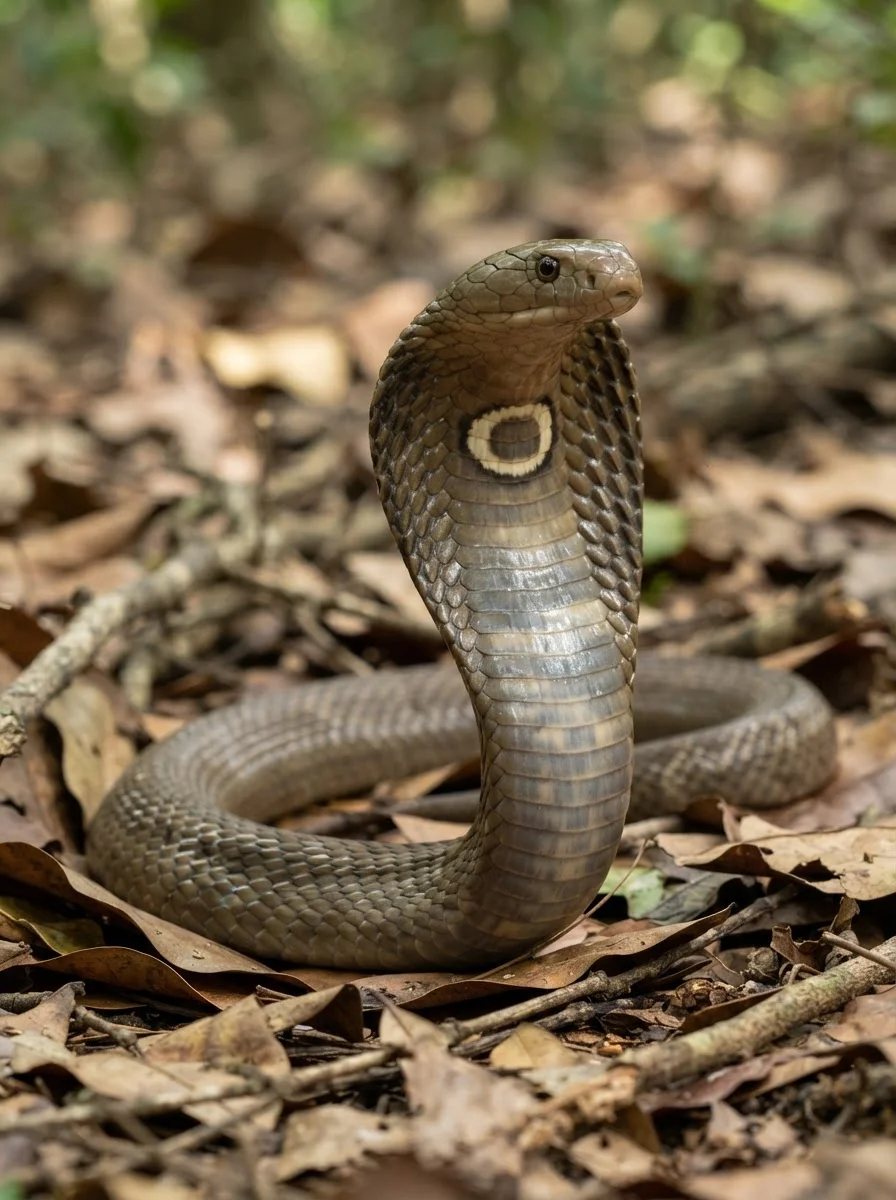
Thailand is home to roughly thirty terrestrial snake species whose bites constitute medical emergencies. Clinically, these dangerous species divide into two distinct groups: front-fanged elapids, whose venoms are primarily neurotoxic, and vipers, whose venoms are predominantly hematotoxic.
Among the elapids, cobras are the most widely recognised. The Monocled Cobra (Naja kaouthia) rears its forebody when cornered, flaring a broad hood marked with a pale circular ring. Its venom contains rapid postsynaptic neurotoxins capable of inducing flaccid muscle paralysis and respiratory failure within hours. Across northern and central scrublands, the Indochinese Spitting Cobra (Naja siamensis) adds a projectile defence, spraying fine droplets of cytotoxic venom up to three metres towards an intruder's eyes, causing severe chemical ophthalmia and potential corneal damage.
Kraits represent Thailand's most lethal elapids by venom potency. The Banded Krait (Bungarus fasciatus), marked by broad black and yellow bands along a distinctly ridged triangular body, and the Malayan Krait (Bungarus candidus), with alternating black and white rings, produce potent presynaptic toxins. Kraits are sluggish by day but become active nocturnal hunters, sometimes entering rural homes at ground level. Their bites are deceptive: they cause minimal initial pain and virtually no swelling, leading some victims to delay medical care until systemic paralysis takes hold.
Pit vipers account for the overwhelming majority of venomous bites in Thailand. The ground-dwelling Malayan Pit Viper (Calloselasma rhodostoma), identifiable by dark triangular blotches on a reddish-brown body, causes the highest volume of serious agricultural bites. A sedentary ambush hunter, it lies motionless in leaf litter and rubber plantations rather than fleeing. In gardens and low shrubs, arboreal species like the White-lipped Pit Viper (Trimeresurus albolabris) cause frequent bites to hands and arms. Viper venoms trigger intense localised pain, extensive swelling, and consumption coagulopathy that impairs blood clotting.
Recognising whether an encountered snake is a terrestrial viper or an elapid provides vital context for maintaining an appropriate safety distance and seeking prompt clinical assessment.
Common Harmless and Mildly Venomous Snakes
The vast majority of snake sightings across Thai gardens, rooftops, and urban parks involve non-venomous or mildly venomous colubrids that provide valuable pest control without threatening people. The Golden Tree Snake (Chrysopelea ornata), recognised by its slender lime-green frame patterned with black cross-bars, climbs villa walls and balcony railings with remarkable agility to hunt geckos and small rodents. While it possesses rear fangs and mild venom used to immobilise prey, it is harmless to humans and rarely warrants intervention. Similarly, the bright green Asian Vine Snake (Ahaetulla prasina), distinguished by its elongated, pointed snout and horizontal pupils, inhabits garden shrubs and relies on mild rear-fanged venom that presents no danger to people.
Large ratsnakes are also frequent visitors to residential grounds. The Oriental Ratsnake (Ptyas mucosa) regularly exceeds two metres in length, while the Indo-Chinese Ratsnake (Ptyas korros) is somewhat smaller, typically reaching between 1.2 and 1.6 metres. Both move across open ground at high speed, and while their sudden size can cause alarm, they are completely non-venomous and flee rapidly when approached. Around house foundations and outdoor light fixtures after dark, residents often encounter the Common Wolf Snake (Lycodon capucinus), a slender non-venomous gecko hunter whose pale-banded markings frequently cause it to be mistaken for a dangerous krait.
Gardeners frequently turn up the iridescent Sunbeam Snake (Xenopeltis unicolour), a burrowing constrictor whose smooth scales flash metallic purple and rainbow sheens in sunlight, alongside harmless Kukri snakes (Oligodon species) that possess blade-like rear teeth adapted to pierce reptile eggs. Even in central Bangkok, Reticulated Pythons (Malayopython reticulatus) thrive in the city canal and drainage network, feeding on rats and birds. While an adult python can inflict painful lacerations with its sharp recurved teeth if handled, it carries no venom and typically retreats towards water or storm channels when given space.
| Species | Classification | Typical Habitat | Key Identification Features | Medical Risk Level |
|---|---|---|---|---|
| Monocled Cobra (*Naja kaouthia*) | Venomous (Elapid) | Agricultural fields, swamps, urban fringes | Single circular pale mark on hood | High; urgent medical emergency |
| Malayan Pit Viper (*Calloselasma rhodostoma*) | Venomous (Viperid) | Leaf litter, rubber estates, dry forests | Triangular head, dark brown triangular side blotches | High; severe swelling and necrosis |
| Banded Krait (*Bungarus fasciatus*) | Venomous (Elapid) | Waterways, rice paddies, lowlands | Alternating broad black and yellow body bands | High; potent nocturnal neurotoxin |
| White-lipped Pit Viper (*Trimeresurus albolabris*) | Venomous (Viperid) | Low bushes, fruit trees, garden hedges | Bright green body, yellow-white side stripe | Moderate to High; severe pain and coagulopathy |
| Golden Tree Snake (*Chrysopelea ornata*) | Mildly Venomous (Rear-fanged) | Trees, residential roofs, gardens | Slender lime-green scales with black edging | Minimal; harmless to humans |
| Reticulated Python (*Malayopython reticulatus*) | Non-venomous (Pythonid) | Drains, forests, riverbanks | Complex geometric diamond pattern | Low; non-venomous bite risk if handled |
Plan a Gulf of Thailand trip with clear guidance on island groups, ferries, weather, marine parks, accommodation costs and mainland gateways.
Habitats and Encounters: From Bangkok Canals to Rainforest Trails
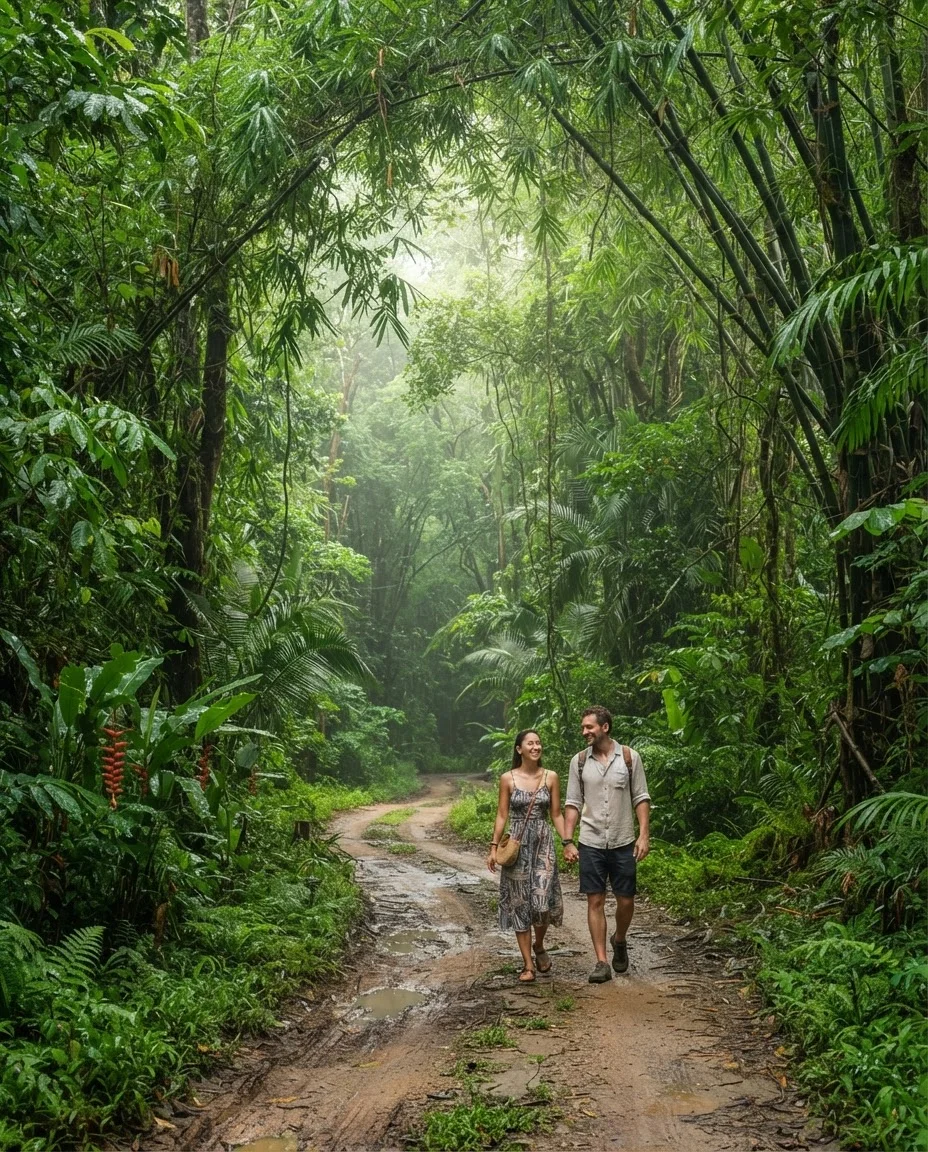
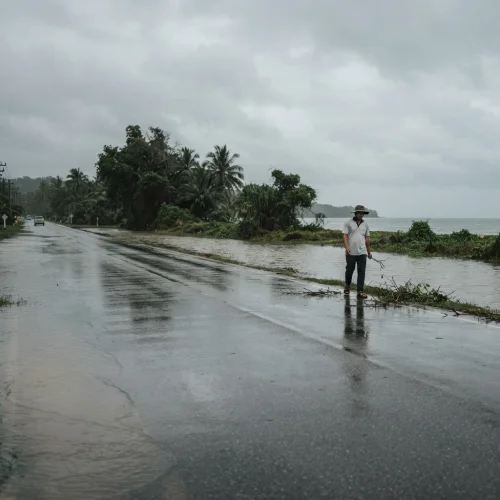
Snake encounters in Thailand vary significantly across different environments, from densely developed urban floodplains to multi-tiered rainforests. In Bangkok, an extensive network of concrete drainage canals creates natural movement corridors for adaptable reptiles. Reticulated pythons and monocled cobras thrive alongside the city's abundant rodent populations, frequently navigating subterranean drains and entering car parks, storage sheds, or ground-floor compounds during heavy monsoon rains. Suburban housing estates with watered lawns and perimeter gardens create humid microclimates that attract frogs and geckos. These suburban gardens frequently draw slender golden tree snakes into roof eaves and non-venomous keelbacks into decorative borders.
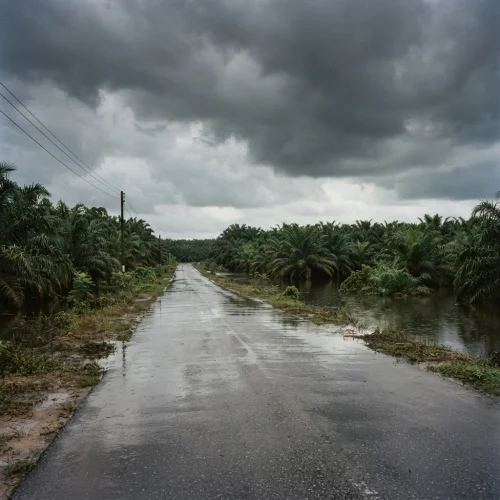
Agricultural monocultures present a very different encounter profile. In rural provinces across eastern and southern Thailand, vast rubber and oil palm plantations provide ideal conditions for the terrestrial Malayan pit viper. Camouflaged among fallen leaves and cut fronds, these ambush predators remain motionless on the plantation floor, creating a genuine hazard for agricultural workers starting shifts in the pre-dawn darkness.
In protected conservation reserves such as Khao Yai National Park and Kaeng Krachan National Park, undisturbed evergreen forest sustains Thailand's apex serpents. King cobras hunt other snakes across leaf litter on the forest floor, while arboreal green pit vipers perch on low shrubs and hanging branches along damp riverbanks and hiking trails. Across both rural tracks and park borders, tarmac roads absorb solar heat during the afternoon and release warmth well into the evening. Ectothermic snakes regularly move onto asphalt verges after dark to regulate their body temperature, making illuminated footpaths, quiet access roads, and unlit estate lanes the most common locations for night-time encounters.
Evidence-Based First Aid and Emergency Protocol
Modern clinical protocol for snakebites in Thailand focuses on rapid hospital transport and limb immobilisation, while firmly advising against traditional field interventions. Movement accelerates the circulation of venom through the lymphatic system, so the casualty must stay as still and calm as possible. Remove rings, watches, and tight footwear from the affected limb immediately before swelling begins. Do not cut the wound, use suction devices, apply ice packs, or attempt electrical stimulation. Traditional arterial tourniquets must be avoided; by halting arterial blood flow, tight bands rapidly provoke tissue necrosis, gangrene, and potential limb loss, particularly with cytotoxic pit viper venom.
Support the bitten limb using a rigid splint secured with a non-restrictive bandage, keeping the extremity rested at heart level. Standard pressure immobilisation bandaging—binding an entire limb under tension—is not recommended for most Thai snakebites because compressing cytotoxic viper or cobra venom intensifies local tissue destruction. Dial 1669 immediately to request ambulance dispatch through Thailand's emergency medical services. Responders or healthcare providers can also consult the 24-hour Ramathibodi Poison Centre hotline on 1367 for expert toxicological guidance.
Do not try to capture or kill the snake, which risks further bites. If possible from a safe distance of at least two metres, take a photograph using camera zoom to assist species identification. Provincial government hospitals across Thailand maintain stocks of antivenom manufactured by the Queen Saovabha Memorial Institute. The institute produces monovalent formulations for specific snakes as well as polyvalent antivenoms covering neurotoxic and haemotoxic venoms. Medical staff administer antivenom intravenously following clinical evaluation, which often includes a 20-minute whole blood clotting test to confirm envenomation.
Prevention and Coexistence in Villas, Resorts, and Campsites
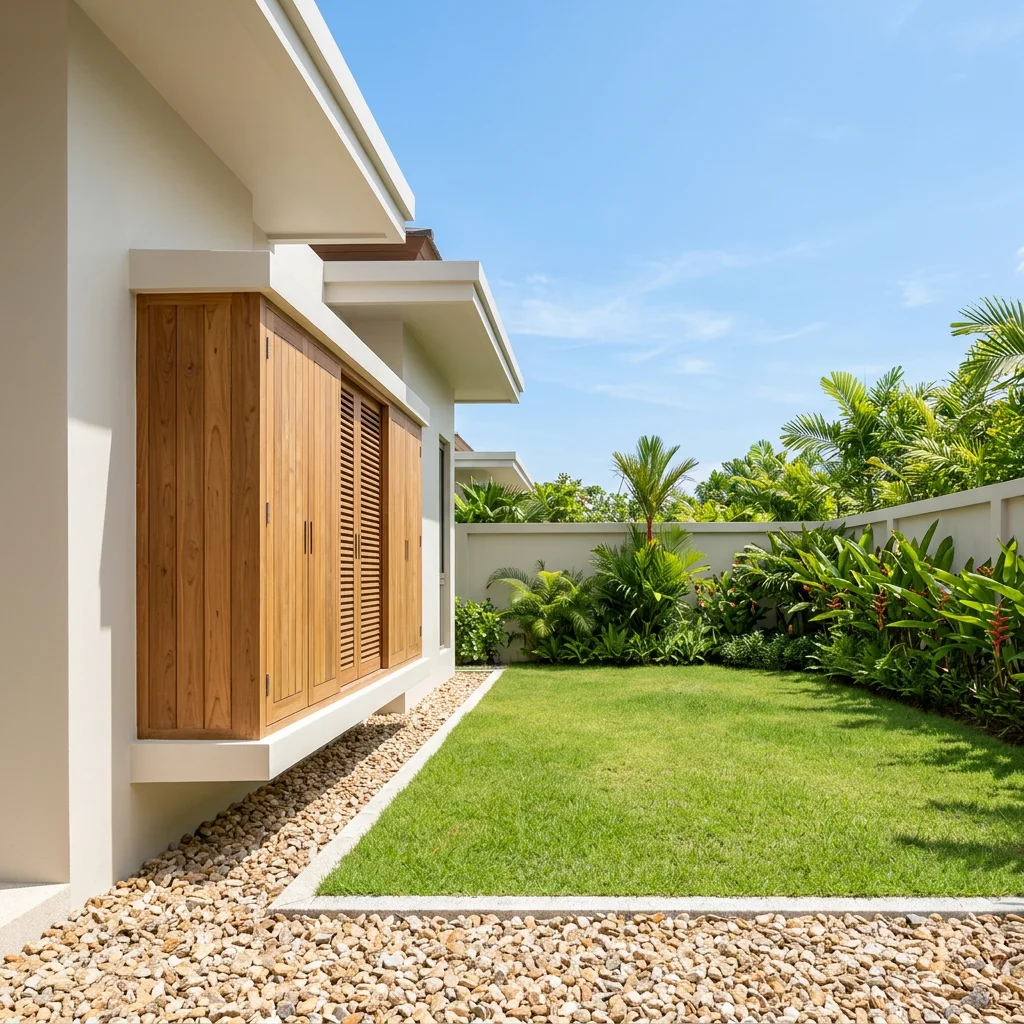
Snakes do not actively seek out human confrontation; they enter gardens, villas, and resort grounds in search of prey, fresh water, or cool daytime shelter. Eliminating these attractants provides the most reliable long-term protection. Chemical deterrents, sulphur powders, and commercial repellent sprays are ineffective in practice, as snakes routinely cross treated ground without hesitation. Genuine prevention relies instead on physical property maintenance and structural exclusion.
Begin by cutting off food sources. Open waste bins, fallen fruit, and unsealed pet food bowls attract rats and mice, which serve as the primary lure drawing larger elapids, vipers, and pythons into residential areas. Keep lawns cut short, prune low-hanging shrubbery, and clear away stacks of timber, disused building materials, or garden rubbish piles where rodents nest. Firewood and storage containers should be raised roughly thirty centimetres above the ground to eliminate dark, damp recesses at foundation level.
For long-term residents and villa owners, physical barrier exclusion is vital. Snakes can squeeze through remarkably narrow spaces; any opening wider than five millimetres should be sealed. Fit sturdy rubber or brush sweeps beneath external doors, seal cable and pipe penetrations through exterior walls with mortar or silicone, and install fine stainless steel mesh over open drainage grates and low air vents. Pruning tree canopies back so branches do not bridge over boundary walls or touch rooflines also stops arboreal species from dropping into courtyards.
When staying in rural resorts, island bungalows, or campsites, disciplined personal habits prevent startled encounters. Keep tent zip closures fully closed, inspect veranda footwear thoroughly before sliding your feet inside, and carry a torch when walking outside after dark or stepping onto unlit floorboards. If a snake enters an enclosed living area, do not try to corner or strike it with a broom or stick. Vacate the room, shut interior doors, wedge a rolled towel along the bottom threshold to contain the animal, and call 199 to summon the local municipal fire and rescue team for professional removal.
Where to Safely Observe Snakes in Thailand
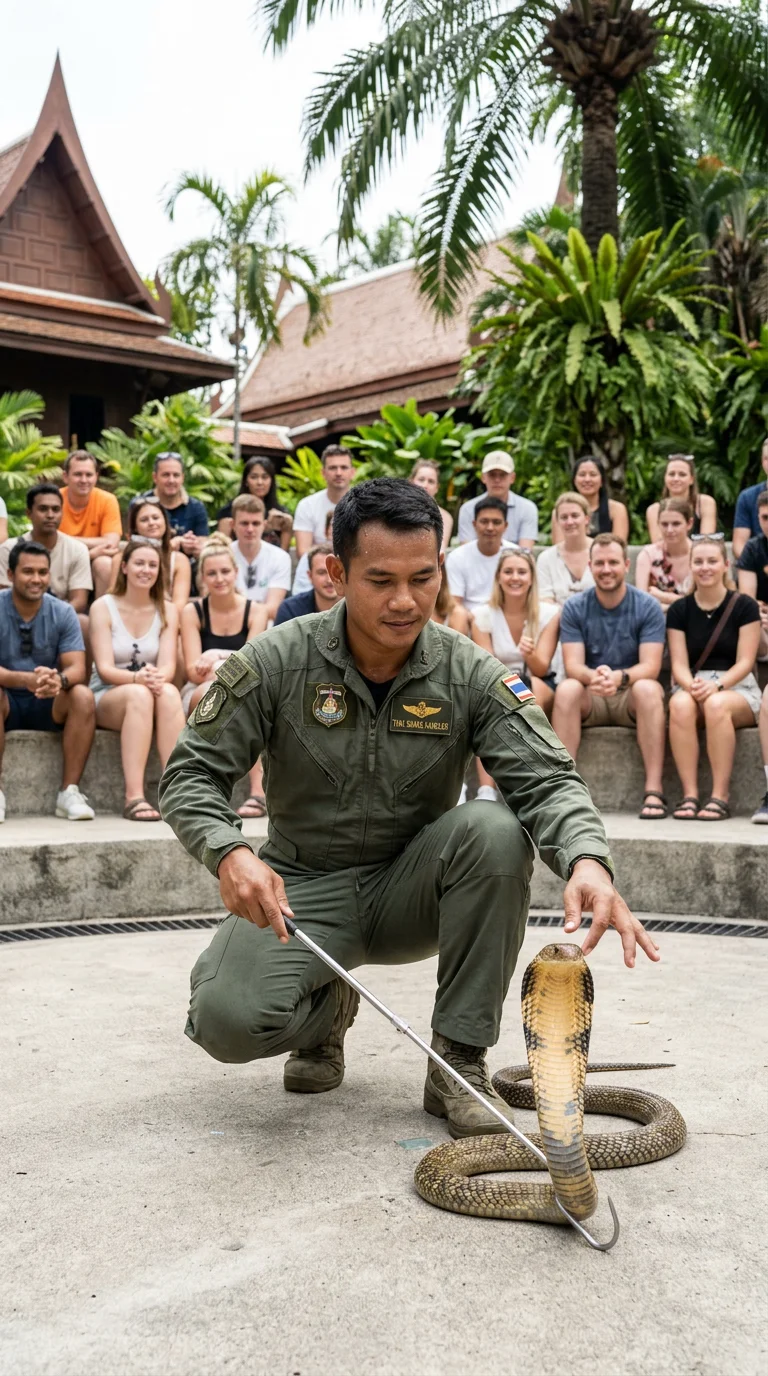
Travellers wishing to study native reptiles without jungle hazards should visit the Queen Saovabha Memorial Institute Snake Farm, located on Rama IV Road in central Bangkok. Established in 1923 under the Thai Red Cross Society, this working scientific centre produces antivenom for hospitals across the country alongside extensive outdoor enclosures and an educational museum. As of now, entry for foreign adults costs 200 THB (approx £4.60), with children admitted for 50 THB (approx £1.15). Weekday venom extraction demonstrations generally take place at 11:00 am, followed by supervised snake handling sessions at 2:00 pm, allowing visitors to observe King Cobras, kraits, and pit vipers under specialist care.
For encounters in the wild, Khao Yai National Park, roughly two and a half hours northeast of Bangkok, provides controlled ranger-led night safaris. Exploring after dark without an official ranger is strictly prohibited under park safety regulations. Current park admission for foreign adults is 400 THB (approx £9.20). The park service runs nocturnal wildlife drives in open-top pickup trucks for a flat rate of 600 THB (approx £13.80) per vehicle for up to eight passengers, departing from the visitor centre at 7:00 pm and 8:00 pm. Spotlights regularly pick out nocturnal reptiles, including sleeping White-lipped Pit Vipers coiled among low branches along the forest edge.
Dedicated herpetology enthusiasts frequently travel to Kaeng Krachan National Park in Phetchaburi, Thailand's largest national park and a recognised biodiversity hotspot harbouring dozens of native snake species. Local nature lodges and licensed naturalist guides organise nocturnal spotlighting walks around the park perimeter and forest trails. Rates for guided night walks vary depending on group size and transport requirements, so contact specialist wildlife tour operators or local eco-lodges directly for current prices.
Costs and Budgeting
Observing native reptiles and taking sensible safety precautions on rural trails in Thailand requires relatively modest expenditure. Budget travellers can explore working scientific institutions such as the Queen Saovabha Memorial Institute in Bangkok for 200 THB (approx £4.40) and purchase reliable footwear and lighting locally without straining their travel funds. Mid-range visitors regularly budget for national park entry fees, typically 400 THB (approx £8.90) for foreign adults at premier reserves like Khao Yai, alongside local ranger escorts for trail hikes. Those interested in nocturnal wildlife viewing can join official park night drives or hire private naturalists for specialised field guiding.
Medical preparedness demands careful financial consideration. Although public provincial hospitals provide emergency triage and wound care at government-regulated rates—charging roughly 500 THB to 2,000 THB (approx £11 to £44) for initial observation and blood tests—foreign nationals pay out of pocket. If envenomation requires antivenom and hospitalisation, expenses escalate, whilst private hospital emergency departments can bill upwards of 50,000 THB to 100,000 THB (approx £1,110 to £2,220) for intensive treatment. Comprehensive travel health insurance with wilderness cover and emergency medical evacuation remains indispensable for anyone spending time in the Thai countryside.
| Option | Cost (THB) | Cost (GBP approx) | Notes |
|---|---|---|---|
| Queen Saovabha Memorial Institute Entry | 200 THB | £4.40 | Foreign adult entry to Bangkok snake farm and museum |
| Khao Yai National Park Foreign Entry | 400 THB | £8.90 | Standard adult entry to national park trails |
| Park Night Safari Vehicle (Khao Yai) | 600 THB | £13.30 | Official park-operated open truck night drive for up to eight people |
| Private Specialist Herping Guide (Day/Night) | 2,500 - 5,000 THB | £55.50 - £111.00 | Typical private naturalist guide fee per group in central reserves |
| High-Lumen Tactical Headtorch (Local Purchase) | 600 - 1,200 THB | £13.30 - £26.70 | Quality 300+ lumen torch from local outdoor shops |
| Public Hospital Emergency Bite Assessment | 500 - 2,000 THB | £11.10 - £44.40 | Basic public clinic triage, observation, and wound cleaning |
What To Know Before You Go
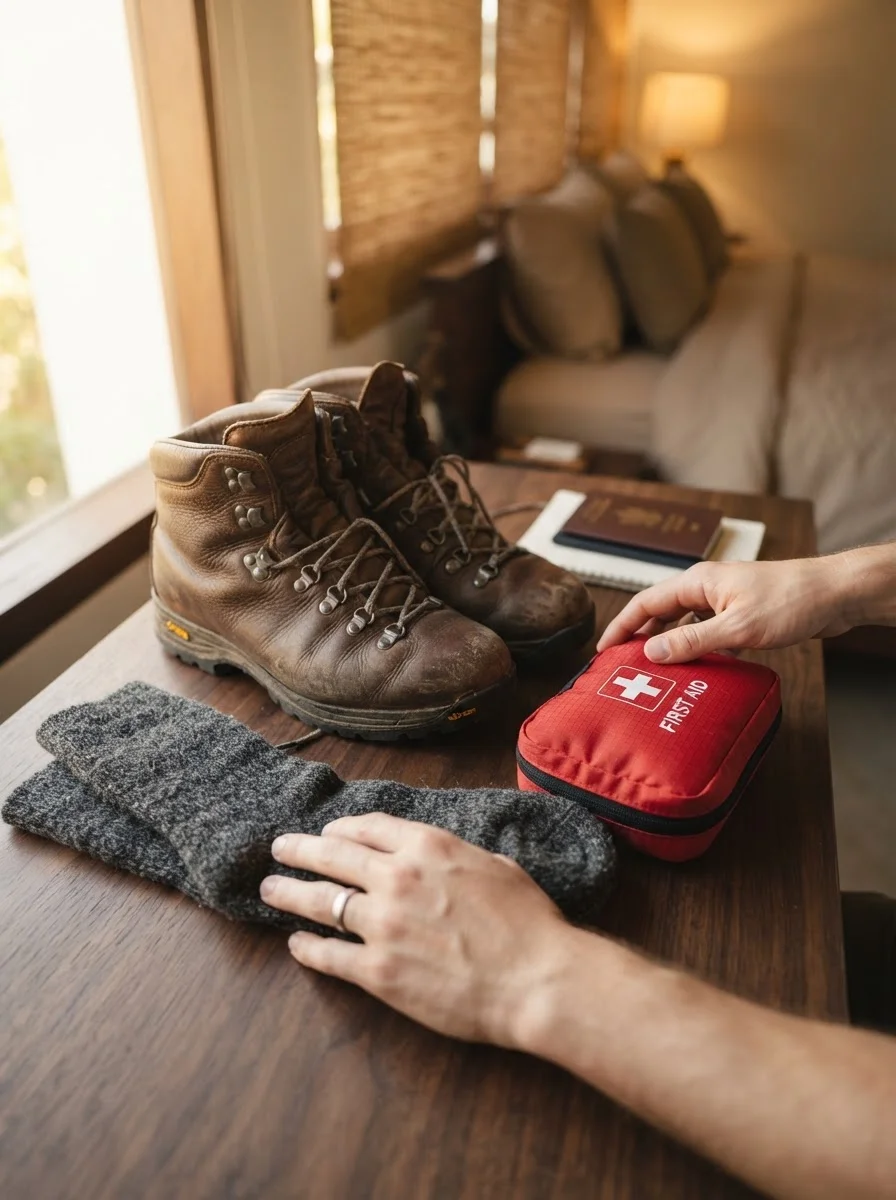
Commercial chemical repellents and yellow sulphur dust widely sold across Thai hardware markets do not deter snakes. Controlled biological trials consistently demonstrate that native cobras and vipers cross chemically treated boundaries without hesitation, meaning reliance on dusting creates dangerous complacency around villas and gardens.
Snakes lack external ear openings and functional eardrums, so shouting or clapping produces airborne sound waves they cannot interpret. Instead, their inner ears receive substrate vibrations transmitted through their lower jaw bones and body mechanoreceptors. Walking with firm, deliberate footsteps along rural pathways sends ground vibrations ahead, giving resting snakes the advance warning they need to move into undergrowth.
Most snake strikes in Thailand occur defensively when a snake is startled, accidentally stepped upon, or provoked by attempts to capture or kill it. If you encounter a snake rearing or hissing, do not attack it with a broom or stick. Stepping back three paces gives the animal an unobstructed escape route and immediately defuses defensive displays.
Medical vigilance is particularly vital regarding kraits. While cobra and pit viper bites cause immediate, intense pain and swelling, krait bites are deceptively painless or feel like a mild mosquito prick, leaving negligible swelling. Disregarding an innocuous-feeling nocturnal bite can prove fatal, as potent presynaptic neurotoxins induce progressive respiratory paralysis hours later while the victim sleeps.
Practical Tips
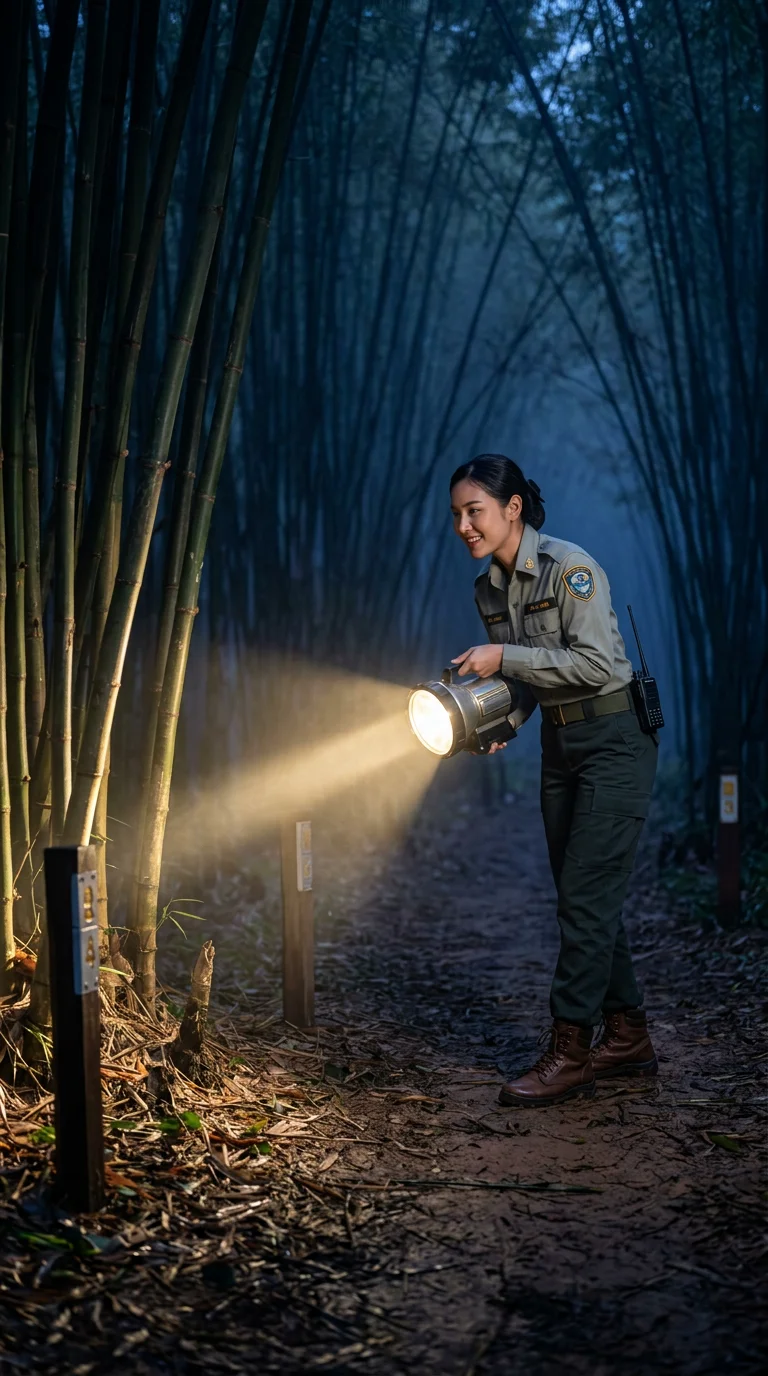
Carry a reliable torch or headlamp whenever walking outdoors after nightfall. Several of Thailand's medically significant species, including kraits and pit vipers, hunt nocturnally and frequently cross unlit rural lanes, garden paths, and resort grounds once evening temperatures cool.
Shake out and inspect the interior of boots and shoes before putting them on, particularly if footwear has been left outside patio doors, on open verandas, or in tents. Centipedes, scorpions, and small snakes regularly seek dark, sheltered refuges during the day.
Stick to maintained paths where visibility is clear, and wear sturdy closed-toe shoes alongside long trousers when walking through rural areas or national parks. When crossing fallen timber or boulders on a trail, step firmly onto the top of the obstacle rather than stepping blindly over it. Sedentary ambush predators, particularly pit vipers, often rest tight against the sheltered base on the far side.
Keep hands and fingers away from rock crevices, hollow logs, and dense leaf piles where you cannot see clearly. Tapping ahead with a trekking pole alerts snakes through ground vibrations, allowing them time to move away before you arrive. If you encounter a snake, back away slowly and give it a wide berth. Most defensive strikes occur when an animal is cornered, stepped on, or provoked.
Store Thailand's emergency medical dispatch number, 1669, and the English-speaking Tourist Police on 1155 in your mobile phone before venturing into rural regions. If a bite occurs, photograph the snake only if it can be done from a distance, without approaching or attempting to catch it. A clear image of the head shape and colour pattern helps hospital staff identify the species and prepare the appropriate antivenom.
Before setting out into remote jungle reserves, ensure you have comprehensive travel insurance that includes emergency hospital care and medical evacuation.
Quick Reference Table
| Item | Detail | Notes |
|---|---|---|
| Emergency Medical Services | Dial 1669 | Thailand-wide ambulance dispatch for snakebites |
| Ramathibodi Poison Centre | Dial 1367 | 24-hour medical toxicology hotline for clinical bite advice |
| Snake Removal (Fire & Rescue) | Dial 199 | Municipal emergency response to remove snakes from residences |
| Tourist Police | Dial 1155 | English-speaking assistance across Thailand |
| First-Aid Protocol | Splint and immobilise limb at heart level | Do not apply tourniquets, cut, suck, ice, or bind under tension |
| Queen Saovabha Memorial Institute | 200 THB (approx £4.40–£4.60) adult, 50 THB (approx £1.15) child | Demonstrations at 11:00 am (extraction) and 2:00 pm (handling) |
| Khao Yai Foreign Adult Entry | 400 THB (approx £8.90–£9.20) | Foreign adult day admission to national park trails |
| Khao Yai Ranger Night Safari | 600 THB (approx £13.30–£13.80) per vehicle | Park-operated open-top pickup for up to 8 passengers at 7:00 pm and 8:00 pm |
| Specialist Private Guide Fee | 2,500–5,000 THB (approx £55.50–£111.00) per group | Typical rate for private day or night herpetology guiding |
| Public Hospital Bite Assessment | 500–2,000 THB (approx £11.10–£44.40) | Initial clinic triage, observation, and clotting tests |
| Private Hospital Bite Treatment | 50,000–100,000 THB (approx £1,110–£2,220) | Emergency inpatient care and antivenom administration |
| Field Gear & Lighting | 600–1,200 THB (approx £13.30–£26.70) | Tactical 300+ lumen torch, sturdy closed shoes, and long trousers |
| Property Exclusion Rules | Seal openings wider than 5 mm | Raise outdoor storage 30 cm; chemical repellents and sulphur dust are ineffective |
| Website: Queen Saovabha Memorial Institute | saovabha.org | Central Bangkok snake farm and antivenom production centre |
| Website: Khao Yai National Park | khaoyainationalpark.com | Official site for visitor facilities and guided night safaris |
FAQ: Snakes of Thailand
Why are krait snake bites particularly dangerous in Thailand?
Where are snakes most commonly encountered at night in Thailand?
What first aid should I avoid for a snakebite in Thailand?
What is the recommended first aid for a snakebite in Thailand?
What emergency number should I call for a snakebite in Thailand?
Are chemical snake repellents effective in Thailand?
What should I do if a snake enters my room or living area in Thailand?
Where can I safely observe snakes in Bangkok?
How much does snakebite treatment cost in Thailand?
How can I alert snakes to my presence when walking in rural Thailand?
Reviewed by the Thailand Guide Editorial Team • Last reviewed: 15 November 2026
This page is provided for general information only. While we aim for accuracy, details can change — please verify anything important independently before relying on it.