Tigers in Thailand
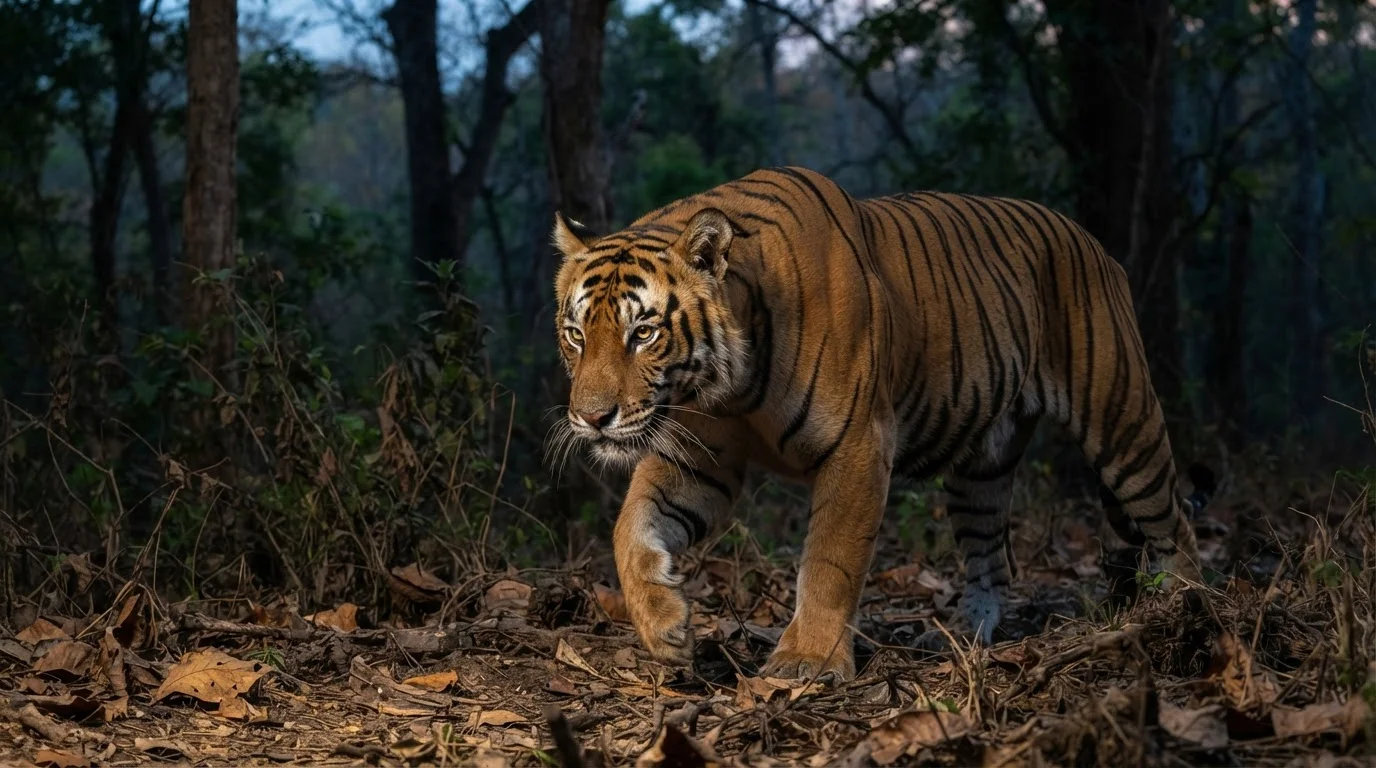
Across the dense, monsoon-fed rainforests of western Thailand, wild Indochinese tigers (Panthera tigris corbetti) patrol rugged territories spanning hundreds of square kilometres along the Dawna-Tenasserim ranges. While poaching, snaring, and habitat destruction caused big cats to vanish completely from neighbouring Cambodia, Laos, and Vietnam, Thailand has established the only documented, sustained wild tiger comeback in Southeast Asia. Decades of targeted forest protection, landscape-scale ecological monitoring, and disciplined ranger patrols have turned the country's interior forests into the primary global refuge for this endangered predator.
This guide provides an honest, conservation-led assessment of wild tigers in Thailand. It outlines where surviving populations persist, maps their primary strongholds across the Western Forest Complex and Dong Phayayen-Khao Yai, and explains the camera-trap research and frontline patrol networks that track them. You will also learn why encountering a wild tiger is statistically improbable for ordinary travellers, how ethical wilderness experiences in accessible national park buffer zones differ fundamentally from exploitative captive tiger attractions, and how to plan an informed journey that supports genuine habitat conservation.
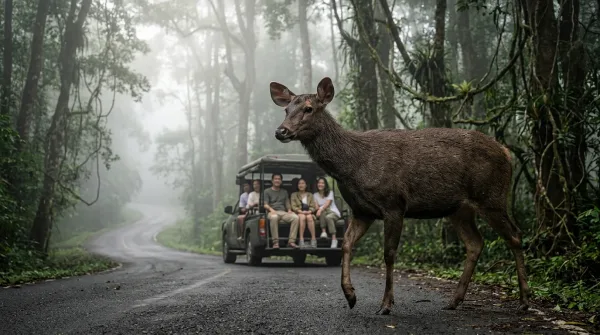
Thailand represents the last viable sanctuary for the Indochinese tiger, a subspecies physically distinct from the Bengal tiger due to its darker orange coat, narrower vertical stripes, and slightly more compact build adapted for dense bamboo stands and rugged limestone terrain. Official data from the Department of National Parks, Wildlife and Plant Conservation (DNP) confirms that Thailand's wild tiger population has steadily expanded, growing from an estimated 148 to 189 individuals in 2022 to between 210 and 257 by 2026, with systematic camera surveys identifying at least 210 adult tigers across 26 protected tracts. This success stands out against regional trends; commercial snaring and illegal wildlife trade wiped out wild populations in neighbouring countries by the late 2010s. Long-term studies conducted by the Khao Nang Rum Wildlife Research Station reveal that this predator rebound is tied directly to the recovery of key prey species, particularly sambar deer (Rusa unicolour) and endangered banteng cattle (Bos javanicus). Under Thailand's Second National Tiger Conservation Action Plan (2022–2034), conservation authorities aim to maintain habitat integrity, expand prey densities, and reconnect fragmented biological corridors. Recognising that wild tigers survive exclusively within strictly managed reserves helps you choose ethical wilderness journeys that contribute directly to protecting their forest realm.

Core Strongholds: The Western Forest Complex and World Heritage Sanctuaries
The Western Forest Complex (WEFCOM) represents the primary stronghold for the endangered Indochinese tiger in Thailand. Covering more than 18,000 square kilometres of contiguous protected land along the Tenasserim Range beside the Myanmar border, this expanse comprises multiple national parks and wildlife sanctuaries. At the heart of this landscape lies a UNESCO World Heritage site consisting of Huai Kha Khaeng Wildlife Sanctuary and the adjoining Thung Yai Naresuan East and West sanctuaries. This core area shelters the largest breeding population of wild tigers in mainland Southeast Asia, supporting over 140 individuals. In Huai Kha Khaeng, sustained conservation measures and prey recovery have helped adult tiger density rise to approximately 2.9 individuals per 100 square kilometres.
Outside WEFCOM, Thailand's second breeding nucleus persists in eastern Thailand within the UNESCO-listed Dong Phayayen-Khao Yai Forest Complex. Here, an estimated population of 15 to 25 tigers survives, concentrated primarily in Thap Lan National Park and Pang Sida National Park. Elsewhere in the country, small numbers survive in the Kaeng Krachan Forest Complex further south and within the Hala-Bala Wildlife Sanctuary near the Malaysian border.
Understanding the legal distinction between national parks and wildlife sanctuaries helps set realistic expectations for visitors. Unlike national parks, which balance tourism with protection, Thailand's wildlife sanctuaries are gazetted under the Wild Animal Reservation and Protection Act strictly for nature preservation. Public access to Huai Kha Khaeng is restricted to educational facilities around the sanctuary headquarters and the Seub Nakhasathien Memorial in Uthai Thani province, where international visitors pay an entry fee of 200 THB (approx. £4.50) plus 30 THB (approx. £0.70) for a private vehicle. The vast interior forest remains strictly off-limits to recreational tourism. Travellers hoping to explore wild tiger habitats must focus on accessible national park perimeters rather than closed sanctuary cores.
| Protected Area | Legal Designation | Tiger Population Status | Visitor Access Realities |
|---|---|---|---|
| Huai Kha Khaeng Wildlife Sanctuary | UNESCO World Heritage / Wildlife Sanctuary | Core breeding population (~100 tigers); highest national density (~2.9 per 100 km²) | Educational headquarters and designated perimeter nature trails only |
| Thung Yai Naresuan (East & West) | UNESCO World Heritage / Wildlife Sanctuary | Active breeding population (~40 tigers across both reserves); transboundary corridor | Closed to general tourism; entry restricted to official research permits |
| Thap Lan National Park | UNESCO World Heritage / National Park | Eastern breeding stronghold (~15–20 tigers); camera-trap confirmed breeding | Designated recreation zones open; forest interior restricted and patrolled |
| Kaeng Krachan National Park | UNESCO World Heritage / National Park | Resident population (~3–5 tigers); rich biodiversity and contiguous forest | Standard national park tourism allowed in designated campsites and trails |
| Khao Yai National Park | UNESCO World Heritage / National Park | No confirmed resident tigers since 2001; potential dispersal corridor from Thap Lan | Fully developed ecotourism infrastructure, trails, and guided night drives |
Research Technology: Camera Trapping, GPS Collaring, and Population Science
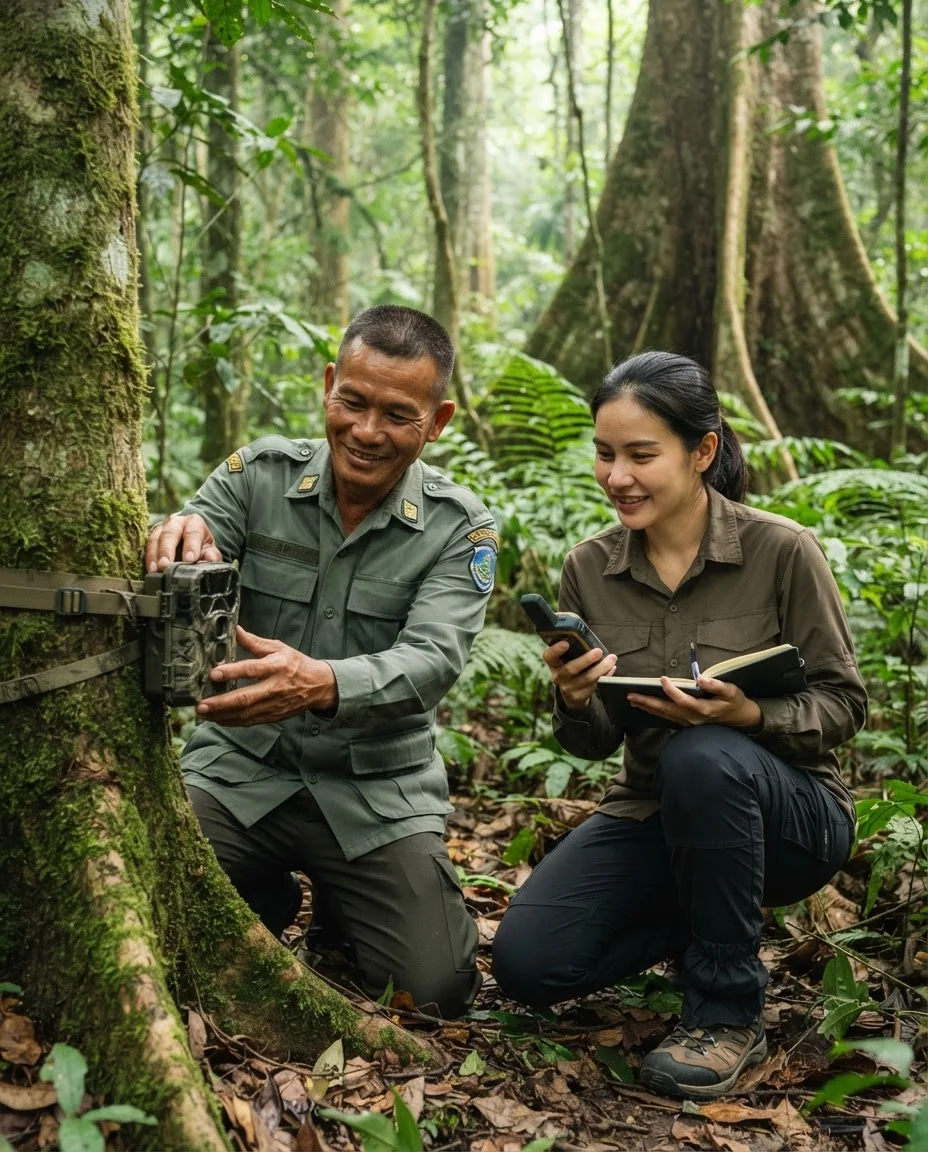
Non-invasive field biology underpins Thailand's wild tiger data, replacing speculative estimates with photographic capture-recapture records and satellite telemetry. Collaborative monitoring directed by the Department of National Parks, Wildlife and Plant Conservation alongside the Wildlife Conservation Society, Panthera, and researchers from Kasetsart University deploys hundreds of motion-activated camera traps across structured grids in reserves like Huai Kha Khaeng Wildlife Sanctuary and Thap Lan National Park. Because every tiger possesses a distinct pattern of flank stripes, automated pattern-matching software and field biologists catalogue individual cats much like human fingerprints. Long-term photographic records allow scientists to track individual survival, cub recruitment, and territorial boundaries across successive decades without handling the animals.
In targeted field studies, researchers supplement remote cameras with GPS satellite telemetry. Collaring operations conducted by conservation biologists, including work on wild females in the Dong Phayayen-Khao Yai Forest Complex, have revealed critical data on nocturnal hunting routes, border crossings, and how tigers navigate human infrastructure such as highways and agricultural edges. Collars also record fine-scale predation habits, showing whether prey depletion forces tigers onto smaller prey like wild pigs or badgers. At ground level, genetic sequencing of scat samples collected along trail junctions adds another layer of evidence, confirming population health and genetic diversity across fragmented landscapes.
This telemetry and camera data demonstrates that an adult male Indochinese tiger in western Thailand typically patrols a home range between 100 and nearly 300 square kilometres, while females maintain smaller territories of roughly 60 to 80 square kilometres. When camera traps record lactating tigresses or vulnerable cubs, park authorities can immediately redirect anti-poaching patrols to reinforce those specific sectors. Rigorous field science ensures that reported increases in Thailand's wild tiger population reflect genuine ecological recovery in the forest, rather than inflated estimates or captive-breeding figures.
Plan a journey along Thailand’s Andaman coast, with practical guidance on island gateways, marine parks, diving, ferries and monsoon travel.
On the Frontline: SMART Patrols and Anti-Poaching Enforcement
The stabilisation of Thailand's wild tiger populations stems largely from the Spatial Monitoring and Reporting Tool, known as the SMART patrol system. Pioneered in Huai Kha Khaeng Wildlife Sanctuary through a partnership between the Department of National Parks, Wildlife and Plant Conservation (DNP) and the Wildlife Conservation Society (WCS), the system upgraded forest protection from irregular scouting walks into intelligence-led anti-poaching operations.
Uniformed ranger units embark on multi-day foot patrols across rugged mountainous terrain, navigating with GPS handhelds, topographic maps, and digital field logs. Every encounter—from severed wire snares and abandoned camps to poacher tracks, salt licks, and illegal logging trails—is logged alongside exact coordinates. Back at base stations such as the Khao Nang Rum Wildlife Research Station, analysts feed these data points into central databases. Monthly threat maps reveal emerging poaching pressure, enabling sanctuary directors to redirect patrol teams toward active corridors rather than sticking to static routes.
Targeted state funding and international conservation support have upgraded ranger kits with reliable field gear, proper rations, and tactical communication, addressing past equipment shortages. Intensive patrolling has pushed commercial wire snaring to record lows in core wilderness zones. Beyond sanctuary boundaries, outreach schemes in border farming communities train villagers to manage livestock safely and report incursions, reducing retaliation and curbing supply routes for illegal trafficking networks. Although strict inner sanctuaries remain closed to visitors, the entry fees paid by travellers at accessible national parks feed into the central conservation fund, helping sustain wider logistical operations across Thailand's protected areas.
Realistic Expectations: Why You Will Not See a Tiger in the Wild
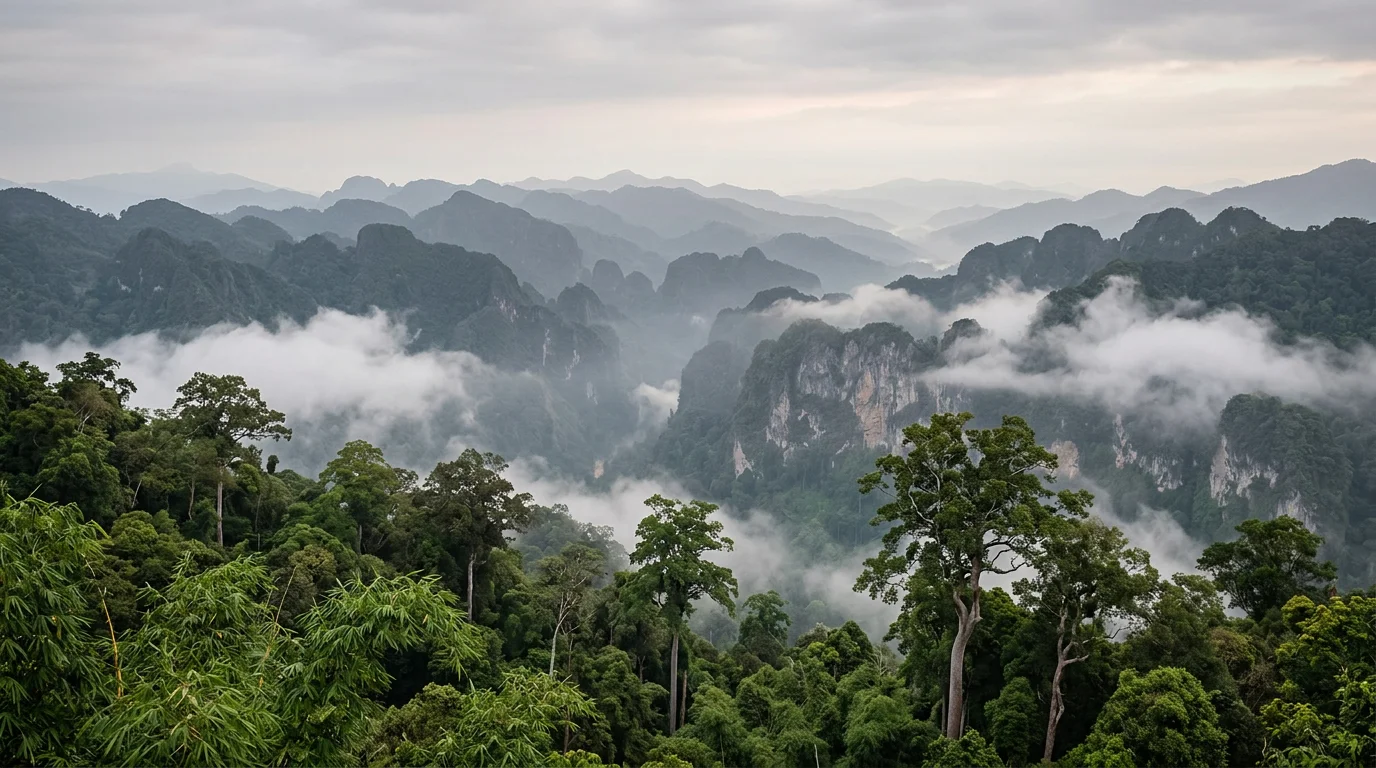
Independent travellers visiting Thailand have a near-zero probability of observing a wild tiger in its natural habitat. Any tour operator promising a wild sighting is misleading you. Indochinese tigers are solitary ambush predators that actively avoid human presence, using acute hearing and natural camouflage to melt into dense undergrowth long before a person draws near. Low population density makes sightings even more improbable. Camera-trap research across the Western Forest Complex records between one and three adult tigers per 100 square kilometres, even within well-protected core habitats. Resident field biologists and Department of National Parks rangers can spend years conducting research in these forests and rarely catch a direct glimpse of a tiger with the naked eye.
Administrative rules also separate visitors from tiger habitats. Under Thai conservation law, core strongholds such as Huai Kha Khaeng and Thung Yai Naresuan are classified as strict wildlife sanctuaries rather than national parks. These reserves are protected specifically for species preservation, which restricts entry to authorised researchers and anti-poaching ranger units. General recreational access is prohibited in the interior, with public visitors permitted along designated educational trails and around buffer headquarters.
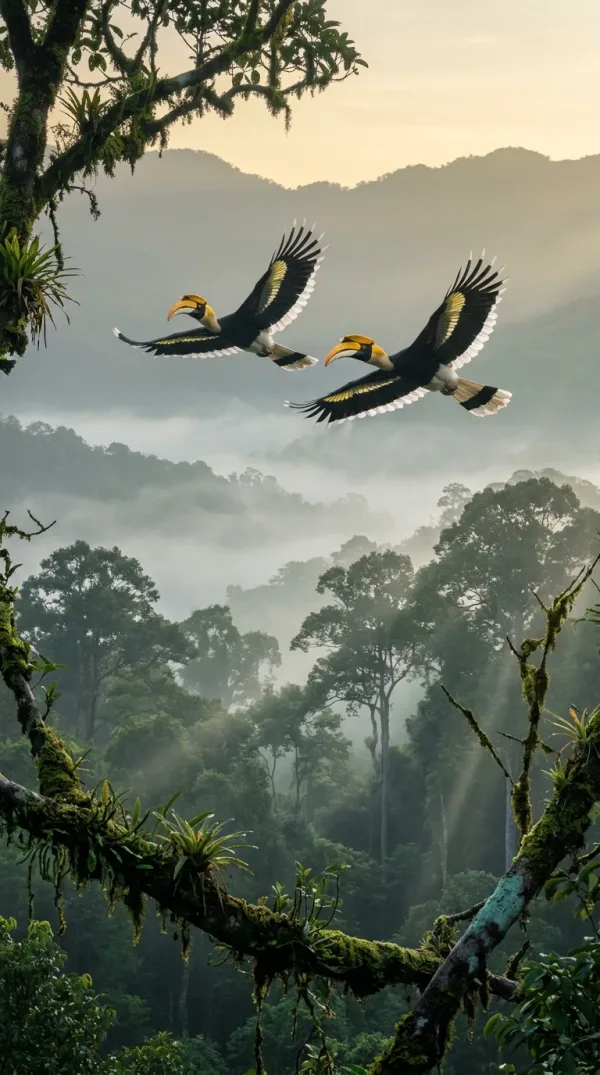
This setting differs fundamentally from the open grasslands and dry deciduous woodlands of central India, where tigers can be viewed from safari vehicles. Thailand's closed-canopy tropical rainforests offer minimal visibility, and vehicle tracks through core predator zones do not exist for tourist use. Legitimate guided wildlife tracking in accessible reserves like Khao Yai National Park (foreign adult admission 400 THB, approx. £9) focuses instead on visible species, such as wild Asian elephants, gaurs, gibbons, and great hornbills. The reward of exploring tiger country lies in sensory tracking: identifying an enormous pugmark pressed into soft river mud, detecting territorial scent marking along a forest path, or hearing the sharp alarm call of a barking deer alerting the jungle to an unseen predator.
Wild Conservation Versus Captive Tiger Tourism
Ethical travellers visiting Thailand must distinguish clearly between authentic wild tiger preservation and the commercial entertainment venues found around major tourist centres. Thailand holds more than 1,900 captive tigers across private zoos, roadside attractions, and commercial entertainment complexes. By contrast, the Department of National Parks, Wildlife and Plant Conservation estimates the country's surviving wild Indochinese tiger population at between 210 and 257 individuals, meaning captive animals outnumber wild cats by roughly nine to one.
Commercial venues frequently advertise conservation or breeding credentials, but scientific bodies including Panthera and the International Union for Conservation of Nature confirm that captive-bred facility tigers provide zero value to wild restoration. Decades of unmanaged cross-breeding between Bengal, Amur, and other lineages have turned captive stocks into generic hybrids unsuitable for release into the wild. Research by the WildCats Conservation Alliance indicates that barely six captive individuals in the country represent pure-strain Indochinese tigers of verified lineage.
Public interactions such as cub petting, selfie sessions with tethered adults, and staged performances also conceal severe animal welfare concerns. Facilities commonly use declawing and speed-breeding—taking newborn cubs from their mothers to force females back into oestrus—to maintain a steady supply of handleable animals. Investigations by wildlife monitoring networks, including TRAFFIC, have repeatedly linked commercial tiger venues to the illicit international trade in tiger bones and body parts.
Authentic tiger conservation focuses exclusively on protecting wild cats in natural forest habitats, supported by anti-poaching patrols, prey monitoring, and community buffer-zone initiatives. Travellers help undermine the captive exploitation trade by boycotting commercial petting attractions and directing their spending towards legitimate national park entry fees, ranger-led buffer programmes, and accredited non-profit conservation partners. Avoid paying to touch, feed, or pose beside any captive big cat in Thailand.
| Conservation Factor | Wild Tiger Conservation Reserves | Commercial Captive Tiger Facilities |
|---|---|---|
| Primary Operational Goal | Ecosystem preservation, biodiversity protection, and prey recovery | Commercial profit generation, tourist ticket sales, and souvenir photo fees |
| Animal Living Conditions | Free-roaming across 70 to 300 km² of natural forest habitat per adult cat | Small concrete enclosures, barred wire pens, or short physical chains |
| Human Interaction Policy | Zero direct contact; strict non-disturbance protocols enforced by law | Direct physical contact, cub petting, selfie sessions, and feeding shows |
| Scientific Rewilding Value | Vital contribution to wild Indochinese genetic conservation | Zero rewilding value due to subspecies hybridisation and domestication |
| Direct Economic Beneficiaries | National park ranger forces, field researchers, and local buffer communities | Private commercial corporations, animal entertainment owners, and ticket vendors |
Where to Experience Tiger Habitats in Thailand
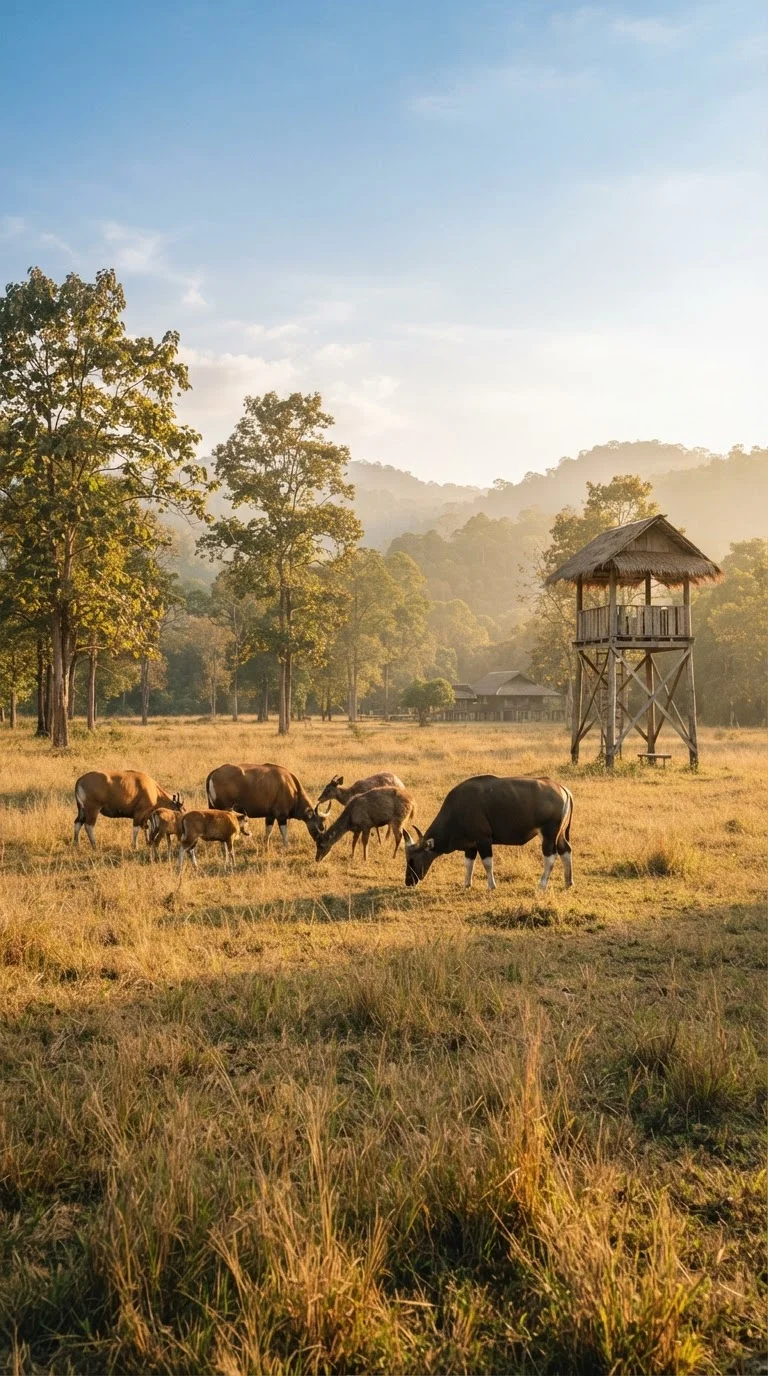
To experience the authentic environments where Thailand's tigers survive, base yourself in designated buffer zones and accessible national parks. The strict wilderness interiors of core breeding reserves remain entirely off-limits to casual tourism, but carefully managed visitor perimeters allow travellers to witness these landscapes firsthand.
In western Thailand, travel to Uthai Thani Province to visit the public nature education sector of Huai Kha Khaeng Wildlife Sanctuary in Lan Sak District. Here, visitors can tour the sanctuary headquarters, pay respects at the Sueb Nakhasathien Memorial, and climb the elevated wildlife observation tower. The tower overlooks open dipterocarp woodland and mineral licks where key tiger prey species, including wild banteng herds and sambar deer, regularly emerge to feed. Rather than attempting long day trips, stay in Lan Sak District at rural guesthouses such as Baan Chai Khao Home Stay or Green House Resort Praduyuen.
For a jungle experience within easy reach of Bangkok, head to Khao Yai National Park (400 THB entry for foreign adults, approx. £9). Established in 1962 as Thailand's first national park, Khao Yai forms the western anchor of the wider Dong Phayayen forest complex. Although tigers now persist largely in the less disturbed eastern sectors of this forest block, Khao Yai protects the same vital habitat, supporting wild elephants, gaur, and hornbills.
Specialist operators such as Tontan Travel organise ethical two- and three-day wildlife excursions into both Khao Yai and the outer viewing areas of Huai Kha Khaeng. These guided excursions prioritise tracking quietly on foot along forest trails and conducting slow vehicle safaris without baiting or animal disruption. For a first wilderness trip into genuine tiger country, a multi-day guided safari in Khao Yai provides well-maintained facilities alongside rewarding wildlife observation.
Costs and Budgeting
Visiting the buffer zones and national parks bordering Thailand's wild tiger habitats ranges from self-guided budget camping to specialist private wildlife expeditions. Daily expenses depend heavily on transport arrangements, accommodation choices, and guiding services.
At Department of National Parks checkpoints, statutory entry fees for foreign adults are 200 THB (approx. £4.50) at Huai Kha Khaeng Wildlife Sanctuary's public education perimeter and 400 THB (approx. £9.00) at Khao Yai National Park's main gates. Foreign child entry costs 100 to 200 THB (approx. £2.20 to £4.50). Driving into these reserves incurs a vehicle charge of 30 THB (approx. £0.70) for a car or 20 THB (approx. £0.45) for a motorcycle.
Independent travellers who hire an economy rental car from Bangkok, pitch a tent at designated park campsites, and cater for themselves can maintain a daily budget of approximately 1,200 to 1,800 THB (approx. £27 to £40) per person. Camping pitches for personal tents cost 30 THB (approx. £0.70) per night, with basic tents and bedding available to rent on-site for roughly 150 to 225 THB (approx. £3.30 to £5.00).
Mid-range visitors basing themselves in air-conditioned guesthouses around Lan Sak or Pak Chong spend roughly 800 to 1,800 THB (approx. £18 to £40) per night for a room. Booking a licensed local park guide for forest trail tracking costs around 1,500 to 2,000 THB (approx. £33 to £44) per group per day, bringing total mid-range daily spending to approximately 3,500 to 5,500 THB (approx. £78 to £122) per person.
Specialist multi-day safaris led by dedicated English-speaking naturalists, including four-wheel-drive field transport, meals, and local lodging, cost between 6,000 and 21,600 THB (approx. £133 to £480) per person for a three-day itinerary, depending on party size. Official park admission fees directly support protected area management and forest ranger patrols.
| Travel Style | Cost (THB) | Cost (GBP approx) | Notes |
|---|---|---|---|
| Budget: DIY Park Entry & Campsite Pitch | 300 – 600 THB | £6.70 – £13.50 | Foreign adult entry (200–400 THB) plus campsite pitch or tent rental fee |
| Mid-Range: Local Guesthouse & Guided Trek | 2,000 – 4,000 THB | £44.50 – £89.00 | Guesthouse room in Lan Sak or Pak Chong with local ranger-guided trek |
| Premium: 3-Day Specialist Wildlife Tour | 6,000 – 21,600 THB | £133 – £480 | Private multi-day expedition per person, including naturalist guide, meals, and transport |
| Vehicle Entry & Checkpoint Fees | 20 – 100 THB | £0.45 – £2.20 | Standard per-vehicle entry fee (20 THB motorcycle, 30 THB car) at official gates |
What to Know Before You Go
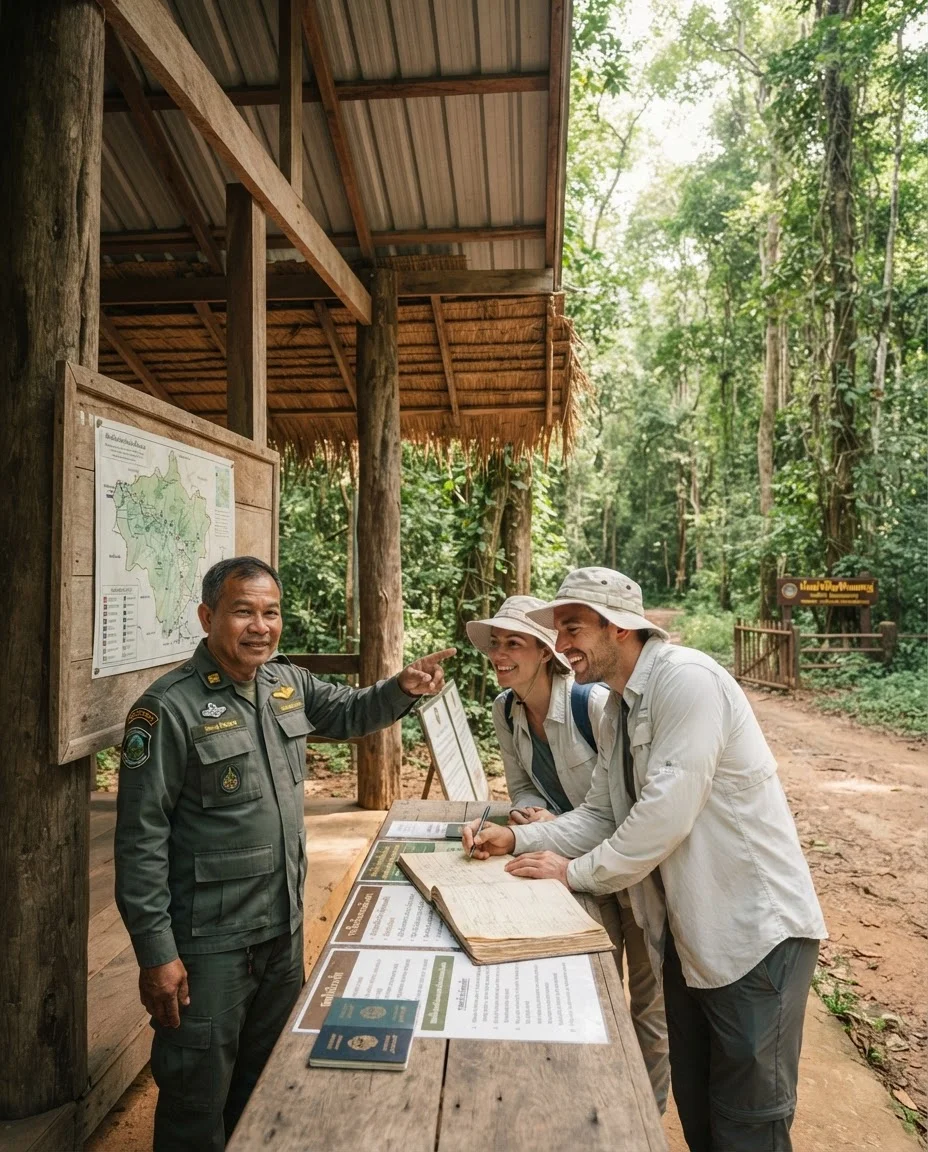
Wildlife sanctuaries in Thailand operate under fundamentally different statutory rules than national parks. Governed by the Wild Animal Conservation and Protection Act, reserves such as Huai Kha Khaeng and Thung Yai Naresuan prioritise species preservation and scientific research over leisure tourism. General visitors cannot enter core forest zones independently. Unpermitted entry is prohibited, and public access is strictly confined to designated nature study zones, edge headquarters, and interpretive trails overseen by Department of National Parks (DNP) rangers.
Logistical preparation requires careful planning because scheduled public transport does not serve Thailand’s western tiger reserves. Long-distance buses and minivans connect Bangkok to regional hubs like Uthai Thani and Nakhon Sawan, but the final 50 to 100 kilometres to sanctuary gates lack public transit. Reaching these remote trailheads requires hiring a rental car or arranging private transfers through a guided tour operator before leaving the city.
Visiting these protected forests demands an ethical conservation mindset. Unlike open safari destinations in Africa or South Asia, Thailand's dense tropical canopies and strict sanctuary zoning mean direct predator encounters do not occur on standard visitor routes. Facilities at sanctuary borders are intentionally basic, with rules banning alcohol, open fires, and off-trail exploration. Approaching the forest to understand ecosystem health, observe forest birds and ungulates, and appreciate indirect wildlife signs ensures your expectations align with the realities of frontline conservation.
Practical Tips
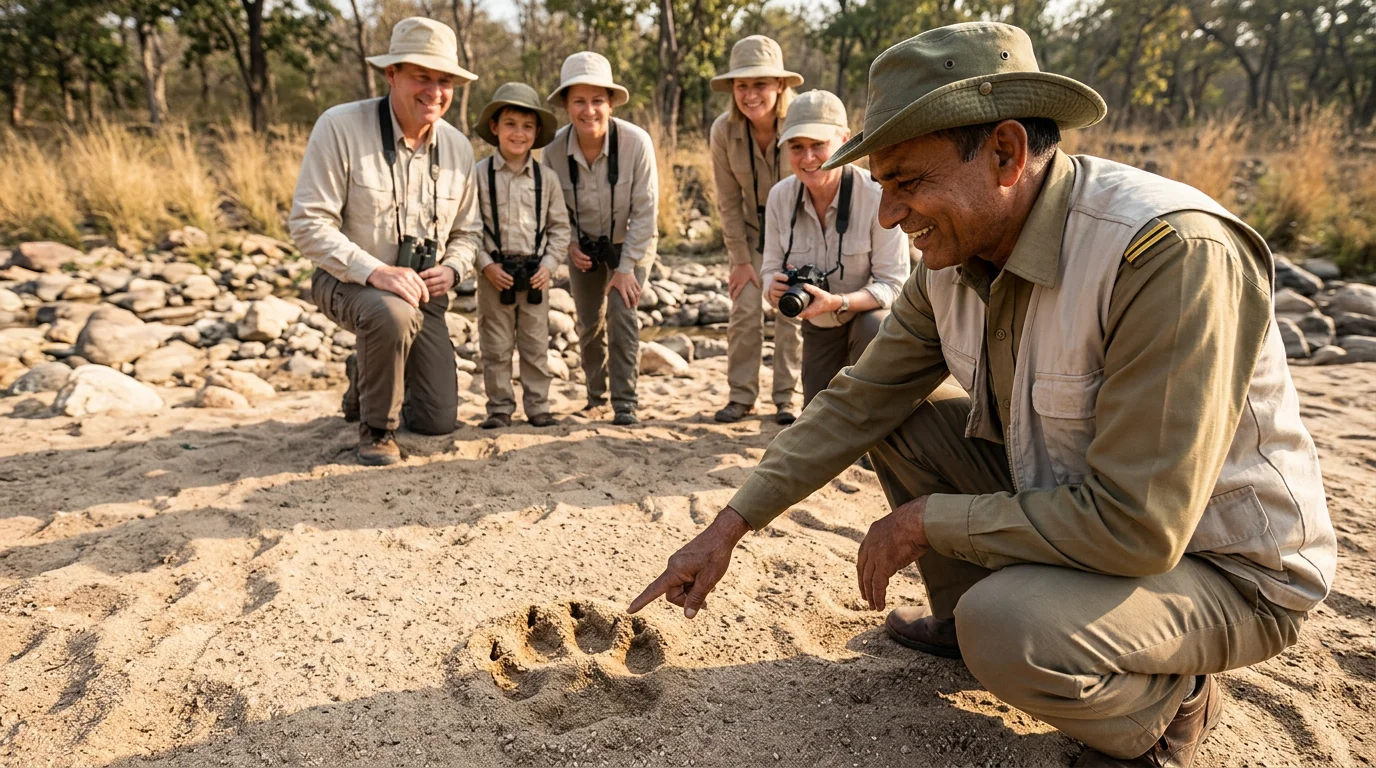
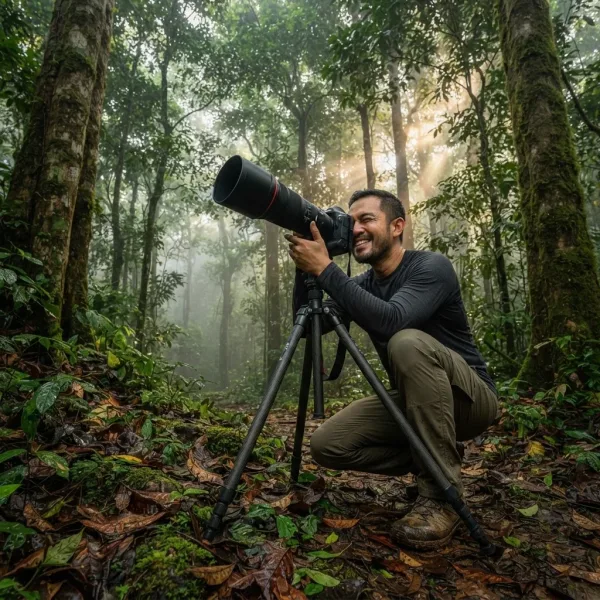
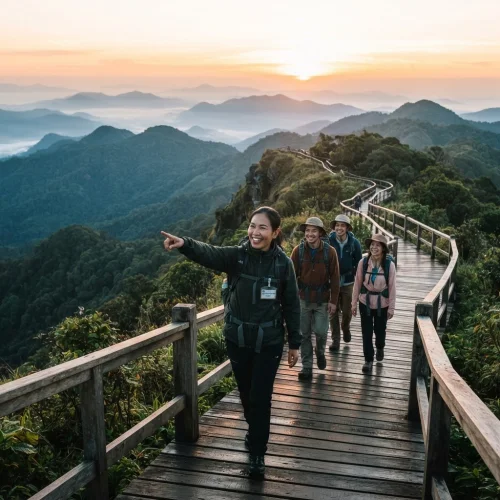
Carry 8x42 or 10x42 binoculars during forest walks and watchtower vigils to scan distant salt licks and riverbanks without disturbing wildlife. Usually hire an official Department of National Parks ranger or certified guide when walking permitted trails. Rangers read alarm calls from deer and primates, understand wildlife corridors, and ensure you remain safely clear of wild elephants and solitary boars.
Download offline GPS mapping such as Maps.me or Gaia GPS before leaving provincial towns. Cellular signal drops out once you pass perimeter checkpoints into forest reserves like the Western Forest Complex. Wear subdued, earth-toned clothing in greens, browns, or khaki. Bright colours stand out against foliage and startle animals long before you spot them.
Withdraw cash in Thai Baht in regional hubs like Uthai Thani, Nakhon Sawan, or Pak Chong. Park checkpoints, homestays, and local eateries do not take foreign cards. The dry months from November to February offer cooler temperatures, firmer dirt roads, and better visibility. Monsoon rains between July and October flood riverbeds and turn access tracks into thick mud.
Do not hike into core sanctuary interiors or off-trail areas. Entering restricted zones without official Department of National Parks permits violates Thai wildlife protection laws and carries severe legal penalties.
Trekking along reserve fringes carries genuine wilderness risks. Secure comprehensive travel cover for remote hiking and emergency evacuation before you travel.
Quick Reference
| Fact Item | Field Detail | Practical Notes for Visitors |
|---|---|---|
| Subspecies | Indochinese tiger (*Panthera tigris corbetti*) | Thailand protects the last reproducing wild stronghold in mainland Southeast Asia. |
| Estimated Wild Population | 210 – 257 adult tigers (Department of National Parks counts) | Upward trend from under 150 tigers a decade earlier. |
| Primary Wild Habitat | Western Forest Complex (WEFCOM) | Spans 18,000 km² across 17 protected areas. |
| Core Sanctuaries | Huai Kha Khaeng and Thung Yai Naresuan | UNESCO World Heritage Sites hosting over 70% of wild population. |
| Secondary Wild Habitat | Dong Phayayen-Khao Yai Forest Complex | Hosts an estimated 20–25 tigers with confirmed breeding in Thap Lan. |
| Realistic Sighting Chance | Virtually nil for standard visitors | Elusive, nocturnal habits; core conservation areas are closed to tourism. |
| Accessible Visitor Zones | Huai Kha Khaeng headquarters, Khao Yai, Kui Buri | Provide education centres, watchtowers, and guided buffer safaris. |
| Foreigner Entrance Fees | 200 – 400 THB (approx £4.50 – £9) | Directly funds park protection, ranger salaries, and SMART patrols. |
| Visiting Season | November to February (cool and dry) | Firmer roads, clearer visibility, and lower humidity. |
| Captive Attractions | Strictly avoid commercial petting venues | Captive breeding lacks conservation value and compromises animal welfare. |
Quick Reference Table
| Item | Detail | Notes |
|---|---|---|
| Target Subspecies | Indochinese tiger (*Panthera tigris corbetti*) | Thailand preserves the last reproducing wild population across mainland Southeast Asia. |
| Wild Population Status | 210 – 257 individuals (2024 DNP census) | Sustained recovery from 148–189 in 2022; documented across 26 protected tracts. |
| Core Stronghold | Western Forest Complex (WEFCOM) | Spans over 18,000 km²; Huai Kha Khaeng and Thung Yai Naresuan shelter over 140 wild cats. |
| Eastern Breeding Range | Dong Phayayen-Khao Yai Forest Complex | Supports 15–25 tigers, with breeding confirmed in Thap Lan and Pang Sida national parks. |
| Sighting Probability | Near-zero for casual travellers | Solitary ambush predators in dense jungle; sanctuary core interiors remain legally closed to tourism. |
| Captive vs Wild Reality | Over 1,900 captive tigers in commercial venues | Captive cats are cross-bred hybrids with zero rewilding value; boycott petting attractions. |
| Accessible Visitor Zones | Huai Kha Khaeng perimeter & Khao Yai National Park | Public access restricted to education headquarters, watchtowers, and guided perimeter trails. |
| Statutory Entry Fees | 200 – 400 THB (£4.50 – £9.00) for foreign adults | 200 THB at Huai Kha Khaeng; 400 THB at Khao Yai; 100–200 THB for children; fees fund patrols. |
| Vehicle Entry Charges | 20 – 30 THB (£0.45 – £0.70) per vehicle | Standard gate fee of 20 THB for motorcycles and 30 THB for private cars. |
| Accommodation Options | 30 THB pitch fee to 1,800 THB guesthouse room | Basic park tent hire costs 150–225 THB; local guesthouses in Lan Sak or Pak Chong cost £18–£40. |
| Guided Tracking Costs | 1,500 – 2,000 THB (£33 – £44) per group daily | Licensed park guides track signs and alarm calls; 3-day private tours run 6,000–21,600 THB. |
| Best Time to Visit | November to February (cool, dry season) | Firmer dirt tracks, cooler trekking conditions, and higher animal visibility at salt licks. |
| Essential Field Gear | 8x42 or 10x42 binoculars & offline GPS mapping | Cellular reception drops inside reserves; wear neutral khaki, green, or brown clothing. |
| Practical Logistics | Cash in Thai Baht required; private vehicle essential | No public transit serves western reserve gates; ATMs available in Uthai Thani and Pak Chong. |
| Park Accommodation Booking | DNP National Park Reservation Portal | nps.dnp.go.th |
| Visitor Information | Khao Yai National Park Headquarters | khaoyainationalpark.com / +66 86 092 6527 |
| Buffer Zone Headquarters | Huai Kha Khaeng Wildlife Sanctuary | Lan Sak District, Uthai Thani / +66 86 092 6529 |
| Ethical Tour Operator | Tontan Travel | tontantravel.com |
| Official Source | Department of National Parks (DNP) | dnp.go.th |
FAQ: Tigers in Thailand
What type of tiger lives in Thailand?
How many wild tigers are there in Thailand?
Where are the main strongholds for wild tigers in Thailand?
What is the difference between a national park and a wildlife sanctuary in Thailand for visitors?
Is it possible to see a wild tiger in Thailand?
Should travellers visit captive tiger attractions in Thailand?
Where can visitors experience tiger habitats in Thailand?
What is the best time to visit Thailand's tiger habitats?
Is it recommended to hire a guide for walking trails in Thailand's national parks?
Where should visitors get cash before entering Thailand's national parks?
Reviewed by the Thailand Guide Editorial Team • Last reviewed: 15 November 2026
This page is provided for general information only. While we aim for accuracy, details can change — please verify anything important independently before relying on it.