Wildlife Photography
Beneath the dense evergreen and dipterocarp canopy of Kaeng Krachan, ambient light levels plunge dramatically, often filtering out over ninety per cent of daylight. Photographing fast-moving lar gibbons or hornbills through tangled foliage frequently demands high sensitivities of ISO 3200 to 6400, while relentless tropical humidity and thirty-degree heat test camera electronics to their limits. A single bout of internal condensation on an unsealed lens can sideline an entire expedition before the morning mist clears.
This guide details the practical fieldcraft, camera configurations, and gear protection protocols required to capture Thailand’s extraordinary biodiversity across lowland rainforests, montane peaks, and dry evergreen reserves. You will learn how to lock focus through dense brush, safeguard delicate optical sensors against fungus and thermal shock, work ethically from private waterhole hides, and navigate forest trails alongside local trackers and park rangers. With realistic daily budgets and seasonal timing advice, you can plan an independent photographic journey or join a specialist guided tour with confidence.

Mastering the Canopy: Exposure and Camera Settings in Dense Cover
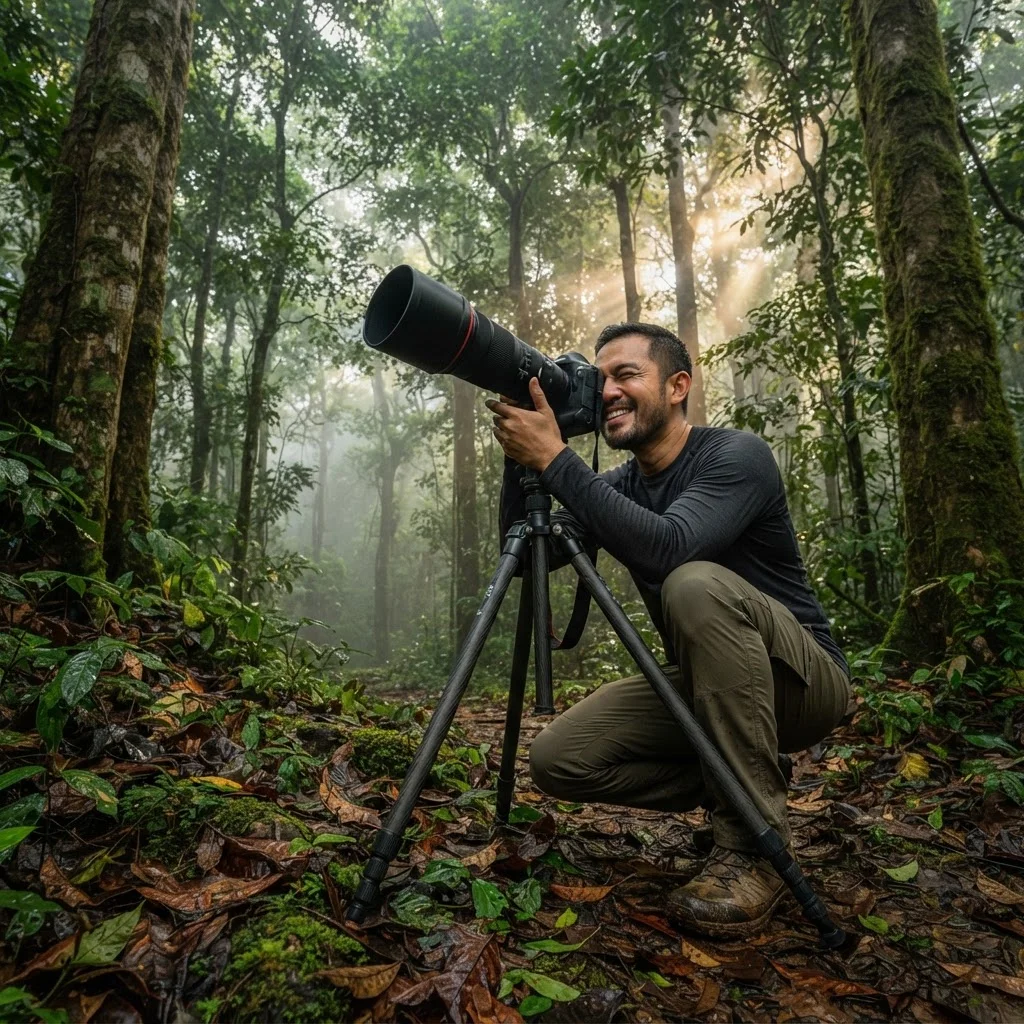
Working inside Thailand's closed-canopy rainforests demands pushing your camera's high-ISO capabilities and relying on manual exposure to handle severe contrast. Beneath the dense evergreen canopy of reserves such as Khao Yai, available ambient daylight drops steeply. While light meters suggest bright tropical conditions outside, the jungle interior functions like a dim cathedral, filtering out up to 90 percent of overhead light. Photographers accustomed to open British woodland face a much steeper light deficit. Modern mirrorless and digital SLR camera bodies handle sensitivities from ISO 3200 to 12800 with clean, controlled noise profiles, particularly when paired with modern RAW denoising software. Accepting elevated ISO values is necessary: a sharp image carrying fine digital grain can be salvaged in editing, whereas motion blur caused by an inadequate shutter speed cannot.
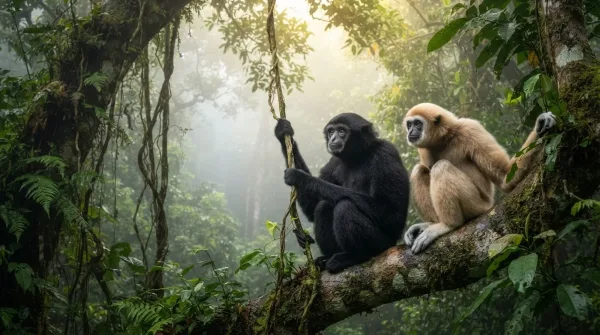
Operating in manual exposure mode with Auto-ISO enabled provides the most dependable control in fast-changing forest light. By selecting your aperture and shutter speed manually, you let the camera adjust the ISO to maintain a balanced exposure. Keep your aperture wide open—typically f/2.8 or f/4 on telephoto lenses—to collect maximum light. Shutter speed must match subject mobility. For fast canopy wildlife such as white-handed gibbons swinging through dipterocarps or agile banded broadbills, keep the shutter at 1/1000s or faster to freeze movement. When a subject remains stationary, such as a great hornbill resting quietly on a fig branch, dial down to 1/250s or 1/400s. Lowering the shutter speed drops the ISO threshold, cutting sensor noise and preserving dynamic range.
Strong shafts of sunlight piercing the canopy create intense contrast between dappled highlights and deep shadows. Standard matrix or evaluative metering frequently miscalculates these scenes by reading sky patches through the leaves, underexposing the animal into a dark silhouette. Selecting spot metering or tightly restricted centre-weighted metering linked to your active focus point ensures the camera calculates exposure from the subject's plumage or fur rather than ambient background glare. Monitoring your viewfinder histogram prevents blown highlights while retaining recoverable shadow detail.
Autofocus requires equal care. Broad multi-point zones easily latch onto dangling lianas, hanging vines, or swaying bamboo fronds instead of the animal. Setting your autofocus to a single flexible point, pinpoint mode, or small animal-eye tracking box prevents focus hunting amidst dense foliage. Switching the lens focus limiter switch to exclude closer distances also accelerates focus acquisition through thick undergrowth.
| Forest Habitat Type | Target Species | Recommended Shutter Speed | Base ISO Range | Aperture Strategy |
|---|---|---|---|---|
| Dense Evergreen Canopy | Gibbons, Hornbills, Broadbills | 1/500s – 1/1600s | ISO 3200 – 12800 | Wide open (f/2.8 to f/4) |
| Forest Clearing / Road Edge | Asian Elephants, Sambar Deer | 1/250s – 1/800s | ISO 400 – 1600 | Stopped down (f/5.6 to f/8) |
| Stream Ravine / Understorey | Pittas, Partridges, Kingfishers | 1/125s – 1/500s | ISO 1600 – 6400 | Wide open (f/2.8 to f/4) |
| Montane Cloud Forest | Sunbirds, Laughingthrushes | 1/400s – 1/1250s | ISO 800 – 3200 | Balanced (f/4 to f/5.6) |
Setting custom user modes on your camera body allows rapid toggling between high-speed canopy action and slower understorey compositions without pausing to adjust settings on forest trails.
Telephoto Reach and Focal Length Strategies for Elusive Fauna
Dense tropical foliage across Thailand demands flexible focal lengths and short minimum focusing distances rather than cumbersome fixed super-telephoto glass. In primary rainforest and evergreen hill forests, establishing an unobstructed sightline through interwoven rattan palms, bamboo thickets, and dangling lianas is difficult. Bulky 600mm f/4 primes prove heavy and unwieldy on steep mountain tracks in Kaeng Krachan or Doi Inthanon. A high-calibre 100-400mm or 200-600mm telephoto zoom provides the immediate framing adaptability required when elusive subjects materialise unexpectedly between three and thirty metres away.
A short minimum focusing distance is equally critical on foot. Secretive ground-dwelling birds—including the scaly-breasted partridge, red-legged crake, and various pitta species—frequently step into trail clearings just a couple of paces from the path. If your optic cannot focus inside three metres, you miss the encounter while back-pedalling through thorny scrub. Telephoto zooms typically focus down to between 0.98 and 1.5 metres, allowing tight portraits of small ground fauna. For dim ravines and dense understorey, a 70-200mm f/2.8 lens paired with a matched 1.4x teleconverter provides a practical compromise, delivering a 98-280mm equivalent field of view at f/4 while keeping autofocus snappy in low ambient light.
Camera support choices also dictate your pace and fieldcraft along rugged terrain. While full-sized tripods with gimbal heads provide absolute stability, their three splayed legs catch persistently on bamboo shoots and thorny creepers. Tripod setups also slow down sudden angle changes when active primates, such as dusky langurs or gibbons, travel through the upper canopy. A rigid carbon-fibre monopod paired with a sturdy tilt head balances steady tracking with rapid mobility on narrow forest trails.
| Lens Choice | Primary Advantage | Main Limitation | Recommended Forest Scenario |
|---|---|---|---|
| 100-400mm f/4.5-5.6 Zoom | Versatile framing and short minimum focusing distance | Modest maximum aperture demands higher sensor ISO | Trail walking and active mixed-flock tracking |
| 70-200mm f/2.8 (+ 1.4x TC) | Wide aperture for low-light speed and crisp contrast | Limited maximum reach at 280mm equivalent | Dark ravines, dusk encounters, and large forest mammals |
| 300mm or 500mm f/4 Prime | High light transmission and swift autofocus tracking | Fixed framing; unwieldy when subjects appear nearby | Wide forest clearings and fixed trail vantage points |
| 200-600mm f/5.6-6.3 Zoom | Significant reach for small birds in tall canopies | Variable aperture restricts shutter speed under dark canopies | Canopy watchtowers, road cuts, and open tree crowns |
Pairing a flexible 100-400mm or 200-600mm telephoto zoom with a monopod gives the agility needed to react to sudden wildlife appearances along narrow trails without carrying excessive weight into the humid forest interior.
Plan a Gulf of Thailand trip with clear guidance on island groups, ferries, weather, marine parks, accommodation costs and mainland gateways.
Macro Fieldwork: Documenting Rainforest Reptiles and Amphibians
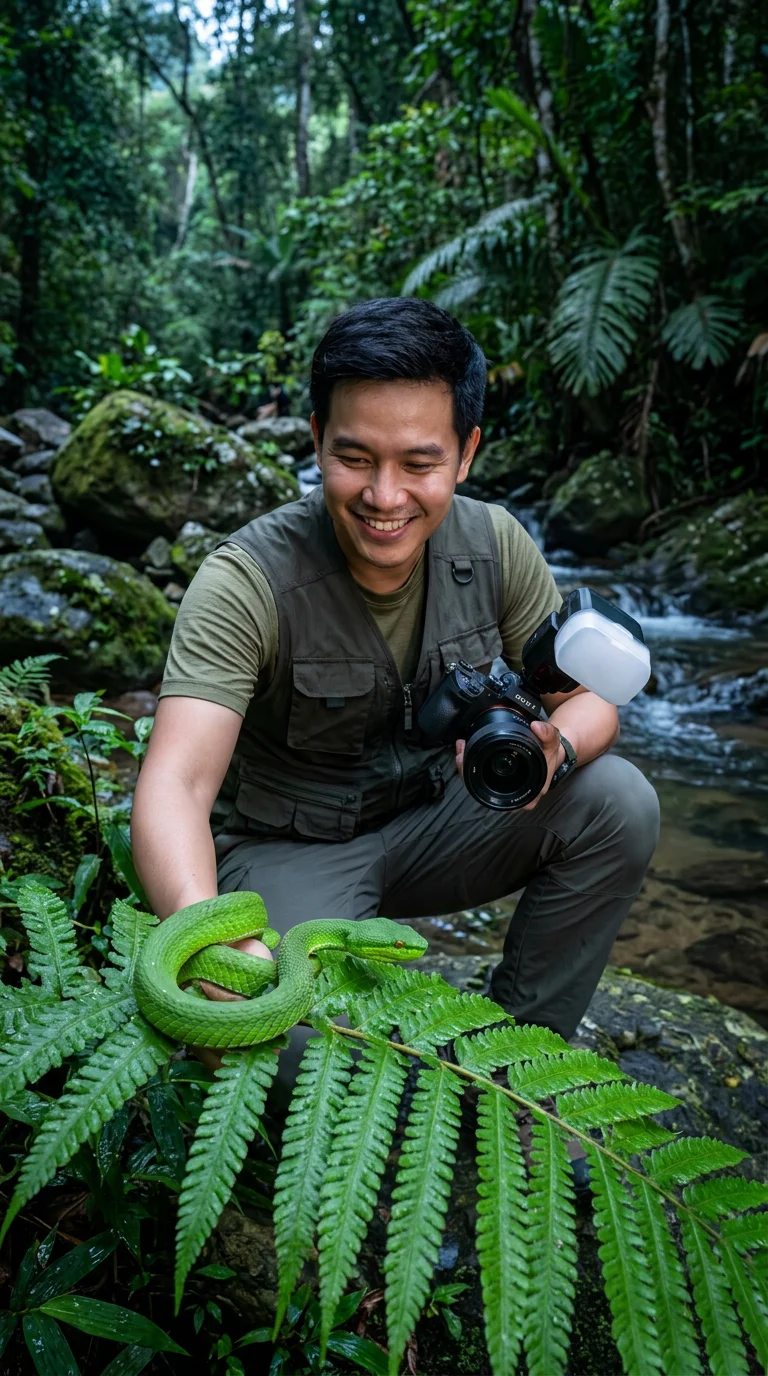
Thailand holds an exceptional diversity of herpetofauna and macro life, from cryptic arboreal vipers and horned tree frogs to ornate jewel beetles and lanternbugs. After dusk in reserves such as Khao Yai and Kaeng Krachan, nocturnal activity along forest streams, clearing borders, and camp perimeters reveals species unseen by day. Locating and documenting these subjects requires dedicated close-up equipment, careful flash management, and strict personal field safety.
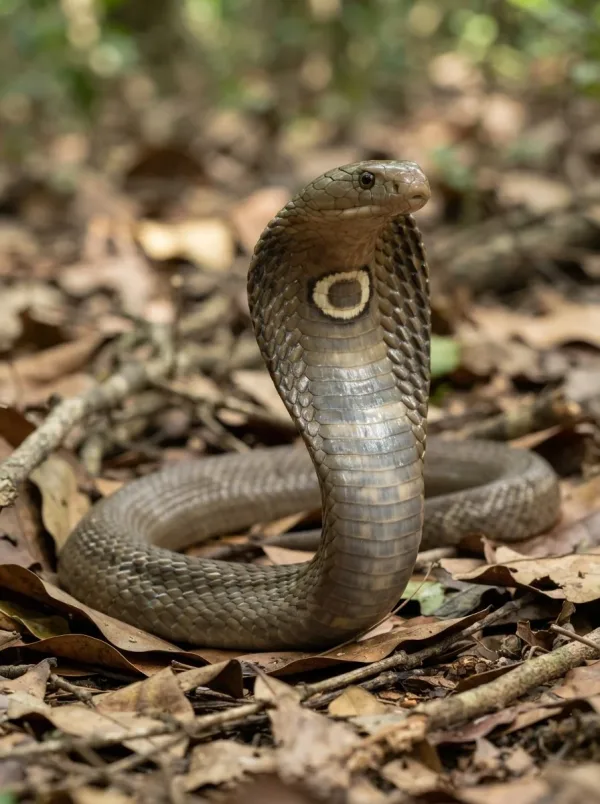
A dedicated 90mm to 105mm f/2.8 macro lens provides a practical balance of reach, optical sharpness, and portability for tropical fieldwork. At true 1:1 magnification, however, the working distance from your front lens element drops to around fifteen centimetres—far too close when working with defensive venomous species such as Vogel's pit viper (Trimeresurus vogeli) or the large-eyed pit viper (Trimeresurus macrops). For venomous reptiles, compose looser from at least half a metre to a metre back and crop in post-production, or use a 150mm to 180mm tele-macro lens to maintain a safer perimeter outside striking range.
Rainforest canopies at night provide no ambient illumination, making controlled artificial light indispensable. Bare camera flash produces specular reflections, blown highlights on moist amphibian skin, and harsh drop-shadows. Pair an off-camera speedlight or a twin-macro flash unit with an articulated bracket and a broad, custom-fitted softbox diffuser. Positioning the diffused light source close above or slightly to the side of your lens wraps illumination gently around the subject, revealing fine scale texture and compound eye structure.
Carry a reliable headlamp with an optional red-beam setting to locate subjects and assist manual focus without blinding nocturnal fauna or compromising your night vision. Avoid placing hands on tree trunks, foliage, or low-hanging branches without scanning them thoroughly first, as green pit vipers rest motionless as ambush predators at waist and chest level.
Protecting Optics Against Humidity, Condensation, and Fungus
Tropical moisture, sudden downpours, and severe condensation cycles pose real threats to camera electronics and optical coatings in Thailand. Relative humidity across national parks regularly exceeds 80 to 90 per cent during wet and transitional months, creating ideal conditions for internal lens fungus. Once fungal hyphae etch into anti-reflective coatings, the optical damage is irreversible.
The most acute operational hazard, however, is rapid thermal shock. Stepping directly from an air-conditioned lodge room or vehicle into humid outdoor air drops glass surfaces below the local dew point. Condensation forms immediately across front elements, viewfinders, and sensor glass, blinding autofocus and potentially damaging internal electronics. Wiping the glass while it remains colder than the ambient air merely smears moisture.
To prevent this, seal camera bodies and lenses inside airtight dry bags, zip-lock pouches, or padded cases before leaving an air-conditioned space. Keep the bag closed outside for 30 to 45 minutes to let the equipment warm gradually above the ambient dew point before opening it. Larger telephoto lenses contain substantial glass and metal mass, so they require the full acclimatisation window.
In the field, factory weather sealing resists light spray but will not withstand tropical deluges. Fit a tailored waterproof rain cover over your camera and telephoto barrel before entering forest trails. Carry rechargeable colour-indicating silica gel pouches in your daypack to absorb residual moisture around spare bodies and memory cards. At the end of each day, wipe down barrels and zoom rings with a microfibre cloth, then store your kit in a sealed dry box or airtight plastic tub with fresh desiccant.
Ethical Hide Photography and Forest Waterholes
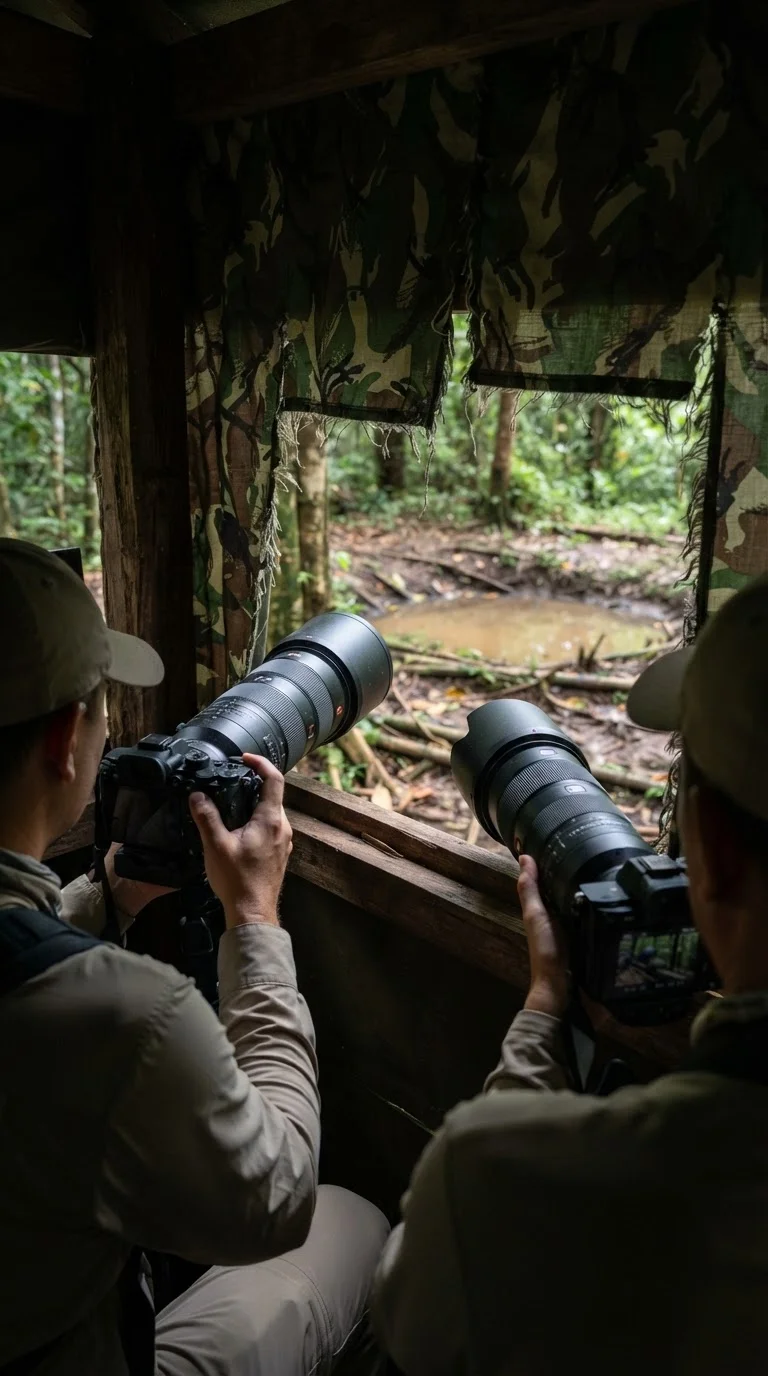
Purpose-built forest hides outside national park boundaries provide close photographic access to secretive ground-dwelling species while demanding strict field discipline. In rural forest fringes bordering Kaeng Krachan National Park, locally managed hides—including Ban Song Nok (pioneered by Auntie Aek) and the Lung Sin waterhole—have converted former agricultural margins into low-impact observation stations. These secluded drinking pools draw shy birds and small mammals that rarely emerge along open park trails, including Kalij pheasants, blue-winged pittas, scaly-breasted partridges, slaty-legged crakes, and lesser mouse-deer. Local nature lodges, such as Baan Maka, maintain on-site garden hides for resident guests and arrange daily sessions at nearby community-run forest hides for 250 THB (approx £5.60) per person, with independent hide owners collecting fees directly on site.
Working inside a shared fabric blind requires rigorous personal etiquette to prevent disturbance. Arrive before dawn, settling into position prior to 06:30, and plan to remain seated until midday so visiting wildlife can establish an uninterrupted morning feeding and bathing routine. Squeeze into position quietly and mount your telephoto rig on a sturdy gimbal head or beanbag. Keep conversation to an absolute minimum, set all camera bodies to silent electronic shutter mode, and avoid poking lens hoods or hands past the camouflage scrim. Sudden movements or silhouetted glass against the netting will clear a drinking pool instantly.
Ethical hide craft also forbids artificial intervention. Audio playback applications (tape luring) to broadcast territorial calls are strictly banned by responsible operators; broadcasting calls stresses nesting birds, forces unnecessary territorial defence, and disrupts foraging patterns around the waterhole. Artificial flash units are similarly off-limits unless an operator grants explicit permission for dedicated setups, as harsh strobe bursts routinely spook skittish partridges and laughingthrushes from the clearing for the remainder of the day. Bring dark clothing, insect repellent, and sufficient drinking water to sit comfortably through long, humid vigils without shifting position.
| Hide Location | Typical Entry Fee (THB / GBP) | Target Avian Species | Operational Setup & Rules |
|---|---|---|---|
| Ban Song Nok (Auntie Aek) | Contact operator for current rates | Kalij pheasant, laughingthrushes, crake | Permanent fabric hide; no flash or audio playback |
| Lung Sin Waterhole | Contact operator for current rates | Scaly-breasted partridge, pittas, babblers | Excavated forest pool; strict silence required |
| Nui Khumnangpaya Hide | Contact operator for current rates | Blue pitta, eared pitta, emerald dove | Shaded forest blind; advance booking recommended |
| Baan Maka Blinds | Arranged at 250 THB (approx £5.60); on-site hides for guests | Forest babblers, bulbuls, flycatchers | Lodge property blinds and arranged local visits |
To capture natural animal behaviour around these secluded forest ponds, maintain total silence and avoid playback calls, allowing shy ground birds to feed undisturbed within comfortable shooting range.
Hiring Specialist Trackers and Working with Forest Rangers
Partnering with experienced local wildlife trackers and official national park rangers dramatically improves photographic encounters while managing the hazards of dense tropical forest. The multi-tiered rainforest canopy across Thailand creates disorientating conditions where animals remain concealed just metres from forest paths. Local trackers rely on acute acoustic awareness, pinpointing the soft whistle of a silver-breasted broadbill, the foraging scramble of a banded pitta, or the branch rustle of dusky langurs feeding high overhead long before a visiting photographer spots movement.
Daily hiring rates for independent birding and wildlife photography guides generally range between 3,000 THB and 4,500 THB (approx. £67 to £100) per day. These private guides provide vehicle transport, scout productive trail clearings, and understand the lighting patterns and perching habits of target species.
Within protected areas such as Khao Yai National Park, regulations require visitors to take an official Department of National Parks, Wildlife and Plant Conservation (DNP) ranger when venturing onto interior forest trails beyond the short, self-guided loops near the visitor centre. Ranger services cost between 500 THB and 1,500 THB (approx. £11 to £33) per group per day, depending on trail length. These rangers monitor mammal movements and carry machetes to maintain overgrown routes.
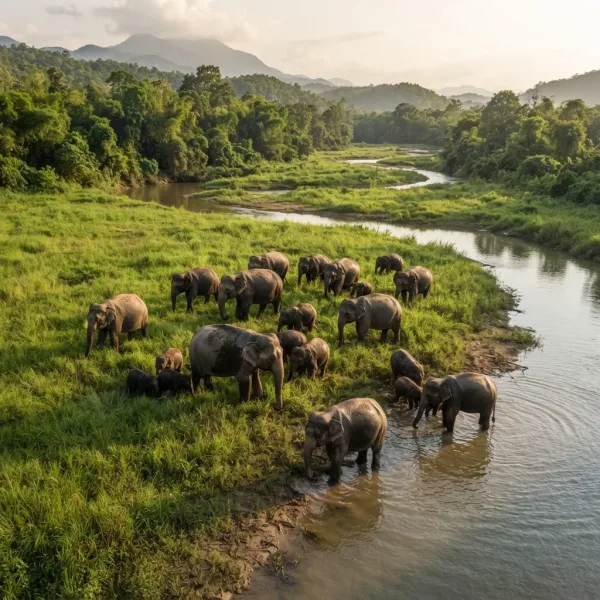
Their presence proves invaluable when working around large wildlife. Narrow forest trails regularly cross active feeding corridors used by Asian elephants and herds of gaur. A seasoned ranger recognises subtle warning signs, tracks wind direction, and directs quick, disciplined withdrawals to secure vantage points before an encounter escalates. Engaging park staff also channels vital funding into front-line conservation and anti-poaching operations, reinforcing local stewardship of Thailand's wild habitats.
Top Locations for Wildlife Photography in Thailand
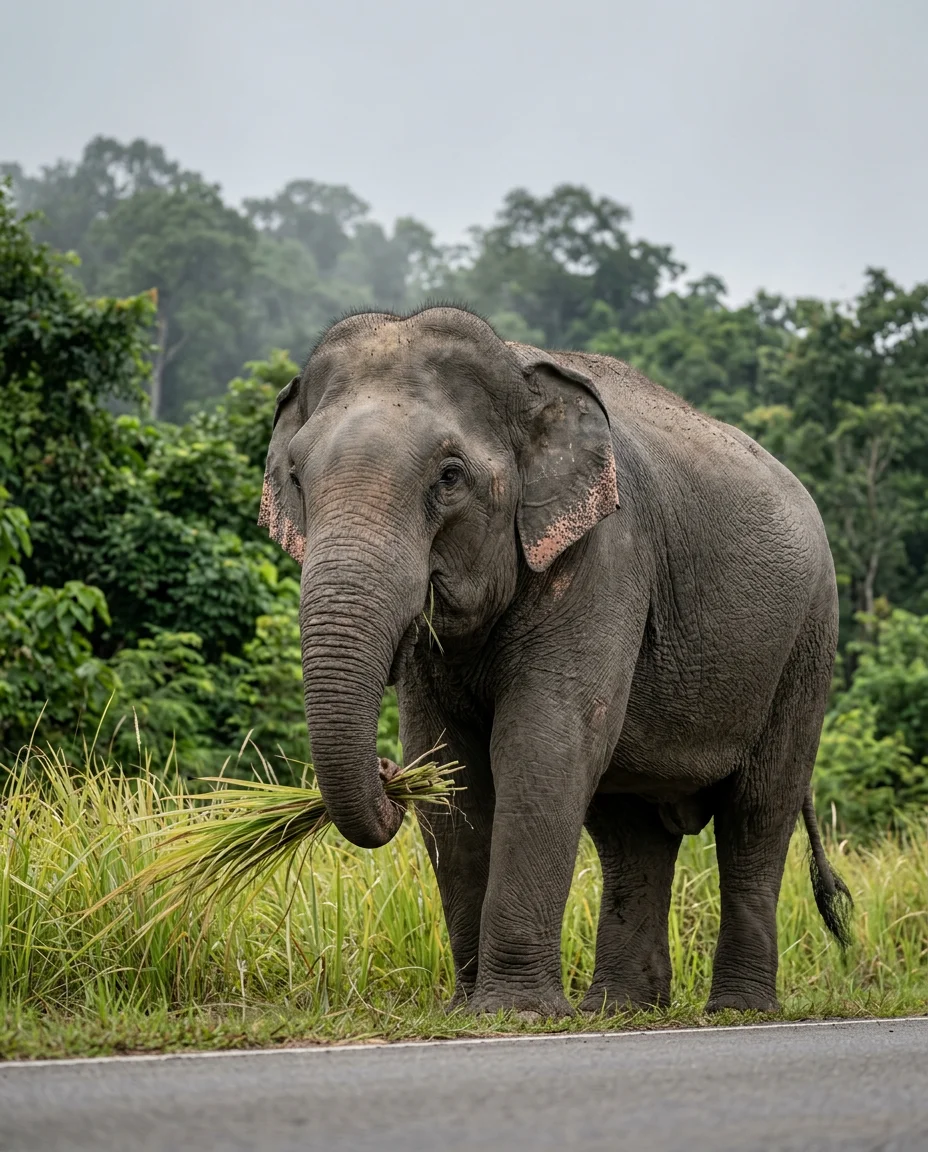
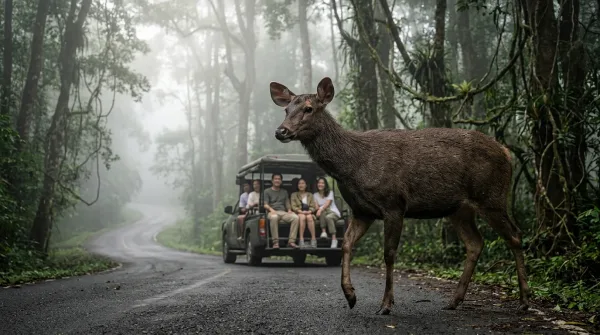
Thailand's protected areas encompass distinct ecosystems tailored to specific wildlife photography goals, from open grassland savannahs to high-altitude montane cloud forests. Khao Yai National Park, situated approximately 180 kilometres northeast of Bangkok, costs 400 THB (approx. £8.90) for foreign adult admission and stands out as the country's most reliable location for photographing large forest mammals. Along its paved central roads and grassland salt licks such as Nong Phak Chi, photographers can frame wild Asian elephants, sambar deer, northern pig-tailed macaques, and great hornbills without undertaking arduous multi-day treks.
Further southwest in Phetchaburi Province, Kaeng Krachan National Park protects moist evergreen rainforest along the Tenasserim Range. The forested corridor flanking Ban Krang campsite presents exceptional bird and primate photography; patient photographers regularly document dusky langurs feeding in the mid-canopy and colourful nesting species such as black-and-red broadbills, while resident black leopards roam the deeper trails. Vehicles entering the park pay an entry charge at the checkpoint, and accommodation ranges from basic pitches to riverside bungalows outside the boundary.
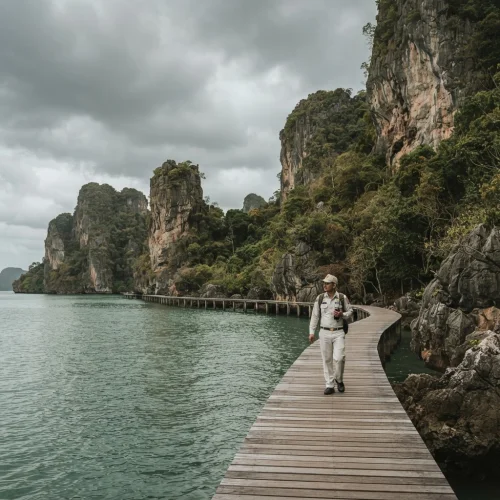
In the northern highlands of Chiang Mai Province, Doi Inthanon National Park protects mist-shrouded montane cloud forests near Thailand's highest summit. The sphagnum moss boardwalks of Ang Ka provide clear sightlines for specialised high-altitude avifauna, including the green-tailed sunbird and Gould's sunbird feeding on flowering shrubs.
For photographers seeking rare tropical ungulates, Huai Kha Khaeng Wildlife Sanctuary in Uthai Thani Province operates under strict conservation management. Casual tourism is prohibited, but designated watchtowers accessible with park rangers permit blinds-style observation over mineral licks frequented by wild banteng herds. While the sanctuary shelters Southeast Asia's critical stronghold of Indochinese tigers, public access is restricted to designated observation perimeter zones, and tracking big cats on foot is strictly forbidden. A sensible itinerary begins with three days refining fieldcraft at Khao Yai before tackling the denser forest trails of Kaeng Krachan.
Costs and Budgeting
Budgeting for wildlife photography in Thailand depends heavily on your degree of independence, choice of lodging, and whether you require specialised tracking assistance. Daily expenses divide into three distinct tiers: self-guided fieldwork, guided hide and reserve photography, and full-service private expeditions.
Independent photographers hiring a compact vehicle (typically 800 THB to 1,200 THB [approx £18 to £27] per day) and staying in Department of National Parks bungalows (800 THB to 1,500 THB [approx £18 to £33] nightly) can comfortably operate on 2,200 THB to 3,000 THB (approx £49 to £67) a day. This covers vehicle fuel, basic trail food, and standard entry fees.
Mid-range photographers focusing on forest species benefit from combining private waterhole blinds with expert local birding guides. Day access to community-run photography hides typically costs 200 THB to 300 THB (approx £4.50 to £6.70), while regional field guides charge around 3,100 THB to 3,800 THB (approx £69 to £85) daily. Dedicated wildlife lodges such as Baan Maka charge between 1,400 THB and 1,800 THB (approx £31 to £40) per night for standard rooms, bringing realistic mid-range budgets to 5,500 THB to 8,000 THB (approx £123 to £178) per day. Specialist guided packages with dedicated 4x4 vehicles, dedicated photographic trackers, and private lodge accommodation range from 12,000 THB to 18,000 THB (approx £268 to £402) daily.
| Option Tier | Cost (THB) | Cost (GBP approx) | Notes |
|---|---|---|---|
| Budget (Self-Guided) | 2,200 – 3,000 THB / day | £49 – £67 / day | Park camping/bungalow, shared car hire, independent trails |
| Mid-Range (Private Hides & Guides) | 5,500 – 8,000 THB / day | £123 – £178 / day | Specialised nature lodge, private bird hides, local bird guide |
| Premium (Guided Specialist Tour) | 12,000 – 18,000 THB / day | £268 – £402 / day | Dedicated 4x4, photographic fixer, boutique eco-lodge, park fees |
| Park Entry & Ranger Add-ons | 400 THB + 1,200 THB | £8.90 + £27 | Adult national park entry fee plus mandatory ranger day fee |
What To Know Before You Go
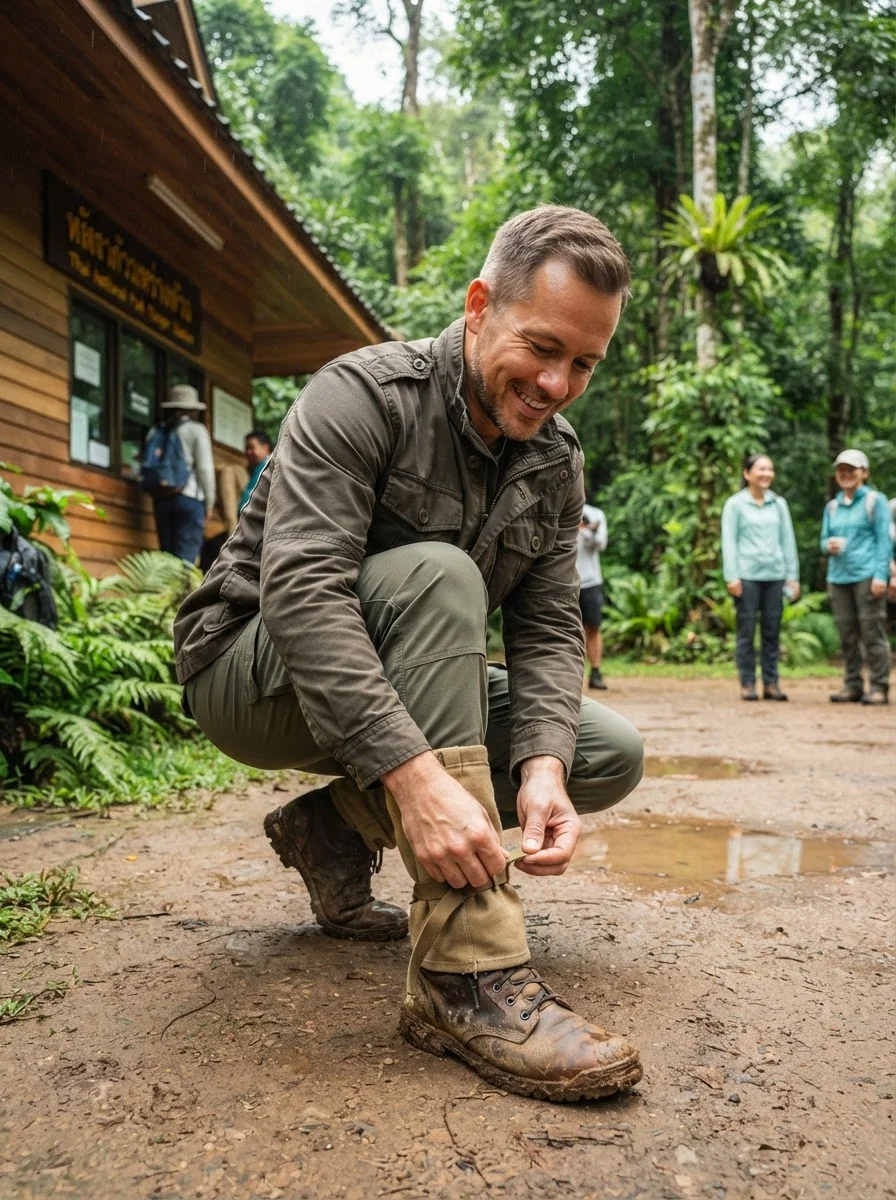
Strap tightly woven canvas or calico leech socks securely below your knees before stepping onto damp rainforest trails. Terrestrial forest leeches penetrate ordinary trekking socks and trouser weaves effortlessly, causing persistent bleeding that can lead to secondary fungal or bacterial infections in tropical humidity.
When navigating forest access roads in reserves known for large mammals, follow official Department of National Parks safety guidance for wild Asian elephants. Maintain a minimum clearance of at least thirty metres from any elephant along the road. Keep your vehicle engine running in gear so you can reverse away smoothly if an animal approaches, and avoid sounding the horn, blocking retreat paths, or stepping outside the vehicle for photographs. Flash photography around wild elephants is prohibited under park guidance, as bright bursts can startle animals and provoke defensive charges.
Check national park opening schedules before venturing along interior routes. Most park gates enforce an 18:00 curfew for day visitors. Remaining unaccompanied on trails after dusk breaches Department of National Parks regulations and creates serious safety hazards, directly exposing you to foraging elephant herds, venomous snakes, and disorientation under dense forest canopy. Pace trail walks to return well before sunset, or book an official ranger escort for authorised night excursions.
Practical Tips
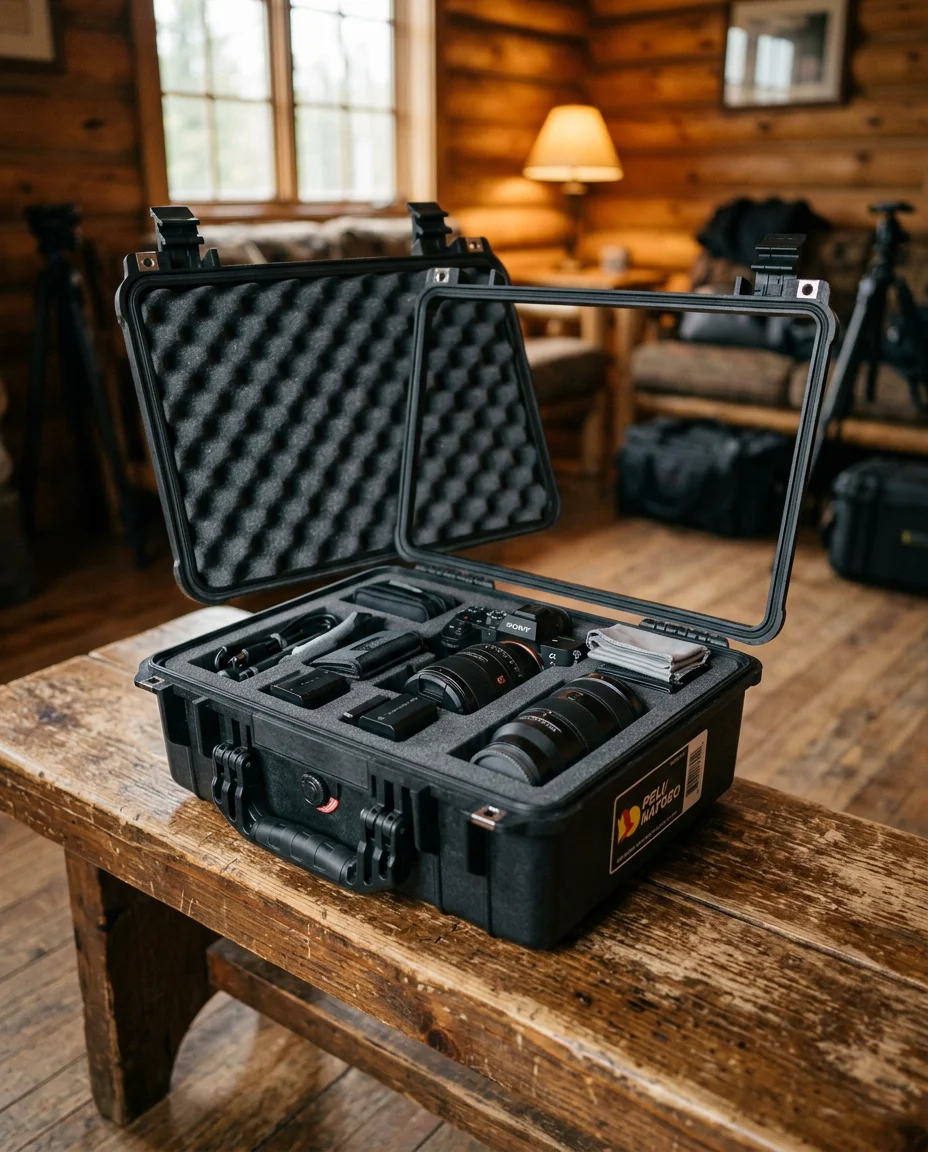
Pack several microfibre cloths and a handheld rocket blower inside individual airtight zip-lock bags. In tropical humidity exceeding 80%, an exposed cloth absorbs moisture from the air within minutes, leaving it useless for clearing condensation. Keeping cloths sealed until required ensures you can wipe away fogging and stray water droplets from front elements without smearing damp residue across the glass.
Screw robust protective or clear multicoated UV filters onto every telephoto and macro lens before setting foot on a jungle trail. Thailand's primary forests are thick with barbed rattan vines, brittle bamboo shards, and sharp limestone karst. A replaceable front filter acts as an indispensable sacrificial barrier against costly glass gouges.
Stick to muted earth tones such as olive-drab, khaki, and dull brown rather than bright outdoor clothing or military pattern camouflage. Muted colours break your silhouette against dense undergrowth without alerting wary birds and mammals. Civilians wearing authentic military-style camouflage can also fall foul of Thailand's Military Uniforms Act of 1934, particularly when working in national parks that border sensitive frontier zones.
For nocturnal walks along streams searching for frogs and pit vipers, use a headlamp with an independent red-beam mode. Harsh white light alarms nocturnal wildlife and rapidly destroys your own night-adjusted vision on slippery boulders. Red light allows you to navigate streams safely, reserving narrow white beams or diffused flash purely for the moment of capture.
Drop down to ground level when framing terrestrial birds and forest floor reptiles. Resting your camera on a beanbag or low-profile ground plate places the lens flush with subjects such as blue-winged pittas or horned frogs. Shooting at eye level turns steep, muddy ground into soft, creamy background separation that elevates standard documentary snapshots into intimate portraits.
Ensure your camera uses fast memory cards with sustained write speeds alongside your raw capture settings. Fleeting rainforest encounters—such as an oriental pied hornbill swooping between fruiting figs—require sustained bursts, and a choked buffer will cause you to miss decisive wing positions.
Standard UK holiday travel insurance rarely covers specialist photographic gear, as single-item limits are frequently capped between £500 and £1,500. Secure dedicated worldwide photographic cover that itemises camera bodies and telephoto lenses at their full replacement value, including accidental field damage and theft away from your vehicle.
Quick Reference Table
| Item | Detail | Notes |
|---|---|---|
| Top Locations | Khao Yai, Kaeng Krachan, Doi Inthanon, Huai Kha Khaeng | Covers lowland rainforest, Tenasserim cloud forest, and mineral licks |
| Recommended Lenses | 100-400mm or 200-600mm telephoto zooms; 90-105mm macro | Zooms offer short minimum focus distances; macro handles nocturnal herpetofauna |
| Support & Rigging | Rigid carbon-fibre monopod with tilt head | Full tripods easily tangle in dense bamboo and thorny lianas on narrow trails |
| Canopy Exposure | Manual exposure with Auto-ISO; f/2.8–f/4; 1/500s–1/1600s | ISO 3200–12800 needed under dense cover; use spot metering on subject |
| Condensation Protocol | Acclimatise gear in sealed dry bags for 30–45 mins | Prevents thermal shock when moving from air-conditioned rooms into tropical humidity |
| Hide Photography Timing | Settle in before 06:30; remain seated until midday | Strict silence required; silent electronic shutter mandatory; flash and audio playback banned |
| Park Entry & Curfew | 400 THB (approx. £8.90) adult entry; gates close at 18:00 | Unaccompanied trail walking after dusk is strictly prohibited by park regulations |
| Guide & Tracker Rates | Private guides 3,000–4,500 THB/day; park rangers 500–1,500 THB/group | Mandatory official rangers for interior trails in parks such as Khao Yai |
| Daily Budgets | Self-guided: 2,200–3,000 THB; Mid-range: 5,500–8,000 THB; Premium: 12,000–18,000 THB | Mid-range includes dedicated nature lodge, private hides, and local guide hire |
| Field Safety Essentials | Leech socks, muted earth tones, red-beam headlamp | Avoid military-style camouflage; maintain 30m distance from elephants with vehicle running |
| Gear Insurance | Dedicated worldwide photographic policy required | Standard UK travel policies cap single items at £500–£1,500 and exclude field hazards |
| Official Booking (DNP) | e-ticket.dnp.go.th/login | National park entry tickets and accommodation reservations |
| Authority Source | dnp.go.th | Department of National Parks, Wildlife and Plant Conservation |
| Park Contact | khaoyainationalpark.com | Khao Yai Visitor Centre phone: +66 86 092 6529 |
| Specialist Accommodation | baanmaka.com | Baan Maka Nature Lodge (Kaeng Krachan hide arrangements) |
FAQ: Wildlife Photography
What are the main challenges for wildlife photography in Thailand's rainforests?
How can photographers prevent condensation and thermal shock to camera gear in humid environments?
What camera settings are recommended for wildlife photography in Thailand's dense rainforests?
What autofocus settings are best for wildlife photography in dense jungle environments?
What is the proper etiquette for wildlife photography from a forest hide?
Are artificial flash and audio playback allowed when photographing from forest hides?
What safety guidelines should be followed when encountering wild elephants on forest roads?
Why should photographers wear leech socks on rainforest trails in Thailand?
What type of clothing is recommended for wildlife photography in Thailand's forests?
Is standard travel insurance sufficient for specialist photographic gear in Thailand?
Reviewed by the Thailand Guide Editorial Team • Last reviewed: 15 November 2026
This page is provided for general information only. While we aim for accuracy, details can change — please verify anything important independently before relying on it.