Rock Climbing in Chiang Mai



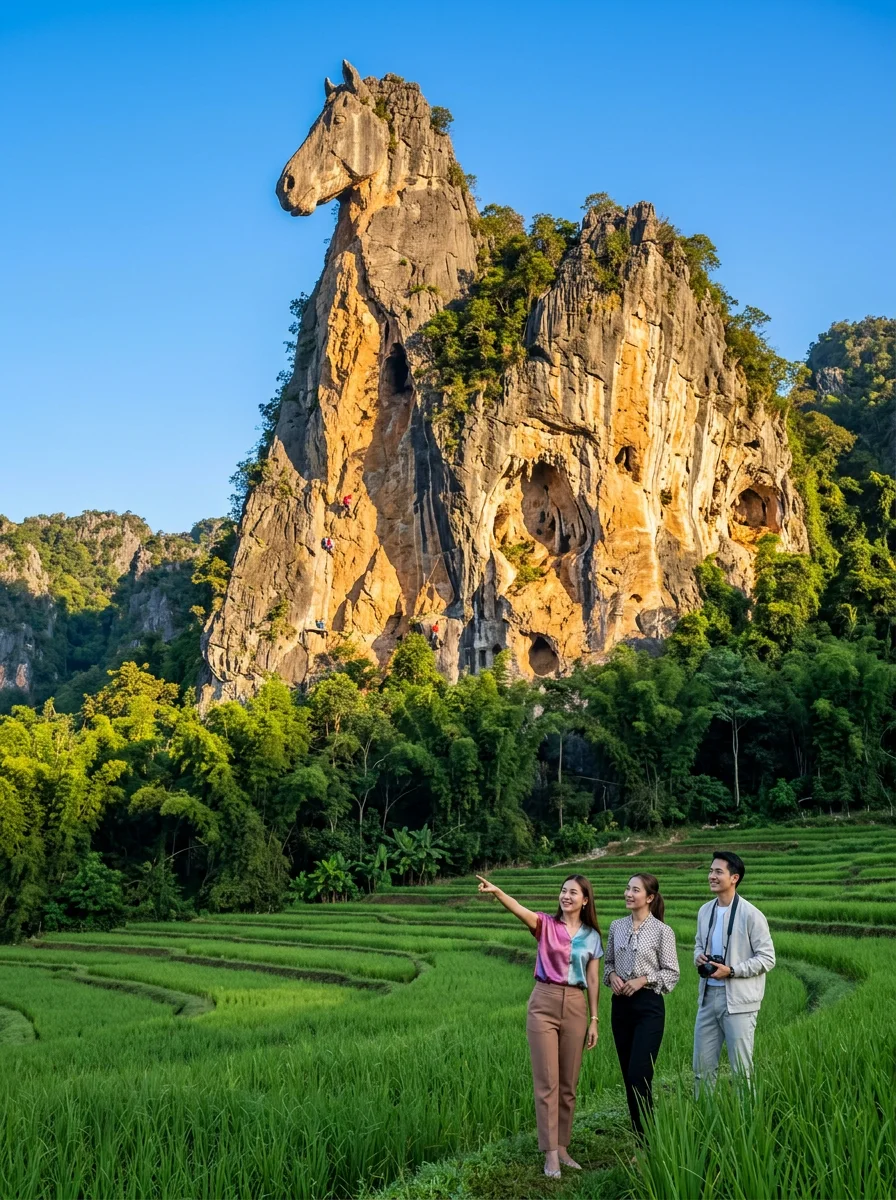
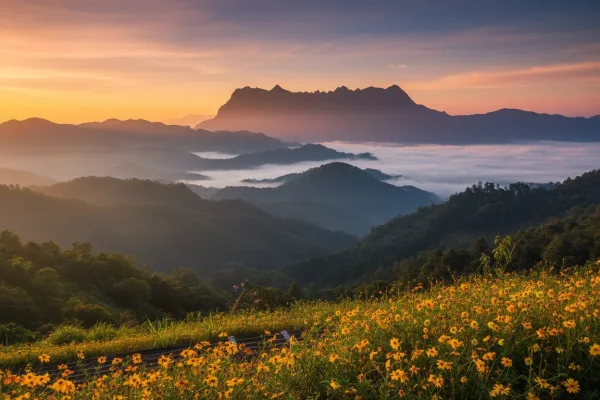
Rising above the rural farming landscape of the Mae On valley, roughly 35 kilometres or a 45-minute drive east of Chiang Mai's Old City, Crazy Horse Buttress forms the focal point of northern Thailand's rock climbing scene. Named after a prominent limestone pinnacle resembling a rearing horse's head, the massif contains nearly 300 bolted sport routes distributed across approximately 20 distinct sectors, ranging from beginner-friendly slabs to steep tufas and cavernous sinkholes. Unlike the humid, maritime sea cliffs of Krabi and Railay, this inland karst delivers crisp, dry rock, reliable friction, and comfortable climbing temperatures throughout the cooler winter months between November and February.
Chiang Mai functions as the primary climbing hub for northern Thailand, with Crazy Horse supported by outlying regional crags at Chiang Dao and Lampang. Stewarded through ongoing cooperation between the Mae On subdistrict community and local technical operators such as Progression Vertical, the destination caters to both guided novices and self-sufficient rope teams. Well-bolted single-pitch lines provide accessible mileage across moderate grades, while multi-pitch outings and subterranean cave descents challenge experienced partnerships. With straightforward transport from the city and a rural setting of orchards and thermal springs, Chiang Mai offers a rewarding outdoor destination for active travellers, long-stay digital nomads, and sport climbers exploring southeast Asia.

Crazy Horse Buttress: Sectors, Route Styles, and Access Protocols
Crazy Horse Buttress stands as northern Thailand's primary developed sport climbing crag, rising from the forested karst hills of the Mae On valley. First bolted in 1998 and steadily expanded by local and international route developers, the massif encompasses around twenty distinct climbing sectors and nearly 300 bolted lines. These walls wrap around a central limestone formation topped by a prominent outcrop resembling a horse’s head. Clear, well-maintained footpaths connect the various faces, allowing rope teams to transition between sectors within five to fifteen minutes of walking. Because the crag faces multiple compass directions, climbers can track shade or escape morning damp throughout the day.
Route character varies sharply across the mountain. The Main Buttress sits two minutes from the car park, presenting immediate single-pitch face climbs alongside multi-pitch outings such as the three-pitch Headhunters (7a+). Nearby, Tamarind Village features lower-angle slabs and moderate routes in the French 4c to 6b bracket, making it a reliable training ground for instruction. For steep power-endurance, The Furnace features overhanging pocketed terrain that stays sheltered from midday heat, while The Ant Hill delivers technical balance testpieces on compact rock. The crag’s defining geological feature remains the Anxiety State Crisis cavern (Tham Wiang Pha), a massive sinkhole roughly 60 to 70 metres deep. Climbers abseil into the subterranean chamber to ascend three-dimensional lines on hanging stalactites and flowstone walls alongside roosting swifts, finishing out into daylight.
| Sector Name | Primary Aspect | Route Count | Typical French Grade Range | Primary Climbing Style |
|---|---|---|---|---|
| Main Buttress | South | 35+ | 5b to 8a+ | Vertical pocketed faces, technical crimps, multi-pitch |
| The Furnace | North-West | 25+ | 6a+ to 7c | Sustained overhangs, endurance pumps, all-day shade |
| Anxiety State Crisis | Cavern / Sinkhole | 18+ | 5c to 7b | 3D cave climbing, stalactites, sinkhole extraction |
| Tamarind Village | West | 15+ | 4c to 6b | Gentle slab, positive edges, instructional top-roping |
| The Ant Hill | North | 20+ | 6b to 7b+ | Compact overhanging walls, technical balance testpieces |
| The Heart Wall | North-East | 12+ | 6a to 7a+ | Long endurance pitches, sheltered steep tufas, deep shade |
Crag access currently operates openly without admission fees or mandatory ranger registrations, but it rests on a delicate administrative history. Following extended closures initiated in 2018 due to land-use disputes between forestry authorities and the Ban Sahakon sub-district organisation, the crag reopened through collaborative community agreements. Maintaining this access requires strict adherence to local stewardship rules: climbers should remain on cleared footpaths to limit soil erosion, pack out all litter, and respect religious structures near monastic dwellings at the Ant Hill. Before setting out from Chiang Mai, independent climbers should check the latest crag status and trail notices with local climbing centres or the updated digital CragFinder guide to ensure permissions remain uninterrupted.
Inland Karst Technical Profiles: French Grades, Friction, and Multi-Pitch Lines
Inland northern limestone presents a markedly different physical and technical challenge to the coastal crags of southern Thailand. While sport climbing in Railay and Tonsai focuses heavily on three-dimensional roof gymnastics, colonnades, and steep tufa-tugging, Crazy Horse Buttress tests vertical face craft. The climbing centres on balance-intensive friction slabs, technical layaways, sharp crimps, and intricate micro-pockets that demand precise footwork and deliberate body positioning rather than sheer compression strength.
Routes follow the French numerical grading system, ranging from beginner-friendly 4s and 5s through to technical testpieces graded up to 8a+. The crag offers exceptional depth for intermediate rope teams, with a dense concentration of classic lines between 6a and 6c+. Because the rock emphasises balance and subtle weight transfers over sustained power endurance, climbers can regularly log substantial route volume across a session without burning out their forearms.
Single pitches typically range between 15 and 30 metres in length. Visiting teams should carry a 60-metre or 70-metre dynamic rope and up to 16 quickdraws to ensure adequate reach and flexibility across all sectors. Multi-pitch outings are a distinct regional feature, including classic ascents such as Headhunters, a three-pitch 7a+ line that finishes high on the horse's chin overlooking the Mae On valley. Chiang Mai's dry winter atmosphere keeps holds crisp and free from the greasy humidity common on maritime sea cliffs, though the sharp, unpolished limestone edges require tough finger skin and attentive rope management on lower-offs.
Discover the real Chiang Mai with this honest travel guide. Explore ancient temples, hidden street food markets, and the best neighbourhoods for your trip.
Beyond Mae On: Chiang Dao, Lampang, and Regional Limestone
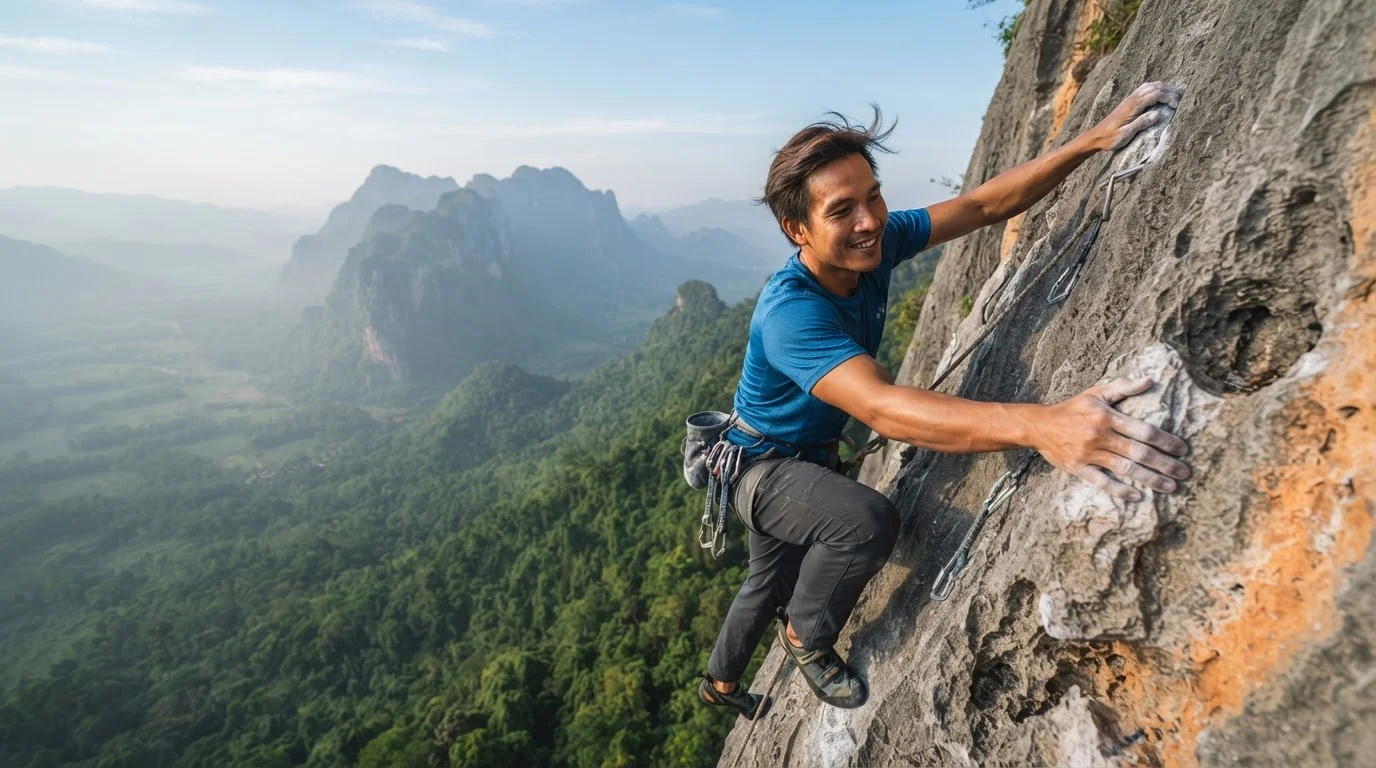
Climbers seeking longer routes and greater independence can venture beyond Mae On to northern Thailand’s satellite crags. These outlying limestone cliffs lack the developed amenities of Crazy Horse Buttress, rewarding self-sufficient rope teams with uncrowded walls and adventurous lines.
Roughly eighty minutes north of Chiang Mai lies Chiang Dao, nestled beneath Doi Chiang Dao, Thailand’s third-highest mountain. The primary venue here is Pha Daeng Wall, where tall limestone pillars emerge from upland forest. Routes here cater largely to intermediate and advanced climbers, with technical lines typically graded from 6a+ to 8a. Bolt spacing tends to run wider than at Mae On, demanding greater composure on lead. The cliff face sits in shadow from around midday onwards, providing comfortable afternoon climbing temperatures during the cooler dry months from November to February. Visiting climbers must register and pay an admission fee of 100 THB for overseas visitors at the local recreational forest office.
Around two hours south-east of Chiang Mai, the limestone crag at Pratu Pha in Lampang province offers northern Thailand’s premier multi-pitch sport climbing. The crag stands inside an active military training reserve managed by the Thai Special Forces. Roped parties can tackle more than fifty single-pitch routes graded from 5 to 7b, alongside sustained multi-pitch lines up to five pitches long, such as the 120-metre route Commander (6b). Strict protocol applies: climbers must register in person at the Pratu Pha camp office between 07:00 and 18:00 upon arrival and departure, paying a 60 THB cash access fee.
Neither Chiang Dao nor Lampang provides gear rental shops, drinking water supplies, or cliff-base amenities. Climbers should travel by hired car or motorbike, carry comprehensive first-aid kits and surplus water, and download route topos in advance.
Chiang Mai Climbing Schools, Guiding Packages, and Equipment Hire
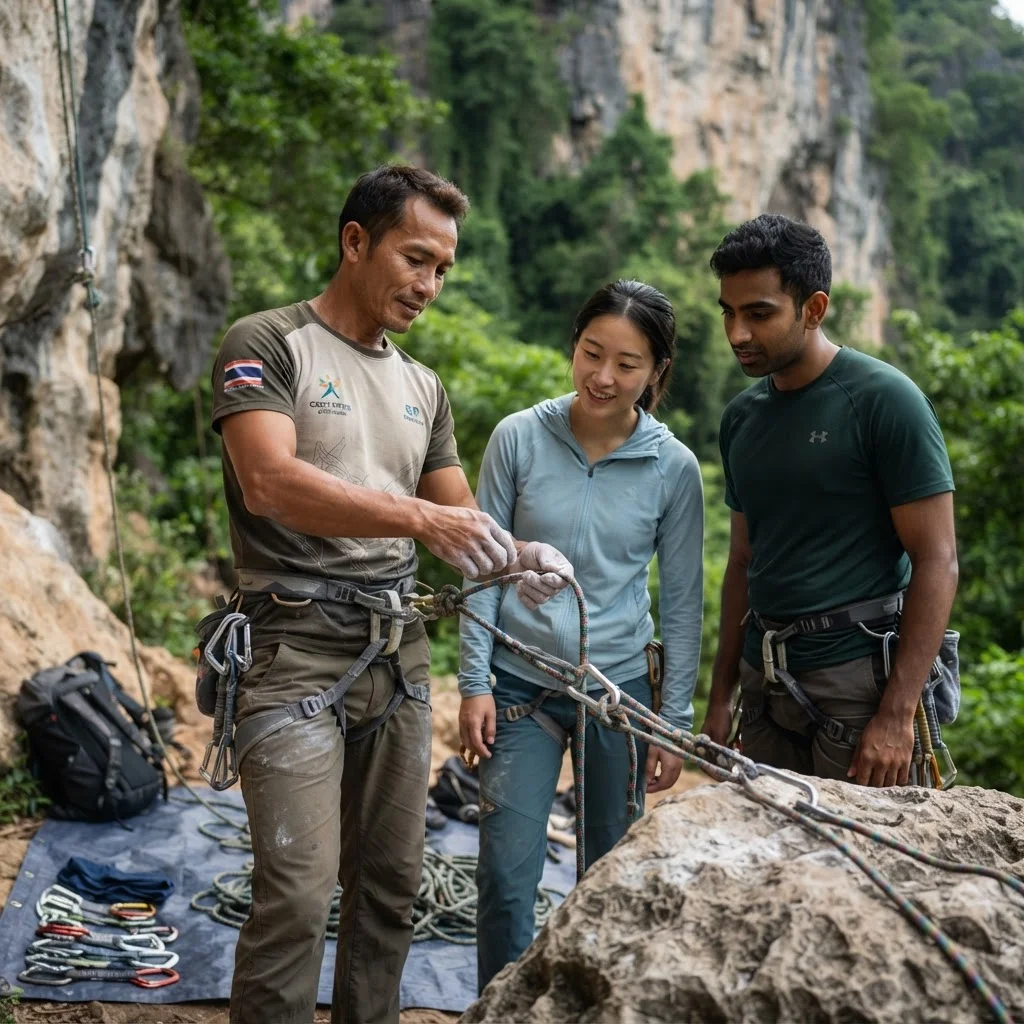
Chiang Mai functions as northern Thailand's main base for rock climbing instruction, guided crag outings, and technical gear rental. Chiang Mai Rock Climbing Adventures (CMRCA), operating from its Progression Vertical facility in Pa Daet south of the Old City, is the primary operator for outdoor courses, equipment hire, and crag shuttles. Guiding staff train under American Mountain Guides Association (AMGA) standards, ensuring structured instructional progressions and rigorous risk management. Full-day introductory sessions take novices onto local limestone, covering footwork fundamentals, top-rope belaying, and crag safety commands. These instructional packages include helmets, harnesses, rock shoes, and chalk bags, alongside return crag transport.
For experienced climbers travelling without heavy luggage, Progression Vertical maintains a dedicated rental department. Independent rope teams can hire sixty-metre dynamic ropes, quickdraw racks, harnesses, helmets, and belay devices by the day. Each rental rope is tracked with an individual use log so climbers can verify its operational history. Securing rental equipment requires leaving either a physical passport or a cash deposit of 10,000 THB for the duration of the hire period. Before heading east to Mae On, visiting climbers should inspect hired ropes for sheath or core wear and verify smooth gate action on all carabiners.
Indoor climbing gyms across Chiang Mai provide training spaces and social hubs where travelling climbers find belay partners and check crag conditions. Progression Vertical features top-rope walls, lead climbing routes, and bouldering areas. In the Old City along Ratchadamnoen Road, Main Wall operates a multi-level indoor facility with bouldering, auto-belays, top-rope lines, and lead walls. To the west along Canal Road, Alpine Outpost at the Wildside CNX sports park provides an open-air bouldering space and gear shop. Digital route topos for Mae On and regional crags are available through community tools, including the CragFinder application developed for northern Thailand.
| Course or Service Option | Target Experience Level | Typical Duration | Includes |
|---|---|---|---|
| Intro to Outdoor Climbing | Complete Novices | Full Day (8 hrs) | Return transport, instruction, climbing equipment, lunch |
| Outdoor Top-Rope Skills | Gym Climbers Moving Outside | Full Day (8 hrs) | Technical instruction, anchor basics, equipment, transport |
| Learn to Lead Sport Course | Competent Top-Ropers | 2 Days | Lead belaying, clipping mechanics, cleaning anchors, rack management |
| Multi-Pitch Guiding Outing | Intermediate Climbers | Full Day (8 hrs) | Certified guide, technical hardware, multi-pitch ascent, transfers |
| Complete Gear Hire Bundle | Independent Climbers | Per Day | 60m dynamic rope, quickdraw rack, harnesses, helmets, belay devices |
Arranging instruction or technical hire through established city facilities ensures properly maintained hardware and qualified guidance for Mae On crags. While experienced rope teams require merely equipment rental and transport, novices and climbers unfamiliar with limestone anchors benefit from structured instruction to learn sound rope-handling mechanics in northern Thailand's karst terrain.
Hardware Integrity, Bolt Safety, and Environmental Ethics
Fixed protection across Chiang Mai’s crags reflects modern sport bolting practices, overseen primarily by local development initiatives. Sitting roughly 40 kilometres inland at an elevation of around 300 metres, Crazy Horse Buttress does not suffer from the aggressive maritime stress corrosion cracking that rapidly degrades stainless steel on coastal sea cliffs in southern Thailand. Nonetheless, sustained rebolting programmes led by local developers have systematically replaced legacy expansion bolts with marine-grade stainless steel and titanium glue-in bolts set with high-grade epoxy across the main routes.
Lower-off stations typically consist of dual independent glue-in rings or lowering carabiners. To prevent premature abrasive grooving on communal hardware, standard crag etiquette requires rope teams to run top-ropes through their own quickdraws or locking carabiners, using the fixed rings only when lowering the final climber or abseiling to clean the line.
Environmental and cultural sensitivity is equally central to climbing in the Mae On valley. Because the region relies on porous limestone aquifers, visitors must pack out all litter, use established toilet facilities at the crag base rather than surrounding forest margins, and brush off heavy chalk build-ups from tufas and slopers. Climbers should also keep noise levels modest around nearby shrines and sacred caverns, particularly Tham Muang On, where local residents frequently hold religious worship.
Location and Getting There
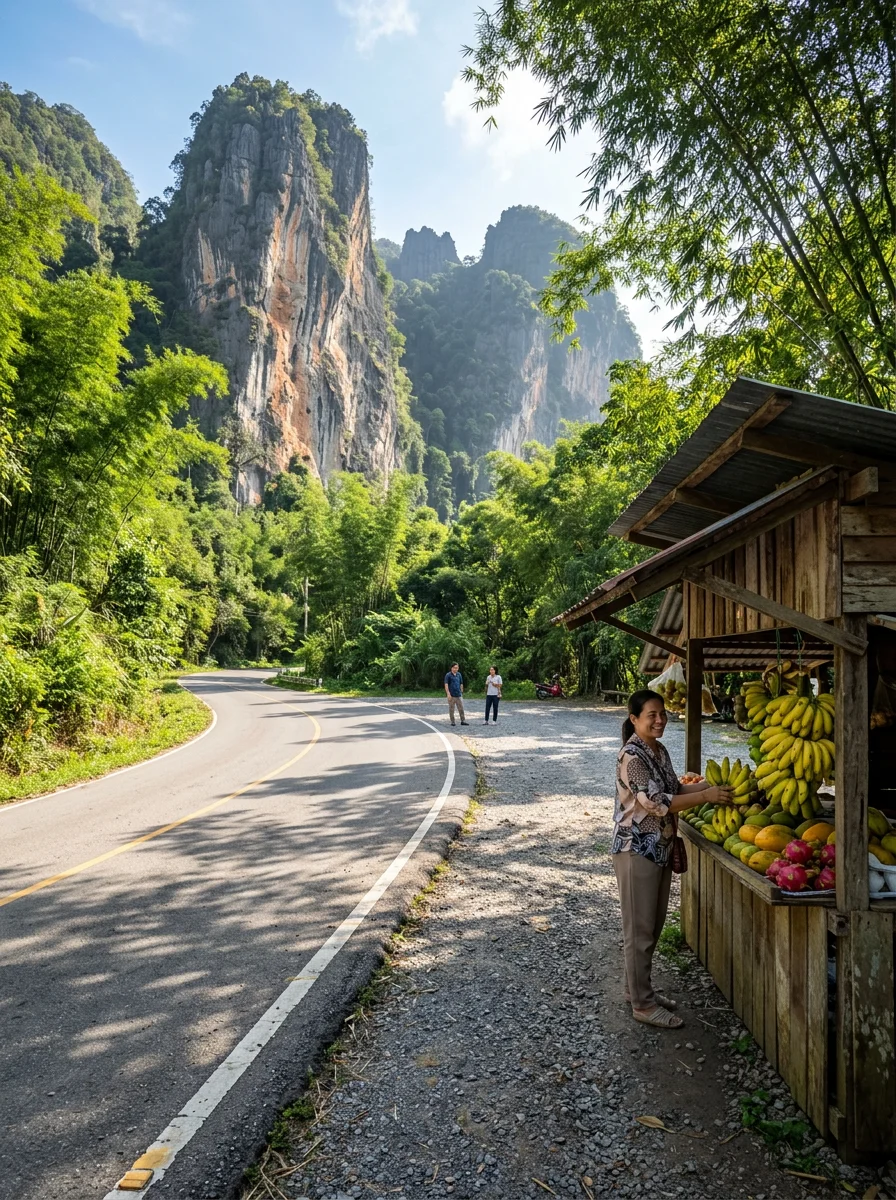
Crazy Horse Buttress lies in the Mae On district of Chiang Mai province, roughly 38 kilometres east of Chiang Mai Old City and 45 kilometres from Chiang Mai International Airport. Driving takes between 45 and 55 minutes, following Highway 1317 eastwards across the valley or taking Route 1006 through San Kamphaeng.
Independent climbers frequently hire a 125cc scooter in the city for 200 THB to 300 THB (£4.50 to £7) a day. The route along Highway 1317 is straightforward and well surfaced, though riders need a valid motorcycle licence and an International Driving Permit, as police checkpoints are common around the city exits. A private car, Grab, or metred taxi costs around 700 THB to 900 THB (£16 to £21) one way. Ride-hailing drivers are readily available for the outward journey, but return pickups in rural Mae On are scarce; arrange a fixed round-trip fare or negotiate waiting time with the driver beforehand.
Shared transport is available through Progression Vertical climbing centre, which operates an open-air red truck (songthaew) shuttle between its gym and Crazy Horse. The shuttle costs 495 THB (around £11.50) per person round trip, departing at 08:30 and leaving the crag at 16:30. The service requires at least four passengers, includes drinking water refills and a packed local lunchbox, and must be booked by 19:30 the evening before.
Costs and Booking
Climbing in Chiang Mai accommodates both independent rope teams and travellers booking guided tuition. Independent cragging is relatively inexpensive, as Crazy Horse Buttress currently carries no mandatory municipal entrance fee. Rope teams climbing independently generally fund their own transport and kit, though voluntary community donations or spending at local Mae On stalls support access maintenance and crag goodwill. Commercial guiding and technical courses run throughout the year, with peak demand occurring from November to February when cooler, dry weather brings heavy bookings. During this winter period, guide availability tightens, making booking two to four weeks in advance sensible for weekend slots and multi-pitch itineraries.
Guided full-day packages typically cover round-trip transport from central Chiang Mai, technical hardware, an AMGA-trained guide, insurance, and lunch. Private guiding carries a supplement for solo climbers requesting one-to-one instruction, whereas small groups receive reduced per-person rates. Independent climbers hiring kit in the city should expect strict deposit terms: outfitter Progression Vertical requires either a physical passport or a 10,000 THB cash deposit for the duration of the rental.
| Service or Item | Cost (THB) | Cost (GBP) | Details |
|---|---|---|---|
| Full-Day Group Intro Course | 2,995 to 3,995 | £68 to £91 | Per person; includes transport, guide, gear, lunch, and insurance |
| Private Guiding Day | 5,495 to 7,995 | £125 to £182 | Per person; covers 1:1 or small-group guiding, transport, and gear |
| Outdoor Learn to Lead Course | 5,995 to 8,000 | £136 to £182 | Per person; covers lead belaying, clipping, and anchor cleaning |
| Full Gear Rental Package | 800 to 1,200 | £18 to £27 | Per day; 60m dynamic rope, quickdraw set, harness, helmet, belay device |
| Daily Climbing Shoe Rental | 100 to 200 | £2.30 to £4.50 | Per pair per day; collected from city climbing gym |
| Return Crag Shuttle | 400 to 500 | £9 to £11.50 | Per person return; shared red truck transport between city and crag |
Standard cancellation policies among local providers permit full refunds up to three days prior to the excursion, whereas cancellations within 72 hours generally incur a 500 THB fee and same-day cancellations are non-refundable. Most operators process card payments online or take cash at their urban climbing gyms. Independent travellers arranging gear hire should check ropes and hardware upon collection, recording any existing wear on the rental log before heading out.
Who It Suits Best
Sport climbing around Chiang Mai appeals directly to active couples, solo travellers, and competent sport climbers seeking limestone routes within easy reach of city comforts. The crags are especially well matched to indoor gym climbers looking to transition onto natural rock under the guidance of American Mountain Guides Association (AMGA) trained instructors. Digital nomads based in the city centre can comfortably work during the week and head out to the Mae On valley on day trips.
Conversely, the area does not suit travellers seeking resort-style conveniences at the base of the cliff, nor deep-water soloists looking for coastal sea jumps. Reaching the climbing sectors requires negotiating steep forest paths, high humidity, and tropical heat, so it is unsuited to anyone uncomfortable with rough ground or biting insects.
What to Know Before You Book
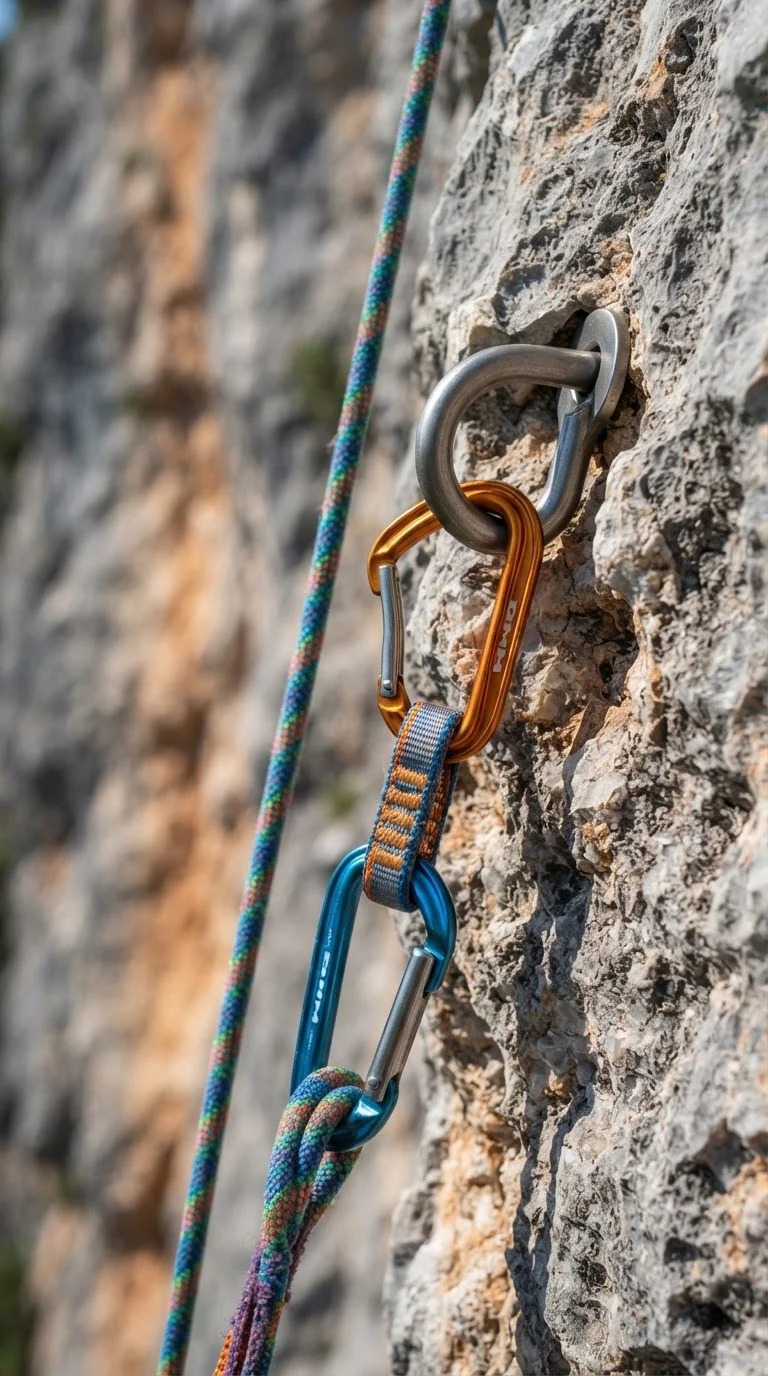
Four practical factors govern an outdoor climbing trip in northern Thailand
Seasonal air quality shapes the climbing calendar. The regional burning season, running roughly from mid-February to late April, generates thick agricultural and forest-fire smoke. Particulate matter (PM2.5) frequently reaches hazardous levels in the mountain basins, making strenuous aerobic exercise risky. The clearest skies and most comfortable temperatures occur between November and early February.
Crag access can shift over time. Crazy Horse Buttress sits on public land managed through local subdistrict administration and forestry oversight. The crag has experienced prolonged administrative closures in the past while land-use permissions were negotiated. Although routes are currently accessible, check the latest status with local climbing shops in Chiang Mai rather than relying on older printed guidebooks.
Local wildlife demands regular vigilance around the cliff base. Paper wasps, hornets, and wild bees frequently establish nests beneath high roofs and overhangs, while scorpions and centipedes take shelter under loose boulders. Check the rock face above your intended line for active hives before leaving the ground.
Finally, standard travel insurance typically excludes roped outdoor climbing. Verify that your policy explicitly covers technical sport climbing on natural rock, including mountain search, rescue, and emergency medical evacuation.
Practical Tips
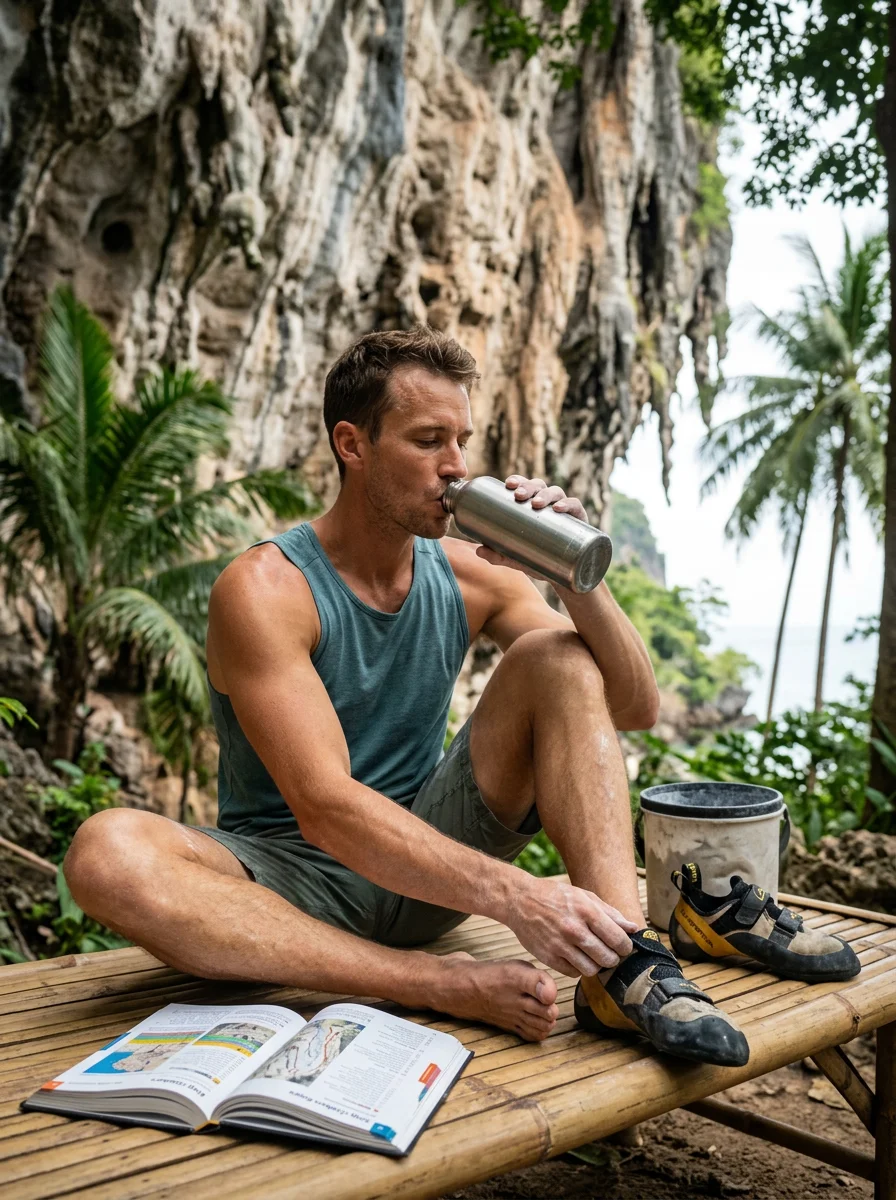
Start climbing days early, aiming to arrive at the crag around eight in the morning. Crazy Horse's main south-facing walls catch direct sun by late morning, making the rock uncomfortably warm and slick. Starting in the cooler morning air allows several comfortable pitches before moving to shaded sectors, such as the cave formations or west-facing crags, during the afternoon. The inland Mae On valley generates intense midday heat and humidity, and there is no running drinking water once you leave the car park area. Carry at least two to three litres of water per person, alongside electrolytes during hotter spells.
Wear a certified climbing helmet at crag bases and on belay duty. Fractured karst limestone can shed loose rock, and climbers or nesting birds on higher tiers easily dislodge debris into belay zones. For approach walks, light breathable trousers and sturdy closed-toe shoes are preferable to shorts and flip-flops. Shaded trails pass through undergrowth harbouring mosquitoes, stinging nettles, and hairy cowhage pods (ma mui), which shed severely irritating fibres if brushed against. A high-strength insect repellent helps deter biting insects around forest paths and sheltered cave mouths.
Pack generous chalk supplies and a liquid chalk underlayer to counter tropical humidity, which quickly reduces friction on technical limestone holds. When sport climbing on lead, carry 15 to 18 quickdraws; routes feature closely spaced bolts, and wandering lines can produce noticeable rope drag without extended runners. A rope tarp helps keep grit and red clay out of your cord. Before travelling out, download the relevant topos on the CragFinder application. Mobile phone coverage throughout the rural Mae On valley and deep sinkholes is patchy, making saved topos and descent notes invaluable.
After packing down, stop at San Kamphaeng Hot Springs, roughly ten minutes by road from the Crazy Horse car park. The mineral pools and public footbaths offer a straightforward way to ease tired muscles before making the forty-minute return drive to Chiang Mai.
Quick Reference Table
| Item | Detail | Notes |
|---|---|---|
| Primary Venue | Crazy Horse Buttress (Mae On valley) | Karst massif located ~38 km (45–55 mins drive) east of Chiang Mai |
| Route Volume | Nearly 300 bolted sport routes across ~20 sectors | Ranging from single-pitch face lines to 3-pitch multi-pitch ascents |
| Grade Range | French 4c to 8a+ | Dense concentration of intermediate routes between 6a and 6c+ |
| Access & Crag Fees | Free entry at Crazy Horse Buttress | Chiang Dao costs 100 THB; Lampang Pratu Pha costs 60 THB |
| Best Time to Climb | November to February | Cooler dry winter conditions with reliable rock friction |
| Season to Avoid | Mid-February to late April | Regional burning season causes hazardous PM2.5 smoke levels |
| Essential Gear | 60m–70m dynamic rope, 15–18 quickdraws, helmet | Sharp limestone requires tough skin; rope tarp protects cord from grit |
| Full-Day Intro Course | 2,995 THB to 3,995 THB (£68 to £91) per person | Includes AMGA-trained guide, gear, crag transfers, and lunch |
| Private Guiding Day | 5,495 THB to 7,995 THB (£125 to £182) per person | Tailored 1:1 or small-group instruction including transport and kit |
| Full Gear Rental Package | 800 THB to 1,200 THB (£18 to £27) per day | Requires physical passport or 10,000 THB cash deposit |
| Transport Options | Scooter (200–300 THB/day), taxi (700–900 THB one way), crag shuttle (495 THB return) | Shuttle runs via Progression Vertical (minimum 4 passengers) |
| Post-Climb Recovery | San Kamphaeng Hot Springs | Mineral baths and foot pools located 10 minutes from crag car park |
| Website | https://thailandclimbing.com | Progression Vertical / Chiang Mai Rock Climbing Adventures |
| Phone | +66 86 911 1470 | Progression Vertical climbing gym and guide office |
| Address | Progression Vertical, 9/10 Pa Daet Sub-district, Mueang Chiang Mai District, Chiang Mai 50100 | City hub for courses, gear rental, shuttles, and indoor training |
FAQ: Rock Climbing in Chiang Mai
Where is Crazy Horse Buttress located and what kind of climbing does it offer?
What are the best months for rock climbing in Chiang Mai, and which season should be avoided?
Are there any admission fees to climb at Crazy Horse Buttress?
What gear is recommended for climbing at Crazy Horse Buttress?
What should climbers check when renting equipment in Chiang Mai?
What environmental guidelines should climbers follow at Crazy Horse Buttress?
What are the requirements for renting a scooter to get to Crazy Horse Buttress?
What should climbers consider when using ride-hailing services to Crazy Horse Buttress?
Does standard travel insurance cover rock climbing in Chiang Mai?
What are some practical tips for climbing at Crazy Horse Buttress?
Reviewed by the Thailand Guide Editorial Team • Last reviewed: 17 November 2026
This page is provided for general information only. While we aim for accuracy, details can change — please verify anything important independently before relying on it.