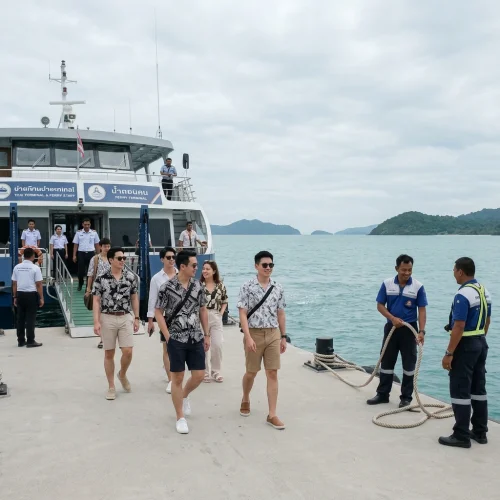
Freshwater Fishing in Thailand
A heavy boat rod bent double against an eighty-kilogram Mekong giant catfish will test your arms within minutes. Battling freshwater leviathans in tropical heat of thirty degrees Celsius turns an ordinary session into an intense physical workout, whether you are hauling specimens from a commercial Bangkok pay-lake or casting lures across a misty jungle reservoir.
Thailand has developed one of the world's most diverse freshwater sport-fishing scenes. Purpose-built commercial lakes hold captive-bred native monsters alongside imported Amazonian giants, while natural river systems and national park reservoirs provide wild sport for predatory snakehead and jungle perch.
This guide navigates the full spectrum of freshwater angling across the country. We examine the differences between accessible urban day-ticket fisheries, dedicated specimen holiday resorts, and guided wilderness expeditions. You will find practical venue profiles stretching from Chiang Mai to Krabi, realistic session costs in Thai Baht and British Pounds, tackle and bait requirements, fish-welfare rules, and seasonal conditions to help you plan a productive trip.

Thailand’s Heavyweight Freshwater Species
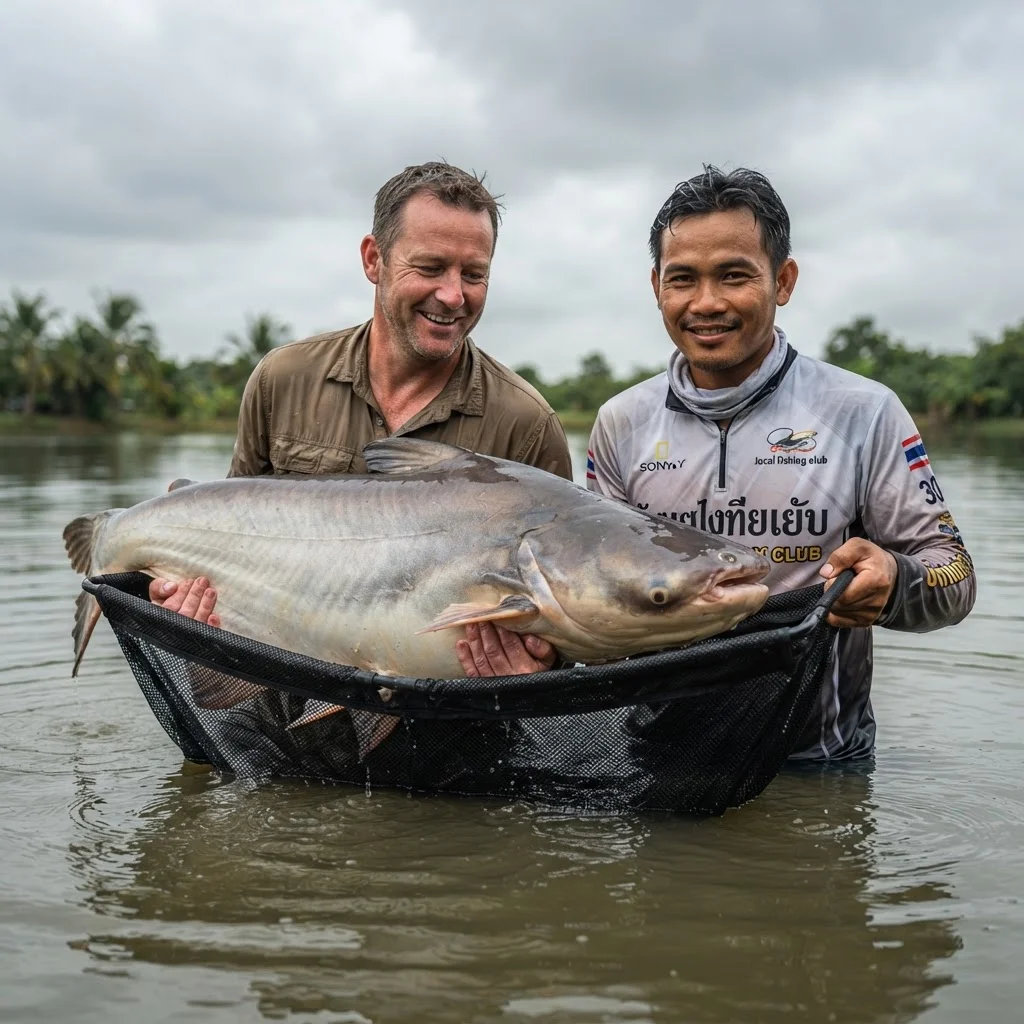
Thailand holds an extraordinary concentration of specimen freshwater fish, split between celebrated indigenous river giants and introduced apex predators. Managed commercial lakes, specialist resorts, and natural river systems provide access to fish capable of testing heavy big-game tackle, with multiple species regularly exceeding 50 kilograms.
Native species represent genuine river heritage. The Mekong giant catfish (Pangasianodon gigas) is critically endangered in wild river channels due to dam construction and overfishing, yet captive-bred stocks thrive in commercial pay-lakes where specimens regularly exceed 100 kilograms. Once hooked, they produce relentless linear surges and deep-water sulking that test angler stamina. Sharing these fisheries is the Siamese giant carp (Catlocarpio siamensis), the largest cyprinid on earth. Lacking barbels, this vegetarian browser sifts paste baits and boilies along the silt bed, hooking into locomotive-like runs that exert unyielding pressure.
In free-flowing waterways such as the Mae Klong River, the giant freshwater stingray (Urogymnus polylepis) represents the heaviest natural challenge. Growing to disc widths over two metres and weights exceeding 200 kilograms, this benthic ray locks itself against the riverbed through hydraulic suction, demanding marine stand-up tackle and coordinated teamwork to pry free. By contrast, the native giant snakehead (Channa micropeltes) is an ambush predator inhabiting weed beds and submerged timber in natural reservoirs. Striking surface lures with sudden violence, it immediately dives towards heavy snags.
Commercial fisheries have augmented these native fish with predatory species imported from South America and North America. The arapaima (Arapaima gigas) is the premier exotic quarry, cruising lake margins and surfacing to breathe. Despite reaching 150 kilograms, arapaima have delicate spinal structures requiring careful handling in shallow water; their takes on deadbaits produce explosive topwater thrashing and headshakes. Amazon redtail catfish (Phractocephalus hemioliopterus) provide aggressive takes on fish chunks, bulldogging down deep near platform pilings. North American alligator gar (Atractosteus spatula) add armoured scales and slashing aerial combat, while farmed barramundi (Lates calcarifer) test lighter lure setups with acrobatic leaps.
Targeting these heavyweight fish requires matching presentation to specific feeding biology, from method feeders packed with cereal paste to floating deadbaits and weedless surface frogs.
| Species | Origin | Typical Weight | Fight Characteristics | Effective Baits | Conservation Status |
|---|---|---|---|---|---|
| Mekong Giant Catfish | Native | 30–120 kg | Relentless linear surges, deep sulking | Rice bran or bread paste on a method feeder | Critically Endangered (Wild) |
| Siamese Giant Carp | Native | 25–90 kg | Heavy continuous runs, stubborn bottom holding | Fermented breadcrumb, method paste, boilies | Critically Endangered (Wild) |
| Arapaima | Introduced (Amazon) | 40–150 kg | Explosive surface strikes, heavy headshakes, leaps | Deadbait sea fish, whole tilapia, large lures | Data Deficient (CITES Appendix II) |
| Giant Snakehead | Native | 2–9 kg | Violent ambush takes, immediate weed diving | Walk-the-dog surface stickbaits, buzzing frogs | Least Concern |
| Giant Freshwater Stingray | Native | 80–250 kg | Immovable riverbed suction, sheer downward mass | Heavy deadbaits, whole squid on running rigs | Endangered |
| Amazon Redtail Catfish | Introduced (Amazon) | 10–40 kg | Hard initial run, stubborn bottom circling | Fish chunks, mackerel strips, chicken hearts | Least Concern (Captive Stock) |
| Barramundi | Native / Farmed | 3–12 kg | Acrobatic jumps, violent gill-plate rattling | Soft plastics, diving jerkbaits, surface poppers | Least Concern |
Managed Day Lakes vs Specimen Fishing Resorts
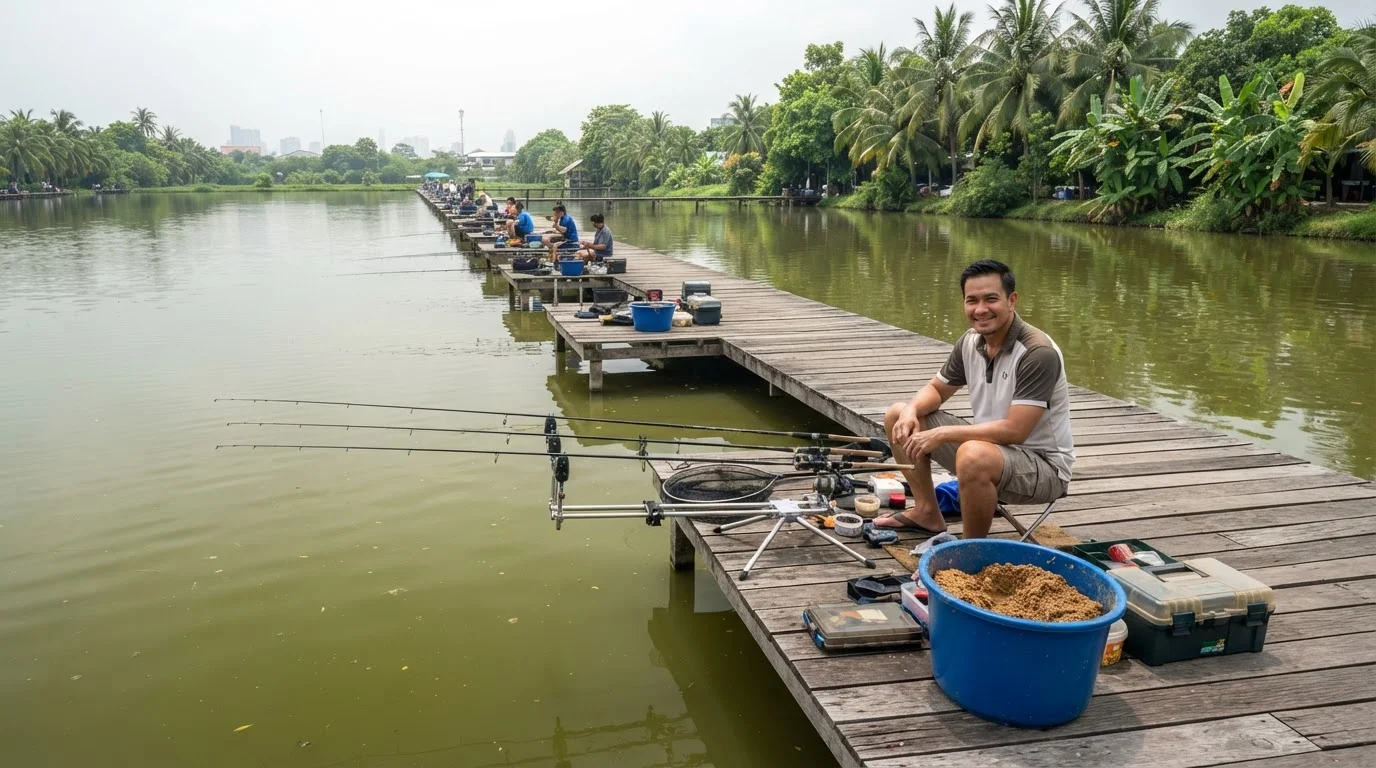
Selecting between an urban day fishery and a dedicated residential specimen resort determines your daily rhythm, comfort level, budget, and catch expectations. Both models play a central role in Thai freshwater angling, but they cater to completely different styles of fishing.
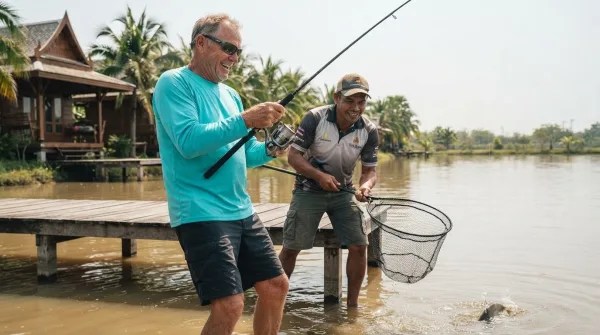
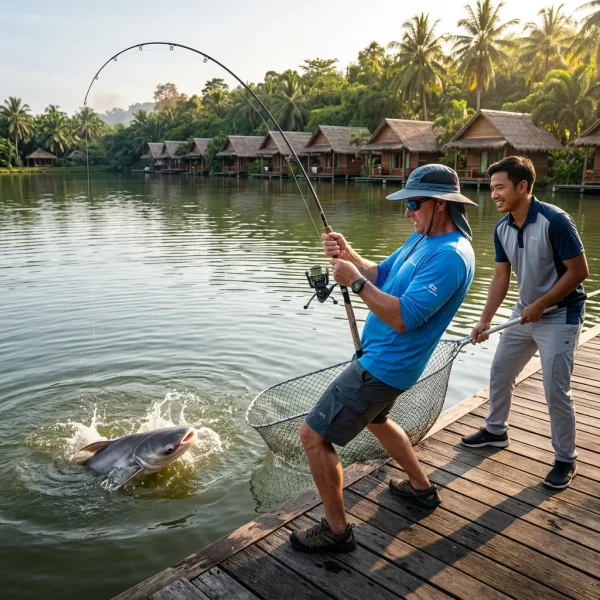
Urban commercial day lakes, such as Bungsamran on the outskirts of Bangkok, focus on high-volume action. Anglers set up on shared wooden boardwalks or hire private lakeside day bungalows costing 1,000 to 5,000 THB (approx £22 to £111) per session. Fishing revolves around heavy method feeders packed with large balls of scented rice bran or breadcrumbs. Bites come thick and fast. Mekong giant catfish feed aggressively across the open water, making multiple hook-ups per session standard. However, the environment is commercial and lively, with background music, buzzing golf carts, and crowded platforms during peak weekend sessions. A full-day package at Bungsamran for an overseas angler currently costs 6,000 THB (approx £133), which includes tackle, bait, and a guide.
Residential specimen resorts, such as Gillhams Fishing Resort in Krabi or Jurassic Mountain Resort in Cha-am, operate on an entirely different scale. These venues strictly limit angler numbers to preserve fish welfare and water peace. Gillhams, for example, caps its 12-acre main lake at 16 anglers across 25 swims. Anglers fish from spacious, manicured swims or private shaded pavilions surrounded by limestone cliffs. Rather than hauling catfish continuously, anglers methodically target specimen Siamese giant carp and arapaima using modern European carp tactics, electronic bite alarms, and padded unhooking cradles.
On-site facilities at specimen resorts reflect a holiday retreat rather than a day fishery, featuring air-conditioned villas, swimming pools, clubhouses, and dedicated angling guides. Gillhams does not operate all-inclusive meal packages; breakfast is included, while lunch and dinner are ordered from the restaurant. Casual day-ticket access is either strictly banned or heavily restricted to protect resident guests, meaning visits must be reserved months in advance.
| Venue Category | Urban Commercial Lake | Specialist Specimen Resort | Lure-Only Predator Pond | Local Pay-To-Fish Lake |
|---|---|---|---|---|
| Typical Daily Cost | 2,000–6,500 THB (£44–£144) | 9,000–22,500 THB (£200–£500) | 1,200–5,000 THB (£27–£111) | 300–800 THB (£7–£18) |
| Fishing Pressure | High, public swims close together | Strictly limited angler swims | Moderate to high; roving bank access | Moderate; primarily Thai local anglers |
| Fish Density | Extremely high; continuous action | Controlled specimen density | High concentration of predatory fish | Moderate; mixed native coarse fish |
| Facility Standard | Basic wooden salas, fan or AC day rooms, simple cafes | Luxury poolside chalets, clubhouses, tackle shops | Clean clubhouses, gear rental, lakeside drinks stalls | Basic timber benches, rustic drinks shacks |
| Ideal Angler Profile | Action hunters, day-trippers, short stays | Serious specimen anglers, couples, long holidays | Lure purists, fly anglers, active roving casters | Budget anglers, self-sufficient travellers |
Plan a Northern Thailand trip covering Chiang Mai, Chiang Rai, Sukhothai, mountain routes, Lanna food, transport, seasons and air quality.
Wilderness Angling: Reservoirs, Dam Lakes, and Rivers
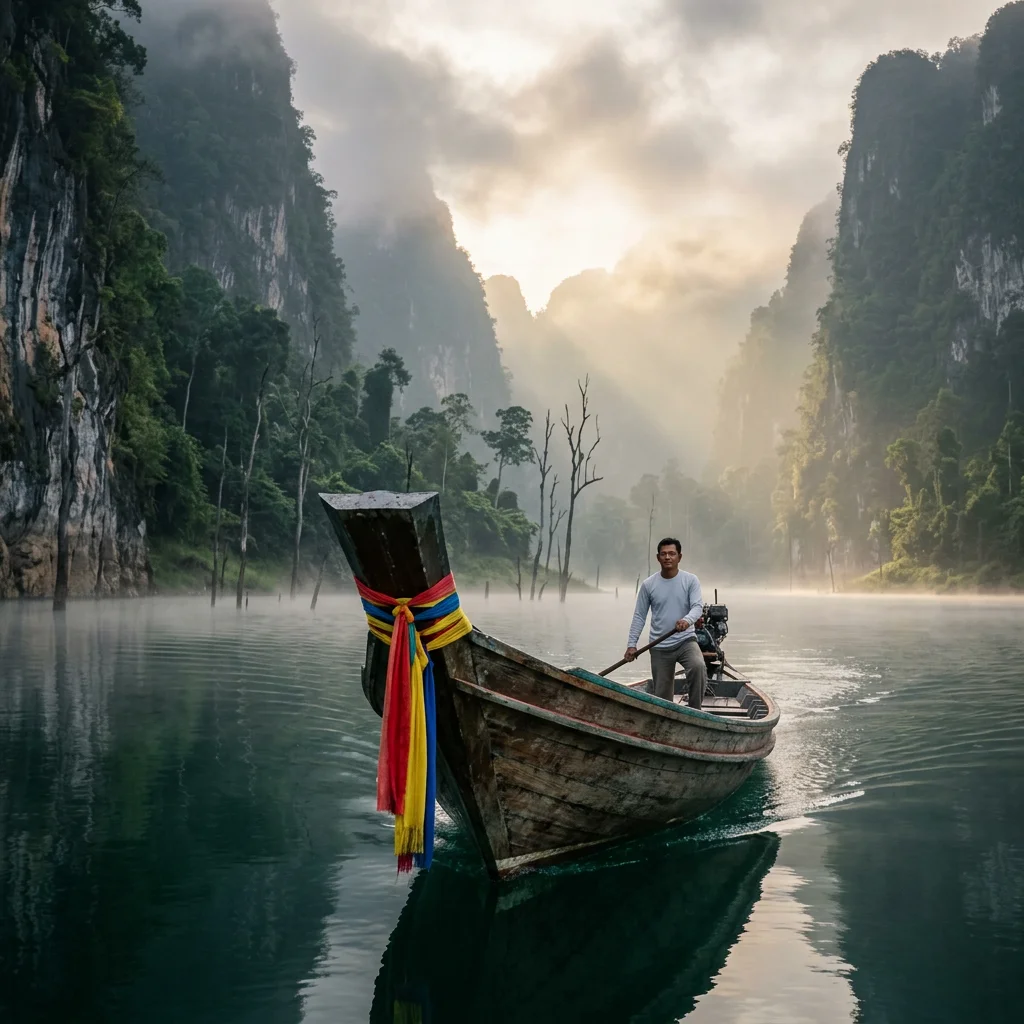
Venturing beyond managed commercial fisheries reveals Thailand’s wild inland waterways, where quarry must be tracked across vast expanses of open water and strikes require accurate presentation. Rather than targeting high-density stocked ponds, wild angling centres on expansive hydroelectric reservoirs and tidal river systems.
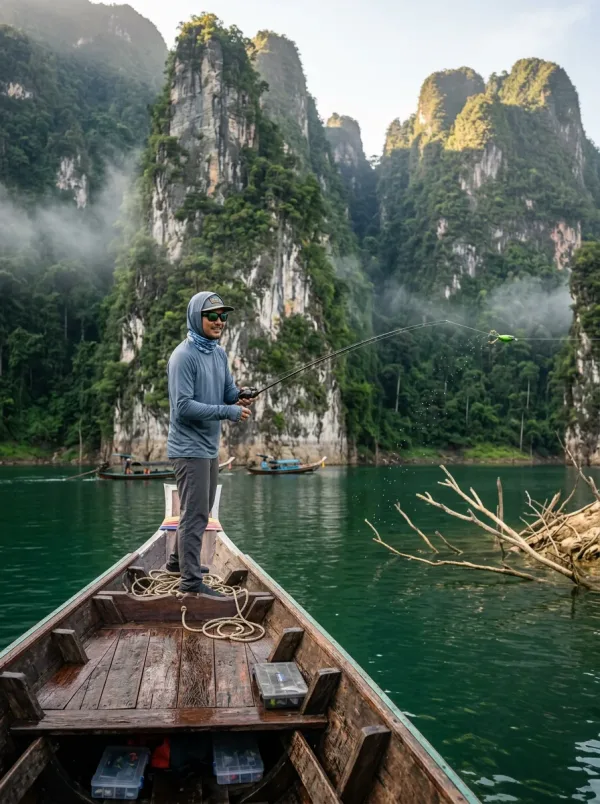
Cheow Lan Lake inside Khao Sok National Park covers roughly 165 square kilometres of submerged tropical rainforest framed by sheer limestone karsts. Anglers fish from traditional longtail boats at first light, casting topwater buzzbaits, jump frogs, and shallow crankbaits tightly against flooded tree trunks for wild giant snakehead and jungle perch (hampala barb). Strikes on surface lures are explosive, with hooked snakeheads turning immediately toward submerged timber to wrap lines around drowned hardwood. Upstream feeder streams, particularly along the Khlong Saeng river system, also provide seasonal clear-water sight fishing and fly fishing for jungle mahseer.
In western Thailand, Kanchanaburi province features two massive impoundments: Khao Laem Dam and Srinakarin Reservoir. Both fisheries cover hundreds of square kilometres of flooded river valleys. Multi-day trips rely on floating wooden raft houses moored in secluded coves, which provide isolated base camps. While lure anglers work shoreline weedbeds and timber for snakehead, stationary anglers ledger boilies and fermented grain baits along deep drop-offs to target wild Indian carp (rohu), featherback, and endemic river catfish.
Wild river angling delivers an entirely different test on the Mae Klong and Bang Pakong rivers. These deep, tidal waterways hold the giant freshwater stingray, one of the world's heaviest freshwater species. Specialist skippers anchor in deep river channels, deploying heavy marine stand-up rods, high-capacity multiplier reels, and braided mainlines up to 130 pounds. Baits such as live mud crabs or whole squid are pinned to the muddy riverbed with heavy breakaway lead weights. Once hooked, a mature ray clamps against the river floor, initiating a gruelling physical tug-of-war that demands hours of sustained pressure to overcome.
| Wild Location | Main Species | Best Fishing Technique | Accommodation Style | Accessibility from Hubs |
|---|---|---|---|---|
| Cheow Lan Lake (Khao Sok) | Giant snakehead, hampala barb, Thai mahseer | Topwater lures, shallow crankbaits, streamer flies | Floating bamboo raft houses, basic eco-resorts | 2.5 hours by road from Phuket or Surat Thani |
| Khao Laem Dam (Kanchanaburi) | Giant snakehead, Indian carp (rohu), featherback | Casting drowned timber, deep groundbait ledgering | Moored floating houseboats, rustic edge bungalows | 4.5 to 5 hours by road northwest of Bangkok |
| Mae Klong River (Samut Songkhram) | Giant freshwater stingray, Chao Phraya catfish | Heavy river ledgering, live mud crab, whole squid | Riverside guest houses, boutique town hotels | 1.5 hours by road southwest of central Bangkok |
| Srinakarin Reservoir | Hampala barb, giant snakehead, river catfish | Surface walking lures, sinking spoons, live baiting | Floating rafts, lakeside resort cabins | 3.5 hours by road west of Bangkok |
Tackle, Baits, and Tactics for Heavyweight Quarry
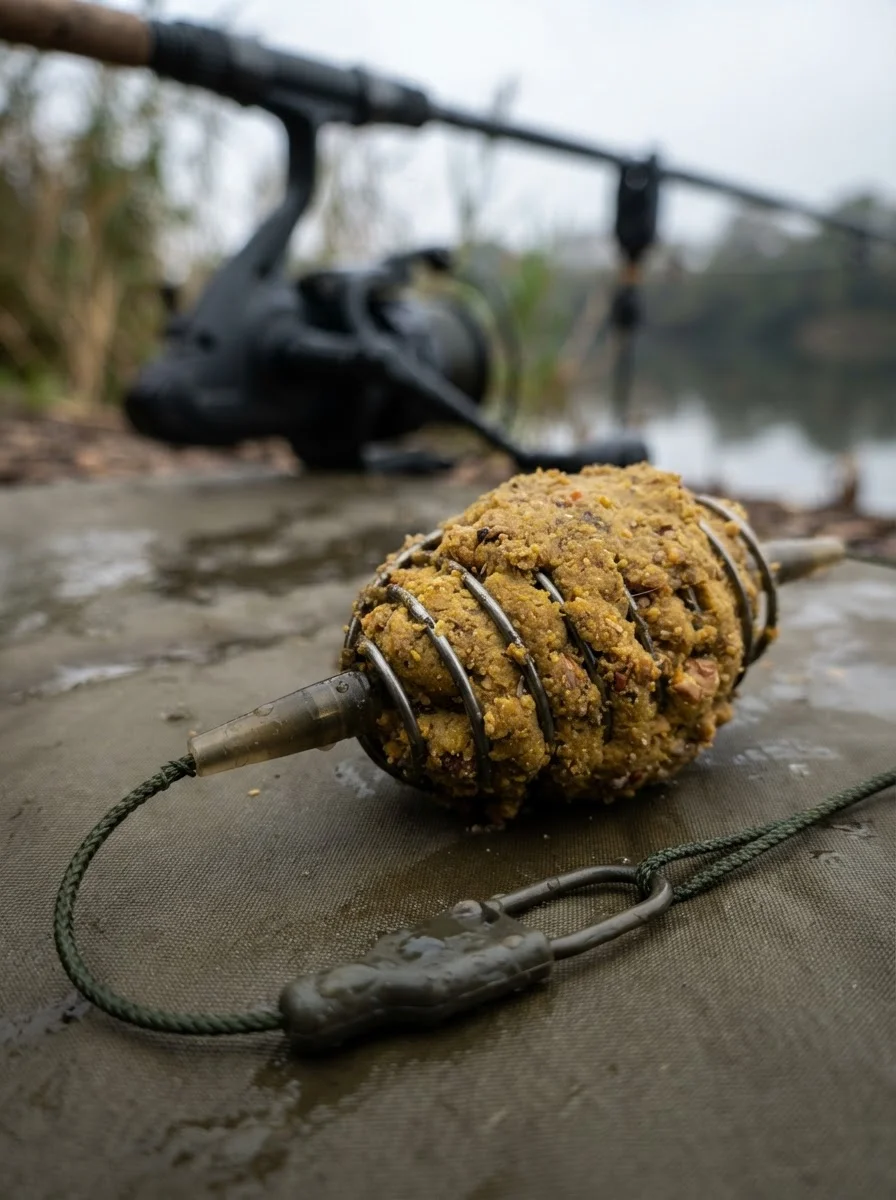
Targeting freshwater fish that weigh as much as an adult human exposes weaknesses in standard angling gear within seconds. Commercial day-ticket venues and specialist specimen lakes require purpose-built tackle capable of withstanding prolonged runs and immense deadweight pressure.
At commercial bait waters, the standard presentation centres on a heavy inline wire cage feeder or method frame fished on a running ledger. Anglers prepare a groundbait base of finely milled rice bran or softened breadcrumbs, blended with flavourings such as coconut milk, pandan extract, or fermented banana. This mixture is packed into an orange-sized ball around the feeder. A short braided hooklink of five to ten centimetres (typically 50 to 80-pound breaking strain) terminates in a strong, forged barbless hook. Anglers tip the hook with a small piece of buoyant foam or bread crust to make it neutrally buoyant beside the dissolving groundbait, ensuring feeding catfish and giant carp inhale the hook as they vacuum up the scent cloud. Heavy European-style carp rods with test curves of 3.5 to 5 pounds, matched with 8000 to 10000-size baitrunner or big-pit reels and 50 to 80-pound braided mainline, form the core setup.
Predator fisheries demand a completely different approach. At dedicated lure lakes such as Pilot 111, anglers pursue barramundi and giant snakehead using medium-heavy, fast-action spinning or baitcasting outfits. Reels spooled with 20 to 30-pound braided mainline require heavy fluorocarbon or wire leaders of 40 to 60 pounds to withstand abrasive mouth pads and sharp teeth. Surface poppers, prop baits, weedless soft-plastic frogs, and deep-diving jerkbaits provoke territorial strikes around aerators, marginal reeds, and weed lines.
Tackle maintenance requires diligent attention throughout a session. Warm tropical lake water and protracted friction place severe strain on reel drag washers and line. Test terminal knots thoroughly under firm tension, inspect leaders for abrasion after every hook-up, and avoid leaving spools in direct equatorial sunlight where heat degrades line strength.
Fish Welfare, Handling, and Regulations
Thailand’s specimen fisheries enforce strict fish-care standards to ensure prized stock survives frequent catch-and-release angling. Unhooking and photography protocols differ considerably from UK coarse fishing, particularly for heavy tropical species.
Large carp and catfish are kept in the water whenever possible. For giant arapaima, removing the fish completely from the lake is prohibited at reputable venues like Gillhams and Jurassic Mountain. Because these air-breathers lack a rigid skeletal structure capable of supporting their massive weight on dry land, lifting them out of the water exerts severe pressure on their internal organs and can break vertebrae. Anglers instead step into the margins in shorts or waders to cradle the fish alongside guides for in-water photography. High-end resorts supply oversized floating weigh slings, padded cradles, and antiseptic spray to treat hook marks. Single barbless or micro-barbed hooks are standard, while treble hooks and unattended rods are routinely barred.
Angling regulations distinguish sharply between private and public waters. Thailand has no nationwide recreational rod licence comparable to the UK Environment Agency permit. At managed pay-lakes, your day-ticket or booking fee covers access and permission. Public rivers and reservoirs fall under the Department of Fisheries, where rod-and-line angling is generally permitted outside seasonal spawning bans and designated conservation sanctuaries. In contrast, national parks are strictly protected under the National Park Act B.E. 2562. On waters such as Cheow Lan Lake in Khao Sok National Park, anglers must pay the standard park entrance fee of 300 THB (approx £7) and fish only in designated zones accompanied by licensed local boatmen.
Top Venues Across Thailand’s Prime Fishing Regions
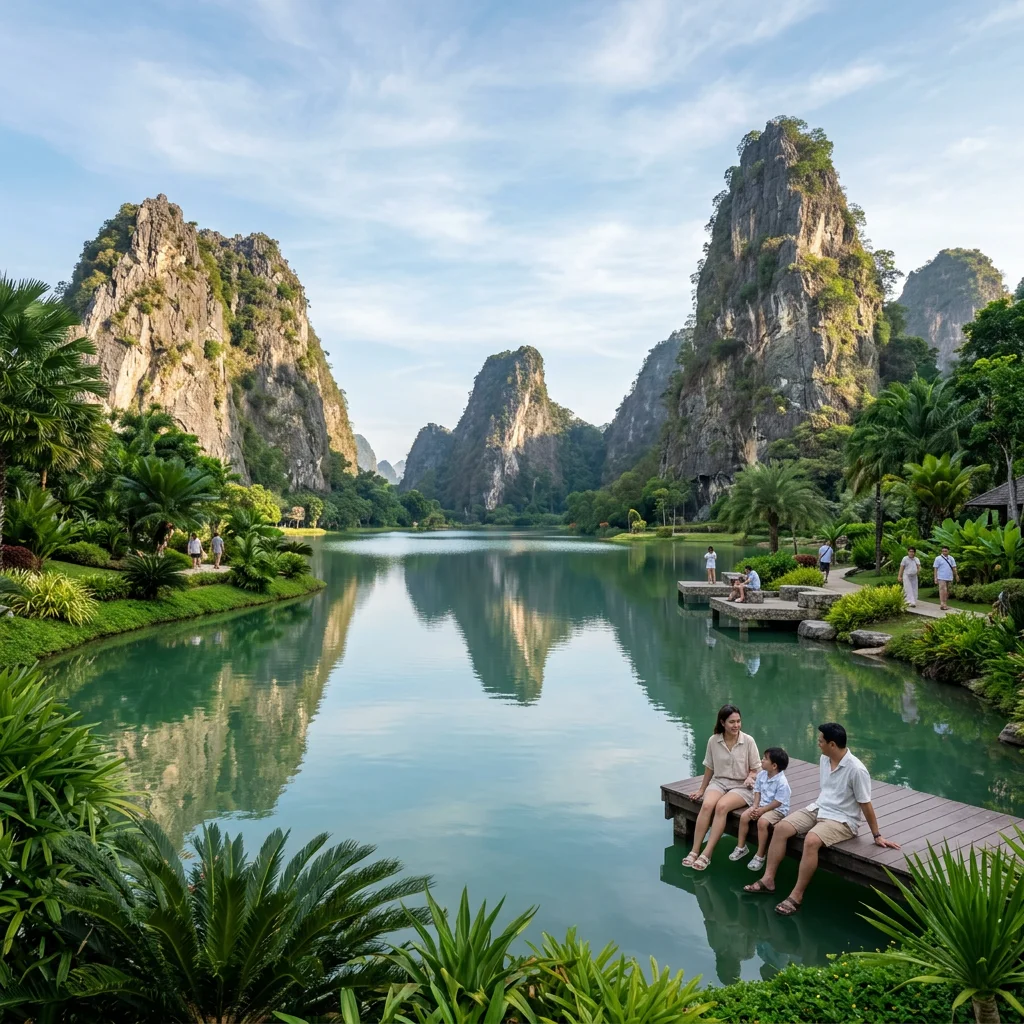
Bangkok serves as the primary base for single-day fishing trips. Bungsamran Fishing Park, situated northeast of the capital, holds enormous Mekong giant catfish that regularly exceed 100 kilograms alongside specimen Siamese carp. At the time of research, the lake-access ticket for overseas anglers costs 6,000 THB (approx £138) for a 12-hour session. Rod hire, landing nets, bait, personal guide assistance, and private lakeside bungalows require additional fees at the venue.
For predator lure and fly enthusiasts, Pilot 111 sits southeast of Bangkok along the Bang Na corridor, providing access to purpose-dug ponds stocked with barramundi, giant snakehead, and Asian redtail catfish. Anglers pay an entry fee per session, using their own artificial lures and barbless hooks, with bookings made directly on arrival or through Bangkok-based guiding services.
Further south in Cha-am, Jurassic Mountain Resort caters to specimen carp and predator anglers with landscaped swim platforms, luxury suites, and mountain backdrops. Its stocked waters hold Arapaima reaching up to 181 kilograms, Siamese carp, pacu, and Amazon redtail catfish. Standard day packages begin at 7,700 THB (approx £177), which includes two meals, lake netting service, and tackle, though residential guests booking multi-night packages receive booking priority.
In Krabi, Gillhams Fishing Resort specialises in heavyweight specimen angling on a 12-acre lake holding Arapaima and Siamese carp averaging 135 pounds, with specimens surpassing 200 pounds. Rather than all-inclusive packages, Gillhams operates multi-day fishing holidays that include lakeside accommodation, daily breakfast, and shared guiding (typically one guide assisting four anglers), with lunch and dinner purchased separately from the on-site restaurant. Anglers must pre-book their fishing days, and rates vary by season and lodging choice.
In northern Thailand, Bo Sang Fishing Park in Chiang Mai provides a relaxed day out targeting striped catfish and Mekong giant catfish weighing up to 25 kilograms. Organised day packages booked through established activity agencies start from 1,600 THB (approx £37) for a half-day session, including hotel transfers, tackle, bait, and a local assistant.
Novice anglers and visitors on tight itineraries often find managed pay-lakes such as Bungsamran or Bo Sang the most practical starting point before booking multi-day specimen resorts or wild jungle expeditions.
Costs and Budgeting
Angling budgets in Thailand vary dramatically depending on whether you fish self-guided at community day-ticket waters, book guided sessions at specialist venues, or reserve residential weeks at specimen resorts. Independent anglers visiting suburban pay-lakes or commercial predator lure parks can comfortably fish for under 2,000 THB (approx £44) per day, covering a walk-in permit, basic rental tackle, and local meals.
Mid-range specimen outings require a larger outlay. At Bungsamran Fishing Park, foreign anglers pay 6,000 THB (approx £133) for a 12-hour daytime package or 6,500 THB (approx £144) for a night session. Both options include one rental rod, an initial bait ration, and an eight-hour guide, though on-site bungalow rentals (1,000 to 5,000 THB / approx £22 to £111 per session) and equipment deposits are extra. In natural waters, private guided longtail boat charters on Cheow Lan Lake typically cost between 6,500 THB and 10,500 THB (approx £144 to £233) per boat per day, with the 340 THB (approx £8) national park entry fee payable separately.
Specimen resort holidays represent a substantial financial commitment. Structured packages at Jurassic Mountain Resort include: five days of fishing, six nights of suite accommodation, tackle, daily bait allowances, two daily meals, and Bangkok airport transfers, with standalone day sessions quoted on inquiry. At Gillhams Fishing Resort, all package bookings are arranged individually on request, covering lakeside bungalows, premium tackle, private swim shelters, and Krabi airport transfers.
| Expense Item | Cost (THB) | Cost (GBP approx) | Notes |
|---|---|---|---|
| Local Pay-Lake Day Ticket | 500–1,500 | £11–£33 | Entry only; self-guided fishing; basic facilities |
| Commercial Predator Lure Park | 500–1,500 | £11–£33 | Ponds day ticket; bring lures or rent tackle separately |
| Bungsamran Bangkok Foreigner Package | 6,000–6,500 | £133–£144 | 12-hr day/night ticket, rental rod, initial bait, 8-hr guide |
| Private Lake Bungalow Rental | 1,000–5,000 | £22–£111 | Per 12-hr session at urban lakes; standard to VIP suites |
| Cheow Lan Guided Wild Boat Day | 6,500–10,500 | £144–£233 | Private longtail boat and skipper; national park entry extra |
| Jurassic Mountain Week Package | From 55,200 | From £1,227 | 6 nights suite, 5 days fishing, meals, tackle, bait, transfers |
| Gillhams Krabi Package | Rates on request | Rates on request | Contact resort; includes bungalow, tackle, bait, Krabi transfers |
| Guide Tip (Standard Etiquette) | 300–600 | £7–£13 | Discretionary daily tip for netting and bait preparation |
What to Know Before You Go
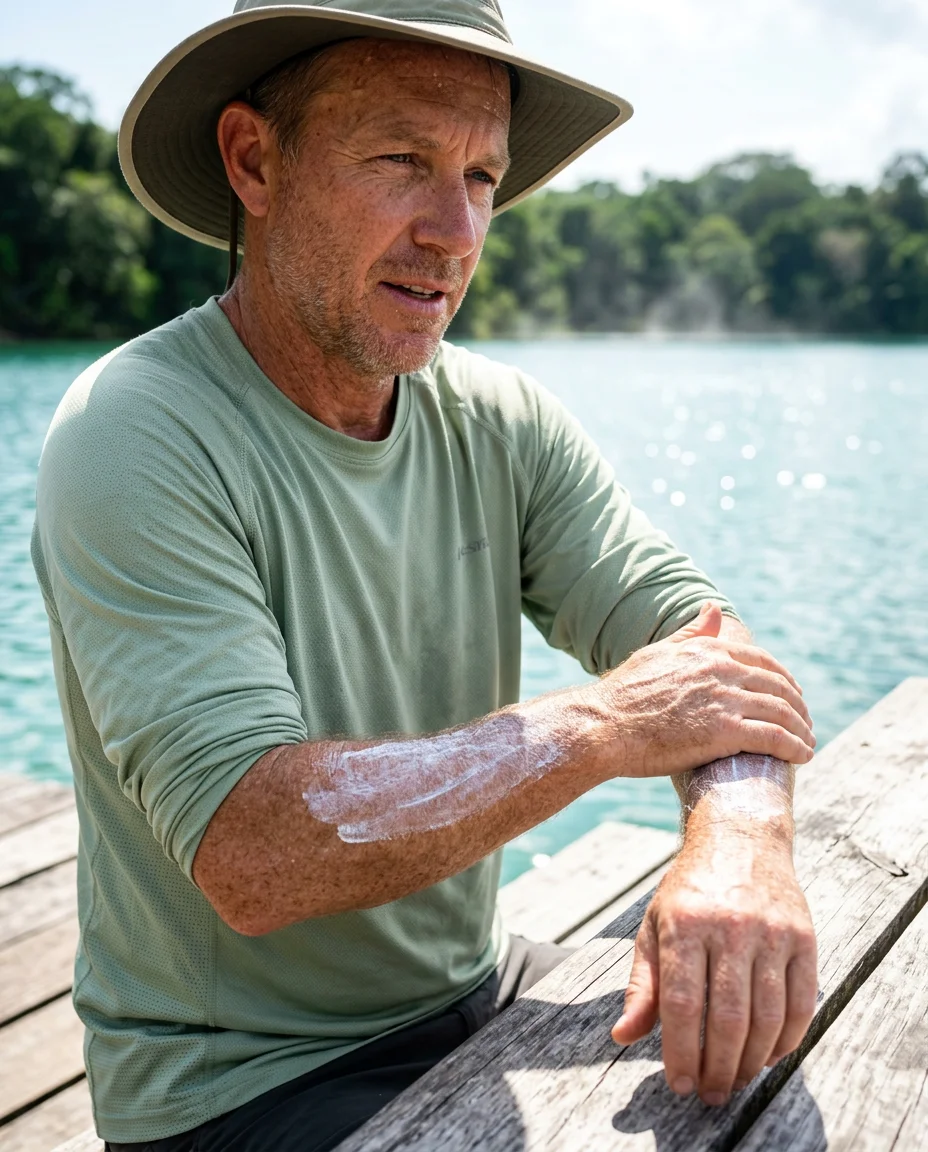
Tropical heat and high humidity quickly wear down unprepared anglers. Midday temperatures often reach 35°C, and prolonged physical fights with specimen fish accelerate fluid and salt loss. Drinking water alone is rarely enough; packing oral rehydration salts or electrolyte sachets from local pharmacies helps prevent heat cramps and fatigue before prime late-afternoon feeding periods begin.
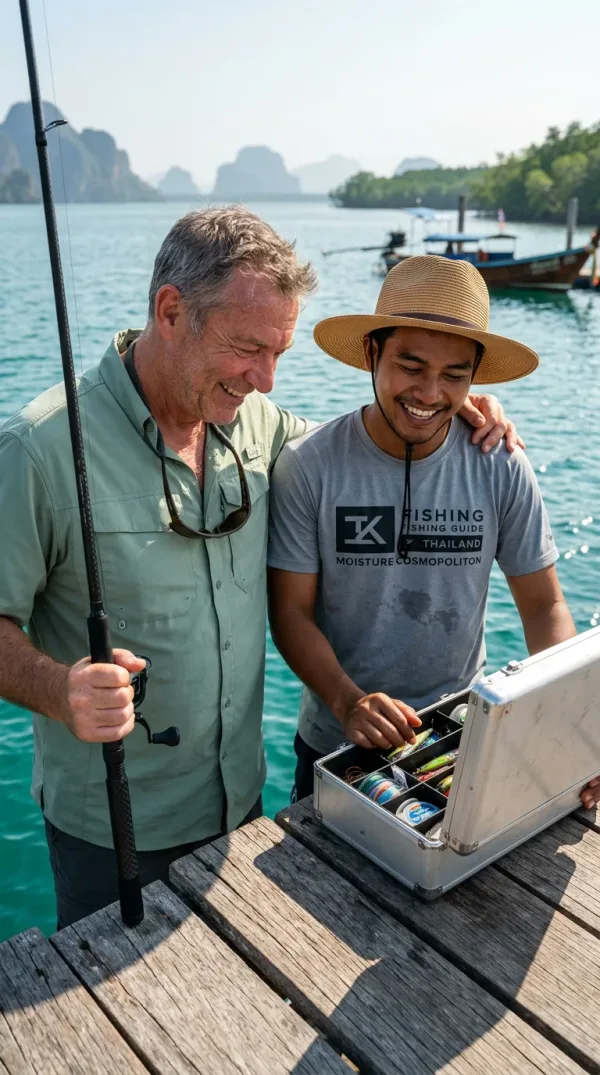
Hiring an on-site lake guide or ghillie transforms a first visit to a commercial pay-lake. Local guides understand exact bottom contours, casting distances, and the precise water-to-flour ratios needed to bind local rice-bran dough around method feeders. Trying to fish large venues unassisted frequently results in wasted hours, while guided anglers on neighbouring platforms hook fish steadily.
Weather patterns shift rapidly across Thailand. The southwest monsoon season, typically running from May or June through October, brings sudden tropical deluges. Heavy downpours cool water surfaces and introduce fresh dissolved oxygen, often sparking aggressive feeding spells. However, open platforms offer limited cover, so packing a lightweight, breathable rain jacket and a waterproof dry bag protects tackle, spare clothes, and phones.
Keep a cash reserve in Thai Baht on the bank. While resort lodges accept bank cards at reception, most waterside bait sheds, tackle kiosks, and independent guides take cash only. Mobile bank transfers rely on local QR payment systems closed to most UK cards. Having notes to hand ensures you can buy extra groundbait, hire landing nets, order drinks, and tip your guide without interrupting the session.
Practical Tips
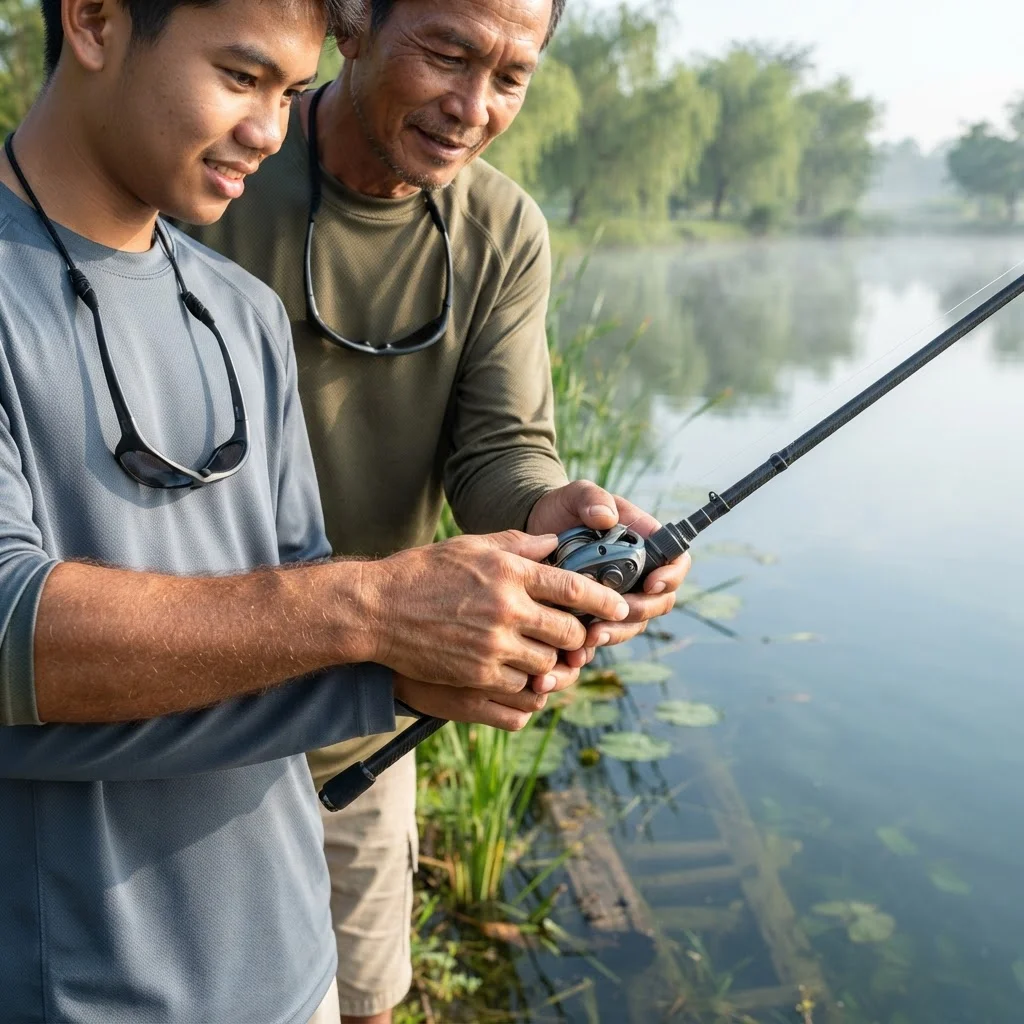
Booking specimen resorts requires forward planning. Exclusive fisheries such as Gillhams Fishing Resort in Krabi and Jurassic Mountain Resort in Cha-am cap their angler numbers strictly to protect fish welfare and swim quality. During the popular dry season from November to April, prime dates frequently sell out six to twelve months ahead. If you plan a dedicated specimen holiday around UK school breaks or winter sun, reserve your dates as early as possible.
Leave heavy rods and reels at home unless you are embarking on an independent multi-week expedition. Specimen resorts and managed pay-lakes supply heavy-duty rods, high-capacity reels, and monofilament lines rated for fish exceeding 50 to 100 kilograms. Relying on venue gear spares your personal kit from airline baggage charges, transit damage, and the brutal torque of giant Mekong catfish. Do, however, pack a compact tackle wallet with your own braid scissors, forceps, swivels, and favourite predator lures, as buying replacement terminal tackle at lakeside shops quickly becomes expensive.
Clothing must handle intense heat and frequent water immersion. Pack lightweight, quick-drying shorts, long-sleeved UPF sun shirts, and a wide-brimmed hat. A pair of polarised sunglasses with amber or copper lenses cuts horizontal surface glare over murky lake water, letting you track cruising carp along the margins and avoid snaggy marginal drop-offs. Keep a dry bag in your swim containing a dry t-shirt, clean shorts, and a lightweight towel. Fishery handling rules mandate that giant species like arapaima and heavyweight catfish remain in the water for unhooking and photography, so you will be wading waist-deep into the lake by the end of a successful session.
Structure your day around cooler feeding spells. Activity at most tropical lakes peaks in the early morning and late afternoon, when surface temperatures ease and oxygen levels recover. Use slower midday periods to rest, rehydrate, and practise bait preparation with your guide. Correctly packing rice-bran groundbait around a method feeder takes practice: pressing too firmly stops the mix dispersing on the bottom, while squeezing too lightly causes the ball to break apart on impact with the water.
Quick Reference Table
| Item | Detail | Notes |
|---|---|---|
| Target Species | Mekong giant catfish, Siamese giant carp, arapaima, giant snakehead, giant freshwater stingray | Native river giants reach over 100–200 kg; exotic Amazonian predators stocked in commercial lakes |
| Top Fishing Venues | Bungsamran (Bangkok), Pilot 111 (Bang Na), Jurassic Mountain (Cha-am), Gillhams (Krabi), Cheow Lan Lake (Khao Sok) | Spectrum ranges from urban day-ticket pay-lakes to exclusive residential specimen resorts and wild reservoirs |
| Day-Ticket Lake Costs | 500–1,500 THB (£11–£33) for local pay-lakes; 6,000–6,500 THB (£133–£144) at Bungsamran | Bungsamran package covers 12-hr day or night ticket, rental rod, initial bait, and an 8-hr guide; bungalows cost 1,000–5,000 THB extra |
| Specimen Resort Pricing | Contact Jurassic Mountain Resort for current rates | Gillhams Krabi packages quoted on request; includes lakeside bungalows, tackle, bait, and airport transfers |
| Wilderness Charter Costs | 6,500–10,500 THB (£144–£233) per boat per day on Cheow Lan Lake | Covers private guided longtail boat and local skipper; Khao Sok National Park entry fee (300–340 THB / £7–£8) payable separately |
| Peak Season & Lead Times | November to April (dry season) is peak; book specimen resorts 6 to 12 months in advance | Exclusive resorts strictly cap swim numbers to preserve water peace and fish welfare |
| Daily Feeding Patterns | Early morning and late afternoon offer prime feeding spells | Midday heat reaches 35°C, slowing surface activity and accelerating angler dehydration |
| Fish Welfare & Handling | Large fish remain in the water for unhooking and photos; single barbless hooks standard | Lifting heavy arapaima from water is strictly prohibited to prevent fatal spinal and internal organ injuries |
| Licensing & Permits | No nationwide recreational rod licence required for private lakes or public waterways | National park waters (e.g. Khao Sok) require standard park admission and fishing alongside licensed boatmen |
| Tackle Recommendations | Use venue-provided big-game rods and reels for fish exceeding 50–100 kg | Bring a compact tackle wallet with braid scissors, forceps, terminal swivels, and favourite predator lures |
| Clothing & Sun Protection | Quick-drying shorts, long-sleeved UPF sun shirt, wide-brimmed hat, amber or copper polarised sunglasses | Anglers wade waist-deep for fish photos; keep a dry bag with spare clothes and a towel in your swim |
| Cash & Tipping Etiquette | Carry cash in Thai Baht for bait kiosks, tackle hire, and snacks; discretionary guide tip 300–600 THB (£7–£13) | Card payments accepted at resort lodges, but waterside bait sheds and local guides take cash only |
| Book direct (Bungsamran) | bungsamran.com | Bangkok commercial specimen lake |
| Book direct (Jurassic Mountain) | jurassicfishingthailand.com | Cha-am specimen resort; phone +66 61 631 2614 |
| Book direct (Gillhams Fishing Resort) | gillhamsfishingresorts.com | Krabi specimen holiday resort |
FAQ: Freshwater Fishing in Thailand
How should anglers handle arapaima?
What is the experience like at urban commercial day lakes in Thailand?
What facilities can anglers expect at a specimen fishing resort in Thailand?
What kind of fishing is available at Cheow Lan Lake in Khao Sok National Park?
How can anglers prevent heat-related issues while fishing in Thailand?
Is it recommended to hire a guide for fishing at commercial pay-lakes in Thailand?
Should I carry cash when fishing in Thailand?
How far in advance should I book a specimen fishing resort in Thailand?
Should I bring my own heavy fishing tackle to Thailand?
What clothing should I pack for fishing in Thailand?
Reviewed by the Thailand Guide Editorial Team • Last reviewed: 9 November 2026
This page is provided for general information only. While we aim for accuracy, details can change — please verify anything important independently before relying on it.