Snakebite First Aid
If someone is bitten by a snake in Thailand, treat it as a medical emergency, even if there is no pain, swelling or immediate symptoms. Call 1669 for an ambulance, keep the person as still as possible and arrange urgent hospital treatment.
Important: Do not delay hospital treatment while attempting to identify the snake. A photograph taken from a safe distance may help medical staff, but never approach the snake to obtain one.
Understanding Snakebite Risks and the Importance of First Aid
A substantial proportion of strikes by venomous snakes in Thailand result in dry bites or deliver sub-clinical venom doses, yet severe injury frequently stems from mismanaged first aid rather than the venom itself. Outdated interventions such as arterial tourniquets and wound incision remain leading pre-hospital causes of preventable limb loss and systemic complications across Southeast Asia.
Snakebite first aid comprises immediate pre-hospital measures taken to sustain life, impede venom dissemination, and prevent secondary tissue trauma. Grounded in World Health Organisation guidelines alongside clinical protocols from the Queen Saovabha Memorial Institute and the Ramathibodi Poison Centre, this guidance sets out immediate emergency responses for the general public and trained responders across Thailand.
The opening ten minutes after a strike dictate the clinical trajectory, requiring absolute stillness, rapid communication with emergency services, and the cessation of physical exertion. Muscular movement accelerates venom transport into the lymphatic circulation. In Thailand, three primary telephone hotlines provide emergency medical dispatch and toxicology support: 1669 connects to the National Institute for Emergency Medicine for nationwide ambulance dispatch; 1155 reaches the Tourist Police for round-the-clock English-speaking assistance; and 1367 connects to the Ramathibodi Poison Centre, providing 24-hour expert guidance on snake identification and antivenom protocols.
Immediate public action follows six practical steps:
First, secure scene safety by moving the casualty at least three metres away from the snake. Do not attempt to catch or kill the animal; agitated snakes strike repeatedly, and severed heads retain bite reflexes for hours.
Second, enforce complete physical rest by having the patient sit or lie down immediately. Walking activates skeletal muscle pumps, accelerating venom uptake into the lymphatic system. Reassure the casualty continually; modern Thai antivenoms are highly effective, and hospital fatalities remain rare when treatment is sought promptly.
Third, telephone 1669 immediately, providing exact smartphone coordinates or recognisable local landmarks such as temples, school gates, or highway markers.
Fourth, remove all constrictive items, including rings, bracelets, watches, and tight footwear, within the opening five minutes before rapid swelling causes digital ischaemia.
Fifth, support the limb in a neutral position at or slightly below heart level, covering puncture wounds with a clean, dry dressing. Do not wash, scrub, cut, or suck the bite site.
Sixth, safely photograph the snake from a distance of two to three metres to assist clinicians with antivenom selection. If the reptile has fled, do not search for it; diagnosis proceeds through clinical syndromes and laboratory clotting tests.
Plan a journey along Thailand’s Andaman coast, with practical guidance on island gateways, marine parks, diving, ferries and monsoon travel.
Dangerous Myths and Absolute Prohibitions
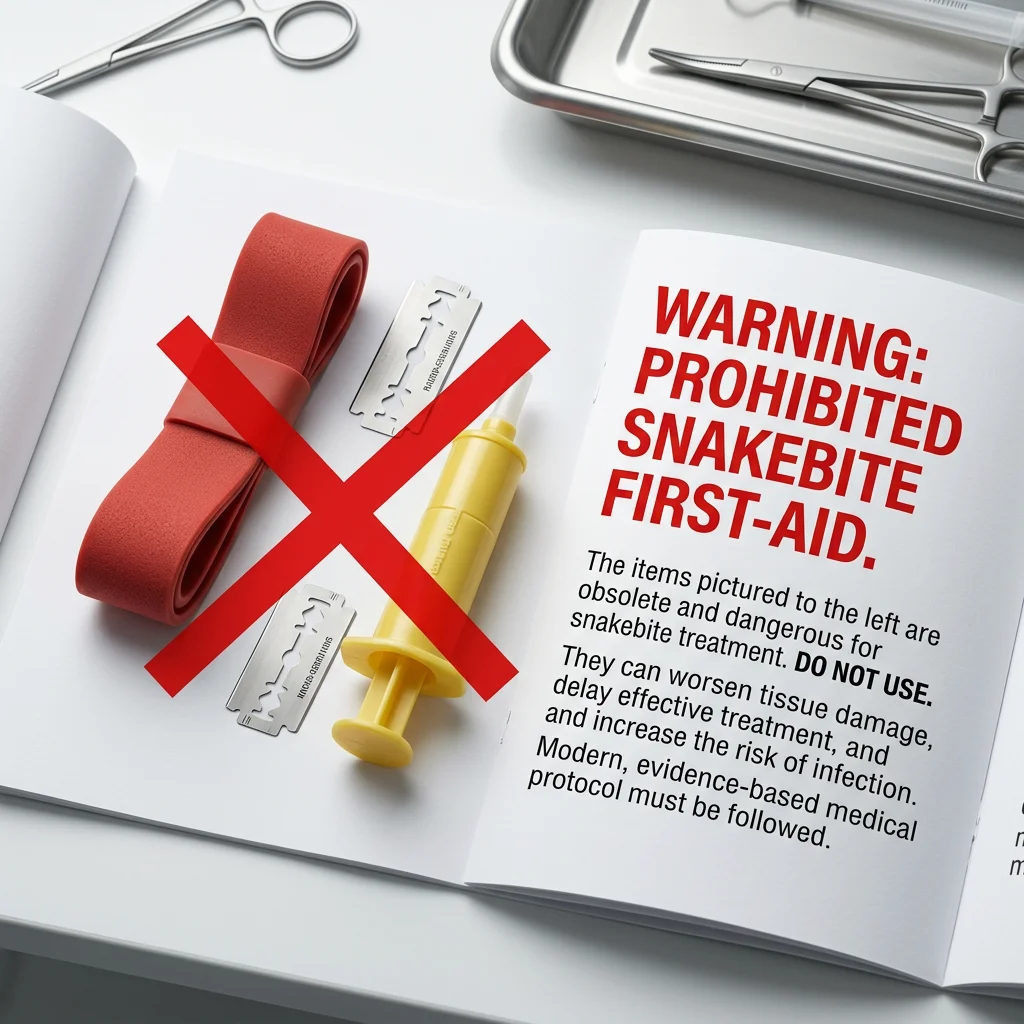
Widespread folkloric remedies and cinematic tropes represent a major pre-hospital hazard to snakebite casualties in Southeast Asia, frequently turning manageable bites into surgical emergencies. Clinical directives from the World Health Organisation and the Ramathibodi Poison Centre in Bangkok explicitly prohibit all traditional extraction, occlusion, and scarification techniques.
Arterial tourniquets are strictly forbidden. Binding ropes, belts, or tight bands around a bitten limb completely halts arterial circulation, inducing rapid tissue ischaemia, nerve palsy, and gangrene. When medical staff eventually release the band in hospital, the sudden surge of trapped venom, pooled metabolic acids, and potassium floods the central circulation, risking fatal cardiovascular collapse.
Do not cut or incise the bite wound. Cutting between fang marks with razor blades or knives severs underlying tendons, nerves, and blood vessels without removing venom. In haemotoxic bites from pit vipers and Russell's vipers, which destroy systemic clotting factors, local cuts cause profuse, unmanageable haemorrhage and establish direct pathways for severe bacterial infection.
Mechanical and oral suction methods are entirely useless. Controlled trials demonstrate that commercial extractors and mouth suction recover less than two per cent of inoculated venom, while negative pressure worsens local tissue bruising. Oral suction additionally introduces human oral bacteria, including Staphylococcus and Pseudomonas species, directly into devitalised, necrotising tissue.
Cryotherapy, chemical cauterisation, and traditional poultices cause severe secondary injury. Packing ice or cold packs onto the wound causes frostbite and vasoconstriction, concentrating tissue-destructive enzymes and accelerating cellular death. Applying traditional herbal pastes, chewed leaves, charcoal, or so-called snake stones introduces environmental pathogens, dramatically heightening the risk of tetanus and gas gangrene.
Incorrect pain management can prove fatal. Do not administer aspirin, ibuprofen, or other non-steroidal anti-inflammatory drugs (NSAIDs). These agents inhibit platelet aggregation and cause gastric irritation, intensifying systemic bleeding from haemotoxic venoms. Paracetamol is the safe oral analgesic for acute pain, provided the patient can swallow safely. Sedatives and alcohol are strictly prohibited; both depress central respiration and obscure early neurological signs of systemic envenomation.
Neurotoxic Versus Tissue-Damaging Envenomation
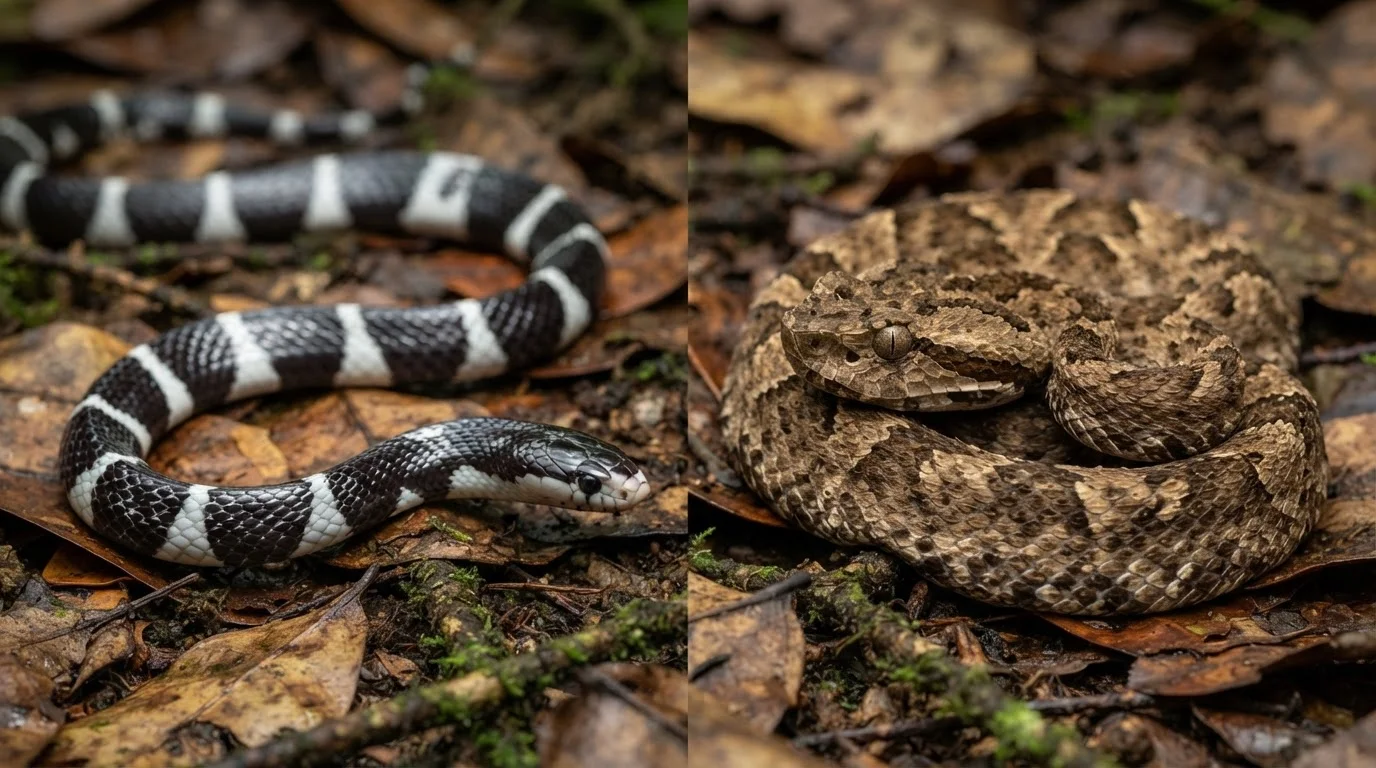
Medically significant venomous snakes in Thailand belong predominantly to two biological families: the Elapidae (cobras, king cobras, kraits, coral snakes, and sea snakes) and the Viperidae (pit vipers and true vipers). Recognising their contrasting clinical syndromes helps first aiders anticipate life-threatening complications, monitor vital signs effectively, and convey crucial observations during hospital handover.
Neurotoxic envenomation targets synaptic transmission across neuromuscular junctions. Kraits (Bungarus species), including the Malayan krait (Bungarus candidus) and banded krait (Bungarus fasciatus), deploy potent pre-synaptic beta-neurotoxins that disrupt transmitter release at motor nerve terminals, paired with post-synaptic alpha-neurotoxins. King cobras (Ophiophagus hannah) and Asian true cobras (Naja species) deliver substantial volumes of post-synaptic neurotoxins that bind competitively to nicotinic acetylcholine receptors.
Pure neurotoxic envenomation produces remarkably little local injury. A krait bite often resembles a painless insect prick or minor briar scratch, causing negligible pain, barely perceptible erythema, and no significant swelling. This deceptive lack of trauma frequently leads bite victims to delay seeking medical care. Between thirty minutes and six hours post-bite, descending motor paralysis emerges. Early neurological signs include bilateral ptosis (drooping upper eyelids), blurred vision, diplopia, and difficulty swallowing oral secretions. As flaccid paralysis descends, it compromises the intercostal muscles and diaphragm, bringing respiratory arrest and hypoxic collapse while the patient remains fully conscious.
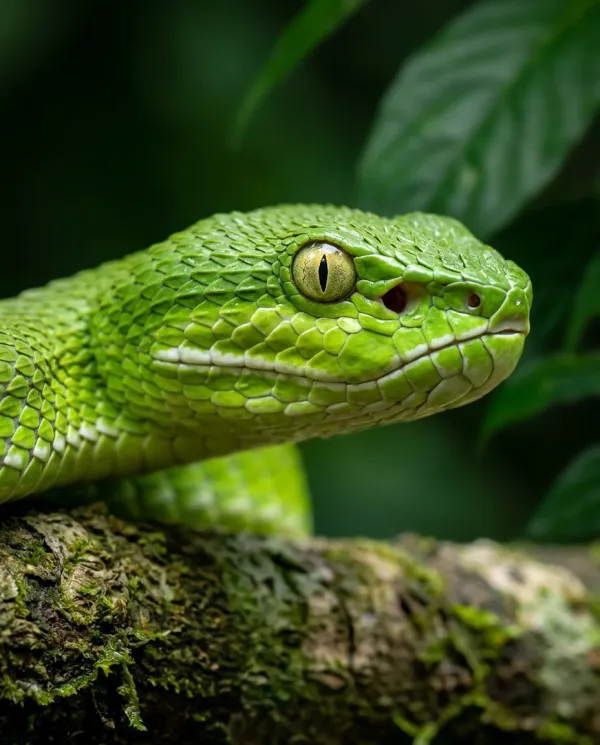
Tissue-destructive venoms, by contrast, cause profound local and haematological pathology. In Thailand, these are delivered by the Viperidae family—comprising true vipers such as the Siamese Russell's viper (Daboia siamensis) and pit vipers such as the Malayan pit viper (Calloselasma rhodostoma) and arboreal green pit vipers (Trimeresurus species). Cytotoxic injury is not exclusive to vipers; Thailand's monocled cobra (Naja kaouthia) and Indochinese spitting cobra (Naja siamensis) also secrete copious three-finger cytotoxins that cause extensive dermonecrosis alongside neurotoxicity.
Tissue-damaging venoms deploy snake venom metalloproteinases, serine proteases, and phospholipases directly into the subcutaneous tissue. Patients suffer burning, unrelenting local pain within minutes, accompanied by tense oedema that spreads proximally up the limb. Microvascular disruption produces haemorrhagic bullae (blood-filled blisters), spreading ecchymosis, and tissue necrosis that can require surgical debridement. Systemically, procoagulant enzymes trigger venom-induced consumption coagulopathy, exhausting fibrinogen and platelets. This defect leads to spontaneous haemorrhage from the gums, gastrointestinal tract, and urinary system, whilst Russell's viper envenomation presents an acute risk of renal failure.
| Terrestrial Kraits (*Bungarus candidus*, *B. fasciatus*) | Neurotoxic (presynaptic and postsynaptic blockade) | Negligible local pain or swelling; progressive ptosis, bulbar palsy, flaccid descending paralysis | Maintain airway patency; monitor breathing vigilantly; arrange rapid hospital transfer |
|---|---|---|---|
| True Cobras and King Cobra (*Naja kaouthia*, *Ophiophagus hannah*) | Mixed neurotoxic and cytotoxic | Severe local pain, rapid swelling, blistering, tissue necrosis; progressive paralysis | Splint limb without compression; monitor respiration continuously; urgent hospital evacuation |
| Terrestrial Vipers (*Calloselasma rhodostoma*, *Daboia siamensis*) | Haemotoxic, cytotoxic, and nephrotoxic | Tense spreading oedema, haemorrhagic bullae, systemic coagulopathy, acute kidney injury | Splint without compression; keep limb neutral; urgent medical evacuation; monitor urine |
| Arboreal Green Pit Vipers (*Trimeresurus* species complex) | Haemotoxic and cytotoxic | Rapid local swelling, severe pain, extensive ecchymosis, impaired blood clotting | Non-compressive immobilisation; keep limb at heart level; passive evacuation to hospital |
| Marine Elapids (*Hydrophis* and *Laticauda* species) | Neurotoxic and myotoxic | Painless bite, severe generalised myalgia, dark reddish-brown urine, respiratory failure | Complete physical rest; non-compression immobilisation; rapid transfer for ventilatory support |
Limb Immobilisation and Bandaging Techniques
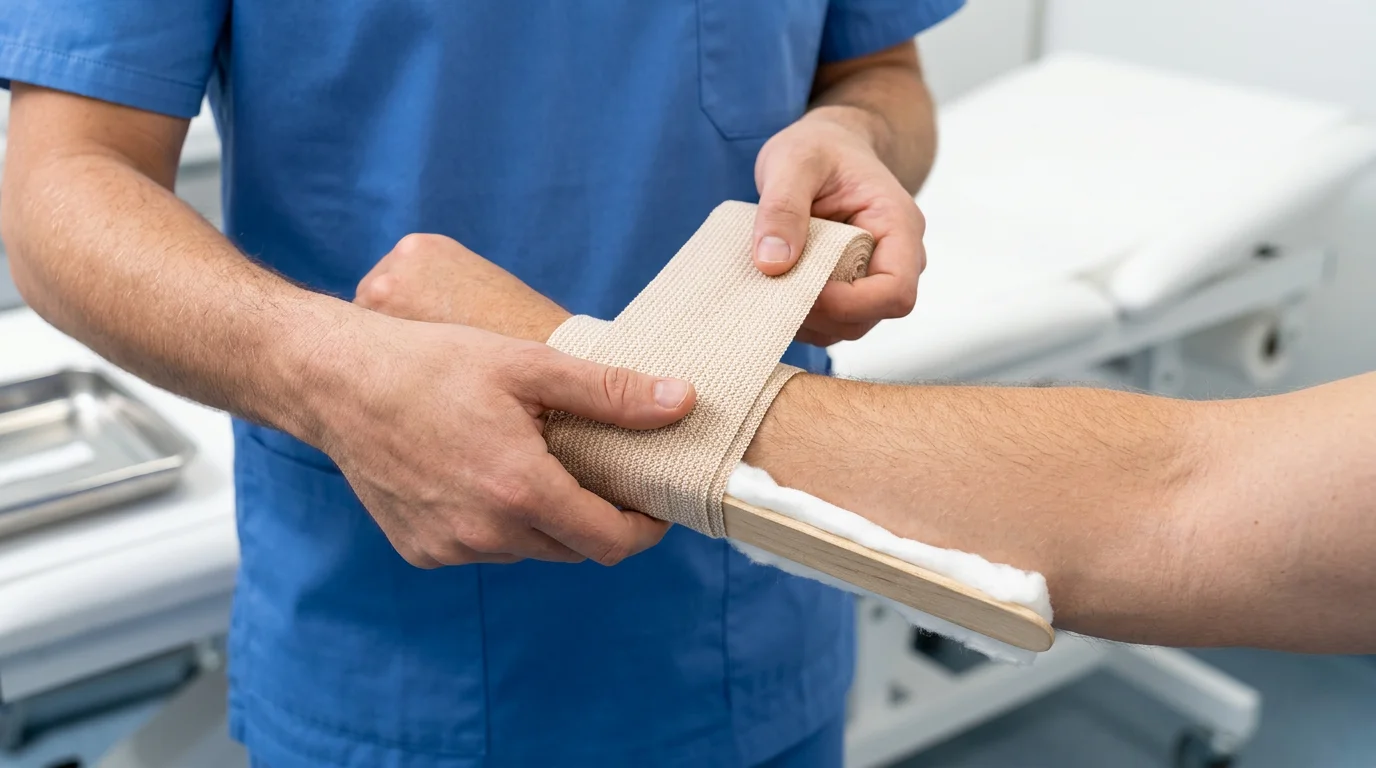
Venom molecules possess high molecular weights, preventing them from diffusing directly into blood capillaries. Instead, they enter blind-ended lymphatic microvessels. Lymph fluid relies on the pumping action of adjacent skeletal muscles and the movement of joints to travel through the lymphatic vessels toward the thoracic duct and enter systemic circulation. Halting physical movement of the bitten limb is therefore the primary mechanical defence against the spread of venom through the body.
Splinting without compression is the baseline standard for snakebite management across Thailand. Because pit vipers and monocled cobras account for around eighty per cent of venomous bites in the country, applying tight pressure over the wound risks trapping cytotoxic enzymes and triggering severe tissue destruction. Responders should instead apply a rigid support—such as a sturdy wooden plank, rolled magazine, umbrella, or bamboo stave—along the affected extremity, extending across the joint above and the joint below the puncture wound. Secure this splint using clean, non-elastic cloth bindings or triangular bandages. The ties must be firm enough to prevent joint flexion, but loose enough for a finger to slip underneath without resistance. First aiders should regularly check peripheral pulses at the radial or dorsalis pedis artery to confirm that blood circulation remains completely uncompromised.
The Pressure Immobilisation Technique (PIT), widely taught in Australian first aid, requires strict clinical caution in Southeast Asia. PIT uses broad elastic bandages (ten to fifteen centimetres wide) bound firmly from the fingers or toes upwards at a pressure of 40 to 70 millimetres of mercury, roughly matching the tension applied to a sprained ankle.
World Health Organisation regional guidance and Thai clinical toxicologists advise that PIT is contraindicated for bites causing significant local swelling, blistering, or necrosis. Compressing bites from pit vipers or monocled cobras forces destructive venom enzymes to concentrate within deep muscle compartments, precipitating severe tissue death, gangrene, and potential amputation. PIT is strictly limited to confirmed, purely neurotoxic bites without necrotic effects—notably kraits (Bungarus) and sea snakes—applied by trained personnel during prolonged wilderness evacuations. If the snake remains unidentified, or if pain and swelling appear, responders must rely solely on non-compressive splinting.
Special Scenarios: Ocular Venom and Wilderness Bites

Venom exposures outside standard settings create distinct challenges, particularly when incidents occur offshore or deep within remote national parks.
Ocular envenomation is an acute emergency caused by spitting cobras. Thailand hosts two medically significant species capable of projectile defence: the Indochinese spitting cobra (Naja siamensis) and the Equatorial spitting cobra (Naja sumatrana). When threatened, these snakes contract their venom gland compressor muscles, ejecting fine venom jets through modified fang orifices across distances of up to three metres.
Venom striking the eye causes immediate burning pain, eyelid spasms, intense light sensitivity, and conjunctival swelling. Cytotoxic proteins rapidly erode the corneal epithelium, risking secondary bacterial keratitis, permanent corneal scarring, and blindness if not addressed.
First aid requires immediate, copious, and sustained irrigation. Tilt the casualty's head so the affected eye rests lower than the unaffected eye, preventing toxic runoff into the healthy socket. Hold the eyelids apart and flush the eye surface continuously for at least fifteen to twenty minutes. Sterile normal saline is ideal, but responders must not delay: potable tap water, bottled drinking water, or fresh cow's milk should be used instantly.
Do not allow the patient to rub their eyes, which grinds venom deeper into corneal tissue. Avoid applying steroid drops, antibiotic ointments, or topical antivenom during first aid; these require an ophthalmologist's slit-lamp assessment. After flushing, place a loose, clean pad over the eye and arrange urgent hospital transport.
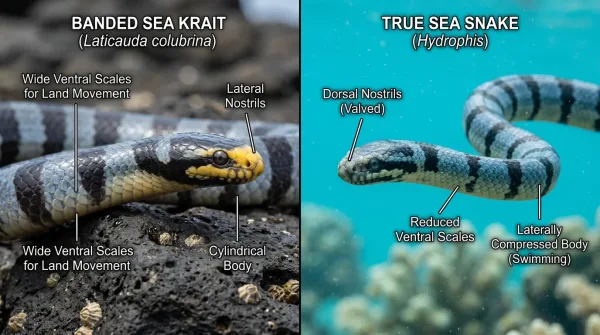
Marine and wilderness environments present further logistical hurdles. If a sea snake (Hydrophis species) bites a swimmer or diver, extract the casualty from the water immediately. Sea snake venom delivers neurotoxins and myotoxins that cause generalised muscle breakdown and rapid paralysis, carrying a severe risk of drowning. Once ashore, keep the patient flat, warm, and immobile.
In jungle or mountain terrain, avoid allowing a bitten individual to walk. Arrange assisted evacuation, even if they feel well. Muscle movement pumps venom rapidly through the lymphatic system. Improvise a stretcher from tarpaulins and poles or organise a carry team. Dispatch companions to find mobile reception, contact 1669, and arrange an ambulance rendezvous at the nearest roadhead.
Patient Monitoring, Transport, and Clinical Handover

Carefully managed transport and disciplined clinical handover bridge the critical operational gap between initial first aid and definitive hospital antivenom therapy. During transit, careful patient positioning protects the airway. If the casualty is fully conscious and breathing normally, keep them resting in a comfortable recumbent or semi-reclined position with the immobilised limb supported level with the torso. If the patient displays drowsiness, vomits, or has difficulty swallowing saliva—frequent early warnings of neurotoxic envenomation—shift them immediately into the left lateral recovery position. This anatomical posture prevents pooling secretions or gastric contents from entering the bronchial tree and causing asphyxiation.
Continuous monitoring and documentation en route provide arriving clinicians with vital prognostic data. First aiders must count the patient's respiratory rate for a full minute every ten minutes. Watch closely for subtle signs of respiratory muscle fatigue, including shallow chest expansion, reliance on abdominal breathing, flaring nostrils, or an inability to complete a full sentence without gasping. If respiratory arrest occurs, immediately provide assisted ventilation using a bag-valve-mask device with high-flow oxygen, or administer mouth-to-mask rescue breaths until reaching hospital. Simultaneously, track progressive tissue damage by using an indelible marker or ballpoint pen to trace the leading edge of local swelling on the bitten limb, writing the precise time beside the boundary line. Repeat this mapping every fifteen to thirty minutes to record the rate of venom dissemination.
When emergency medical responders arrive or upon reaching the emergency department, deliver a disciplined clinical handover using the standard pre-hospital ATMIST framework. Report the patient's age and relevant medical history or allergies (A); the precise time of the strike and elapsed duration (T); the mechanism of injury, including the anatomical bite site and any secure photographs of the snake (M); observed injuries and symptoms, such as expanding swelling, blistering, drooping eyelids, slurred speech, or spontaneous gum bleeding (I); vital signs, including respiratory rate, pulse, blood pressure, and conscious level (S); and all treatments administered, such as splint immobilisation and paracetamol for pain relief (T).
Thailand maintains an organised public healthcare antidote network coordinated through the National Health Security Office and the Thai Red Cross Society. The Queen Saovabha Memorial Institute in Bangkok manufactures species-specific monovalent antivenoms as well as neurotoxic and haemotoxic polyvalent formulations, which are stocked in regional cold chains across provincial and district public hospitals. Upon admission, emergency physicians can assess systemic clotting using a bedside 20-minute whole blood clotting test to detect venom-induced consumptive coagulopathy from viper bites, and can consult the round-the-clock Ramathibodi Poison Centre network for expert species identification and clinical management advice before infusing intravenous antivenom.
Quick Reference Table
| Item | Detail | Notes |
|---|---|---|
| Medical Emergency Ambulance | 1669 | National Institute for Emergency Medicine nationwide dispatch |
| Tourist Police Hotline | 1155 | 24-hour English-speaking emergency assistance |
| Toxicology & Snake ID Hotline | 1367 | Ramathibodi Poison Centre 24-hour clinical support |
| Primary Immobilisation Protocol | Non-compressive splinting | Keep limb at or below heart level; do not restrict blood flow |
| Pressure Immobilisation (PIT) | Strictly restricted | Contraindicated for viper/cobra bites; kraits and sea snakes only |
| Prohibited First Aid Actions | No tourniquets, cuts, suction, or ice | Proven to cause limb loss, gangrene, and severe infection |
| Permitted Analgesic | Paracetamol only | Avoid aspirin, ibuprofen, and other NSAIDs to prevent haemorrhage |
| Ocular Venom Decontamination | 15–20 minutes sustained irrigation | Flush immediately with saline, clean water, or milk; do not rub |
| Handover Framework | ATMIST structure | Age, Time, Mechanism, Injuries, Signs, and Treatment given |
| Official source | Ramathibodi Poison Centre | https://www.rama.mahidol.ac.th/poisoncentre/ |
FAQ: Snakebite First Aid in Thailand
What should I do immediately if someone is bitten by a snake in Thailand?
What first aid actions should be avoided after a snakebite in Thailand?
Why are tourniquets forbidden for snakebites?
What are the emergency contact numbers for snakebites in Thailand?
Why is it important to keep still after a snakebite?
How should a bitten limb be immobilised?
Is the Pressure Immobilisation Technique (PIT) recommended for snakebites in Thailand?
What pain relief is safe to use after a snakebite?
What should be done if venom is spat into the eye?
Should I try to identify the snake after a bite?
Reviewed by the Thailand Guide Editorial Team • Last reviewed: 21 November 2026
This page is provided for general information only. While we aim for accuracy, details can change — please verify anything important independently before relying on it.