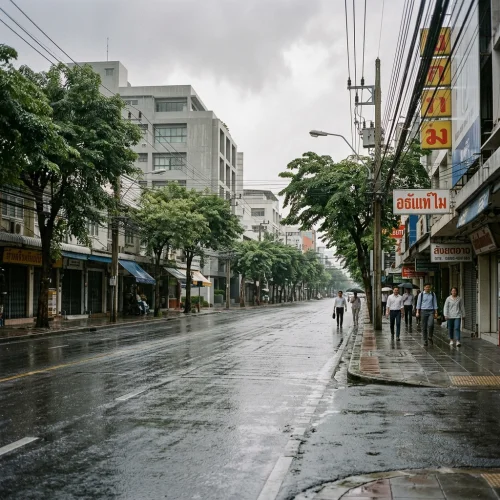
Ban Boet - Prachuap Khiri Khan
Ban Boet is a small Gulf-coast community at the southern edge of Prachuap Khiri Khan Province, close to the boundary with Chumphon. Its long beach, coastal dunes, fishing activity and association with agricultural pioneer Prince Sithiporn Kridakara give it a character quite different from Thailand’s larger seaside resorts.
The name Ban Boet is used throughout this guide for the village and its immediate coastal area in Sai Thong subdistrict, Bang Saphan Noi district. The wider beach and dune landscape continues south into Pathio district in Chumphon Province, so some nearby places carry Chumphon addresses even though they are reached along the same coastal road.

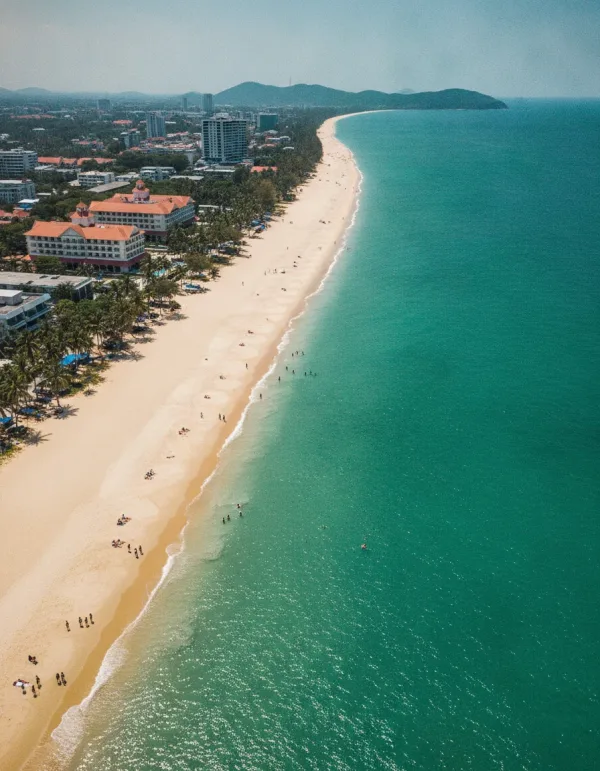
Coast, Beach and Natural Setting
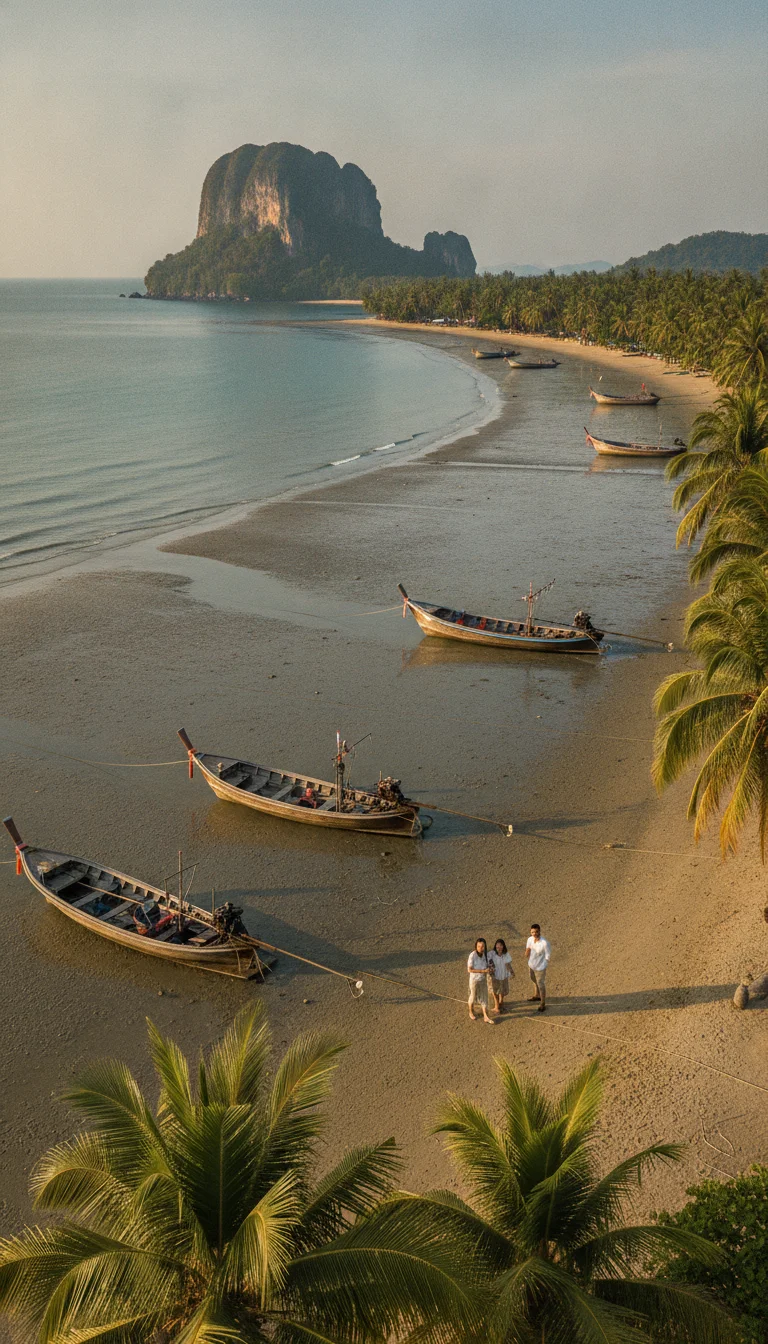
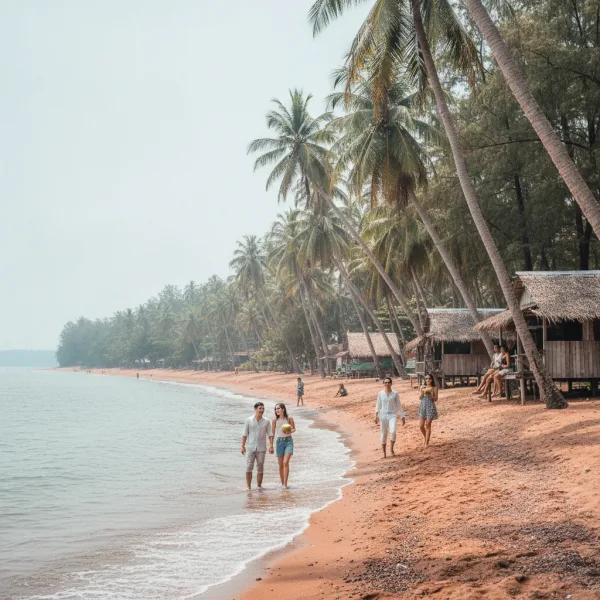
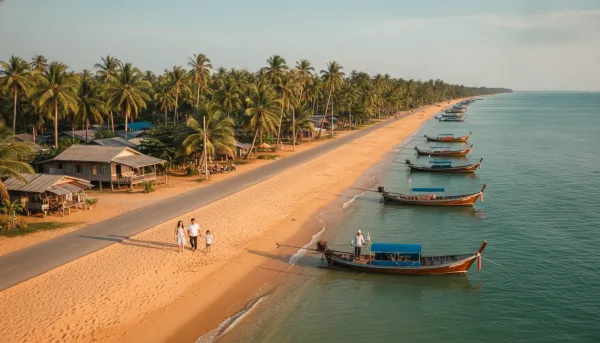
Ban Boet faces east across the Gulf of Thailand. The shoreline forms a broad sweep of sand, with fishing boats, coconut land and low-rise accommodation scattered along the coast. Khao Ban Boet marks the southern end of the Prachuap Khiri Khan section; beyond the headland, the coast and nearby dunes continue into Chumphon.
This is a working rural coast rather than a purpose-built resort strip. Facilities are dispersed and the road behind the beach is more useful for getting around than the sand itself. The sea and beach can also change with the tide, wind and season. Check local conditions before swimming, particularly when the Gulf is rough, and do not assume that an empty stretch of shore is supervised.
The coastal road makes the area straightforward to explore by bicycle, scooter or car. Distances between the village, accommodation, dunes and places to eat are inconvenient on foot, especially in the heat. Sunrise and the cooler late afternoon are generally the most comfortable periods for walking, while shade can be limited on open sections of beach.
Ban Boet Sand Dunes and Khao Ban Boet
The coastal dune field south of Ban Boet is the area’s most distinctive natural feature. Scientific studies describe a substantial coastal sand-dune system with outer, middle and inner dune units, formed by the movement and deposition of sand along this exposed Gulf shoreline. Research has also examined the relationship between the dunes’ topography and their woody plant communities.
The dunes extend across the provincial boundary towards Tham Thong Beach in Pathio district. Their vegetation is part of the landscape, not decoration: roots and ground cover help hold the sand, while trampling can damage the dune surface. Use established paths where they exist, avoid driving onto the sand and take all litter away. Access arrangements can change, so ask locally before entering tracks that appear to cross research or project land.
Khao Ban Boet is the wooded headland between the northern and southern sections of coast. It provides a useful geographic marker, but paths around steep or overgrown ground should not be treated as formal maintained trails without local confirmation. The coastal road offers the simpler way to continue south towards Tham Thong Beach.
| Place | Setting | Practical point |
|---|---|---|
| Ban Boet Beach | Long Gulf-facing beach beside the village | Conditions vary with tide, wind and season |
| Ban Boet sand dunes | Coastal dune system extending towards Chumphon | Remain on established access routes and protect vegetation |
| Khao Ban Boet | Headland near the provincial boundary | Check locally before attempting informal paths |
| Tham Thong Beach | Beach south of the dunes in Pathio district | Reached by following the coast into Chumphon |
Plan a Koh Talu day trip or island stay, with current package prices, Bang Saphan Noi pier access, snorkelling, viewpoints and turtle conservation.
Sithiporn Kridakara Research Station
The Sithiporn Kridakara Research Station stands at the former Ban Boet farm associated with Prince Sithiporn Kridakara, one of the important figures in the development of modern Thai agriculture. He used the farm for diversified agriculture during the twentieth century and promoted crops including watermelons, maize and Virginia tobacco, alongside modern approaches to livestock and farm management.
Kasetsart University established the present research station in March 1991. Its work reflects the site’s agricultural history and the practical challenges of farming in sandy coastal soils exposed to monsoon winds. The station is also associated with efforts to conserve the legacy of Prince Sithiporn and Ban Boet farm.
This is a working research institution rather than a conventional visitor attraction. Contact the station before making a special journey to ask whether visitors are currently accepted, which areas can be entered and whether advance arrangements are required.
Fishing, Seafood and Ban Boet Watermelons
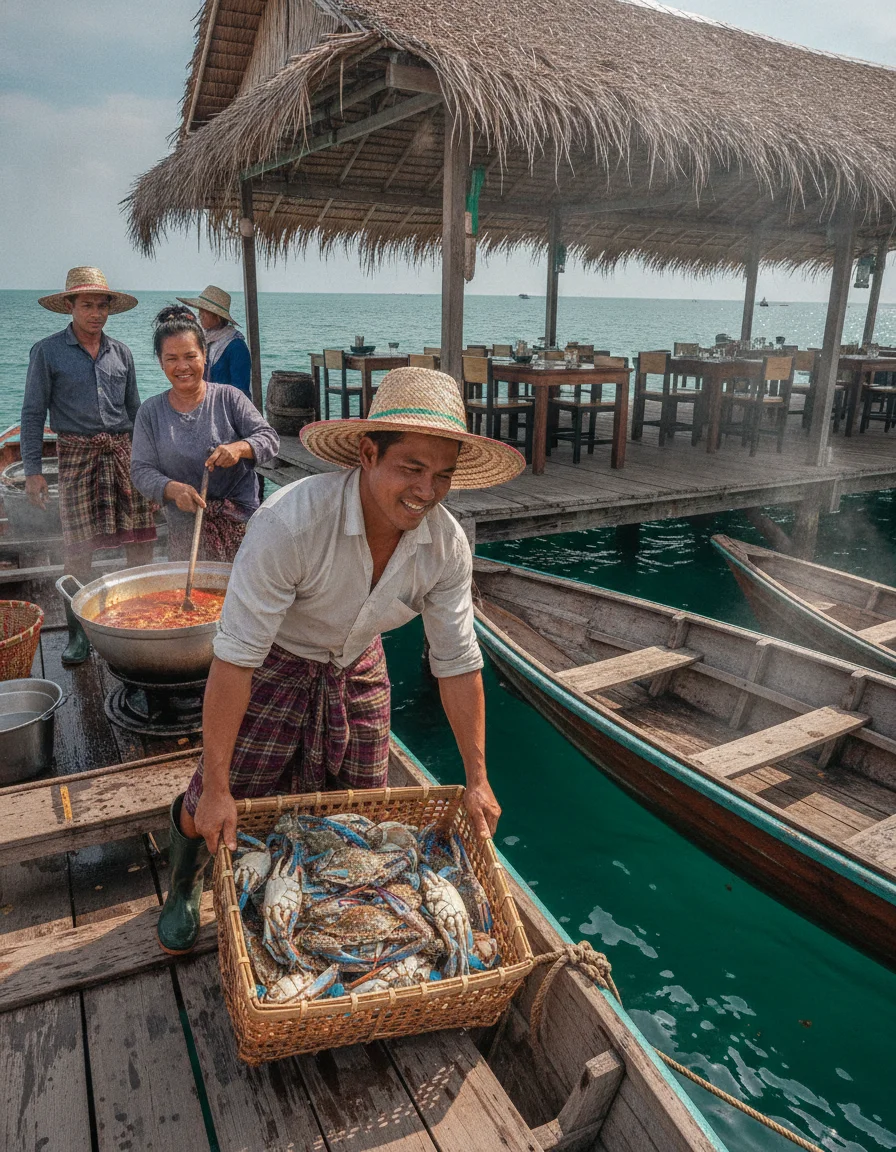
Fishing remains visible along the Ban Boet coast, and seafood is the most relevant local choice when it is available. Small restaurants may offer crab, squid, prawns and whole fish according to the day’s catch. Prices commonly depend on species, size and market weight, so ask for the price before ordering seafood sold by weight. A displayed price may be per 100 grams or per kilogram rather than for the complete dish.
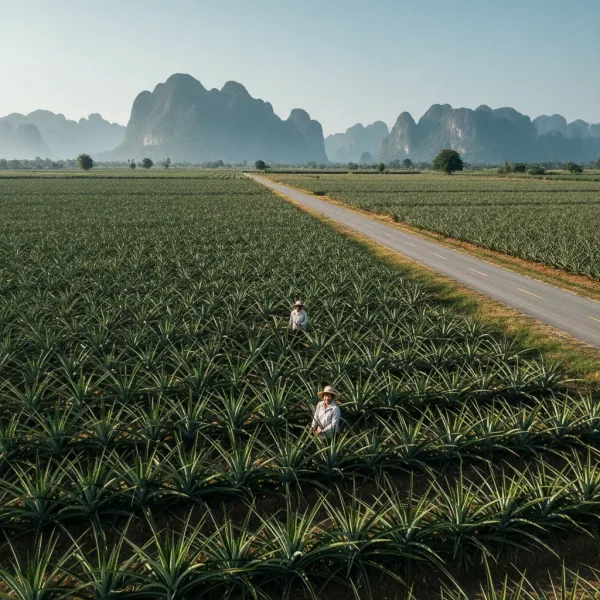
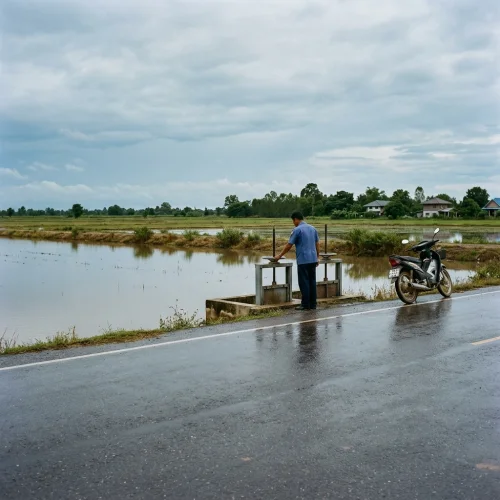
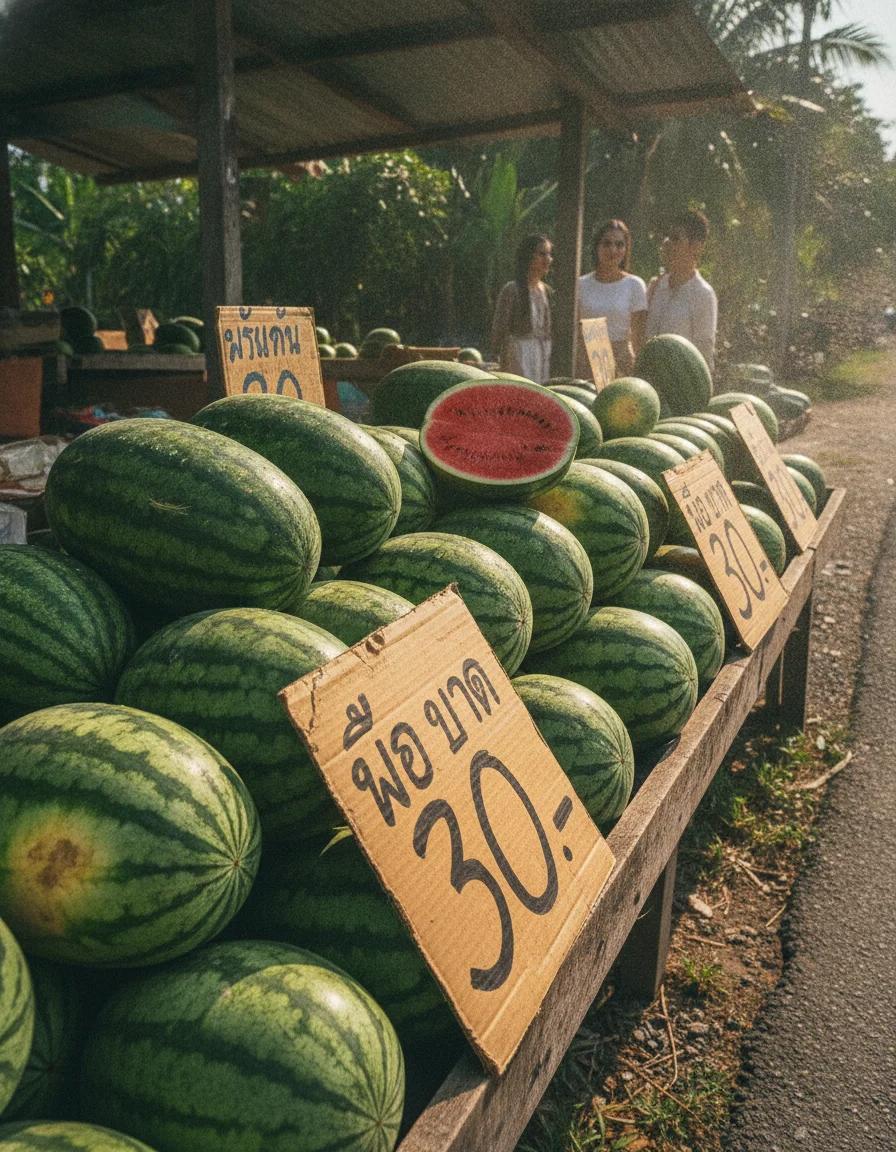
Ban Boet also has a long association with watermelon cultivation. Prince Sithiporn promoted watermelon production at his farm, and the name Ban Boet watermelon became linked with fruit grown in the area’s sandy coastal soil. Availability is agricultural rather than guaranteed: roadside stalls and local markets are the places to look when the crop is in season.
For a useful on-the-ground budget, allow roughly 60–100 THB (approximately £1.35–£2.25) for a simple rice or noodle dish in the wider district, with seafood meals costing more according to the catch and portion. Confirm current prices before ordering or paying.
Where to Stay in Ban Boet
Accommodation is spread along the coast rather than concentrated in a walkable centre. Staying close to Ban Boet village suits travellers who want immediate access to the beach and local road, while properties farther north or south may provide more space but make a vehicle increasingly useful. Always check the map pin: booking websites sometimes group properties under Bang Saphan, Bang Saphan Noi or Chumphon even when they are marketed for the Ban Boet coast.
Bansaithong Beach Resort is an established option in Bang Saphan Noi, set on a large beachfront site with rooms and villas, a swimming pool and restaurant. Recent comparison listings showed standard rooms from roughly 1,700 THB (approximately £38), although the final rate varies with date, room category, occupancy, breakfast, taxes and cancellation terms. Larger beachfront and pool villas cost more.
Ban Boet Bay Beach Resort is a smaller property near the village, with eight air-conditioned rooms listed by booking platforms. Recent comparison prices began at roughly 1,700 THB (approximately £38), but availability can be limited. Check the final baht total and inclusions before payment rather than relying on a headline rate.
Travellers seeking simpler local accommodation should contact properties directly and confirm the rate, air conditioning, hot water, breakfast, payment method and transport. Booking ahead is sensible for Thai public-holiday weekends and New Year.
Koh Talu and Nearby Excursions
Koh Talu lies offshore from Bang Saphan Noi and is the area’s best-established organised marine excursion. Its name refers to the natural opening through the island’s rock, while the surrounding water is promoted for snorkelling and other marine activities. Trips use mainland departure points in the Bang Saphan area; they do not simply leave from any point on Ban Boet Beach.
Koh Talu Island Resort currently advertises a one-day package at 1,600 THB per person (approximately £36). The package includes snorkelling, kayaking, stand-up paddleboarding and a meal at the clubhouse. A version including transfer from Hua Hin is listed at 2,700 THB per person (approximately £60). Confirm the current departure point, check-in time, inclusions and sea conditions directly before booking.
Independent local boats may quote differently from the resort package, but their route, equipment, insurance and inclusions should be established before payment. Wear a life jacket, follow the crew’s instructions and avoid touching or standing on coral.
On land, the coast south towards Tham Thong Beach and the rural roads around Sai Thong are the most convenient short excursions. Longer drives can connect with other parts of Bang Saphan Noi or Pathio, but Thung Wua Laen Beach and Sai Ri are much farther south near Chumphon and are better treated as separate day trips than as quick scooter stops.
Getting to Ban Boet

Bang Saphan Noi station is the nearest useful railway stop for Ban Boet. It is on the State Railway of Thailand’s Southern Line, but not every train calls there. Services, train numbers and fares change, so check the official SRT timetable or D-Ticket system for your travel date. From Bangkok, long-distance Southern Line trains now use Krung Thep Aphiwat Central Terminal.
There is no dependable turn-up-and-go public transport link from the station to the beach. Arrange collection through your accommodation or agree a private local transfer in advance. The exact road distance depends on the property; confirm the complete fare before setting off.
By road, follow Highway 4 south through Prachuap Khiri Khan Province and turn towards Sai Thong and the Ban Boet coast in Bang Saphan Noi district. The final section uses local roads, and navigation is easier with an offline map or a saved accommodation pin. From central Bangkok the route is roughly 400 kilometres, but driving time varies considerably with traffic, stops and roadworks.
Chumphon Airport is the nearest commercial airport by road, in Pathio district to the south. Flight schedules are limited and onward public transport to Ban Boet is not integrated, so arrange a hire car or confirmed transfer before arrival. For most visitors, a private car gives the greatest flexibility throughout the stay.
Getting Around Ban Boet
Walking works for the immediate beach and village, but the dunes, restaurants, research station and accommodation are spread over a much wider area. A car is the simplest option. Some properties may help arrange a scooter, although availability and prices are not guaranteed.
If hiring a scooter, use a licensed rental provider, inspect and photograph the vehicle, obtain a written record of existing damage and wear an approved helmet. You need the correct licence and an International Driving Permit valid for the vehicle category; travel insurance may not cover an unlicensed rider. Avoid surrendering your passport as security and do not ride after drinking.
Roads can be dark outside settled areas, and sand, animals or standing water may appear on rural stretches. Plan to return before nightfall when exploring an unfamiliar route. Fuel stations are easier to find near Highway 4 and the district centre than on the quietest coastal lanes.
Typical Costs in Ban Boet
Ban Boet does not have a single dependable daily budget because room rates, seafood prices and transport needs vary widely. The figures below provide current or cautious planning references rather than fixed local tariffs.
| Item | Current planning figure | Basis |
|---|---|---|
| Simple rice or noodle dish | 60–100 THB (approximately £1.35–£2.25) | Typical planning range for the wider district |
| Bansaithong standard room | From about 1,700 THB (approximately £38) | Recent comparison listing; date and terms vary |
| Ban Boet Bay room | From about 1,700 THB (approximately £38) | Recent comparison listing; limited availability |
| Koh Talu one-day package | 1,600 THB (approximately £36) per person | Resort package without Hua Hin transfer |
| Koh Talu trip with Hua Hin transfer | 2,700 THB (approximately £60) per person | Resort package |
Add the cost of a pre-arranged station or airport transfer, car hire or scooter hire to the accommodation and food budget. Cash remains useful for small restaurants and roadside stalls, while resorts and online bookings may accept cards. The nearest suitable ATM may not be within comfortable walking distance, so withdraw cash before reaching the quietest part of the coast.
When Ban Boet Works Best
Ban Boet suits a short coastal break built around the beach, dunes, local food and independent exploration. It works particularly well as a self-drive stop between Prachuap Khiri Khan and Chumphon, or for travellers content to spend much of their time at their accommodation.
The area requires more planning for anyone relying entirely on public transport. Nightlife, dense shopping streets and large groups of attractions are not part of its appeal, and families should check each property’s facilities rather than expecting organised children’s activities. Travellers with limited mobility should also ask about steps, paths, bathroom access and the distance from rooms to the beach.
Weather, Sea Conditions and Useful Preparation
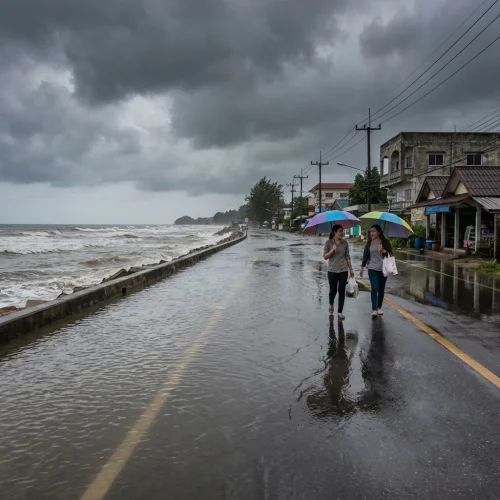
The lower Gulf coast has a different rainfall pattern from Thailand’s Andaman coast. Rougher conditions and heavier rain can affect this coast during the northeast monsoon, especially late in the year, but the timing and severity vary. Check the Thai Meteorological Department’s marine forecast before a boat trip and follow local warnings.
Carry sun protection, drinking water and mosquito repellent. Mobile coverage is useful for navigation, but save your accommodation pin and essential Thai-language details offline. Small businesses may keep irregular hours, particularly outside weekends, so confirm meals and transfers with your accommodation rather than assuming that everything will be available on arrival.
Treat the dunes, beach vegetation and research land with care. Do not remove plants, shells or sand, and avoid fires or driving on the beach. Take rubbish away from isolated areas where bins and collections are limited.
Practical Advice for Visiting Ban Boet
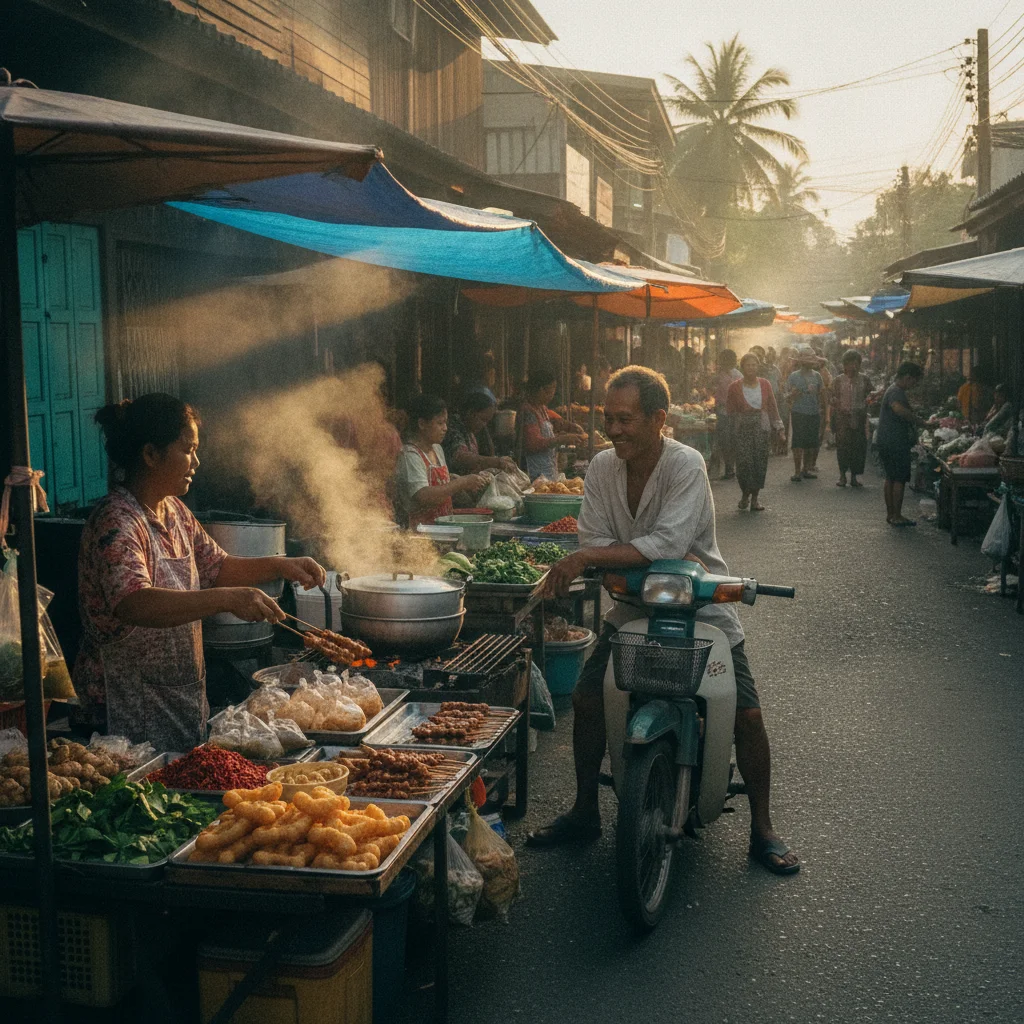
Buy essential supplies in Bang Saphan Noi or near Highway 4 before continuing to the coast. The district centre is the more reliable place for markets, pharmacies, banks and transport arrangements.
Confirm dinner arrangements when checking in. A beachfront property may have its own restaurant, but alternatives can be several kilometres away and kitchens may close earlier than those in a resort town.
Keep small Thai-baht notes for food stalls and local purchases. Ask the price of seafood before it is cooked, particularly when sold by weight.
Download the SRT timetable or save your train details before travelling to the station. Arrive with time to spare and verify the platform locally, as Bang Saphan Noi is a small stop and services are less frequent than at major stations.
Use respectful clothing in villages, temples and research premises. Swimwear is appropriate on the beach but should be covered when entering shops, restaurants or community spaces.
For medical needs beyond basic supplies, identify the nearest suitable clinic or hospital before travelling. Emergency response and onward transport take longer from a dispersed rural coast than from a large town.
Quick Reference Guide
| Item | Detail | Notes |
|---|---|---|
| Location Name | Ban Boet | Village and immediate coast in Sai Thong subdistrict |
| District | Bang Saphan Noi | Southern Prachuap Khiri Khan Province |
| Wider Coast | Extends into Pathio district | Nearby dunes and Tham Thong Beach are in Chumphon Province |
| Sea | Gulf of Thailand | East-facing coast |
| Nearest Railway Station | Bang Saphan Noi | Check which Southern Line trains stop |
| Nearest Commercial Airport | Chumphon Airport | Pre-arranged onward transport recommended |
| Distance from Bangkok | Roughly 400 kilometres by road | Journey time varies with traffic and stops |
| Main Local Transport | Car or scooter | Public transport is limited |
| Suggested Stay | 2–3 nights | Allows time for the coast, dunes and a possible island trip |
| Key Places | Ban Boet Beach, sand dunes, Khao Ban Boet | Research-station visits require prior confirmation |
| Offshore Excursion | Koh Talu | Book through an established operator and check sea conditions |
| Payment | Thai baht | Carry cash for smaller businesses |
FAQ: Ban Boet
What kind of destination is Ban Boet?
Is it safe to swim at Ban Boet Beach?
What is the best way to get around Ban Boet?
How should visitors behave when exploring the Ban Boet sand dunes?
Can visitors tour the Sithiporn Kridakara Research Station?
What should I know when ordering seafood in Ban Boet?
What should I consider when booking accommodation in Ban Boet?
How do I get from Bang Saphan Noi train station to Ban Boet?
What are important safety tips for hiring a scooter in Ban Boet?
Who is Ban Boet best suited for as a travel destination?
Reviewed by the Thailand Guide Editorial Team • Last reviewed: 21 August 2026
This page is provided for general information only. While we aim for accuracy, details can change — please verify anything important independently before relying on it.