A sudden hailstorm struck several districts of Bangkok on 1 October, bringing high winds, poor visibility, and localised surface water across major transit corridors.
Hail was recorded from approximately 4:00 pm across northern and central districts, including Chatuchak, Lat Phrao, Lak Si, and Ratchadaphisek. The phenomenon is rare in the tropical capital. The ice pellets melted quickly in the heat, but the accompanying downpour caused immediate complications for late-afternoon commuters. The Thai Meteorological Department had monitored severe storm cells developing over lower Nakhon Nayok, Samut Sakhon, and southern Bangkok from 2:40 pm before the system moved inward.
Impact on Residential and Expat Areas
The Bangkok Metropolitan Administration recorded rainfall across multiple parts of the city. Notable expat residential districts were affected, including Watthana, Khlong Toei, Phaya Thai, and Bang Kapi. In Phasi Charoen district, rainfall reached 49 millimetres within a short window.
Drainage systems in Bangkok operate close to capacity throughout the late monsoon season. When high-volume downpours strike within minutes, low-lying side streets, known locally as sois, submerge quickly. Water accumulated along main access roads connecting Sukhumvit and Phahonyothin. For British residents, these conditions complicate foot travel and road transport. Ground-floor properties and underground car parks in older developments face heightened exposure to water ingress when local drains back up.
Vehicle and Property Precautions
Hail and falling tree limbs present distinct risks to vehicles and property. British expatriates who own or lease cars in Bangkok should verify their level of insurance cover.
Standard Type 1 motor policies in Thailand typically include protection against natural disasters, including storm, hail, and flood damage. Lower tiers, such as Type 2 or Type 3 policies, frequently exclude weather-related claims unless a specific rider was purchased. Vehicle owners should review their documentation to ensure cover applies to storm-related bodywork repairs.
Tenants in high-rise apartments must also secure external areas during severe weather alerts. High winds drive rain horizontally against balcony doors and external drainage channels. Drainage grates on balconies can become blocked by debris, allowing water to enter living spaces. Clearing balcony run-offs and bringing loose furniture inside reduces the risk of water damage to flooring.
Transport and Commuting
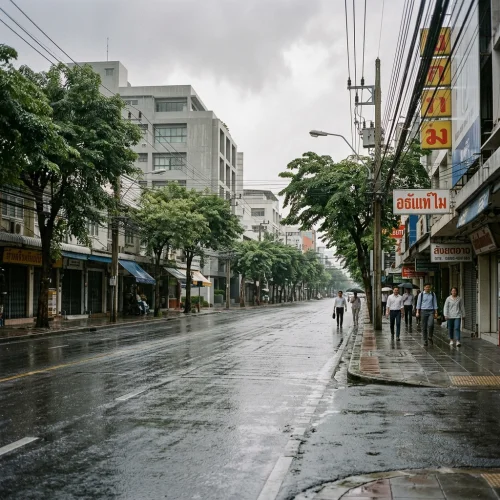
Road conditions deteriorated rapidly during the storm. Reduced visibility and standing water created extensive traffic delays along Ratchadaphisek, Lat Phrao, and the corridors linking northern Bangkok to the city centre.
Driving in Bangkok during severe storms requires immediate adjustments. Surface water obscures potholes, submerged kerbs, and open drainage covers. Stopping distances increase significantly. British drivers unaccustomed to tropical storms should avoid driving through standing water if the depth exceeds the lower edge of the wheel rims, as modern passenger vehicles risk intake damage.
Relying on elevated transit options provides the most reliable route home during severe weather. The BTS Skytrain and MRT subway networks continued regular operations throughout the 1 October event, despite minor delays at ground-level station entrances due to surface pooling. Motorcycle taxis and street-hail cabs become scarce or refuse fares when roads begin to flood.
Seasonal Outlook
The 1 October event occurred during the transition phase of the monsoon calendar. October typically brings some of Bangkok's heaviest and most concentrated downpours of the year.
Further rainfall is expected across central Thailand over the coming weeks. The Bangkok Metropolitan Administration continues to monitor municipal pump stations and canal levels to clear surface water from the city's streets. British nationals living in the capital should track updates from the Thai Meteorological Department and allow additional travel time for routine journeys until the monsoon season subsides in November.
Source: thethaiger.com
Reviewed by the Thailand Guide Editorial Team • Last reviewed: 1 October 2026
This page is provided for general information only. While we aim for accuracy, details can change — please verify anything important independently before relying on it.