Siamese Carp Fishing
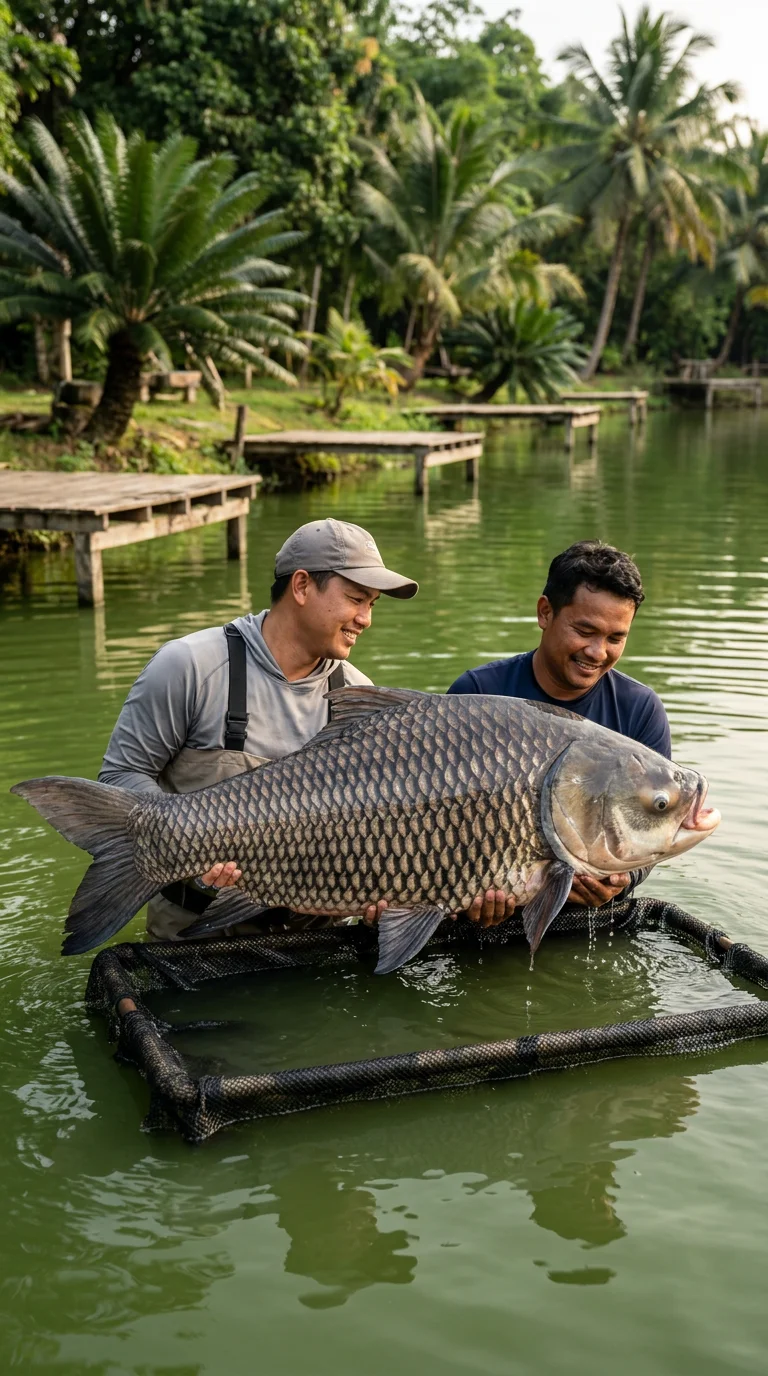
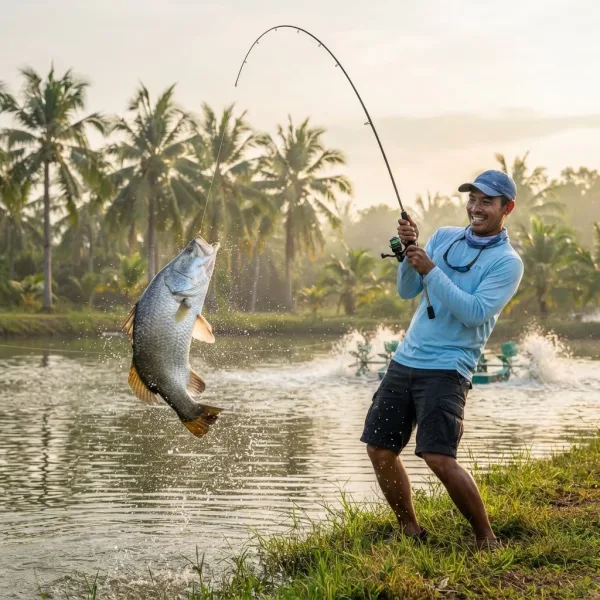
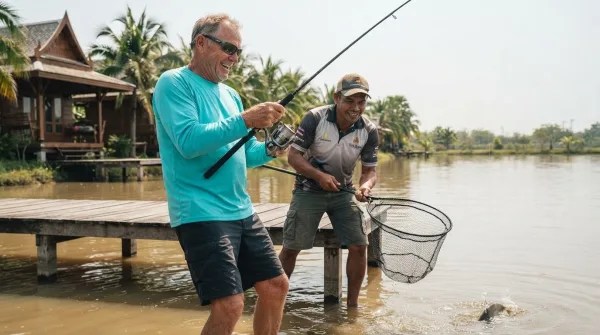
The giant Siamese carp (Catlocarpio siamensis), known in Thailand as pla kaho, is the world's largest cyprinid. With rod-caught specimens in managed fisheries exceeding 100 kg (220 lb) and historic wild records of up to 300 kg, this colossal member of the carp family draws specimen anglers from around the world throughout the year.
Historically native to the Mekong, Chao Phraya, and Mae Klong river basins, wild populations have suffered severe declines from overharvesting and habitat loss. The International Union for Conservation of Nature (IUCN) classifies the species as Critically Endangered, and it is considered extirpated from the Chao Phraya river system. Consequently, sport fishing in Thailand relies on purpose-stocked lakes supplied by commercial aquaculture and breeding programmes. These fisheries maintain thriving stocks where carp between 20 kg and 80 kg (44 lb to 176 lb) are landed regularly, alongside specimen fish exceeding 100 kg.
Unlike predatory game fish, the giant barb is an omnivorous grazer. Lacking barbels and jaw teeth, it uses an oversized mouth and fine gill rakers to sift through sediment, feeding naturally on algae, phytoplankton, detritus, and fallen fruit. This feeding mechanism produces delicate, twitching takes on bite alarms, which abruptly turn into heavy, sustained runs that test terminal tackle and angler stamina.
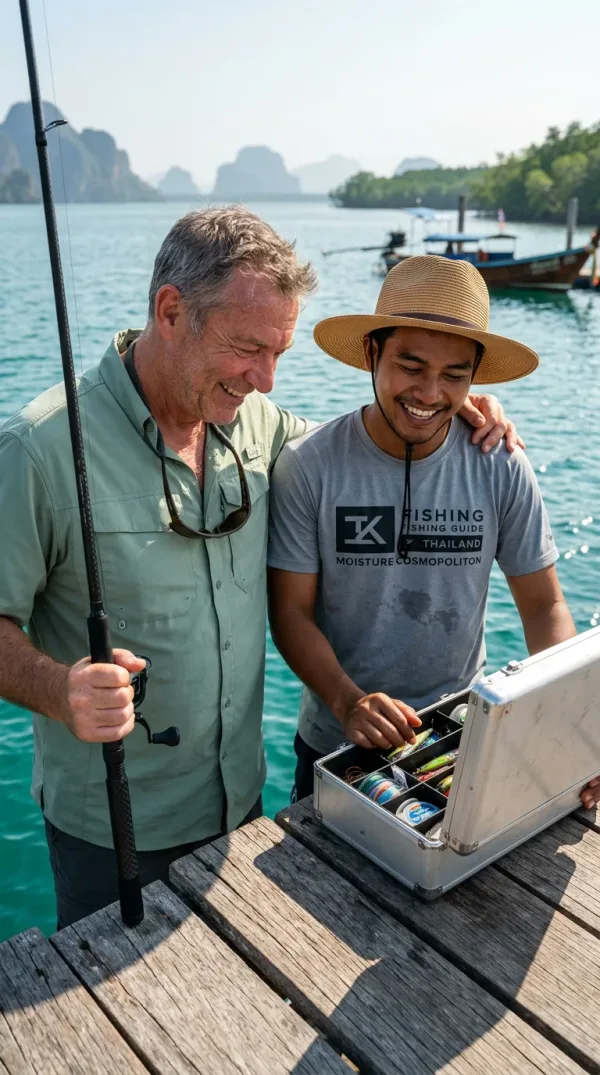
Anglers targeting the species typically book 8- to 12-hour day sessions at accessible lakes around Bangkok or stay several nights at specialist resorts in central and southern provinces. To protect fish welfare, reputable venues enforce barbless hooks, guide supervision, and the use of padded unhooking mats or submerged floating cradles to keep large specimens supported in or right beside the water. Both seasoned UK carp anglers and coached novices can target fish of exceptional proportions here.

Locations, Bait and Techniques
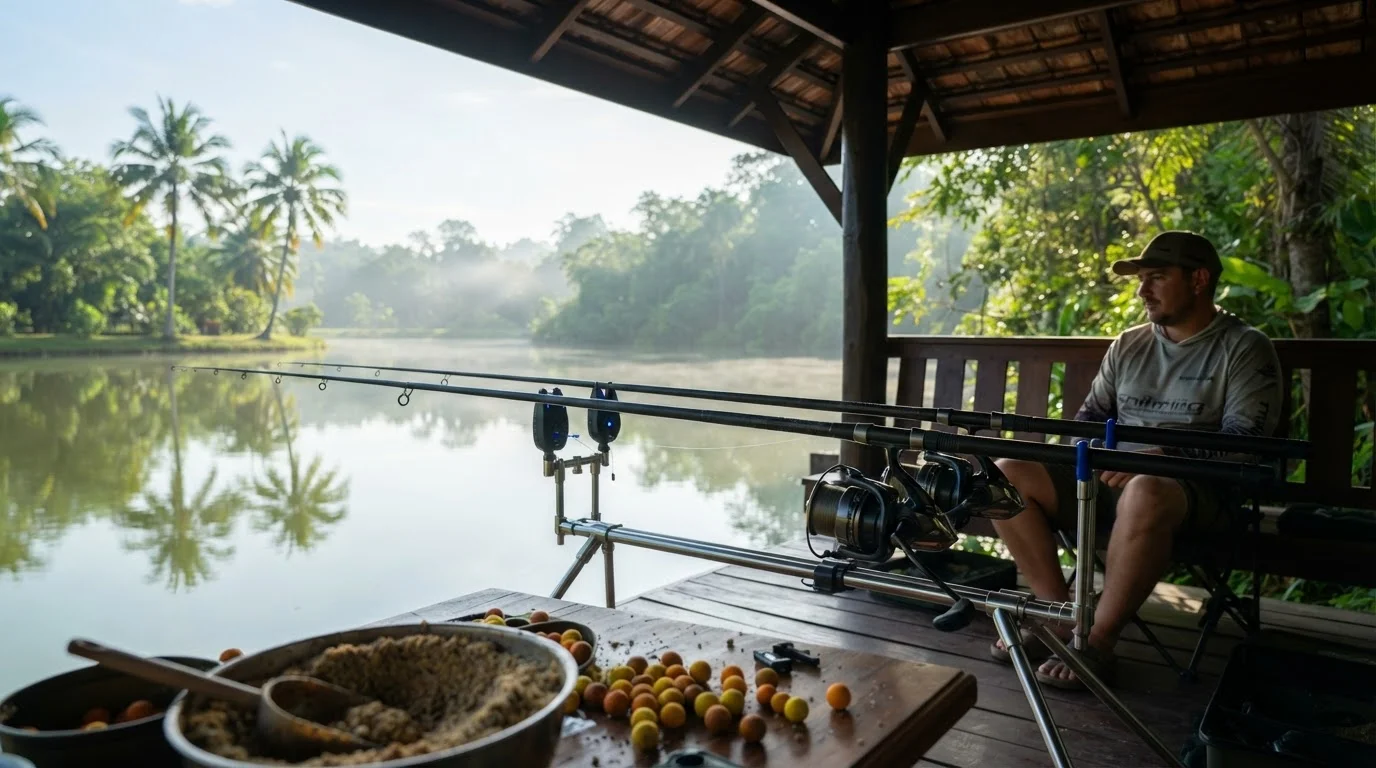
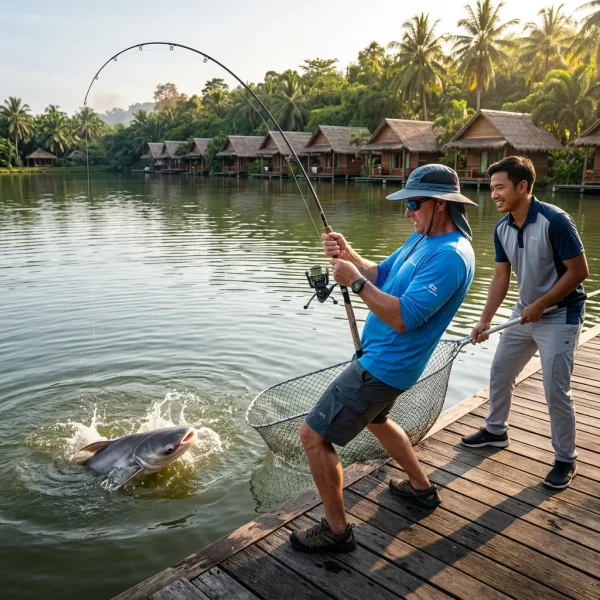
Three commercial lakes dominate Thailand's Siamese carp specimen scene. In Chachoengsao province east of Bangkok, Bungsamran Lake spans between 128,000 and 138,000 square metres, featuring a long central pier and 29 stilted fishing bungalows alongside carp that can exceed 100 kg. Jurassic Mountain Resort & Fishing Park, set near Cha-am in Phetchaburi province, centres on a 5-acre lake with 17 swims equipped with private shaded salas, holding specimens that reach up to 190 lb (86 kg). In southern Thailand near Krabi, Gillhams Fishing Resort features a 12-acre main lake beneath limestone karsts, where Siamese carp have been recorded above 200 lb (91 kg), alongside a smaller, heavily stocked lake reserved for resident guests.
Tactics split between traditional Thai method feeding and modern European carp angling. At Bungsamran, guides mix lum (finely ground rice husk) with breadcrumbs, coconut, sweetcorn, or aromatic flavourings, moulding the stiff paste around wire spring feeders beneath bulky sliding floats. Foam beads or buoyant polystyrene placed onto the hook counteract its weight, suspending it directly within the softening scent cloud. At Jurassic Mountain and Gillhams, anglers rely on European hair rigs, presenting bottom baits, pop-ups, pellets, or balanced artificial maize over beds of boilies and particles fed via spod rockets or PVA bags.
Terminal tackle must withstand immense pull and abrasive underwater obstacles. Anglers typically deploy stepped-up carp rods with test curves between 3.5 lb and 6 lb, heavy-duty big-pit reels, and mainlines rated between 40 lb and 80 lb to control lunges near bungalow pilings or margin drop-offs. Hook sizes generally range from size 2 to 6, with Gillhams permitting micro-barbed patterns while others enforce barbless hooks. Takes from giant carp often register as slight bobbin lifts or gradual float dips rather than aggressive runs. Once hooked, steady pressure wears down the fish before fishery guides secure it in large floating weigh slings or cradle nets within the margins.
Getting There and Logistics
Bungsamran sits in Bang Nam Priao, Chachoengsao, roughly 49 km east of central Bangkok. A pre-booked car or meter taxi takes approximately an hour, typically costing 600–1,200 THB (£13.50–£27) one way. The venue operates around the clock across 12-hour day (08:00–20:00) and night (20:00–08:00) sessions. Foreign angler fishing tickets cost 6,000 THB (£135) per session, with tackle hire available for 500 THB (£11.20) alongside a 2,000 THB (£45) refundable deposit. Anglers can also rent private lakeside bungalows, which range from 1,000 to 5,000 THB (£22.50–£112) per 12-hour slot depending on capacity.
Jurassic Mountain lies 10 minutes inland from Cha-am, about 2 to 2.5 hours south of Bangkok. Direct private taxis from the capital run roughly 1,800–2,100 THB (£40–£47), while minivans depart Bangkok bus terminals for Cha-am town. Fishing runs from 07:00 to 18:15 (or dusk). Standard day tickets bundle heavy tackle, two restaurant meals, lake netting assistance, and a 1,500 THB bait allowance; rates are quoted directly upon inquiry, so anglers should confirm current pricing with the resort before travelling.
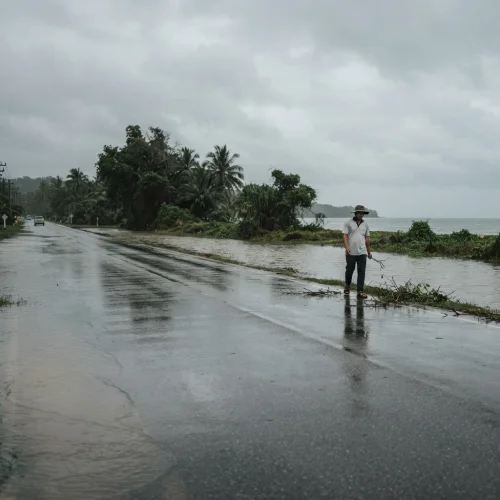
Gillhams sits roughly 30 km inland from Krabi town in southern Thailand, reached via domestic flights to Krabi Airport (where resort transfers are included in bookings) or a two-hour road journey from Phuket. Gillhams does not sell standalone day tickets; visits require a multi-day package where at least 75% of dates include fishing. Packages include lakeside accommodation, tackle, and daily breakfast—other meals are ordered separately from the restaurant—with prices quoted individually per inquiry. Fishing across all three destinations operates year-round: the drier November-to-April period provides firm banks, whereas rainy spells from May to October frequently stimulate active feeds. Keep Thai baht cash on hand for equipment deposits, bait top-ups, and guide tips of 200–500 THB (£4.50–£11.20) per session.
Plan a Gulf of Thailand trip with clear guidance on island groups, ferries, weather, marine parks, accommodation costs and mainland gateways.
Quick Reference
| Item | Detail | Notes |
|---|---|---|
| Key fisheries | Bungsamran (Chachoengsao), Jurassic Mountain (Cha-am), Gillhams (Krabi) | Commercial purpose-stocked lakes; wild river populations are critically endangered |
| Specimen weights | 20–80 kg (44–176 lb) common; top specimens exceed 100 kg (220 lb) | World's largest cyprinid (*Catlocarpio siamensis*) |
| Bungsamran day ticket | 6,000 THB (£135) per 12-hour session | Foreign angler rate; tackle hire is 500 THB (£11.20) plus 2,000 THB deposit |
| Tackle specifications | 3.5–6 lb test curve rods, 40–80 lb mainline, size 2–6 hooks | Barbless hooks enforced at most venues (Gillhams permits micro-barbed) |
| Seasonality | Year-round | Drier banks from November to April; rainy spells from May to October stimulate feeding |
| Guide gratuity | 200–500 THB (£4.50–£11.20) | Recommended per session in cash |
| Website | https://bungsamran.com | Bungsamran Lake |
| Website | https://jurassicfishingthailand.com | Jurassic Mountain Resort & Fishing Park |
| Website | https://www.gillhamsfishingresorts.com | Gillhams Fishing Resort |
| Phone | +66 61 631 2614 | Jurassic Mountain Resort & Fishing Park |
| Phone | +66 86 164 4554 | Gillhams Fishing Resort |
| Address | Bang Nam Priao, Chachoengsao 24150 | Bungsamran Lake |
| Address | 43 Moo 6 Baan Kokesehti, Na Yang, Cha-am, Phetchaburi 76120 | Jurassic Mountain Resort & Fishing Park |
| Address | Krabi, Thailand | Gillhams Fishing Resort |
Siamese Carp Fishing
FAQ: Siamese Carp Fishing in Thailand
Why is sport fishing for Siamese carp in Thailand done in stocked lakes?
What do giant Siamese carp eat?
What measures are taken to protect fish welfare when fishing for Siamese carp in Thailand?
What are the main fishing venues for Siamese carp in Thailand?
What fishing techniques are used for Siamese carp in Thailand?
What type of fishing tackle is recommended for Siamese carp?
How much does it cost to fish at Bungsamran Lake?
What is the best time of year to go Siamese carp fishing in Thailand?
Is it customary to tip fishing guides in Thailand?
Reviewed by the Thailand Guide Editorial Team • Last reviewed: 12 November 2026
This page is provided for general information only. While we aim for accuracy, details can change — please verify anything important independently before relying on it.