Barramundi Fishing in Thailand
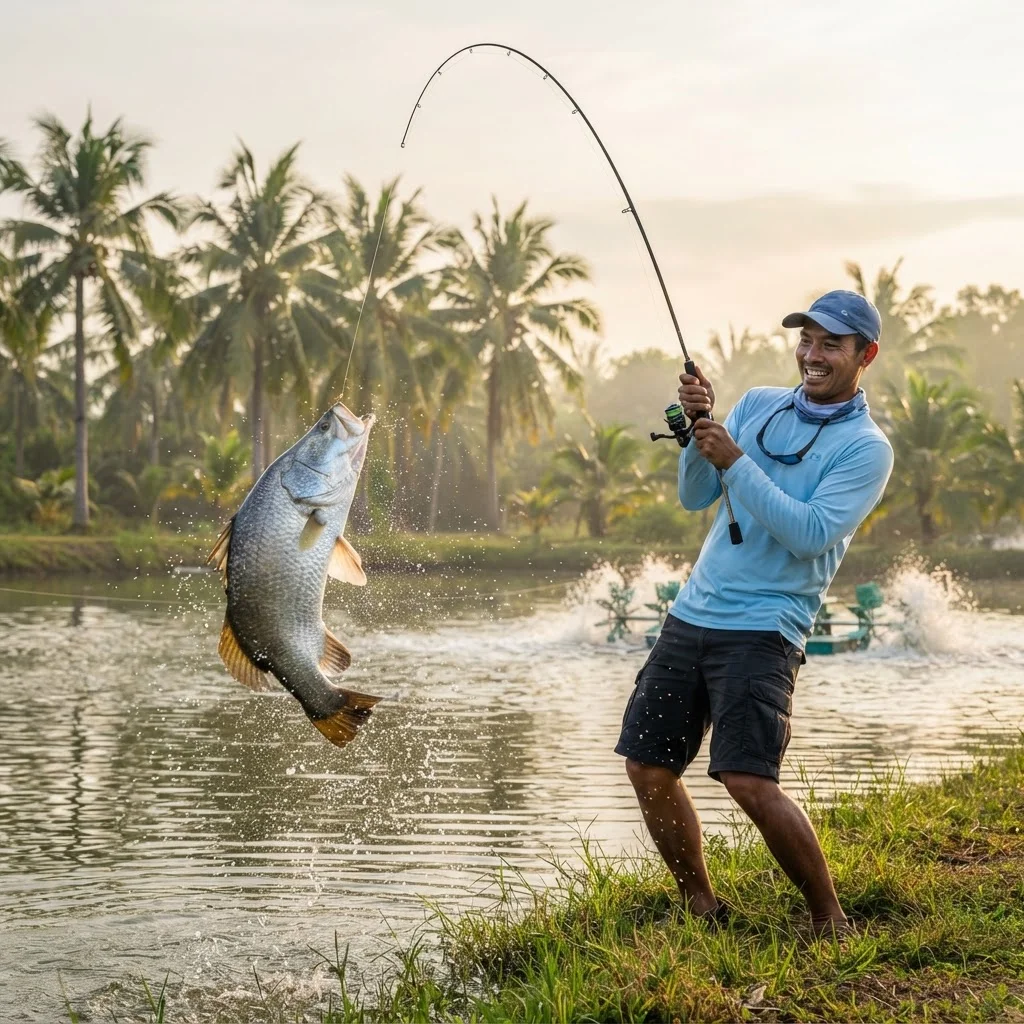
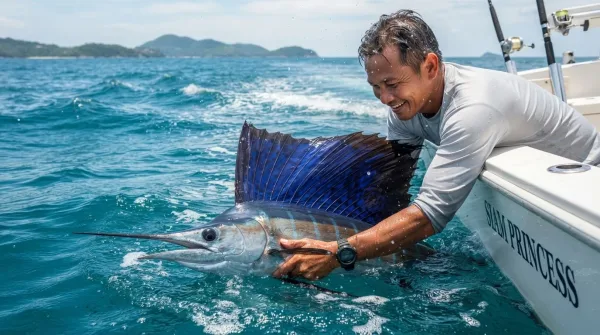
Known in Thai as pla kapong khao, barramundi (Lates calcarifer) are Thailand's premier sport predator, delivering explosive strikes and acrobatic, tail-walking leaps across Central Thailand's specialist lure venues and coastal mangrove rivers.
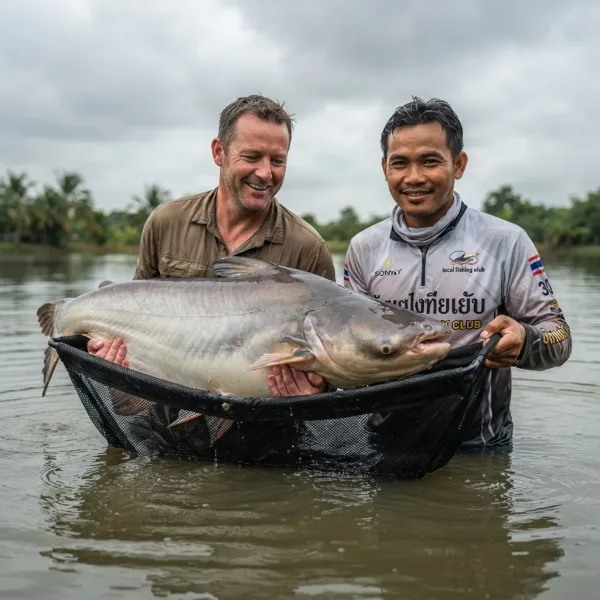
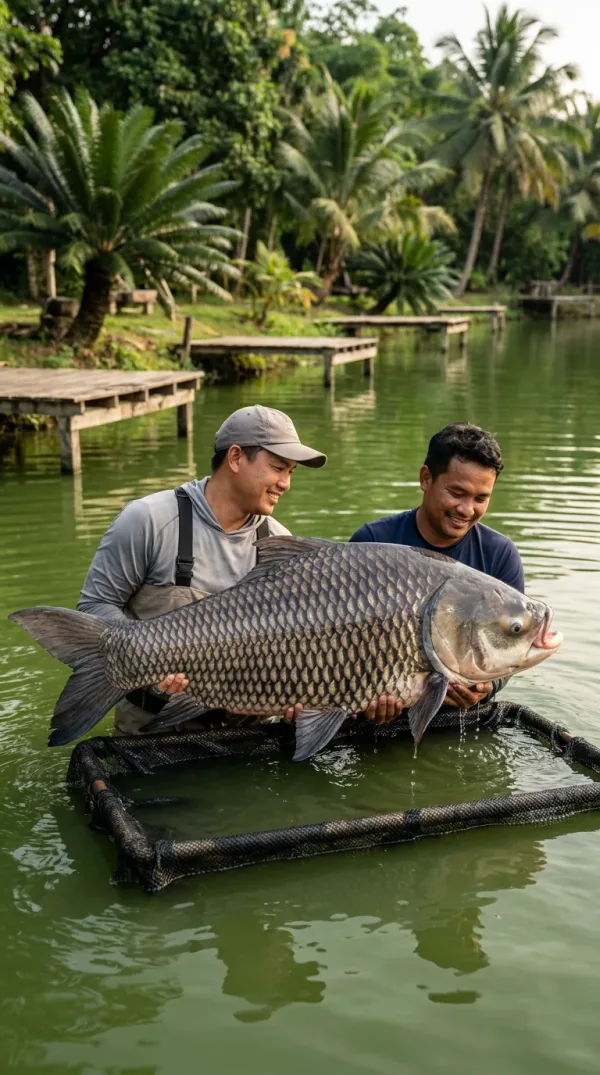
Barramundi are euryhaline ambush predators, thriving in freshwater lakes and brackish tidal estuaries alike. When hooked, these deep-bodied silver fish react with sudden violence. They launch clear of the water, rattling their flared, razor-sharp gill plates in mid-air before diving for aerator cables, water intake pipes, or submerged mangrove roots. Most guided day trips involve six to eight hours of casting, concentrated predominantly around the suburban edges of Bangkok, the coastal flats of Chachoengsao province, and nearby Pattaya. Fish stocked in commercial sport ponds typically weigh between 2 and 6 kg, though trophy specimens in specialist waters exceed 10 kg.
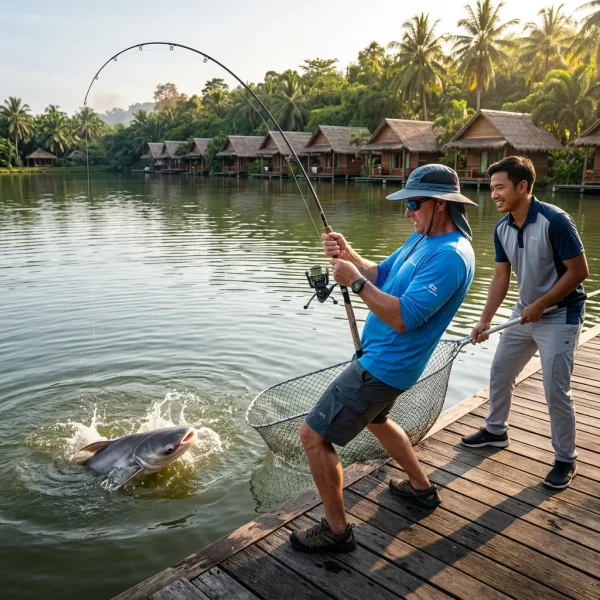
To minimise handling stress, managed catch-and-release venues generally mandate single barbless hooks and knotless landing nets, which protect the fish's delicate scales and slime coat. While farm-pond fish respond eagerly to twitched surface lures and erratic subsurface retrieves, wild estuarine barramundi feed primarily around moving tides, ambushing baitfish and prawns along current seams and mangrove margins. The fishery caters equally to holidaymakers wanting reliable, hard-fighting action and experienced anglers seeking technical casting challenges with lure or fly tackle.

Fishing Environments, Lures and Tackle
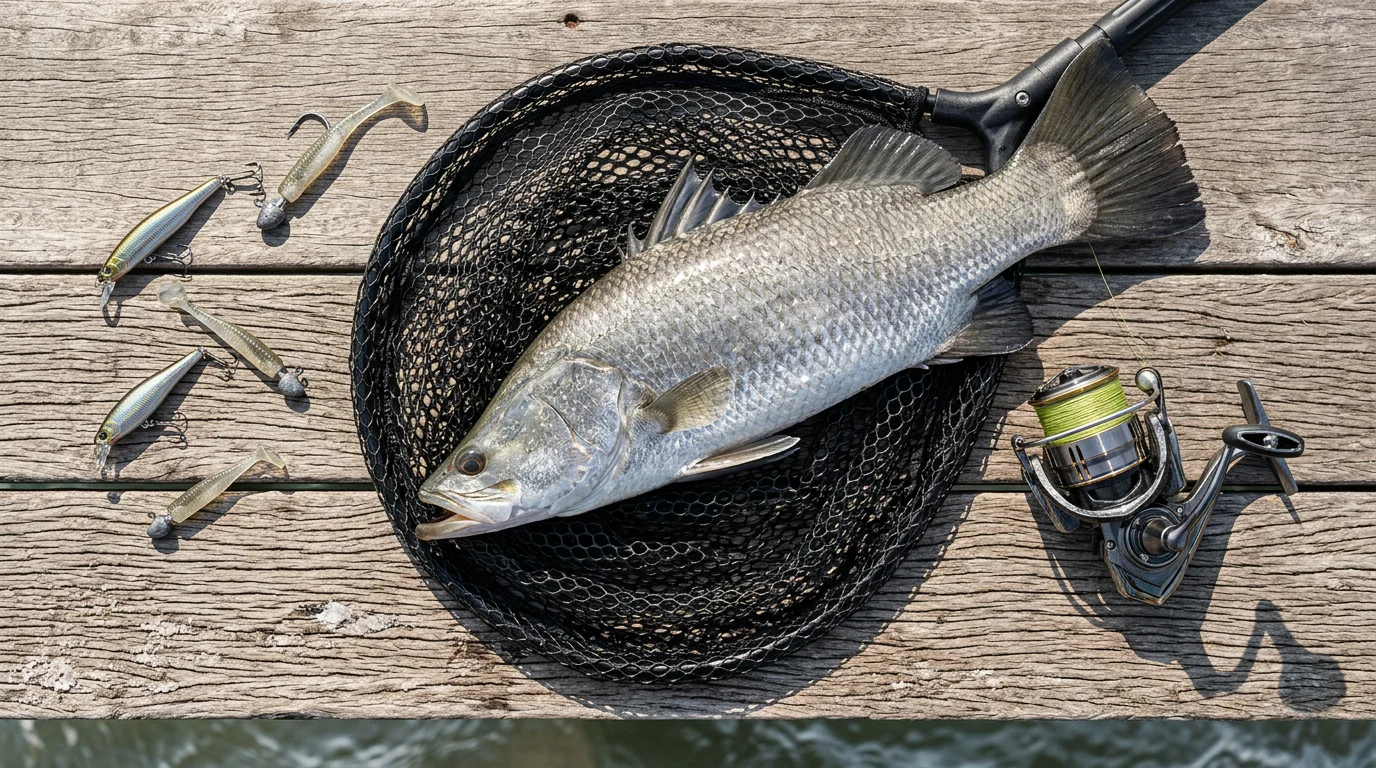
Anglers targeting barramundi across Thailand can choose from three distinct environments: purpose-built commercial lure parks, intensive aquaculture farm ponds, and wild coastal mangrove estuaries. Each setting dictates different tactical presentations, casting accuracy, and tackle configurations.
Commercial lure venues, most notably Pilot 111 in Chachoengsao, feature groomed clay banks and open water holding barramundi alongside other predator species such as giant snakehead and catfish. These managed fisheries cater to active casting over snag-free water. Anglers work 90–120 mm suspending jerkbaits, surface walkers, and paddle-tail soft plastics rigged on 10–15 g jig heads. Nearby, high-density aquaculture venues such as Boon Mar Ponds in Bang Pakong operate across interconnected brackish pools originally established for fish farming. These waters deliver fast sport for lure anglers twitching shallow-running minnows and fly fishers stripping baitfish streamers on 8-weight fly rods.
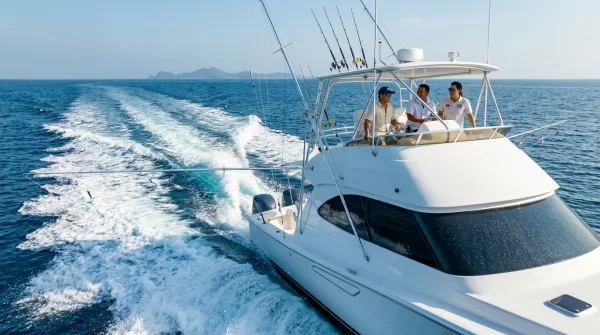
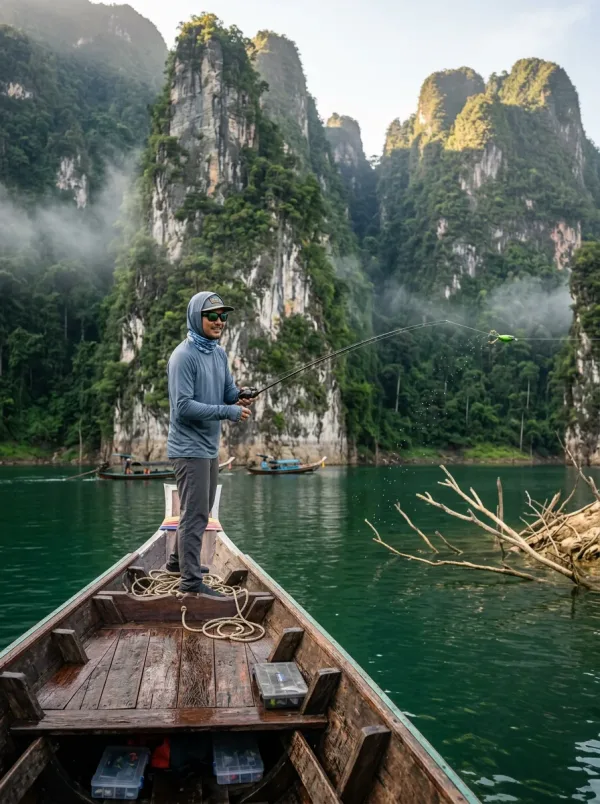
Beyond stocked fisheries, wild barramundi inhabit tidal river networks and mangrove creeks along both the Gulf of Thailand and the Andaman coast. Productive estuarine systems include the lower reaches of the Tha Chin River in Samut Sakhon, the Bang Pakong River mouth, and the sheltered mangrove channels of Krabi. Wild fishing generally relies on local boatmen or longtail craft, with outings timed around moving tides when predatory fish ambush baitfish flushed out of mangrove root systems. Anglers cast diving minnows and weedless-rigged soft plastics tight against overhanging prop roots and mud banks.
Tackle requirements are largely standardised across both stocked and wild venues. A fast-action 6.6- to 7-foot medium-heavy lure rod rated for 10–20 lb line (or PE 1.5–2.5) provides the backbone needed to set hooks into bony mouths and turn hard-charging fish away from snags. Pair this with a 2500–3500 size spinning reel or a 150-size baitcaster spooled with 20–30 lb braided mainline. A 40–50 lb fluorocarbon leader is standard terminal tackle; barramundi feature raspy jaw pads and razor-sharp gill plates that quickly fray lighter mono. Dedicated lure parks and farm ponds strictly mandate artificial lures and barbless hooks, but in tidal estuaries and mixed-species bait lakes where natural bait is permitted, live prawns fished on free-running sinker or float rigs remain highly effective.
Getting There and Logistics
Most of Thailand's established barramundi fisheries lie in the coastal and estuary lowlands of Chachoengsao, Samut Prakan, and Samut Sakhon provinces, roughly 45 to 80 km from central Bangkok. Reaching public pay-lakes is straightforward by metered taxi or ride-hailing app such as Grab or Bolt, with one-way fares from downtown Bangkok typically running between 800 and 1,200 THB (£18 to £27). However, hailing a ride back from semi-rural pond districts is notoriously difficult. Arrange a fixed return pickup or negotiate an all-day rate with your morning driver before setting off. Day-ticket entry fees at public pay-lakes generally range from 200 to 500 THB (£4.50 to £11) per angler, payable in cash at the gate.
Accessing working aquaculture ponds and secluded farm lakes requires pre-arranged private bookings through local guides or specialist outfits. Guided day packages generally run from 6,000 to 10,500 THB (£135 to £235) for solo anglers, with per-person rates dropping to between 3,500 and 5,500 THB (£78 to £123) for small groups. These trips typically cover private hotel transfers, specialist lure tackle, and fishing access, though meal and drink inclusions vary by operator. Commercial pay-lakes operate largely during daylight hours, opening around 06:00 or 07:00 and closing by 18:00, with some venues observing weekly rest days. Time your casting for the first two hours of daylight and the late afternoon, when surface feeding activity is at its highest.
Plan a Northern Thailand trip covering Chiang Mai, Chiang Rai, Sukhothai, mountain routes, Lanna food, transport, seasons and air quality.
Quick Reference Table
| Item | Detail | Notes |
|---|---|---|
| Stocked fish size | 2–6 kg average; trophy fish exceed 10 kg | Commercial sport ponds and specialist farm waters |
| Public pay-lake day ticket | 200–500 THB (£4.50–£11) per angler | Payable in cash at the gate |
| Guided day packages | 6,000–10,500 THB (£135–£235) solo | 3,500–5,500 THB (£78–£123) per person for small groups; includes transfers and tackle |
| Distance from central Bangkok | 45–80 km | Estuary and lowland venues in Chachoengsao, Samut Prakan, and Samut Sakhon |
| One-way taxi fare | 800–1,200 THB (£18–£27) | Metered taxi, Grab, or Bolt; arrange return collection in advance |
| Operating hours | 06:00 or 07:00 to 18:00 | Prime feeding occurs in the first two hours of daylight and late afternoon |
| Venue tackle regulations | Single barbless hooks and knotless landing nets | Lure-only rules at sport ponds; 40–50 lb fluorocarbon leader recommended |
FAQ: Barramundi Fishing in Thailand
Where can barramundi be found in Thailand?
What is the behaviour of barramundi when hooked?
What equipment is required at managed catch-and-release barramundi fishing venues?
Who is barramundi fishing in Thailand suitable for?
What types of environments can anglers fish for barramundi in Thailand?
What types of lures are effective at commercial barramundi lure venues?
What type of fishing tackle is recommended for barramundi in Thailand?
How should one arrange transportation to and from barramundi fishing pay-lakes?
How much does a day ticket for public barramundi pay-lakes cost?
What are the best times of day to fish for barramundi at commercial pay-lakes?
Reviewed by the Thailand Guide Editorial Team • Last reviewed: 13 November 2026
This page is provided for general information only. While we aim for accuracy, details can change — please verify anything important independently before relying on it.