Giant Trevally Fishing in Thailand
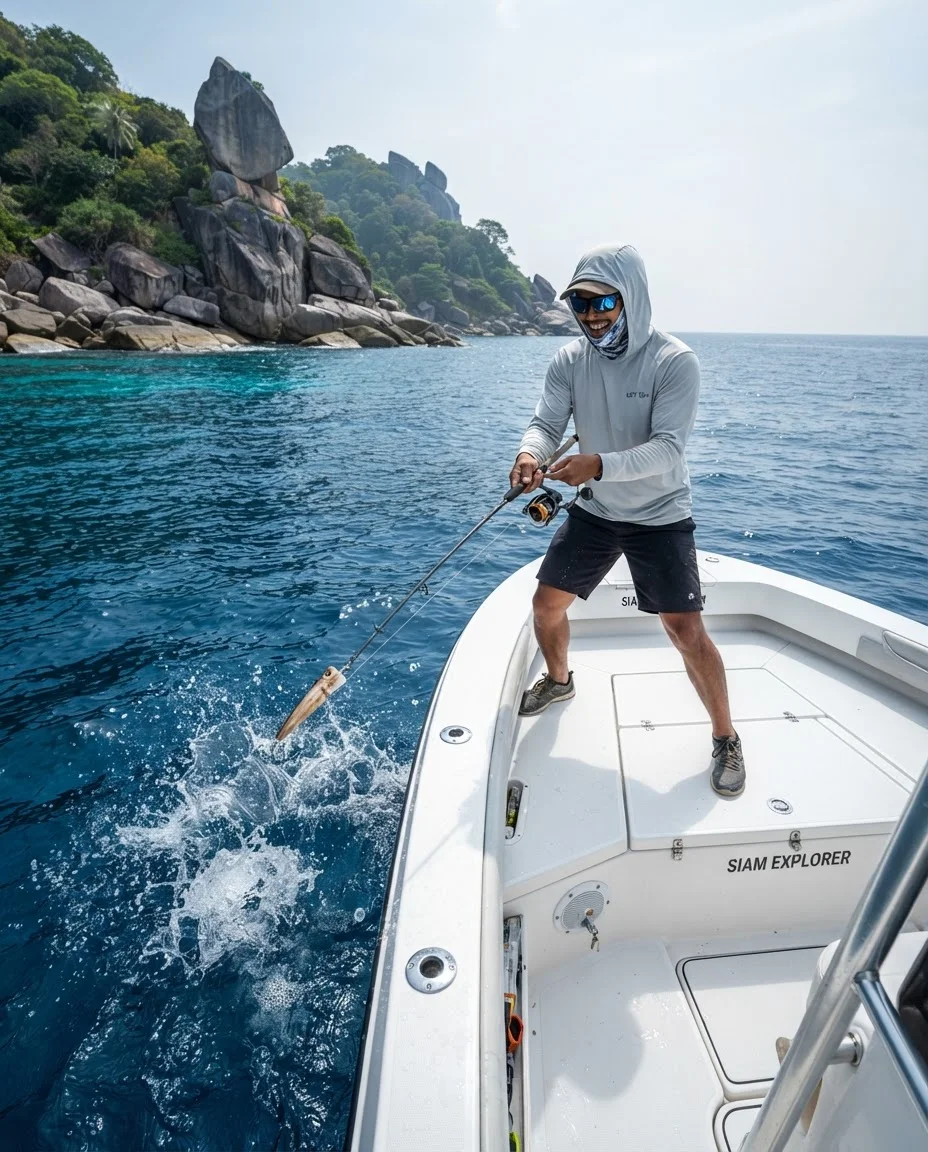
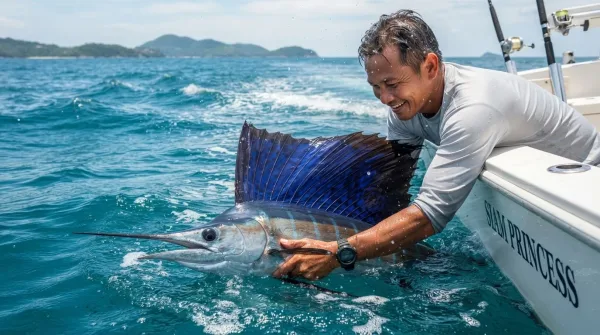
Giant trevally (Caranx ignobilis) are widely regarded as Thailand's most formidable saltwater game fish, famous among sport anglers for explosive surface strikes that can bend heavy PE 8 popping rods double in seconds. Known colloquially as GT, these muscular apex predators patrol offshore seamounts, submerged reef drop-offs, and current-washed pinnacles, where they ambush shoals of baitfish with ferocious speed.
Targeting giant trevally in Thai waters is an athletic, physically punishing endeavour with little in common with conventional holiday trolling. Mature specimens in open waters routinely reach 20 to 30 kilograms or more, possessing broad flanks and crushing jaw pressure capable of distorting heavy-gauge terminal tackle. Hooking a fish is merely the beginning: an adult GT instinctively dives straight for the nearest coral shelf or rock bommie, requiring locked-down drag pressure—often 12 to 15 kilograms or more—from the instant of the strike to prevent line abrasion and break-offs.
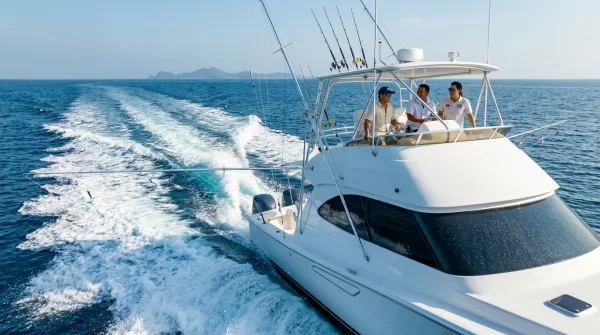
Most anglers pursue GT on full-day private boat charters spanning eight to ten hours, though dedicated fishermen often arrange multi-day liveaboard journeys to access remote outer seamounts and continental drop-offs. A standard day involves several hundred long casts under intense tropical heat, repeatedly working large 100-gram to 180-gram surface poppers and diving stickbaits with vigorous, rhythmic rod sweeps to churn water and draw strikes. Given the intense strain on both tackle and angler, solid physical stamina, heavy-duty gimbal belts, and prompt catch-and-release handling are central to the pursuit.

Key Fishing Grounds and Techniques
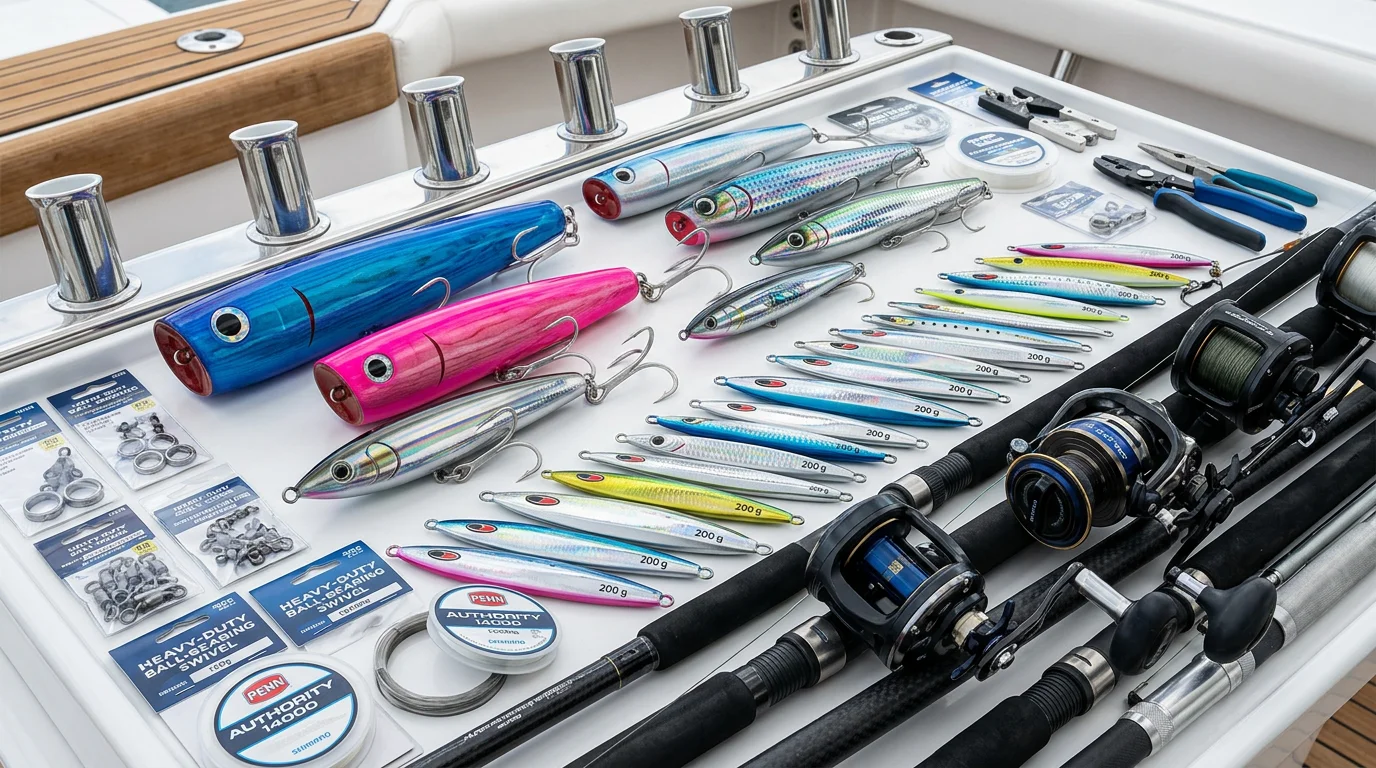
Thailand's giant trevally fishery divides into two broad environments: steep coastal drop-offs reachable on day charters and deep offshore structures that require dedicated open-water runs. Each demands different lure presentations to draw strikes from feeding fish.
Koh Racha Noi and Koh Racha Yai, sitting south of Phuket, serve as the primary day-boat destinations. The southern underwater seamounts and sheer granite drop-offs of Koh Racha Noi create strong current lines that push baitfish towards the surface. Anglers work these edges using heavy cupped-face poppers in the 100-gram to 180-gram range, pumping the rod to throw spray and create the acoustic disturbance that triggers predatory aggression. Sinking or floating stickbaits worked with long, erratic rod sweeps provide an effective alternative when fish track surface commotion without committing.
Further north off Phang Nga, charter boats work the deep outer perimeters around the Similan and Surin archipelagos. Fishing inside marine national park boundaries is illegal, so captains concentrate on isolated seamounts and offshore fish aggregating devices (FADs) anchored in open sea. While topwater popping produces explosive morning takes around current edges, vertical speed jigging is the primary tactic when fish sound. Dropping 150-gram to 300-gram metal jigs to depths of 60 to 110 metres and retrieving them with fast, rhythmic cadence tempts trevally holding deep in the water column.
Technical inshore grounds off Krabi, Trang, and the outer reefs around Koh Rok hold resident trevally along submerged limestone walls and reef passes. These shallower marks suit lighter PE 5 to PE 6 tackle paired with medium stickbaits. In the Gulf of Thailand, isolated underwater structures such as Koh Losin and deep offshore banks hold roving schools, but the Andaman Sea remains the premier choice for consistent strikes and heavier fish.
Getting There and Logistics
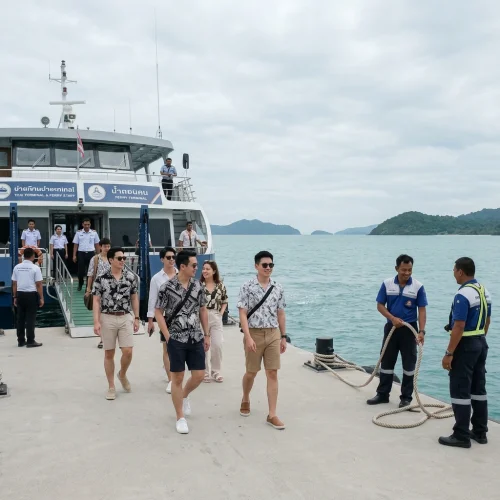
Most GT operations depart from southern Phuket or Phang Nga province. Charters targeting the Koh Racha chain typically leave from Chalong Pier in Phuket, roughly a 45-minute taxi ride (800–1,200 THB / £19–£28) from Patong or Phuket Town. Expeditions heading towards open-water drop-offs further north depart from Thap Lamu Pier in Phang Nga, situated roughly 15 to 20 minutes by car south of Khao Lak.
At the time of research, private day charters on purpose-built speedboats or twin-engine centre consoles typically cost between 28,000 THB and 55,000 THB (£650 to £1,280) per boat, usually accommodating two to four casting anglers. Multi-day offshore liveaboard trips generally range from 15,000 THB to 25,000 THB (£350 to £580) per angler per day. Standard bottom-fishing or trolling gear is often supplied on general tourist boats, but heavy GT setups—such as Shimano Stella or Daiwa Saltiga reels spooled with PE 6–8 braid—frequently carry an extra hire fee of 1,500–2,500 THB (£35–£58) per day if anglers do not supply their own tackle.
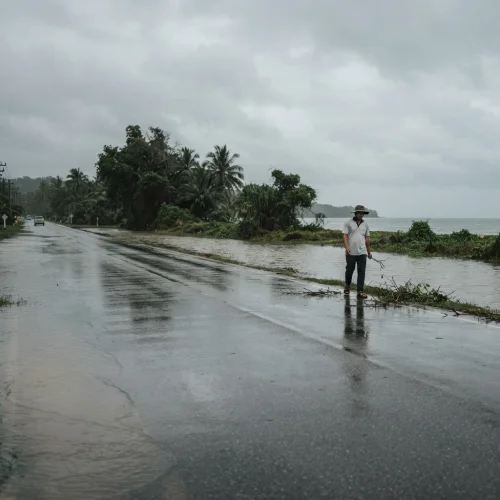
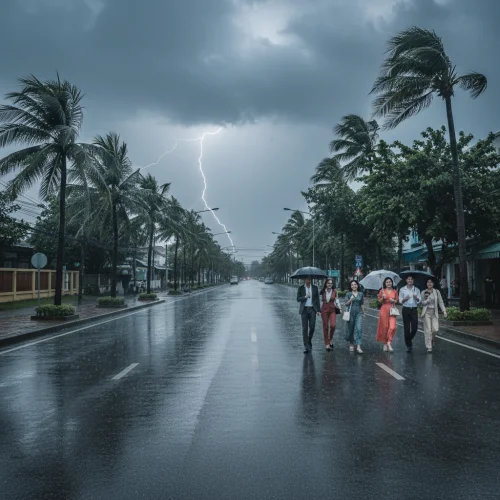
The Andaman fishing season runs from November to April, aligning with the dry northeast monsoon and settled sea conditions. Between May and October, the southwest monsoon generates heavy swell and choppy water that routinely stops small craft reaching outer grounds. Thai conservation regulations enforced by the Department of National Parks, Wildlife and Plant Conservation prohibit fishing inside marine national parks, including Mu Koh Similan, Mu Koh Surin, and Hat Noppharat Thara–Mu Koh Phi Phi. Reputable skippers operate strictly outside protected boundaries around deep seamounts and outer contours, applying catch-and-release standards with barbless single hooks and in-water handling to maximise fish survival.
Plan a Central Thailand trip through Ayutthaya, Kanchanaburi, Lopburi and Amphawa, with current costs, transport advice and seasonal guidance.
Quick Reference Table
| Item | Detail | Notes |
|---|---|---|
| Peak Season | November to April | Calm seas during the northeast monsoon; May to October brings heavy swells |
| Day Charter Cost | 28,000–55,000 THB (£650–£1,280) | Per boat for an 8–10 hour charter; usually accommodates 2–4 anglers |
| Liveaboard Cost | 15,000–25,000 THB (£350–£580) | Per angler per day for multi-day offshore expedition runs |
| Specialist Tackle Hire | 1,500–2,500 THB (£35–£58) | Per day for heavy PE 6–8 popping and vertical jigging setups |
| Primary Departure Points | Chalong Pier (Phuket) & Thap Lamu Pier (Phang Nga) | Chalong taxi transfers from Patong/Phuket Town cost 800–1,200 THB (£19–£28) |
| Regulations & Ethics | Strict catch-and-release | Fishing inside marine national parks is prohibited; barbless single hooks recommended |
FAQ: Giant Trevally Fishing in Thailand
What is required when a Giant Trevally strikes to prevent line breakage?
How long do Giant Trevally fishing charters typically last in Thailand?
What physical requirements are needed for Giant Trevally fishing in Thailand?
Where are the primary day-boat destinations for Giant Trevally fishing near Phuket?
Is fishing allowed inside marine national parks in Thailand?
Which sea is considered the best for Giant Trevally fishing in Thailand?
What are the primary departure points for Giant Trevally fishing charters in Thailand?
When is the best time of year for Giant Trevally fishing in Thailand?
How much does a private day charter for Giant Trevally fishing typically cost in Thailand?
What are the conservation regulations and ethical practices for Giant Trevally fishing in Thailand?
Reviewed by the Thailand Guide Editorial Team • Last reviewed: 13 November 2026
This page is provided for general information only. While we aim for accuracy, details can change — please verify anything important independently before relying on it.