Skydiving in Thailand
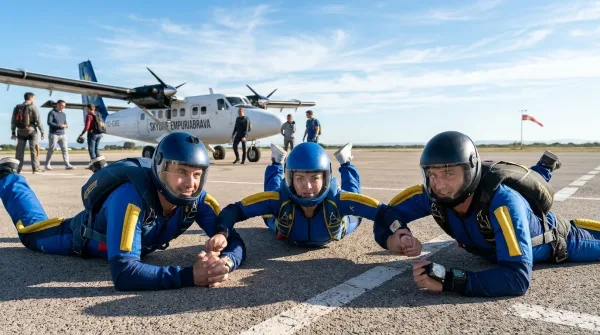
At 13,000 feet over Thailand's Eastern Seaboard, the door of a turbine aircraft rolls open to reveal the sweeping coastline of the Gulf of Thailand beneath your trainers. Tandem jumpers exit into clean coastal air, reaching a terminal velocity of 120 miles per hour (around 193 kilometres per hour) within six seconds. After roughly a minute of freefall, the parachute deploys at around 5,000 feet, transitioning the dive into a scenic canopy descent above the agricultural fields, coastal plains, and reservoirs of Chonburi and Rayong.
Commercial skydiving in Thailand centres on two active coastal dropzones: Thai Sky Adventures in Si Racha and Dropzone Thailand in Klaeng. Although operators and agency resellers frequently market jumps under the banner of Bangkok or Pattaya, flights take off from dedicated rural airfields located between one and two and a half hours by road from the capital. Operations in northern Thailand near Chiang Mai remain suspended following civil aviation regulatory notices, leaving the Eastern Seaboard as the country's primary jumping corridor.
Whether you are planning a one-off tandem skydive or an Accelerated Freefall course towards an independent licence, organising a jump requires navigating booking resellers, seasonal weather windows, and strict medical criteria—such as a mandatory 24-hour surface interval following scuba diving. This guide explains dropzone operations, pricing structures in Thai Baht and British Pounds, eligibility rules, and travel logistics to help you schedule your jump sensibly alongside your Thailand itinerary.

The Active Dropzones and Operating Landscape
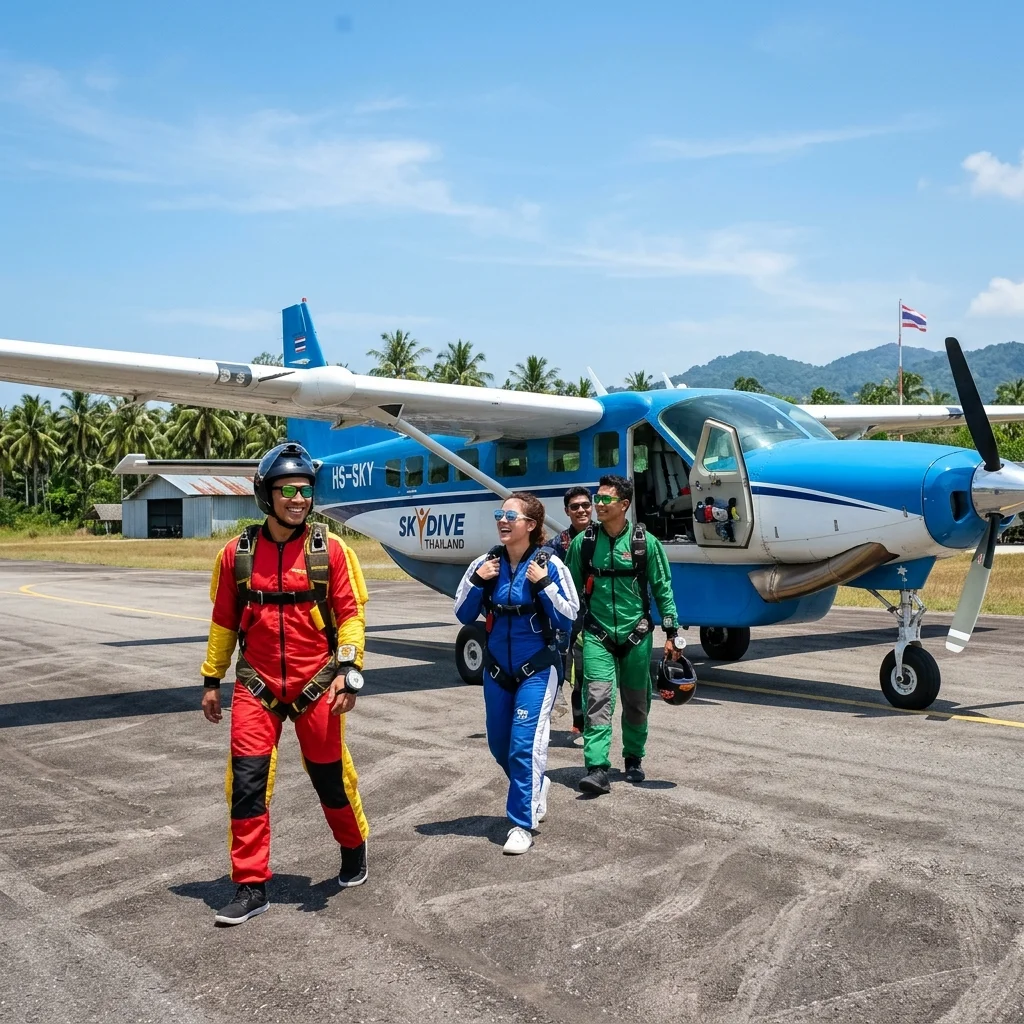
Thailand's commercial skydiving operations cluster along the Eastern Seaboard, where maritime air currents and coastal infrastructure permit flights throughout the year. Commercial tandem jumps are marketed under urban destination names such as Bangkok or Pattaya, yet neither metropolis maintains an active civilian dropzone within municipal boundaries. Controlled airspace around Suvarnabhumi and Don Mueang airports redirects sports aviation into rural corridors farther south. Flights take off from dedicated country airfields across Chonburi and Rayong provinces, making regional road transfers a standard part of jump day.
Thai Sky Adventures operates from Nong Kho Airfield in Si Racha, situated approximately 25 kilometres north of Pattaya and 100 kilometres south of central Bangkok. The airfield borders the Nong Kho Reservoir, running jumps from a Pilatus PC-6 Porter turboprop up to an exit altitude of 13,000 feet (3,962 metres). Roughly 70 kilometres farther east along Highway 3, Dropzone Thailand runs flights from a private coastal runway in the Chakphong area of Klaeng District in Rayong province. Operating a Quest Kodiak 100 turboprop, this coastal dropzone drops parachutists from 13,000 feet (3,962 metres) over views of the Gulf of Thailand and Koh Samet, sitting approximately two hours by road from Suvarnabhumi Airport.
Northern Thailand previously provided an alternative mountain jumping landscape at Phusanfah Airfield in Mae Taeng District, roughly 50 kilometres north of Chiang Mai. Skydive Thailand and Skydive Chiang Mai previously shared this runway using an NZ Aero PAC 750XL turboprop. However, on 1 June 2026, the Civil Aviation Authority of Thailand issued a formal directive halting civilian parachute ascents from Phusanfah Airfield. The regulatory suspension remains active without an announced reopening date, grounding commercial jumping in the north and leaving the Eastern Seaboard as Thailand's active skydiving territory.
| Dropzone / Operating Brand | Thai Sky Adventures | Dropzone Thailand | Skydive Thailand | Skydive Chiang Mai |
|---|---|---|---|---|
| Operating Location | Si Racha, Chonburi Province | Klaeng District, Rayong Province | Mae Taeng, Chiang Mai Province | Mae Taeng, Chiang Mai Province |
| Current Operational Status | Fully operational daily | Fully operational daily | Suspended by aviation authority | Suspended by aviation authority |
| Primary Aircraft | Pilatus PC-6 Porter / Cessna | Kodiak 100 Turboprop | NZ Aero / PAC 750XL | NZ Aero / PAC 750XL |
| Exit Altitude | 13,000 ft (3,962 m) | 13,000 ft (3,962 m) | 13,000 ft (historic) | 13,000 ft (historic) |
| Typical Transfer Base | Pattaya & Bangkok (Siam BTS) | Pattaya & Suvarnabhumi Airport | Chiang Mai Old City (inactive) | Chiang Mai Old City (inactive) |
Confirming physical airfield coordinates on map applications rather than relying on promotional city tags helps jumpers arrange realistic travel times. Morning departure slots between 06:30 and 08:00 provide the calmest atmospheric conditions before afternoon coastal breezes and thermal updrafts develop. Travellers planning a tandem skydive can reserve designated departure manifests in advance to secure morning flight windows and coordinate return road transfers from coastal hotels or transport hubs.
Operator Profiles: Si Racha, Rayong, and the Northern Suspension
Thailand currently has two active commercial dropzones alongside a suspended northern site. Both operational dropzones sit along the Eastern Seaboard and hold United States Parachute Association (USPA) affiliation, but they differ in aircraft, atmosphere, and travel logistics.
Thai Sky Adventures in Si Racha, Chonburi Province, is Thailand's longest-running skydiving facility, operating for over a decade. Flights run in a Pilatus PC-6 Porter turboprop, climbing to 13,000 feet for around 60 seconds of freefall. The dropzone's main practical advantage is transport accessibility. Tandem bookings include complimentary hotel transfers from central Pattaya, while a daily round-trip minibus runs from outside Novotel Bangkok on Siam Square for 500 THB (approx £11). The airfield grounds also feature a restaurant and a recreational target shooting range.
Dropzone Thailand, situated further southeast in Klaeng, Rayong Province, provides a dedicated hub for both beginner tandems and licensed sports jumpers. The airfield flies a Quest Kodiak 100 turboprop, lifting skydivers up to 13,000 feet with coastal vistas looking out across the Gulf of Thailand toward Koh Samet. On-site amenities cater thoroughly to active skydivers, including a swooping pond, rigging loft, equipment hire, and a covered open-air café. Unlike Si Racha, getting here requires self-driving or hiring private transport, taking roughly an hour from Pattaya or two hours from Bangkok Suvarnabhumi Airport.
Northern Thailand currently has no operational skydiving. Skydive Thailand previously operated in Khao Yai before shifting to Phusanfah Airfield in Mae Taeng, Chiang Mai. Operations at Phusanfah were halted under civil aviation authority directives, and its manifest remains closed while the company evaluates relocation.
When booking, deal directly with the dropzone operators rather than third-party holiday ticket kiosks along Pattaya Beach Road or intermediary websites that rebrand the same airfields at inflated markups.
Plan a Central Thailand trip through Ayutthaya, Kanchanaburi, Lopburi and Amphawa, with current costs, transport advice and seasonal guidance.
The Tandem Experience: From Manifest to Touchdown
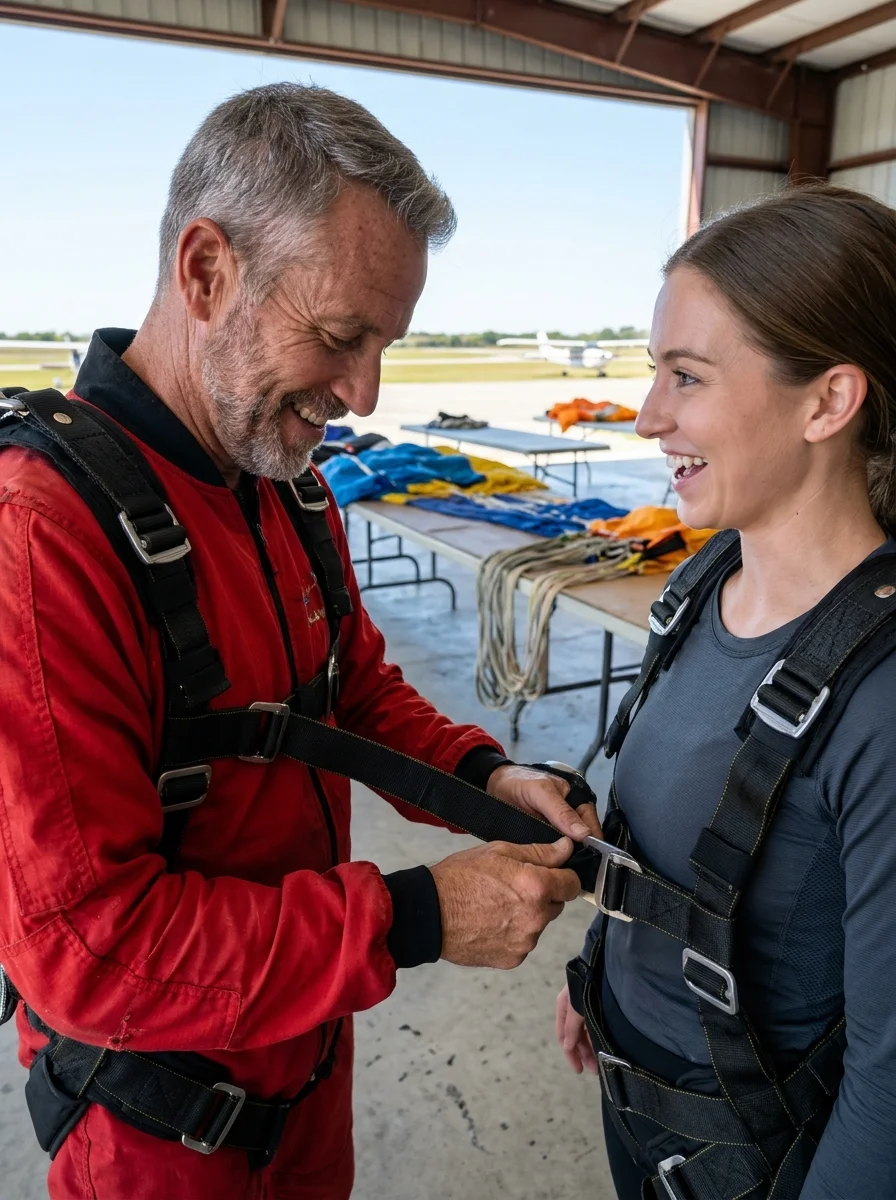
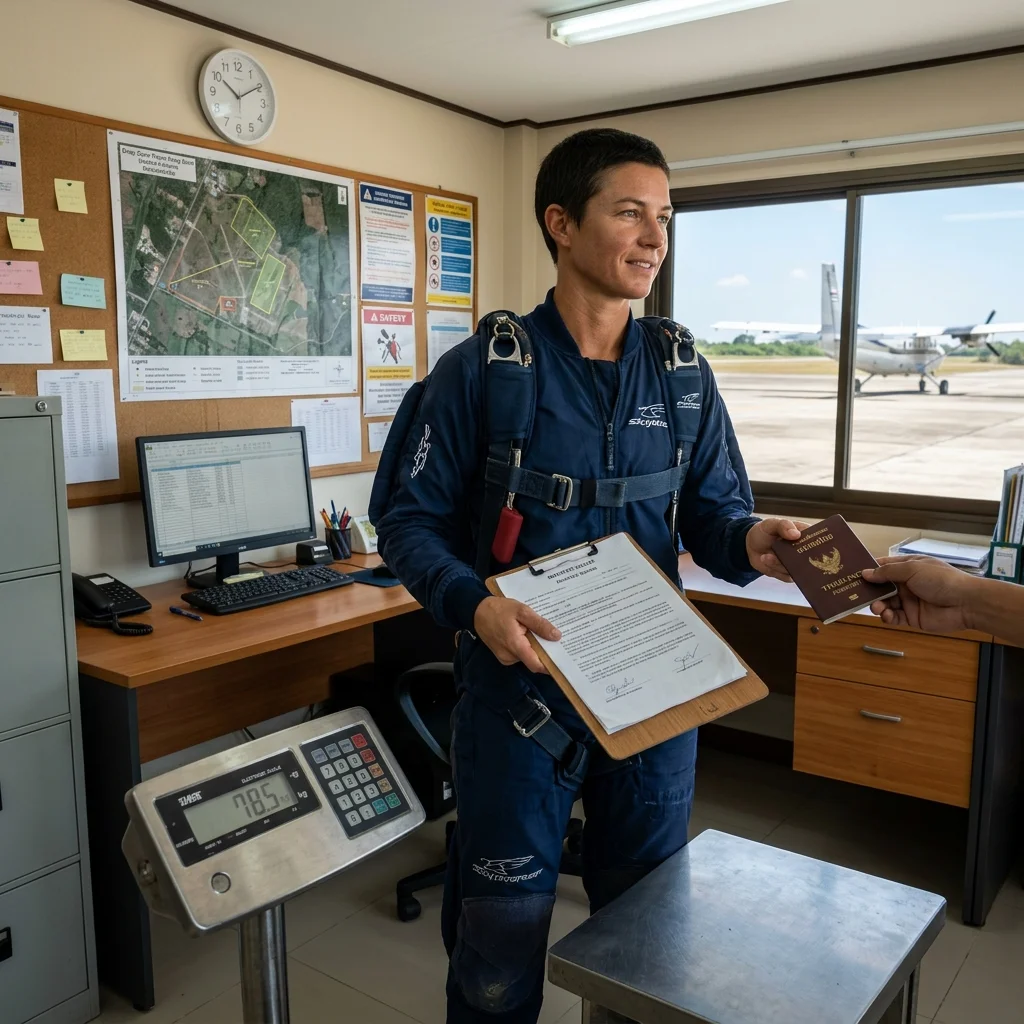
Tandem skydiving allows first-time jumpers to experience high-altitude freefall without prior training courses or solo licences. On arrival at the airfield, you report to the manifest desk to present valid photo identification, complete medical declarations, and weigh in on calibrated scales. Once registered, your assigned tandem instructor conducts a fifteen- to twenty-minute ground briefing. This session covers aircraft exit protocol, freefall stability, and landing posture. You practise the standard belly-to-earth arch position—hips pressed forward, head tilted back, and knees bent with feet raised behind you—which creates aerodynamic stability in high-velocity airflow. Ground staff then fit you into an adjustable, four-point passenger harness tested to strict international aviation tolerances.
You board the aircraft alongside instructors and camera flyers for a fifteen- to twenty-minute climb to 13,000 feet (3,962 metres). During the final minutes of the ascent, your instructor secures their container system to your harness at four independent, forged connection points across your shoulders and hips. At jump altitude, the door opens to rushing airflow. Shuffling to the threshold, you place your hands across your chest harness, tilt your head back against the instructor’s shoulder, and roll into the slipstream. Freefall lasts between 50 and 60 seconds at terminal velocities approaching 200 km/h (120 mph). At approximately 5,000 feet, the instructor deploys the oversized main ram-air parachute, producing a progressive deceleration into four to six minutes of quiet canopy flight across coastal scenery.
Most jumpers opt to capture their jump through either a wrist-mounted handcam worn by the instructor or an independent camera flyer who jumps alongside to film the exit and freefall. As the dropzone approaches, your instructor directs you to lift your legs parallel to the ground. This position allows the instructor to touch down first or execute a controlled slide across the grass landing area. Back on the flight line, harnesses are removed, and you receive your commemorative jump certificate and edited digital footage before leaving the airfield.
| Phase of Jump | Duration | Altitude Range | Participant Responsibility |
|---|---|---|---|
| Ground Briefing | 15–20 minutes | Ground level | Practise arch position and landing leg lift |
| Aircraft Ascent | 15–20 minutes | Ground level to 13,000 ft (3,962 m) | Equalise ears and confirm harness security |
| Terminal Freefall | 50–60 seconds | 13,000 ft down to 5,000 ft | Maintain stable arch at terminal velocity |
| Canopy Flight | 4–6 minutes | 5,000 ft down to ground | Steer toggles if invited; view coastal scenery |
| Final Approach & Landing | 30 seconds | Final 100 ft to flare | Lift legs parallel to ground for grass slide |
Committing the landing position to muscle memory during ground training ensures you raise your legs cleanly on final approach, preventing feet from catching in the turf.
Training Pathways: Progression and Accelerated Freefall Courses
Travellers wishing to progress beyond a tandem jump can learn to skydive solo in Thailand through the Accelerated Freefall (AFF) programme. Both active Eastern Seaboard operators—Thai Sky Adventures in Si Racha and Dropzone Thailand in Rayong—deliver student training aligned with United States Parachute Association (USPA) standards.
Unlike traditional static-line training, the AFF pathway introduces freefall on jump one. Students exit the aircraft at 13,000 feet accompanied by two instructors holding harness grips to ensure stability, guide heading control, and supervise altitude awareness. Before boarding, students complete an intensive ground school spanning six to eight hours of theory and practical drills. This classroom instruction covers aerodynamic principles, radio communication, altimeter monitoring, and emergency procedures, including canopy cutaway and reserve deployment.
The in-air curriculum spans seven to eight progressive levels. Levels one to three focus on stable belly-to-earth body positions, practice ripcord touches, and deploying the main canopy at the correct altitude. Levels four onwards transition to a single instructor and eventually unassisted flight, teaching solo exits, ninety-degree turns, backward somersaults, and controlled tracking across the sky.
Qualifying through AFF clears students for solo skydiving, but earning an internationally recognised USPA A-Licence requires completing a minimum of 25 logged jumps, demonstrating canopy packing proficiency, passing a written examination, and completing coached formation jumps. Completing basic AFF ground school and jumps requires budgeting at least seven to ten uninterrupted days, whilst achieving the full A-Licence requires roughly a fortnight. Booking course slots across midweek days avoids heavy weekend tandem manifests and ensures dedicated instructor attention.
Weather, Monsoon Seasons, and Jump Scheduling
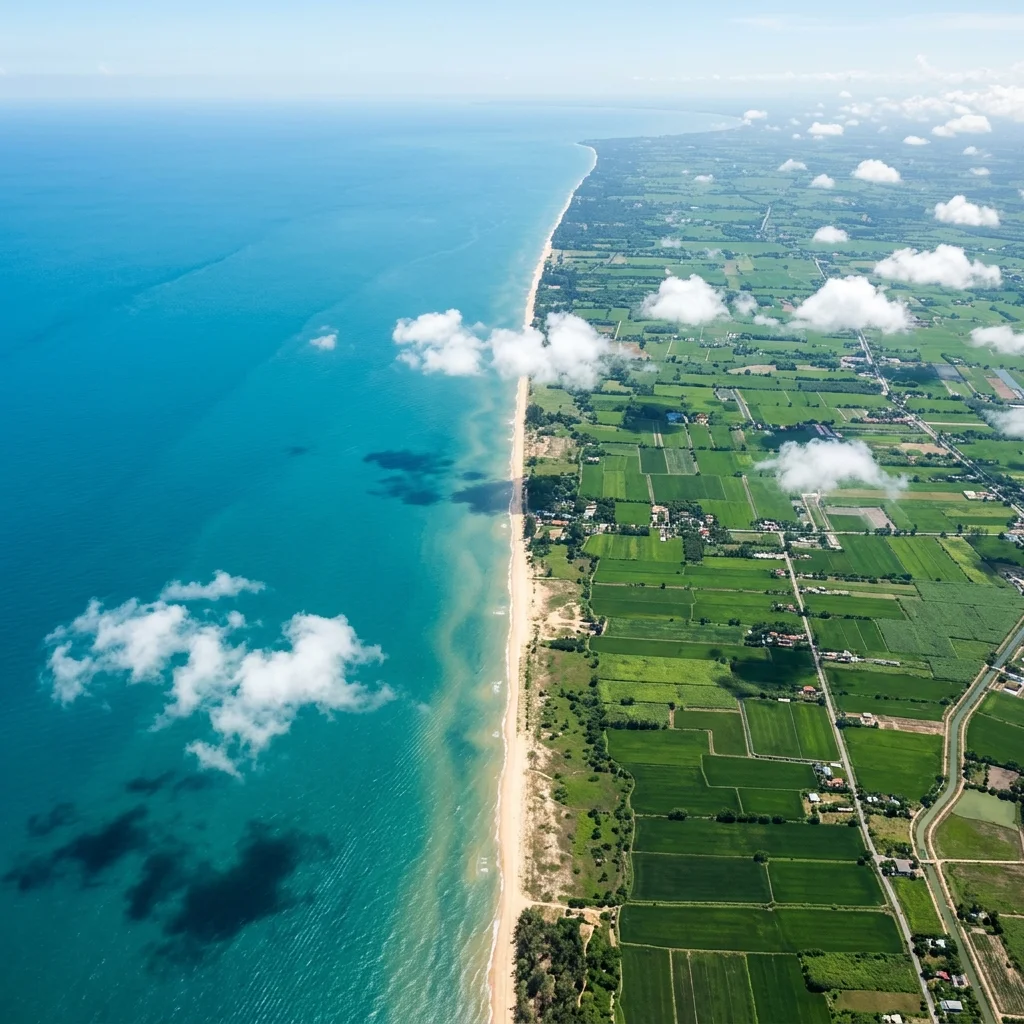
Tropical meteorology dictates civilian dropzone operations across Thailand, making seasonal timing and daily scheduling central to any jump plan. Along the Eastern Seaboard dropzones in Chonburi and Rayong, the driest and most settled conditions run from November through late March. During this period, northeasterly breezes, clear morning skies, and stable coastal air deliver the highest jump completion rates of the year.
From April to May, daytime temperatures routinely climb past 35°C. This intense ground heat generates thermal turbulence and afternoon cloud build-up, which can cause late-running loads to be paused.
The southwest monsoon brings maritime moisture and frequent rain across the coast between June and October. Skydiving operations continue throughout the rainy months, however, because tropical precipitation typically falls in concentrated afternoon downpours rather than unbroken, day-long drizzle. Airfield teams monitor local radar systems on a load-by-load basis, running flights through the clear morning window between roughly 07:30 and 11:00 before convective storms develop over the Gulf of Thailand.
Aviation operating limits remain strict year-round. Dropzones place operations on weather hold whenever surface gusts exceed canopy-handling limits—typically around 18 to 20 knots—or when heavy cloud cover and low ceilings obscure visual contact with the landing area. Rain also halts jumping, as freefalling through precipitation at 200 km/h causes sharp physical stinging and obstructs camera lenses. If a weather hold prevents your jump from taking place, operators provide free rescheduling to the next available morning.
Securing the earliest morning slot gives you the calmest air, the clearest coastal views, and priority on the flight manifest before afternoon heat or convective squalls cause delays.
Where to Skydive in Thailand
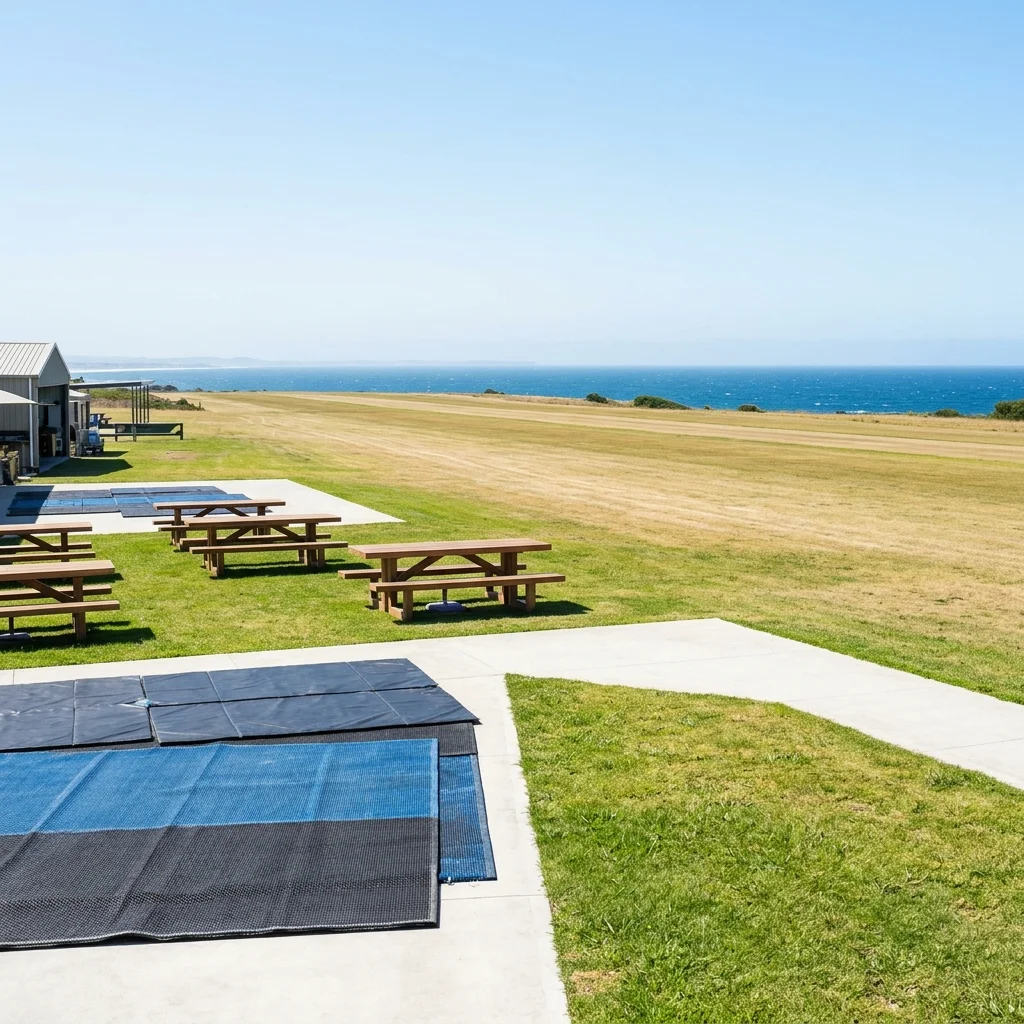
Thailand's active skydiving dropzones are situated along the Eastern Seaboard, allowing manageable access from Bangkok, Pattaya, and Rayong. Deciding where to jump depends primarily on your holiday base and your preferred transport arrangements.
For visitors based in Bangkok or Pattaya, Thai Sky Adventures operates out of Nong Kho Airfield near Si Racha in Chonburi province. The dropzone runs daily jump programmes and coordinates shared minibus transfers. Tandem packages include return transfers from central Pattaya hotels, while travellers based in the capital can reserve seats on a morning shuttle departing from outside Siam Square, near the Siam BTS station, for 500 THB (approx £11) return.
Further southeast in Rayong province, Dropzone Thailand operates from an airfield in Chakphong, near Klaeng. Reaching the site requires approximately two and a half hours by road from Bangkok or an hour from Pattaya, and jumpers typically require private transport or a rental vehicle due to the rural location. The dropzone sits close to the coast, providing views across the Gulf of Thailand towards Koh Samet. Alongside first-time tandem jumpers, it caters to licensed skydivers with individual fun-jump tickets priced at 1,400 THB (approx £32).
Travellers planning an itinerary in northern Thailand should recognise that skydiving operations at Phusanfah Airfield in Mae Taeng, north of Chiang Mai, remain suspended under civil aviation regulatory orders. As a result, commercial skydiving flights in Thailand currently take place within Chonburi and Rayong.
Costs and Budgeting
Skydiving in Thailand costs notably less than equivalent jumps in Western Europe or the Middle East, with rates structured around jump altitude and chosen media coverage. Published prices differ slightly between Eastern Seaboard dropzones and local booking agents.
An unfilmed tandem jump from 13,000 feet costs between 8,450 and 9,700 THB (approx £192 to £220). This base rate covers aircraft fuel, rig hire, instructor fees, and standard shared return transfers from central Pattaya hotels. Photography and video packages represent the main variable cost. Mid-tier packages with wrist-mounted handcam video recorded by your instructor cost roughly 11,700 to 12,000 THB (approx £266 to £273). Outside-camera options, where a dedicated videographer flies alongside you to capture wide-angle freefall footage, range from 12,500 to 13,650 THB (approx £284 to £310). Deluxe packages combining both instructor handcam and external aerial angles reach 14,250 to 15,650 THB (approx £324 to £356).
Travel from the capital requires a modest surcharge. Thai Sky Adventures runs a daily scheduled return minibus from Novotel Bangkok on Siam Square to its Si Racha airfield for 500 THB (approx £11). For solo progression, complete Accelerated Freefall (AFF) courses run between 70,000 and 88,000 THB (approx £1,591 to £2,000), covering ground school, eight curriculum jump levels, equipment rental, and instructor coaching. Certified sports skydivers pay 1,400 THB (approx £32) per jump ticket to 13,000 feet, with kit hire adding 800 THB (approx £18) per jump.
| Option | Cost (THB) | Cost (GBP approx) | Notes |
|---|---|---|---|
| Basic Tandem (Jump Only) | 8,450–9,700 THB | £192–£220 | 13,000 ft jump, harness, instructor, Pattaya coastal transfer included |
| Handcam Media Package | 11,700–12,000 THB | £266–£273 | Jump plus edited wrist-mounted video and action photos |
| VIP Outside Camera Package | 12,500–13,650 THB | £284–£310 | Jump plus dedicated third-party camera flyer filming freefall |
| Deluxe Dual Media Package | 14,250–15,650 THB | £324–£356 | Both handcam close-ups and external camera angles combined |
| Bangkok Airfield Shuttle | 500 THB | £11 | Return minibus transfer from Novotel Siam Square to Si Racha |
| Full AFF Solo Course | 70,000–88,000 THB | £1,591–£2,000 | Ground school, eight flight levels, gear rental, and packing instruction |
| Fun Jump Ticket (Licensed) | 1,400 THB | £32 | Solo slot to 13,000 ft for certified sports jumpers (kit hire extra) |
What to Know Before You Go
You must not participate in scuba diving within 24 hours of a skydive. Ascending rapidly to an exit altitude of 13,000 feet after breathing compressed air underwater creates a severe risk of decompression sickness, as dissolved nitrogen bubbles expand within the bloodstream and joint tissues. Schedule any diving excursions after your jump, not before.
Every passenger is weighed at check-in. Thai dropzones enforce baseline limits starting at 90 to 95 kg, with tiered weight surcharges ranging from 500 to 3,500 THB (approx £11 to £80). Carrying heavier passengers places greater physical demands on tandem instructors, alters harness load distribution, and increases canopy descent speeds. Operators enforce a strict maximum ceiling between 113 and 115 kg, with limits occasionally lowered on days with adverse winds.
Foreign travellers must present their original passport at registration. Digital photographs or photocopies are routinely refused, as Thai civil aviation protocols require formal identity verification for passenger flight manifests on private airfields, alongside third-party activity insurance.
Dropzones maintain a strict zero-tolerance policy regarding alcohol and recreational substances. Avoid drinking alcohol the night before your jump; instructors possess full authority to ground any participant showing signs of intoxication, hangover, or dehydration, with all fees forfeited without refund. Unaccompanied participants must be at least 18 years old, though minors aged 12 and above may jump with written parental consent. Jumpers aged 60 or over must provide a signed doctor's medical certificate.
Practical Tips
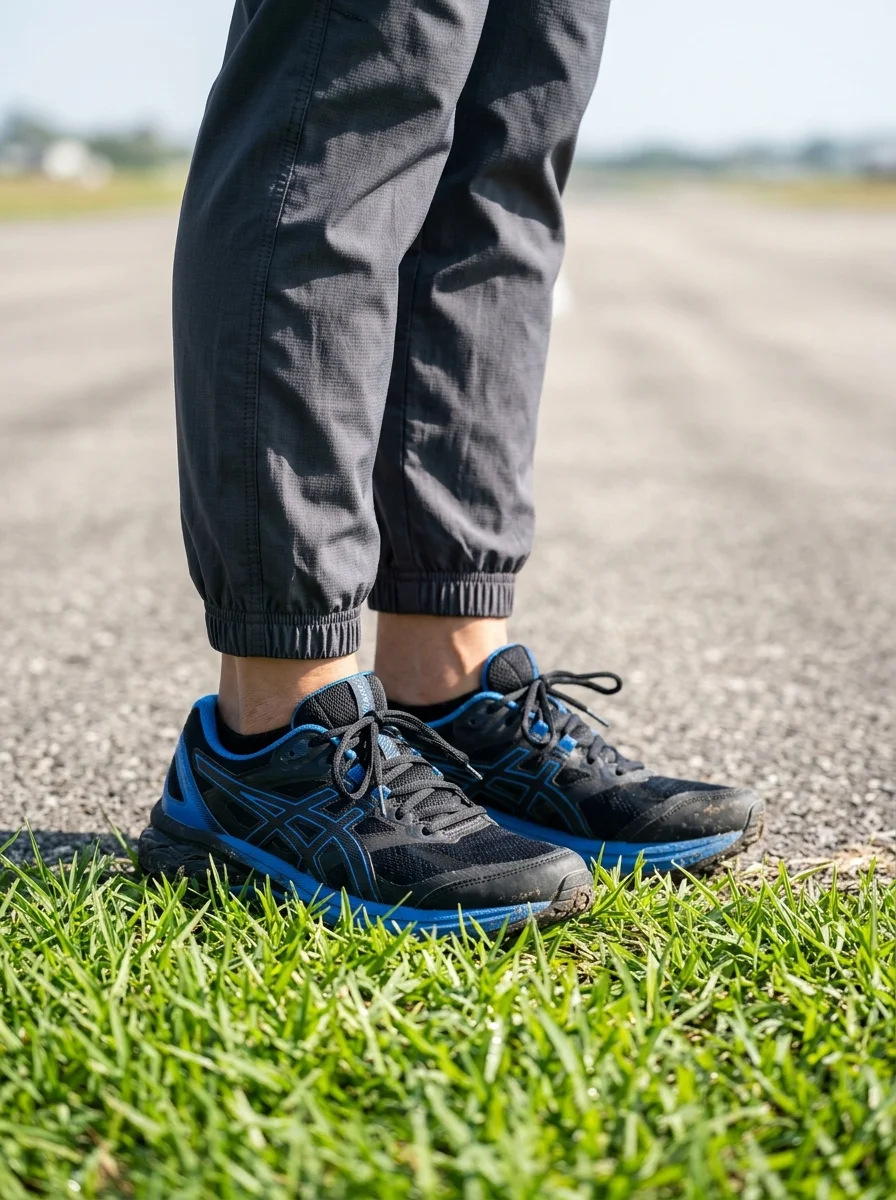
Wear secure, lace-up running trainers with flat rubber soles. Slip-on shoes, flip-flops, sandals, and hiking boots with open metal lace hooks are strictly forbidden, as loose footwear peels off at 120 mph (200 km/h) terminal velocity and protruding hooks present a dangerous snag hazard for parachute lines. Dress in comfortable athletic clothing, such as running shorts, leggings, or lightweight tracksuit bottoms paired with a crew-neck t-shirt. Avoid collared shirts, which flap painfully against your neck during freefall, and leave loose jewellery, scarves, and hats at your hotel.
You can skydive with prescription glasses or contact lenses. Dropzones supply clear, high-altitude goggles designed to seal over optical frames, though narrow frames fit beneath them more comfortably than oversized styles. If you wear contacts, standard skydiving goggles keep the rushing air out and prevent lenses from drying out or dislodging. Personal action cameras, including GoPros and mobile phones, are strictly prohibited on tandem jumps under aviation safety rules due to line-entanglement and drop risks; you must purchase an instructor handcam or outside camera flyer package if you want video or photographs.
Eat a light, balanced meal containing simple carbohydrates roughly one to two hours before departure, and drink plenty of bottled water. Skipping breakfast combined with tropical heat and pre-jump adrenaline frequently triggers lightheadedness, whereas heavy, greasy street food significantly increases the likelihood of nausea under the parachute canopy. Thai dropzones enforce a strict zero-tolerance policy on alcohol and recreational drugs; stay sober the night before, as instructors will ground anyone showing signs of intoxication or a heavy hangover with no refund.
Book your jump for the first or second morning of your stay on the eastern coast rather than your final day. Morning slots benefit from calmer winds and clearer skies, and having spare days in your itinerary gives you an easy buffer to reschedule if coastal showers, low cloud, or air traffic holds delay flights. If you are travelling from Bangkok, allow a full six-hour round trip, while travellers based in central Pattaya should budget around four to five hours from hotel pickup to return drop-off. Carry cash in Thai Baht for incidentals, as rural airfield card machines occasionally lose mobile data signal; spectator shuttle seats typically cost around 500 THB (approx £11) each.
Quick Reference Table
| Item | Detail | Notes |
|---|---|---|
| Active Dropzones | Thai Sky Adventures (Si Racha) & Dropzone Thailand (Klaeng) | Northern Thailand operations near Chiang Mai remain suspended by aviation authorities |
| Jump Altitude & Freefall | 13,000 ft (3,962 m) exit altitude | 50–60 seconds freefall at 120 mph (193–200 km/h); parachute opens at ~5,000 ft |
| Basic Tandem Jump Cost | 8,450–9,700 THB (approx £192–£220) | Includes rig hire, instructor, and shared return transfers from central Pattaya |
| Tandem with Media Packages | 11,700–15,650 THB (approx £266–£356) | Handcam (11,700–12,000 THB), outside camera flyer (12,500–13,650 THB), or dual video (14,250–15,650 THB) |
| Solo AFF Course Cost | 70,000–88,000 THB (approx £1,591–£2,000) | Covers ground school, 8 jump levels, and gear hire; budget 7–10 days minimum |
| Licensed Fun Jumps | 1,400 THB (approx £32) per jump ticket | Kit rental adds 800 THB (approx £18) per jump at Dropzone Thailand |
| Bangkok Airfield Shuttle | 500 THB (approx £11) return | Minibus departs from Novotel Bangkok on Siam Square to Si Racha |
| Best Season & Flight Times | November to March; departures 06:30–11:00 | Clear morning skies offer best conditions before afternoon winds, thermals, or rain |
| Scuba Diving Restriction | 24-hour mandatory surface interval | No jumping within 24 hours of scuba diving due to severe decompression sickness risk |
| Weight Limits & Surcharges | Baseline 90–95 kg; strict maximum 113–115 kg | Tiered surcharges of 500–3,500 THB (approx £11–£80) apply above baseline limits |
| Age & ID Requirements | Age 12+ (with parental consent); 18+ for solo | Original passport required at manifest desk; doctors certificate mandatory for ages 60+ |
| Footwear & Dress Code | Lace-up running trainers and athletic wear | Sandals, flip-flops, and boots with hooks prohibited; personal GoPros/phones banned |
FAQ: Skydiving in Thailand
Can one go skydiving in Northern Thailand?
Is there a restriction on scuba diving before skydiving in Thailand?
Are there skydiving dropzones directly in Bangkok or Pattaya?
What is the best time of day to schedule a skydive in Thailand?
What is the recommended way to book a skydive in Thailand?
What is the correct landing position for a tandem skydive?
When is the best season to go skydiving in Thailand?
Are there weight limits for skydiving in Thailand?
What identification is required for foreign travellers to skydive in Thailand?
Can I bring my own action camera or phone to record my skydive?
Reviewed by the Thailand Guide Editorial Team • Last reviewed: 4 November 2026
This page is provided for general information only. While we aim for accuracy, details can change — please verify anything important independently before relying on it.