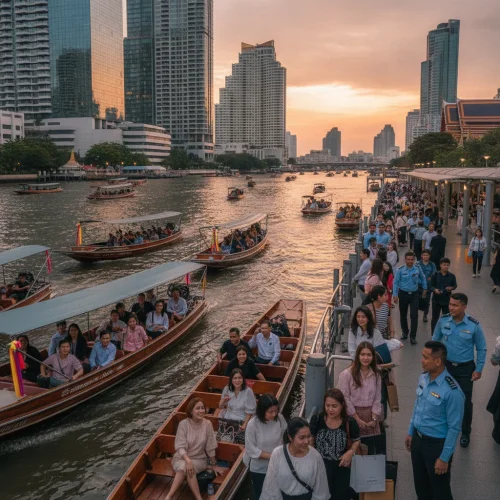
Mortgages for Foreigners
Most UK nationals buying property in Thailand fund their acquisition in cash. Standard Thai high-street banks do not offer domestic retail mortgages to non-resident foreign nationals, requiring applicants to hold permanent residency or a valid Thai work permit with established local earnings. As a result, securing a domestic loan from an onshore lender is generally out of reach for overseas buyers.
Navigating property finance in Thailand therefore requires looking beyond conventional domestic borrowing. A small number of structured offshore lending schemes exist through regional institutions such as United Overseas Bank in Singapore, though these involve lower loan-to-value ceilings, elevated interest rates, and foreign exchange exposure. In practice, British purchasers predominantly rely on existing capital, remortgaging or equity release on UK property, or structured staged-payment schedules offered by developers for off-plan builds. This guide outlines how these international lending channels function, the primary funding methods UK buyers use, and the mandatory currency-transfer regulations set by the Bank of Thailand.

Understanding Thai Property Ownership for Foreigners

Thailand enforces strict statutory controls on foreign real estate ownership, which fundamentally shape the financing options available to UK buyers. Under the Condominium Act, foreign nationals can purchase apartment units on a direct freehold basis, provided the total foreign-held proportion in a development does not exceed 49% of the overall sellable floor area. This individual freehold title is registered in your own name at the local Land Department, making it the most established legal structure for foreign property acquisition and the primary asset class international lenders accept as loan security.
By contrast, the Thai Land Code prohibits foreign individuals from owning freehold land. British buyers seeking landed property, such as villas, must rely on alternative legal mechanisms. The standard route is a registered long-term lease. Under the Civil and Commercial Code, the statutory maximum for an initial lease term is 30 years. While contracts often include promises for future renewals, these clauses act only as personal contractual agreements rather than registrable property rights, and pre-signed automatic renewals beyond 30 years are legally unenforceable.
Setting up a Thai limited company with nominee local shareholders to hold land is explicitly unlawful under the Land Code and the Foreign Business Act, with authorities actively investigating and penalising artificial holding structures. Because non-residents cannot hold freehold land title, conventional mortgage lending on landed property is unavailable to foreign buyers, leaving direct freehold apartments as the standard route for secured borrowing.
Navigating International Mortgage Options

Domestic Thai retail banks do not provide residential mortgages to non-resident foreign nationals lacking local employment and long-term tax records. UK buyers seeking debt finance must instead turn to cross-border lending programmes offered by regional banking groups. In practice, this market is dominated by two institutions: Singapore-headquartered United Overseas Bank (UOB) and the Industrial and Commercial Bank of China (ICBC).
UOB provides the primary lending route for British buyers through its international property loan division in Singapore. The facility is restricted to freehold apartments in established urban and resort destinations, primarily Bangkok, Phuket, and Pattaya. Lenders cap the loan-to-value (LTV) ratio at 60% to 70% of the purchase price or appraised value, whichever is lower, requiring a minimum cash deposit of 30% to 40%. Repayment terms extend up to 30 years, subject to an age cap (typically age 65). Crucially, UOB denominates these facilities in Singapore dollars (SGD) or US dollars (USD) rather than Thai baht. A UK borrower earning in sterling therefore faces a tripartite currency exposure, balancing sterling repayments against the loan currency and a baht-denominated asset.
ICBC offers an alternative cross-border apartment loan through its Thai subsidiary, but eligibility is substantially more restricted. The bank prioritises nationals from mainland China, Hong Kong, and ASEAN member states; Western applicants face rigorous credit screening and lower approval rates. Where approved, ICBC finances completed freehold units valued from 2,500,000 THB (approx £58,000). The facility features shorter repayment terms of 3 to 15 years, requires loan maturity before age 60, and caps borrowing at 50% to 70% LTV, often denominated in Singapore dollars. Beyond higher interest margins than domestic UK mortgages, borrowers must also budget for an official mortgage registration fee of 1% at the Land Department, lender arrangement fees of around 1%, property valuation charges, and mandatory mortgage life insurance.
Complete guide for UK nationals buying property in Thailand, covering title deeds, foreign condo quotas, FETF fund transfers, and Land Department fees.
The Dominant Route: Cash Purchases and UK Equity Release

Because domestic retail lending in Thailand remains largely inaccessible to non-resident foreigners, the vast majority of UK buyers fund their purchases through cash reserves or by leveraging existing UK property equity. A full cash purchase—using personal savings, pensions, or proceeds from downsizing a UK home—removes lending friction entirely. It sidesteps cross-border loan underwriting, arrangement fees, and ongoing debt servicing in a foreign currency.
For buyers who wish to retain their UK home, remortgaging or arranging an equity release product against domestic property represents the most common financing strategy. Borrowing against UK bricks and mortar secures capital at familiar domestic mortgage rates and established UK regulatory standards. The released capital effectively converts the buyer into a cash purchaser in Thailand, granting greater negotiating leverage on price and terms. However, servicing an expanded UK mortgage in sterling introduces currency exposure if future repayments rely on Thai Baht rental income or local business earnings.
When buying off-plan property, developer staged-payment plans provide a practical instalment alternative. Rather than requiring the full purchase price upfront, developers typically require a reservation deposit, followed by a contract down payment (usually 10% to 30%), with intermediate instalments linked to construction milestones over 18 to 36 months. The remaining balance falls due upon completion and ownership handover at the Land Department. These payment plans are contractual arrangements directly with the developer and are generally interest-free, requiring no local credit checks. Because Thailand does not mandate third-party escrow accounts for private off-plan sales, payments flow directly to the developer, making thorough independent legal due diligence and developer vetting imperative before paying any deposit.
Understanding Fund Transfer Requirements
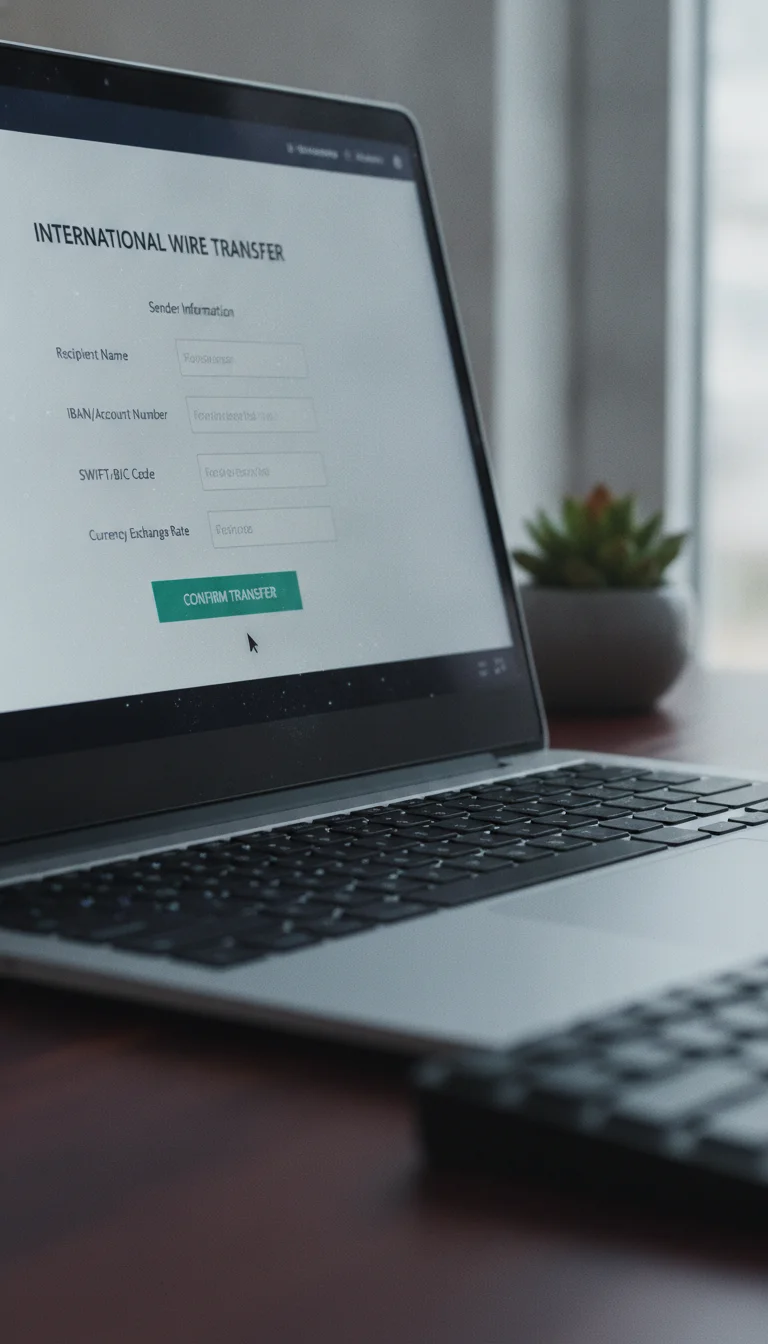
Transferring funds into Thailand to purchase property requires strict adherence to foreign exchange regulations. For a foreign buyer registering freehold ownership of a apartment, the Condominium Act requires proof that the entirety of the purchase price entered Thailand from overseas in a foreign currency.
To satisfy the Land Department at registration, funds must be remitted in a foreign currency such as British pounds and converted into Thai baht by the receiving commercial bank inside Thailand. Sending money already converted into baht prevents the receiving bank from issuing the necessary foreign exchange documentation. When remitting funds, the transfer instructions should explicitly state that the payment is for the purchase of the specific apartment unit and include the buyer’s full legal name as either sender or beneficiary.
For inward foreign currency transfers equivalent to 50,000 USD (approx £38,000) or more, the receiving bank in Thailand issues an official Foreign Exchange Transaction Form. For amounts below this threshold, the bank issues a credit advice or confirmation letter containing the same transaction details. Both documents serve as the formal audit trail required by the Land Department to register title in a foreign national's name. Retaining all transfer confirmations is also necessary should you eventually sell the property and repatriate the proceeds abroad.
Quick Reference Table
| Item | Detail | Notes |
|---|---|---|
| Domestic Thai Mortgages | Unavailable to non-residents | Requires permanent residency or a valid Thai work permit with established local earnings |
| Eligible Property Security | Direct freehold apartments | Foreign freehold land ownership prohibited under Land Code; leaseholds cannot secure standard loans |
| Foreign Ownership Quota | Up to 49% sellable floor area | Registered under Condominium Act directly in buyer's individual name at Land Department |
| UOB International Loan | 60%–70% LTV, terms up to 30 years | Available in Bangkok, Phuket, and Pattaya; denominated in SGD or USD; age cap typically 65 |
| ICBC Cross-Border Loan | 50%–70% LTV, terms 3–15 years | Completed freehold units from 2,500,000 THB; maturity before age 60; rigorous screening |
| Mortgage Registration Fee | 1% of registered loan value | Payable at Land Department, plus ~1% lender arrangement fees, valuation, and life insurance |
| Off-Plan Developer Terms | Staged construction instalments | Typically 10%–30% down payment with milestone instalments over 18–36 months; balance at handover |
| Transfer Documentation | FET Form (amounts ≥ $50,000 USD) | Credit advice/confirmation letter issued for lower sums; mandatory for Land Department title transfer |
| Official source | Bank of Thailand | bot.or.th |
| Official source | Department of Lands | dol.go.th |
| Official source | United Overseas Bank (Singapore) | uob.com.sg |
| Official source | ICBC (Thai) | icbcthai.com |
FAQ: Mortgages for Foreigners
Can non-resident foreigners get a mortgage from Thai banks?
Can foreigners own property in Thailand?
Can foreigners own land in Thailand?
Is it legal for foreigners to use a Thai company with nominee shareholders to own land?
What are the requirements for a UOB international property loan in Thailand?
What currency are UOB international property loans in Thailand denominated in?
What additional costs are associated with international mortgages in Thailand?
How do most UK buyers finance property purchases in Thailand?
Should I convert my currency to Thai Baht before transferring funds for a property purchase?
What documentation is needed for foreign currency transfers for property in Thailand?
Reviewed by the Thailand Guide Editorial Team • Last reviewed: 22 September 2026
This page provides general information only and is not financial, legal, or immigration advice. Always verify current rules with official Thai government sources or a qualified professional before making decisions.