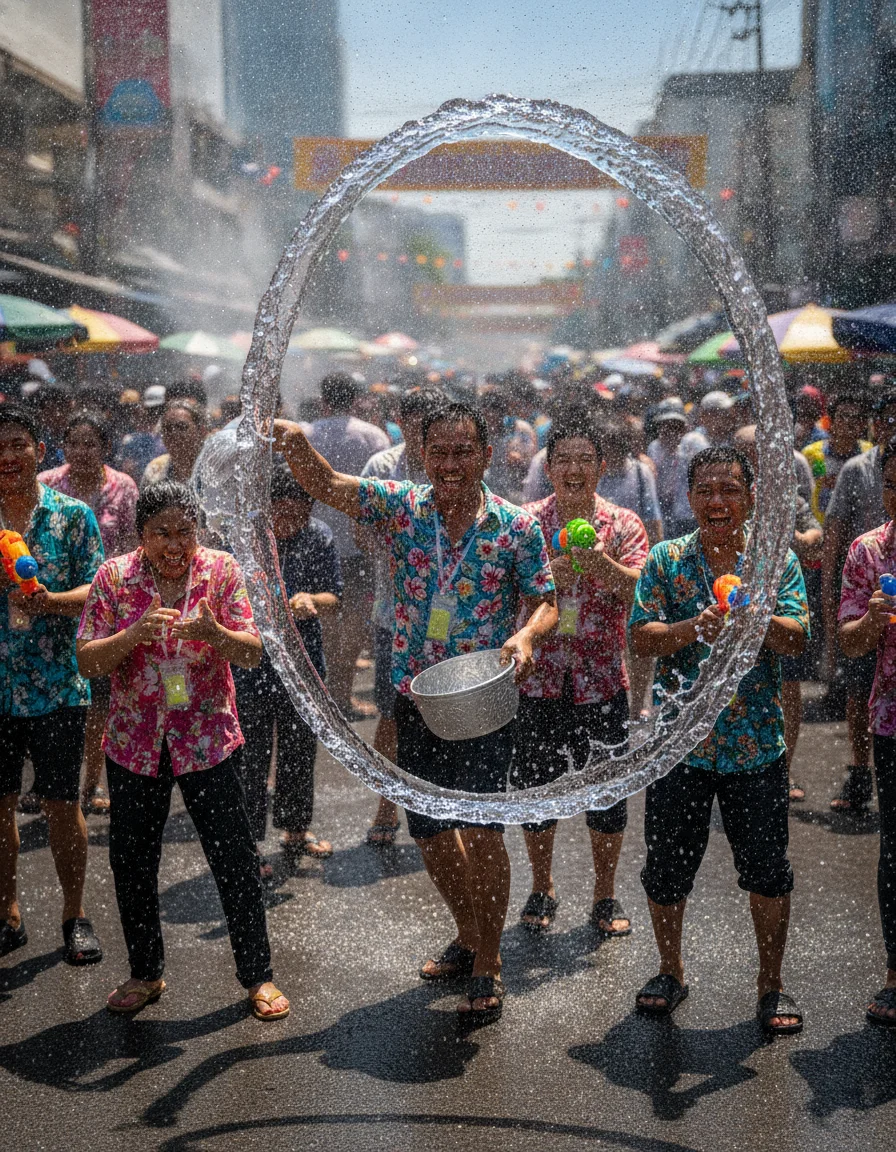
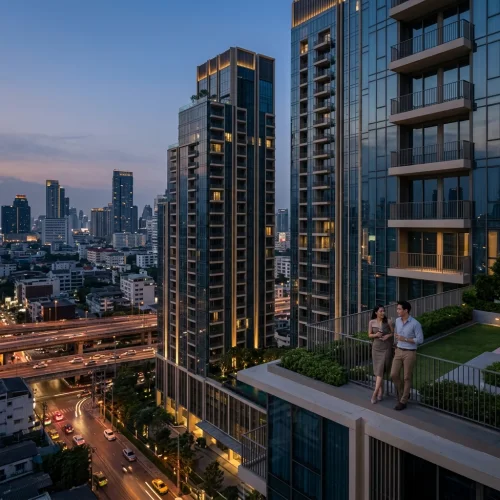
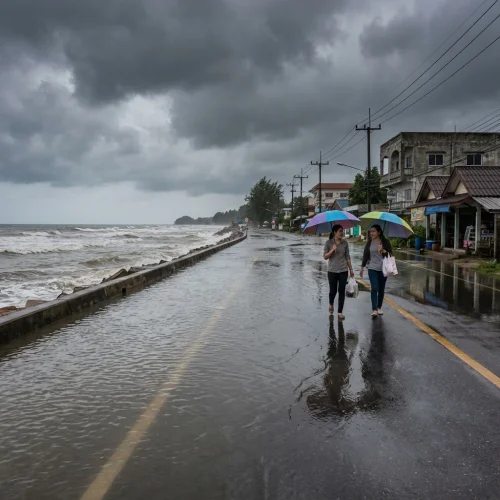
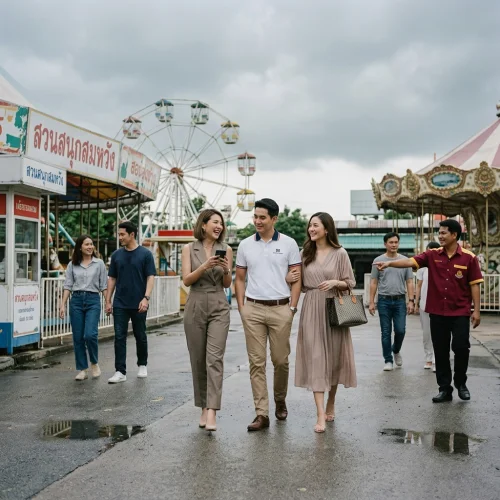
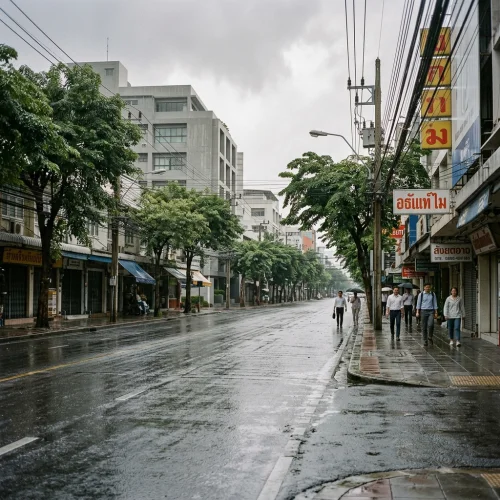
Bangkok's traditions adapt constantly. Songkran transforms streets into a water fight each April, showing how daily life and grand festivals shape its unique character.
Bangkok - Culture
Bangkok's cultural heartbeat is a relentless, layered rhythm, where the spiritual and the secular dance in an ever-evolving, often exhilarating, embrace.
The most significant misunderstanding is that its traditions are static relics; in reality, they are a living, breathing organism, constantly adapting to the city's relentless modernity.
RELIGION & DAILY LIFE
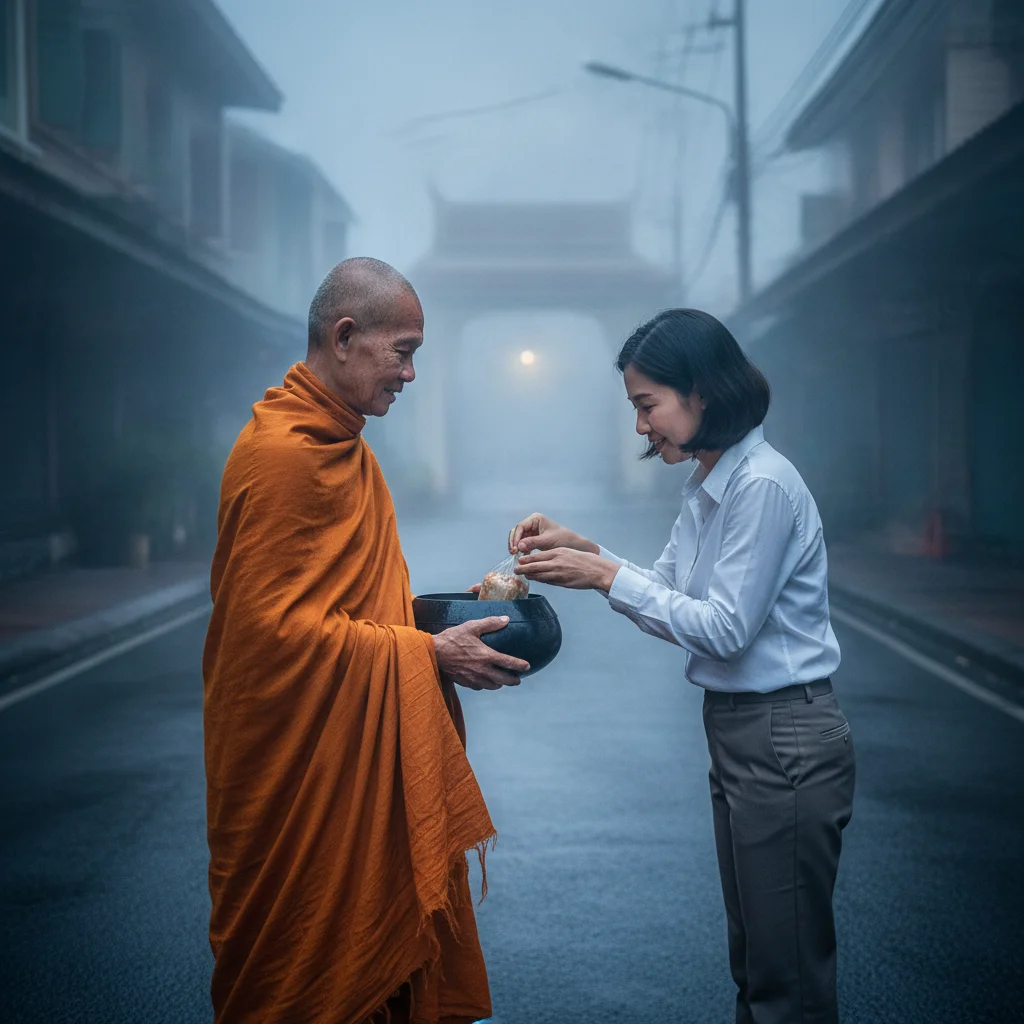
Buddhism here isn't confined to temple walls; it’s woven into the fabric of everyday existence. You’ll see this most clearly in the early mornings, as monks in their saffron robes walk the streets with their alms bowls, accepting offerings from devout locals. It’s a silent, dignified exchange that sets the tone for the day. Many temples are active community hubs, not just places of worship. Wat Arun, with its striking spires, and Wat Pho, home to the colossal Reclining Buddha, are essential visits. Entry fees are typically modest, often around 100-200 THB. A local custom that often catches visitors off guard is the spirit houses. These miniature, elaborately decorated homes are built outside homes and businesses to appease local spirits. Locals will leave offerings of food, drink, and incense, believing it brings good fortune and protection. It’s a tangible expression of a deeply ingrained belief in a spiritual realm that coexists with the material world.
FESTIVALS & EVENTS
The city truly comes alive during its major festivals. Songkran, the Thai New Year, usually celebrated around mid-April, is perhaps the most famous, transforming the streets into a colossal water fight. While it’s a national celebration, Bangkok’s scale amplifies the energy. Expect widespread water splashing, often with buckets, hoses, and water guns. Beyond the water, many temples hold traditional ceremonies and offer blessings. A detail often missed is that the water is traditionally meant to symbolise cleansing and renewal. However, be prepared for significant crowds and potential transport disruption. Many roads will be closed, and public transport will be packed. Loy Krathong, usually falling in November, offers a different kind of spectacle. As dusk settles, thousands of beautifully crafted krathongs (small floating offerings made of banana leaves, flowers, and candles) are released onto the Chao Phraya River and canals. The sight of these flickering lights drifting downstream is profoundly beautiful. While national holidays like Makha Bucha and Visakha Bucha are observed with temple ceremonies and quiet reflection, they don’t typically cause the same level of visitor disruption as Songkran.
TRADITIONS & CUSTOMS
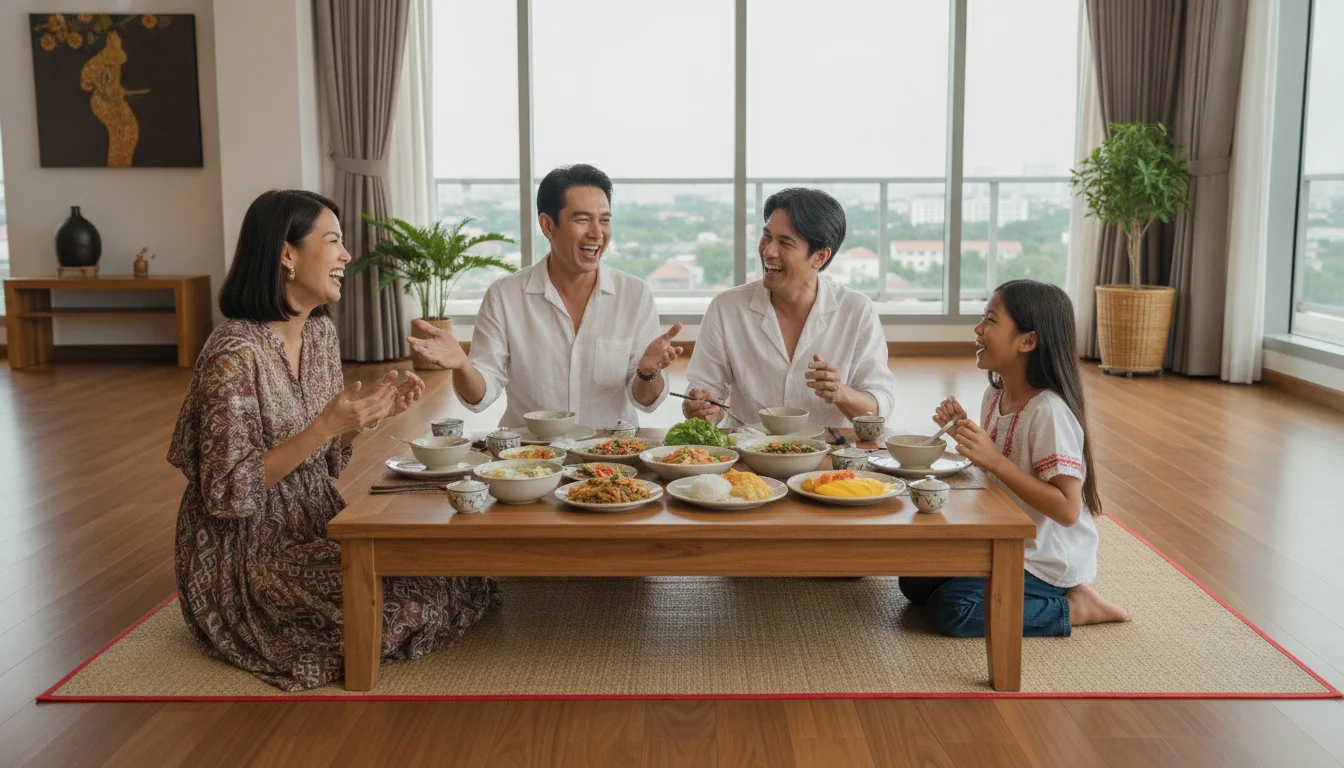
The unwritten rules here revolve around maintaining harmony and showing respect. When eating, particularly in more informal settings, sharing dishes is the norm. It’s a communal act that fosters connection. Never point your feet at anyone, especially Buddha images or elders, as feet are considered the lowest part of the body. The wai, a prayer-like gesture with hands pressed together, is the customary greeting, though a simple nod and smile are often sufficient for foreigners. One custom specific to the capital is the way people navigate its dense urban environment with a certain fluid patience. While the pace is fast, there’s an underlying understanding of shared space. A common cultural mistake Western visitors make is assuming that because it’s a big city, a certain level of directness in communication is acceptable. Locals often prefer indirectness to avoid causing offence, so learning to read between the lines is a valuable skill.
ARTS & CRAFTS
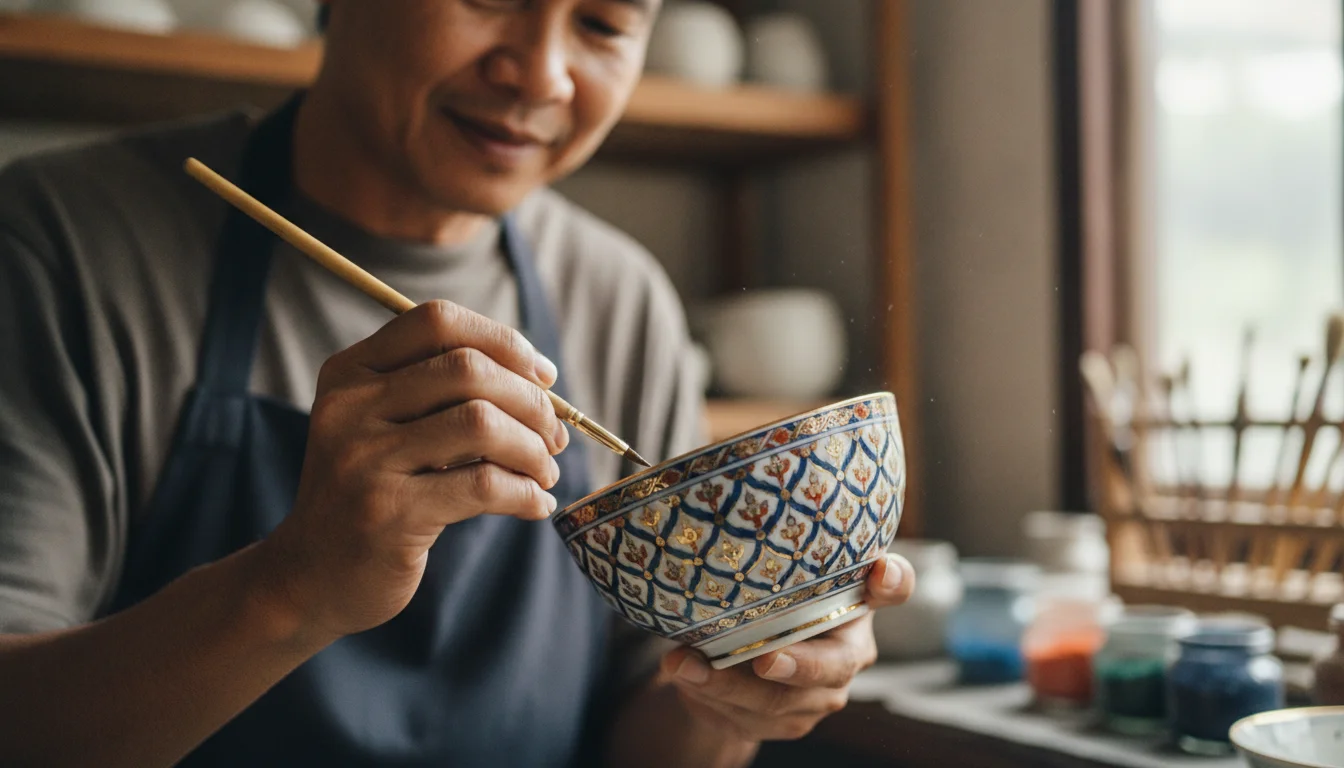
Bangkok is a hub for traditional Thai crafts, particularly Benjarong porcelain, known for its intricate, multi-coloured hand-painted designs, often featuring auspicious motifs. You can find high-quality pieces in specialised shops, though prices for genuine, handcrafted items can be substantial, often ranging from several thousand THB for smaller items to tens of thousands for elaborate sets. Be aware that many tourist shops sell mass-produced imitations that look superficially similar but lack the artistry and quality of authentic Benjarong. For genuine silk products, look for shops that can demonstrate the weaving process, as the quality of Thai silk is renowned worldwide. Traditional Thai wood carving and lacquerware also originate from this region, though finding truly antique or museum-quality pieces requires expert knowledge and a significant budget.
FOOD AS CULTURE
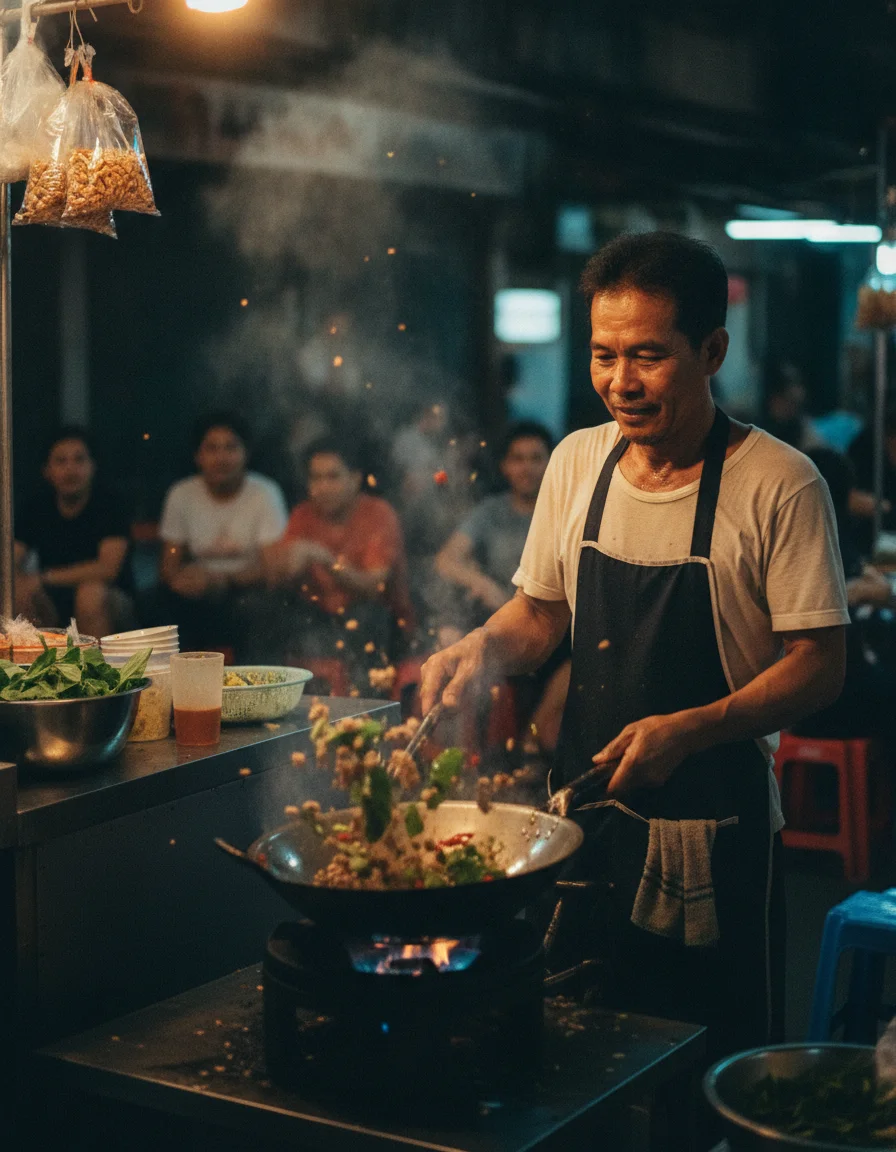
Food here is far more than sustenance; it's a central pillar of social life. The concept of sharing dishes is paramount. A simple meal can involve several plates of curries, stir-fries, and salads, all placed in the centre of the table for everyone to partake. This communal dining fosters a sense of togetherness and strengthens bonds. Street food is an institution, not just a cheap eat. It’s where many locals get their daily meals, and the vibrant atmosphere of a street food market at night, with the sizzle of woks and the aroma of spices, is an experience in itself. Dishes like Pad Krapow Moo (stir-fried pork with holy basil and chillies) are ubiquitous and a true representation of everyday flavour. Eating together is an expression of care and hospitality, a fundamental way locals connect.
LANGUAGE & COMMUNICATION
Beyond the ubiquitous "sawasdee krab/ka" (hello), learning "mai pen rai" (it’s okay, no problem) will serve you immensely. It’s a phrase that embodies the Thai spirit of easygoing acceptance and is used constantly. A communication quirk is the tendency for direct questions to be answered with what is considered the most polite or agreeable response, rather than necessarily the factual one. The one phrase that will make locals visibly warm to you is "a roi mak krab/ka" (it’s very delicious), especially when said after trying their food. Basic Thai language classes can be found in many language schools, with introductory courses often costing around 3,000-5,000 THB for a week or two.
PRACTICAL CULTURAL TIPS
Always dress respectfully when visiting temples, ensuring shoulders and knees are covered. This isn't just a suggestion; it's a requirement, and you may be denied entry if you don't comply. When receiving anything, especially from an elder or a monk, use your right hand. Using your left hand can be seen as disrespectful. Avoid touching anyone on the head, as it’s considered the most sacred part of the body. While the city is modern, maintaining a calm and respectful demeanour, especially in public spaces, goes a long way. Getting upset or loud in public can cause significant loss of face for everyone involved, so take a deep breath and approach any situation with patience.
THE CHAO PHRAYA RIVER'S ROLE
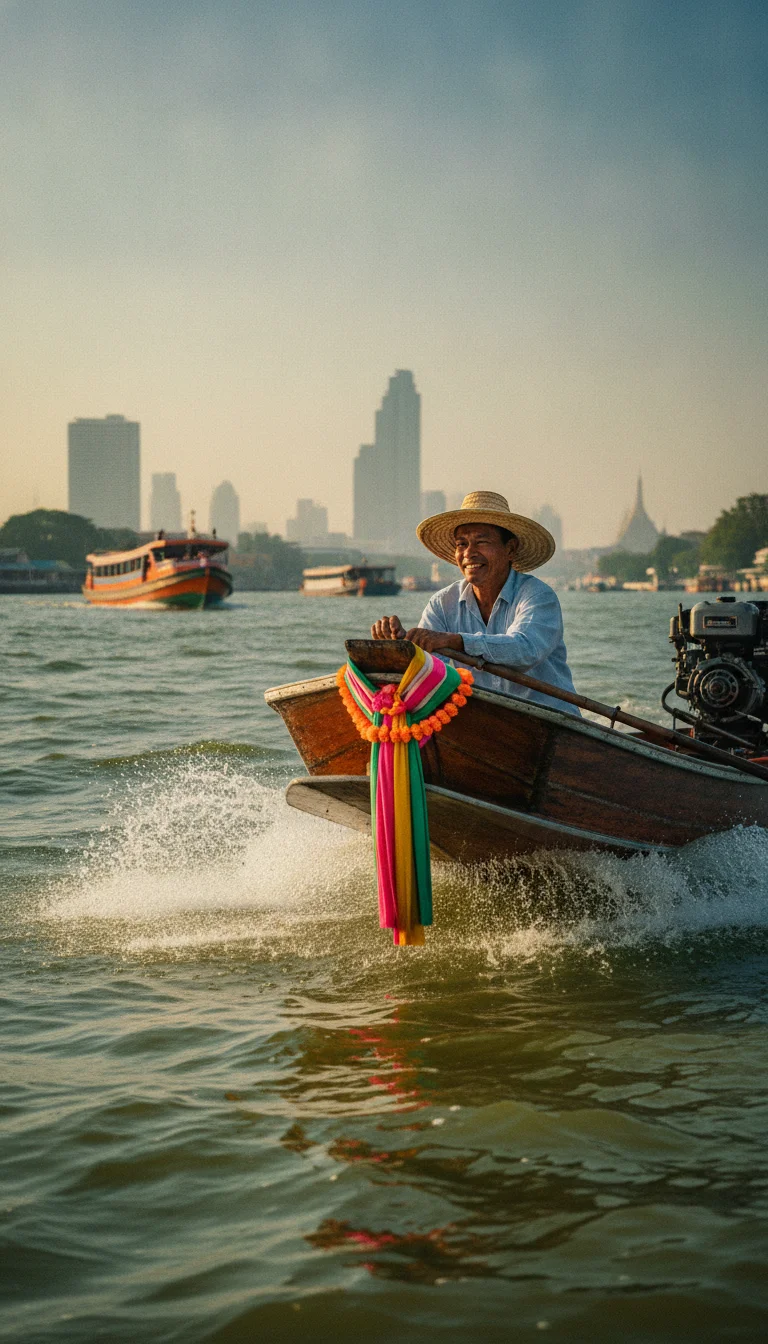
The Chao Phraya River is more than just a waterway; it's Bangkok's historical and cultural artery. For centuries, it was the primary route for trade, transport, and settlement, shaping the city’s layout and its identity. While many visitors take a tourist boat tour, truly understanding its significance involves observing the daily life that continues to unfold along its banks. From the bustling markets like Pak Khlong Talat (Flower Market) that rely on riverine trade, to the numerous temples and grand palaces that were strategically built along its course, the river dictates much of the city's rhythm. Local ferries, offering a very affordable way to travel, are still a vital mode of transport for many residents, providing a genuine glimpse into the city’s pulse.
This page is provided for general information only. While we aim for accuracy, details can change — please verify anything important independently before relying on it.
STAY UP TO DATE
Join our community to get the newest Thailand destination
guides, travel advice, and expat resources delivered straight to your inbox.