Surfing in Phuket


Driven by the southwest monsoon between May and October, Phuket is Thailand's primary surfing hub, with wave-riding focused along its exposed western coastline. While winter brings flat, calm seas favoured by resort holidaymakers, the monsoon months transform the Andaman Sea, generating windswells and groundswells that typically produce waves between one and two metres, with larger swell pulses pushing up to three metres. These break over a mix of gently sloping sandbars, rocky headlands, and shallow coral reefs across roughly ten primary bays between Nai Harn in the south and Bang Tao in the north.
Phuket's surf culture is relaxed and accessible, making the island an approachable warm-water learning destination. Tropical sea temperatures hover near 29°C throughout the season, eliminating any need for wetsuits. Along active breaks such as Kata, independent rental stalls and surf schools—including outfits with International Surfing Association (ISA) certified instructors—operate directly from the beach. The conditions cater well to beginners and longboarders seeking forgiving, waist-high rollers, while punchier reef sections and point breaks provide faster rides for experienced surfers when larger swells roll in.

Phuket Surf Breaks, Swell Mechanics, and Wave Seasons
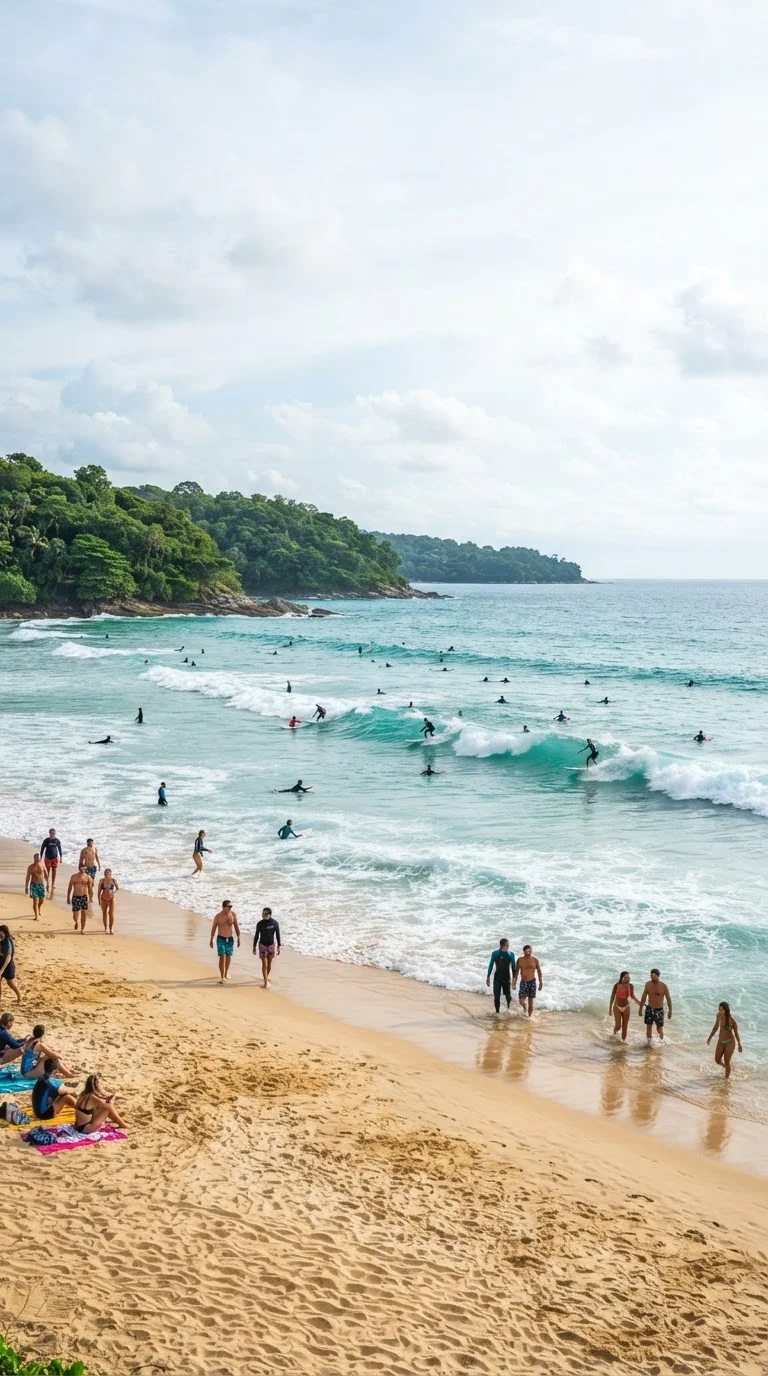
The southwest monsoon governs Phuket’s wave calendar, opening an active swell window along the west coast from May through October. Waves originate primarily from distant storms in the southern Indian Ocean. These long-period groundswells filter past the northern tip of Sumatra and track into the Andaman Sea, where they merge with regional windswells. Typical breaking waves measure between one and two metres, though sustained tropical low-pressure systems and deep monsoon depressions periodically produce sets reaching three metres. Outside this six-month window, from November to April, the Andaman coastline is dominated by calm seas and light north-easterly breezes, reducing surf on Phuket's open beaches to occasional minor ripples.
Tidal movements exert a substantial influence on wave shape across every bay. Phuket operates on a semi-diurnal tidal cycle, experiencing two high and two low tides daily. Stronger spring tides produce a vertical range of around 2.5 metres, which transforms the surf profile across a three-hour window. Low tide drains water from shallow rock ledges and live coral shelves, leaving reef heads exposed and turning beach breaks into shallow shore dumps. For sand-bottom bays, an incoming mid-to-high tide generally yields the cleanest peeling shapes. Surfers should also track daily wind patterns: mornings regularly see light land breezes or gentle offshores, whereas afternoon south-westerly winds tend to generate onshore chop. Sea temperatures stay between 28°C and 30°C throughout the year, so neoprene wetsuits are unnecessary; a light rash vest and boardshorts supply adequate protection against sun, chafing, and board wax.
West coast surf breaks
The western coastline divides into distinct wave profiles, varying from mellow sandbars to technical coral ledges. Kata Beach functions as the primary hub of Phuket board riding. Its southern corner, sheltered beneath the headland near the Boathouse, forms consistent lefts and rights over a sandy seabed. The forgiving bottom makes it manageable for novices on smaller days, while solid southwest swells create steep walls for capable shortboarders. Kalim Reef, situated immediately north of Patong Bay, offers the most technical wave on the island. Incoming southwest swells wrap around a shallow granite and coral point, generating a fast, peeling right-hand wall that holds shape up to three metres. Kalim requires at least a mid tide; paddling out at low water exposes sharp coral and shallow boulders.
Further north, Kamala Beach spans a wide, curving bay suited to varied abilities. Gentle sandbank peaks in the central section accommodate beginners and improvers, while bigger storm swells activate a defined left-hand point break off the southern headland. At Nai Harn Beach in the south, swells funnel into the bay to produce punchy, hollow peaks along the sandspit fronting the lagoon, drawing experienced locals and bodyboarders. Bang Tao Beach stretches for eight kilometres; its southern and central sections remain protected from extreme swell, generating gentle, rolling peelers well suited to longboards and introductory lessons. Surin Beach, by contrast, features a steep gradient that produces heavy, plunging shorebreaks near its rocky headlands. These powerful, fast-closing waves demand rapid pop-ups and sound board control.
| Break / Location | Wave Type & Bottom | Swell Direction & Height | Optimal Tide | Experience Level |
|---|---|---|---|---|
| Kata Beach (South) | Sand-bottom beach break | SW / W, 1.0–2.0m | Mid to high incoming | Beginner to Advanced |
| Kalim Reef | Coral shelf & rock point | SW / W, 1.5–3.0m | Mid to high tide | Intermediate to Advanced |
| Kamala Beach | Sandbanks & south point | W / SW, 1.0–2.0m | Mid tide | All levels |
| Nai Harn Beach | Sandbar & reef edge | SW / S, 1.0–2.5m | Mid to high tide | Intermediate to Advanced |
| Bang Tao Beach | Open sandy beach break | W / SW, 0.5–1.5m | Mid to high tide | Beginner to Intermediate |
| Surin Beach | Heavy sand shorebreak | W / SW, 1.5–2.5m | Mid tide | Advanced only |
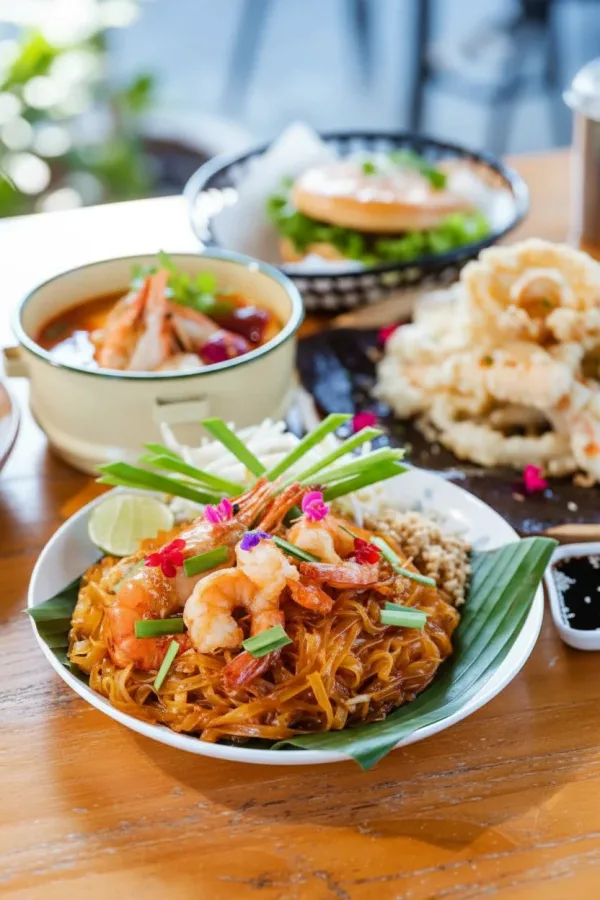
Discover Phuket's unique Peranakan food scene. Explore essential dishes, local eateries, and street food delights for an authentic culinary adventure.
Surf Schools, Coaching Standards, and Equipment Hire

Phuket maintains an established coaching and equipment hire infrastructure along its western beaches. Lessons frequently follow International Surfing Association (ISA) standards, led by accredited instructors and experienced Thai watermen through established outfits such as Andaman Sea & Surf at Patong Beach and Talay Surf at Bang Tao. Introductory sessions begin with beach theory covering ocean awareness, paddling mechanics, and pop-up drills before moving into waist-deep water where coaches assist riders into rolling whitewater.
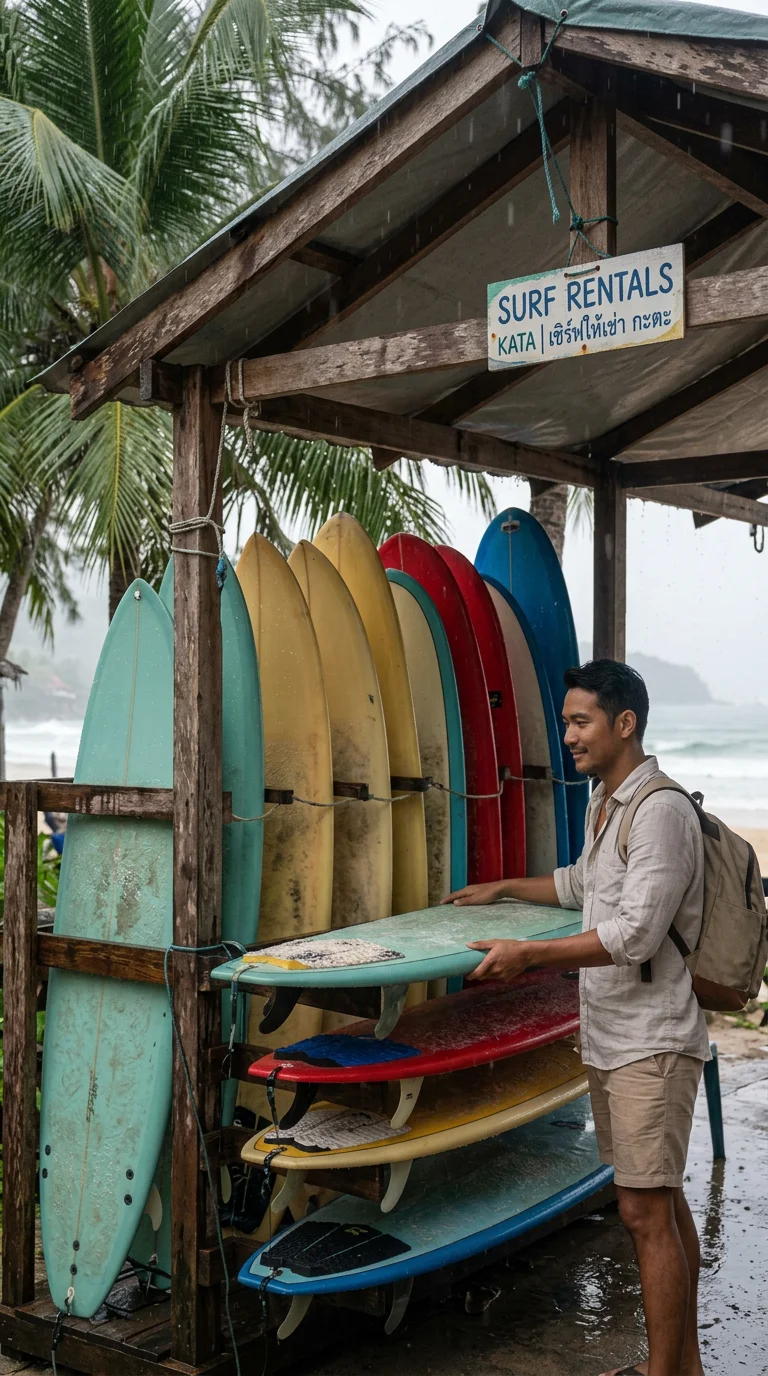
Beginner instruction relies on high-volume soft-top foam boards between 7'6" and 9'0", designed to maximise stability and paddle power. Beachfront kiosks and surf centres across Kata, Kamala, and Bang Tao also provide hardboards for progressing surfers, including epoxy longboards, intermediate funboards, and performance shortboards. Several rental operators offer multi-day agreements that allow surfers to swap board shapes as swell sizes fluctuate. Typical board hire rates run from 150 THB to 300 THB per hour, or around 500 THB to 700 THB for a full day.
Inspect rental craft thoroughly for pre-existing rail dings, delamination, or loose fin boxes before heading out, confirming any damage with the operator to avoid deposit disputes. For flat calm spells or dedicated edge-control practice, Surf House Phuket at Kata Beach operates an artificial FlowRider sheet wave that lets boarders train on a continuous pump-driven stream.
Ocean Safety, Rip Currents, and Coastal Surf Culture

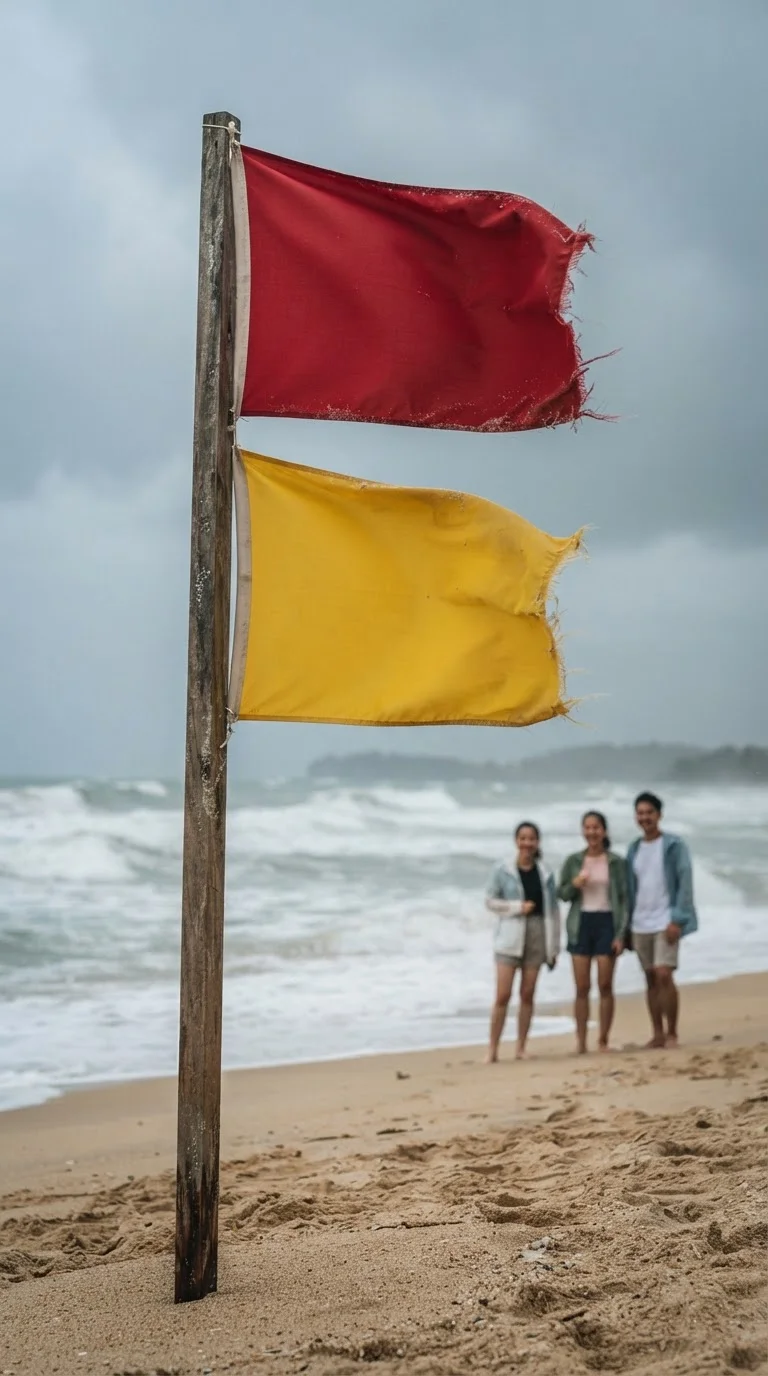
Phuket's west-facing coastline demands respect once monsoon swells build. Water pushed over shallow sandbars and reef shelves by incoming wave trains drains seaward through narrow, fast-moving rip channels, frequently anchored near headlands and stream outlets. Lifeguards post red warning flags along patrolled beaches to prohibit swimming when these currents turn hazardous. Surfers using leashes and buoyant boards typically operate outside designated red-and-yellow swimming zones or within black-and-white flagged surf areas. Anyone caught in a rip should avoid paddling directly against the offshore pull; traversing parallel to the shoreline until the current dissipates allows an easier return on incoming white water.
Shallow reef breaks present distinct physical hazards. Spots such as Kalim and the rocky fringes of Nai Harn harbour submerged granite boulders, sea urchins, and sharp coral heads. These require controlled kick-outs before the wave closes out over drying bottom. Surfers should avoid paddling out around dead low tide and use established deep-water channels for entry and exit rather than stepping across exposed coral.
Beyond water hazards, Phuket supports an easygoing, community-led surf culture. Annual grassroots gatherings such as the Pearl of the Andaman Surf Contest bring local Thai competitors and visiting riders together at Patong and Kata. Behind the high-water line at southern Kata and central Kamala, informal board repair stands, rental racks, and open-air cafés create social hubs where surfers compare swell conditions. In the water, standard line-up etiquette applies: the surfer holding inside position near the breaking peak has right of way, dropping in is strictly avoided, and paddlers heading out must swing wide of the peeling shoulder to keep clear of incoming riders.
Location and Getting There
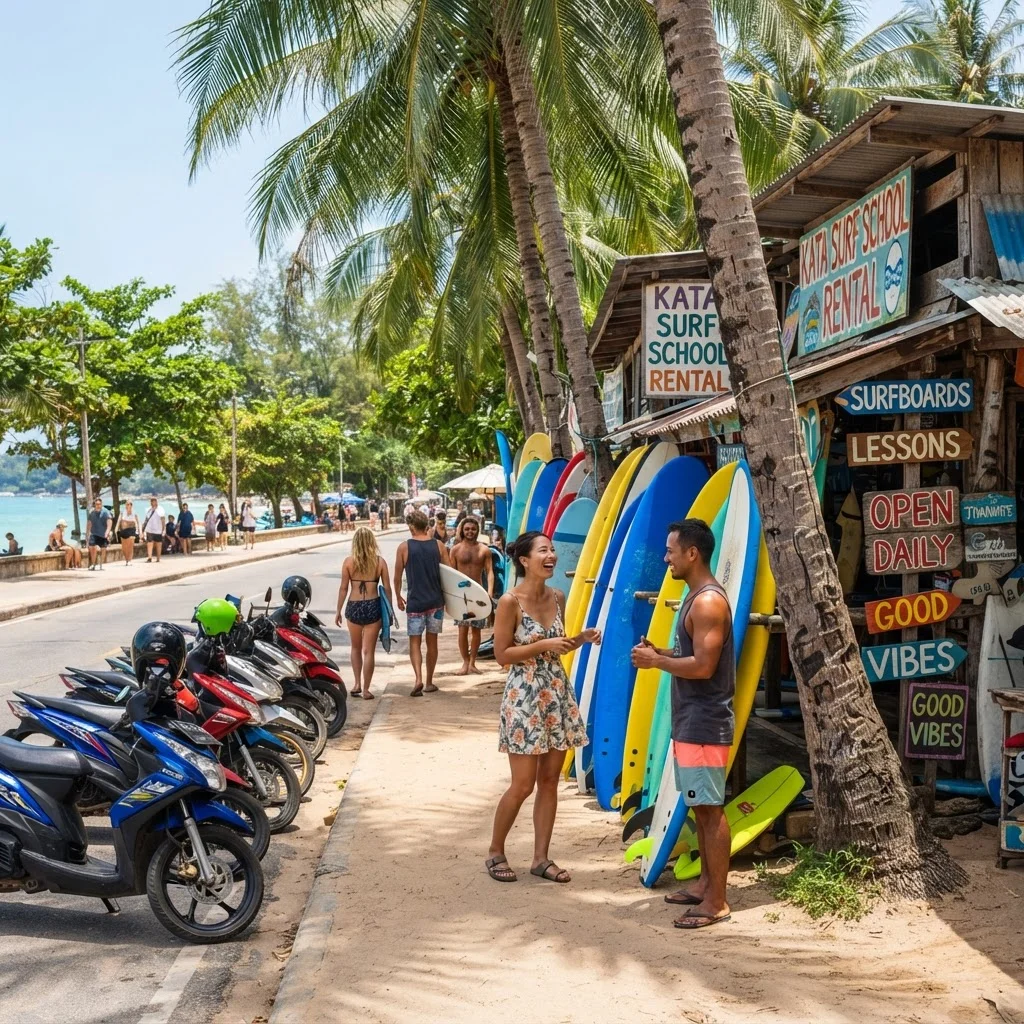
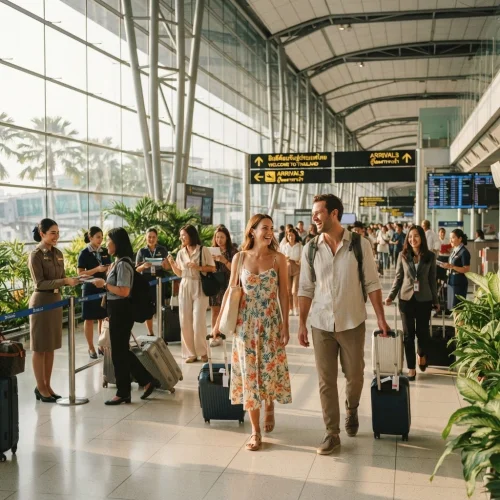
Phuket's surf breaks lie along the island's western Andaman coast across Thalang, Kathu, and Mueang Phuket districts. Arriving UK travellers land at Phuket International Airport (HKT) in the far north. Reaching the main southern hub at Kata Beach requires a 45-kilometre drive that typically takes 60 to 90 minutes, though congestion around Patong and Karon can extend journey times during peak hours.
Direct airport taxis and ride-hailing apps such as Grab and Bolt charge between 800 THB and 1,000 THB (£18.50 to £23) for standard saloon transfers to the southern bays. Surfers travelling with board bags longer than seven feet or multi-board travel coffins generally require an SUV or private minivan, which costs around 1,000 THB to 1,300 THB (£23 to £30). Budget travellers can use the Phuket Smart Bus, which departs outside the terminal and runs south along the west coast corridor through Cherng Talay, Kamala, Patong, and Kata. The bus charges a flat fare of 100 THB (£2.30) per passenger, payable by contactless bank card or cash, though the journey to Kata takes roughly two hours with intermediate stops.
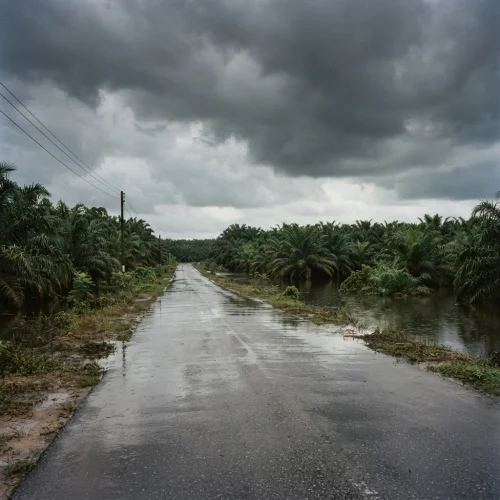
Central breaks like Kamala and Kalim sit approximately 35 to 50 minutes south of the airport. For local transport between breaks, 125cc scooters rent locally for 200 THB to 350 THB (£4.60 to £8) daily. Under Thai traffic law, riders must carry an International Driving Permit alongside a valid motorcycle licence. During monsoon squalls, steep headland passes become slick, making an economy hire car at 800 THB to 1,400 THB (£18.50 to £32) a day a much more practical choice for stowing wet gear and navigating heavy downpours.
Costs and Booking
Surfing in Phuket is notably accessible, with equipment hire and tuition priced well below typical European destinations. Beginner group lessons across established schools at Kata, Kamala, and Bang Tao beaches generally cost between 1,000 THB and 1,500 THB (£23 to £34) for a session lasting 90 minutes to two hours. These sessions include the surfboard, rash vest, and in-water instruction. Private one-on-one lessons start from around 1,500 THB and reach 2,500 THB (£34 to £57) per session, providing a dedicated coach and individual technical feedback. Multi-session packages are widely available and reduce the per-lesson rate further.
Surfboard rental is straightforward on the beach. Independent beachside vendors and established surf schools offer hourly hire for 200 THB to 300 THB (£4.60 to £7), covering foam beginner soft-tops, funboards, and shortboards. Daily rental runs between 500 THB and 700 THB (£11.50 to £16), while weekly hires cost 2,500 THB to 3,500 THB (£57 to £80) and include a leash and wax. Several major surf centres allow renters to swap board sizes and templates throughout the day at no extra charge to match changing tides and swell conditions.
Public beaches across Phuket carry no municipal admission fees or permits for surfing; surfers can paddle out freely at all public west-coast breaks. The surf season runs from May to October during the southwest monsoon, which aligns with Phuket's hospitality low season. During this window, accommodation rates across west-coast beach towns drop by 30 to 50 percent compared to winter high-season prices, making extended seaside stays economical. While equipment hire is readily arranged on the sand, booking lessons at least a day in advance is sensible during the peak swell months of July and August to secure morning coaching slots.
| Option | Cost (THB) | Cost (GBP) | Notes |
|---|---|---|---|
| Hourly Board Rental | 200 – 300 per hour | £4.60 – £7 | Soft-top, epoxy longboard, or shortboard |
| Daily Board Rental | 500 – 700 per day | £11.50 – £16 | Full-day hire, often with free board swaps |
| Weekly Board Rental | 2,500 – 3,500 per week | £57 – £80 | Multi-day hire, leash and wax included |
| Group Surf Lesson | 1,000 – 1,500 per person | £23 – £34 | 1.5 to 2-hour session, board and rash vest included |
| Private Surf Lesson | 1,500 – 2,500 per person | £34 – £57 | Dedicated coach, equipment included |
Who It Suits Best
Phuket suits beginners, progressing improvers, and longboarders looking for forgiving tropical waves without the heavy impacts or aggressive lineups of major global surf breaks. Gentle, sand-bottom beach breaks provide an accessible training ground in warm water, allowing novices to practise paddling and pop-ups comfortably. Budget-conscious travellers, families, and casual holidaymakers also benefit from lower hotel rates during the monsoon season and affordable equipment hire and tuition.
However, the island does not cater to experienced surfers seeking powerful, barreling reef breaks or consistent overhead sets. Phuket sits sheltered from direct Indian Ocean groundswells by Sumatra and the Nicobar Islands, relying instead on seasonal wind swells generated across the Andaman Sea. Wave energy is comparatively modest, and swells frequently go flat for three to four days at a time between monsoon storm cycles. Surfers who demand daily high-performance waves or secluded wilderness breaks will find the conditions underwhelming and the developed west coast too commercialised.
Before booking a surf-focused trip, realistic expectations and seasonal timing matter. West-coast waves run from May to October during the southwest monsoon, while the dry season from November to April is generally flat. Because wave consistency cannot match oceanic hubs such as Bali or Sri Lanka, travellers should ensure their itinerary includes land-based or cultural activities during inevitable flat spells.
Equipment hire also requires caution. Beachside rental shacks rarely carry insurance covering structural damage, broken fin boxes, or snapped boards. Hirers remain personally liable for repair costs or full replacement value if a board breaks in heavy shorebreak, making it wise to inspect equipment for existing stress fractures before paddling out.
Practical Tips
Pack tropical-rated surf wax and water-resistant mineral zinc sunscreen before travelling. Andaman Sea water temperatures consistently hover between 28°C and 30°C during the monsoon months, which quickly softens standard cool-water waxes into a slippery smear. While local surf shops in Kata and Patong stock imported Australian and American waxes, import duties make them noticeably pricier than buying at home.
Plan your sessions around an incoming mid-tide. High tide frequently produces heavy backwash off steep sandbanks, creating chopped-up shorebreak, whereas dead low tide exposes shallow rocks and causes waves to dump aggressively onto exposed sandbars. Checking an app such as Surfline or Windguru helps track swell period alongside tides; while local monsoon winds often generate short-period chop under seven seconds, open-ocean Indian Ocean swells arriving at nine seconds or above deliver markedly cleaner, well-spaced sets.
Keep a small bottle of household vinegar in your day pack, although popular west-coast beaches maintain public vinegar stations. Monsoon currents occasionally wash jellyfish near shore; Thai Department of Disease Control guidance requires pouring vinegar continuously over stings for at least 30 seconds to deactivate unfired stinging cells. Avoid rinsing with fresh water or citrus juice, as both cause remaining cells to discharge venom.
Rinse leash swivels, fin screws, and board bags with fresh water after every session. Phuket's fine sand combined with warm saltwater corrodes metal components and quickly seizes fin grub screws in their boxes.
Quick Reference Table
| Item | Detail | Notes |
|---|---|---|
| Surf Season | May to October | Southwest monsoon brings swells of 1.0–2.0m, reaching up to 3.0m |
| Flat Season | November to April | Calm seas with light north-easterly winds; minimal to no surfable waves |
| Water Temperature | 28°C – 30°C | Warm tropical water year-round; rash vest and boardshorts only (no wetsuits) |
| Primary Breaks | Kata Beach, Kalim Reef, Kamala Beach, Nai Harn, Bang Tao, Surin | Range from gentle sandbanks (Kata, Bang Tao) to technical coral point breaks (Kalim) |
| Tidal Conditions | Semi-diurnal (2 high, 2 low tides daily) | ~2.5m spring range; mid-to-high incoming tide generally offers the cleanest shape |
| Hourly Board Hire | 200 – 300 THB (£4.60 – £7) | Soft-top foamies, funboards, and shortboards available along the beach |
| Daily Board Hire | 500 – 700 THB (£11.50 – £16) | Full-day hire; several centres allow free board swaps to match conditions |
| Weekly Board Hire | 2,500 – 3,500 THB (£57 – £80) | Multi-day rental; includes leash and wax |
| Group Surf Lessons | 1,000 – 1,500 THB (£23 – £34) | 90 minutes to 2 hours; includes surfboard, rash vest, and in-water instruction |
| Private Surf Lessons | 1,500 – 2,500 THB (£34 – £57) | Dedicated one-on-one coach with technical feedback; equipment included |
| Beach Access Fees | Free | No municipal admission fees or permits required for surfing on public beaches |
| Airport Transfer (Taxi/Grab) | 800 – 1,000 THB (£18.50 – £23) | 45km to Kata Beach (60–90 mins); SUV/minivan for large board bags 1,000–1,300 THB |
| Phuket Smart Bus Fare | 100 THB (£2.30) flat fare | Departs Phuket Airport; stops at Cherng Talay, Kamala, Patong, and Kata (~2 hours) |
| Local Transport Hire | Scooter: 200–350 THB (£4.60–£8)/day; Car: 800–1,400 THB (£18.50–£32)/day | Valid motorcycle/driving licence and International Driving Permit required by law |
| Website | phuketsmartbus.com | West coast bus service; surf schools at talaysurf.com and baanandamanseasurf.com |
FAQ: Surfing in Phuket
When is the best time to surf in Phuket?
Do I need a wetsuit to surf in Phuket?
What tide is best for surfing in Phuket?
What should I check before renting a surfboard in Phuket?
What should I do if I get caught in a rip current while surfing in Phuket?
What are the hazards of surfing shallow reef breaks in Phuket?
What is the surf etiquette in Phuket?
How much does it cost to get a taxi from Phuket Airport to southern surf breaks with a surfboard?
What documents are needed to rent a scooter in Phuket?
What type of surf wax should I use in Phuket?
Reviewed by the Thailand Guide Editorial Team • Last reviewed: 18 November 2026
This page is provided for general information only. While we aim for accuracy, details can change — please verify anything important independently before relying on it.