SeaCat Ships


SeaCat Ships operates from the Ocean Marina Jomtien waterfront in Chon Buri, engineering commercial aluminium catamarans, monohulls, and specialised workboats up to 60 metres. Established by Australian naval architect Paul Birgan, this Board of Investment-promoted shipyard builds high-speed passenger ferries, dive liveaboards, and custom expedition craft to rigorous international survey standards, including the Australian National Standard for Commercial Vessels and Lloyd's Register rules.
Directed by Paul Birgan alongside project manager Murray Birgan, the family-managed shipyard combines Australian technical supervision with skilled Thai metal fabrication. Operating with official Board of Investment privileges, the company imports specialised marine components and exports completed vessels duty-free, providing commercial operators and private voyagers with robust aluminium construction at competitive regional production costs. Vessel construction integrates 3D computer modelling and pre-cut aluminium router kits with certified shipyard welding, marine outfitting, and comprehensive sea trials conducted directly in the Gulf of Thailand. Supported by deep-water berthing and heavy-lift hardstand facilities within the Ocean Marina Jomtien complex, the yard delivers new commercial builds, classified refits, and structural engineering for clients worldwide.

Core Shipyard Infrastructure and Marine Capabilities
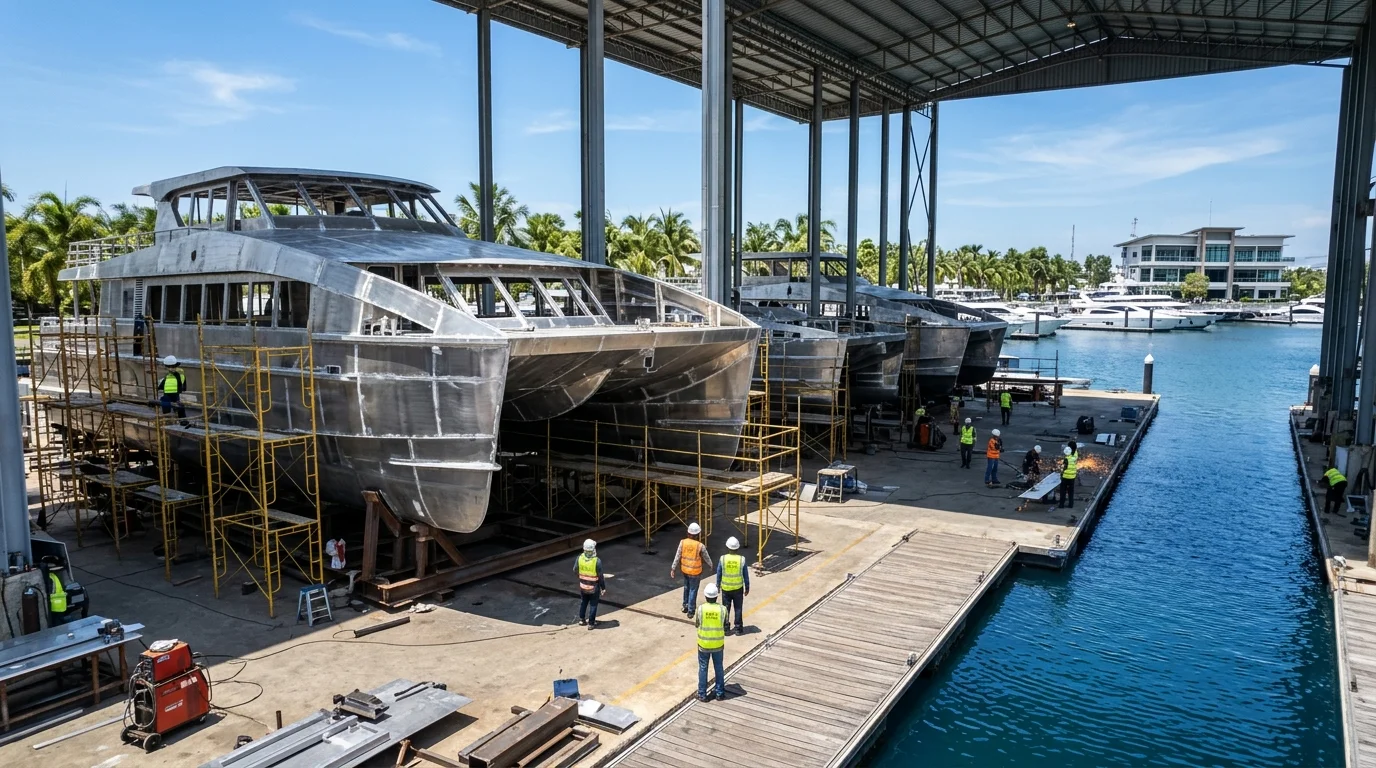
Operating from a dedicated waterfront facility inside Ocean Marina Jomtien, SeaCat Ships combines Australian naval architecture and project supervision with skilled Thai metal trades. The shipyard specialises in commercial and private aluminium catamarans, executing all structural fabrication, systems integration, sea trials, and survey testing on site.
High-speed commercial catamarans form the foundation of the shipyard's international construction portfolio. Working in direct technical partnership with Australian design firm Sea Speed Designs, the yard manufactures passenger ferries, coastal transfer craft, resort utility boats, and day-cruise catamarans. Standard hulls range from the 8.8-metre Surf Cat 850 utility landing craft up to 42-metre high-capacity passenger ferries engineered to carry more than 400 commuters. Hull geometry is refined using digital hydrodynamics software to produce low-drag semi-displacement and planing catamaran profiles, engineered to limit fuel burn across demanding daily operating schedules.
Delivered commercial vessels demonstrate the yard's international reach. Completions include Sea Express III, an 18.4-metre high-speed passenger catamaran built to United States Coast Guard Subchapter T regulations for commuter service across the US and British Virgin Islands. Powered by twin Baudouin M26.3 diesel engines, Sea Express III achieves top speeds of 27 to 28 knots while transporting up to 100 passengers across enclosed and open-deck seating. In domestic waters, the yard delivered Pearl of Siam, a 16.2-metre power catamaran operating out of Koh Chang for VIP excursions and reef charters. Driven by twin FPT N67 EVO diesel engines mated to surface drives, the vessel features an open lower dining deck, an upper observation lounge, and a fold-down stern dive platform for beach landings and passenger swimming.
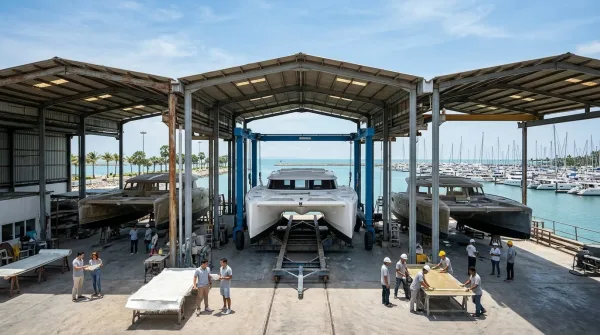
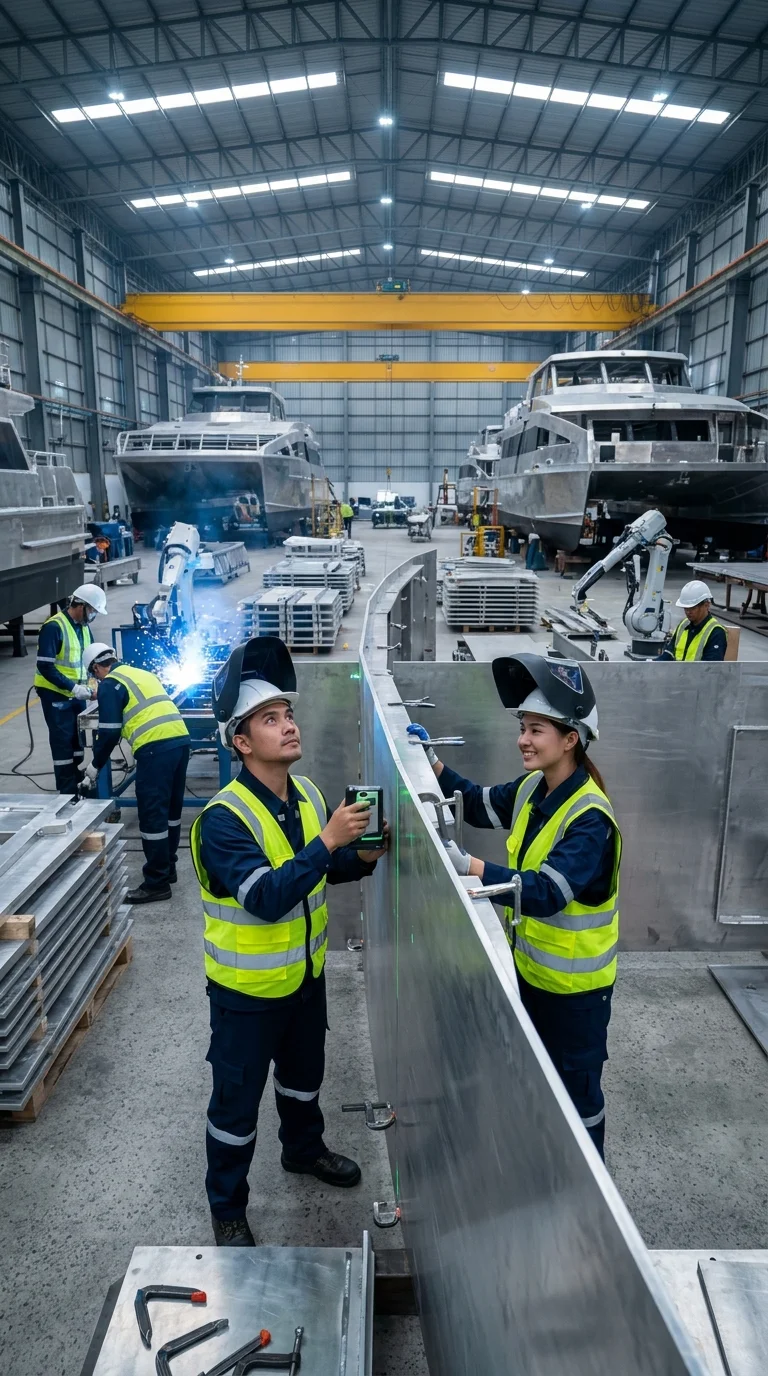
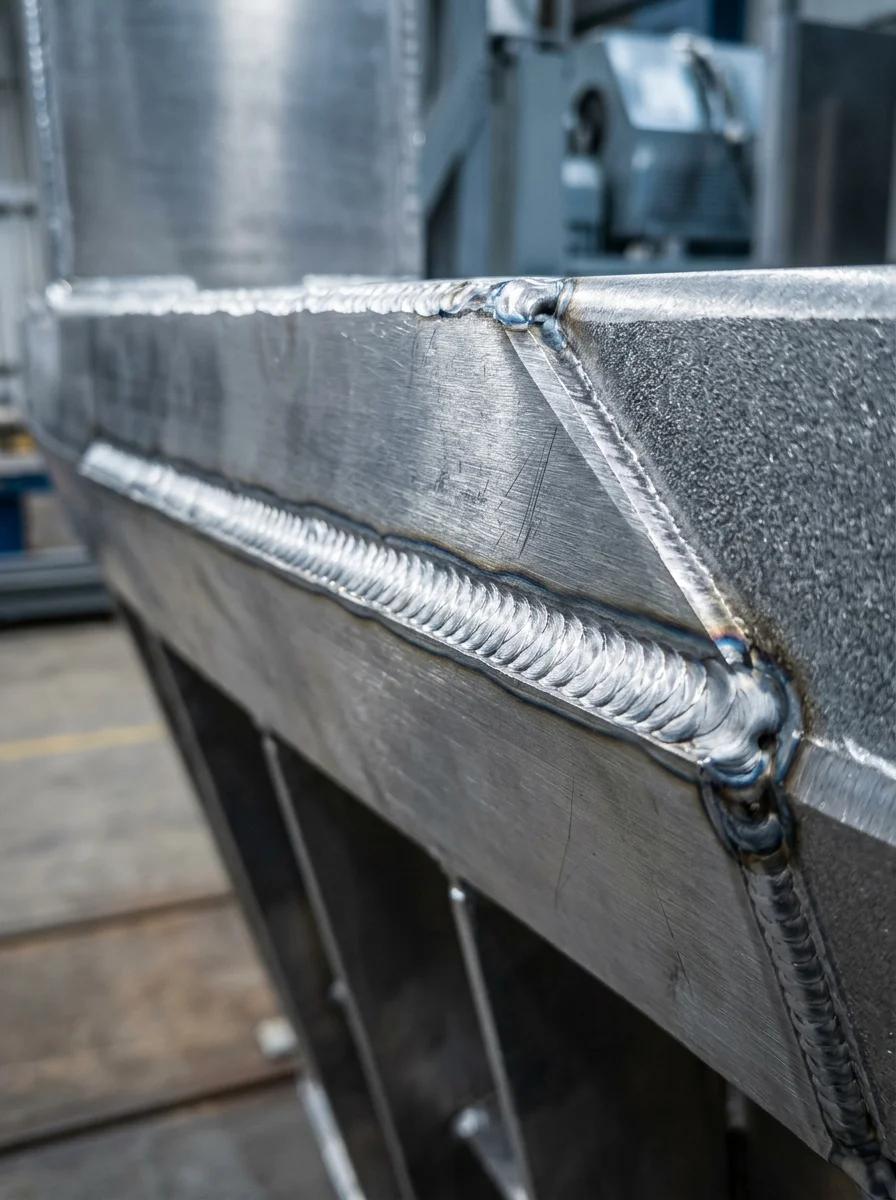
Structural construction uses certified marine-grade 5083-H116 aluminium plate alongside 6061-T6 structural extrusions. This metal specification delivers high tensile rigidity and corrosion resistance while keeping displacement low. Welders hold commercial survey qualifications and use pulsed-MIG and TIG welding equipment within enclosed construction sheds, ensuring consistent weld penetration across all structural frames, hull plating, and watertight bulkheads. Commercial transit operators seeking custom passenger vessels built to international maritime survey standards can consult the yard on bespoke hull dimensions, propulsion packages, and seating arrangements.
Custom Cruising Catamarans and Luxury Expedition Builds
The yard translates commercial multi-hull engineering into long-range private motor yachts and expedition catamarans. These vessels target self-sufficient voyaging across remote ocean passages, represented by the custom 22.3-metre (73-foot) SeaCat 74 powercat Reef Inspector, launched on site in June 2022. Built on deep-vee aluminium hulls with raked bows to extend waterline length, the vessel pairs an 8-metre beam with a shallow draught, yielding vast deck space and stability in blue-water sea states while allowing access to shallow coastal anchorages.
Propulsion for Reef Inspector relies on twin 800 hp Volvo Penta D13 diesel engines paired with Volvo Penta IPS 1050 forward-facing pod drives. This setup produces a top speed of 30 knots and a fast cruising speed of 25 knots. At an economical passage-making speed of 10 knots, fuel burn drops to 46 litres per hour, providing a transatlantic cruising range exceeding 3,000 nautical miles from its 13,000-litre fuel tanks. Across its broader expedition builds, the yard accommodates engines from other global marine manufacturers, including Baudouin, Scania, Cummins, and Caterpillar, ensuring owners can source mechanical parts and routine servicing worldwide.
Onboard auxiliary systems support extended offshore autonomy. Installations incorporate reverse-osmosis watermakers, high-capacity lithium-ion domestic battery banks, large solar panel arrays integrated into cabin hardtops, and hydraulic dive platforms fabricated into the transom. Living spaces avoid unnecessary tonnage: interior furniture and bulkheads use lightweight composite foam cores finished with natural marine timber veneers, balancing living comfort with hull performance. Australian project directors supervise interior ergonomics, navigation bridge consoles, and acoustic insulation between machinery spaces and guest cabins.
Master the local customs of Jomtien Beach with our insider cultural guide. Learn the unwritten social rules, festivals, and traditions of Chonburi.
Shipyard Heavy Lift Infrastructure and Fabrication Facilities
Direct waterfront integration inside Ocean Marina Jomtien enables SeaCat Ships to construct, fit out, and launch vessels without road haulage. The facility includes covered high-clearance assembly halls, reinforced concrete hardstand work bays, and dedicated mechanical workshops. Heavy marine lifting relies on the marina's mobile travel hoists, which provide lifting capacities of 75 tonnes and 30 tonnes. These hoists handle deep-keel transfers, rapid slipway movements, and controlled water entry directly into the marina basin.
Structural fabrication uses a kit-set construction methodology. Digital 3D CAD hull models are translated into flat-plate nesting files, with aluminium components computer-numerically-controlled (CNC) router-cut to millimetre tolerances prior to assembly. This process ensures precise alignment of longitudinal stringers, transverse web frames, and exterior shell plating before welding commences. Australian master shipwrights provide continuous floor oversight, working alongside Thai tradesmen trained in specialised marine aluminium fabrication. Electrical technicians install isolated DC bus circuits, AC marine generator plants, and bridge electronics packages, wiring all systems with marine-certified tinned copper cabling.
Commercial Refit, Vessel Engineering, and Survey Certification
Refit, structural conversion, and survey maintenance form an active second division alongside new construction. The yard handles existing aluminium and steel hulls for mid-body lengthening, cabin extensions, bulbous bow installations, repowering overhauls, and complete surface fairing with Awlgrip paint systems. A dedicated fabrication shop builds bespoke marina infrastructure and marine hardware, including boarding gangways, loading ramps, heavy-duty tender davits, radar arches, and fuel docks. The yard also constructs commercial workboats, including Ocean Angel, a 9.6-metre multi-purpose aluminium rescue and utility vessel built for Ocean Marina's own harbour fleet.
Company registration with the Thailand Board of Investment (BOI) provides duty-free import privileges for international marine machinery, specialised navigation electronics, deck fittings, and safety equipment. This status reduces capital outlays when sourcing hardware from suppliers in the UK, Australia, Singapore, and Europe, while enabling duty-free export upon vessel delivery.
New builds are engineered to stringent international survey benchmarks. SeaCat Ships routinely builds in compliance with Lloyd's Register Special Service Craft (SSC) rules and the Australian National Standard for Commercial Vessels (NSCV). The yard also holds engineering capacity for Bureau Veritas (BV), American Bureau of Shipping (ABS), US Coast Guard, and Thai Marine Department standards. On-site naval architects conduct weld non-destructive testing, tank pressure examinations, and formal inclining experiments to certify structural integrity and intact stability before delivery. Buyers organising international vessel collection can arrange marine transit coverage and cargo insurance through specialist brokers to safeguard sea deliveries and heavy-lift freight.
Location and Getting There
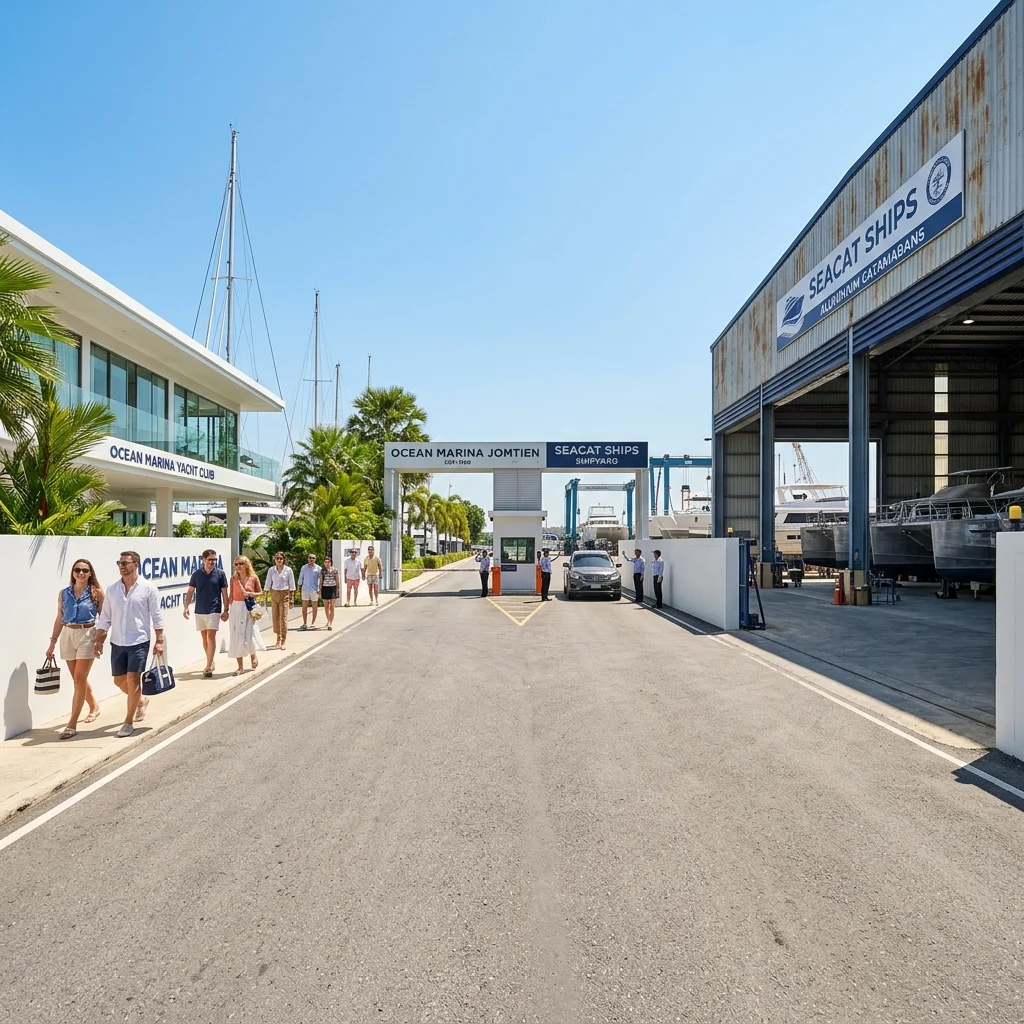
SeaCat Ships operates from the Ocean Marina Jomtien estate at 167/5 Moo 4, Sukhumvit Highway, Na Jomtien, in Chon Buri's Sattahip district. Positioned along Highway 3 at Kilometre 157, the shipyard sits roughly 15 kilometres south of central Pattaya and 130 kilometres southeast of Bangkok. This position inside a protected deep-water marina gives the yard direct water access to the Gulf of Thailand alongside heavy overland road links.
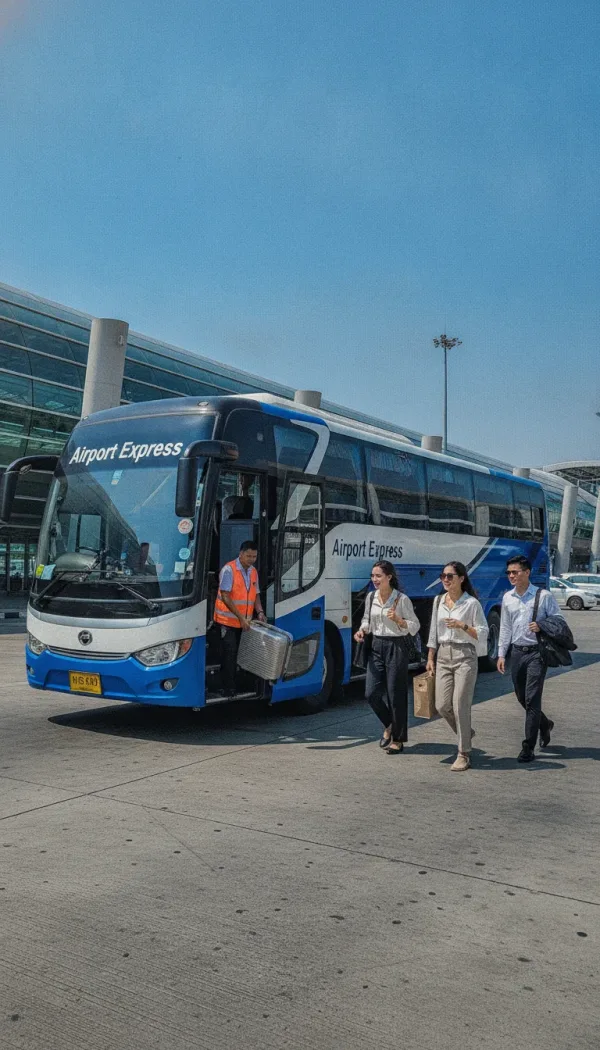
UK visitors travelling from Bangkok Suvarnabhumi Airport (BKK) can reach the yard in around 90 minutes by car or pre-booked private transfer via Motorway 7. A one-way taxi fare typically ranges between 1,200 THB and 1,600 THB (£27 to £36). Travellers flying into U-Tapao Rayong-Pattaya International Airport (UTP), located 30 kilometres to the south, face a 30-minute taxi ride costing between 500 THB and 700 THB (£11 to £16).
Direct road access from Sukhumvit Highway allows heavy freight haulage vehicles to deliver aluminium extrusions and mechanical plant directly to the fabrication bays. Visiting clients entering Ocean Marina can use the main marina parking facilities before heading through to the commercial shipyard gates.
Costs and Booking
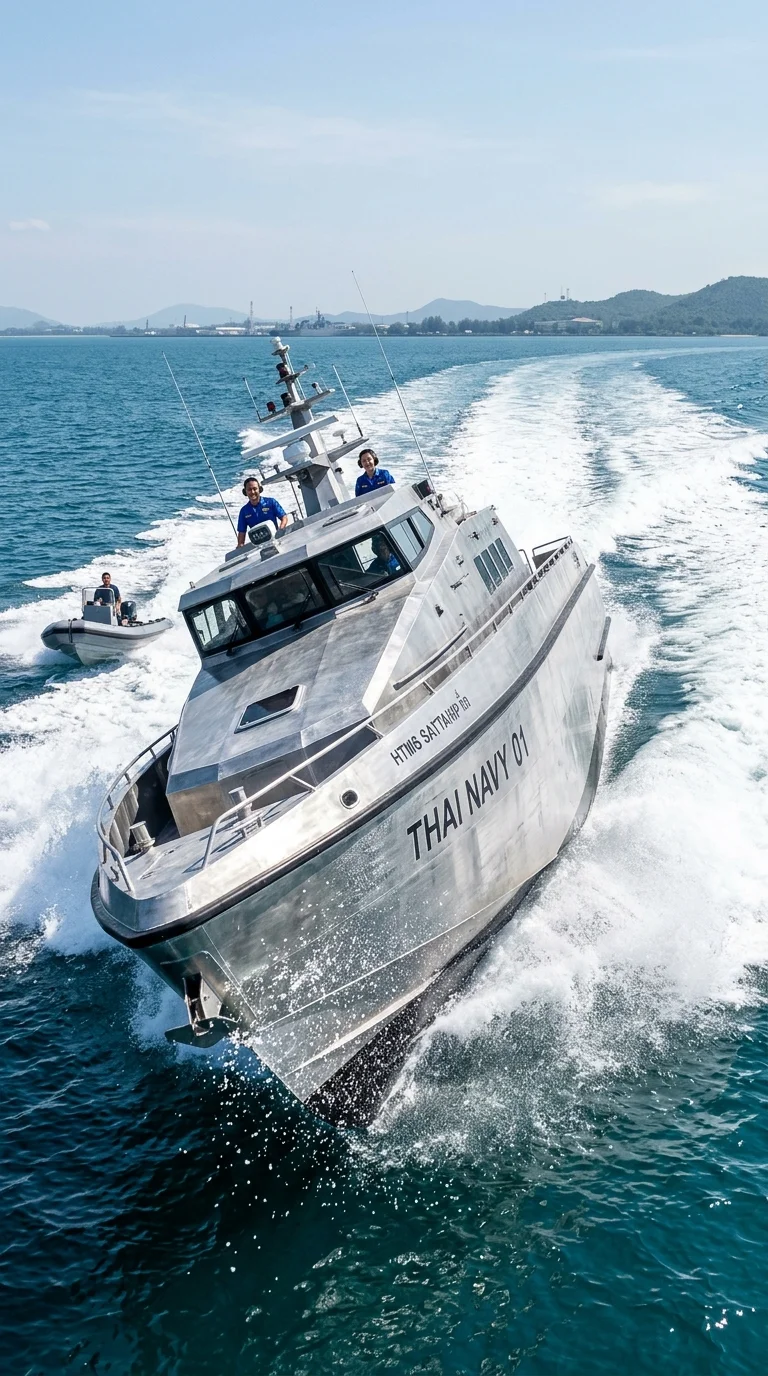
Commissioning costs at SeaCat Ships reflect the bespoke nature of commercial and private aluminium boatbuilding. Because hulls are engineered to specific operational requirements, the shipyard does not publish standardised retail price lists or off-the-shelf vessel rates. Capital outlay varies according to vessel length—spanning 6-metre workboats to high-speed passenger ferries and long-range cruisers exceeding 30 metres—as well as naval architecture parameters, international classification society rules, propulsion machinery, and interior outfitting specifications.
New-build procurement operates under milestone-based shipbuilding contracts rather than retail deposits. Once naval architecture and technical plans are finalised in conjunction with Sea Speed Designs, client contracts set out structured stage payments tied to verifiable engineering phases. Standard payment schedules are linked to design approval, keel laying, structural plate assembly, machinery installation, interior completion, and final sea trials prior to handover. For overseas buyers, the shipyard's Board of Investment (BOI) status allows duty-free importation of specialised mechanical components and duty exemptions on finished export vessels, mitigating tariff costs on high-specification equipment packages.
Yard refits, structural alterations, and fabrication works follow a similar quotation process. Works on existing aluminium vessels—such as coded welding, fairing, repainting, and mechanical overhauls—are priced through agreed project proposals following a technical survey. Out-of-water maintenance and hull surveys make use of Ocean Marina Jomtien's lifting infrastructure, which includes 75-tonne and 30-tonne travel lifts alongside hardstand areas and dedicated construction sheds. Reserving yard space or booking travel-lift slots requires direct advance coordination to align with vessel beam limits and yard availability.
| Service or Build Type | Cost (THB) | Cost (GBP) | Pricing Basis & Commercial Terms |
|---|---|---|---|
| Custom New-Build Catamaran (6m–42m+) | Price on application | Price on application | Milestone contract; stage payments tied to construction phases |
| Naval Architecture & Engineering Design | Price on application | Price on application | Scoped via Sea Speed Designs; quoted per vessel technical specification |
| Shipyard Refit & Mechanical Engineering | Price on application | Price on application | Quoted against defined work scope and technical survey requirements |
| Custom Marine Aluminium Fabrication | Price on application | Price on application | Project proposal based on engineering drawings and coded welding scope |
| Travel-Lift Haul-Out & Hardstand Staging | Price on application | Price on application | Billed on vessel dimensions and yard schedule via 75t or 30t lifts |
Who the Shipyard Suits
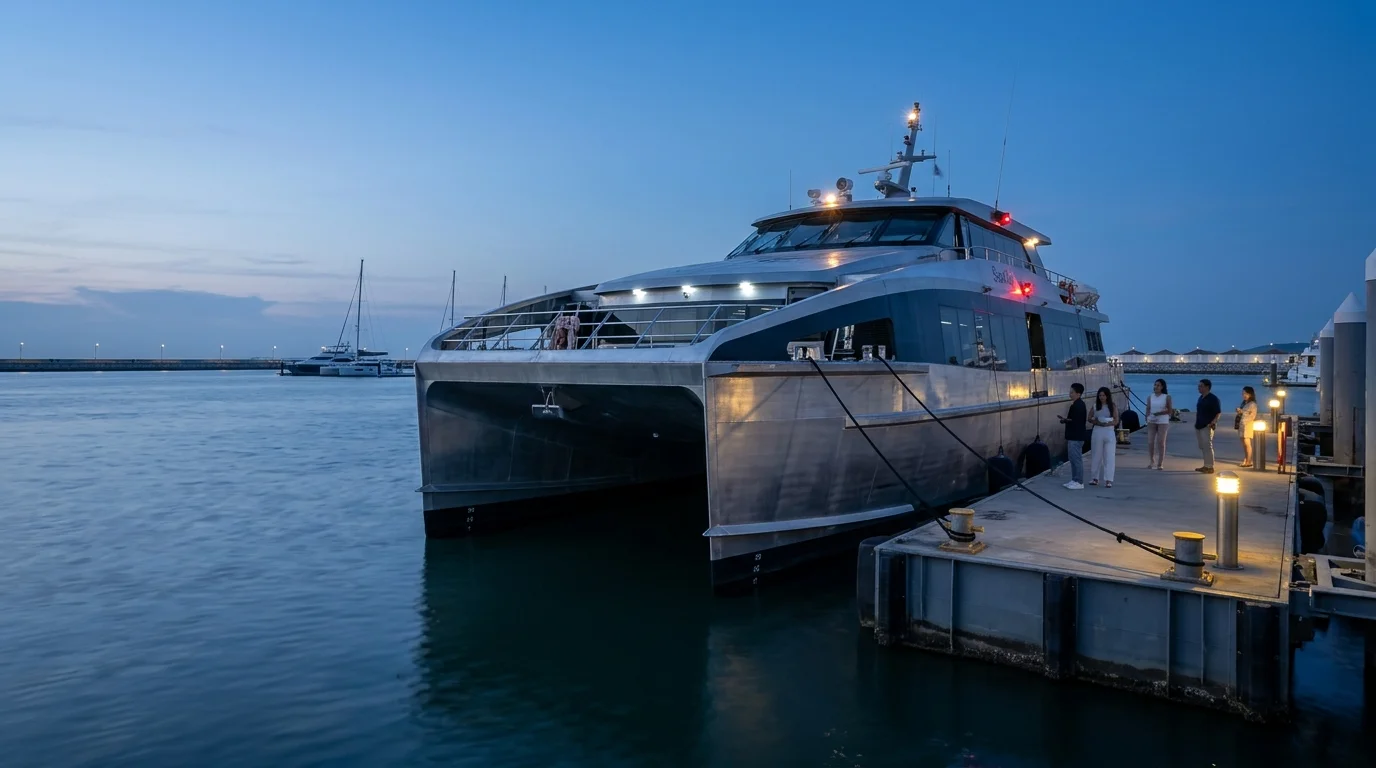
SeaCat Ships caters to commercial fleet operators, ferry companies, dive excursion businesses, and long-range private voyagers requiring custom-engineered aluminium catamarans. The yard particularly suits commercial clients seeking Australian naval architecture and project supervision delivered alongside Thai manufacturing costs. It also serves regional vessel operators requiring coded marine aluminium fabrication, structural modifications, or specialised refit work within Ocean Marina.
The facility operates strictly as an industrial construction shipyard rather than a recreational leisure outlet. It does not provide bareboat charters, tourist day-boat hires, or mass-market fibreglass runabouts.
What to Know Before You Book
Initial yard visits and design consultations must be arranged in advance with the shipyard management. SeaCat Ships operates within the working hardstand and industrial sheds of Ocean Marina Jomtien, where security gates and health-and-safety protocols restrict unannounced visitors from entering active fabrication floors.
Construction timelines for aluminium catamarans typically range from 6 to 18 months, depending on hull length and international lead times for marine diesel engines, running gear, and electronics. Commercial operators aiming for a specific tourist or charter season need to schedule build milestones well ahead of their target launch date.
Vessels built for overseas delivery benefit from Thailand Board of Investment privileges, which grant duty-free importation of marine components and duty-free export of completed craft. Working with experienced international marine freight forwarders ensures customs declarations and export paperwork remain fully compliant.
All hulls can be engineered to international classification societies, including Lloyd's Register Special Service Craft rules, the Australian National Standard for Commercial Vessels, and US Coast Guard survey codes. Specifying the intended flag state early in naval drafting ensures structural plate scantlings, watertight bulkheads, and deck layouts match legal requirements from the outset.
Practical Tips
Booking accommodation directly at the on-site Ocean Marina Resort keeps you within walking distance of the shipyard, cutting out morning commuter traffic along the busy Sukhumvit Highway. If you base yourself elsewhere in Pattaya or central Jomtien, hiring a car gives greater flexibility than relying on taxis, particularly if you need to liaise with marine suppliers across the wider Eastern Seaboard.
Timing a site visit between November and February takes advantage of Thailand's dry season, when lower humidity, cooler breezes, and calm waters make dry-dock inspections and sea trials across the bay straightforward. Overseas clients managing a project from the UK can arrange remote oversight, receiving scheduled photographic build logs and digital engineering sign-offs from the shipyard management team throughout construction.
Technical specifications should be settled as early as possible in the design phase. Specifying propulsion machinery according to local servicing networks in your vessel's eventual home waters ensures long-term parts availability, whether using Cummins, Yanmar, or other major marine diesel manufacturers. Navigation consoles, radar masts, and communication gear should also be selected before primary metal framing begins, so cabling runs and helm cutouts integrate cleanly into the aluminium structure.
For refit work or survey haul-outs, verify your vessel’s beam measurements with the yard in advance. The marina’s 75-tonne straddle carrier can lift wide multihulls, but clearances and hardstand allocation require prior confirmation before pulling into the haul-out slip. Early planning ensures lifting schedules, workshop space, and technician time align with your arrival.
Quick Reference Table
| Item | Detail | Notes |
|---|---|---|
| Vessel Construction Scope | Aluminium craft from 6m to 60m | Builds passenger ferries, workboats, dive craft, and custom powercats |
| Construction Timeframe | 6 to 18 months | Varies by hull length and international machinery lead times |
| Travel-Lift Haul-Out Capacity | 75 tonnes and 30 tonnes | Deep-water marina slipway and hardstand within Ocean Marina Jomtien |
| Commercial Standards | Lloyd's Register SSC, NSCV, USCG Subchapter T | Also accommodates Bureau Veritas, ABS, and Thai Marine Department rules |
| Pricing Basis | Price on application | Structured milestone contracts with stage payments tied to engineering phases |
| Distance from Pattaya | Approx. 15 km south | Positioned at Kilometre 157 along Sukhumvit Highway (Highway 3) |
| Transfer from Suvarnabhumi (BKK) | Approx. 90 minutes | 1,200 THB to 1,600 THB (£27 to £36) by taxi or private car via Motorway 7 |
| Transfer from U-Tapao (UTP) | Approx. 30 minutes (30 km) | 500 THB to 700 THB (£11 to £16) by taxi |
| Recommended Visit Season | November to February | Dry season conditions offer calm waters for sea trials and yard inspections |
| Site Access Requirement | Prior appointment required | Industrial shipyard hardstand with restricted security gates |
| Website | https://seacatships.com/ | Official shipyard website and commercial project portfolio |
FAQ: SeaCat Ships
What kind of vessels does SeaCat Ships build?
Where is SeaCat Ships located?
What materials are used in SeaCat Ships' vessel construction?
What is the cruising range of SeaCat Ships' expedition builds?
What lifting capacities are available at the SeaCat Ships shipyard?
What international survey standards can SeaCat Ships build to?
How far is SeaCat Ships from Bangkok's Suvarnabhumi Airport?
How are the costs for commissioning a new vessel at SeaCat Ships determined?
Who is SeaCat Ships best suited for?
When is the best time to visit the SeaCat Ships shipyard for a site visit?
Reviewed by the Thailand Guide Editorial Team • Last reviewed: 6 November 2026
This page is provided for general information only. While we aim for accuracy, details can change — please verify anything important independently before relying on it.