More than half of Thai hotel operators expect foreign tourist arrivals to finish below 32 million in 2026, according to a joint survey by the Thai Hotels Association and the Bank of Thailand.
The projection signals a year-on-year drop. Advance bookings for the fourth quarter also lag behind 2025 figures, driven primarily by weaker demand from the crucial mainland Chinese market. For British expatriates living in the country, this continuing lull in overseas visitation alters the landscape for domestic travel, local hospitality costs, and short-term accommodation options for visiting relatives from the UK.
Lower High-Season Pressure
Thailand's winter high season usually strains transport and lodging. However, the projected shortfall in foreign arrivals suggests that major destinations will be noticeably less congested between November and February than authorities had anticipated. August occupancy averaged 64 per cent across 123 surveyed accommodation providers. The industry expects this figure to contract to 52 per cent in September, reflecting normal seasonal patterns alongside broader consumer caution as foreign tourists opt for shorter stays and reduced discretionary spending.
Travellers are watching their finances closely. While the downturn softens crowding in key resort areas, British residents will not necessarily benefit from steep price cuts, as operators face rising energy and operational overheads.
Regional Disparities Across the Country
Occupancy rates vary considerably by region. Hotels in central Thailand recorded an occupancy rate of 73 per cent in August, while properties in the south saw levels climb to 58 per cent, led by four-star and luxury establishments. In contrast, northern destinations experienced a marked business slowdown. Occupancy in the north fell from 53 per cent in July to 50 per cent in August.
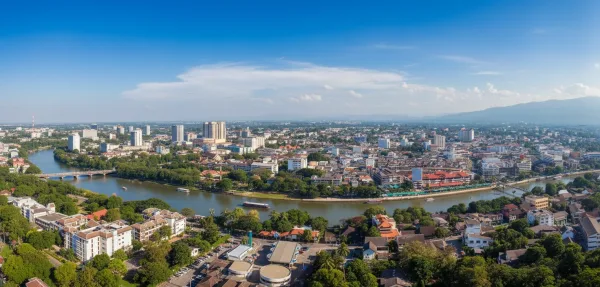
Eastern coastal regions remained broadly flat at 61 per cent, while the northeast was excluded from the survey data due to an insufficient number of participating businesses during the polling period. British expatriates planning winter breaks will find northern destinations such as Chiang Mai notably quieter, whereas southern coastal areas will maintain higher baseline activity supported by regional short-haul travellers.
Service Standards and Labour Shortages
A worsening staffing deficit presents practical difficulties for hotel guests. The survey revealed an increase in businesses reporting labour shortages in August compared to July, directly affecting front-line customer service standards. Overall room capacity has remained intact so far.
Nevertheless, expatriates arranging stays for visiting family should anticipate potential delays in service, reduced dining hours, and slower turnaround times in mid-market hotels. Hoteliers have petitioned the government for state-backed hospitality training programmes. They have also requested reductions in commercial utility tariffs and local taxes. Without these concessions, independent accommodation providers may scale back non-essential amenities to preserve operating margins.
The Shift Towards Higher Spending
Official policy is pivoting away from mass arrivals. The Tourism Authority of Thailand is pursuing a "Value Over Volume" strategy for late 2026, which deliberately concentrates resources on attracting high-spending visitors rather than pursuing raw tourist headcounts. Authorities also want to disperse tourism revenue into secondary provinces. Government stimulus plans, including the Thai Tiew Thai Plus programme, are designed to boost domestic travel before the peak international season commences.
With hotels lobbying for tax relief and utility reductions to offset inflation, British expatriates should expect stable or higher prices in prime areas despite the lower arrival numbers. Long-term British residents should budget for consistent rates in established holiday zones, while looking to non-traditional destinations for lower travel expenses. Advance booking remains advisable for domestic flights and rail connections during public holidays.
Source: nationthailand.com
Reviewed by the Thailand Guide Editorial Team • Last reviewed: 15 September 2026
This page is provided for general information only. While we aim for accuracy, details can change — please verify anything important independently before relying on it.